How to Propagate Dracaena Compacta (Janet Craig Compact)
How to Propagate Dracaena Compacta (Janet Craig Compact)
How to Propagate Dracaena Compacta (Janet Craig Compact)
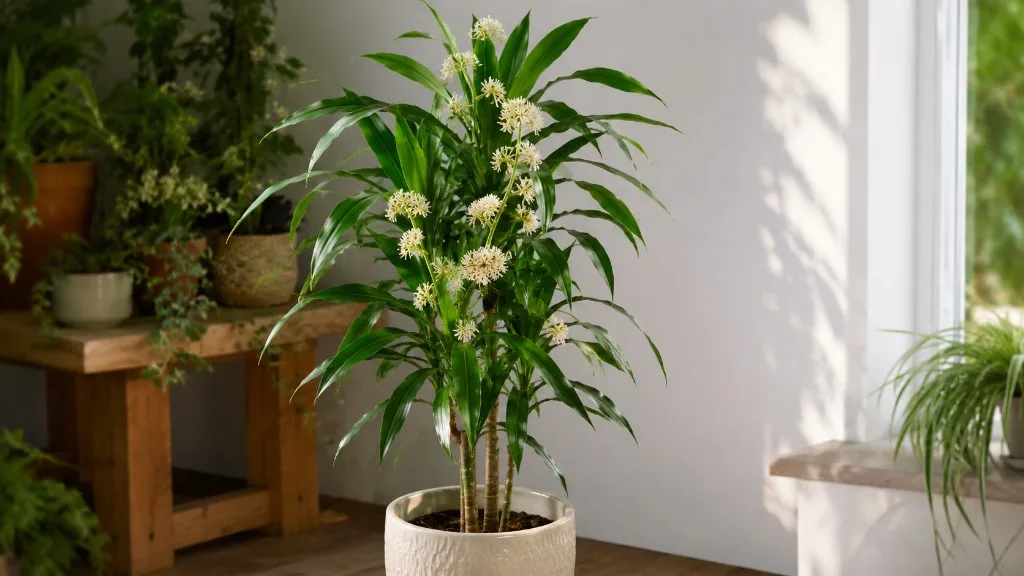
Dracaena fragrans ‘Compacta’ — sold as Dracaena Compacta or Janet Craig Compact — is the short, bushy corn-plant form with tightly stacked dark green leaves on thick canes. It stays much smaller than standard D. fragrans and suits tabletops and floor corners where a 6 ft corn plant would overwhelm the room. That compact body changes propagation: you are working with slow-growing, desk-scale canes and dense rosettes, not multi-foot bare trunks.
Dracaena Compacta propagation succeeds when you take stem tissue with nodes — usually a semi-ripe top cutting in late spring to early summer — and root it in warm bright indirect light with filtered or rainwater. The Royal Horticultural Society lists semi-ripe cuttings as the propagation method for this cultivar, with bottom heat as an optional accelerator (RHS — Dracaena fragrans ‘Compacta’). Detached leaves will not work. Plan for slow rooting — often six to twelve weeks — and treat fluoride in tap water as a real risk during the vulnerable rooting window.
Why Compacta Propagation Differs From Tall Corn Plants
Most dracaena propagation guides assume a 6 ft floor specimen with a long leafless trunk and a leafy crown far above the pot. Janet Craig Compact rarely looks like that indoors. Mature plants commonly reach 2–4 ft with leaves stacked along short, slow canes in dense rosettes. RHS notes a columnar upright habit, max height around 1–1.5 m, and 5–10 years to maturity (RHS — Dracaena fragrans ‘Compacta’). Propagation timelines stretch accordingly — this is not a fast-rooting marginata on a slim stem.
The practical difference is scale. A Compacta top cutting may be only 4–6 inches of stem plus a tight leaf cluster, not an 8-inch crown from a ceiling-bound corn plant. Cane section cuttings are possible after pruning or beheading, but many desk plants never develop enough bare trunk to slice into multiple long segments. Air layering is rarely worth the setup on a plant you can lift with one hand. For most Compacta owners, one clean semi-ripe top cutting — or a short cane piece after reshaping — is the entire project.
What the Dense Rosette Changes About Cuttings
Compacta’s leaves stay shorter and more upright than standard corn plant foliage, packed tightly around the stem tip. That density is an asset and a constraint. On the plus side, a small crown cutting still has enough leaf surface to photosynthesize while roots form. On the minus side, humidity domes and plastic bags must not press against foliage — trapped moisture on stacked leaves invites rot faster than on a sparse marginata crown.
Because growth is slow, the parent plant also produces fewer nodes per year. Each cut matters more. Choose firm green cane, mark node positions before cutting, and avoid experimental leaf-in-water projects that consume a month without producing a viable plant. When in doubt, read light placement and watering on the parent first — propagation multiplies healthy plants; it does not rescue chronic stress.
What Works on Janet Craig Compact (and What Does Not)
Three methods work on D. fragrans group plants at home, scaled down for Compacta:
- Semi-ripe top stem cuttings — the RHS-recommended primary method; remove the leafy crown with at least one node on the stem.
- Short cane section cuttings — 2–4 inch segments with nodes, vertical or horizontal in moist mix; useful after topping a leggy plant.
- Air layering — roots a middle stem section while attached; occasional option on thicker canes you are unwilling to sever blindly.
Clemson Cooperative Extension notes that dracaenas propagate readily by air layering, tip or stem cuttings, or basal shoots in spring or late summer (Clemson HGIC — Dracaena). UF/IFAS Extension recommends tip cuttings about six inches long with two or three leaves remaining, rooted in moist sand, vermiculite, or perlite in bright light away from direct sun, with roots forming in roughly six to nine weeks (UF/IFAS Extension). Adjust length downward for Compacta’s shorter crown — 4–6 inches with one or two nodes is often enough.
Why Detached Leaves Never Become Plants
A dracaena leaf removed without stem tissue cannot build a new plant. Leaves photosynthesize; nodes along the cane hold the meristematic tissue that produces roots and shoots. NC State Extension’s propagation handbook lists dracaena among plants propagated by leaf-bud or node cuttings — tissue that includes stem and axillary bud — not by leaf blade alone (NC State Extension — Propagation). A leaf may root thin filaments in water and look alive for months, then yellow without ever pushing a stem.
If your goal is a backup Janet Craig Compact, you need cane with nodes. Compost broken leaves with no stem attached.
Best Timing for Dracaena Compacta Cuttings
Take cuttings during active growth — late spring through early summer is ideal for Compacta. RHS specifies semi-ripe cuttings in late spring to early summer for this cultivar (RHS — Dracaena fragrans ‘Compacta’). Clemson adds late summer as a second window when light and warmth still support cell division (Clemson HGIC — Dracaena). Fall and winter attempts can succeed under grow lights and warmth, but rooting often takes twice as long and rot risk rises in cool rooms where small pots stay wet.
Align propagation with pruning plans when possible. If you are topping a leggy Compacta for height control, the removed crown becomes your cutting material in the same session — one wound, one purpose.
Parent Plant Health Checks Before You Cut
Take material only from a plant that is firm at the cane, pushing clean new leaves at the crown, and sitting in appropriate light with a stable watering routine. Water the parent one day before cutting so stems are hydrated; dehydrated cane shrivels before roots form. Postpone propagation if the plant was recently repotted, shipped, or shows soft tissue at the soil line — stabilize care first, then propagate.
Maintain 65–80°F (18–27°C) around the propagation setup. Compacta’s slow metabolism means cold, wet mix kills cuttings quietly while leaves still look green.
Method 1: Semi-Ripe Top Stem Cuttings
Top stem cuttings are the default for Dracaena Compacta. You remove the leafy crown, root it, and let the parent cane sprout below the cut. This is how most growers reset a leggy desk plant or create a backup specimen.
How to Take a Compacta Crown Cutting
Gather a sharp bypass pruner, 70% isopropyl alcohol for blade sterilization, a small pot or glass, and rooting medium before you cut. UF/IFAS advises sterilizing pruners before and between cuts (UF/IFAS Extension).
- Identify a node — a ring or slight ridge on the cane, often where an old leaf attached.
- Cut just below a node on the piece you will root, leaving at least one node on the stem; two nodes improve insurance.
- Target 4–6 inches (10–15 cm) total length including the dense leaf rosette — shorter than the six-inch UF/IFAS guideline for tall dracaenas because Compacta’s crown is naturally compact.
- Remove any leaves that would sit below water or bury in soil; keep several upper leaves for photosynthesis.
- Let the cut end air-dry one to four hours in warm shade before inserting in medium.
If pets share your home, contain cuttings immediately. Dracaena contains saponins toxic to cats and dogs (ASPCA — Dracaena).
Rooting Top Cuttings in Water
Water propagation is the easiest way to monitor root progress on a single desk cutting. Fill a narrow glass with room-temperature filtered, distilled, or rainwater — Clemson warns that dracaena is very sensitive to fluoride, which damages leaf tips and stresses new roots (Clemson HGIC — Dracaena). Submerge one node; keep all leaves above the water line.
Place the glass in bright indirect light — an east window or several feet back from south or west glass. Avoid direct sun on the jar, which overheats the water. Change water every five to seven days, rinsing the stem and glass if biofilm appears.
Expect white root nubs in four to eight weeks on Compacta during warm spring conditions; eight to twelve weeks is common because this cultivar grows slowly. Pot when roots reach 1–2 inches (2.5–5 cm). Do not leave stems in water past eight to ten weeks — bases soften even when roots look fine.
Rooting Top Cuttings in Potting Mix
Soil rooting produces sturdier roots from the start and suits thick D. fragrans cane tissue with lower rot risk than long-term water culture. Fill a 4-inch pot with drainage using well-draining mix amended 50% with perlite or coarse bark. Moisten until damp like a wrung sponge.
Insert the cutting 2 inches (5 cm) deep with at least one node below the surface. Firm lightly. Enclose in a loose clear bag or dome supported so plastic does not touch leaves, maintaining 60–80% humidity with airflow gaps.
Keep medium lightly moist, not wet. Check after six to eight weeks with a gentle tug — resistance suggests rooting. Bottom heat at 75–80°F (24–27°C) under the pot matches RHS guidance that bottom heat may be required for Compacta rooting (RHS — Dracaena fragrans ‘Compacta’). New leaf unfurling at the crown is a better success signal than pulling the cutting to inspect.
Method 2: Short Cane Section Cuttings
After you remove a Compacta crown, the remaining cane may still hold one or two nodes on a short stub — or you may have 6–12 inches of stem if the plant grew leggy before pruning. Cane section cuttings turn that tissue into additional plants instead of compost.
NC State describes cane cuttings for corn plant and similar thick-stem houseplants: 2–3 inch (5–7.5 cm) sections with one or two nodes, placed horizontally on medium or vertically with half buried (NC State Extension — Propagation). Clemson confirms that cutting bare stems at the desired height produces new leaves from nodes below (Clemson HGIC — Dracaena).
Vertical vs Horizontal Placement on Short Canes
Vertical sections mimic a miniature trunk: bury the bottom end 1–2 inches with a node below soil and a node above. One shoot rises; one zone roots. Best when you have 3–4 inches of usable cane.
Horizontal sections lie on moist mix, pressed halfway in so underside nodes contact moisture. Multiple shoots can emerge from one piece — efficient when material is limited. Both orientations need a vented humidity dome and warm bright indirect light. Leafless sections lose less water than top cuttings but still rot in cold, saturated mix.
Method 3: Air Layering (When It Is Worth It)
Air layering roots stem tissue while it remains attached to the parent, so the section keeps receiving water and sugars during root formation. On a 2–4 ft Compacta, this is rarely necessary — a top cutting in soil with bottom heat usually succeeds. Consider air layering only when the cane is thick and valuable, you want roots guaranteed before severing, or water propagation has failed twice on the same tissue.
The technique matches standard dracaena air layering: wound a firm cane section, pack damp sphagnum moss, wrap in clear plastic, mist as needed, and sever when roots fill the moss ball — typically four to twelve weeks in warm conditions. Clemson lists air layering among reliable dracaena propagation methods (Clemson HGIC — Dracaena). Skip it on stressed, recently repotted, or thin juvenile canes.
Rooting Conditions That Speed Slow Compacta Growth
Every Compacta propagation method needs the same triangle: warmth, bright indirect light, and balanced moisture with airflow. Cold is the silent killer — a cutting in a 62°F (17°C) room with wet mix rots before it roots, while the same cutting at 75°F (24°C) may root in half the time.
Bottom Heat, Humidity, and Filtered Water
Bottom heat under soil trays raises root-zone temperature without overheating leaves — especially useful for Compacta when RHS notes it may be required (RHS — Dracaena fragrans ‘Compacta’). Target 75–80°F (24–27°C) media temperature with a propagation mat.
Humidity around 60–80% inside a vented dome helps leafless cane sections and fresh top cuttings. Never seal plastic tightly against Compacta’s stacked leaves.
Water quality matters throughout. Use rainwater or filtered water for rooting and early aftercare. Clemson advises keeping soil pH near 6.0–6.5 to limit fluoride injury and avoiding fertilizers with superphosphate (Clemson HGIC — Dracaena). Brown tips on a cutting often mean fluoride, not failed rooting.
Realistic timelines for Dracaena Compacta: water top cuttings 6–10 weeks; soil top cuttings 6–12 weeks; short cane sections 8–14 weeks; air layering 4–12 weeks before severing. Cool or dim conditions extend all ranges.
Aftercare From First Roots to a Stable Compacta
Propagation is not finished when roots appear. Transition stress kills many cuttings after apparent success.
For water-rooted cuttings, pot at 1–2 inch root length into a 4–6 inch pot with airy soil mix. Keep humidity high and light bright but not harsh for two weeks while soil roots develop. Water when the top inch dries — do not drench fragile new roots.
For soil-rooted cuttings, remove the dome gradually over a week once the stem resists a gentle tug. Hold fertilizer until active new growth — typically four to eight weeks after confirmed rooting. Young roots burn easily from concentrated feed.
Watch new leaves at the crown. Firm, glossy, normally spaced foliage means the plant is settling. Yellow newest leaves or a soft cane base means wet mix, fluoride, or rot — ease watering and switch water source before adding feed.
Parent Cane Regrowth After a Top Cut
When you remove a Compacta crown, the remaining cane activates dormant buds below the wound. Clemson states that if stems become too long, you can cut at the desired height and new leaves will soon appear (Clemson HGIC — Dracaena). Expect one or more shoots from nodes within two to eight weeks during warm active growth.
Leave the parent in its original pot for at least one growth cycle unless roots were already compromised. Water on your normal top-2-inch-dry schedule and provide the same bright indirect light as before. Do not force growth with heavy fertilizer — buds break when hormones rebalance.
If no shoots appear after ten warm weeks, confirm the cane is still firm and green, verify viable nodes remain below the cut, and check that the plant is not sitting in cold wet soil.
Common Compacta Propagation Failures
Most failures trace to a short list of correctable errors scaled to small pots and slow growth:
Mushy stem base in water — cutting sat too deep, water was stagnant or cold, or cane was declining before the cut. Discard soft tissue; restart with firm material.
Green leaves but no roots after ten weeks — usually too little light or too cool a room. Move to brighter indirect exposure and add bottom heat under soil setups.
Brown leaf tips on new cuttings — often fluoride in tap water, not failed rooting. Switch to filtered water per Clemson guidance (Clemson HGIC — Dracaena).
Rot in a 4-inch pot — overwatering after potting water-rooted cuttings. Compacta pots hold less volume; they dry faster in bright light but stay wet longer in dim corners. Match water to light level.
No parent regrowth — cut too low without viable nodes, or parent is cold and waterlogged. Scrape gently to confirm green tissue remains.
If multiple sections fail, pause and stabilize the parent before taking more material.
When to use this page vs other Dracaena Compacta guides
- Dracaena Compacta overview — Whole-plant identity, toxicity, and care summary before you propagate.
- Dracaena Compacta pruning — Cane topping and node placement when propagation follows a height-reset cut.
- Dracaena Compacta repotting — Potting rooted cuttings and timing transplant after roots establish.
- Dracaena Compacta watering — Dry-down rules and fluoride-safe water for parent and new plants.
- Dracaena Compacta light — Bright indirect placement for rooting stations and established specimens.
Related Dracaena Compacta guides
- Dracaena Compacta overview
- Dracaena Compacta watering
- Dracaena Compacta light
- Dracaena Compacta soil
- Dracaena Compacta fertilizer
- Dracaena Compacta repotting
- Dracaena Compacta pruning
Conclusion
Dracaena Compacta propagation rewards growers who respect nodes, slow timelines, and desk-scale canes. Take semi-ripe top cuttings in late spring to early summer, root in filtered water or airy mix with optional bottom heat, and give the project six to twelve weeks before you judge failure. Short cane sections after pruning can multiply material; air layering is occasional insurance on thick stems.
Leaves without nodes belong in the compost. Choose firm green cane, sterilize tools, keep cuttings and pruned debris away from pets, and maintain warm bright indirect conditions while both the new plant and parent cane recover. Done correctly, one Janet Craig Compact becomes a backup on your desk — and a shorter, bushier parent below the cut.