Dracaena Compacta Watering: Schedule, Soil Checks & Mistakes
Dracaena Compacta Watering: Schedule, Soil Checks & Mistakes
Dracaena Compacta Watering: Schedule, Soil Checks & Mistakes
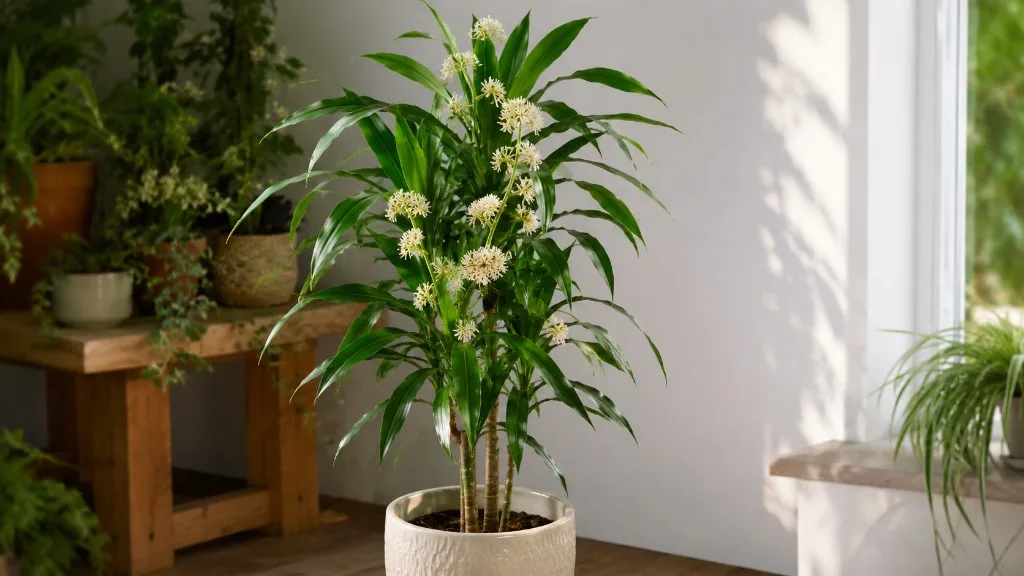
Dracaena fragrans ‘Compacta’ — sold as Dracaena Compacta or Janet Craig Compact — is the short, bushy corn-plant form with tightly stacked dark green leaves on thick canes. It stays much smaller than standard D. fragrans and suits tabletops and floor corners where a 6 ft corn plant would overwhelm the room. That compact body changes how you water: smaller pots, slower growth, and a dense leaf rosette that uses less water than a tall cane specimen but rots just as fast when soil stays wet.
Dracaena Compacta watering is not about a fixed weekly pour. It is about reading when the top 2 inches of mix are dry, soaking thoroughly when they are, and using rainwater or filtered water if brown tips keep appearing. The Royal Horticultural Society advises watering D. fragrans ‘Compacta’ moderately during the growing season and sparingly in winter, preferably with rainwater because dracaenas dislike tap water (RHS — Dracaena fragrans ‘Compacta’). Get the dry-down depth right, empty the saucer after every drink, and treat a soft cane at the soil line as an emergency — not a wait-and-see moment.
Why Compacta Watering Differs From Big Corn Plants
Most online dracaena watering advice targets tall corn plants in 10–12 inch pots: let the top half dry, water every two to three weeks, judge by a heavy pot. Dracaena Compacta rarely lives in that setup. Mature plants top out around 2–4 ft with a narrow spread, and most growers keep them in 6–8 inch containers on desks and side tables. The root zone is shallower, the biomass is smaller, and growth is slow to moderate — so the pot simply does not behave like a floor specimen.
Compacta is still Dracaena fragrans, and Pacific Northwest extension guidance is explicit: allow D. fragrans to dry out; it is easily overwatered (PNW Handbooks — Dracaena Tip Burn). That fragrans sensitivity applies to Compacta even though the plant looks tougher with its thick, upright leaves. The dense rosette stores less moisture in cane tissue than a multi-foot corn stalk, which means overwatering damage can reach the base faster — there is less healthy wood between the roots and the crown.
At the same time, Compacta is not a succulent. Missouri Botanical Garden notes that corn plant roots need uniformly moist soil during active growth but should never sit in totally dry mix for long stretches, with soils allowed to dry slightly between waterings and watering reduced from fall through late winter (Missouri Botanical Garden — Dracaena fragrans). The skill is finding the dry-down window — not desert, not swamp — in a pot that may be one-third the volume of guides written for larger plants.
The Top-Two-Inch Dry Rule for Dracaena Compacta
The most reliable rule for Janet Craig Compact is simpler than the “top half dry” shorthand used for deep floor pots: water only when the top 2 inches (5 cm) of mix feel dry to the touch. RHS general dracaena guidance matches this depth — check compost and water once the top 5 cm feels dry (RHS — How to grow dracaena). LeafyPixels plant data for this cultivar aligns: push your finger 2 inches in; water only when dry at that depth.
In a typical 6–7 inch pot, 2 inches is a meaningful fraction of the soil column — often roughly the upper third — without requiring you to guess half of a container you cannot see inside. When dry at depth, water until runoff drains freely, then empty the saucer within 10–15 minutes. Shallow sips that dampen only the surface are worse than waiting an extra day; they keep the middle of the root ball stale while the top looks fine.
Do not wait for the entire root ball to go bone-dry unless you are correcting chronic overwatering. Compacta tolerates dry spells better than waterlogging, but repeated full desiccation damages fine root hairs and can cause the tight rosette to droop and crisp at the edges.
How to Test Soil Moisture on a Small Pot
Surface appearance lies, especially in peat-heavy mixes that pale and crack on top while staying damp below. Use at least one physical check before every watering:
- Finger test: Push into the mix to the second knuckle — about 2 inches. Cool, clinging soil means wait. Dry, crumbly soil at that depth means water.
- Skewer test: Insert a dry wooden skewer to the pot bottom. Pull it out; moisture darkens the wood. Mid-pot dampness with a dry surface tells you to hold off.
- Lift-and-weigh: A Compacta in a plastic nursery pot is light enough to learn by feel. A noticeably lighter pot usually means the upper zone has dried. Calibrate over two or three cycles.
- Moisture meter (optional): Useful as a second opinion at mid-depth. Chunky bark mixes can skew readings, so trust your finger first.
Consistency beats gadgetry. After a month of checking, you will sense how your plant dries in its specific light placement — and that intuition, backed by a physical test, prevents most watering failures.
How Often to Water Dracaena Compacta Indoors
Calendar ranges are only starting points. For most indoor Dracaena Compacta plants, expect every 7–14 days in spring and summer and every 14–21 days in fall and winter — always contingent on the top 2 inches being dry first. A bright windowsill plant may hit the short end; a cool, dim office plant may stretch well past three weeks in January.
Treat these numbers as check-in reminders, not pour days. Clemson Cooperative Extension advises allowing dracaenas to dry slightly between waterings, then watering thoroughly when the soil surface is dry (Clemson HGIC — Dracaena). “Slightly dry” for Compacta means that 2-inch zone, not a calendar.
Summer Active Growth Rhythm
From mid-spring through summer, longer days and warmer rooms push occasional new leaves from the crown of the rosette. Transpiration rises, and the pot dries faster. Check every 5–7 days, but water only when the depth test passes. Many Compacta plants need a full soak every 7–14 days in active growth, though a plant recently moved to brighter indirect light may dry faster until you recalibrate.
Air-conditioning can fool you: the surface may crust dry while the root ball stays cool and damp. Always test at depth, not just the top inch. If new leaves are firm and soil dries on a predictable rhythm, your timing is likely sound. If growth stalls while mix stays wet, cut back frequency even in summer — the plant is not using water at the rate you are supplying it.
Winter Slowdown and Longer Dry-Downs
Winter kills more Compacta plants with kindness than drought. Shorter days slow photosynthesis; cooler rooms cut evaporation; the dense rosette adds almost no new leaves for weeks — yet the pot still looks green, so growers keep pouring on a summer schedule. RHS cultivation guidance for this cultivar is direct: water sparingly in winter (RHS — Dracaena fragrans ‘Compacta’).
Soil that dried in 10 days in July may take three to five weeks in January. Reduce check-ins to every 10–14 days and expect long dry spells. One yellow lower leaf on an otherwise stable winter plant is often natural senescence; three or more yellowing leaves within a week on wet soil is a different problem. Hold off on repotting, heavy fertilizer, and aggressive pruning during winter slowdown unless you are fighting active rot.
Why Tap Water Causes Brown Tips on Compacta
Brown, papery tips on otherwise green Dracaena Compacta leaves are among the most common complaints — and among the most misdiagnosed. Growers mist leaves, buy humidifiers, and cut fertilizer while the real culprit keeps arriving through the watering can: fluoride in municipal tap water.
Clemson HGIC states dracaena is very sensitive to fluoride, with yellowing tips, scorched margins, and dead patches as symptoms (Clemson HGIC — Dracaena). PNW Handbooks document that fluoride is an accumulative poison in foliage, moving through the transpiration stream and concentrating at leaf margins on D. fragrans (PNW Handbooks — Dracaena Tip Burn). Compacta’s dark strap leaves show the damage clearly — a thin dry line at the tip or margin while the rest of the leaf stays glossy green.
Fluoride burn differs from thirst. Underwatering gives you a light pot, dry soil throughout, and limp rosette leaves. Fluoride gives you adequately timed watering with isolated necrosis at margins. Low humidity tends toward broader edge browning, sometimes on multiple leaves at once. If only tips are affected and your dry-down timing is sound, change the water before chasing humidity.
Other fluoride sources matter. Michigan State University Extension notes that perlite in potting mix and fertilizers with superphosphate can increase fluoride availability in the root zone (MSU Extension — Fluoride toxicity). Clemson recommends keeping soil pH between 6.0 and 6.5 to reduce fluoride injury (Clemson HGIC — Dracaena). Switching water source still delivers the fastest visible improvement for most homes.
Rainwater, Distilled, and RO Options
RHS advises using rainwater or filtered water for dracaenas when possible, because hard tap water is alkaline and fluoride damages foliage (RHS — How to grow dracaena). Practical options:
- Rainwater from a clean collection surface is ideal where rainfall is reliable. Store covered.
- Distilled or baby water is consistently low in minerals and fluoride — predictable for a single tabletop plant.
- Reverse-osmosis (RO) water removes fluoride and most dissolved salts; practical if you grow several sensitive species.
- Standard pitcher filters and overnight sitting do not reliably remove fluoride. Chlorine may off-gas; fluoride remains.
You do not need special water on day one if tips look clean. The moment new brown necrosis appears on fresh growth while your dry-down timing is correct, switch water before adjusting other variables. Trim existing brown tips for appearance — that tissue will not green up again, but new leaves can arrive clean.
Step-by-Step: Watering Janet Craig Compact the Right Way
Correct technique matters as much as timing in a small pot where standing water reaches the short cane quickly.
- Check the top 2 inches with finger, skewer, or pot weight.
- Water slowly at the soil surface, not over the rosette. Pour in stages so mix absorbs evenly instead of channeling down the pot wall.
- Continue until water runs steadily from drainage holes — confirming the root zone rewetted.
- Empty the saucer or cachepot within 10–15 minutes. Lift the nursery pot out of decorative outers, water at the sink, drain fully, then return.
- Note the date and pot weight to learn this plant’s rhythm in this spot.
Avoid misting as a substitute for root-zone watering. Misting adds negligible soil moisture and can encourage foliar spotting. If humidity is below 35–40%, a pebble tray or humidifier addresses leaf comfort without masking dry soil.
Signs You Are Overwatering Dracaena Compacta
Overwatering is the primary killer of indoor Compacta. Warning signs appear above soil while roots are still partly salvageable:
- Yellow lower leaves in clusters, especially when soil has been wet for days
- Soft, mushy cane at the soil line — healthy wood is firm when pressed
- Drooping leaves on damp mix — limp foliage with wet soil is overwatering, not thirst
- Soggy mix that never dries on your expected interval
- Sour or fermented odor from drainage holes
- Fungus gnats breeding in persistently moist surface soil
One old yellow leaf is not panic. Three or more within a week on a regularly watered plant is a red flag. Stop watering, move to brighter indirect light if the plant has been in deep shade (light helps soil dry), and inspect the base if the cane feels less than solid.
Root Rot in Compact Canes: Catch It Early
Dracaena Compacta root rot develops when roots sit in oxygen-poor, waterlogged soil long enough for pathogens to colonize them. Overwatering is the main trigger; poor soil drainage, no drainage holes, and oversized pots accelerate it. Because Compacta canes are short, rot can reach the crown with less warning than on a tall corn plant.
Above-ground clues overlap with general overwatering: yellowing, wilting on wet soil, stalled new growth, soft basal cane. The definitive test is unpotting. Healthy roots are firm, whitish to tan, and hold soil when shaken gently. Rotted roots are brown, slimy, and foul-smelling.
Recovery when caught early:
- Unpot and rinse roots gently to assess damage.
- Trim all mushy tissue with clean, sharp tools; sterilize blades between cuts if rot is extensive.
- Cut away soft cane tissue above the root zone.
- Discard old soil; repot into fresh, well-draining mix in a clean pot with holes.
- Hold water 7–14 days, then resume conservative top-2-inch dry watering.
- Place in bright indirect light; skip fertilizer until new growth appears.
See root rot on Dracaena Compacta for deeper troubleshooting if the base is already collapsing.
Signs Your Compacta Actually Needs Water
Underwatering is less common but happens when growers overcorrect after rot, or when winter dry spells stretch longer than expected.
Genuine thirst signals:
- Pot feels noticeably light versus post-watering weight
- Soil pulls away from pot walls or is dry well past 2 inches
- Rosette leaves droop or curl on otherwise green foliage — not yellow, not mushy-stem droop
- Crispy brown tips from drought (distinct from fluoride’s papery margin lines on adequately watered plants)
- Growth stalls during active season with adequate light
Fix underwatering with one thorough soak, not a week of small sips. Water to runoff, drain fully, return to the dry-down rule. A healthy plant should perk within 24–48 hours.
Pot Size, Soil, and Drainage for Slow Growers
Watering cannot overcome a bad container. Compacta needs drainage holes — non-negotiable. A decorative pot without holes traps every drink at the bottom.
Well-draining mix with perlite and coarse bark helps the top 2 inches dry at a reasonable pace. Ironically, perlite can contribute fluoride, which is why water quality still matters in an ideal soil blend. Avoid heavy garden soil or pure peat that stays spongy for weeks.
Oversized pots are a hidden overwatering cause. A small Compacta in a huge container sits in wet soil the roots never reach. Size up only when roots circle the pot or emerge from drainage holes. Terracotta dries faster than glazed ceramic — adjust check-in frequency when you change pot material, not the dry-down standard.
Matching Water to Light and Room Conditions
Light is the hidden variable behind every dracaena compacta watering schedule. A plant 3 feet from an east window transpires faster than one on a dim interior shelf 15 feet from glass. Brighter placement means more frequent checks; dim corners mean more patience between drinks.
Temperature and airflow matter too. Heating dries air and can accelerate surface evaporation without drying the root ball evenly. Cold drafty sills slow metabolism and soil drying together. Air-conditioning in summer can cool the pot while the room feels hot, trapping moisture in the mix.
Humidity between 40–60% keeps leaf margins comfortable but does not replace correct soil moisture or clean water. Do not blame humidity for brown tips until fluoride and dry-down timing are ruled out.
When you move a Compacta, reset expectations. A plant moved to brighter light may need water twice as often for the first month. One moved to a darker corner may need half as much. Check daily for two weeks after any move, then settle into a rhythm.
Common Dracaena Compacta Watering Mistakes
These errors account for most failures with Janet Craig Compact indoors:
- Watering weekly without a depth check — soil does not dry on a fixed schedule
- Leaving the pot in standing saucer water after every drink
- Using straight tap water and blaming humidity when tips brown
- Topping off with small sips instead of soaking when the top 2 inches are dry
- Summer rhythm in winter because the rosette still looks green
- Repotting into a much larger pot and keeping the old watering frequency
- Ignoring a mushy cane while hoping yellow leaves recover alone
- Misting instead of watering when soil is dry and leaves droop
Each mistake is fixable the moment you notice it. Mushy cane and black roots require intervention — not another calendar tweak.
Conclusion
Dracaena Compacta watering comes down to three habits: test the top 2 inches before every soak, use rainwater or filtered water if brown tips persist, and treat wet soil and soft cane as emergencies before rot advances. Expect 7–14 days between drinks in summer and 14–21 days or longer in winter — but let the soil, not the calendar, decide. This slow-growing compact form punishes waterlogging more reliably than it punishes an extra dry day.
Check before you pour. Soak until drainage. Empty the saucer. Match your rhythm to light, pot size, and season. With those habits, Janet Craig Compact becomes a steady tabletop plant instead of one that mysteriously yellows despite your attention.
When to use this page vs other Dracaena Compacta guides
- Dracaena Compacta overview — Start here for whole-plant context before deep-diving watering.
- Dracaena Compacta light — Adjust watering expectations after changing placement; light drives dry-down speed.
- Dracaena Compacta soil — Fix mix and drainage when water timing is right but soil stays wet too long.
- Overwatering on Dracaena Compacta — Escalate when yellow leaves and wet soil persist after you cut back frequency.
- Root rot on Dracaena Compacta — Use when the cane is soft or roots are mushy despite watering changes.