Slow Growth on Epipremnum Pinnatum: Causes, Checks & Fixes
Quick answer
Slow growth on Epipremnum Pinnatum means almost no new nodes for six or more weeks in warm months—not a trailing vine that simply stays in small juvenile leaves. First step: check bright indirect light at the foliage and whether the vine has a moss pole; move to a brighter spot before repotting or fertilizing.
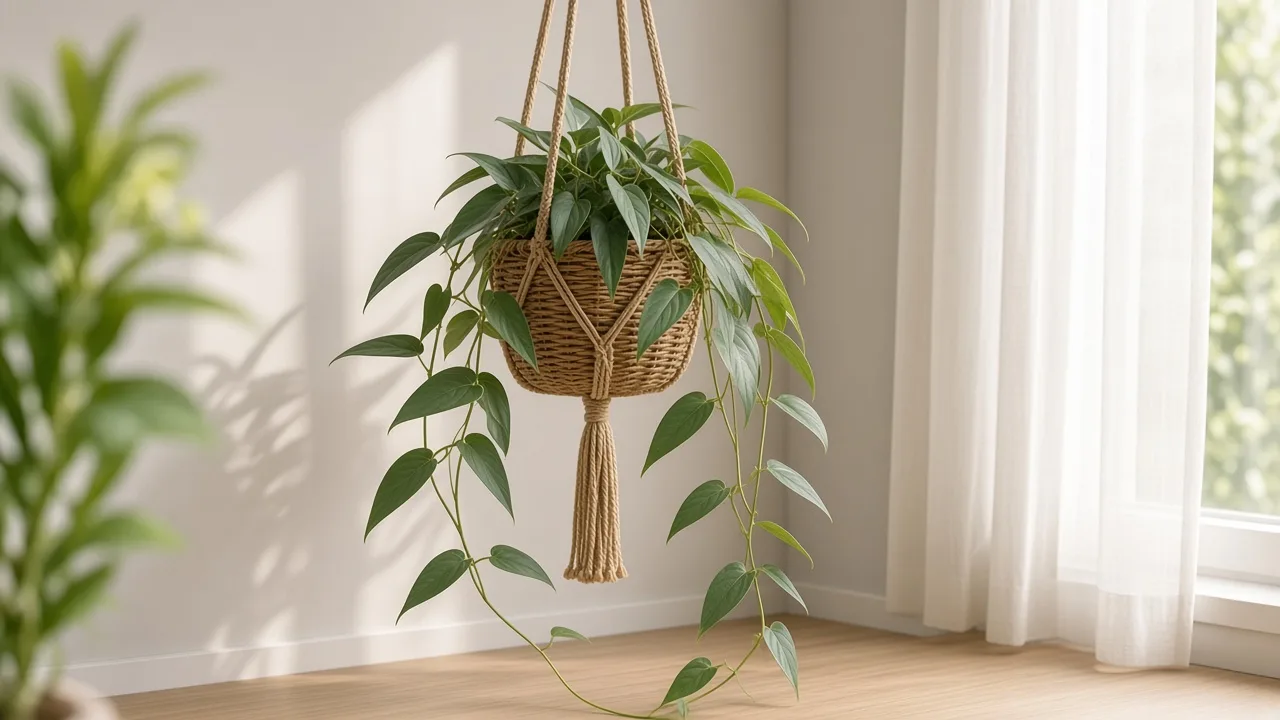
Slow Growth on Epipremnum Pinnatum: Causes, Checks & Fixes
This guide covers slow growth on Epipremnum Pinnatum. See also the general Slow Growth guide, watering, and light pages for this plant.
Slow Growth on Epipremnum Pinnatum: Causes, Checks & Fixes
Quick answer
Epipremnum Pinnatum (Dragon Tail, Cebu Blue, Silver Vine) is a climbing evergreen aroid built to add nodes along sturdy vines when bright indirect light, warm temperatures, and root space align. In a dim corner or tight pot, it often survives with firm blue-green juvenile leaves but barely lengthens—easy to mistake for a “slow cultivar” when the real limiter is care.
First step: check bright indirect light at the foliage and whether the vine climbs a moss pole or stake. Move within a few feet of an east window or behind sheer curtain on south or west exposure before you repot, fertilize, or change watering. For how stalled metabolism differs from other growth issues in general, see our slow growth guide. On Epipremnum Pinnatum, the pattern usually shows up as weeks without new nodes while existing juvenile leaves look fine—or as a trailer that never develops fenestration because it never climbs in enough light.
Winter slowdown is normal. A vine that sits unchanged from November through February in a cool room may simply be resting. Concern starts when growth stays minimal through March into June while days lengthen and indoor temperatures climb.
Is this slow growth or a different problem?
This page is for true stalls—almost no new nodes for six or more weeks during warm months while stems stay firm and green. Overlapping sibling problems need different fixes:
| Pattern | What you see | Likely cause | Go to |
|---|---|---|---|
| Slow growth (this page) | No new leaves for 6+ weeks in warm months; static vine length; blue juvenile foliage unchanged | Light, roots, temperature, or wet mix in dim placement | Stay here—start with light and support |
| Leggy growth | Vine keeps reaching; long bare internodes; smaller leaves leaning toward glass | Etiolation while still elongating | Leggy growth guide |
| Not enough light | Faded blue sheen, damp soil, yellow lower leaves in a dark spot | Overall insufficient brightness before stall or stretch | Not enough light guide |
| Root rot / wet soil | Yellowing climbs the vine; sour smell; mushy roots; soil wet 7+ days | Overwatering relative to light | Root rot guide |
| Winter rest | Little change Nov–Feb; firm roots; stable green foliage | Short days and cool room temps | Monitor—resume checks in March |
For window bands and grow-light placement, see the Epipremnum Pinnatum light guide. For dry-down rhythm once placement improves, see watering. Our overview covers species ID and the full care hub.
What slow growth looks like on Epipremnum Pinnatum
Healthy active-season growth produces new nodes every two to four weeks in good light—each node carrying a narrow, blue-toned juvenile leaf. Slow growth shows as:
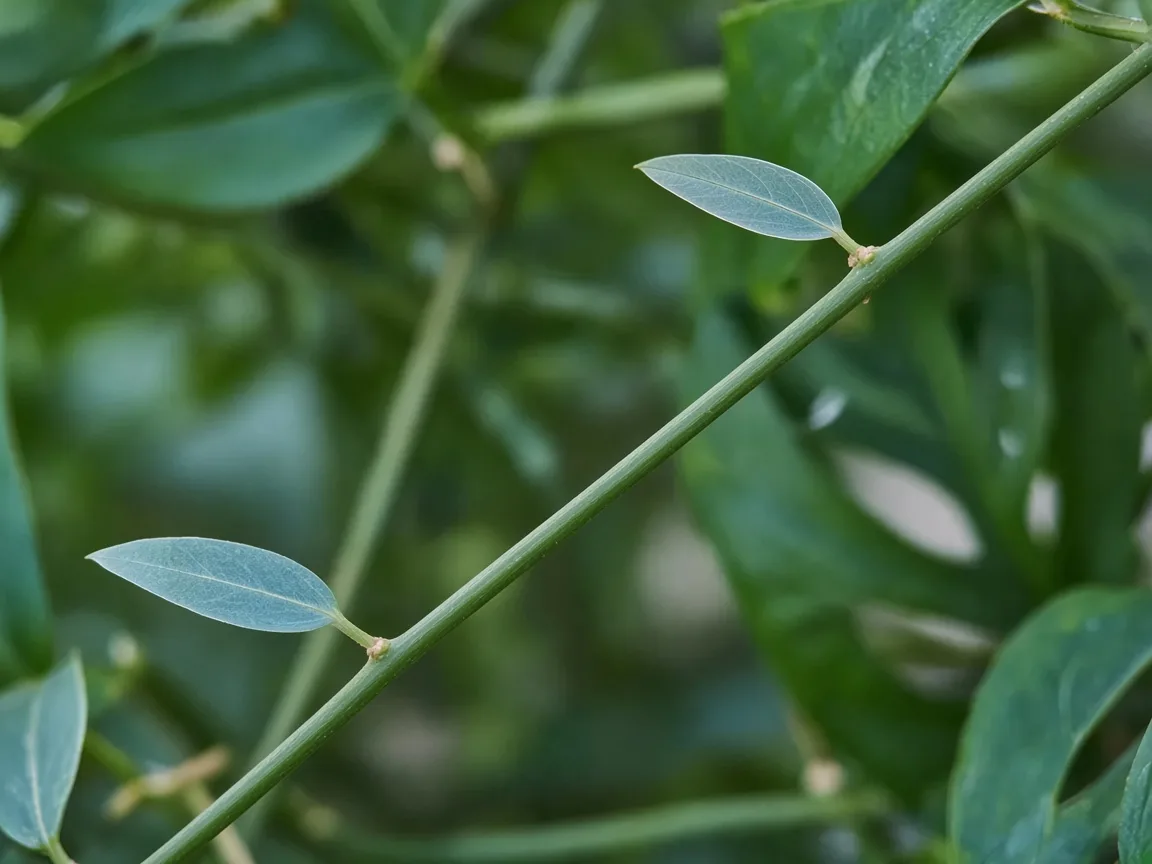
Slow growth on Epipremnum Pinnatum—compare static node spacing and leaf size against older sections on the same vine.
- No new nodes for six or more weeks during March through September while stems remain firm
- Static vine length month after month despite otherwise healthy-looking tissue
- Persistently small juvenile leaves with no fenestration even when you expected “mature” foliage—often a support and light issue, not genetics alone
- Dulled blue-green sheen on existing leaves without obvious pest damage
- Pot weight unchanged for weeks while you still water on schedule—suggests little new tissue building
- Roots circling the pot rim or poking from drainage holes when you slide the plant out
Normal-looking “slowness”: Cebu Blue and similar forms typically remain in juvenile foliage in a hanging basket. Small lance-shaped leaves on a short trailer are expected until the vine climbs a moss pole or stake in adequate light, where margins can incise and fenestrations develop. That is morphology, not a stall—unless no nodes open at all in warm months.
Variegated Albo-Variegata is listed as slower growing even in good conditions. Compare against your cultivar’s baseline, not standard Cebu Blue speed.
Why Epipremnum Pinnatum grows slowly
Low light is the most common bottleneck. The species prefers bright, indirect sunlight and avoids cold drafts. Indoor plants become spindly or stagnant when light is too weak for photosynthesis—survival in a hallway is not the same as active node production. The Spruce notes that leggy, pale growth often signals insufficient light even before the vine fully stretches.
Trailing without support limits perceived growth. Juvenile leaves stay compact on a basket; the plant may add nodes slowly because dim light and horizontal growth do not trigger the larger, incised foliage climbers show on vertical supports. This is one reason Dragon Tail owners think the plant “stopped” when it is actually waiting for brighter exposure and a pole.
Root-bound pots restrict uptake. When roots circle densely and little mix remains, water channels through the outer mass and exits quickly while new root tips lack room. NC State suggests repotting about every two to three years as vines lengthen. See our repotting guide for one-size-up timing.
Overwatering in dim corners weakens roots. Overwatering causes fungal and bacterial diseases that lead to root rot on this species. A static vine on wet soil may be conserving energy while roots decline—pair stall with moisture checks, not extra fertilizer.
Cool temperatures and winter rest slow metabolism. Ideal indoor temperatures around 65–75°F support steady growth; growth naturally pauses when light hours shorten and rooms cool. That seasonal slowdown is normal if stems stay firm and mix dries at a reasonable pace.
Recent repot or move can pause nodes for two to four weeks while roots settle—temporary quiet after repotting is not the same as a six-month stall.
Juvenile Cebu Blue vs a true stall
Cebu Blue is marketed as easy—and it is—but popular cultivars often keep juvenile blue-green leaves unless allowed to climb. Owners expect fenestrated Dragon Tail foliage from a shelf basket and interpret small leaves as “slow growth.”
True stall: zero new nodes for many weeks in warm months, firm stems, no pest webbing.
Juvenile form: nodes still open occasionally; leaves stay lance-shaped and small because the vine trails in moderate light without a pole.
Fix for juvenile form: brighten light first, then install a moss pole and loosely tie new growth. Fenestration and larger blades follow climbing habit plus brightness—not a single fertilizer dose.
How to confirm the cause
Work through these checks in order:
- Light at the leaves — Can you read comfortably without a lamp at the foliage level? Fading blue sheen strongly suggests insufficient light.
- Support setup — Is the vine climbing a moist moss pole or sprawling from a basket? Unsupported trailers may grow slowly even when healthy.
- Season and temperature — Is it winter or is the pot near a cold window below about 18°C (65°F)?
- New node activity — Mark a stem tip; check weekly. Zero movement for six or more weeks in warm months points to a real bottleneck.
- Root inspection — Slide the plant out. Dense circling roots, little visible mix, or roots at drainage holes mean repotting is due.
- Soil moisture rhythm — Mix wet for days in low light suggests overwatering; ultra-fast drying with crowded roots suggests root-bound stress. Cross-check watering.
- Pest scan — Mealybugs, scale, thrips, and spider mites are common monitors on this species. Low-level feeding can sap vigor without dramatic leaf drop.
If brighter light for two weeks produces new nodes, light was the limiter. If roots are dense and light is already strong, repotting is the next test.
First fix for Epipremnum Pinnatum
Move the plant to brighter indirect light—within a few feet of an east window, or several feet back from a south or west window with sheer curtain protection.
Do not jump to fertilizer or repotting until you have assessed light. Related Epipremnum vines become vigorous and fast-growing under moderate to bright light when other needs are met. Turn the pot weekly so vines develop evenly.
If you want larger, fenestrated foliage—not just faster juvenile leaves—add a moss pole or stake once light improves. Keep the support slightly moist so aerial roots can attach; see pruning for spring shaping after growth resumes.
Do not place the plant in direct sun through glass—that can scorch blue-green leaves. Bright but indirect sun is the target.
Step-by-step recovery
After improving light (and adding support if needed), address remaining bottlenecks in this order:
- Wait two to three weeks — New leaf buds often appear before visible vine lengthening.
- Repot if roots are crowded — Choose a container only one size wider with drainage holes. Use airy, well-draining mix per our soil guide. Gently loosen circling roots before planting.
- Hold fertilizer until growth resumes — Do not feed a stressed, stagnant vine hoping to force leaves. Once new nodes open, follow our fertilizer guide lightly during spring and summer.
- Stabilize watering — Water when the top 3–5 cm of mix is dry in your current light level. Let excess drain fully; never leave the pot sitting in a full saucer.
- Prune bare whips above a node — Redirect energy to bushier growth near the base after light improves. Prune in spring or early summer when possible.
- Warm the environment — Move away from cold windowsills and AC vents; keep nights above about 18°C (65°F) for steady metabolism.
Skip repotting if you repotted within the past month unless roots are visibly rotting.
Recovery timeline
Light upgrade: First new node within two to four weeks during active season if light was the main limiter.
After adding a moss pole: Larger leaf blades and incised margins may take a full growing season—judge new tissue, not old juvenile leaves.
After repotting: Expect two to four weeks of quiet while roots establish; vine lengthening may take another four to eight weeks.
Winter stall: Growth may not resume until March or April even after fixes—judge by spring node activity.
Signs of success: regular new nodes, stronger blue tone on fresh leaves, aerial roots gripping the pole, and vines lengthening with moderate internode spacing—not bare stretch toward glass.
Lookalike symptoms to rule out
Root rot on Epipremnum Pinnatum pairs slow growth with yellow leaves on persistently wet soil and mushy roots. Bright light alone will not fix rotting tissue.
Leggy growth means the vine still elongates with long gaps between leaves—etiolation, not a full stall.
Drooping leaves signal turgor loss from dry or wet roots; address moisture before assuming a growth-rate problem.
Mislabeled pothos — Retail “pothos” tags sometimes hide Epipremnum aureum or Scindapsus species with different speed. Confirm you have E. pinnatum if Cebu Blue or Dragon Tail morphology matters for your expectations.
Post-repot shock — Temporary stall for two to four weeks after repotting is normal.
Mistakes to avoid
Do not dump extra fertilizer on a dark plant—that produces weak growth and salt buildup without solving the light deficit.
Do not repot into an oversized container hoping to force fenestration. Excess wet soil around a small root ball stresses roots.
Do not expect fenestrated adult leaves from a dim hanging basket without a pole—change support and light together.
Do not ignore root crowding while chasing light upgrades. A bright but root-bound vine may still add nodes slowly.
Do not stack repotting, heavy pruning, and fertilizer on the same week. Change one variable, observe, then adjust.
How to prevent slow growth next time
Place Epipremnum Pinnatum where bright filtered light is realistic all day—not just where the basket looks decorative. Rotate containers weekly.
Repot every two to three years or when roots circle and the pot dries unusually fast. Refresh mix even if you trim roots to stay in the same pot size.
Match watering to how fast the top 3–5 cm dries in current light—dim corners need less water, not more feed.
Install a moss pole early if you want mature foliage; keep support moist and humidity moderate for aerial root attachment.
Scout leaf undersides monthly—pests spread quickly on soft new growth.
When to worry
Slow growth alone is rarely fatal. Escalate when:
- Yellow leaves spread while soil stays wet and smells sour
- Stems soften at the base or collapse despite watering
- No new growth after eight weeks in bright warm conditions post-fix
- Roots are entirely brown and mushy after inspection
Epipremnum Pinnatum has medium-severity poison characteristics if ingested—use gloves if sap irritates skin when pruning stressed tissue.
Conclusion
Epipremnum Pinnatum should feel lively in warm months when light, roots, and support align. Match the symptom to the right guide—stall here, stretch on leggy growth, wet soil on root rot—then fix one bottleneck at a time. Watch new nodes, not old juvenile leaves, and this climbing aroid usually finds its pace again within a few weeks.
When to use this page vs other Epipremnum Pinnatum guides
- Epipremnum Pinnatum watering guide — Use for routine moisture checks before assuming slow growth is the main issue.
- Epipremnum Pinnatum problems hub — Browse common issues on this species.
- Leggy Growth on Epipremnum Pinnatum — Different entry point when long bare internodes are the headline.
- Not Enough Light on Epipremnum Pinnatum — Different entry point when faded blue sheen leads the diagnosis.