Green Chilli Leaves Drooping: First Checks and Fixes
Quick answer
For drooping Green Chilli leaves, first feel 2–3 cm into the mix and lift the pot before watering. Dry, light soil points toward thirst; wilt over damp soil, yellow lower leaves, or a soft stem base points toward root trouble. Check for branch-specific yellowing, dark soil-line lesions, cold exposure, or aphids before treating the plant.
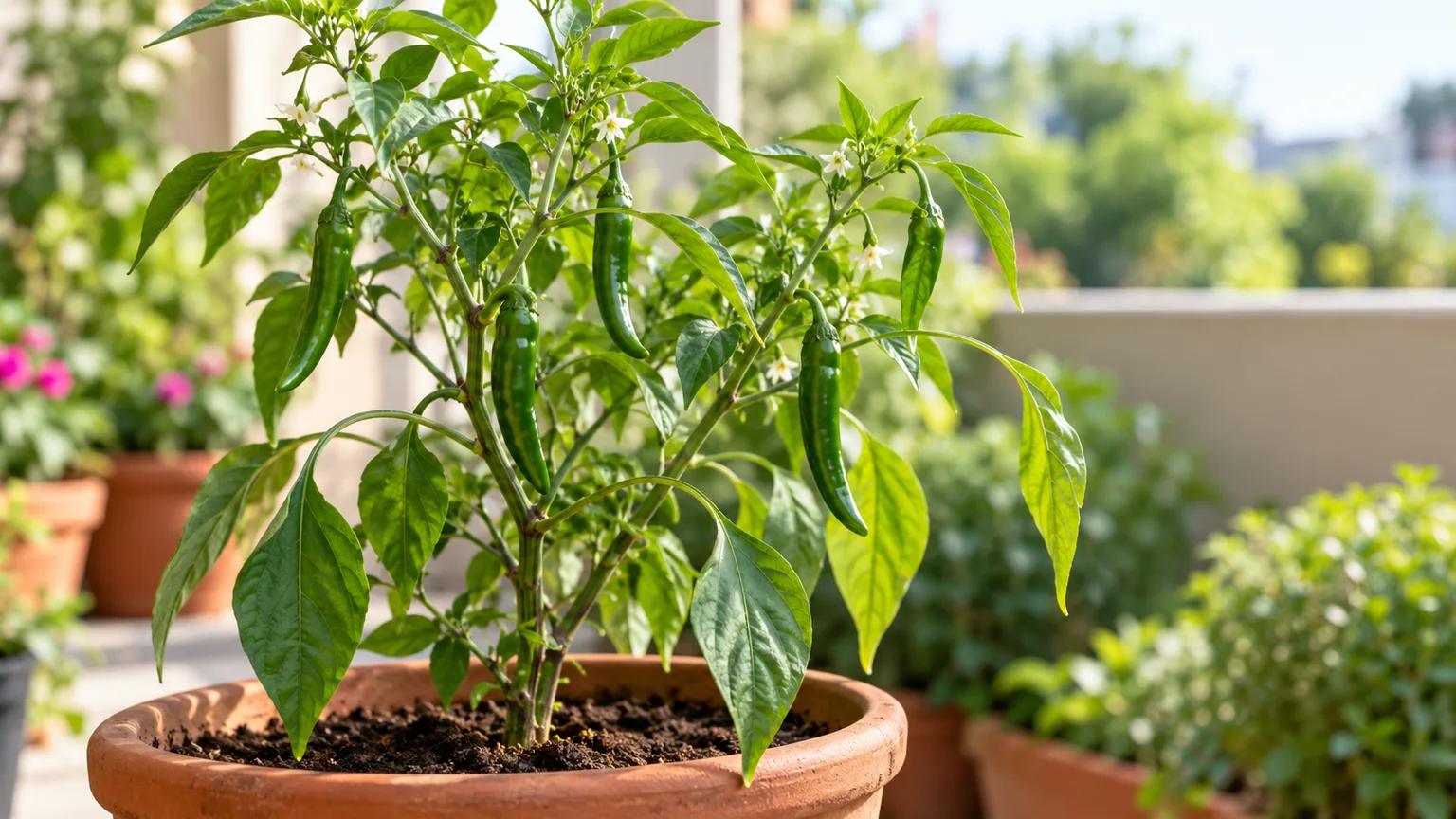
Drooping Leaves on Green Chilli: Check Water, Heat & Root Stress
This guide covers drooping leaves on Green Chilli. See also the general Drooping Leaves guide, watering, and light pages for this plant.
Drooping Leaves on Green Chilli: Check Water, Heat & Root Stress
Quick answer
When Green Chilli leaves droop, first check the root zone instead of watering by appearance. Feel 2–3 cm below the surface and lift the container: dry mix in a light pot suggests the plant needs water, while damp mix and limp leaves point toward poor drainage or another root stress. Check the stem base and the newest leaves before making a second change.
Green Chilli here means a hot-fruited Capsicum annuum, usually grown outdoors in a sunny bed, terrace, or container. It needs steady moisture while flowering and fruiting, but its mix must drain freely, as the UF/IFAS pepper guide explains. The Green Chilli overview describes this plant’s growth habit and its need for warm sun, even watering, and an aerated root zone.
What drooping looks like on Green Chilli
A drooping pepper plant may have leaf blades and petioles hanging below their normal angle while the main stem remains upright. If only one branch is affected, note whether the leaves on that branch are also yellowing, curling, or drying. If the entire plant sags at once, compare the root-zone moisture, recent heat or wind, and any recent move or transplant.
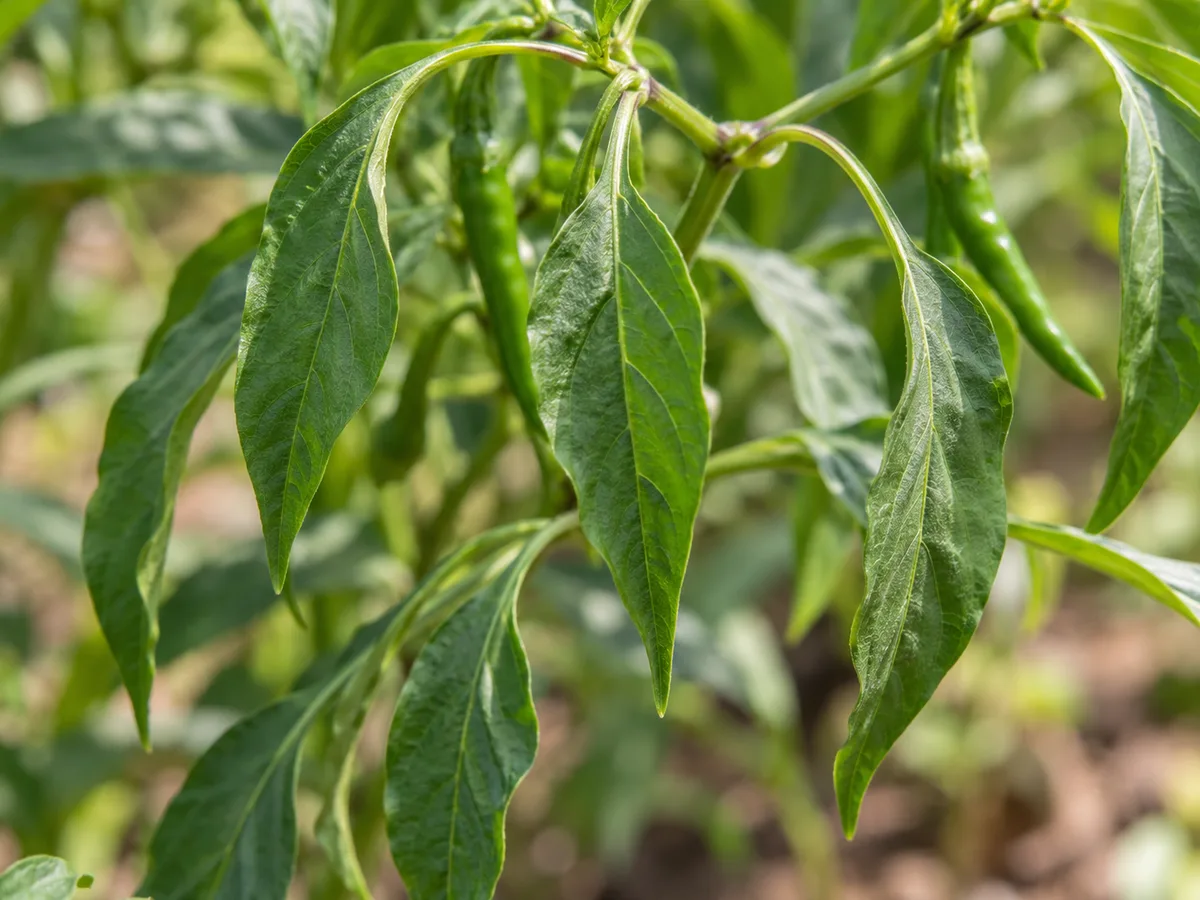
Compare the leaf posture with the soil moisture and the rest of the plant; droop by itself does not identify the cause.
Do not confuse drooping foliage with branches bending under heavy fruit. The fruit may pull a flexible stem down while the leaves stay firm and oriented normally; use a simple support if weight is the only issue. This article is about limp or sagging leaves, where water availability, root function, heat, and disease patterns matter more than the fruit load.
First check: feel the soil before you water
Push a finger or clean wooden stick 2–3 cm into the mix near the edge of the pot. Then lift the container and compare its weight with how it feels after a thorough watering and full drainage. Green Chilli’s own care profile uses the surface layer and pot weight as watering checks because a dry-looking crust can hide a damp root ball.
If the mix is dry at that depth and the pot feels unusually light, water slowly over the surface until the root ball is evenly moist and water begins to drain from the hole. Empty the saucer or cachepot after runoff stops. Do not give a small splash that wets only the top; check the soil again before the next watering rather than repeating a daily calendar.
If the mix is still damp, do not add more water yet. Check that the drainage hole is open and that the pot is not standing in runoff. The Missouri Botanical Garden explains that waterlogged soil deprives roots of oxygen; a dry surface can also conceal moisture deeper in the root zone. The Green Chilli watering guide covers an even-moisture routine once the immediate cause is clearer.
Match the pattern to a likely cause
| What you see | What it may mean | Next check |
|---|---|---|
| Whole plant limp, dry mix, light container, no soft tissue | The root ball may be too dry | Water thoroughly once and let the pot drain |
| Leaves wilt while the mix stays wet; lower leaves yellow | Roots may be short of oxygen or damaged | Stop watering and check drainage, pot standing water, and the stem base |
| One branch yellows and droops before the rest | A vascular wilt disease is possible | Look for progressive yellowing or inward-rolled leaf edges and seek diagnosis if it continues |
| Whole plant wilts quickly in wet conditions; dark lesion or soft tissue at soil line | Phytophthora crown or root disease is a concern | Keep the crown from sitting in wet mix and contact a local extension service |
| Droop follows a cold night, transplant, or sudden outdoor move | Chilling or root disturbance may be involved | Protect from further stress and check moisture before watering again |
| Leaves are sticky or crowded with small soft-bodied insects underneath | Aphids may be contributing | Inspect new growth and leaf undersides closely |
Treat this table as triage, not a diagnosis. Different pepper problems can produce similar limp leaves, and containers can swing from dry to saturated quickly in hot or windy weather. A visible symptom is useful only when paired with the moisture, location, and timing clues around it.
When the mix is dry: restore moisture without waterlogging
A dry root ball is a common, fixable reason for drooping, especially in a small container on a sunny terrace. The RHS chilli guide notes that container-grown chillies can dry quickly in summer and may need daily checks in hot, dry weather. Check moisture instead of copying another grower’s schedule. UF/IFAS describes peppers as preferring soil that stays moist but not wet; the Green Chilli soil guide explains how to keep that balance with a freely draining mix.
When a dry pot has pulled away from its sides, pour in several slow passes so water has time to soak through the root ball instead of racing down the gap. Let the excess drain completely. If water runs around the outside while the center stays dry, pause and check whether the root ball actually became moist before repeating the watering.
After watering, keep the plant in its normal bright position and avoid a fertilizer dose as a quick rescue. Fertilizer does not replace missing water, so wait until the root-zone problem is corrected before feeding. If the plant was recently moved into full sun, use the Green Chilli light guide to return to a stable exposure without moving it back and forth between shade and harsh afternoon sun.
When the mix is wet: investigate roots and drainage
When Green Chilli remains limp while the mix is wet, check drainage and the stem base before adjusting the watering routine. A sour smell, yellowing lower leaves, a dark soft stem base, or a pot that stays heavy for days strengthens that concern. The plant profile for Green Chilli also lists wilt despite damp mix, lower-leaf yellowing, and soft or sour-smelling roots as overwatering clues.
If the pot has no open drainage hole, sits in a saucer of water, or contains dense mix that stays saturated, fix that condition before watering again. Do not pull a stable plant apart just because one afternoon was hot; unpot only when persistent wetness or worsening symptoms justify checking the roots.
If you do need to inspect the root ball, protect the stem from snapping and look for whether the roots are firm or dark, soft, and decaying. A small container plant with damaged roots may need fresh, freely draining mix, but avoid rough root washing or repeated repotting. If the base is soft, lesions are spreading, or the whole plant keeps worsening despite corrected drainage, ask an extension office or local plant clinic to identify the problem.
Heat, transplant shock, and cold can also cause droop
Gardening Know How notes that peppers can wilt when they are baking in hot sun, even though wilt despite adequate water can point to fungal disease. Compare the plant at a cooler time and feel the mix before watering. Choose the next action from the root-zone check rather than assuming that hot conditions always mean the plant needs more water.
Recent transplanting is another useful clue. Green Chilli’s roots are sensitive to disturbance when moved into a new pot, as the NC State plant profile notes; the RHS recommends hardening chilli plants off over two to three weeks before setting them outdoors. If droop began after repotting or a sudden move into sun and wind, keep the plant in a sheltered bright position, maintain even moisture, and avoid further root disturbance while it settles.
Cold exposure can also leave pepper leaves or shoots limp and discolored. The Minnesota pepper diagnosis guide includes chilling injury among wilt lookalikes. Keep a frost-tender chilli away from cold nights and drafts, but do not compensate for cold damage by soaking already damp soil.
Recognize disease clues without guessing a pathogen
A pepper with one branch yellowing and wilting, especially when the leaf edges roll inward, may have a vascular wilt disease. UC IPM describes Verticillium wilt in peppers as causing drooping and yellowing on some branches or the whole pepper plant; the stem’s internal vascular tissue can discolor. Those symptoms are not enough to identify a specific fungus at home, and cut stems are not a substitute for a proper diagnosis.
Phytophthora blight is a different concern when wet conditions accompany rapid wilt and dark lesions near the crown or soil line. The NC State Extension pepper disease guide says the disease often begins in roots and crown tissue at the soil line and can lead to plant wilt under wet conditions. Any single symptom can overlap with other causes, so these patterns are clues rather than a home diagnosis. Disease references cover peppers broadly and may not identify the exact pathogen affecting a particular Green Chilli pot.
If several plants in the same bed begin wilting, check irrigation and drainage across the bed before focusing on one plant. If one plant declines while others remain firm, inspect its pot, roots, and stem base. Do not apply fungicide or pesticide just because leaves droop; first determine whether the mix is dry, wet, or showing clear pest signs. For continuing or fast-spreading symptoms, send clear photos and the plant’s watering history to a local extension service.
Check for aphids and other visible stress clues
Inspect the newest growth and the undersides of leaves. The University of Minnesota pepper diagnosis guide notes that large aphid populations can lead to yellowing and wilting; clusters of soft-bodied insects or sticky honeydew are additional clues described in USU Extension’s pepper guide. If you find insects, identify them before choosing a control rather than assuming leaf droop alone proves an infestation.
If no pests are present, do not keep repeating the leaf inspection as a substitute for checking the pot. Soil moisture, drainage, and recent weather often narrow the first step faster than scanning every leaf. The Green Chilli problems hub links to the other plant-specific symptom guides if yellowing, spots, or fruit damage appears alongside the droop.
Recovery: watch whether the plant firms up or keeps declining
If dry soil was the cause and the roots remain functional, water thoroughly once, then watch the leaves during cooler hours instead of watering again immediately. A firmer canopy and no new drooping are useful signs; a damaged leaf that stays limp should not be your only measure of recovery.
If the mix is wet, improvement depends on restoring air and drainage to the root zone; the Missouri Botanical Garden’s overwatering guidance explains why extra water does not solve waterlogged-root stress. Persistent droop, additional yellowing, soft tissue, or new branch collapse means the diagnosis needs to be revisited. A pepper plant that keeps wilting while its mix remains wet warrants timely local help because crown or vascular disease is one possible cause.
Take a photo from the same angle and note whether the affected leaves are on one branch or across the canopy. Record when the pot was watered, whether it drained, and whether symptoms followed a cold night, hot wind, or transplant. Those observations make it easier to distinguish a one-time dry spell from a continuing root or disease issue.
Prevent drooping with even moisture and a stable root zone
Check container plants more often during hot, dry, or windy periods, but water only when the upper layer begins to dry and the pot feels lighter. Water deeply enough to wet the root ball, then let runoff escape. The NC State Capsicum annuum profile describes peppers as preferring full sun and evenly moist, well-drained soil; UF/IFAS gives the same moist-but-not-wet direction for garden peppers.
Use a fertile, freely draining potting mix and a container with a clear drainage hole. Do not leave the chilli sitting in water after irrigation or rain. In beds, avoid planting where water collects after storms. Even moisture reduces repeated swings from drought to saturation, while a stable root zone makes it easier to recognize heat, disease, or pest symptoms if they appear.
Harden nursery plants to outdoor conditions gradually instead of placing soft indoor growth into full sun and strong wind all at once. Stake a branch only when fruit weight is pulling it down; GrowVeg recommends staking pepper plants to keep them upright, but staking will not fix limp leaves caused by dry roots or root disease. Keep notes through flowering and fruiting, when a productive plant can use water quickly and containers may need more frequent checks.
When to use this page vs other Green Chilli guides
Use this page when Green Chilli leaves sag and you need to decide whether the root ball is dry, saturated, heat-stressed, recently disturbed, or showing signs of a disease. Use the Green Chilli watering guide to set a consistent check-and-water routine once the immediate cause is clear. If the mix stays wet or drains poorly, the Green Chilli soil guide is the better place to review the root environment.
The general drooping-leaves symptom guide covers common leaf droop patterns across plants. For the hot-fruited Green Chilli, start with the moisture and weather checks on this page, then compare other plant issues in the Green Chilli problems hub.
Related Green Chilli guides
- Green Chilli overview: use for plant form, sun needs, and the hot-fruited cultivar context.
- Green Chilli watering guide: use after the first root-zone moisture check.
- Green Chilli soil guide: use when drainage or a persistently wet mix is the concern.
- Green Chilli light guide: use when droop followed a sudden move into stronger sun.
- Green Chilli problems hub: route a combined or different symptom.
Related tool
Use the Plant Problem Diagnosis Tool to compare dry soil, wet roots, heat, and disease clues before making multiple changes.