How to Use Fireplace Ashes in the Garden
Wood ash can raise soil pH and add potassium—but only on acidic beds and never near blueberries. Learn safe rates, compost use, and which ashes to skip.
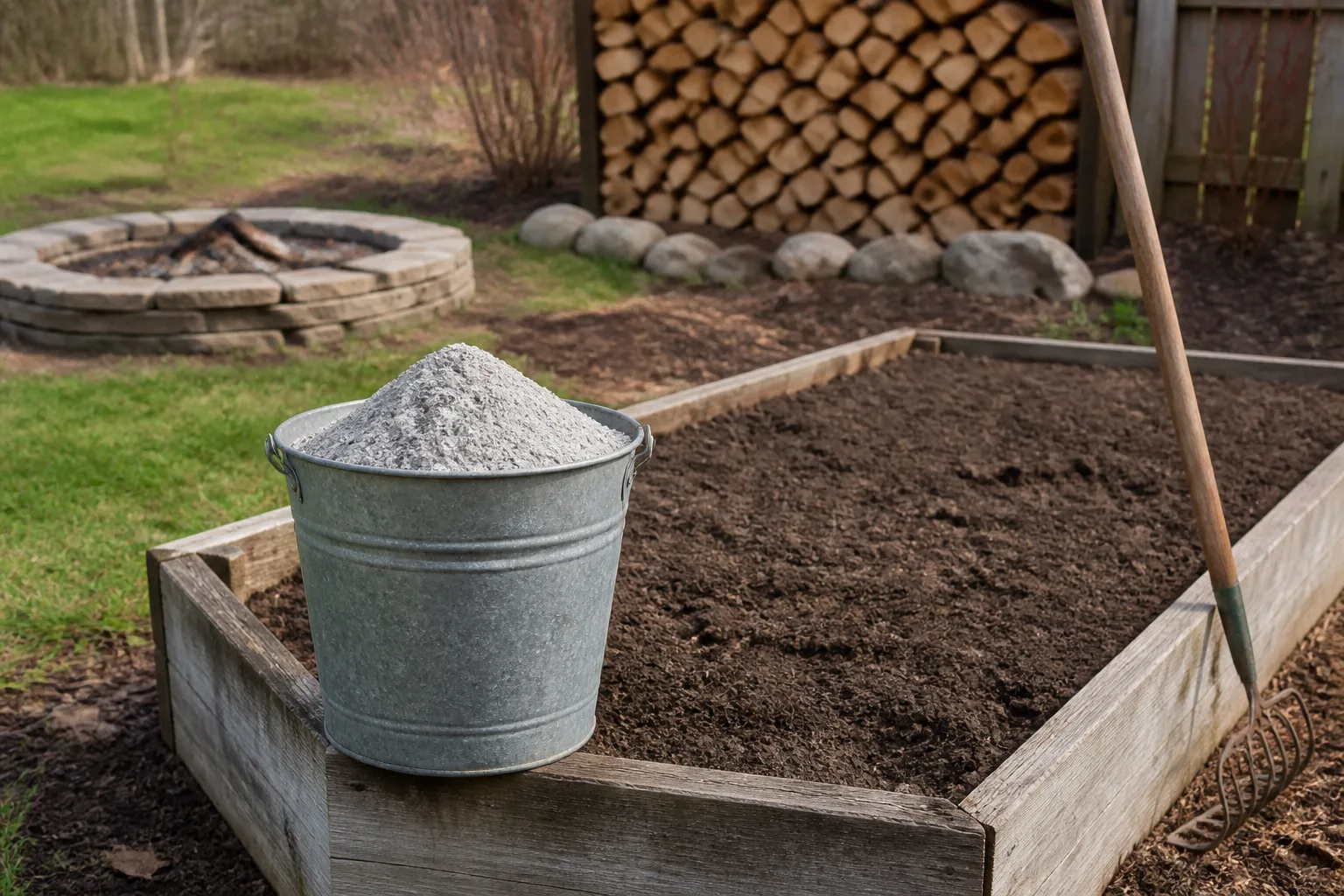
A metal bucket of fireplace ashes looks like free plant food, and in the right bed it can be. Wood ash supplies soluble potassium and a meaningful dose of calcium while nudging acidic soil toward neutral. Used blindly, the same powder can push pH too high, burn tender roots, and starve acid-loving shrubs of iron. The job is not to dump the whole hearth clean-out at once—it is to decide whether your soil and plants actually need what ash offers, then apply a measured amount from clean, untreated firewood only.
The Short Answer: When Ash Helps—and When It Hurts
Fireplace wood ash can help garden soil that is too acidic and low in potassium, especially vegetable beds, lawns with moss, and ornamental areas where you want a neutral pH. It is a poor choice for blueberries, azaleas, rhododendrons, and any bed that already tests near or above pH 7.0. Ash from coal, charcoal briquettes, pressure-treated lumber, painted wood, or synthetic logs should never go in soil.
If you take one action before spreading, make it a soil pH test. Ash behaves like a mild liming agent. Chelsea McKinley, a plant health specialist at the U.S. Botanic Garden, told Better Homes & Gardens that wood ash typically measures between pH 10 and 12—far more alkaline than the pH 6.0–7.0 range most vegetables prefer. Think of ash as a targeted pH adjustment with a side of potash, not a balanced fertilizer.
What Wood Ash Actually Contains
After untreated firewood burns, what remains is mostly mineral oxides and carbonates: calcium, potassium, magnesium, and smaller amounts of phosphorus and micronutrients. The exact mix shifts with tree species and burn temperature. Hardwood ash (oak, maple, hickory) generally carries more total nutrients per shovel than softwood ash from pine or fir, though both can be used when sourced cleanly.
Potassium, Calcium, and the Nutrients Ash Does Not Supply
Analyses commonly cited by extension programs and garden references land in this ballpark: roughly 5–7% potassium, 20–25% calcium, 1–2% phosphorus, and about 1% magnesium by weight in hardwood ash. Potassium supports fruiting, flower formation, and drought stress tolerance. Calcium strengthens cell walls and, more importantly here, drives the liming effect.
What ash lacks matters just as much. Wood ash contains almost no nitrogen, the nutrient that fuels leafy growth. Relying on ash alone will leave hungry crops pale and slow. Phosphorus is present only in modest amounts. For a complete feeding program you still need compost, organic matter, or a balanced fertilizer guided by a soil test—not a winter ash bucket alone.
Why pH Matters More Than the “Fertilizer” Label
When ash contacts moist soil, carbonates neutralize hydrogen ions and raise pH. That is helpful where long-term acid rain, pine needles, or peat have pulled pH below 6.0. On neutral or alkaline ground, extra ash can lock up iron, manganese, and other micronutrients even when soil tests show those elements are present. Leaves may yellow while the real problem is availability, not deficiency.
Most wood ash has an acid-neutralizing value around 45–50% of agricultural limestone (calcium carbonate). Oregon State University Extension guidance, summarized in practical garden references, suggests you need about twice as much wood ash as lime to achieve a similar pH shift. If a soil report calls for 5 pounds of limestone per 100 square feet, plan on roughly 10 pounds of wood ash for an equivalent nudge—then retest rather than repeating by habit.
Which Fireplace Ashes Are Safe to Use
Garden-safe ash comes from plain firewood: split logs, orchard prunings, or fallen branches that were never painted, stained, glued, or pressure-treated. Let embers die completely, then sift out nails, hardware, and large charcoal chunks that will not break down.
Keep a dedicated garden ash bin separate from mixed hearth debris if your household ever burns questionable fuel. One contaminated batch can introduce metals or preservatives you cannot easily remove from soil.
Ash You Should Never Put in Soil
| Source | Why it stays out of the garden |
|---|---|
| Coal or coal ash | Can carry arsenic, lead, mercury, and other heavy metals |
| Charcoal briquettes | Binders, borax, and additives are not plant food |
| Pressure-treated lumber | Preservative chemicals (historically arsenic-based) persist in ash |
| Painted, stained, or glued wood | Pigments, solvents, and adhesives |
| Synthetic fire logs | Wax and petroleum-based materials |
| Ash with fire-starter residue | Unknown chemical load |
Coal ash is not wood ash. The gray powder from a coal stove or grill briquettes belongs in the trash, not the compost. When in doubt, discard rather than experiment on food beds.
Test Soil pH Before You Spread a Single Spoonful
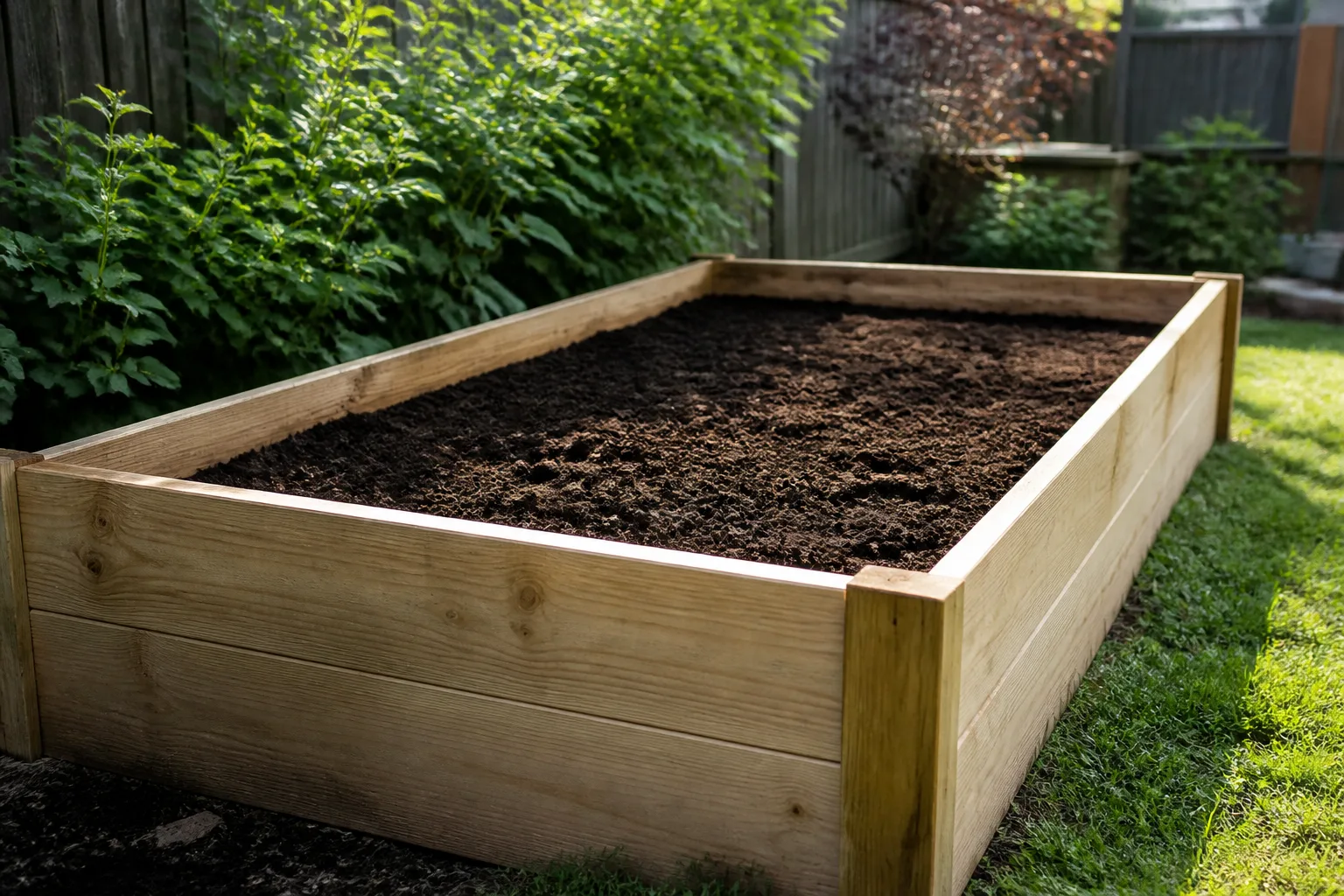
A $15–25 home pH meter or a mail-in soil test through your cooperative extension office costs less than replacing a season of stunted tomatoes. Collect samples from the top 6 inches of the beds where you plan to apply ash, not from a single corner of the yard.
| Soil test result | Ash strategy |
|---|---|
| Below pH 6.0 | Ash may help; start at the low end of rate tables |
| pH 6.0–6.8 | Use sparingly or route through compost only |
| pH 6.8–7.0 | Skip direct application; monitor annually |
| Above pH 7.0 | Do not add ash; consider sulfur only if extension guidance supports it |
Retest four to six weeks after a light application. Sandy soils change faster than clay. If you irrigate with alkaline well water, factor that in—water chemistry stacks on top of ash.
Plants That Welcome Wood Ash
Ash suits crops and ornamentals that tolerate neutral to slightly alkaline soil and appreciate extra potassium.
Vegetables and fruits: tomatoes, peppers, squash, beans, peas, asparagus, brassicas (cabbage, broccoli, cauliflower), onions, garlic, and root crops like carrots and beets often perform well when pH sits near 6.5–7.0. Fruit trees such as apples and cherries generally tolerate neutral soil and can use the potassium boost.
Ornamentals: lilacs, lavender, clematis, and many Mediterranean herbs (thyme, oregano) handle lean alkaline conditions. Lawns struggling with moss in acidic, compacted sites may respond to a very light dusting—again, only after a test confirms low pH.
Apply ash before planting brassicas or fruiting crops in spring so salts incorporate before roots arrive. A thin pre-season rake-in beats mid-season sprinkling on foliage.
Plants and Beds Where Ash Can Do Real Damage
Acid-loving plants should live in ash-free zones: blueberries (pH 4.5–5.5), azaleas, rhododendrons, camellias, gardenias, and hydrangeas grown for blue flowers. Even a shovel of ash near the drip line can shift pH enough to cause iron chlorosis—yellow leaves with green veins.
Seed potatoes deserve special caution. Alkaline soil encourages potato scab, a corky surface defect that does not make tubers unsafe but ruins market quality. Keep ash away from potato rows and any bed where you plan to chit and plant seed tubers.
New seedlings, fresh sod, and container plants are also poor targets. Concentrated ash on the surface can burn roots and leaves. McKinley notes that direct ash contact with foliage or young grass blades can cause chemical burn; always mix ash into soil and water it in on established plantings.
How Much Wood Ash to Apply
Less is the recurring theme. Extension summaries and experienced gardeners converge on thin, repeated doses rather than one heavy layer.
| Soil texture | Suggested upper limit per application | Notes |
|---|---|---|
| Sandy soil | ~10 gallons ash per 1,000 sq ft | Low buffering; pH jumps quickly |
| Loam / clay | ~15–20 gallons ash per 1,000 sq ft | Still split into two applications if unsure |
| Small vegetable bed (100 sq ft) | ~1–2 lb (a large handful) total per season | Retest before repeating |
| Compost pile | ≤5% of total volume | Thin layers between green materials |
That translates to roughly a thin dusting you can barely see after raking in, not a visible gray carpet. On a square yard, many gardeners use about a cup to a handful at a time. If you cannot tell ash was applied after raking, you are closer to the right rate.
After a full-rate application on mineral soil, wait years—not weeks—before adding more. Oregon State guidance often cited for home gardens suggests a decade between major ash liming on the same plot unless tests show pH has dropped again.
Wood Ash vs. Agricultural Lime
| Factor | Wood ash | Agricultural lime |
|---|---|---|
| Primary effect | Raises pH + potassium | Raises pH (calcium/magnesium) |
| Predictability | Variable by wood species | Labeled calcium carbonate equivalent |
| Nutrient bonus | Potassium, trace minerals | Calcium, magnesium (dolomitic) |
| Best use | Small pH nudges on acidic home beds | Large corrections from soil report |
| Risk if over-applied | Salt injury, micronutrient lockout | Same pH problems, but easier to dose |
When a soil report calls for a major pH correction—more than half a point on clay—agricultural lime is easier to measure. Reserve fireplace ash for incremental adjustment and potassium top-ups on plots you know are acidic.
Step-by-Step: Applying Ash Safely in the Garden
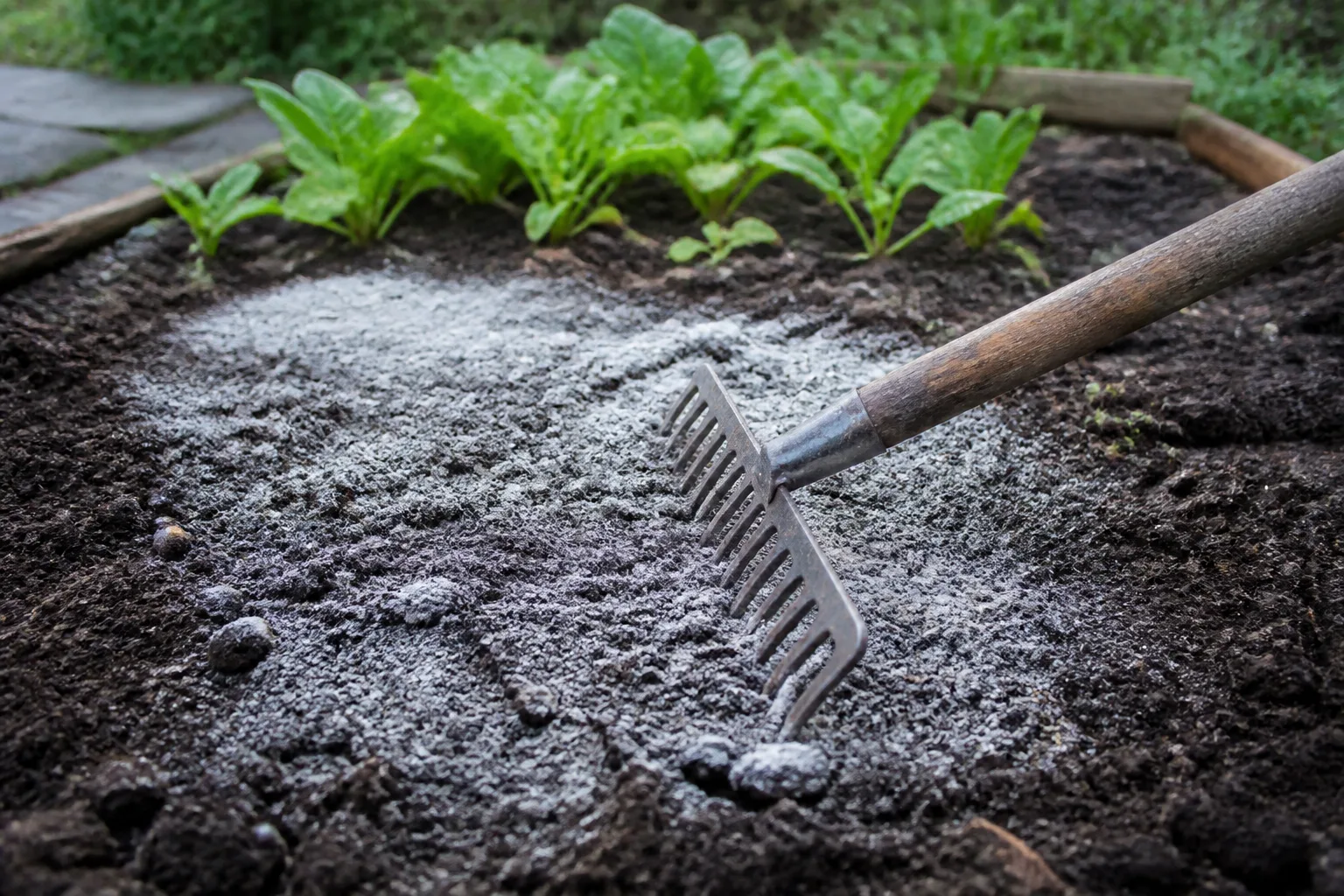
1. Cool and screen. Wait until ash is cold to the touch. Run it through a mesh sieve to remove charcoal and hardware.
2. Choose a calm, dry day. Fine ash drifts in wind and irritates lungs and eyes. Wear gloves, a dust mask, and eye protection.
3. Broadcast lightly. Sprinkle evenly by hand or through a shaker can. Avoid piles against trunks or crowns.
4. Mix into the top 2–3 inches. Rake or hoe ash into the surface layer. Never leave a crust that sheds water.
5. Water thoroughly. A slow soak moves minerals into the root zone and washes residue off any incidental leaf contact.
6. Record the date and rate. Note where you applied ash so you do not double-lime the same bed next season.
Skip foliar dusting entirely. Ash on wet leaves can cause spotting and burn, especially on tender spring growth.
Adding Wood Ash to Compost (the Safer Route)
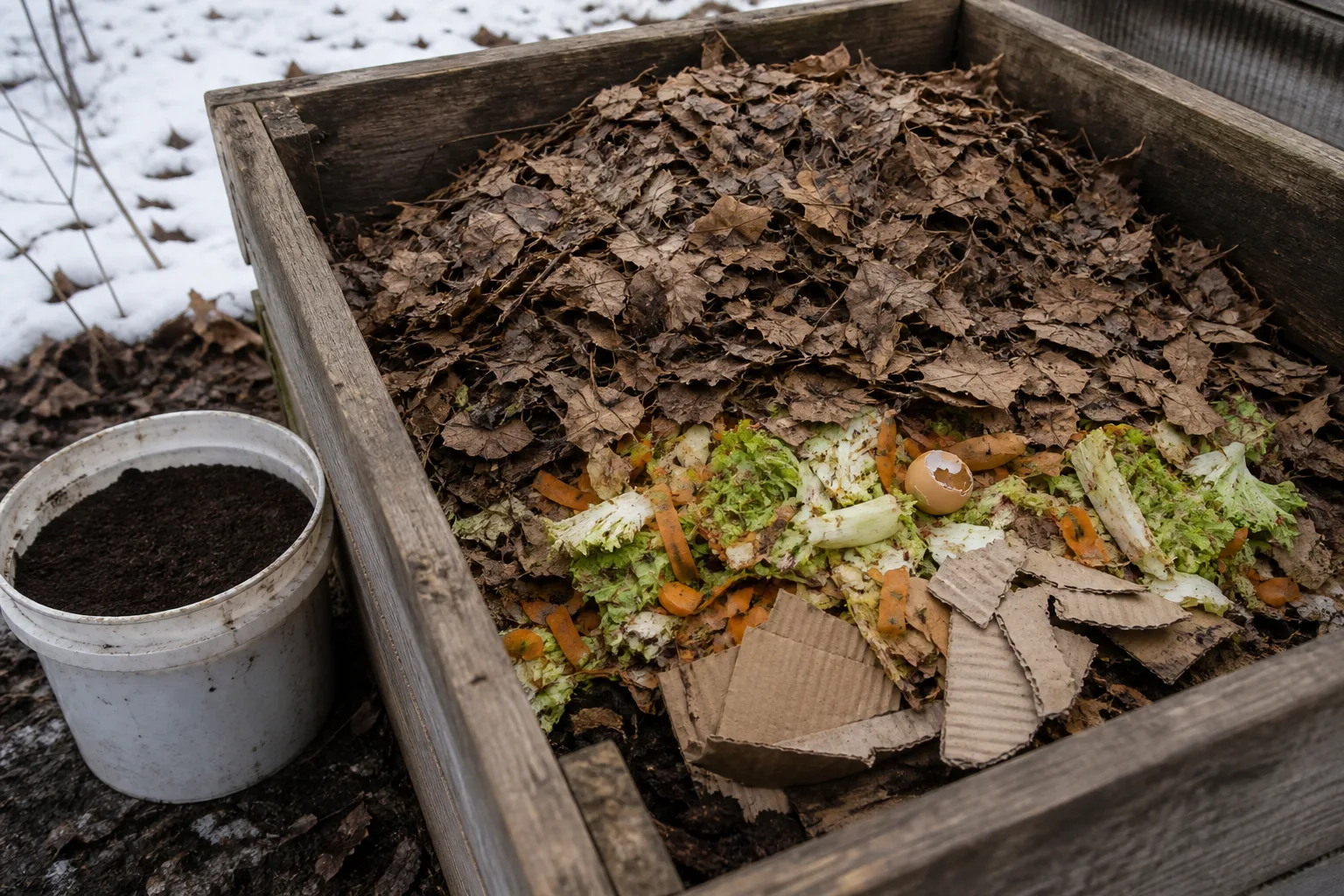
Composting is often the best first use for small ash quantities. Kitchen scraps and fruit waste tend to be acidic; a thin ash layer between green additions helps balance the pile. Cap ash at no more than 5% of total compost volume—for a 3×3-foot bin, that is a few handfuls per 6-inch layer of material, not a shovel per week.
Turn the pile after adding ash so it does not form alkaline pockets. If compost pH creeps above neutral and ammonia smells develop, stop adding ash and add more carbon-rich browns (leaves, shredded paper). Never add ash in the same week as high-nitrogen manure or ammonium fertilizers in the pile; high pH drives off nitrogen as ammonia gas, wasting the nutrient you meant to keep.
Finished compost carrying a little ash is excellent mulch for vegetable paths and perennial beds that tolerate neutral pH. Keep that compost away from blueberry patches.
Using Ash as a Slug and Snail Barrier
The gritty texture of dry wood ash can deter slugs and snails when ringed around susceptible seedlings. It is a short-term tactic, not pest management on its own. Rain dissolves the barrier within days, and repeated ash rings can alkalize a small area faster than you intend.
If you try this, apply a narrow band on dry soil around lettuce or hostas, reapply only while dry weather holds, and brush ash back into the bed or compost once plants size up. Do not encircle acid-loving ornamentals.
Storage, Timing, and Weather Mistakes to Avoid
Store ash dry in a covered metal container with a tight lid. Moist ash can form lye (potassium hydroxide), which is caustic to skin and far too harsh for plant roots. Plastic bins are acceptable only when ash is fully cold; metal is safer if embers might linger.
Timing: Apply in late winter or early spring before planting, while soil is workable—not frozen or waterlogged. Avoid spreading on frozen crust; melt and runoff carry salts unevenly. Skip mid-summer dusting during drought stress.
Wind: If ash blows onto driveways or storm drains, sweep it back or dispose of it. Salts washing into waterways are an environmental concern, not just a garden one.
Common Fireplace-Ash Mistakes
Treating ash as complete fertilizer. Without nitrogen, plants cannot build the leafy biomass that fruiting crops need early in the season. Pair ash with compost or a balanced organic feed.
Dumping the whole bucket in one corner. Concentrated ash creates hot spots of pH and salt that kill roots. Spread and mix.
Applying near acid-loving shrubs “just a little.” Roots explore wide soil volumes. A small amount near a blueberry bush still shifts shared soil water chemistry.
Mixing ash with ammonium sulfate or fresh poultry manure. Alkaline ash converts ammonium to ammonia gas. Separate applications by several weeks.
Using ash on container plants. Pots have tiny soil volumes and no buffer; pH swings are violent. Use labeled potting fertilizer instead.
Ignoring firewood source. One weekend of burning pallet wood or painted trim can contaminate an entire season’s ash supply.
Conclusion
Fireplace ashes belong in the garden only when three conditions align: the ash is from clean untreated wood, your soil test shows acidic pH with room to rise, and the plants in that bed prefer neutral ground. Meet those conditions and you can recycle a modest amount of winter ash into potassium, calcium, and a gentle liming effect—usually as a thin rake-in or a trace addition to compost.
When pH is already neutral, when you grow blueberries or azaleas nearby, or when your ash might include briquettes or treated wood, the bucket goes to the trash, not the tomato patch. Test soil, apply lightly, record what you used, and let results—not habit—guide next winter’s hearth clean-out.



