Baking Soda for Plants: Safe Uses, Risks, and Recipes
Baking soda can help with early powdery mildew and crack weeds, but sodium buildup is real. Get safe recipes, risks, and better alternatives.
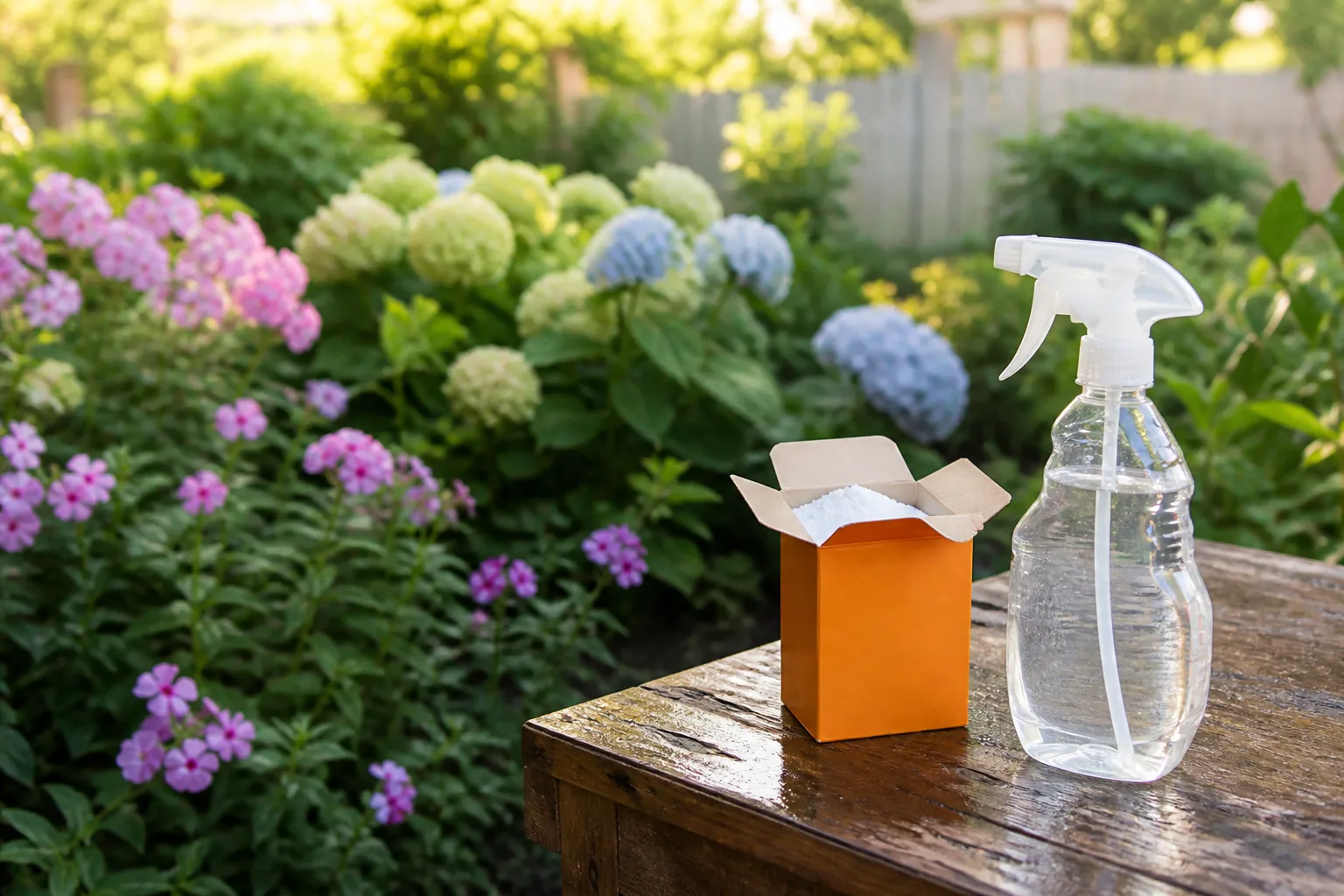
Baking soda can be useful for a few specific garden jobs — mainly as a dilute foliar spray for early powdery mildew and as a careful spot treatment for weeds in pavement cracks — but it is not a general plant tonic. Sodium bicarbonate is a salt. Used heavily or repeatedly, it can raise soil pH, accumulate sodium, burn leaves, and injure any green tissue it touches. Treat the orange box as a narrow tool, not a cure-all.
The Short Answer: Helpful in Narrow Jobs, Harmful When Overused
If you are standing in the kitchen wondering whether to dust baking soda around your tomatoes, pause. For most plant problems, the answer is no — or not like that. Baking soda does not replace compost, a soil test, proper watering, or a product labeled for the disease you are fighting.
Where it can make sense:
- Early powdery mildew on outdoor ornamentals when you want a low-cost contact spray and are willing to patch-test first
- Isolated weeds in sidewalk cracks, paver joints, or gravel where no desirable roots share the soil
- Occasional tool or pot cleaning when you rinse thoroughly so residue does not change small-container soil pH
Where it usually fails or backfires:
- Slug and snail control (hand-picking, barriers, and iron phosphate baits work better)
- “More blooms” or sweeter fruit (soil chemistry does not work like a flavor switch)
- Root rot, black spot, rust, blight, or mystery leaf spots (diagnosis and labeled products matter)
- Lawns and mixed planting beds (non-selective sodium damage)
The rest of this guide walks through the chemistry, the only recipes worth using, the stop rules, and what to reach for instead.
What Baking Soda Actually Is (and Why Sodium Matters)
Chemically, baking soda is sodium bicarbonate — a weak base that dissolves in water and leaves sodium behind when it breaks down or washes into soil. Gardeners often lump it with “natural” remedies like Epsom salt, but the risks are different. Magnesium sulfate mainly supplies magnesium; sodium bicarbonate supplies sodium, and many plants are far less tolerant of sodium than of magnesium.
On a leaf surface, a dilute spray temporarily shifts pH and can make conditions less favorable for some fungal spores. In the root zone, repeated sodium inputs behave more like salt stress than like a gentle fertilizer. The Missouri Botanical Garden notes that salt in soil may be absorbed by roots and cause direct toxic effects — slower-acting than spray drift, but serious over time.
How Leaf-Surface pH Differs From Soil pH
A foliar spray changes the chemistry on the outside of the leaf for a short window. It does not reliably rewrite the pH of the entire root zone. Sprinkling dry baking soda around plant bases — a common social-media tip — is the riskiest version of this mistake because rain and irrigation wash sodium into soil while only briefly alkalizing the surface.
Rule of thumb: foliar baking soda for mildew is a contact, repeat-as-needed approach; soil baking soda for “health” or blooms is guesswork with sodium attached.
When Baking Soda Can Help Plants
Early Powdery Mildew on Ornamentals
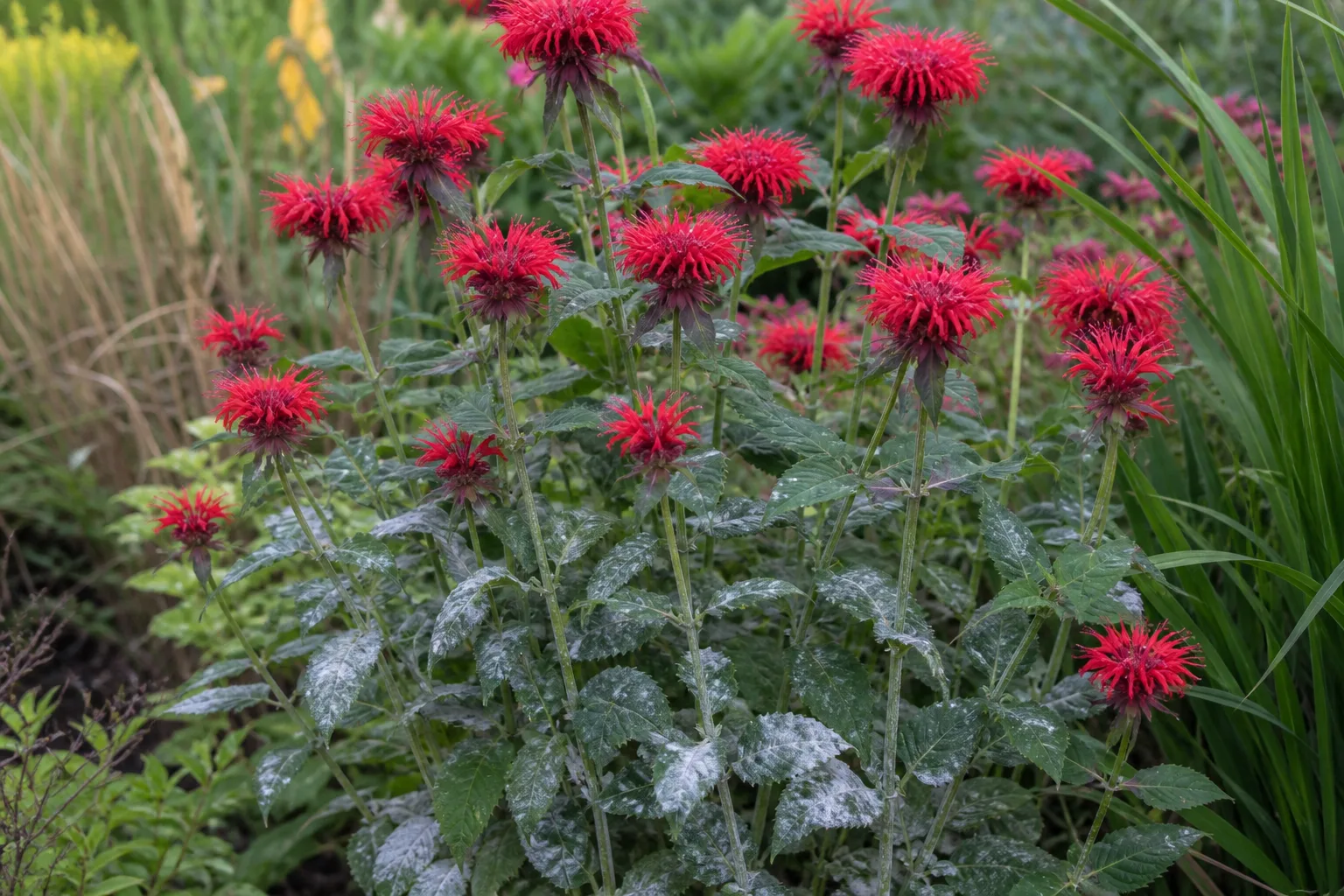
Powdery mildew shows up as white or gray powder on leaf surfaces, often on crowded plants with poor airflow. Maine Department of Agriculture lists common hosts including phlox, bee balm, lilac, hydrangea, dogwood, and many annuals — each caused by host-specific fungi, so mildew on one plant does not automatically spread to another species.
A dilute baking soda spray may help suppress early infections on some ornamentals by changing leaf-surface pH. Colorado State University Extension describes potassium bicarbonate products (Kaligreen, First Step) as registered fungicide options, and notes that baking soda combined with lightweight horticultural oil has shown fungicidal activity in Cornell research on roses — but CSU still labels that baking-soda-plus-oil mix as experimental and advises using it at your own risk.
Practical takeaway: baking soda is a reasonable first experiment on outdoor ornamentals with early mildew, not a guaranteed cure. For houseplants, see our dedicated guide on baking soda spray for plant fungus — smaller pots, less airflow, and repeated sprays raise the sodium stakes indoors.
Start cultural fixes first: thin crowded stems, water at the base, improve spacing, and remove the worst infected leaves into the trash (not compost) when mildew is host-specific and well established.
Spot Weed Control in Hardscape Cracks
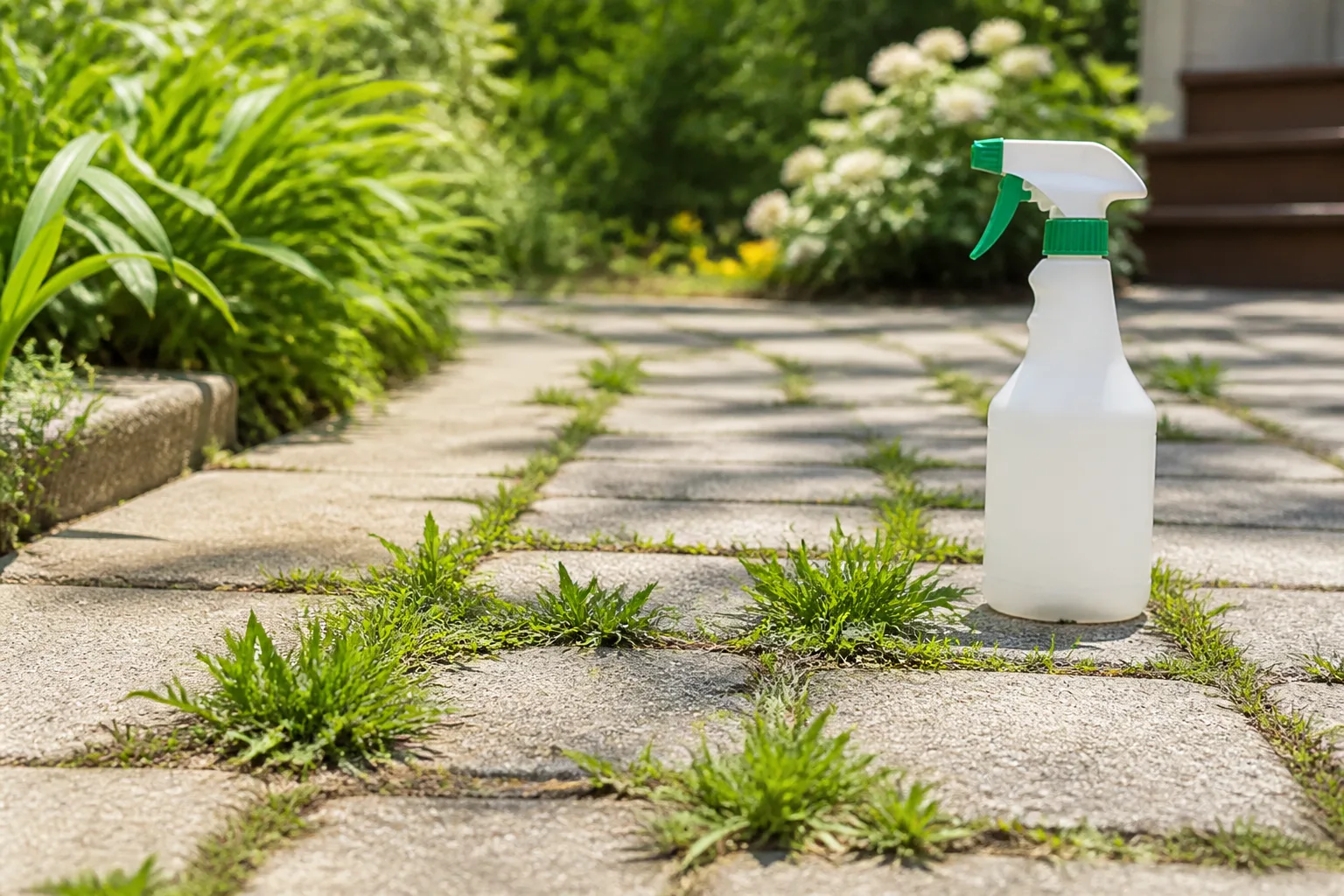
Dry baking soda can injure small weeds by damaging foliage it contacts, especially in hot, dry weather. It is non-selective: anything green in the splash zone can brown, including lawn grass, seedlings, and perennials. The only narrow use case is isolated weeds in hardscape — paver joints, driveway seams, gravel — where you can keep powder off desirable plants and away from runoff paths into beds.
For step-by-step timing, shielding nearby plants, and why repeat applications rarely solve taprooted weeds, read how to use baking soda as a weed killer. If the weed is in a lawn or vegetable bed, pull it or use a method matched to the site instead of dusting sodium around food crops.
When Baking Soda Will Not Help (or Will Hurt)
Slug, Snail, and Ant Claims
Garden folklore often compares baking soda to table salt for slugs: both can dehydrate soft-bodied pests on direct contact, but that means hand-sprinkling individual slugs — not broadcasting around beds. Oregon State University Extension reports that coffee grounds can repel slugs in laboratory tests; baking-soda-and-sugar bait mixes are far less predictable in real gardens and can attract pests before they harm them.
For ants, dry lines of baking soda rarely solve colony-level problems and can add sodium near roots. Exclusion, removing food sources, and targeted baits where label-appropriate outperform pantry barriers.
Bloom Boosters and Sweeter-Tomato Myths
Anecdotes claim that sprinkling baking soda around geraniums, coneflowers, or hydrangeas “encourages blooms” because those plants tolerate alkaline conditions. Even when a species prefers higher pH, a few teaspoons at the root zone is not a controlled soil amendment — and neighboring acid-loving plants can suffer from drift and runoff. Hydrangea flower color is driven by cultivar and aluminum availability in acidic soils; baking soda is not a reliable blue-to-pink switch.
The sweeter-tomato myth is equally shaky: raising pH does not dial sweetness inside fruit the way social posts imply. Our guide on baking soda for sweeter tomatoes explains why flavor follows cultivar, ripeness, and balanced fertility — not a pantry dusting.
Safe Baking Soda Spray Recipes and Application Rules
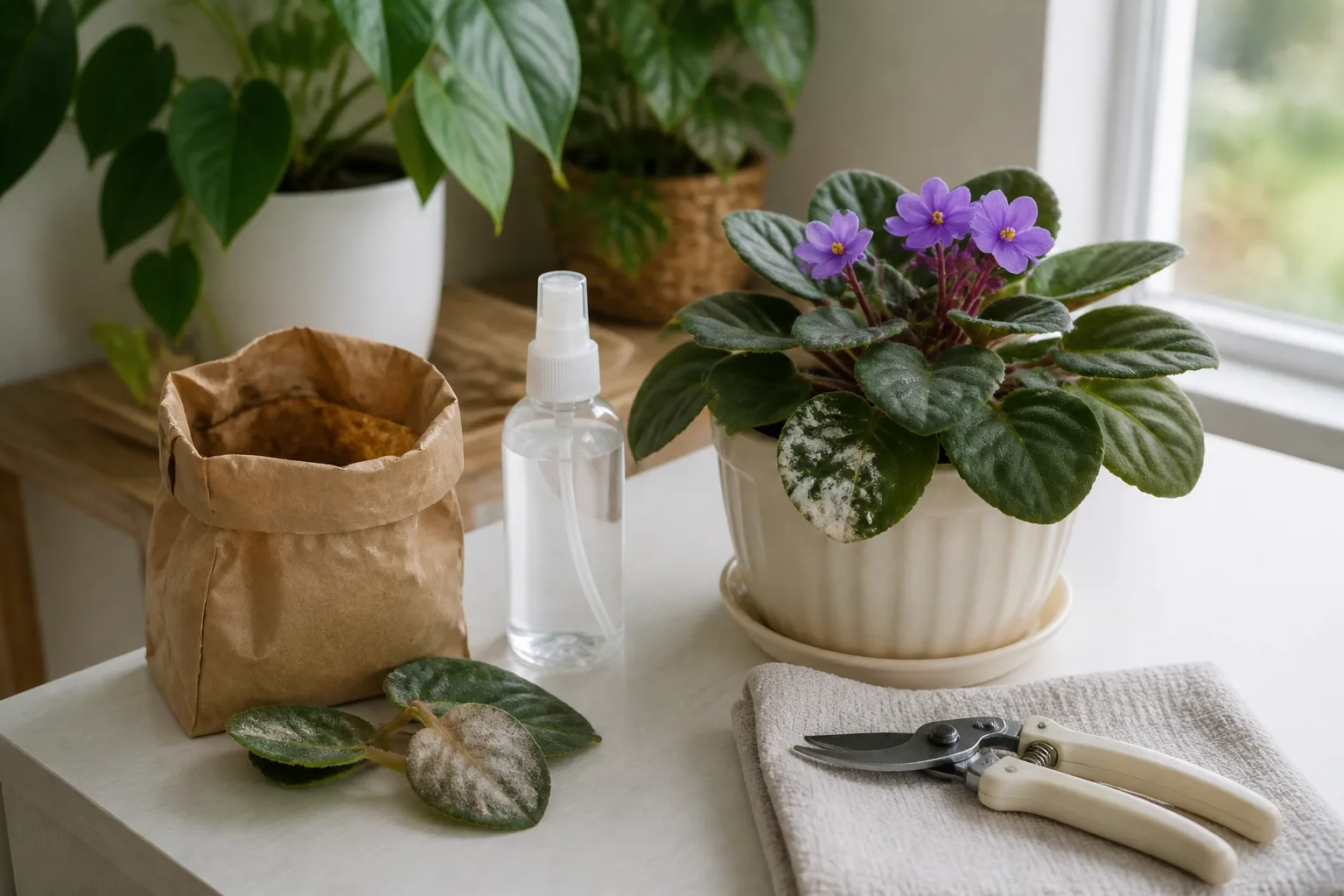
Use plain sodium bicarbonate from the baking aisle — not baking powder, which contains acids and starches that change the mix.
Basic foliar spray (start here):
- Dissolve 1 teaspoon baking soda in 1 quart (1 liter) of water.
- Optional: add ½–1 teaspoon of insecticidal soap or a few drops of mild liquid soap to help the solution spread and stick. Avoid harsh detergents and never exceed label rates on commercial spreaders.
- Pour into a clean spray bottle; label it for plants only.
- Spray until leaves glisten, including undersides, on a cool morning or evening — not in hot sun.
- Reassess in 7–10 days. Repeat only if mildew is still spreading and leaves show no injury.
Outdoor experimental mix (higher risk): Colorado State Extension cites Cornell work using 1 tablespoon baking soda plus 2.5 tablespoons horticultural oil per gallon of water on roses. Treat this as an advanced, phytotoxicity-prone option — patch-test mandatory, and skip it on hairy or sensitive houseplant leaves.
Do not:
- Increase baking soda because the first spray “did nothing overnight”
- Spray drought-stressed, newly transplanted, or flowering plants without testing
- Mix with vinegar in the same bottle (the reaction neutralizes both)
- Use on open fruit or harvest-day salad greens without rinsing and considering sodium residue
Patch-Test Before You Spray the Whole Plant
Choose one or two older leaves, spray, wait 24–48 hours, and look for:
- Brown or translucent patches
- Crispy margins
- A chalky dried film that does not rinse off
If you see injury, stop. Mildew that keeps advancing after cultural fixes is a signal to switch to a labeled potassium-bicarbonate or horticultural-oil product allowed on your plant type — not to double the pantry dose.
Risks of Using Baking Soda in the Garden
Sodium Buildup and Salt Injury
Sodium from repeated sprays and soil dustings accumulates. Missouri Botanical Garden describes salt injury symptoms including marginal leaf burn, stunting, reduced flower and fruit size, premature fall color, and twig dieback — often showing up after hot, dry weather in soils that cannot leach salts quickly.
Container plants and greenhouse pots are especially vulnerable because the soil volume is small and there is nowhere for sodium to go. If you have been spraying houseplants weekly “just in case,” flush the potting mix with plain water only after you confirm drainage is excellent — and switch to the powdery mildew on houseplants playbook instead of another sodium round.
Leaf Burn and Non-Selective Damage
Baking soda dries and salts leaf tissue. Combined with oil on a hot day, burn appears fast. On weeds, the same non-selective logic applies: powder that drifts onto a tomato seedling or lawn edge will injure it. Wind, rain splash, and rinse runoff are why bed and lawn applications fail more often than they succeed.
Better First Choices Than Reaching for the Pantry Box
Match the tool to the problem instead of defaulting to baking soda:
| Problem | Smarter first step |
|---|---|
| Poor growth, pale leaves | Soil test; compost; correct watering |
| Powdery mildew indoors | Airflow, isolation, houseplant mildew guide |
| Powdery mildew outdoors | Resistant cultivars, spacing, labeled potassium bicarbonate or oil per label |
| Weeds in lawn | Hand-pull, proper mowing height, targeted herbicide labeled for turf |
| Weeds in cracks | Hand-pull, baking soda spot treatment, or boiling water on bare hardscape |
| Slugs | Hand-pick at dusk, copper tape, iron phosphate bait per label |
| Fungal leaf spots / blight | Identify host and pathogen; remove infected debris; fungicide labeled for crop |
| Acidic soil | Lime at tested rate — not baking soda |
Compost remains the best slow, broad support: it improves structure, feeds soil biology, and buffers pH without dumping sodium. Epsom salt only helps when a soil test shows magnesium deficiency — another common pantry myth parallel. Coffee grounds belong primarily in compost; large raw doses can tie up nitrogen. Wood ash raises pH but is potassium-rich and still easy to overapply — test first.
Indoor vs. Outdoor: Different Rules Apply
Outdoors, occasional dilute sprays on hardy ornamentals may be worth testing when mildew is early and airflow fixes are underway. Indoors, leaves stay wet longer, sodium has no winter rain to leach it, and sensitive species (calatheas, ferns, African violets) burn easily. Default to cultural control and plant-labeled products before routine baking soda on houseplants.
Also keep pantry sprays separate from household mold cleaning. Baking soda for shower grout is a different job with different rinse rules than foliar disease; our does baking soda kill mold guide covers indoor surfaces, not living leaves.
Conclusion
Baking soda is good for plants only in the small slice of garden work where a dilute, short-term foliar spray may slow early powdery mildew, or where a careful hardscape weed spot treatment beats pulling — and even then, patch-testing and sodium awareness matter. It is not a bloom booster, flavor enhancer, slug solution, or substitute for soil testing.
Use the weakest mix that might work, watch leaves for burn, keep sodium away from lawns and food beds, and move to labeled fungicides or cultural fixes when problems persist. Your plants will thank you more for airflow, compost, and correct diagnosis than for another tablespoon from the orange box.



