Using Yogurt in the Garden: 5 Practical Uses
Learn five ways to use yogurt in the garden, from a cautious soil drench to moss craft, plus the dairy mistakes that attract pests and damage plants.
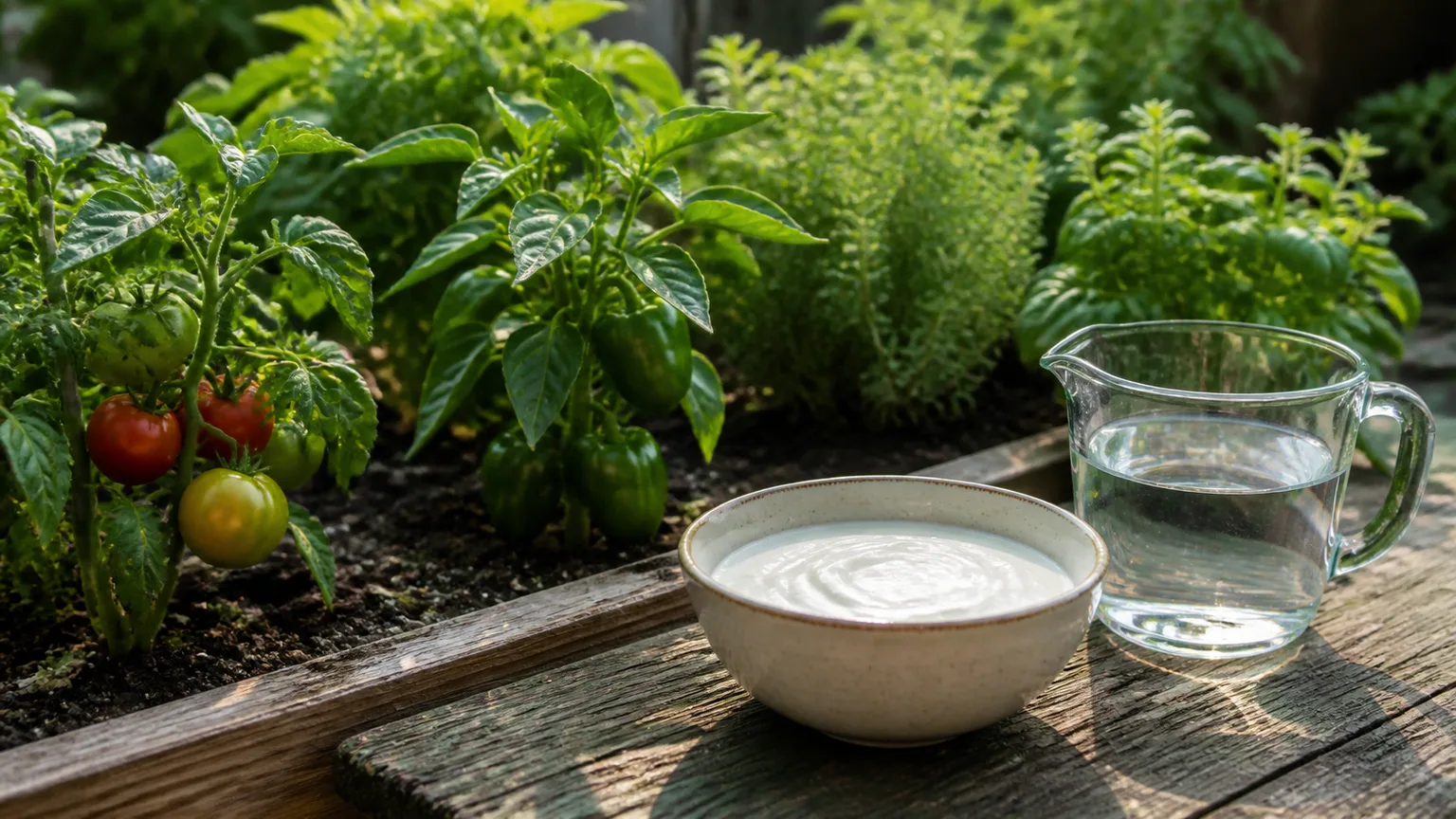
Yogurt can go into a garden, but that does not make it a reliable all-purpose fertilizer. The useful answer depends on what you are trying to accomplish: feed roots, test a foliar idea, attach moss to stone, or dispose of a leftover dairy product. Those are different jobs with different levels of evidence and risk.
The safest approach is to use plain, unsweetened yogurt in a tiny, controlled experiment, keep dairy away from ordinary backyard compost, and stop treating any visible improvement as proof that yogurt supplied everything a plant needed. Strong plants still depend on light, water, drainage, root space, and a balanced nutrient program.
Start with the evidence, not the hype
Yogurt contains water, proteins, fats, minerals, and bacteria created during fermentation. That sounds promising, but a food’s ingredient list is not the same thing as a fertilizer analysis. A spoonful does not tell you how much plant-available nitrogen, phosphorus, or potassium reaches the root zone, and it does not reveal whether the soil already has enough of those nutrients.
University guidance on foliar feeding makes the same broader point: plants can absorb some nutrients through leaves, but uptake varies with the nutrient, leaf age, leaf condition, and environment. Ohio State University Extension recommends treating foliar feeding as a supplement for specific situations rather than a replacement for a root-zone nutrient program (Ohio State University Extension). That is a sensible standard for yogurt too.
There is also a difference between microbes being present and microbes improving a particular plant. The lactic-acid bacteria in yogurt may not survive, establish, or outperform the microbial community already living in healthy soil. Colorado State University Extension notes that compost does not need a starter or inoculant because decomposition microbes naturally occur on plant waste (Colorado State University Extension). In other words, yogurt is not automatically a missing ingredient.
What yogurt can and cannot contribute
There are three plausible roles for yogurt, and each needs a different level of confidence.
First, a diluted amount may add a small pulse of organic material to the root zone. That is a modest soil amendment experiment, not a calibrated fertilizer. Second, a thin coating on foliage may alter the leaf surface for a short time, but a homemade dairy spray can also scorch leaves, leave residue, or keep foliage damp. Third, thick yogurt can help a moss paste cling to a porous surface; in that craft, the yogurt functions more like a binder than a plant food.
What yogurt cannot do is correct every yellow leaf, replace a soil test, cure a fungal disease, or make a poorly lit plant vigorous. Utah State University Extension emphasizes that nutrient applications should be based on crop needs and soil conditions, because excess nutrients can contribute to poor growth, salinity problems, and environmental contamination (Utah State University Extension). A kitchen ingredient is not exempt from that logic.
Choose the right yogurt before you mix anything
Use a small amount of fresh plain, unsweetened yogurt if you decide to test a plant application. Live-culture yogurt is the usual choice for the microbial theory, but “live cultures” does not guarantee a measurable benefit in garden soil. Avoid products with fruit, sugar, artificial sweeteners, chocolate, granola, oils, flavor syrups, or a long list of additives.
Greek yogurt is thicker, so it needs more dilution to make a pourable mixture. It is not stronger plant food simply because it has been strained. Flavored yogurt is not worth adapting: the extra sugar and ingredients add residue without solving a plant problem.
Treat the date on the container as a practical safety signal. A slightly past-date, plain container may be suitable for the managed disposal route described below, but yogurt with mold, a swollen container, a foul smell, or unknown contamination should not be used on plants or in a food-garden experiment.
1. Try a tiny root-zone drench on one plant
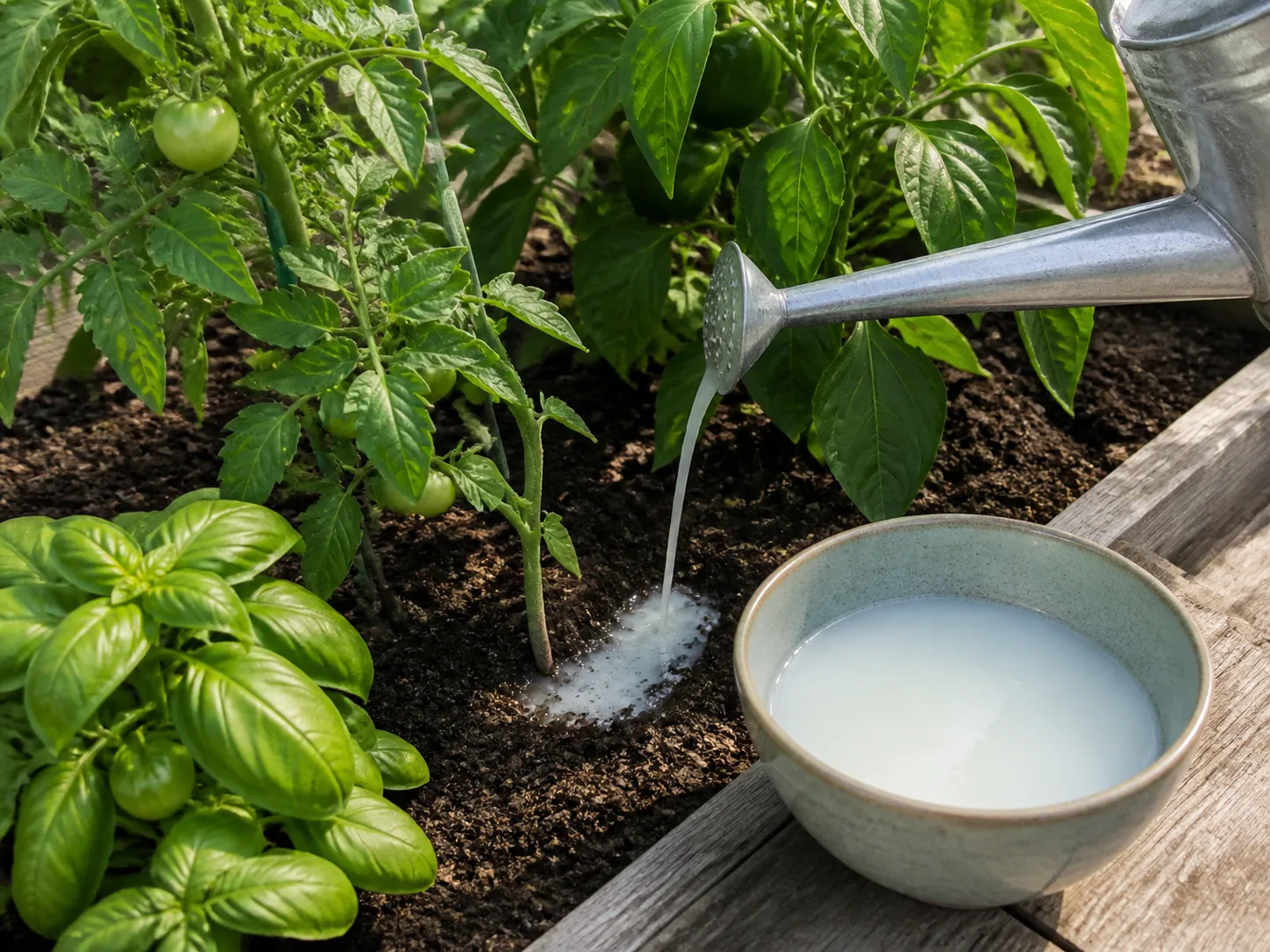
The most defensible plant-use experiment is a diluted root-zone drench on one established, non-precious plant. It lets soil organisms and roots encounter the material without coating leaves or fruit. Choose a tomato, pepper, herb, or ornamental plant that is healthy enough to serve as a comparison, and leave a similar plant untreated.
Do not pour yogurt directly onto potting mix or garden soil. A thick dairy layer can create an oxygen-poor, sour-smelling pocket at the surface, especially in a small container. The goal is a light wetting of the soil, not a white cap around the stem.
How to make and apply a cautious drench
Start with 1 teaspoon of plain yogurt in 1 cup of water, whisked until the mixture is as smooth as possible. This is deliberately weaker than many internet recipes because the nutrient content is unknown and a small test is easier to stop. If the mixture will not pass through a watering-can rose, strain it through a fine kitchen sieve; do not push curds into a sprayer.
Apply the mixture to already-moist soil in a ring around the plant’s root zone. Keep it away from stems, crowns, mulch piled against trunks, and any edible leaves resting on the ground. For a container, use only enough to moisten the upper mix, then let the pot drain freely; do not leave a yogurt mixture sitting in a saucer.
Watch the plant and soil for seven to ten days. A sour smell, slimy surface, fungus gnat activity, gray mold, leaf spotting, or worsening growth is a stop signal. Rinse the surface with plain water if needed, improve airflow, and discard the test rather than increasing the dose.
The result is worth interpreting cautiously. New growth that looks normal on both plants tells you the dilution was tolerated, not that yogurt caused extra growth. A change on the treated plant may reflect different light, moisture, root health, or ordinary growth variation. If you want to feed the plant, a labeled fertilizer applied at its stated rate is easier to measure and repeat.
2. Save whey for a separate soil experiment
The watery layer that separates from yogurt is whey. It is easier to distribute than thick yogurt, but it is still a dairy byproduct with an unknown nutrient concentration. If you have a small amount of plain whey, you can use it for the same kind of one-plant soil test as the diluted yogurt drench, using plain water as the comparison.
Keep the experiment outdoors or in a well-ventilated growing area. Do not pour a jar of whey into a houseplant pot, seed tray, or self-watering reservoir. Indoor containers have little biological buffering, and dairy residue can smell, attract flies, or support surface mold long before a plant benefits.
This is also where many claims about “beneficial bacteria” get ahead of the evidence. A plant does not need a probiotic drink in the way a person might choose a fermented food. Soil organisms respond to moisture, oxygen, carbon sources, roots, and the existing soil environment; a single yogurt culture is unlikely to reorganize that system on demand.
If your actual goal is to improve soil, finished compost, leaf mold, or a plant-based organic matter amendment gives you a more stable material. If your goal is nutrition, start with a soil test and choose a fertilizer whose analysis matches the result.
3. Treat foliar yogurt as a patch test, never a fungicide cure
Spraying yogurt on leaves is the most tempting use and the one that deserves the most restraint. A thin film might change the leaf surface, but it has not earned the status of a dependable treatment for powdery mildew, rust, black spot, rot, or other plant diseases. A white coating can also make it harder to see whether a disease is spreading.
Foliar feeding has real uses in specific crop and nutrient situations, but extension guidance warns that routine sprays can damage leaves and fruit, create nutrient imbalances, and contribute to foliar disease when conditions are wrong (Ohio State University Extension). GrowVeg likewise describes homemade feeds as difficult to judge because their nutritional content is uncertain and recommends testing a few leaves before treating a whole crop (GrowVeg).
If you still want to test the old yogurt spray idea, use a single leaf or a small section of a non-edible ornamental plant. Mix 1 teaspoon of plain yogurt into 1 cup of water, strain it thoroughly, and apply a fine mist to one or two leaves in the evening or on a cloudy day. Do not spray in strong sun, during heat, onto fuzzy or very tender foliage, or when leaves will stay wet overnight.
Protect the leaves and harvest when you test it
Wait 48 hours before judging the test. Brown flecks, translucent patches, curling, a tacky film, or a sour odor means the leaves did not tolerate it. Rinse the foliage with clean water and do not repeat the spray. Never add dish soap, oil, vinegar, baking soda, or essential oils to “boost” the mixture; combining household ingredients can increase leaf burn without turning yogurt into a labeled fungicide.
Do not spray yogurt on lettuce, herbs, strawberries, tomatoes, or other edible plant parts that are close to harvest. Dairy residue is difficult to wash from textured foliage, and a homemade spray has no approved harvest interval or disease-control label. For a diagnosed disease, use cultural controls first—remove badly affected leaves, increase spacing and airflow, water the soil instead of the foliage—and follow local extension or product-label guidance for a real treatment.
4. Use yogurt as a moss-slurry binder on porous stone
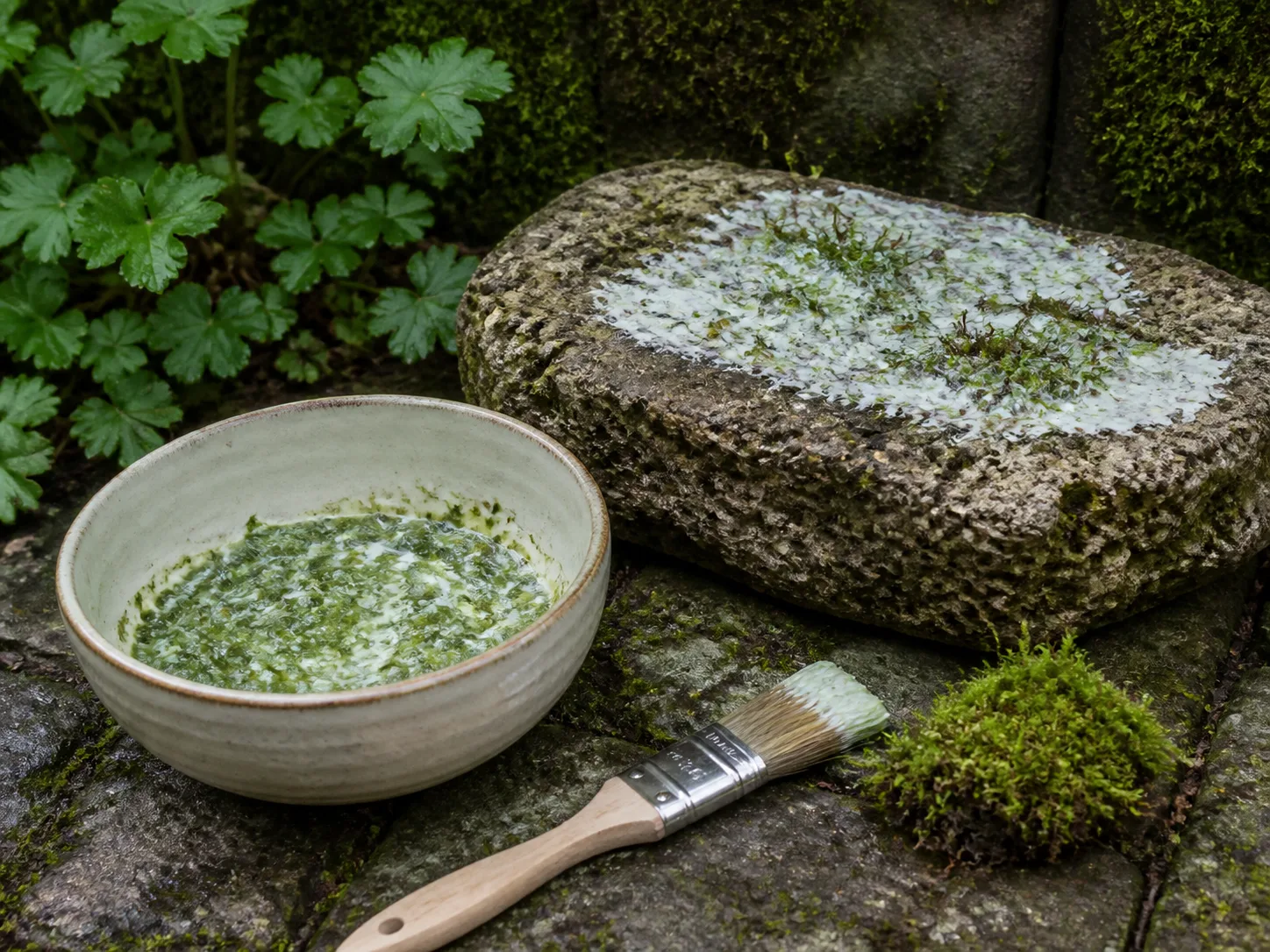
Moss craft is the clearest non-fertilizer use for yogurt. Mix about 1 cup of plain yogurt with 2 tablespoons of live moss until it forms a thick paste, then brush a thin layer onto a rough, porous stone, brick, or unsealed garden ornament. Keep the surface damp with a light mist and place it where the chosen moss naturally grows.
The important distinction is that yogurt may help the moss and paste adhere; it has not been shown to make moss establish everywhere. Gardening Know How describes yogurt-moss results as inconsistent and says the yogurt’s more plausible role is helping the mixture cling to a structure (Gardening Know How). That makes this a fun, low-stakes craft experiment, not a way to make sun-baked concrete green.
Conditions matter more than the yogurt
Choose a shaded or lightly filtered location with reliable moisture and a surface that is not slick, painted, sealed, or exposed to afternoon heat. Match the moss to the local climate and avoid collecting it from protected land or from a place where removal would damage a natural colony. A small piece from your own garden is enough for a test.
Mist lightly rather than drenching the stone. If the paste turns sour, attracts flies, or runs off in rain, remove it and clean the surface. If nothing happens after several weeks, the limiting factor is probably light, moisture, temperature, surface texture, or moss suitability—not a need for more yogurt.
5. Send expired yogurt to a managed composting program
The responsible way to reuse a large or expired container is to use an organics collection program that explicitly accepts dairy. Commercial or municipal facilities can have the scale, temperature, aeration, and pest controls that a typical backyard bin lacks. Check the local program’s list before adding anything; acceptance rules vary.
This option is different from tipping yogurt into your garden bed. The yogurt becomes part of a managed stream that is designed to process food scraps, then the finished compost is handled according to that program’s standards. Gardener’s Supply explains that dairy may be accepted at drop-off facilities even though a typical backyard setup can attract animals and may not get hot enough for all food waste (Gardener’s Supply).
Why a backyard pile is a poor match for dairy
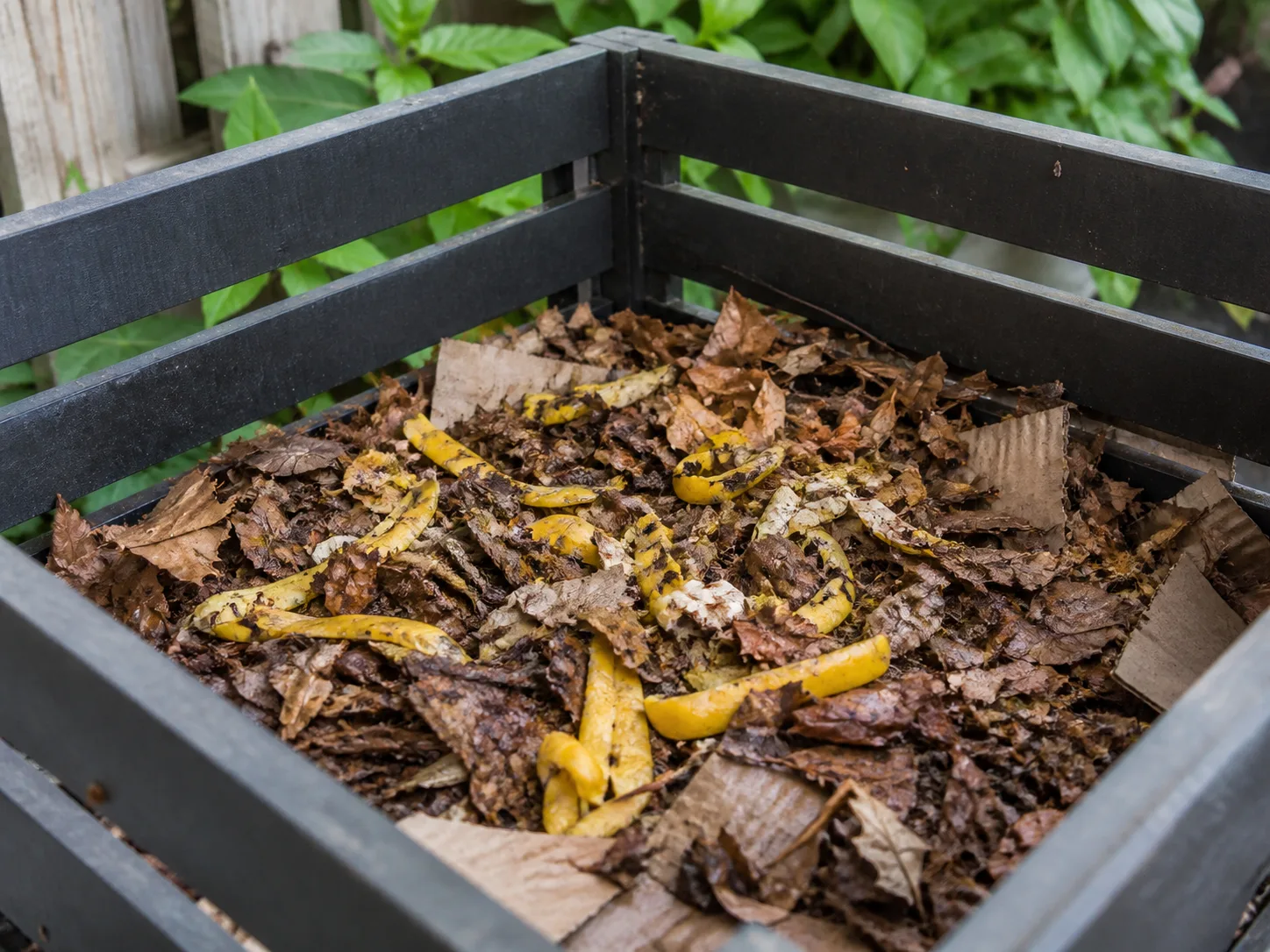
For ordinary home compost, skip yogurt. Colorado State University Extension specifically lists dairy among materials to avoid because it can slow decomposition and attract pests, and its troubleshooting table connects dairy with rat, raccoon, bear, and insect problems (Colorado State University Extension). Covering a spoonful with leaves does not change the basic risk if your pile is small, cool, open, or close to a house.
Do not try to compensate by adding a large amount of sawdust or dry leaves. Compost needs a balanced mix, moisture, oxygen, and enough volume to heat; a dairy dump can create a wet, dense pocket even when the surrounding material looks brown and dry. If you already added a small amount, bury it in a well-managed pile only if your local extension guidance allows dairy, monitor for odor and pests, and otherwise remove it to an accepted organics route.
What not to do with yogurt in pots and beds
Most yogurt problems come from using too much, using the wrong product, or treating a food as though it had a fertilizer label. Avoid these shortcuts:
- Do not spread a layer of yogurt on soil, around a trunk, or across a container’s surface.
- Do not use flavored, sweetened, oily, or fruit-filled yogurt on plants.
- Do not apply yogurt every week or on a calendar when the plant shows no nutrient diagnosis.
- Do not spray a whole crop before testing one leaf and waiting two days.
- Do not use a yogurt spray as the sole response to a disease, pest, wilt, or nutrient deficiency.
- Do not put dairy in an open backyard compost bin where animals can reach it.
- Do not use yogurt near edible leaves or harvestable fruit when residue cannot be washed away easily.
Also avoid applying it to seedlings, freshly transplanted plants, succulents, cacti, or plants already suffering from root rot. These plants have little margin for a wet, biologically active amendment that is difficult to measure. A stressed plant needs the cause diagnosed first, not another variable added to the pot.
Better tools for stronger plants
If you want stronger growth, use the tool that matches the problem. A soil test is more useful than guessing from leaf color because yellowing can come from poor drainage, root damage, low light, pests, pH, or several nutrients. A complete fertilizer with a known analysis is easier to apply accurately than yogurt, and finished compost adds organic matter without the same fresh-dairy odor and pest concerns.
Good garden basics still do most of the work: provide enough light for the crop, water deeply enough to wet the root zone, let containers drain, avoid compacted soil, and keep foliage dry when disease pressure is high. If a plant is in a pot, check the roots and the drainage hole before reaching for an amendment. If the garden bed is productive and the soil test is adequate, there may be no reason to add yogurt at all.
For soil biology, the most dependable long-term inputs are steady organic matter, living roots, mulch used correctly, and avoidance of compaction and waterlogging. Microbial diversity is built by the whole system, not by repeatedly adding one food culture. Utah State University Extension also cautions that organic amendments can affect pH, salinity, and nutrient balance, so more is not automatically better (Utah State University Extension).
A simple decision rule for your next spoonful
Use this order before you decide:
- Name the job. Are you feeding a plant, testing a leaf spray, growing moss, or disposing of leftovers?
- Choose the lowest-risk route. Soil test and labeled fertilizer beat yogurt for nutrition; managed organics collection beats dairy in a backyard pile.
- Use plain yogurt only. Skip sweeteners, flavors, oils, fruit, and questionable containers.
- Test one small area. Treat one plant or one stone, keep a comparison, and wait before repeating.
- Stop at the first warning. Odor, pests, slime, leaf burn, spotting, or mold is evidence that the experiment is not helping.
The short version is that yogurt can be used in a garden, but its best roles are modest: a carefully diluted root-zone experiment, a cautious whey test, a limited foliar patch test, a moss-binder craft, or an approved composting route. None should displace the fundamentals that make plants strong.
Conclusion
Plain yogurt is not a magic plant food. It can be tested in small amounts, and it can be useful as a moss-slurry binder or as a food scrap sent to a facility equipped to compost dairy, but the evidence does not justify pouring it around every plant or spraying it over a diseased crop.
If you want to experiment, start with one healthy plant, a very dilute root-zone mix, and an untreated comparison. If you want reliable growth, test the soil, improve the root environment, and use a measured fertilizer or finished compost. That combination gives you stronger plants with fewer surprises than a spoonful of yogurt used on autopilot.



