How to Grow and Care for Cherry Tomatoes Outdoors
Grow cherry tomatoes in beds or pots with practical advice on seeds, spacing, support, watering, pruning, heat, cracked fruit, and harvest timing.
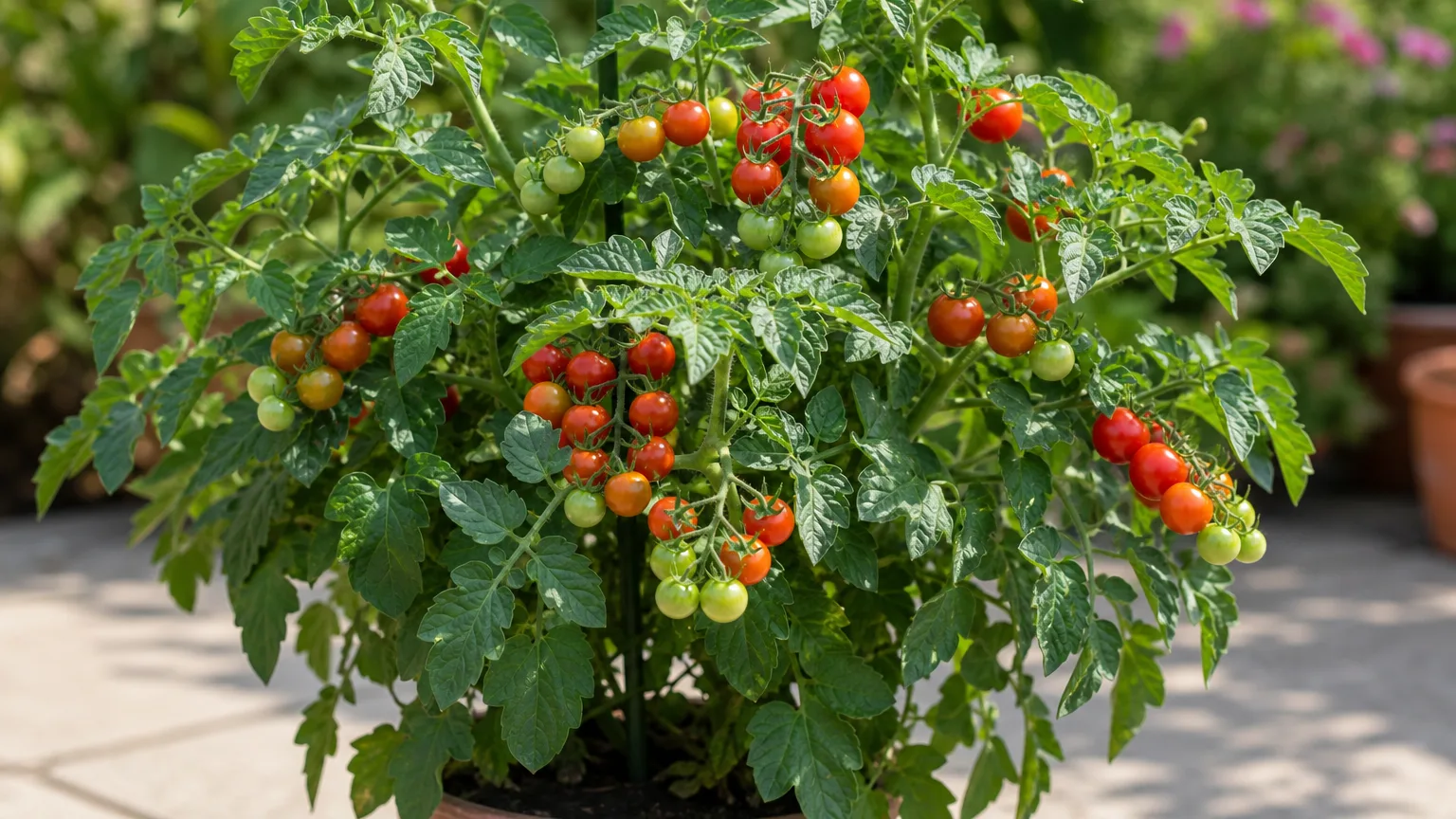
Cherry tomatoes reward small, steady care with a long run of snack-size fruit. The biggest early decision is not whether a tomato is red or yellow; it is whether the plant will stay compact or keep vining, because that choice affects the pot, spacing, support, and pruning you will need.
A sunny site, warm soil, reliable moisture, and sturdy support solve most problems before they show up. Use the plan below to match a variety to your space, get it through transplant shock, and respond sensibly when heat, rain, or pests interrupt production.
Choose a variety by growth habit, space, and harvest goal
Cherry tomatoes are small-fruited tomatoes, not necessarily small plants. A seed packet may label a variety determinate (bushy and more compact) or indeterminate (a vine that keeps growing and setting fruit while conditions allow). The size of the fruit does not tell you the eventual size of the plant: many familiar cherry tomatoes are indeterminate and can climb well above a person’s waist unless you train them.
Choose a determinate or explicitly dwarf/container variety if your space is short, you want a concentrated harvest, or you prefer less pruning. An indeterminate type fits a tall trellis, a long warm season, and a gardener who wants fruit in waves over time. An indeterminate variety also works in a large pot if you can provide tall support and regular attention. Epic Gardening likewise recommends reading the variety description before investing in a container setup, and notes that cherry types can become very large.
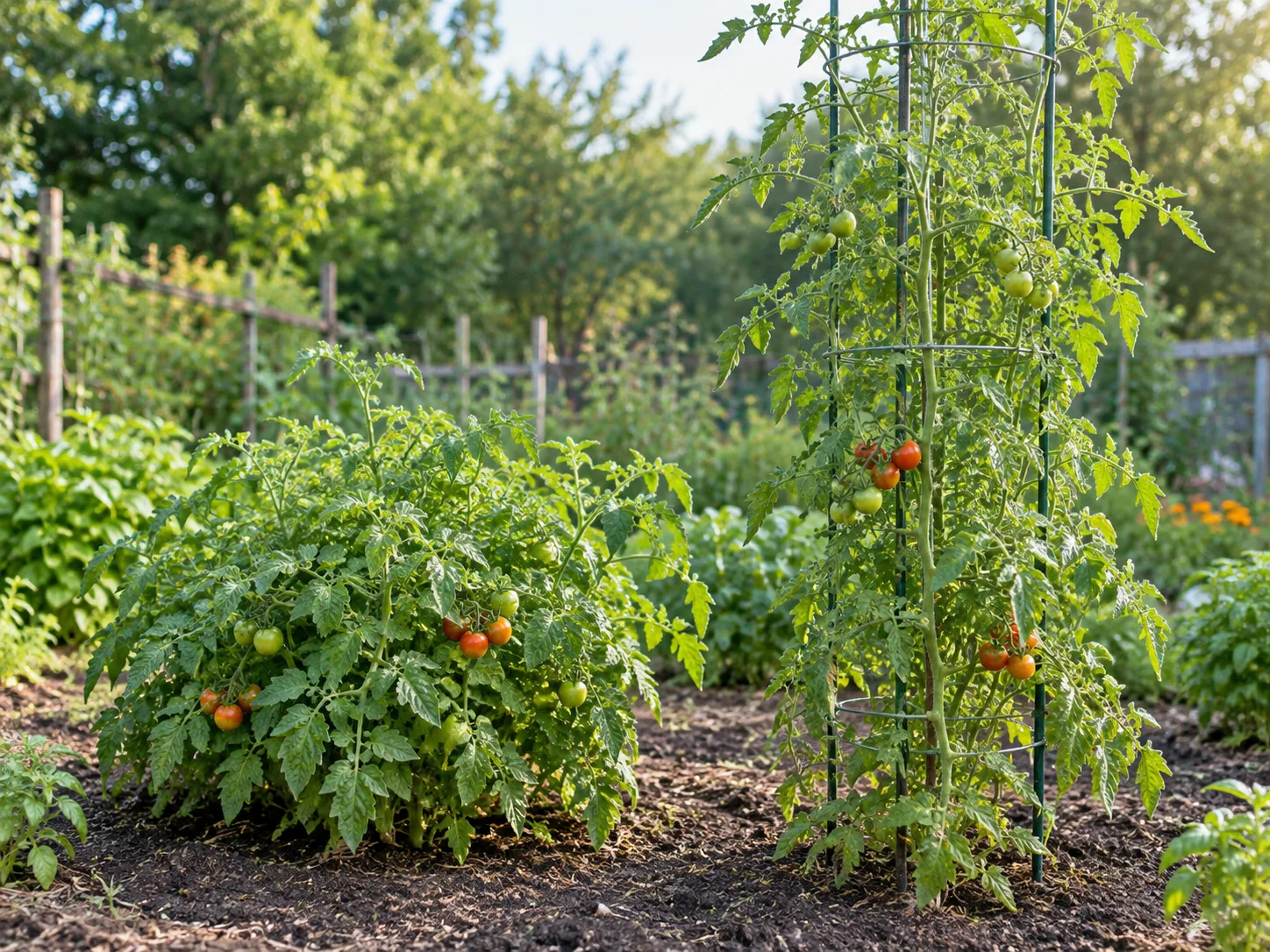
Use the label to match fruit color, flavor, disease resistance, and days to maturity to your preferences. ‘Sungold’ is a popular orange, sweet-fruited choice, and GrowVeg discusses it among high-flavor varieties. Taste still varies with ripeness and growing conditions. Treat days to maturity as an estimate, and confirm whether the plant is compact, determinate, or vining before you buy it.
Cherry tomatoes are usually rounder and juicier than the more oblong, firm-fleshed grape type. Choose grape tomatoes when you want fruit to hold its shape in a salad or lunch box; choose a cherry type for a juicier snack. GrowVeg’s guide covers the range of small-fruited tomato forms and flavors.
Find a sunny site and plant at the right time
Give cherry tomatoes a position with at least six hours of direct sun, with eight or more usually better for a productive outdoor plant. Watch the site across the day before planting: a spot that looks sunny at noon may be shaded by a wall or tree during the morning and afternoon. Full sun helps the plant grow sturdy stems and ripen fruit, but it does not mean roots in a small, dark pot should bake on a heat-reflecting patio.
Tomatoes are warm-season plants. Set transplants outside only after the local frost danger has passed and nights have settled into a reliably mild range; cold soil and cold nights stall growth even if the afternoon feels pleasant. Penn State Extension notes that frost can kill seedlings and that flower drop may follow nights below 55°F or above 75°F. Those thresholds are useful cautions, not a promise that every variety stops setting fruit at one exact temperature. Penn State Extension’s tomato planting guide recommends hardening transplants off gradually and choosing a warm planting window.
In a hot-summer region, aim to get the first flower clusters established before prolonged heat; in a cooler region, a raised bed can warm earlier, but do not plant into a cold snap just to gain a few days. Local frost dates, nighttime temperatures, and the forecast matter more than a national calendar date.
Start from seed or buy a sturdy transplant
Starting from seed gives you more cultivar choices, especially if you want a particular fruit color or a compact plant. Sow indoors about six to eight weeks before your expected last frost, following the seed packet for depth and temperature, and give seedlings bright light after they emerge so they do not become tall and floppy. A sunny windowsill can be too dim; a grow light close above the seedlings usually gives more even, sturdy growth.
Buying a transplant saves time. Choose a compact plant with a firm stem, healthy green leaves, and no visible spots, pests, or roots circling densely around the bottom of the pot. A small, sturdy transplant is easier to establish than a tall, flowering plant that has already spent weeks in a crowded nursery cell.
Before planting a home-started or purchased seedling, harden it off over about a week. Start with a short period outdoors in sheltered shade, then gradually increase exposure to sun and breeze; bring it back in if wind, cold, or harsh midday sun is likely to stress it. Penn State Extension advises a gradual week-long hardening period because a greenhouse-grown seedling is not ready for a sudden change in sun, wind, and temperature.
Prepare the soil and rotate nightshades
Cherry tomatoes need soil that drains after watering but still holds enough moisture for roots to take it up. In a garden bed, loosen compacted soil and work in mature compost when it improves structure; do not fill the planting hole with a rich pocket of fertilizer or fresh manure. A soil test is more reliable than guessing at pH or adding lime, phosphorus, or calcium without knowing what the bed already contains. Penn State Extension describes tomatoes as suited to fertile, well-drained soil and recommends using a soil test to guide amendments.
A slightly acidic soil around pH 6.2–6.8 is a useful target, but a small difference from that range is not a reason to dump amendments around an established plant. Correcting pH takes time, and most garden problems are not fixed by adding one nutrient on sight. Excess nitrogen can push lush leafy growth while delaying flowers and fruit, so use a complete vegetable or tomato fertilizer only as directed and according to your soil needs.
Rotate tomatoes away from peppers, eggplants, and potatoes to reduce the chance of carrying soil-borne problems forward. Penn State Extension recommends a three-year rotation when possible. If a small yard gives you no rotation space, use fresh container mix in a clean pot and remove diseased debris at season’s end.
Transplant deeply and leave room for airflow
Plant on a mild, overcast day or in the evening if you can, and water the seedling before removing it from its nursery pot. Set it slightly deeper than it grew, removing the lowest leaves if needed so that the bare stem is below the soil line. Tomato stems can form roots along buried portions, which can help the plant establish; do not bury the leaves, and handle the root ball gently rather than pulling the stem.
Give plants enough room for mature foliage, support, and your hand to reach in for harvest. Penn State Extension suggests roughly two feet between determinate plants and three feet between indeterminate plants in a garden row; use the variety’s expected size and your support style to refine that spacing. If leaves from neighboring plants will press together all season, add room or prune only enough to restore access and airflow. Crowding makes scouting and harvesting harder and lets foliage stay damp longer after rain.
After planting, water slowly at the base until the root ball and surrounding soil are moist. A layer of clean straw or other suitable mulch can reduce evaporation and soil splash, but keep mulch a short distance from the stem so it does not trap constant moisture against the plant. Avoid handling or tying wet foliage when possible, since wet plants are easier to damage and some disease spores spread with splashing water.
Install support before vines sprawl
Put a cage, stake, or trellis in place at planting time, while the root system is still small. That avoids driving a support through established roots later and gives you a clear plan for where the plant will grow. Cherry tomato clusters can be surprisingly heavy, and unsupported vines bend, sprawl, or break under a full crop.
A cage is a good low-maintenance option for a bushy determinate plant or for a gardener who wants several stems to spread. Use a cage tall and strong enough for the variety; short, narrow cones often fail under vigorous indeterminate vines. A stake or vertical trellis keeps a plant more upright and accessible, but it usually asks for more tying and pruning as the plant grows. Penn State Extension notes that caging and staking each have trade-offs: staking can improve access and airflow, while a caged plant tends to stay fuller.
Check ties every week or two. Use soft garden tape or another flexible tie, and loop it loosely around the stem so it supports the plant without cutting into new growth. Guide the vine through a cage while the stems are pliable; do not try to bend a stiff, mature branch into a new direction. If the top grows beyond the support, secure the nearest side stem rather than pulling the whole plant down.
Grow cherry tomatoes in a container that holds moisture
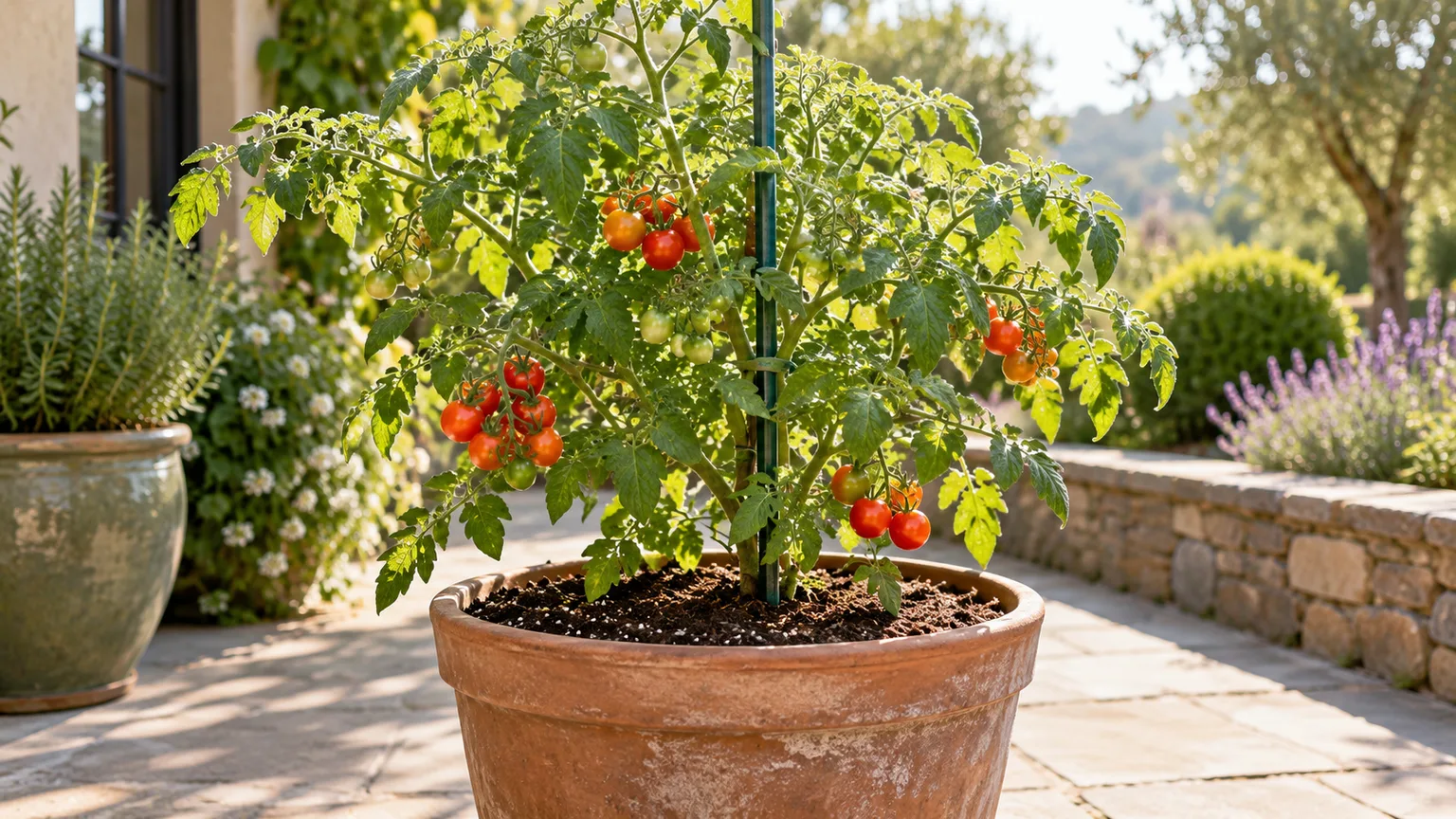
A container is useful on a patio, balcony, or hard-to-rotate bed, but it needs a larger root and water reservoir than a decorative pot suggests. Use one plant per container with drainage holes and aim for at least a 14-inch-wide pot; larger is more forgiving, especially for a vigorous indeterminate cherry tomato. Epic Gardening’s container tomato guide recommends a 14-inch pot as a minimum for tomatoes and advises selecting a variety with a size that fits the available vertical and horizontal space. A five-gallon bucket can work if it is food-safe and has ample drainage, but wider and deeper containers usually make watering less erratic.
Fill the pot with a quality potting mix made for containers, not dense garden soil dug from the yard. Garden soil and pure compost can compact in a pot and drain poorly; either problem makes roots harder to manage. Set the support in place before planting, and place the container where the plant will receive strong direct sun while remaining easy to water and harvest. If the site gets intense afternoon heat, a lighter-colored pot or a little late-day protection can keep the root zone from heating as quickly.
Container plants dry faster than garden beds and lose nutrients as water drains through. Check the mix at least daily during hot or windy weather, but water only when the upper mix is starting to dry rather than giving a small splash every time you pass. Water until excess drains from the bottom, then empty any saucer so the roots are not left standing in water. A larger container does not eliminate care; it simply gives you more time to respond before the root zone swings from dry to soaked.
Water deeply and keep moisture even
For an in-ground plant, Penn State Extension offers one to one-and-a-half inches of water per week as a general tomato benchmark. Rainfall, soil type, mulch, plant size, and heat all change what the plant needs, so do not treat that number as a fixed schedule. Push a finger about two inches into the soil near the root zone; if it is dry there, water slowly and thoroughly rather than wetting only the top surface.
Water at the base of the plant, ideally in the morning, and let the soil absorb the water. Drip irrigation or a soaker hose is helpful because it delivers water where roots need it and keeps foliage drier. If you use a hose, direct a gentle stream to the soil instead of blasting the leaves or exposing shallow roots. Mulch can smooth out day-to-day moisture swings, particularly during dry spells.
The goal is even moisture, not permanently wet soil. A dry plant that receives a sudden soaking may send water into fruit faster than the skin can expand, causing cracks. On the other side, saturated soil deprives roots of oxygen and can contribute to poor growth. After a rainy week, skip scheduled watering and check the soil; during a heat wave, check more often and water containers more frequently than beds. Penn State Extension’s guide to tomato disorders connects moisture swings with both fruit cracking and blossom-end rot.
Feed for fruit instead of excess foliage
Start with a soil test for a bed and the label on the potting mix or fertilizer for a container. If the mix already contains a slow-release fertilizer, wait for the label’s feeding interval rather than adding another dose at planting. A tomato or vegetable fertilizer can be useful once growth or fruiting demands it, but follow the rate and timing printed on the product. More fertilizer is not a shortcut to a bigger harvest.
Watch what the plant is doing. Very lush, dark-green leaves with few flowers can point to too much nitrogen, too little sun, or a plant that is still putting on growth; adding another high-nitrogen feed is unlikely to solve the problem. Pale growth has several possible causes, including poor roots or waterlogged soil, so check drainage and moisture before treating it as a nutrient deficiency. University of California’s tomato fertilization guidance notes that excessive nitrogen can produce lush foliage and delay maturity; those findings concern production tomatoes, but the basic caution against overfeeding also fits a home garden. California’s Fertilization Guidelines explain the effect of excess nitrogen.
As the plant flowers and fruits, keep the root zone supplied with water and nutrition according to the product directions. Do not add calcium tablets, eggshells, or lime just because one fruit has a dark spot; blossom-end rot often reflects trouble moving calcium into developing fruit, not simply a lack of calcium in the soil. Stable moisture, healthy roots, and restrained feeding are better first steps.
Prune only when it solves a problem
Pruning is optional for many cherry tomatoes. Before removing a sucker, decide what you want to improve: a crowded center, a stem dragging on the soil, a branch blocking access, or a vine that has outgrown its support. If the plant has good airflow, healthy leaves, and room to spread, leaving it alone can preserve the foliage that feeds the fruit.
For an indeterminate plant trained to one or two main stems, pinch out some small suckers that form where a leaf meets the main stem. Do this regularly while shoots are small, not by stripping a large, established branch. A cage-grown plant may be allowed to keep more stems, trading a denser plant and slightly harder access for more fruiting branches. A determinate plant has a more concentrated growth pattern, so heavy sucker removal can remove future flower and fruit sites; limit pruning to dead, diseased, or ground-touching leaves.
Avoid removing large amounts of foliage at once. Leaves shade developing fruit and protect it from sunscald, and drastic pruning can expose tomatoes while stressing the plant. Use clean pruners, remove diseased material promptly, and never confuse the main growing tip with a sucker. Penn State Extension describes pruning as part of a staking system, not a rule that every tomato must be reduced to one stem.
Protect flowers through cool nights and heat waves
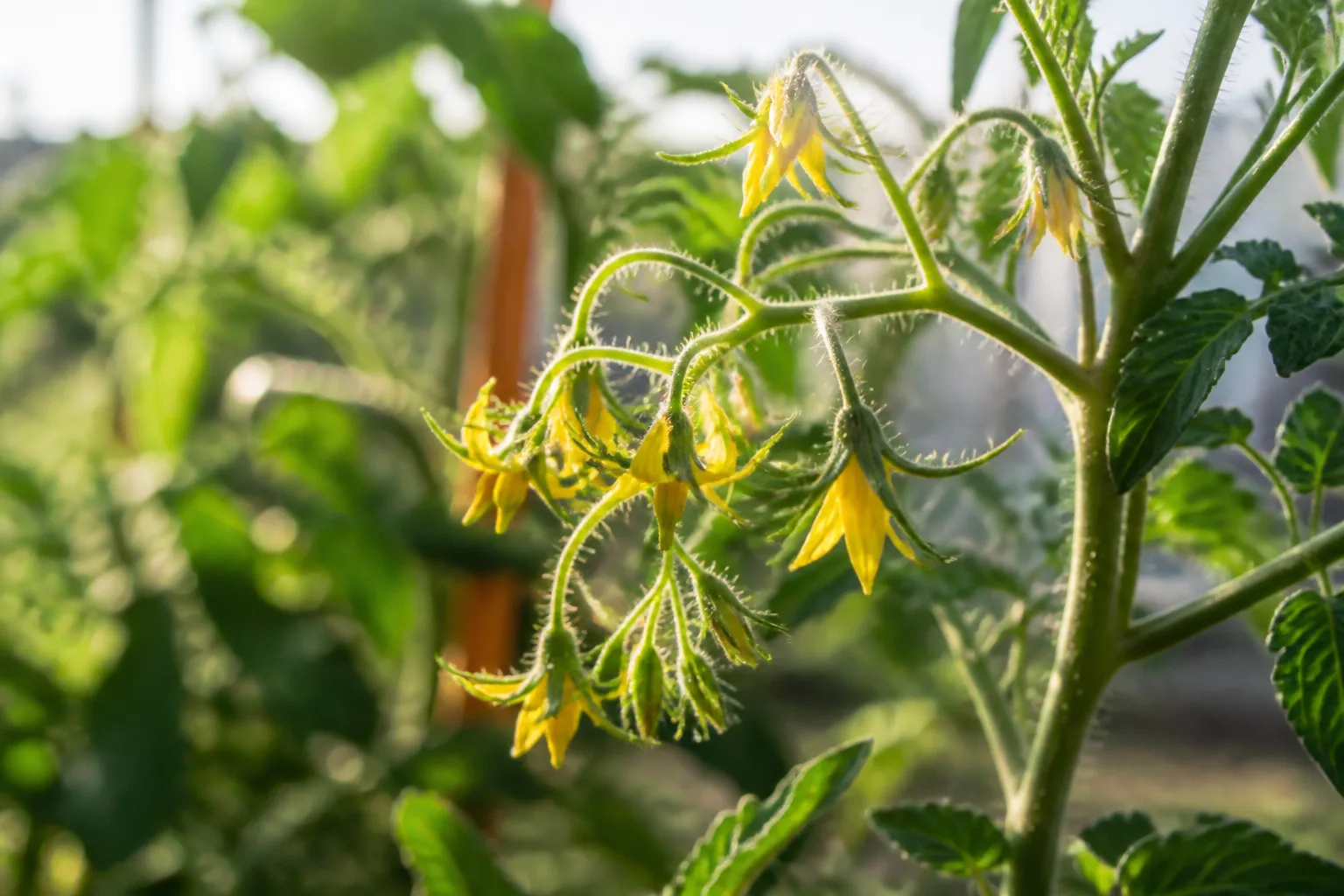
Tomatoes pollinate themselves, but pollen still needs to move within the flower. A light breeze or gentle movement of the plant is often enough outdoors. If flowers appear but fruit does not, first look at recent nighttime and daytime temperatures rather than assuming the flowers need hand pollination.
Cool nights can interrupt fruit set, and extended heat can make pollen less effective or cause flowers to drop. Penn State Extension reports blossom drop when nights fall below 55°F or climb above 75°F; Epic Gardening notes that some varieties set fruit poorly when days exceed about 90°F. These ranges are not identical because varieties and conditions differ, so treat them as warning zones rather than precise on-off switches. Cherry tomatoes may set fruit more reliably than some large-fruited types in less-than-ideal temperatures, but no variety can overcome every heat wave; GrowVeg notes this relative advantage without suggesting immunity.
During a short heat spell, keep watering consistent, avoid hard pruning that exposes fruit, and consider temporary afternoon shade if a container or plant is overheating. Do not feed heavily to force flowers or keep watering already-soggy soil. When conditions return to a moderate range, new flower clusters may set even if the current ones drop. If nights are too cold, wait for warmth rather than moving a plant into full outdoor exposure that it cannot tolerate.
Scout for pests and disease before damage spreads
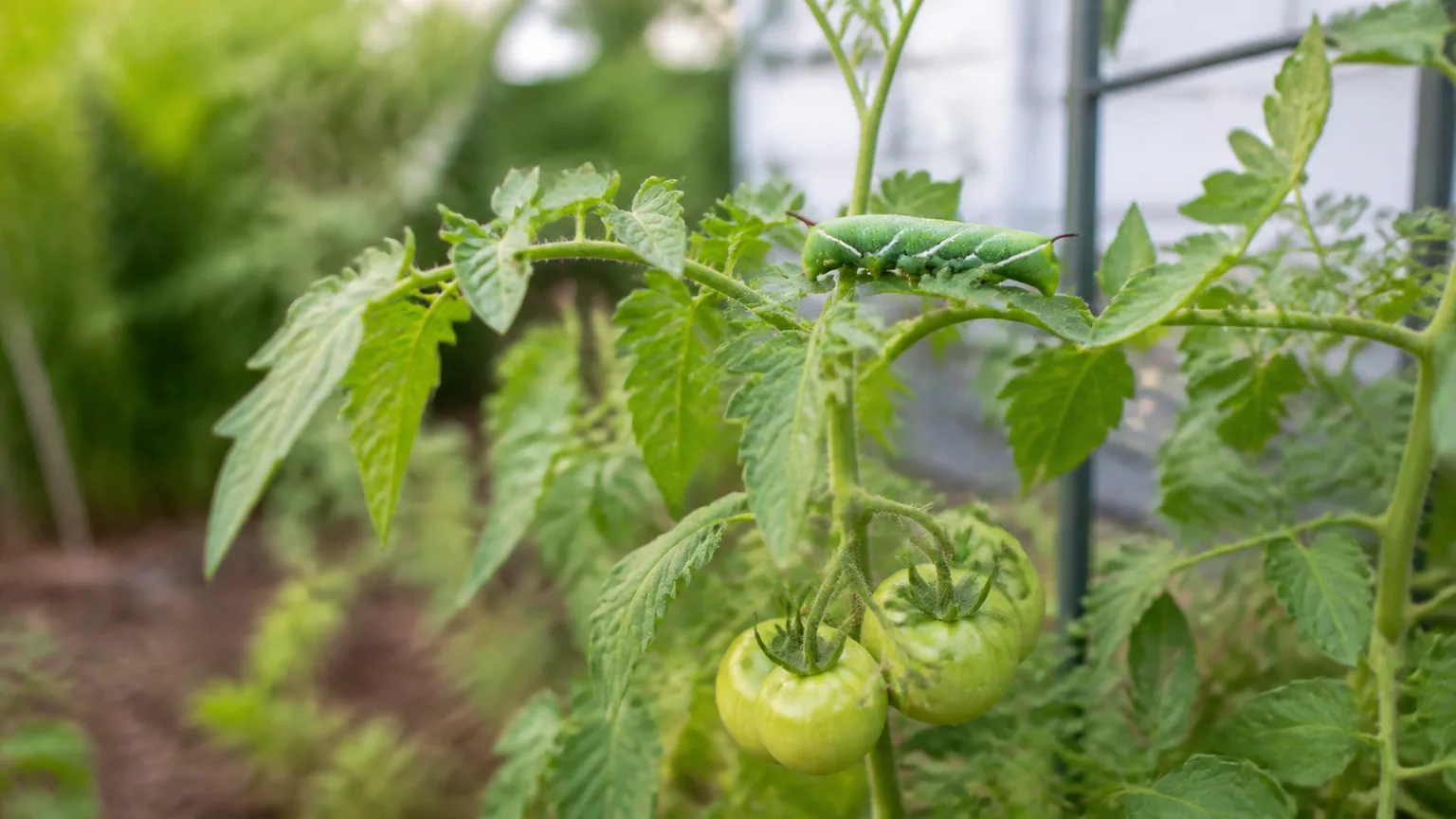
Once or twice a week, look at the newest growth, the undersides of leaves, the lower foliage, and the developing fruit. Hornworms can strip leaves quickly; their large green bodies blend in with the plant, so look for missing leaves, dark droppings, and bare stems. Hand-pick a clearly identified hornworm when practical, and check the plant again after a few days. Aphids, mites, and leaf-footed bugs may also feed on tomatoes; identify the pest before reaching for a treatment.
Disease often starts low on the plant, where leaves stay damp or touch the soil. Early blight can produce brown spots with target-like rings on older leaves; Septoria leaf spot more often produces many smaller spots with pale centers. Symptoms can overlap, so do not diagnose from one yellow leaf. Remove fallen leaves, avoid splashing foliage, keep plants spaced for airflow, and rotate the tomato family when possible. Penn State Extension’s home-garden guide explains that early blight spores can move with wind and splashing rain and that Septoria is encouraged by wet foliage.
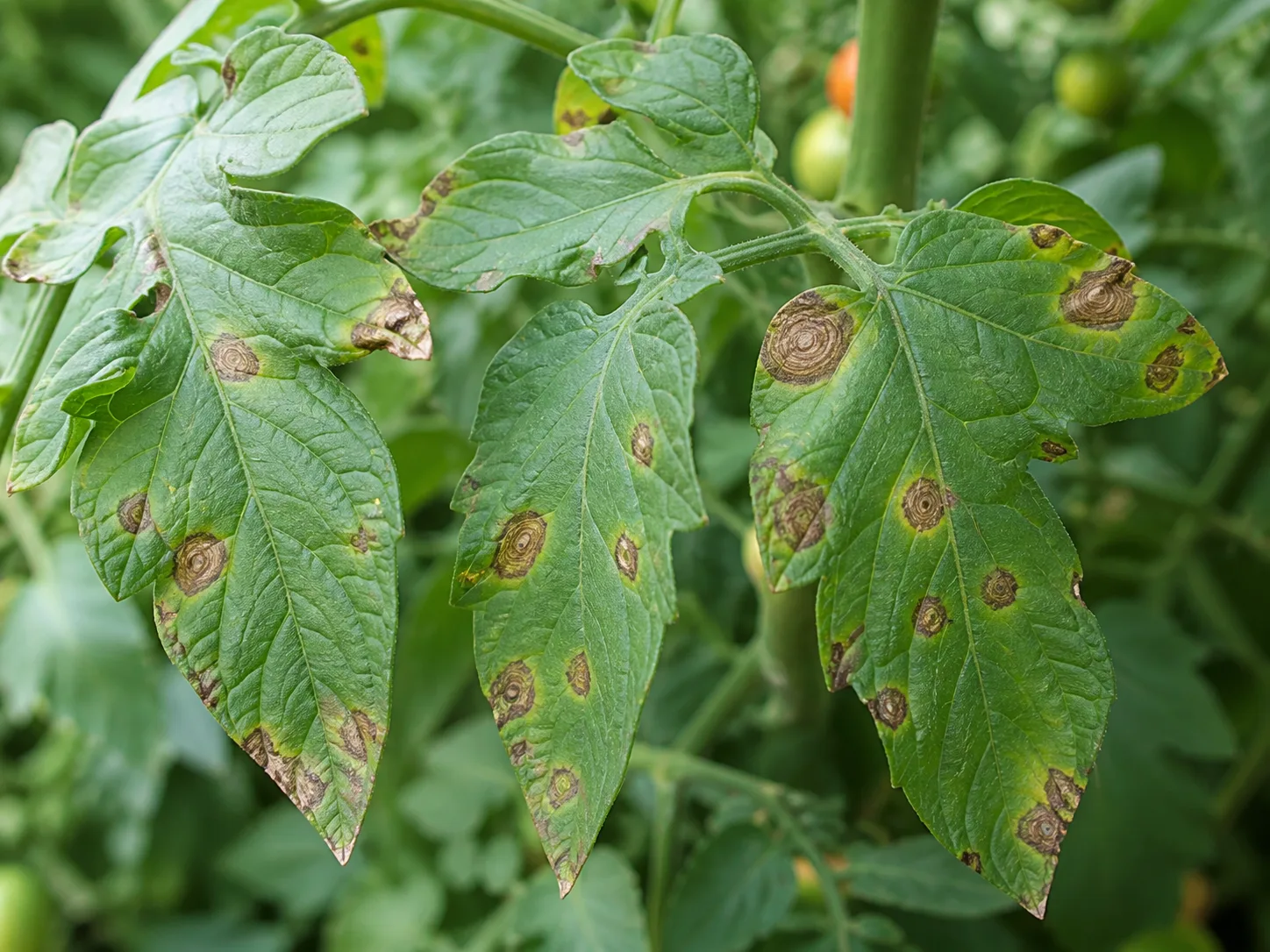
Remove badly diseased leaves with clean pruners and discard them rather than leaving them in the bed or composting them. Do not strip a plant bare: Penn State Extension cautions against removing more than a fifth of the foliage during early-blight cleanup. If spots keep appearing, stems darken, or fruit becomes water-soaked or rots, compare the symptoms with a local extension diagnostic guide before applying any pesticide. Use only a product labeled for tomatoes and the pest or disease you have identified, and follow its label exactly.
If fruit cracks, correct the wet-dry swing
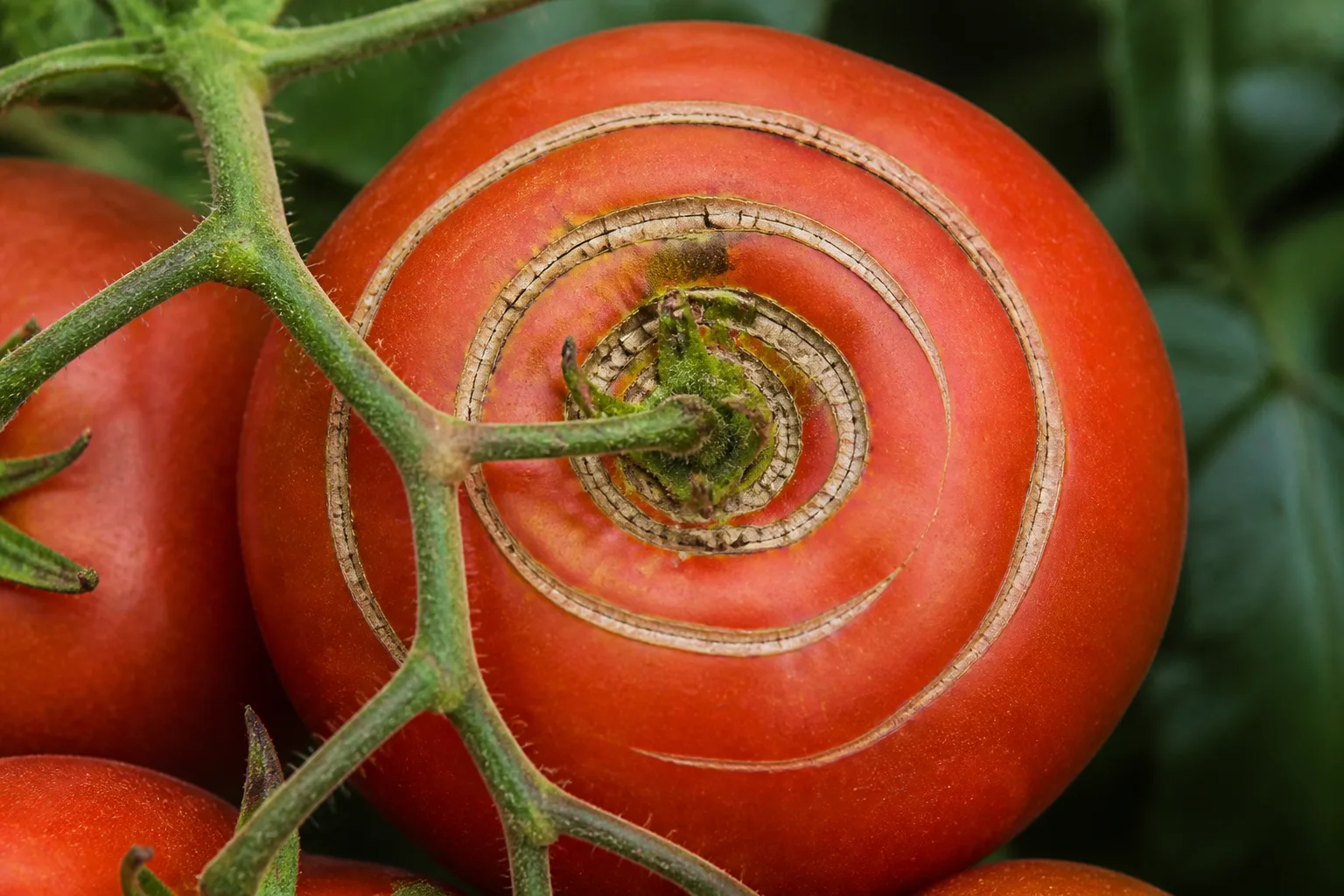
Cracks radiating from the stem or rings around the shoulders usually show that fruit expanded faster than its skin could stretch. A common trigger is a dry spell followed by heavy rain or a large watering, especially once fruit is already ripening. Some varieties crack more readily than others, and ripe fruit is more vulnerable than green fruit. Penn State Extension describes both radial and concentric cracking and links it to rapid fruit development and fluctuating water availability.
Keep soil moisture steadier with deep watering, mulch, and more frequent checks during hot weather. Before a storm, pick fruit that has reached its mature color or is starting to change; it can finish ripening indoors if needed. Harvest any fruit with an open crack promptly. If the split is shallow and clean, use the tomato soon; discard fruit that is moldy, fermented, or otherwise spoiling. A crack is a cue to adjust the watering pattern, not a reason to fertilize.
If blossom ends turn dark, stabilize the root zone
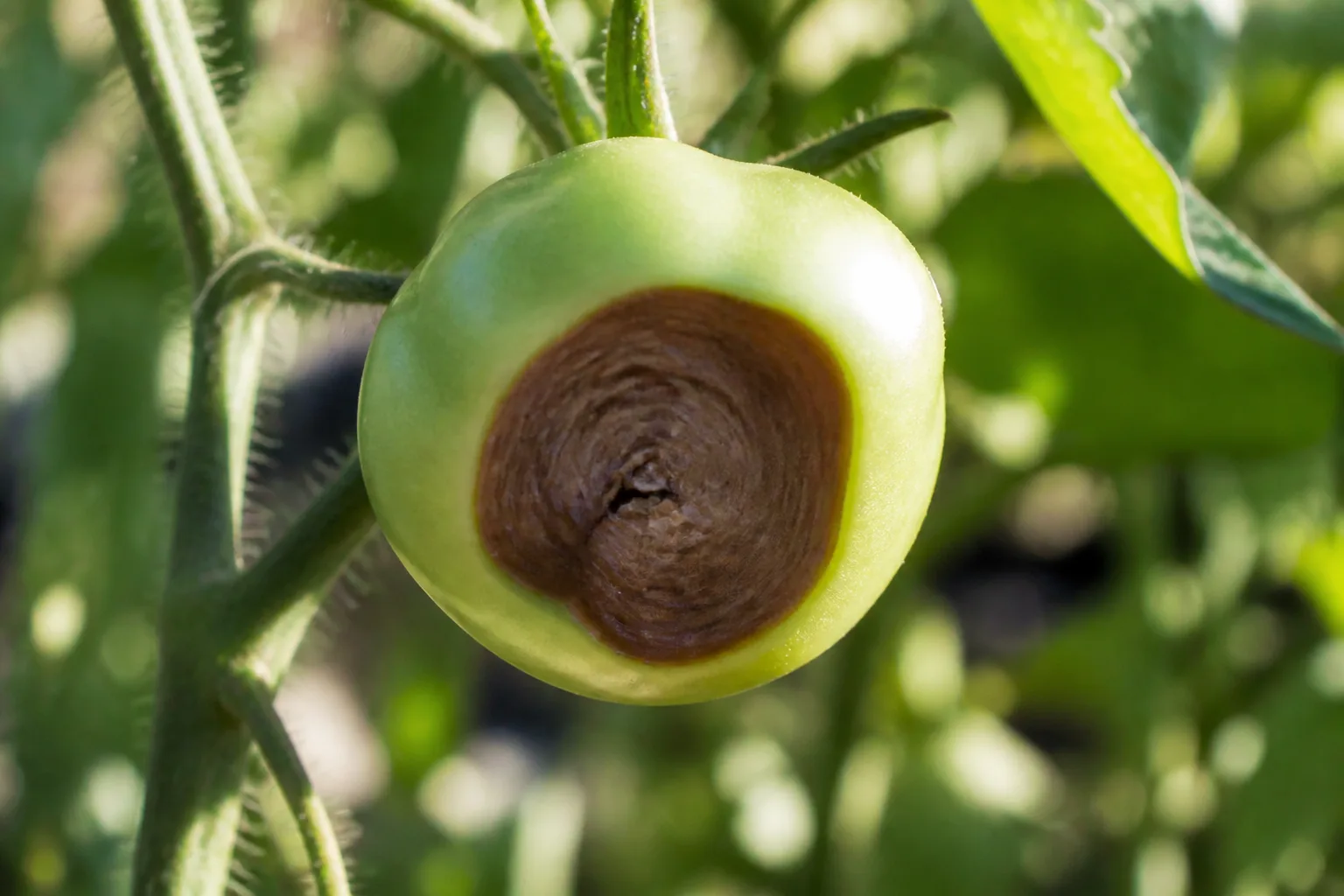
Blossom-end rot begins as a dry, sunken dark patch on the bottom of a developing tomato, opposite the stem. It is a physiological disorder, not a contagious disease, and it does not mean the whole plant is doomed. The condition is linked to inadequate calcium reaching the fruit; irregular moisture, damaged roots, overfertilizing, and very fast growth can interfere with uptake even when calcium is present in the soil.
Remove affected fruit so the plant can focus on later fruit, then check that the soil drains and stays evenly moist. Mulch beds and water deeply before the root zone dries out; in containers, confirm the pot is large enough and drains freely. Do not automatically add lime or calcium. Penn State Extension notes that steady moisture helps maintain calcium flow to fruit and that excess nitrogen can make blossom-end rot more serious; a soil test can tell you whether an amendment is actually warranted.
If flowers fall without fruit, check temperature first
A few dropped blossoms are not a diagnosis. Note whether the flower cluster formed during an unusually cold stretch or a run of hot days and warm nights; heat or cold can disrupt pollination and fruit set even while leaves look healthy. Also check whether the plant is in deep shade, severely dry, waterlogged, or growing in excessive nitrogen, all of which can reduce flowering or fruit production.
Correct the conditions you can control: restore even root-zone moisture, move a portable pot out of reflected afternoon heat, and avoid a fresh dose of high-nitrogen fertilizer. Give the next flower cluster time to develop after the weather moderates. If flowers drop across several weeks in comfortable weather, reassess sun exposure and plant health, then contact your local extension service with photos and the variety name rather than applying a disease treatment without evidence.
Harvest by color, feel, and weather
Check the plant every day or two once the first fruit begins to color. Cherry tomatoes often ripen in clusters, but each fruit may mature at a slightly different pace. Pick when the fruit has reached its cultivar’s full color and yields slightly to a gentle touch; it should detach with a light lift or twist. A green or mottled fruit may simply need more time, particularly when the variety ripens to yellow, orange, purple, or a striped color instead of red.
Days-to-maturity counts are estimates from a grower’s conditions and are usually measured from transplanting, not from the day you first think about growing. Use appearance and feel instead. Penn State Extension describes six tomato ripening stages and identifies the breaker stage—when the first blush of mature color appears—as the point when fruit can complete ripening off the plant. For best eating quality, let most cherry tomatoes reach their full color on the vine; before a heavy rain, picking colored fruit can reduce cracking. Penn State Extension’s harvest guide explains why color stage matters and why ripening fruit can finish after picking.
Keep ripe cherry tomatoes at room temperature and use them within a few days for the best texture. If the harvest gets ahead of you, freeze whole fruit for cooking, roast and freeze it, or dry halved tomatoes; peeling a large cherry-tomato batch for canning can be tedious.
Conclusion
The simplest way to grow cherry tomatoes successfully is to match the plant to the space before you plant it. Pick a compact type for a small patio, or give a vining variety a large pot or bed, a tall support, and enough room to remain accessible. Then plant after frost, keep soil moisture steady, and feed according to the soil and product label rather than by guesswork.
When something goes wrong, look at the plant and the weather together. Cracks usually follow a swing in water availability; blossom-end rot calls for steadier root conditions before a calcium amendment; and blossom drop often follows temperatures that are too hot or cold for reliable fruit set. Make one change at a time, keep checking new growth, and pick each fruit when its color and feel show it is ready.