How to Grow Arugula: A Complete Planting-to-Harvest Guide
Learn how to grow arugula from seed in beds or pots, with sowing windows, spacing, watering, pest protection, harvest cues, and practical ways to delay bolting.
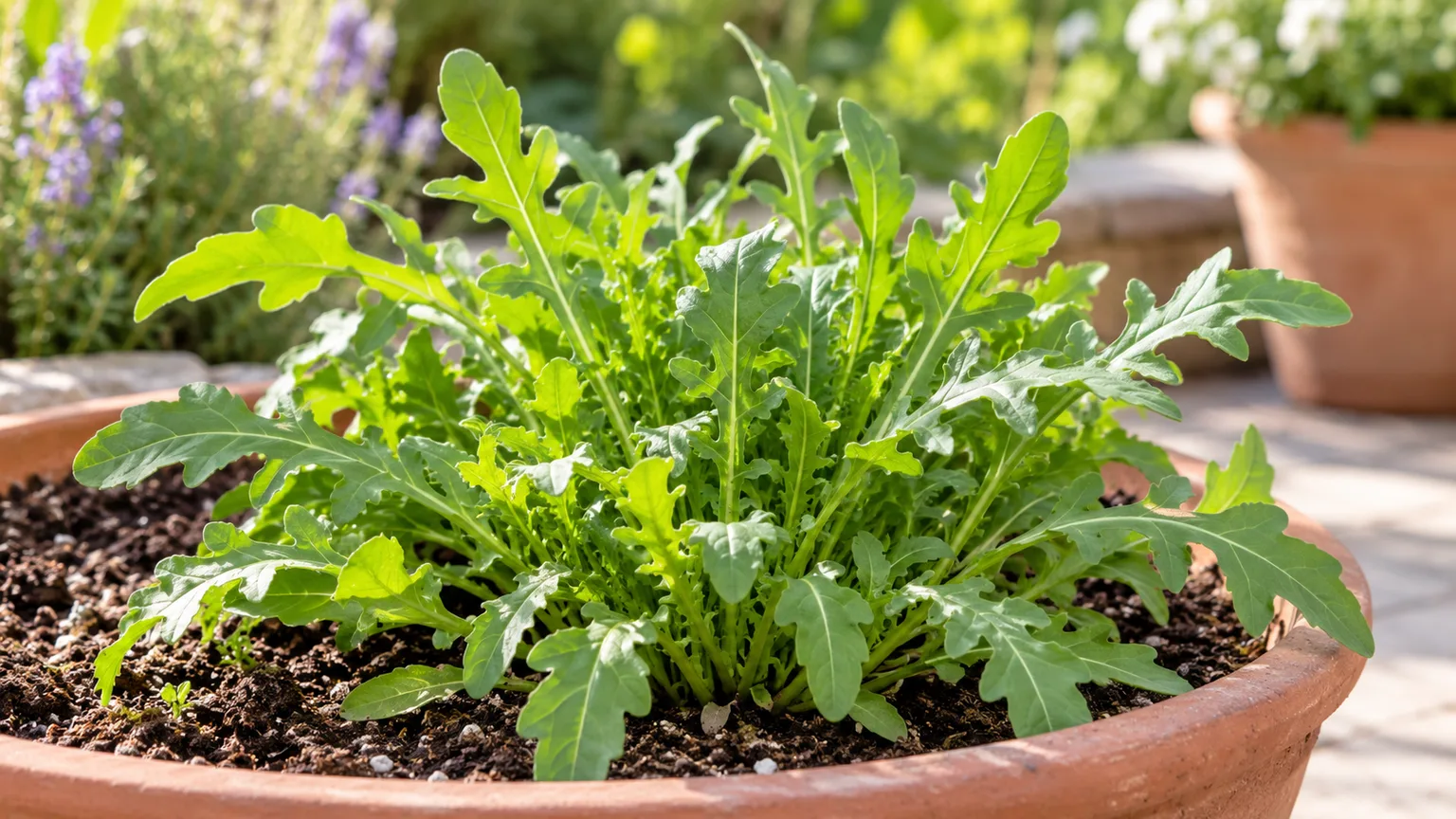
Arugula is a fast, compact salad green, but its short path from seed to harvest leaves little room for timing mistakes. Sow it while temperatures are mild, keep the shallow root zone evenly damp, and pick leaves before heat pushes the plant to flower. In a cool spring or fall, a small patch can supply repeated salads; in a hot spell, a shaded pot and a fresh sowing are often more useful than trying to rescue an old, stressed plant.
One important detail changes the care plan: “arugula” can mean annual salad rocket or perennial wild rocket. They look related and share a peppery flavor, but they differ in speed, leaf shape, and how long they remain productive.
Know Which Arugula You Are Growing
Most seed packets labeled arugula, garden rocket, or salad rocket contain annual Eruca vesicaria (also commonly sold under the name Eruca sativa). It makes tender, often broader leaves quickly, then flowers as the weather warms. Wild rocket, Diplotaxis tenuifolia, has narrower, more deeply cut leaves and a stronger bite; it is perennial and usually slower to establish but can return for several seasons. The Royal Horticultural Society separates these as short-lived salad rocket and longer-lived wild rocket, while Cornell identifies ‘Sylvetta’ as the different species rather than simply another annual arugula variety (RHS growing guide; Cornell Garden-Based Learning).
For a quick baby-leaf crop, choose annual salad rocket. If you want a patch that may persist and can tolerate a slower first season, look for seed explicitly labeled wild rocket or Diplotaxis. “Slow to bolt” describes a useful tendency, not immunity from heat, drought, or old age; even a resilient cultivar eventually flowers. Seed labels vary by supplier, so botanical names and the described leaf shape are more reliable clues than a variety name alone.
Choose a Sowing Window Around Your Climate
Arugula is a cool-season crop. In spring, sow when the soil is workable and the hardest freezes are easing, but give the young plants time to grow before regular warm weather arrives. In regions with hot summers, a late-summer sowing for fall is often easier: seeds germinate readily, then cooler nights support a longer period of tender leaves. Cornell recommends repeat plantings every two to three weeks until roughly a month before the average first fall frost; use the seed packet’s maturity estimate and your local forecast to adjust that window rather than treating a date as universal.
As a planning range, many gardeners begin picking young leaves about four weeks after sowing, while larger leaves may take longer in cool or cloudy weather. Cornell lists emergence in five to seven days under favorable conditions and harvest as early as four weeks; RHS gives about four to six weeks for a typical leaf harvest. These are estimates, not deadlines, because variety, temperature, light, and whether you want baby leaves or larger leaves all affect the pace (Cornell guide; RHS guide).
In an unusually warm spring, sow smaller patches more frequently and use light afternoon shade. For fall, count backward from the first likely hard frost using the seed packet’s days to maturity, then add a buffer for slower late-season growth. A row cover or cloche can extend harvest in cold weather, but it cannot make a frozen, waterlogged bed productive; protect a healthy crop and plan a fresh sowing if conditions stop growth.
Give Cool-Season Plants Sun, Then Add Shade in Heat
Arugula grows well in full sun while days are cool. Once the sun and air become hot, especially in a container or a reflective patio, afternoon shade can slow stress and help keep leaves usable. Morning sun with shade later is a practical compromise for spring sowings that are still growing as temperatures rise. The RHS recommends sun or light shade and specifically suggests moving containers to a shadier position during hot spells.
Choose the coolest bright spot you can manage without placing plants under a dense, dry tree canopy. Too little light can make seedlings thin and slow, while a sheltered but bright location helps leaves stay compact. If a pot can be moved, follow the weather: leave it in stronger sun on a mild week, then slide it into dappled shade during a hot stretch. No shade strategy can hold back flowering indefinitely once the plant is mature and days are warm.
Prepare Loose Soil That Drains but Holds Moisture
In a bed, choose soil that drains after rain yet does not turn dusty a few hours after watering. Arugula has a shallow root system, so it benefits from a crumbly, moisture-holding surface where seeds make good contact and new roots can spread. Mix in finished compost before sowing if the soil is poor or sandy; avoid adding fresh manure or a heavy dose of fertilizer right before planting. A simple soil test is more useful than guessing at a pH adjustment.
Arugula belongs to the mustard family, Brassicaceae. If space allows, do not sow it immediately after cabbage, broccoli, kale, radish, or another brassica in the same bed. Rotation does not guarantee pest-free plants, but changing beds reduces the chance that a crop family’s recurring pests and diseases will keep finding the same host. If you garden in a small raised bed, a container filled with fresh potting mix can give the crop a practical break from that soil.
Sow Thinly and Keep the Seedbed Evenly Moist
Direct sowing is usually the simplest method because arugula grows quickly and does not need a long indoor start. Make a shallow furrow, sow seeds about one-quarter inch deep and roughly one inch apart, then cover lightly and water with a gentle spray. Cornell’s guide gives that depth and initial spacing, with gradual thinning later; the small seeds should not be buried under a thick layer of soil.
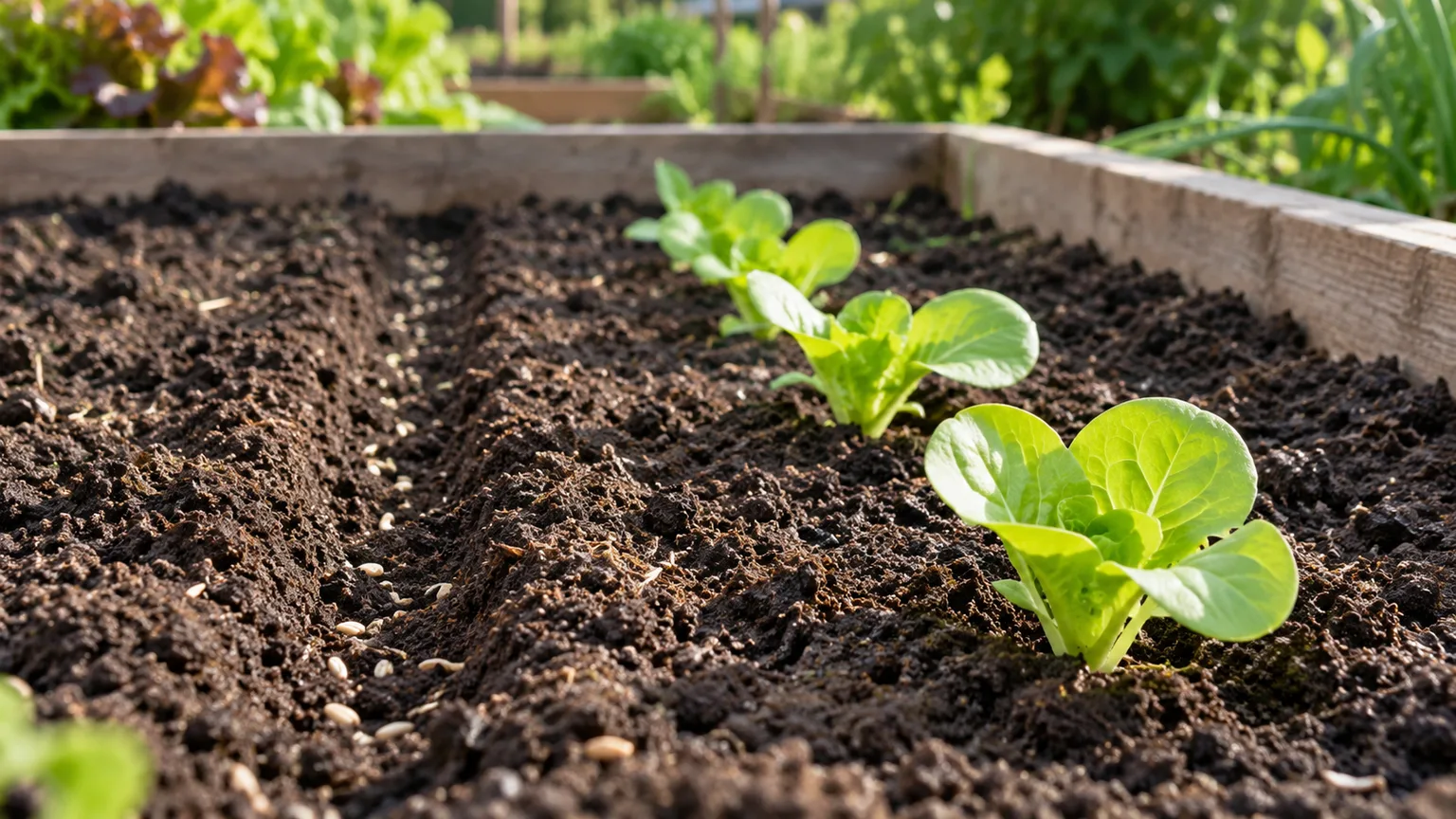
Keep the top layer evenly moist until seedlings appear, often within five to seven days in favorable conditions. A fine-rose watering can or a gentle mist avoids washing seeds into a clump or out of the row. If the surface dries between waterings, germination may be uneven; if it stays saturated, the seeds and young stems can rot. Once seedlings are established, switch from frequent surface misting to a deeper, slower watering that wets the root zone.
You can broadcast seed across a wide pot or bed for baby leaves, but do so thinly enough that air can move between plants. For orderly succession sowing, short rows are easier to mark and harvest than a dense carpet. Label each planting with the date; a simple note prevents you from mistaking a new flush of seedlings for weeds and helps you learn the timing in your own garden.
Thin Seedlings to Match Your Harvest Goal
When seedlings have several true leaves, thin them gradually rather than pulling every extra plant at once. For full-size rosettes, leave about six inches between plants; for baby leaves, closer spacing is practical because you plan to harvest the patch young. Cornell recommends thinning toward six-inch spacing and says the thinnings can go into salads. Use clean scissors at soil level if pulling nearby seedlings threatens to disturb the roots you are keeping.
Crowding is more than a neatness problem. It reduces airflow, makes it harder to water the root zone evenly, and can encourage plants to flower sooner, especially when heat or drought is already limiting growth. If you prefer not to waste seedlings, eat the tender thinnings, move a few while they are very small, or use them as a quick garnish. Transplant only seedlings that are still young and handle them gently; direct sowing avoids the setback altogether.
Grow Arugula in a Wide, Shallow Container
Arugula is well suited to a window box, trough, grow bag, or patio planter because the crop is leafy and its roots are not deep. Choose a container at least six inches deep with unobstructed drainage holes; a broader pot is more useful than a narrow, deep one because it provides room for a row of plants and dries more slowly. A container around a foot wide can support a meaningful small sowing, while a long window box gives space to plant short sections on different dates. The RHS recommends a container at least about 30 centimeters wide, and Homes & Gardens notes that shallow containers can work when drainage is good.
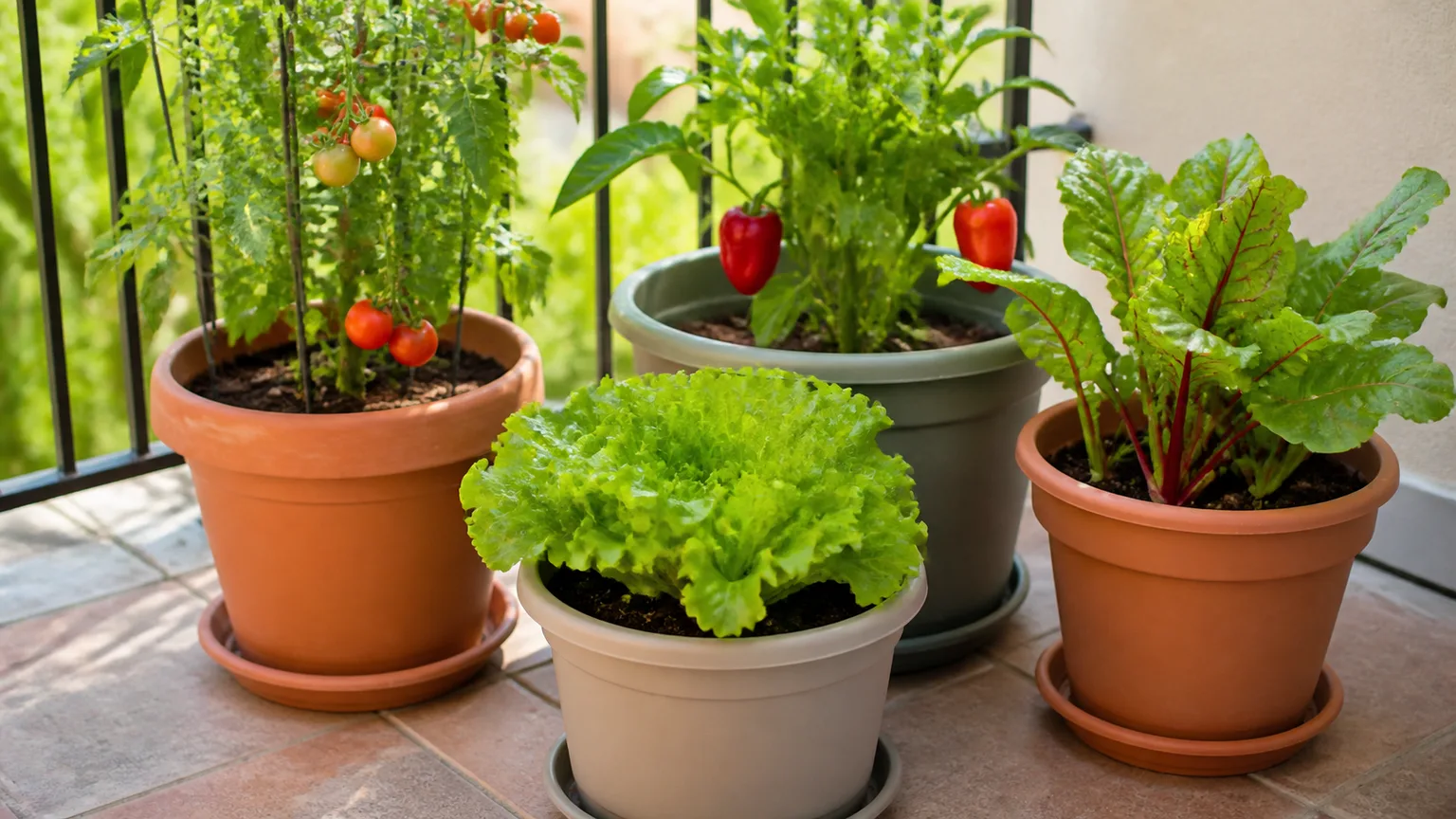
Fill the pot with fresh, well-draining potting mix rather than dense garden soil, which can compact in a container. Sow the seeds directly into the final pot, thin them as needed, and keep the mix consistently moist. Containers give you useful control: move them out of harsh afternoon sun, set them near the kitchen for frequent picking, or shelter them during a cold snap. Their main disadvantage is that a small volume of mix dries quickly, so check moisture more often during warm, windy weather.
Water for Steady Leaf Growth
Aim for soil that feels evenly moist, not waterlogged. Check the surface and the root zone rather than following a fixed daily schedule: a raised bed after rain and a sunny balcony planter will not dry at the same rate. Water when the upper layer is beginning to dry, and apply enough to reach the roots. During germination, keep the surface from crusting over; after establishment, water less often but more thoroughly.
Uneven moisture is especially costly in pots. A container that dries hard and then receives a flood may leave seedlings wilted or uneven, while standing water can suffocate roots and promote disease. If you are away during hot weather, group pots in a bright, partly shaded spot and use a saucer only if it is emptied after watering. Regular moisture supports steady growth, but it does not prevent bolting when heat and long days have arrived.
Feed Lightly and Rotate Brassica Crops
Arugula generally needs little feeding when it grows in a bed amended with finished compost or in fresh potting mix. GrowVeg lists feeding as not generally required, and experienced growers often rely on compost rather than routine liquid fertilizer. If growth is weak, first check for crowding, dry soil, excessive shade, or roots packed into a small container before assuming that the crop needs more nitrogen.
For a container that has supported several crops, refresh the mix or incorporate a modest amount of compost before sowing again. Avoid overfeeding leafy greens with a high-nitrogen product: lush growth is not a substitute for suitable temperatures, and concentrated fertilizer can damage tender roots if misapplied. Follow any product label exactly if you choose to use one. In beds, rotate arugula away from other brassicas when possible, then replenish organic matter based on soil condition rather than a rigid annual formula (GrowVeg growing guide).
Recognize Bolting and Decide What to Do
Bolting is the shift from leaf production to flowering. The plant sends up a central stalk; leaves may become tougher or more pungent, and the harvest window is closing. Heat accelerates this transition, and dry or otherwise stressful growing conditions can shorten the period when leaves are mild. Penn State Extension documents faster bolting and reduced flavor quality at higher temperatures in arugula production, while Cornell advises reducing heat and moisture stress rather than promising that flowering can be prevented.
When a stalk first appears, harvest the remaining good leaves promptly. You can pinch the stalk for a short delay, but this is a temporary measure, not a way to turn an annual plant back into a leafy seedling. If the leaves are already too strong for a salad, try them cooked, remove the spent plant, and sow again when the weather is more favorable. Let a few plants flower if you want edible blooms, pollinator activity, or seed; clear the rest if they are taking up space needed for a new crop.
Protect the Crop From Flea Beetles, Slugs, and Wet-Weather Disease
Tiny round holes scattered across many leaves often point to flea beetles, which can be particularly damaging while plants are small. Penn State Extension identifies flea beetle pressure as a major production limitation and recommends row cover as an important management tool. Install lightweight insect netting or a floating row cover over hoops as soon as you sow, secure the edges, and inspect seedlings beneath it. A cover applied after pests are already trapped inside can protect the insects as well as the crop.
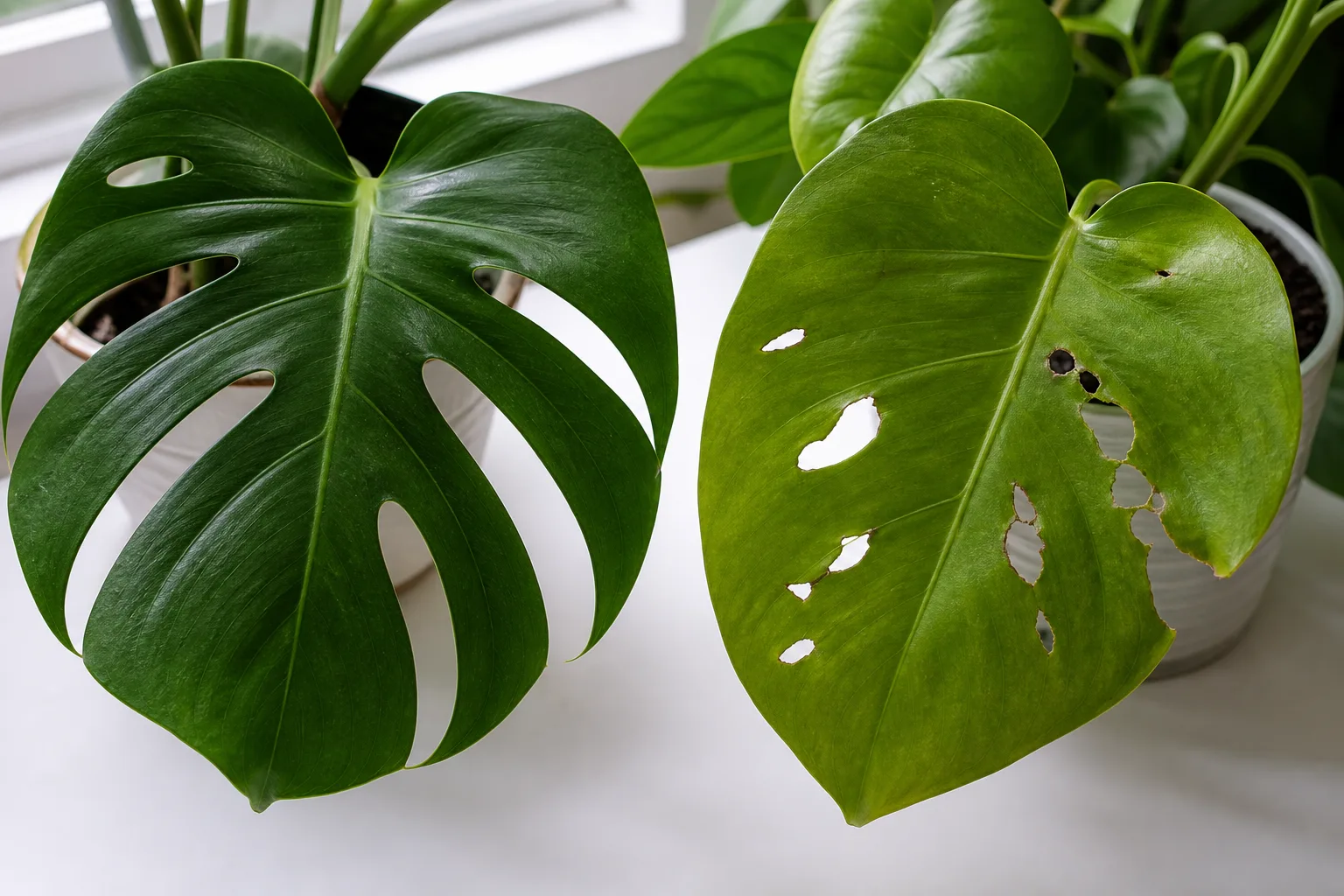
Slugs and snails leave larger irregular holes or ragged edges, often with slime trails, and they favor damp hiding places. Check beneath pots, boards, and dense foliage in the evening; remove debris that stays wet and keep the bed accessible for inspection. If young plants are repeatedly chewed, use a barrier or cover and correct the habitat rather than relying on a companion plant to act as a guaranteed repellent.
Wet-weather leaf disease calls for a different response than insect damage. Penn State describes arugula bacterial diseases that can spread in humid, water-soaked plantings and recommends removing infected debris, improving airflow, and avoiding overhead irrigation where possible. If leaves develop expanding water-soaked or dark lesions, remove affected foliage, keep leaves dry, and avoid replanting into a crowded patch. A home gardener cannot reliably identify a pathogen from one photograph, so treat recurring symptoms as a reason to improve sanitation and ask a local extension service for diagnosis rather than applying an unverified cure.
Harvest Outer Leaves Without Stripping the Crown
Begin picking when leaves are large enough to use, often around four weeks after sowing for baby leaves and later for larger rosettes. Take the oldest outside leaves first with clean scissors, leaving the growing center and enough foliage for the plant to keep producing. Harvest from several plants instead of stripping one rosette bare; this spreads the stress and gives you a steadier bowl of greens over time. The RHS describes regular picking as a way to keep leaves young and tender, and Savvy Gardening uses a similar cut-and-come-again approach.
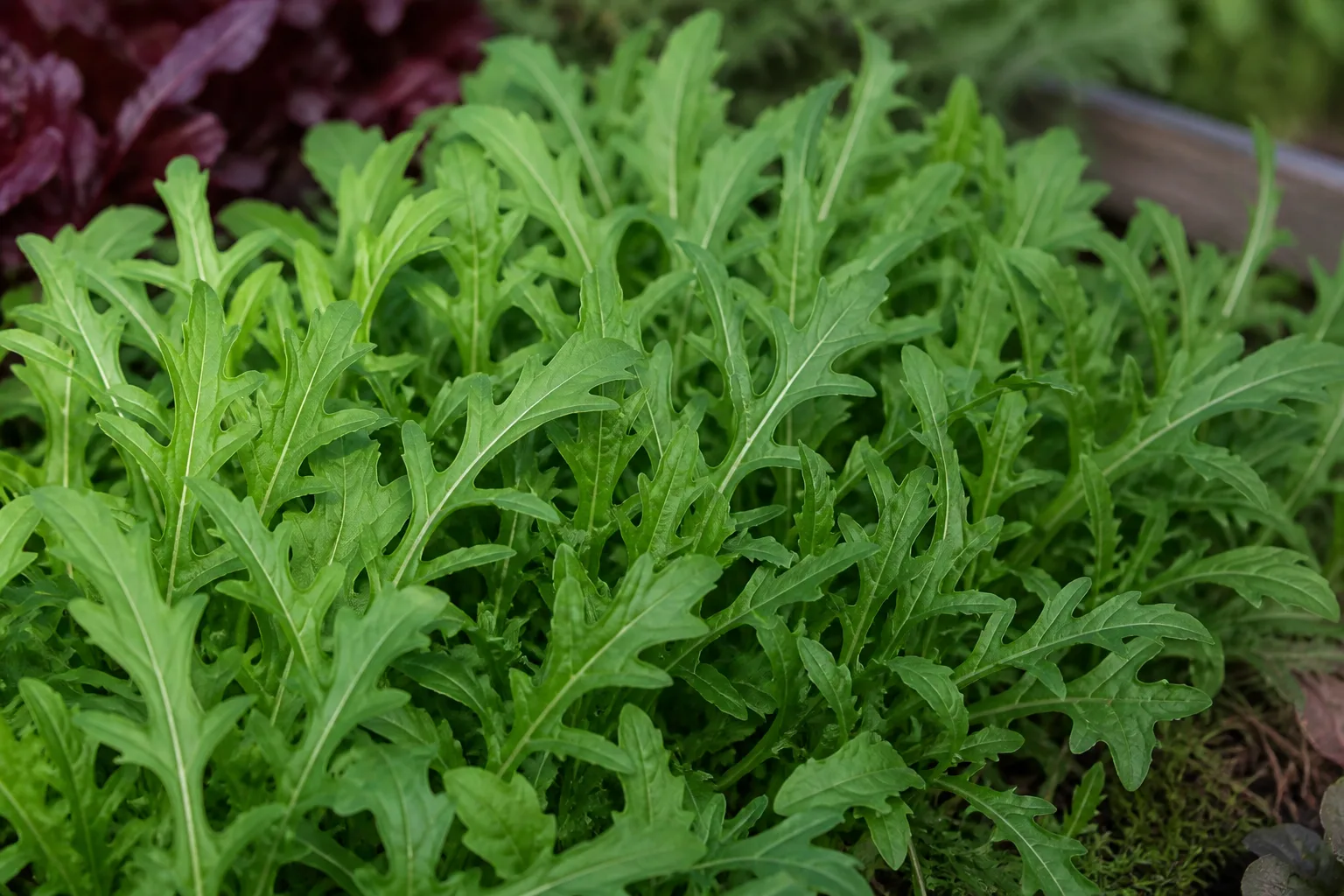
Harvest in the cool part of the day if you can, then refrigerate the leaves soon after picking. If you want a single baby-leaf cut, snip the patch just above the soil while plants are young; the rosettes may regrow in mild conditions, but a second flush is not guaranteed. Older leaves can be cooked into pasta, soup, eggs, or a quick sauté when their flavor is too strong raw. Once a plant has bolted heavily, it is usually more efficient to replace it than to keep cutting small, tough leaves.
Plan Succession Sowings for a Longer Supply
One sowing often matures all at once. Instead of planting an entire packet, sow a short row or a small section every two to three weeks during a suitable cool-weather window. Cornell recommends this interval for a continuous supply; Savvy Gardening also suggests staggered sowings and restarting in late summer after peak heat. Adjust the interval to your household: if you use arugula daily, sow more often; if you only need a handful, keep each batch small.
Succession planting also gives you a recovery plan. When a patch turns bitter or flowers, remove it, refresh the surface with compost if needed, and start the next batch in a cooler location. In spring, stop sowing when seedlings would predictably mature during the hottest stretch; in fall, work backward from frost and allow enough time for the size you want. For containers, dedicate one end of a long box to the next sowing while you harvest the other end.
Save Seed or Let Flowers Earn Their Place
If you let an annual arugula plant flower, it will produce narrow pods after the blooms fade. Allow a few pods to dry on the plant, then cut the stalk into a paper bag before they split and scatter. Finish drying the pods in a cool, dry place, rub them gently to release the seeds, remove plant debris, and store the dry seed in a labeled paper envelope. Cornell reports that arugula seed can remain viable for about five years when stored appropriately, though germination may decline with age.
Saving seed makes sense when you liked the plant’s flavor and growth habit and can let it finish its life cycle without blocking a new crop. Do not expect saved seed to stay true to a named variety if other arugula plants of the same species flower nearby. Flowers are edible and peppery, so you can also snip a few into salads or leave some for insects without collecting seed. Wild rocket may persist as a perennial, but annual salad rocket completes its crop after flowering and seed production.
Troubleshoot Patchy, Bitter, or Damaged Leaves
If few seedlings emerge, check how deeply you sowed and whether the seedbed stayed moist. Seeds buried well below a quarter inch may struggle to reach the surface, while a crusted or dry top layer can interrupt germination. If conditions were suitable and emergence still failed after roughly a week, sow a small replacement strip and water gently; do not flood the entire bed to compensate. Old seed is another possibility, especially if it was stored warm or damp.
For thin, slow seedlings, look for crowding, insufficient light, or competition from weeds before adding fertilizer. If leaves taste unusually sharp, harvest younger leaves, water consistently, and provide afternoon shade; persistent heat may mean it is time to stop the current planting and restart later. Tiny, uniform pinholes suggest flea beetles, while larger ragged bites and slime trails point toward slugs or snails. Expanding water-soaked lesions deserve more caution: remove suspect leaves and keep the canopy dry because bacterial problems can spread in humid conditions (Penn State Extension).
Store the Harvest and Use Older Leaves
Arugula is best soon after picking. Brush off soil, rinse the leaves in cool water, and dry them thoroughly in a salad spinner or with a clean towel before refrigerating. Store them loosely in a container or bag with a dry paper towel to absorb excess moisture, and check the leaves before using them. Wet, compressed greens spoil faster, so do not pack them tightly while they are still damp.
Baby leaves are mild enough for salads, sandwiches, and pizza; older leaves bring a stronger mustard-like flavor that works well wilted into warm dishes. If the flavor is too intense, combine arugula with a mild lettuce or spinach rather than discarding a sound harvest. Flower buds and petals are also edible, but only eat plants that have been grown and handled as food and have not been exposed to a product whose label prohibits harvest.
Conclusion
A steady arugula harvest comes from matching the crop to cool weather, sowing a little at a time, and picking before the annual plants shift their energy to flowers. Choose annual salad rocket for speed or perennial wild rocket for a longer-lived, slower patch; sow shallowly, thin according to your harvest goal, and keep soil evenly moist without leaving it waterlogged.
For the next step, choose one small bed or wide pot, sow a short row, and mark the date. Watch for the first true leaves, thin the patch, and start another sowing before the first one is spent. If heat, pests, or disease shorten the crop, treat that as a timing cue: harvest what is still tender, reset the space, and try again in a cooler window.