How to Grow and Care for Hindu Rope
Grow Hindu rope indoors: bright indirect light, airy soil, dry-between watering, and why you must never cut peduncles. Complete care, varieties, pests, and troubleshooting.
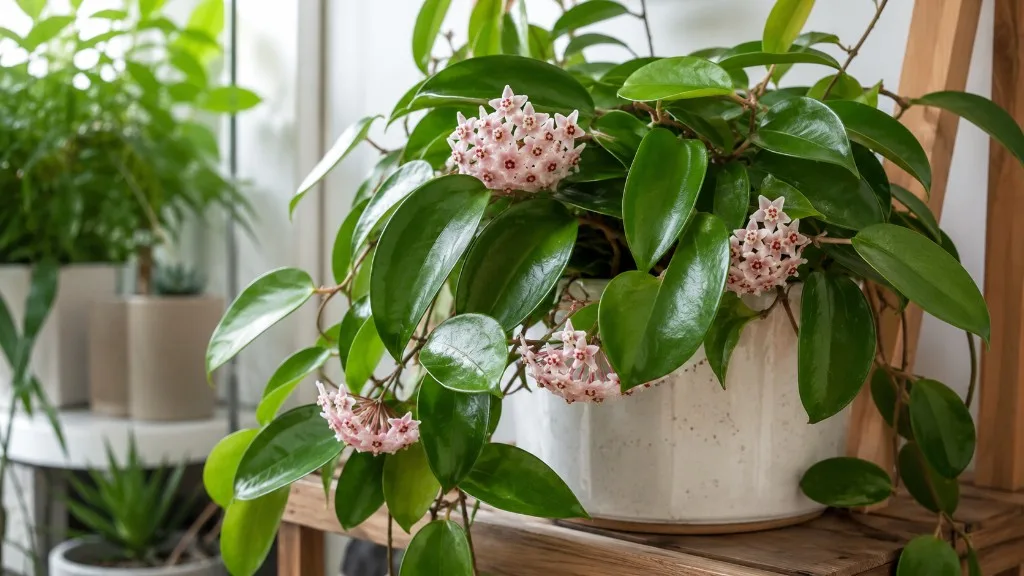
Hindu rope (Hoya carnosa ‘Compacta’, often sold as Hoya compacta or Krinkle Kurl) looks like a living sculpture—dense ropes of glossy, twisted leaves spilling from a hanging basket. It is also an epiphytic succulent vine that stores water in thick foliage, blooms from perennial peduncles, and punishes the two mistakes beginners make most often: keeping the roots wet too long and pruning off the woody spurs that carry next year’s flowers.
This guide covers the full indoor cycle: what makes Hindu rope different from flat-leaf Hoya carnosa, the setup that keeps leaves waxy instead of dull, watering by weight instead of calendar, humidity that does not rot roots, propagation timelines you can actually plan around, and bloom triggers extension sources and experienced growers agree on—even when your plant decides to flower in an unexpected month.
What Is Hindu Rope (Hoya carnosa ‘Compacta’)?
Hindu rope is a cultivated form of wax plant in the dogbane family (Apocynaceae). Unlike the species Hoya carnosa, which produces flat oval leaves along slender vines, ‘Compacta’ develops tightly curled, contorted foliage that spirals around each stem, creating the rope-like silhouette that gave the plant its common name.
In habitat, H. carnosa climbs trees across East and Southeast Asia as an epiphyte—roots gripping bark, absorbing brief rains, then drying fast in moving air. That biology explains almost every care rule on this page: Hindu rope wants loose, airy mix, excellent drainage, and dry cycles between deep waterings, not the constantly moist soil many tropical foliage plants prefer.
Mature plants produce umbels—ball-shaped clusters of small, star-shaped, waxy flowers, usually pinkish white with a sweet fragrance often described as chocolate or honey. Blooms can last several weeks per cluster, and a happy plant may keep producing flowers across spring, summer, or fall—or on its own indoor schedule once mature.
| Trait | Hindu Rope |
|---|---|
| Botanical name | Hoya carnosa ‘Compacta’ |
| Common names | Hindu rope, Krinkle Kurl, rope hoya, wax plant |
| Plant type | Epiphytic succulent vine |
| Mature size (indoors) | 1–3 ft long trails typical; slow to fill a basket |
| Growth rate | Slow; ~6 in/year in active season once established |
| USDA zones (outdoor) | 10–11 frost-free only |
| Pet safety | Non-toxic to cats and dogs (ASPCA) |
Hindu Rope vs. Standard Hoya Carnosa
Both plants share the same species parentage and nearly identical care, but the leaf form changes the look and slightly changes the pace. Hindu rope’s crowded, curled leaves hold more humidity at the leaf surface and can make overwatering harder to spot early—the outer leaves stay firm while inner stems soften.
Standard H. carnosa often grows a bit faster and is easier to inspect for pests between leaves. Hindu rope’s tight coils give mealybugs excellent hiding spots at leaf axils, so regular stem checks matter. For bloom care, peduncle rules are identical: leave old spurs in place on both forms. See the Hoya carnosa hub for species-level detail and the general Hoya overview for genus-wide habits.
Hindu Rope Quick Reference
Use this as a setup checklist before you buy soil or pick a window.
| Factor | Target |
|---|---|
| Light | Bright indirect light; 6+ hours filtered sun daily for best growth and blooms |
| Soil | Chunky epiphytic mix: potting soil + perlite + orchid bark |
| Water | Soak thoroughly; let top 2–3 in dry (or pot feel light) before next drink |
| Temperature | 65–80°F days; avoid sustained exposure below 50°F |
| Humidity | 40–60%; pebble tray or humidifier in dry heated winters |
| Fertilizer | Diluted feed spring–summer; higher potassium when encouraging blooms |
| Repotting | Rarely—every 2–4 years; prefers slightly root-bound pot |
| Bloom readiness | Often 2–4+ years from a small nursery pot; bright light + stable peduncles |
Light Requirements for Hindu Rope
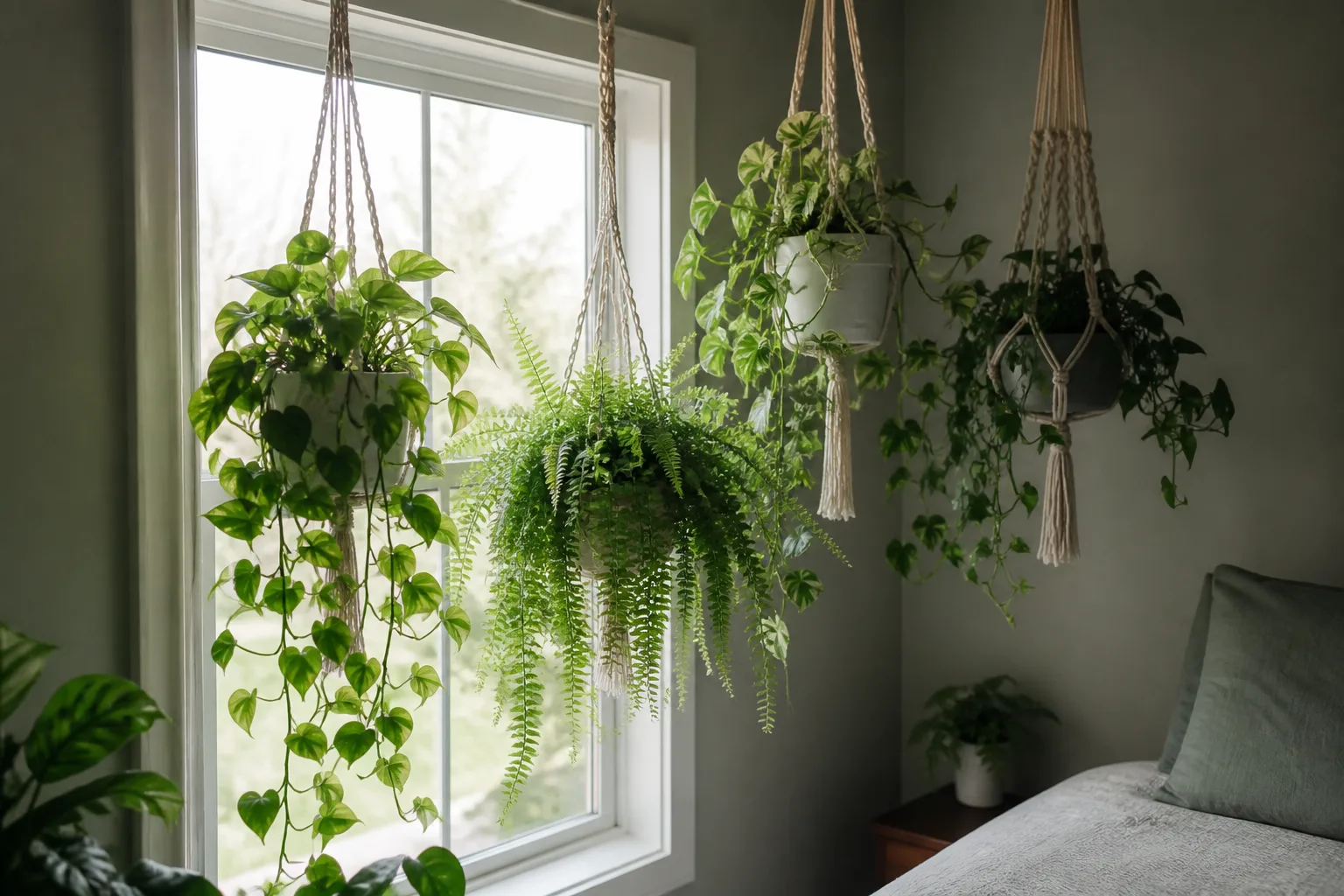
Hindu rope survives in moderate light but does not thrive there. Clemson Cooperative Extension notes that hoyas prefer a location close to a window and that insufficient light inhibits blooming and can reduce variegation on patterned cultivars (Clemson HGIC). For Hindu rope specifically, aim for:
- East-facing windows — ideal morning sun, gentle all day
- West or south windows with a sheer curtain — bright without scorching afternoon rays
- Grow lights — full-spectrum LEDs 12–14 hours daily if natural light is weak; bump toward 16 hours if you are trying to coax buds
Hindu rope tolerates some direct morning sun. Afternoon sun through bare glass often causes bleached patches, brown scorch, or heat-stressed curling on the waxy leaf surface.
Signs Your Plant Has Too Much or Too Little Light
Too much light: bleached or brown leaf patches, crispy edges, leaves curling inward from heat, bud drop right after they form.
Too little light: internodes stretch (wider gaps between leaf clusters), vines look thin, new leaves smaller, no peduncle development year after year, soil staying wet too long because the plant is not using water.
A practical test: if you cannot comfortably read a book at the leaf surface without a lamp, the spot is probably too dim for reliable blooming. More Hoya light guidance applies to Hindu rope without change.
Soil and Potting Mix
Heavy peat mixes are the wrong tool. Hindu rope roots need air as much as moisture—the same reason orchid bark appears in most experienced growers’ recipes.
Reliable indoor blend:
- 40% quality potting mix
- 30% orchid bark or coconut husk chips
- 30% perlite or pumice
In humid homes, lean bark-heavy (dries faster). In dry climates, a slightly finer mix can hold a little more water—but never eliminate drainage. Avoid straight garden soil and avoid sand-heavy mixes that compact and suffocate epiphytic roots.
Pot must have drainage holes. Cachepots are fine only if you empty runoff; standing water at the bottom is a direct route to root rot. Match mix philosophy to the Hoya soil guide for long-term consistency.
Watering Hindu Rope Plants
The single most important habit: water deeply, then let the root zone approach dryness before watering again. Iowa State Extension describes hoyas as plants that want alternating wet and dry cycles, not evenly moist soil (Iowa State Extension — All About Hoyas).
Soak-and-drain method:
- When the top 2–3 inches of mix are dry—or the pot feels noticeably light—carry the plant to the sink.
- Water until liquid runs freely from drainage holes.
- Let it drain completely; do not return it to a saucer full of water.
- Repeat only after the same dryness threshold returns.
Thick, succulent leaves store water, so Hindu rope forgives short drought better than chronic sogginess. Wrinkled, slightly soft leaves usually mean underwatering; yellow lower leaves with wet mix mean overwatering.
Seasonal Watering Schedule
Calendar dates lie; pot size, humidity, and light do not. Use these as starting intervals, then adjust by touch and weight:
| Season | Typical interval (indoor) | Notes |
|---|---|---|
| Spring | Every 10–14 days | Growth resumes; check more often in warm rooms |
| Summer | Every 7–12 days | Peak water use; AC and fans dry pots faster |
| Fall | Every 14–18 days | Slowing growth; stretch intervals |
| Winter | Every 2–4 weeks | Rest phase; leaves still firm = do not water “on schedule” |
Clemson HGIC recommends letting soil dry out completely between waterings for hoyas and using the weight test—a light pot is the most honest moisture gauge for beginners (Clemson HGIC). Full watering mechanics live in the Hoya watering guide.
Temperature and Humidity
Hindu rope is a warm-house plant. Daytime temperatures of 70–80°F suit it best; nights around 60–65°F are fine. Protect it from drafty winter windows, heat blasts from radiators, and any exposure below 50°F, which can cause leaf drop and stalled growth.
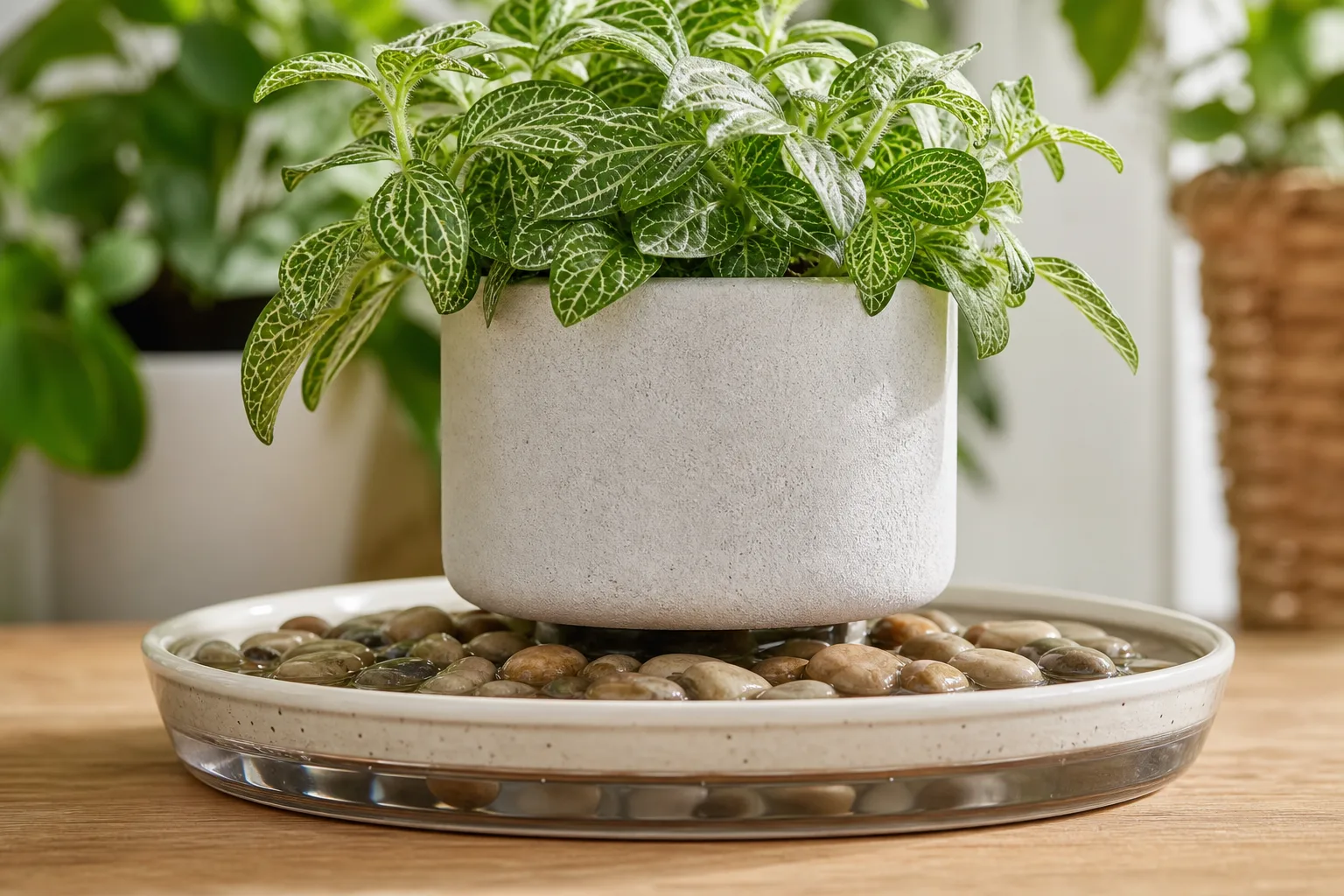
Humidity target: 40–60%. Hindu rope’s waxy cuticle helps, but dry winter air can leave foliage looking dull and slightly thinner. Raise humidity with a pebble tray (pot above the waterline), grouping plants, or a humidifier—not by misting alone, which rarely changes root-zone conditions and can encourage foliar fungus on crowded curls.
If you run a pebble tray, the pot base must sit on top of stones, not in standing water. Epiphytic roots rot quickly when the bottom of the mix stays saturated.
Fertilizing for Healthy Growth and Blooms
Hindu rope is a light feeder. Over-fertilizing produces small new leaves, crispy leaf margins, salt crust on soil, and fewer flowers—often worse than skipping feed entirely.
Spring through summer: apply a balanced or bloom-biased liquid fertilizer (such as 2-1-2 or 3-1-2 NPK) at half the label strength every 4–6 weeks. Clemson HGIC notes that liquid feed pairs better with infrequent watering than slow-release granules on epiphytic hoyas (Clemson HGIC).
Fall and winter: stop feeding unless you are growing under intense supplemental lights with visible active growth.
While in bud or bloom: hold fertilizer; bud drop on hoyas is often linked to environmental change and excess salts.
If you suspect fertilizer burn, flush the pot with plain water two to three times on your normal watering day, or repot into fresh mix in spring.
Hindu Rope Varieties and Cultivars
The green Hindu rope is widely available. Collectors also grow variegated sports that need brighter indirect light to hold color:
| Cultivar | Foliage | Care note |
|---|---|---|
| ’Regalis’ | Green leaves with white edge variegation | Needs brighter light; grows slower than green form |
| ’Mauna Loa’ | Inner cream variegation (similar spirit to ‘Krimson Princess’) | Watch for reversion; avoid low light |
| ’Jodie’s Silver’ | Lighter green with silver splash pattern | Splash can fade in dim conditions |
Variegated Hindu rope is not harder because it is rare—it is harder because less chlorophyll means slower photosynthesis. Give variegated pots the brightest non-scorching window you have, and fertilize lightly only when in active growth.
Pruning Hindu Rope Without Losing Future Flowers
Prune in spring to shape leggy vines or remove dead stems. Use clean shears and cut just above a node if you want branching.
Never remove peduncles—the short, woody spurs where flower umbels form. They look bare after blooms fall, but they are perennial flowering sites. Cut one off and that stem loses a bloom point it may take seasons to replace. This is the most expensive “tidy-up” mistake Hindu rope owners make.
If a vine is bare and unattractive, you can trim green growth for propagation while leaving any peduncles on the parent plant intact. See Hoya pruning basics for genus-wide rules.
Propagating Hindu Rope from Stem Cuttings
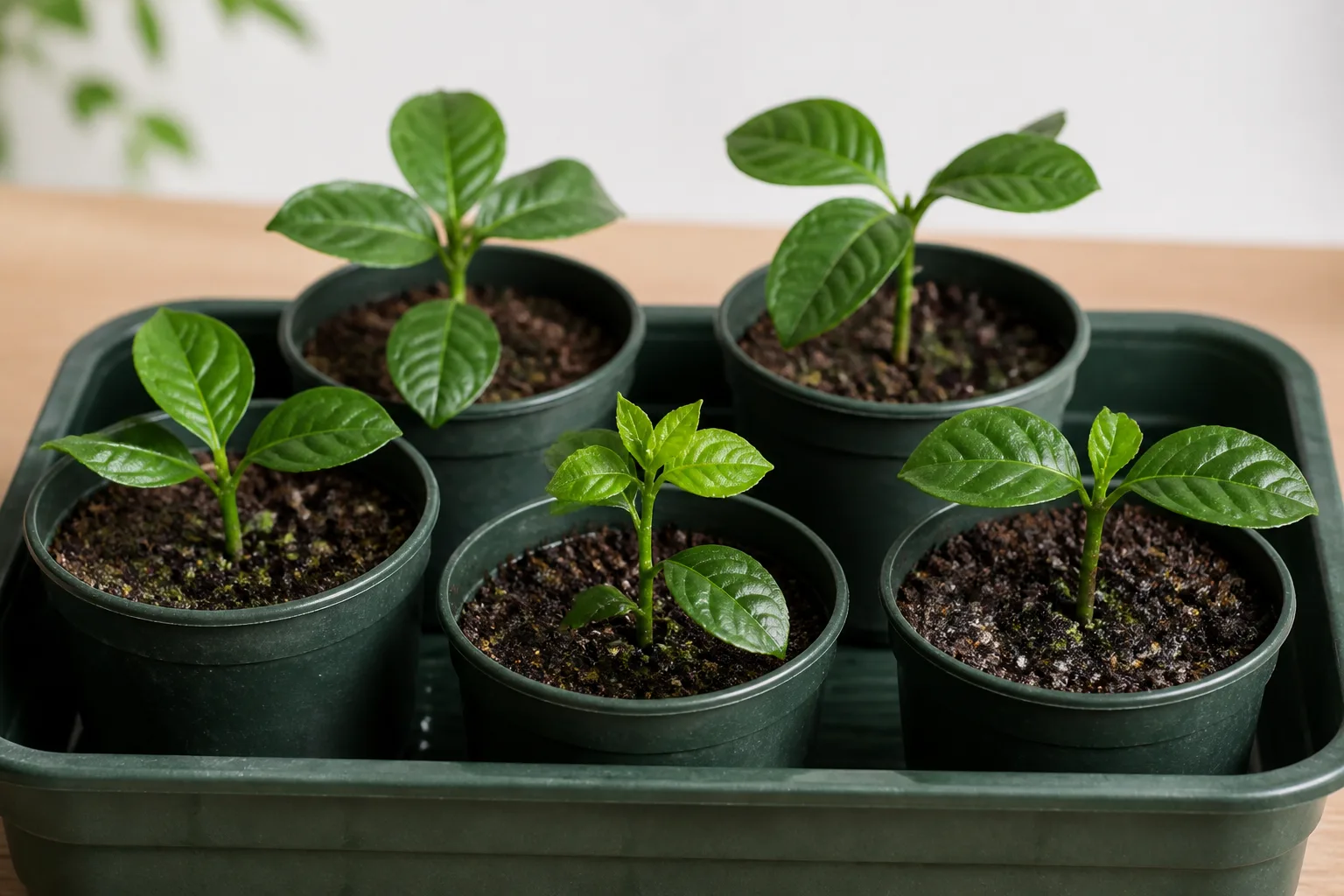
Hindu rope propagates reliably from stem cuttings, though rooting is slow—matching the parent plant’s temperament.
Steps:
- In spring or early summer, cut a 4–6 inch section with at least two nodes and one or two leaf pairs.
- Remove leaves from the lower node; let the cut end callus overnight (reduces rot).
- Root in moist airy mix or water (change water weekly; transition to mix once roots are 2–3 inches).
- Keep warm (70°F+), bright indirect light, and slightly more humidity than the mother plant until new growth appears—often 4–8 weeks to root, longer before vigorous trailing.
Do not expect a cutting to bloom for years. Patience is part of the cultivar. More detail: Hoya propagation guide.
Potting and Repotting Hindu Rope
Hindu rope prefers a snug pot. Tight roots stress the plant less than an ocean of wet mix—and many growers report better bloom set when the plant is slightly root-bound, though light and maturity still matter more.
Repot when:
- Water runs straight through with almost no absorption
- Roots block drainage holes or circle heavily at the surface
- Mix has broken down into dense mud
- Emergency root rot rescue requires fresh medium
How to repot:
- Time it for spring–early summer, not during active bloom if avoidable
- Move up only 1–2 inches in pot diameter
- Use fresh chunky mix; do not bury vines deeper than before
- Wait a week before fertilizing; water once lightly after repotting, then return to dry-between rhythm
A smaller pot dries faster—an advantage for epiphytes, not a problem to fix prematurely.
How to Get Hindu Rope to Bloom
Blooming is the payoff, and also the patience test. Hindu rope often needs 2–4 years of stable care before the first umbels appear in a typical home—sometimes sooner in bright greenhouses, sometimes longer in dim apartments.
Bloom checklist:
- Bright indirect light — non-negotiable for bud formation
- Mature plant — tiny nursery pots rarely flower immediately
- Intact peduncles — never prune old spurs
- Consistent watering — chronic drought during bud formation causes bud drop; soggy roots do the same
- Slight root snugness — avoid repotting right before bloom season
- Cooler nights (optional trigger) — autumn drops toward 60–65°F can help some hoyas set buds indoors
Understanding Peduncles and Flower Timing
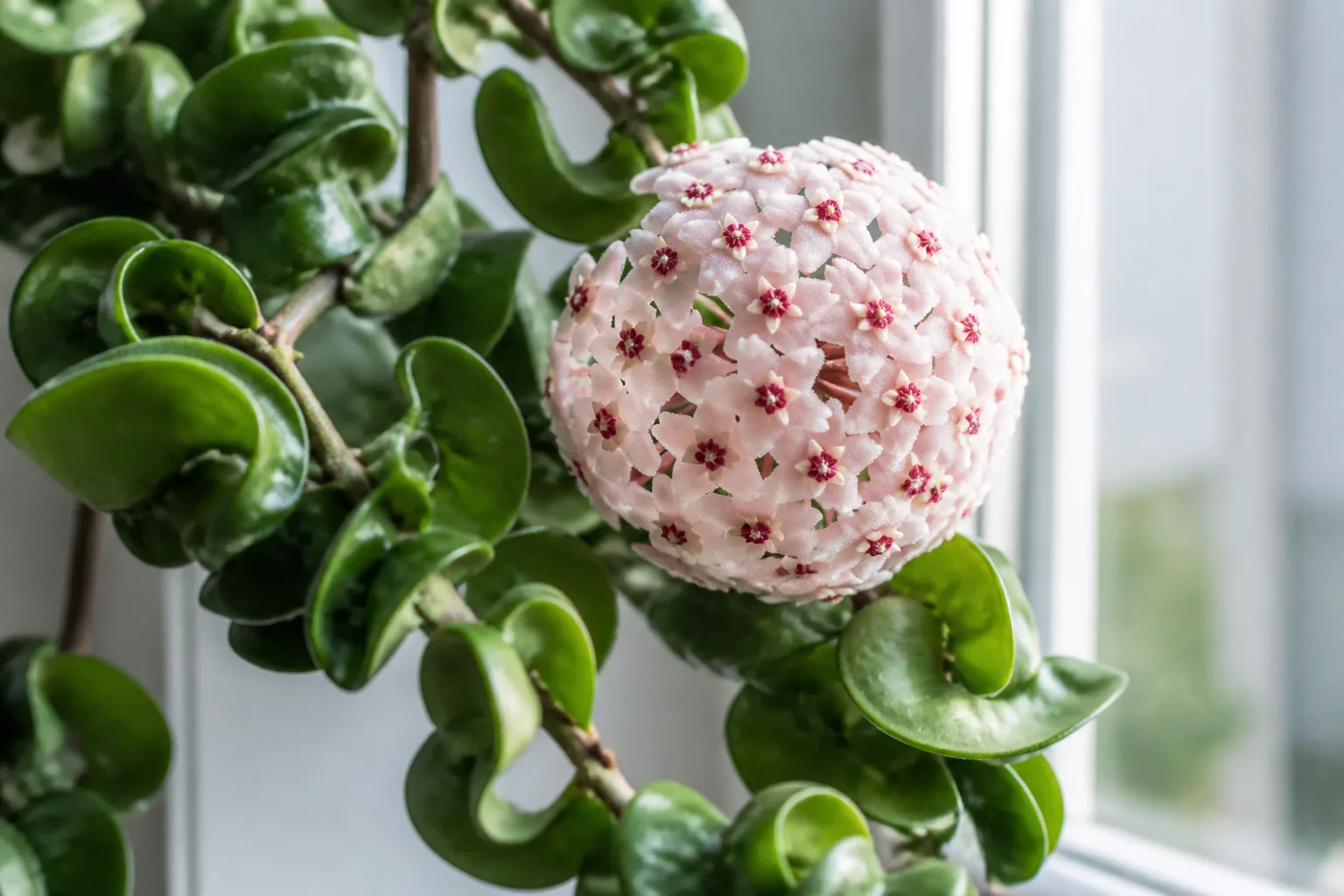
Each umbel emerges from a peduncle that persists for the life of the stem. New flower clusters often reappear from the same spur in future seasons—one reason experienced growers leave them even when they look stubby.
Indoors, Hindu rope may bloom in spring, summer, or fall; some plants flower on an irregular cycle year-round once mature. Individual clusters last 2–4 weeks; a plant with multiple spurs can look in bloom for much longer.
Flowers are small, star-shaped, waxy, pinkish white, with a sweet, chocolate-honey fragrance strongest in the evening. Do not move or rotate the pot once buds form—hoyas are notorious for aborting buds after relocation.
Common Pests and Treatment
Healthy Hindu rope resists most pests. Stressed plants—especially in low humidity or overwatered soil—attract:
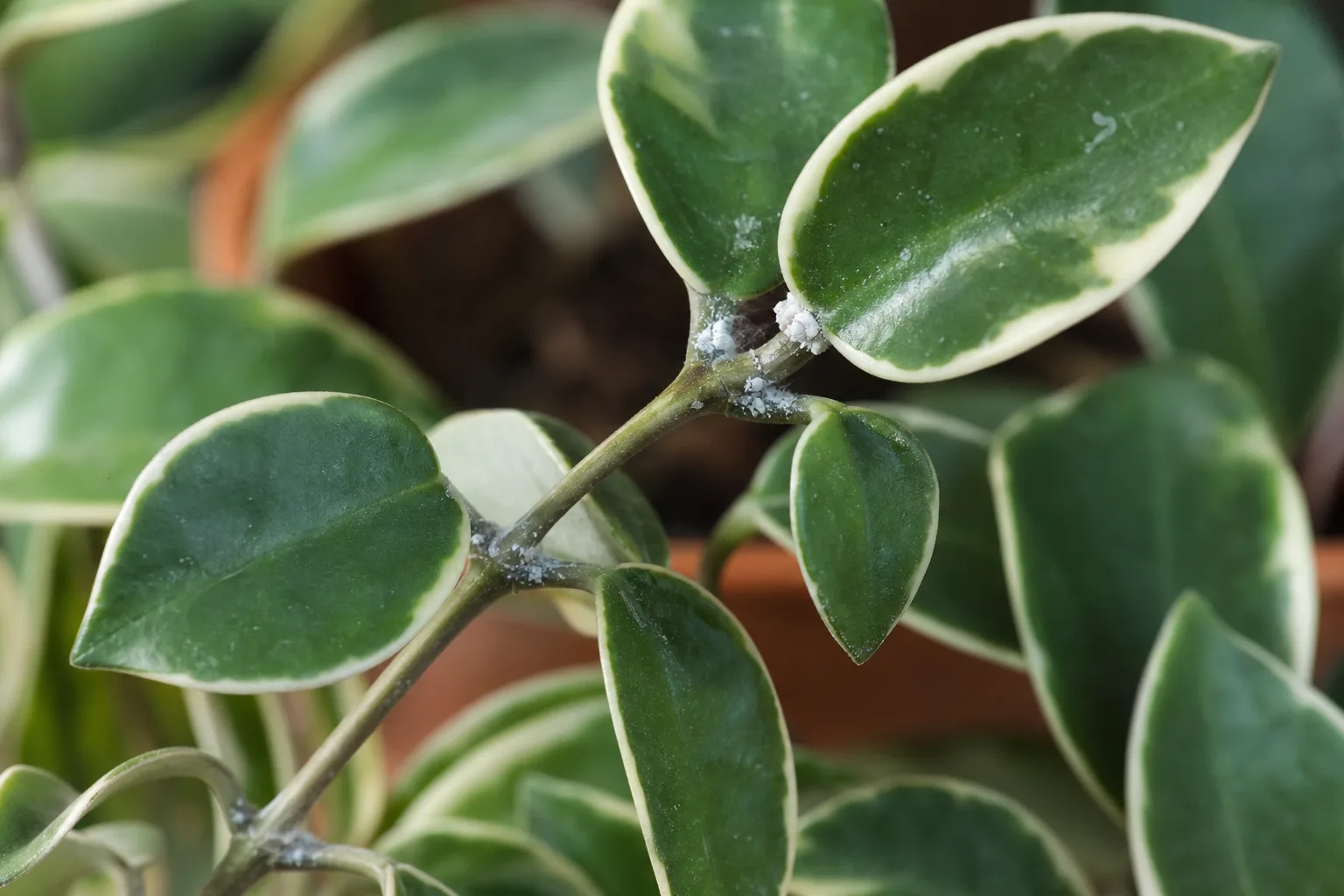
- Mealybugs — cottony clusters at leaf axils inside curled foliage
- Scale — brown immobile bumps on stems
- Aphids — soft green insects on new growth
Treatment sequence:
- Isolate the plant; inspect stems weekly.
- Wipe mealybugs with 70% isopropyl alcohol on a cotton swab.
- Follow with insecticidal soap or horticultural oil on stems and leaf undersides (test one leaf first).
- Fix the underlying stress: improve light airflow, correct watering, avoid nitrogen-heavy feed during recovery.
Mealybugs hide inside Hindu rope’s tight curls—split the ropes gently and check nodes you cannot see from above.
Troubleshooting Yellow Leaves, Wilting, and Root Rot
Yellow leaves with wet mix — Almost always overwatering or poor drainage. Pause watering, check roots; trim black mushy roots and repot into airy mix if needed. One or two old yellow leaves at the base can be normal senescence.
Wrinkled, soft leaves with dry mix — Underwatering. Soak thoroughly; adjust interval.
Wilting with dry soil but tight rootball — Plant may be extremely root-bound; water cannot penetrate. Repot one size up with fresh bark-heavy mix.
Wilting with wet soil — Root rot in progress. Stop watering, repot if roots are salvageable, discard if stems are mushy.
Bud drop — Caused by moving the plant, drought, overfeeding, or cold drafts during bud set. Stabilize environment and wait for the next peduncle cycle.
No blooms despite years of care — Increase light first, then review watering consistency and peduncle damage before buying specialty bloom fertilizers.
Pet Safety: Is Hindu Rope Toxic?
The ASPCA lists Hindu rope plant as non-toxic to dogs and cats (ASPCA Hindu Rope Plant). Non-toxic does not mean edible—chewing vines can still cause mild stomach upset, and hanging baskets can become toys. Place trails above reach if your pets are leaf shredders.
Conclusion
Hindu rope rewards a specific kind of patience: bright light without scorch, deep water without lingering wetness, and hands-off pruning that protects woody peduncles. Master those three habits and you get a sculptural vine that can live decades and surprise you with fragrant wax blooms when the plant—not the calendar—decides it is ready.
Start with chunky epiphytic mix, a slightly small pot, and an east or curtained south window. Water when the pot feels light. Check curled leaf axils for mealybugs when humidity drops. Leave the spurs alone. For genus-wide habits and deeper dives, use the Hoya carnosa care hub and linked Hoya care cluster—then let the ropes grow at their own slow, worth-it pace.