8 Fall Vegetables to Rotate for Healthier Harvests
Rotate kale, cabbage, broccoli, radishes, spinach, lettuce, arugula, and carrots with a small-bed plan, disease exceptions, and fall timing tips.
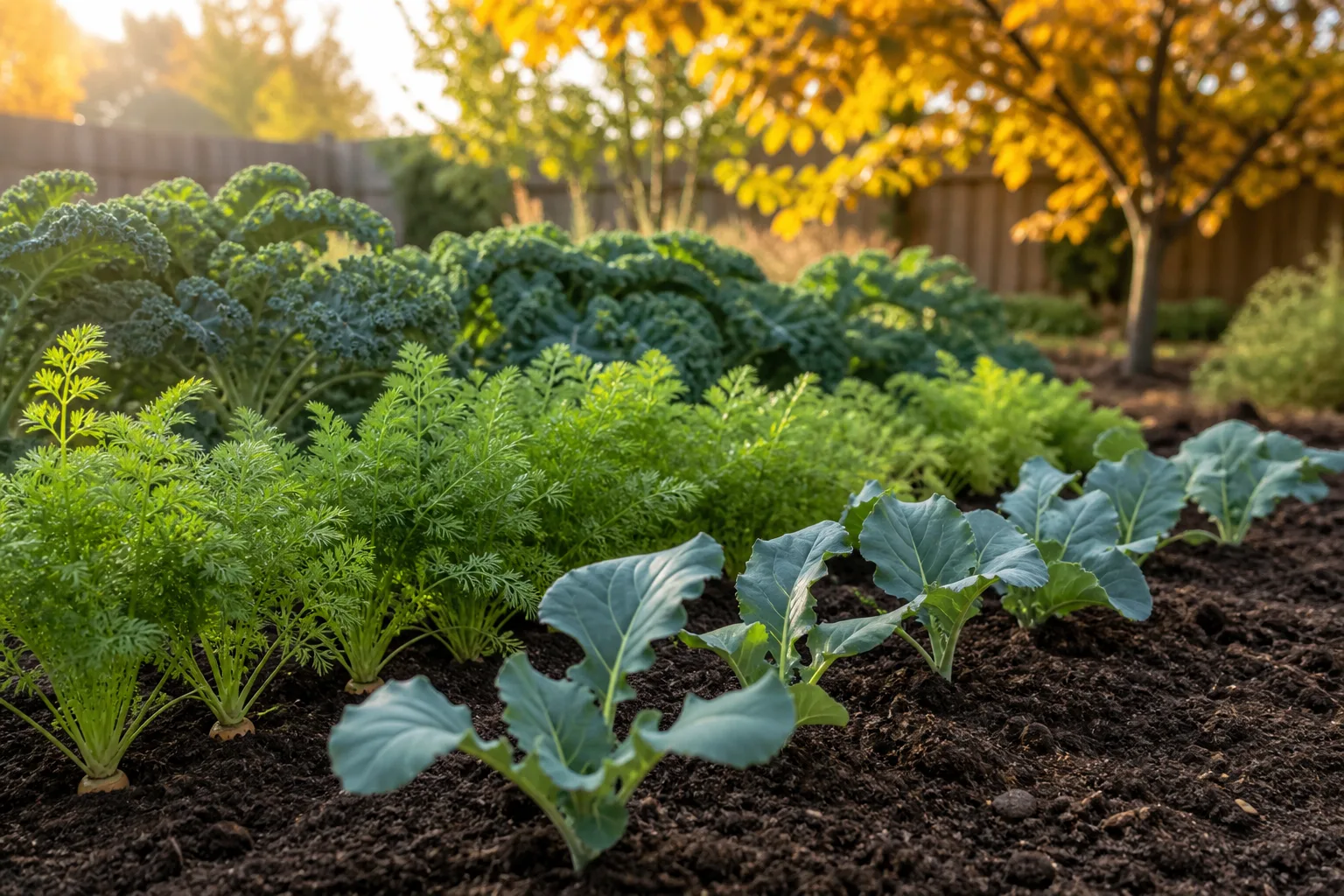
If you grow fall vegetables in the same beds every year, the most important question is not whether the crop is leafy or underground. It is which plant family it belongs to and which pests or diseases can follow that family through the soil and leftover debris. That is why kale after cabbage is still a repeat, and why a row of radishes does not create a clean break before broccoli.
The eight crops in this guide are lettuce, kale, cabbage, broccoli, radishes, arugula, spinach, and carrots. You do not need a large farm or a perfect four-year chart to rotate them. You need a family map, a realistic move between beds or blocks, and a longer pause when you have a confirmed disease such as clubroot.
What crop rotation actually protects
Crop rotation means growing related crops in a different part of the garden in successive seasons. The goal is not to make every bed “rest.” The goal is to remove a preferred host long enough that a pest or soilborne pathogen has fewer opportunities to reproduce, while distributing crops with different nutrient demands and root patterns across the garden. The RHS describes rotation as a way to reduce crop-specific pest and disease buildup and organize crops according to their cultivation needs (RHS crop rotation advice).
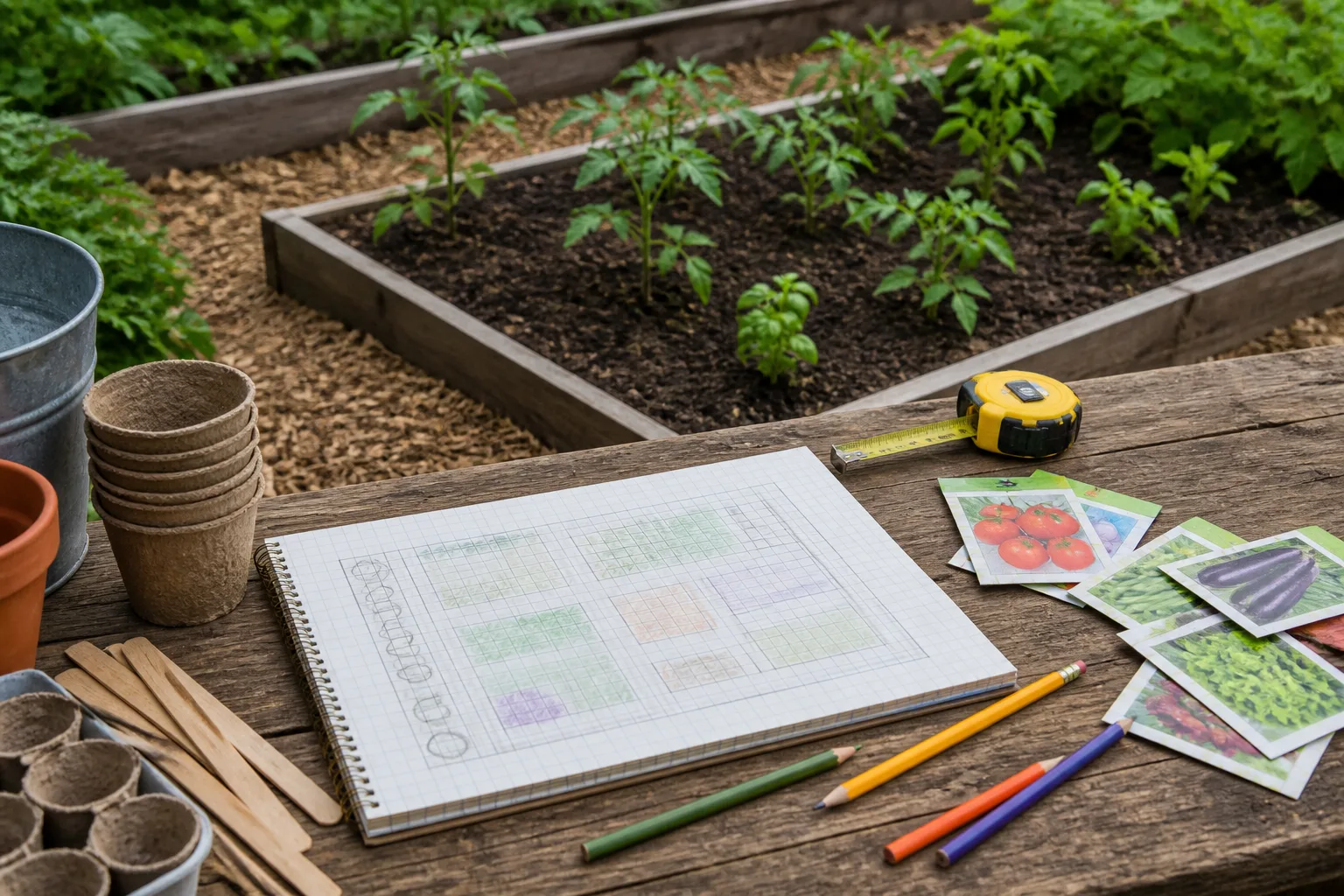
Rotation is a risk-reduction tool, not an eraser. An insect that flies in from a neighboring garden can still find your kale, and a pathogen can move with an infected transplant, muddy tool, irrigation water, or soil on boots. A bed that drains poorly can also keep producing root problems even after you change crops. Use rotation as one layer alongside clean planting material, sanitation, spacing, drainage, row covers, and planting at the right time.
The nutrient argument is real but easy to overstate. A large cabbage or broccoli plant can remove more nutrients than a short radish crop, but compost or fertilizer does not solve a host-specific disease. A soil test can tell you whether pH or fertility needs attention; it cannot tell a clubroot spore that the next cabbage is a different variety.
Sort fall vegetables by botanical family
The useful rotation unit is usually the family, not the part you eat. The RHS groups brassicas such as cabbage, kale, broccoli, radish, swede, and turnip together, then separates legumes, onions, potatoes, and root crops into other blocks (RHS crop rotation advice). For a home garden, that means several crops that look unrelated on the plate still count as the same host group.
Brassicas: kale, cabbage, broccoli, radishes, and arugula
Kale, cabbage, and broccoli are all forms of Brassica oleracea. Radish and arugula are also in the Brassicaceae family, even though one produces a root and the other is harvested as a salad green. Turnips, rutabagas, mustard greens, bok choy, collards, cauliflower, Brussels sprouts, and many Asian greens join this same rotation block.
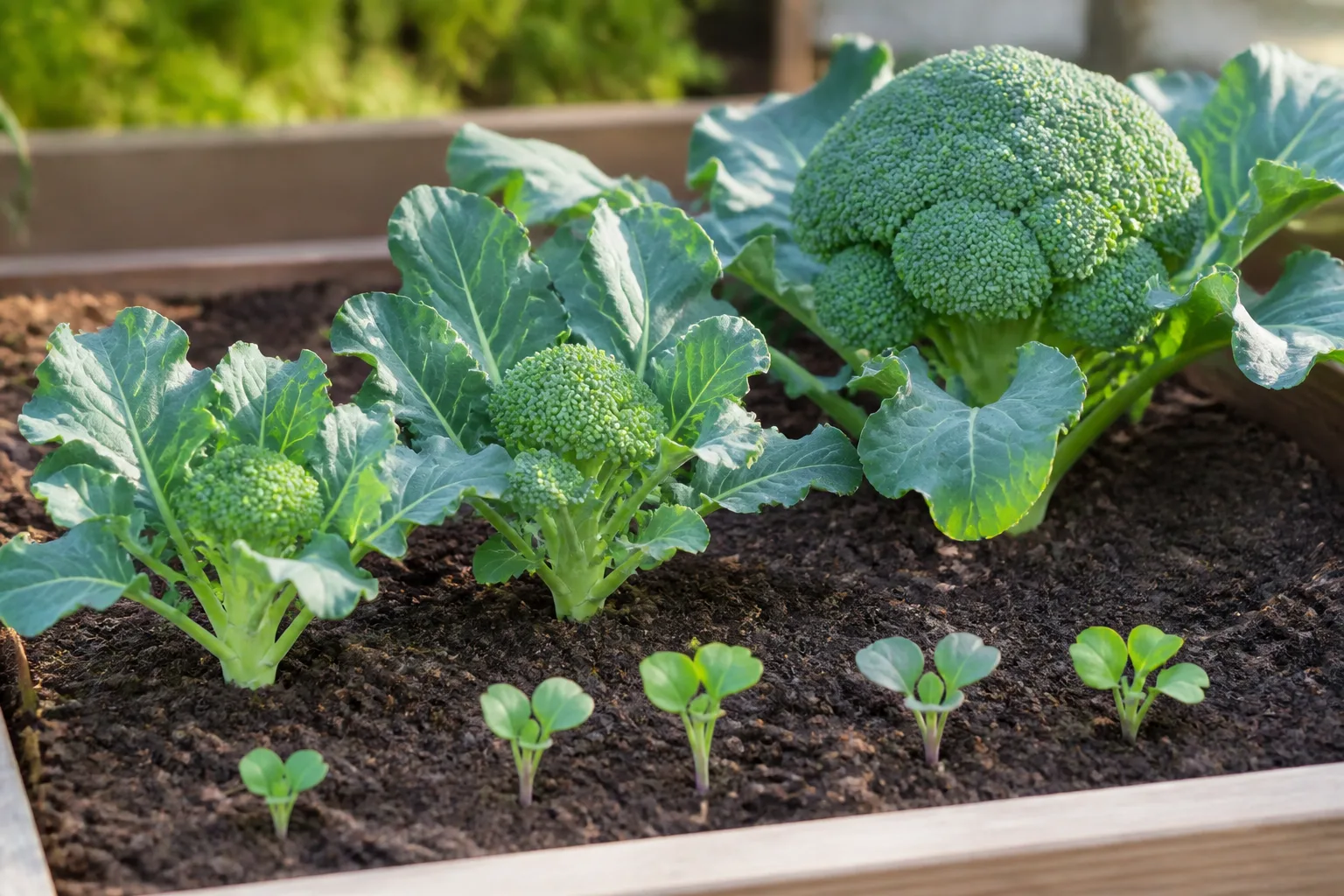
This is the group to rotate most deliberately in a fall garden. It shares caterpillars, flea beetles, some foliar diseases, and clubroot risk. Moving broccoli to the spot that held radishes is a family repeat, not a break. When your garden map says “brassicas,” write the whole group in that box rather than recording only the exact crop.
Spinach relatives, lettuce, and carrots
Spinach belongs to the Amaranthaceae family along with beets and Swiss chard. Lettuce is in the Asteraceae family, while carrots belong to Apiaceae with parsnips, celery, parsley, and fennel. These distinctions help you choose a better follow-on crop, but they do not mean every family needs an identical waiting period.
For example, a carrot row followed by lettuce is generally a more useful family change than carrot followed by parsnip, but compacted soil can still spoil both crops. Spinach followed by Swiss chard is not a clean break if a spinach-family disease is the concern. Keep the family map, then adjust the interval based on what actually went wrong.
The eight fall vegetables and the move each one needs
Lettuce
Lettuce is a quick, space-efficient fall crop, and that makes it tempting to sow in every opening. It is also easy to treat as harmless because it does not occupy the bed as long as cabbage. Repeated lettuce in one strip can still build pressure from diseases favored by wet soil, poor airflow, or infected residues, including wilt and root rots.
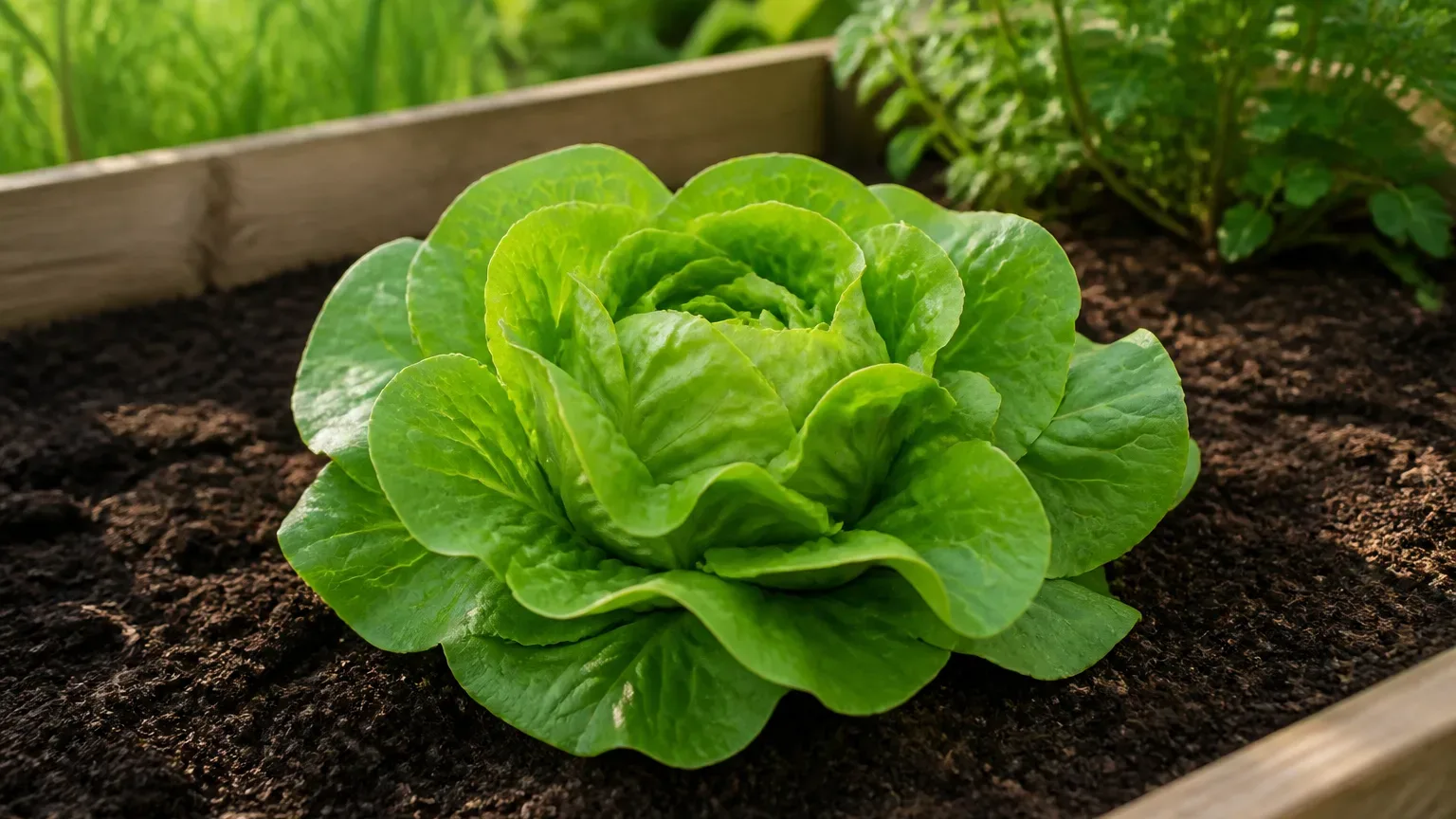
For a healthy garden, move lettuce to a different block the following season and avoid putting it straight back into the same narrow row. A two-year gap from lettuce is a sensible minimum when you have enough space; a longer gap is more useful after a diagnosed soilborne problem. Do not rotate lettuce from one corner of a raised bed to the opposite corner and assume the soil history disappeared—roots and irrigation water cross a small bed easily.
Lettuce is flexible enough to serve as a gap crop. You can sow it after an early pea or bean crop, between slower plants, or in a container filled with fresh mix. That flexibility is valuable in a small garden: reserve your best rotation space for brassicas or a family with a known disease history, and use movable lettuce plantings to keep salads coming.
Kale, cabbage, and broccoli
Treat kale, cabbage, and broccoli as one crop for rotation purposes. If cabbage occupied a bed this year, the same bed should not receive kale or broccoli next year simply because you changed the harvest. The shared family can carry similar pests and diseases, including clubroot, black rot, and caterpillars that benefit from nearby host debris.
For ordinary home-garden pressure, aim to keep the entire brassica group out of that bed for at least two years, with a three- or four-year return being a stronger routine when your garden can support it. Plant legumes, onions, garlic, or an unrelated root crop in the interval, choosing the follow-on crop according to soil condition and the previous problem.
Clubroot changes the decision. It is caused by the soil-dwelling organism Plasmodiophora brassicae, which produces swollen, distorted roots and stunted growth. RHS notes that its resting spores can persist in soil for up to 20 years, and that the organism can infect when soil is warm and moist (RHS clubroot advice). That does not mean every gardener must wait 20 years before planting any brassica. It does mean a simple one-season swap is not an adequate response to a confirmed clubroot bed.
After clubroot, remove infected plants carefully, avoid moving soil on boots or tools, control brassica-family weeds, improve drainage, and keep susceptible crops out for as long as your local extension guidance recommends. Liming may reduce disease in acidic soil, but pH changes should follow a soil test; adding lime blindly can create a different nutrient problem.
Radishes and arugula
Radishes and arugula belong in the brassica block even though both are fast salad crops. Radishes can be especially deceptive in a rotation plan because they are harvested in a few weeks and may be tucked between unrelated plants. If the same bed then receives broccoli or kale, the host break is much shorter than your map suggests.
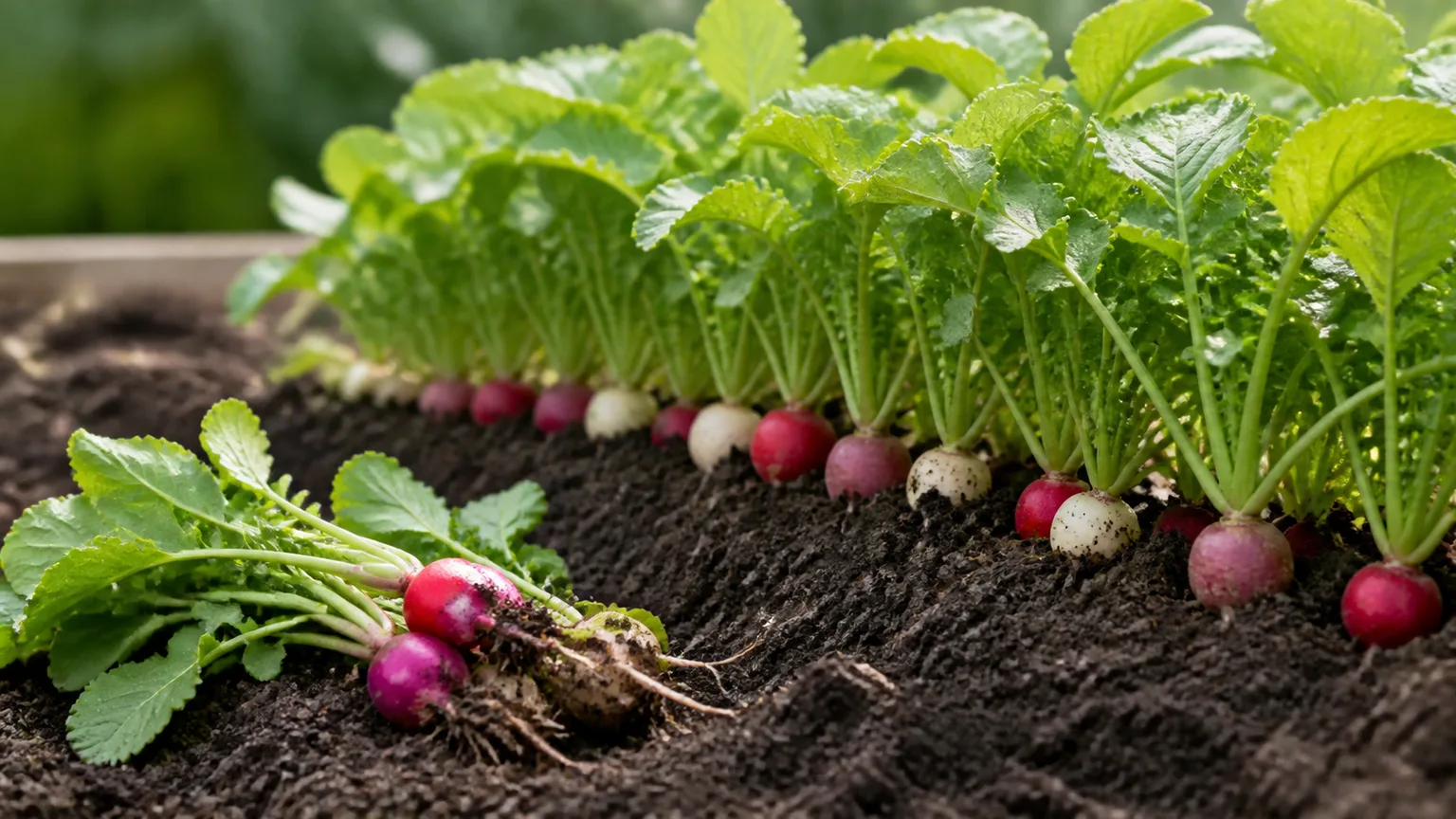
Radishes also have a root-specific warning: scab can affect radishes, carrots, beets, turnips, and parsnips, as well as potatoes. Utah State University Extension describes scab lesions as pitted or raised marks on the edible root, with no aboveground symptoms, and recommends rotating susceptible root crops with nonsusceptible crops such as corn, alfalfa, or small grains (Utah State University Extension root-crop scab guide). In a home garden, the practical lesson is to avoid following a scabby radish patch with carrots or turnips just because they are a different family.
Arugula’s most obvious fall problem is often flea-beetle damage: many tiny shot holes that can ruin young leaves. Rotation can reduce the chance that adults emerge beside a fresh brassica host, but flea beetles also move into a garden from outside. Cover seedlings with a lightweight row cover as soon as they are sown, seal the edges, and remove it when flowering crops need pollinator access. Rotation helps with the local pressure; it cannot create an insect-proof neighborhood.
Spinach
Spinach is not a brassica, so moving it away from kale and cabbage is a meaningful family change. Move it away from beets and Swiss chard as well when the concern is a disease that affects the Amaranthaceae group. A spinach-only repeat in the same wet strip is more important to avoid than a spinach-to-lettuce sequence in a well-drained bed.
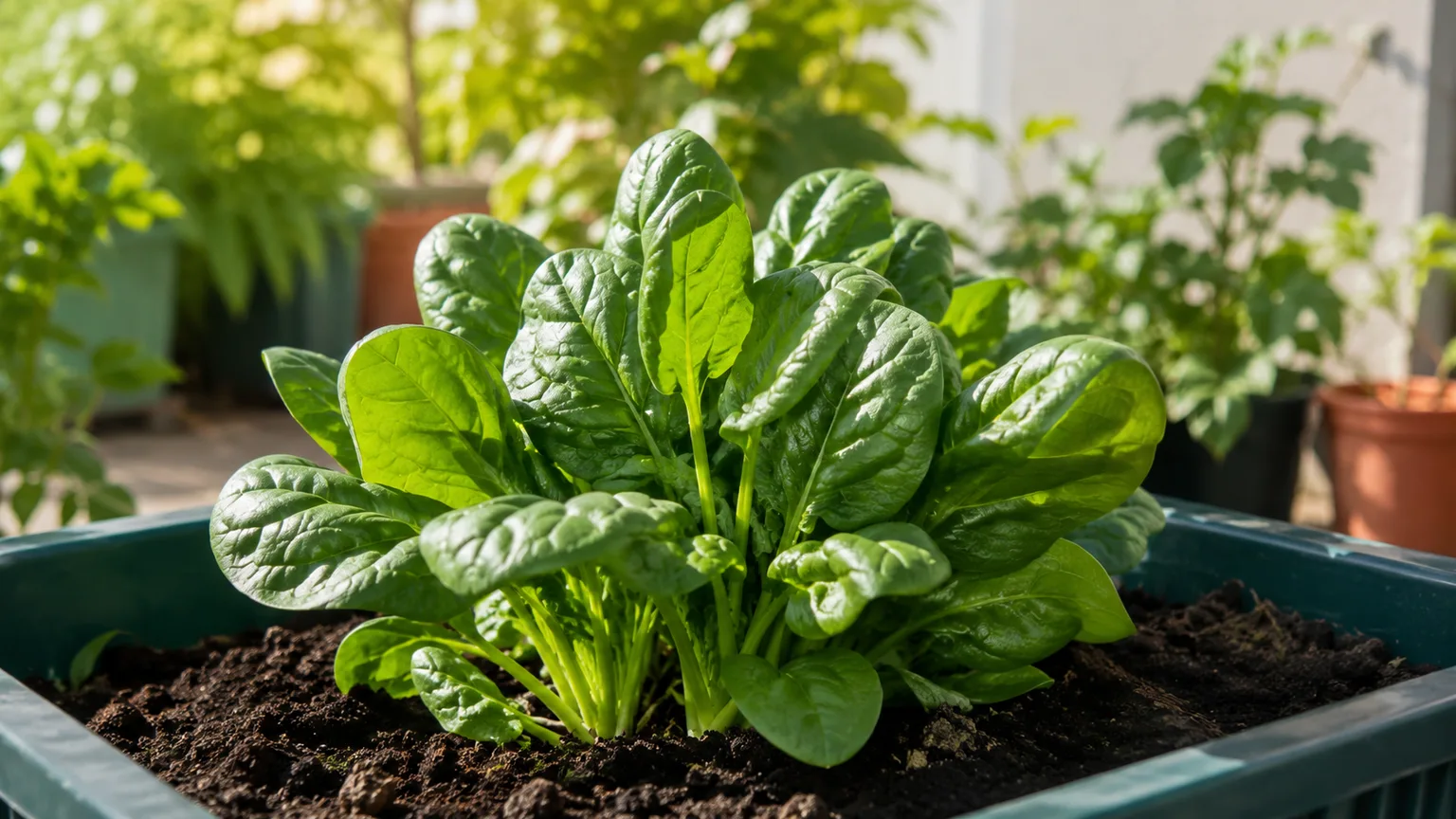
Give spinach a new block each season when possible, and use clean seed from a reliable source. Remove plants that are clearly diseased instead of leaving them to collapse into the bed, and keep irrigation at the soil surface so leaves dry quickly. If plants wilt in patches or roots look discolored, do not assume the problem is solved by fertilizer; check drainage, recent weather, root condition, and the history of the bed before choosing the next crop.
Spinach is also a useful short-season relay crop. Sow a quick round after early potatoes or peas, then follow it with an unrelated crop once the soil is cleared. That makes it easier to rotate spinach without surrendering an entire bed for a full year. Mark the block on your garden map even when the crop lasted only six weeks.
Carrots
Carrots belong to Apiaceae, so rotate them away from parsnips, celery, parsley, and fennel when you are managing family-linked pests or diseases. A carrot row can return to the same bed after a longer interval than a brassica block in many home gardens, but the right choice depends on whether last year’s problem was actually caused by soil history.
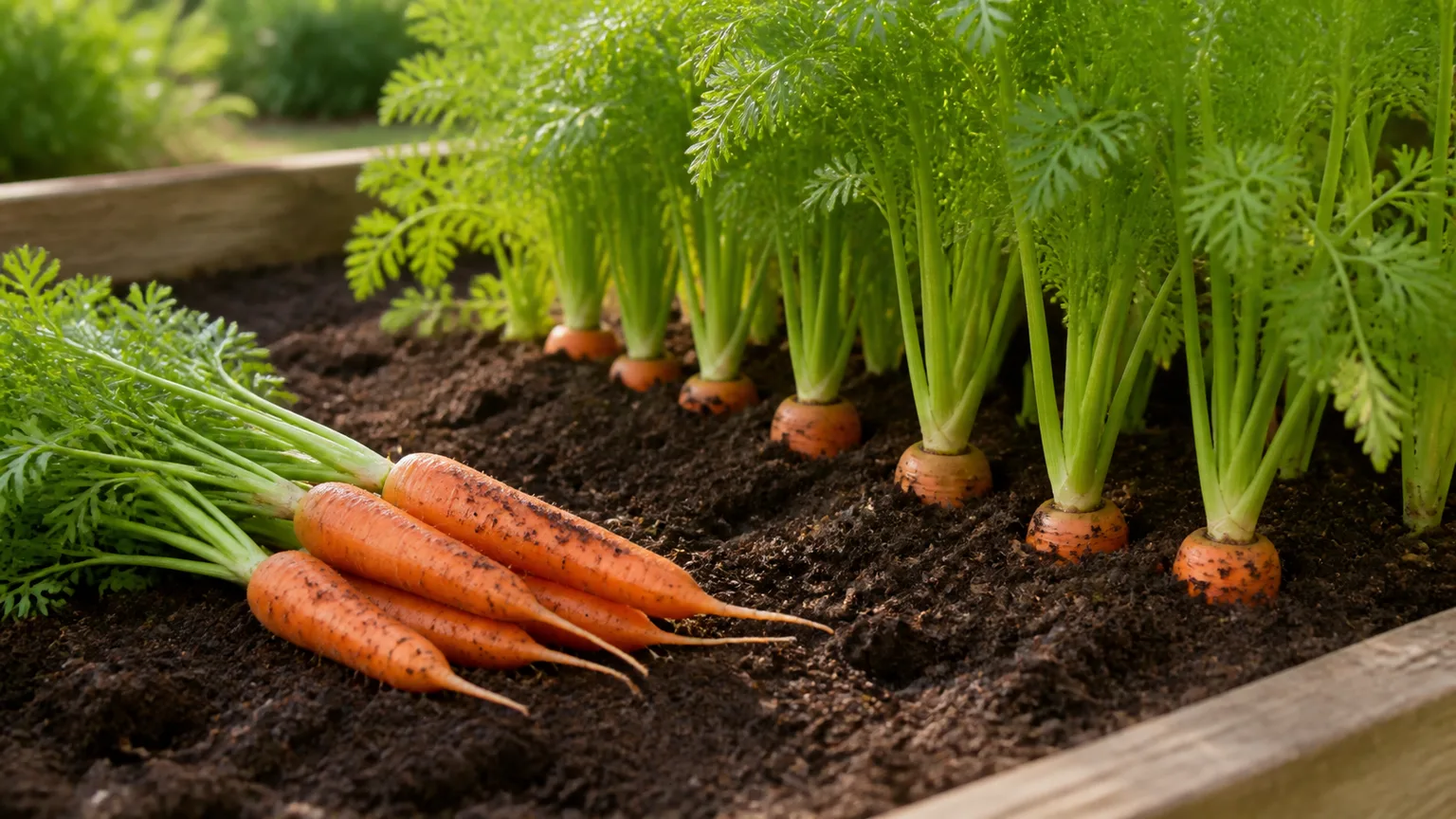
Root-knot nematodes, damping off, and some root rots are more likely to persist where soil stays warm, wet, compacted, or repeatedly hosts susceptible crops. Rotation with unrelated crops can lower pressure, but it will not fix a bed that holds water after every storm. Before sowing the next carrot crop, loosen the root zone without pulverizing it, remove large stones and woody debris, and make sure seedlings can be watered evenly without staying saturated.
If last season’s carrots came out with corky or raised scabs, do not follow them with radishes, beets, turnips, parsnips, or potatoes. The root may have looked fine aboveground because USU Extension notes that scab often produces no visible leaf symptom. Use a non-susceptible interim crop where space allows, and avoid moving soil from that row into a clean bed.
How long should each family stay out of a bed?
There is no single perfect number because a waiting period depends on the pest, pathogen, climate, crop length, and size of the garden. A three-year rotation is a useful home-garden framework: grow a family in one bed, move it to the next bed the following year, and bring it back only after two other family blocks have occupied that space. A four-year plan gives a longer break and is easier to maintain when you grow many crops.
A practical three- or four-year rotation
Start with the families that need the most protection rather than trying to create a perfect chart for every seed packet. One workable four-bed pattern is:
- Bed A: Brassicas — kale, cabbage, broccoli, radishes, arugula, and their relatives.
- Bed B: Legumes and onions — peas, beans, onions, garlic, and leeks, adjusted for the season.
- Bed C: Roots — carrots, beets, parsnips, and other non-brassica roots.
- Bed D: Leaf crops — lettuce, spinach, chard, and a short cover crop when the season allows.
Each year, move every block one bed forward. In the next year, brassicas go into Bed B, Bed A receives legumes or onions, and the other groups shift with them. This is a planning template, not a rule that every crop must share a bed. If carrots need deep, stone-free soil and brassicas need heavier feeding, keep those cultivation needs in view while shifting the family labels.
Use a longer pause when you have a specific reason. Confirmed clubroot deserves more caution than a few flea-beetle holes. Scab on radishes should change the order of root crops as well as the order of brassicas. Repeated lettuce wilt in a poorly drained corner may justify moving lettuce to containers while you diagnose the soil. The interval should respond to the failure you saw, not to a magic number copied from a chart.
The small-bed rotation plan
When you have only one bed or a few containers
A small garden cannot always provide four independent beds. You can still make rotation meaningful by dividing the growing space into three or four permanent blocks, even if each block is only a few feet wide. Keep the family in a different block next season, and draw arrows on a paper map so a quick spring sowing does not accidentally return to last year’s soil.
If your only bed is four by eight feet, try four two-by-four-foot blocks rather than rotating the whole bed as one unit. Keep the brassica block away from last year’s brassica block, plant lettuce or spinach in a different block, and use a container for carrots if a root problem is confined to the bed. The physical distance is limited, but the written history stops you from repeating the same family in the same soil by habit.
For a very small plot, prioritize these compromises:
- Move brassicas first. They include the largest group of the eight crops and share several pests and diseases.
- Keep root crops separate after scab. A carrot-to-radish swap is not enough when both are susceptible.
- Use fresh containers or new mix for a problem crop. A container is not automatically disease-free if you refill it with contaminated garden soil.
- Treat lettuce as a flexible filler. Sow it where the family history is clean, and use succession planting instead of occupying the same strip all season.
- Record short crops. A six-week radish sowing still counts in the soil history.
The vegetable garden layout guide can help you map sun, paths, and crop blocks before you assign the fall rows. Keep the map simple enough to update: date, bed or block, crop family, variety, and any unusual symptom are enough.
Timing the fall round and cleaning up correctly
Fall planting is a countdown, not a fixed calendar date. Start with your area’s average first frost date, subtract the variety’s days to maturity, and add extra time because shorter days and cooler weather slow growth. Harvest to Table recommends starting the calculation in summer and allowing for local growing-season differences, while the National Garden Bureau emphasizes variety choice and timing for cool-season crops (Harvest to Table fall vegetable garden guide; National Garden Bureau fall garden guide). Use your local extension planting calendar for the final date.
For a crop listed at 45 days to maturity, do not automatically sow exactly 45 days before frost. Add roughly 10 to 14 days as a planning buffer, then allow more time if your fall weather turns cloudy or cold early. The when to plant vegetables guide explains how to combine frost dates, soil conditions, and days to maturity rather than relying on a month name.
Prepare the rotation before sowing:
- Mark where each spring and summer family grew, including quick relay crops.
- Pull spent plants and remove fallen leaves and fruit from the bed.
- Bag or dispose of clearly diseased material according to local guidance instead of moving it into unfinished compost.
- Clean soil from stakes, trowels, harvest knives, and boots before working in a clean block.
- Repair drainage, add only the amendments a soil test supports, and keep the surface covered with suitable mulch.
- Choose the fall crop and planting date after checking its family, disease history, and first-frost window.
Healthy plant residue can be composted if your compost system reaches and maintains adequate heat; diseased residue is a different decision. When clubroot or another persistent soil problem is suspected, do not spread the soil or roots around the garden while “cleaning up.” Raising beds, improving drainage, controlling susceptible weeds, and starting transplants in clean growing media can matter as much as the year-to-year map.
What rotation cannot fix
Rotation will not stop every fall problem. Flea beetles can fly in, cabbage moths can find a new bed, and a newly purchased transplant can introduce disease. A crop that is planted too late may fail from cold even in a perfectly rotated bed, while a crop planted too early may bolt or struggle in heat.
It also cannot replace basic soil preparation. Carrots need a loose, stone-free root zone; lettuce and spinach need consistent moisture without stagnant water; brassicas need space and airflow; and all eight crops need a planting date that fits your local fall. If the same symptom appears after a move, inspect the roots, check the soil moisture, look for insects on leaf undersides, and compare the pattern across the bed before declaring rotation a failure.
The best first action after a bad harvest is to record what you saw while it is still fresh: crop, variety, exact location, date, weather, irrigation pattern, and symptom. A wilted plant is not automatically Fusarium. A hole in a leaf is not automatically a soil pest. A root blemish is not automatically clubroot. Good records keep you from making a larger rotation change based on a guess.
Conclusion
The eight fall vegetables are easier to rotate once you stop treating them as eight unrelated entries. Put kale, cabbage, broccoli, radishes, and arugula in the brassica block; separate spinach from its beet and chard relatives when disease history calls for it; and keep lettuce and carrots moving away from their closest family hosts. Then build a three- or four-year map that your actual garden can maintain.
Start with the next planting, not a perfect farm plan. Move the family with the clearest disease or pest history, clean up residue carefully, improve drainage, and count backward from your first frost date. Rotation works best when it is a repeatable recordkeeping habit supported by clean plants, sensible spacing, and realistic expectations.



