How to Start a Herb Garden: A Practical Growing Guide
Start a productive herb garden with the right site, soil, plant choices, watering plan, harvest timing, and easy preservation methods.
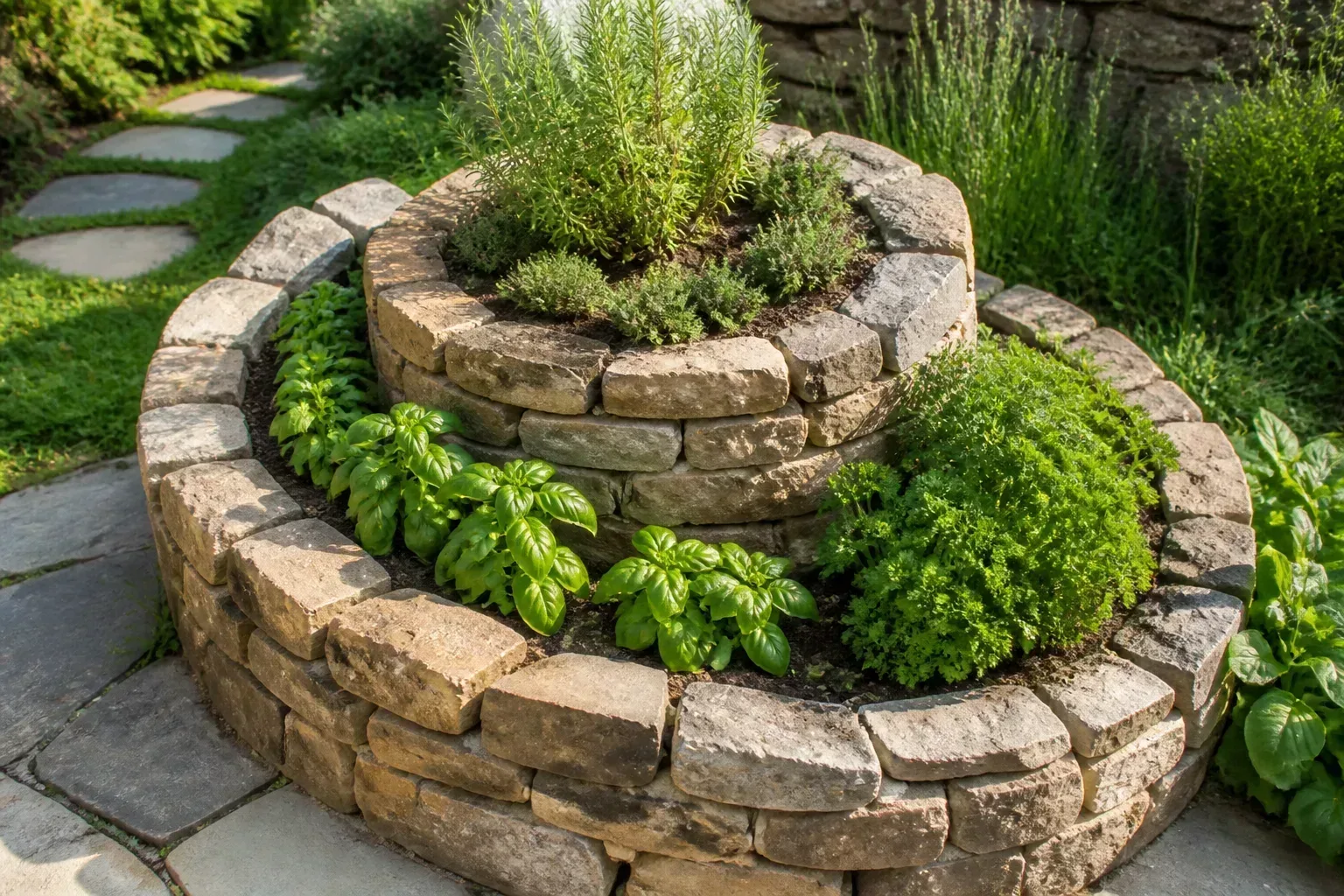
The best herb garden is not the one with the longest plant list. It is the one placed close enough to the kitchen that you remember to harvest it, arranged so plants with similar needs share space, and sized so you can keep up with watering and pruning. Start with three to five herbs you use regularly, then expand after you learn how your light, soil, and weather behave.
Start With the Meals You Actually Cook
Write down five meals, sauces, teas, or garnishes you make often. The answer usually points to a better first garden than a generic “top herbs” list. If you cook tomato dishes, basil and oregano earn their space. If you roast vegetables, rosemary, thyme, and sage may be more useful. If you make salsa, cilantro is valuable—but it is also a cool-season crop that can bolt quickly in heat.
Choose one or two herbs that are forgiving, one that grows quickly, and one that is especially expensive or inconvenient to buy fresh. Basil, chives, parsley, thyme, and mint can all be useful, but they do not belong in one undifferentiated watering plan. A garden that serves your cooking gets harvested often, and regular harvesting is one of the simplest ways to keep many herbs producing.
Choose a Site by Sun, Drainage, and Access
Look for a spot with at least six hours of direct sun for sun-loving herbs, close to a door or path, and away from a downspout or place where roof runoff saturates the soil. The site should be easy to reach with a hose or watering can. A beautiful bed that requires a long walk is more likely to become an overlooked bed.
Most culinary herbs prefer soil that drains freely. Waterlogged roots are especially damaging to rosemary, thyme, lavender, oregano, and sage. If your soil stays wet after rain, use a raised bed or a container with drainage holes rather than trying to solve every problem by adding more fertilizer. A small slope, raised mound, or improved bed can matter more than an expensive amendment.
How Much Light Herbs Need
Six to eight hours of direct sun is a practical target for basil, rosemary, thyme, oregano, sage, and lavender. The RHS herb-growing guidance likewise emphasizes matching herbs to light and drainage rather than treating every herb as interchangeable. Chives, parsley, cilantro, and mint can tolerate some afternoon shade, particularly in hot climates, although low light can produce thin, floppy growth. Morning sun with protection from intense afternoon heat can extend the life of cilantro and parsley.
Watch the site for a full day before planting. A location that looks sunny at 10 a.m. may be shaded by a building or tree by midafternoon. If you are growing indoors, a bright south- or west-facing window may work, but many herbs need supplemental light to stay compact and flavorful. Poor light is often misdiagnosed as a fertilizer problem.
Test the Soil Before You Amend It
A soil test is more useful than guessing from leaf color. It can show pH, phosphorus, potassium, and organic matter, while a simple drainage test tells you whether water lingers. Penn State Extension recommends testing before applying lime or large amounts of fertilizer because excess nutrients can create imbalances and lush, less resilient growth.
Mix finished compost into poor native soil, but do not turn the bed into a rich, moisture-holding sponge. Herbs are not automatically improved by more feeding. For containers, use a quality potting mix rather than garden soil, which compacts in a pot and can restrict drainage. The container must have an open drainage hole; a gravel layer at the bottom does not repair a blocked hole.
Match Herbs to Watering Zones
Group plants by how quickly their soil dries, not simply by cuisine. Put rosemary, thyme, oregano, sage, marjoram, and lavender together in the sunniest, fastest-draining zone. Let the soil dry somewhat between thorough waterings once those plants are established.
Give basil, parsley, chives, cilantro, dill, lemon balm, and tarragon a zone that holds moderate moisture without staying muddy. Mint can tolerate more moisture, but its vigorous roots and runners make it a poor choice for an open bed unless you want it to spread.
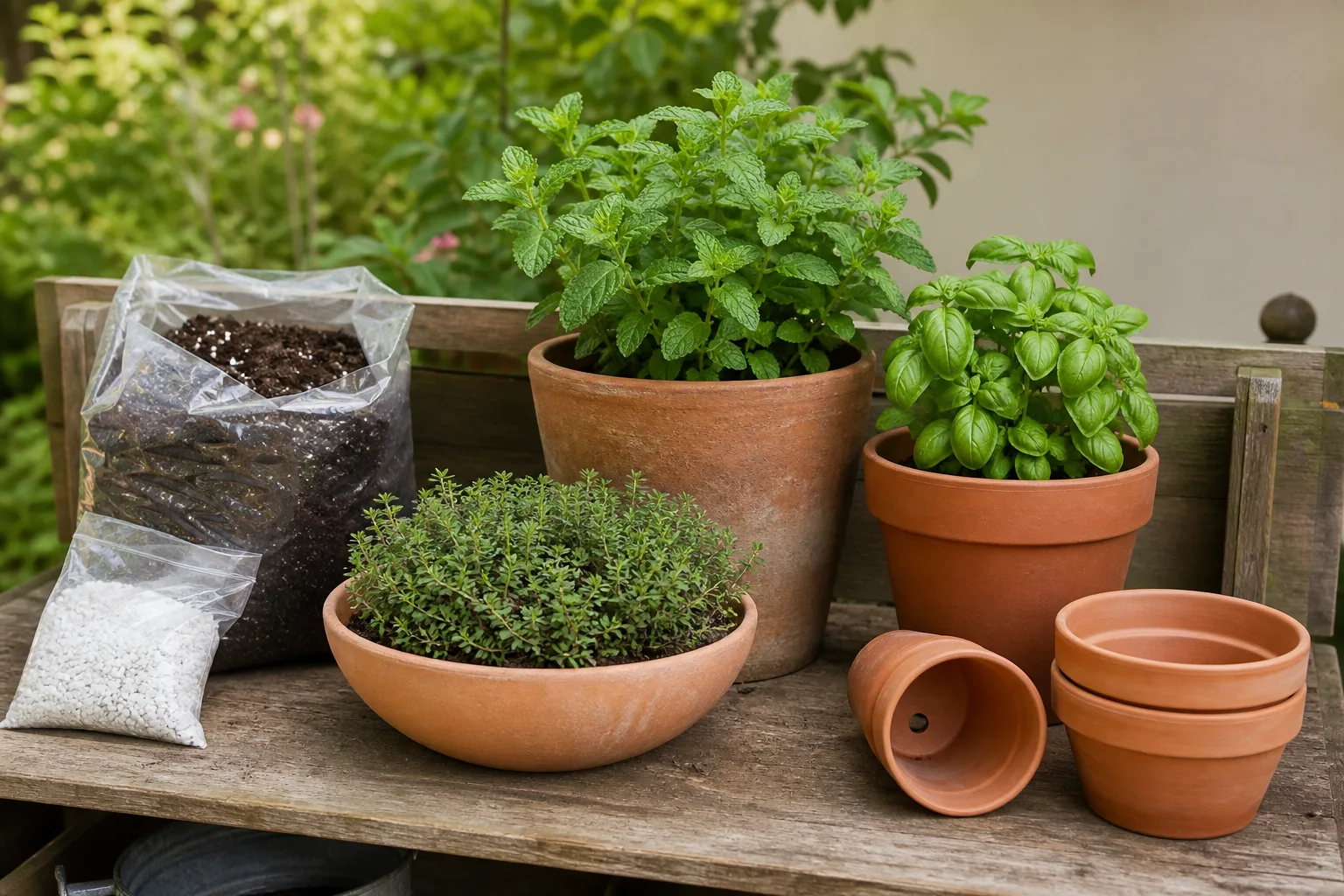
This grouping prevents the most common herb-garden mistake: watering everything on the schedule of the thirstiest plant. Check the soil at root depth before watering. Newly planted herbs need more frequent checks while roots establish; established plants usually benefit from a deep watering followed by a partial dry-down rather than a daily sprinkle.
Choose Seeds, Transplants, or Containers
Seeds are economical and give you more variety, but they require correct timing and steady moisture during germination. Transplants give immediate structure and are useful for slow herbs such as parsley or rosemary. A practical beginner garden can combine both: buy a healthy basil or rosemary plant, direct-sow dill or cilantro, and start chives or parsley from a small transplant.
Containers are not a consolation prize. They are often the best answer for renters, balconies, heavy clay, poor drainage, or plants with incompatible needs. Choose a pot at least 8 to 12 inches wide for one substantial herb, use a larger container for a mixed planting, and make sure mature roots will not be trapped in a tiny nursery pot.
The Best Beginner Herbs
Basil grows quickly in warm weather and rewards frequent pinching. Chives tolerate cool weather and return in many climates. Thyme and oregano cope well with drying soil when drainage is good. Parsley is slower to germinate but productive once established. Rosemary is useful but less forgiving of cold, wet roots, and low light than the other beginner choices.
Mint is easy to grow but should usually be contained. A pot sunk into the ground can slow runners, yet it is not a perfect barrier if the pot has drainage openings or the plant reaches over the rim. Keep mint in its own container and cut flowering stems before seeds spread.
When Direct Sowing Beats Transplanting
Direct-sow cilantro, dill, fennel, and many anise-like herbs when the soil and weather suit them. Their taproots or rapid growth make disturbance stressful. Sow small amounts every two to three weeks during the cool part of the season instead of planting one large row that all bolts at once.
Start basil after the danger of frost has passed, or transplant it only after nights are reliably warm. Parsley can be started indoors, but it is slow to germinate, so do not discard the tray because nothing happens in the first week. Always harden indoor-grown seedlings by gradually exposing them to outdoor light and wind.
Design a Small Herb Garden That Stays Productive
Keep tall plants from shading short ones. Put rosemary, dill, and mature basil where they will not block light from thyme, parsley, or chives. Leave enough space for air to move around foliage and for your hand to reach the stems without crushing neighboring plants.
Use a simple map with three labels: dry, moderate, and contained. Place the dry zone in the sunniest soil, the moderate zone where you can water consistently, and contained plants such as mint in individual pots. This map is more reliable than assuming plants from the same region or recipe belong together.
Allow room for harvest paths. Crowding may look productive on planting day, but it raises humidity, slows drying after rain, and makes it difficult to spot aphids or caterpillars. If a plant grows faster than expected, harvest it early and thin it rather than waiting for the bed to become tangled.
Plant and Water Without Encouraging Root Problems
Plant at the same depth the herb occupied in its nursery pot, except for seedlings that have a clear planting recommendation. Firm soil gently around the root ball, water the soil rather than the leaves, and apply a thin organic mulch only after the soil has warmed. Keep mulch away from stems so constant dampness does not encourage rot.
For the first two weeks, check new plants frequently. Wind, reflected heat, small pots, and sandy soil can dry a plant faster than the calendar suggests. Water slowly until moisture reaches the full root ball, then wait until the surface and upper root zone have dried to the level appropriate for that herb. A wilted basil plant may need water; a wilted rosemary plant in wet soil may have damaged roots instead.
Keep Annual and Perennial Herbs on Different Schedules
Basil, cilantro, dill, and chervil are usually grown as annual or short-lived seasonal herbs. Their best harvest may come from succession sowing rather than trying to preserve one plant indefinitely. Cilantro tends to flower as days lengthen and temperatures rise; once it bolts, the leaves become less tender, but you can let some plants produce coriander seed.
Rosemary, thyme, oregano, sage, lavender, chives, and mint can persist for years where winter conditions permit. USDA hardiness zones are a starting point, not a guarantee: wet winter soil, exposed wind, and a container’s colder root zone can kill a plant that survives in a protected bed. Move tender potted perennials under cover before a hard freeze if your climate requires it.
Prune, Pinch, and Prevent Bolting
Harvest basil by pinching just above a pair of leaves, and remove flower buds when the goal is leafy growth. Do not strip every leaf from a stem; leave enough foliage for photosynthesis. When a perennial herb becomes woody, take green tips for cooking and prune lightly after a flush of growth rather than cutting deep into old bare wood.
Bolting is a timing response, not a sign that you did something wrong. Heat, long days, drought stress, and crowding can all speed flowering in cool-season herbs. University of Minnesota Extension recommends succession sowing for short-lived herbs, a useful way to spread harvests instead of trying to force one plant through unsuitable weather. Shade the root zone, keep moisture consistent, and sow small follow-up batches. Once a plant has fully flowered, harvest the flowers and seeds if useful, then replace it when the leaves no longer meet your cooking needs.
Troubleshoot Yellow Leaves, Weak Growth, and Pests
Yellow leaves do not automatically mean a plant needs fertilizer. Check the soil first. Wet soil points toward drainage or overwatering; dry soil points toward inconsistent watering; pale, stretched stems point toward insufficient light; and older lower leaves yellowing while new growth looks healthy can be normal aging.
Inspect the undersides of leaves for aphids, whiteflies, and mites. A strong spray of water can dislodge some soft-bodied pests, while removing badly infested tips reduces pressure. Improve spacing and avoid routine broad-spectrum insecticides, which can harm beneficial insects and pollinators. Identify the pest before choosing a treatment, and follow the product label if a pesticide is genuinely needed.
Brown, collapsing stems near the soil line usually call for action rather than more water. Remove affected material, improve airflow and drainage, and avoid reusing contaminated soil in a small container. If a herb repeatedly declines in the same wet location, move it rather than repeating the same rescue.
Harvest Herbs for the Best Flavor
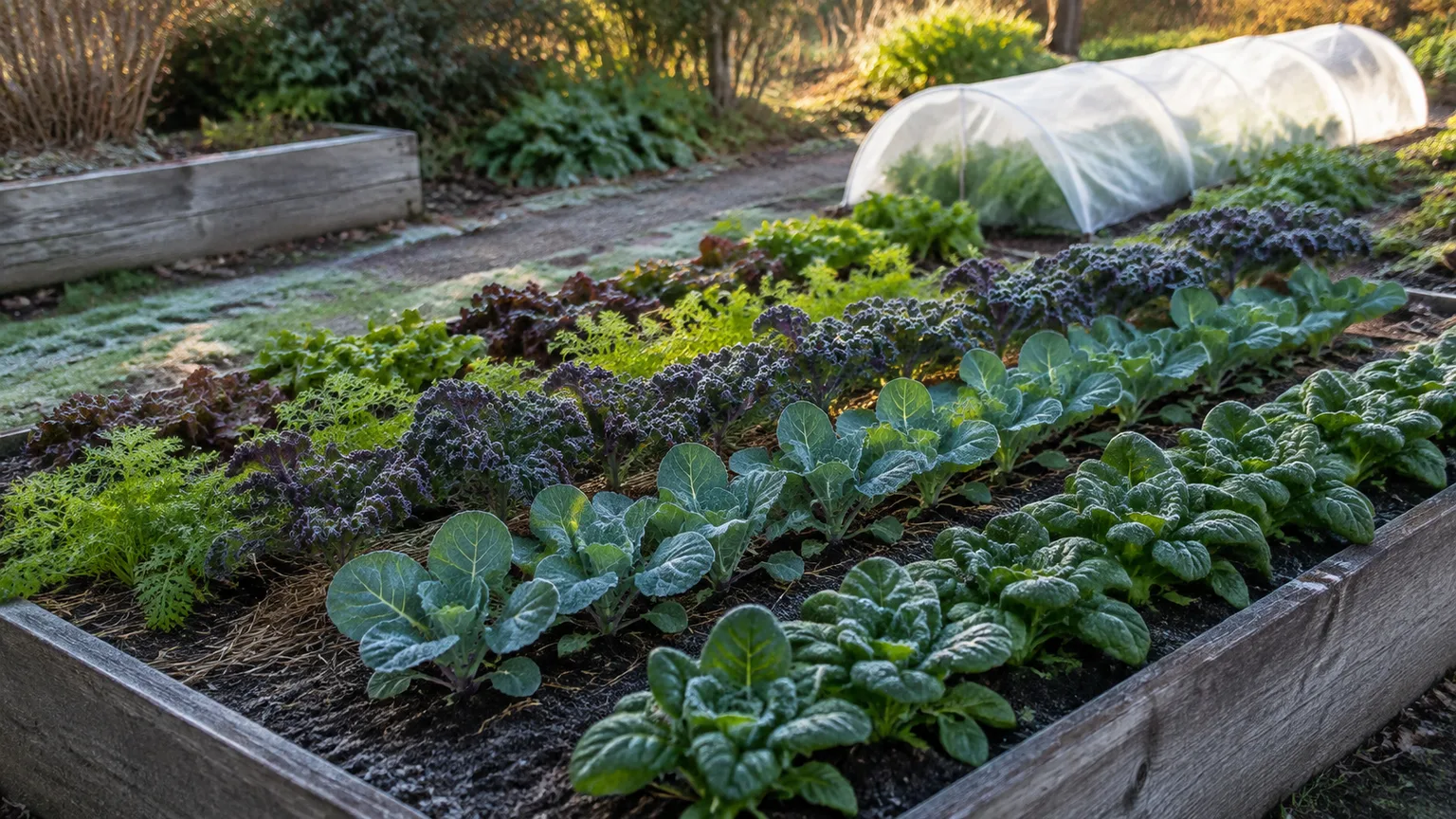
Harvest after morning dew dries and before the day becomes hot. Use clean, sharp scissors or pruners, and cut just above a leaf node so the plant can branch. Take no more than about one-third of a leafy plant at one time unless you are removing a plant at the end of its season.
Leafy herbs generally taste best before full flowering, although flowers can be edible and attractive. Harvest rosemary, thyme, oregano, and sage as leafy tips; strip leaves from woody stems after cutting. For seed herbs such as dill and cilantro, collect seed heads when they begin to dry but before they shatter.
Handle herbs gently. Remove damaged leaves, inspect for insects, and rinse under cool running water when needed. Dry surface water before storage or preservation. A basket of wet leaves left at room temperature can spoil faster than unwashed but clean-looking foliage.
Freeze Tender Herbs Before They Spoil
Freezing is usually the better choice for basil, cilantro, parsley, dill, chives, lemon balm, and mint when you want a fresh, green flavor in cooked dishes. Pat leaves dry, chop if useful, and freeze in a thin layer in a sealed freezer bag. Once solid, break off what you need.
For measured portions, pack chopped herbs into an ice-cube tray with a little water or oil, freeze, and transfer the cubes to a labeled freezer container. Oil-based cubes should remain frozen and be used in cooking, not left on the counter. Frozen herbs lose their fresh texture, so use them in soups, sauces, stews, and sautés rather than as a raw garnish.
Dry Woody Herbs Slowly and Thoroughly
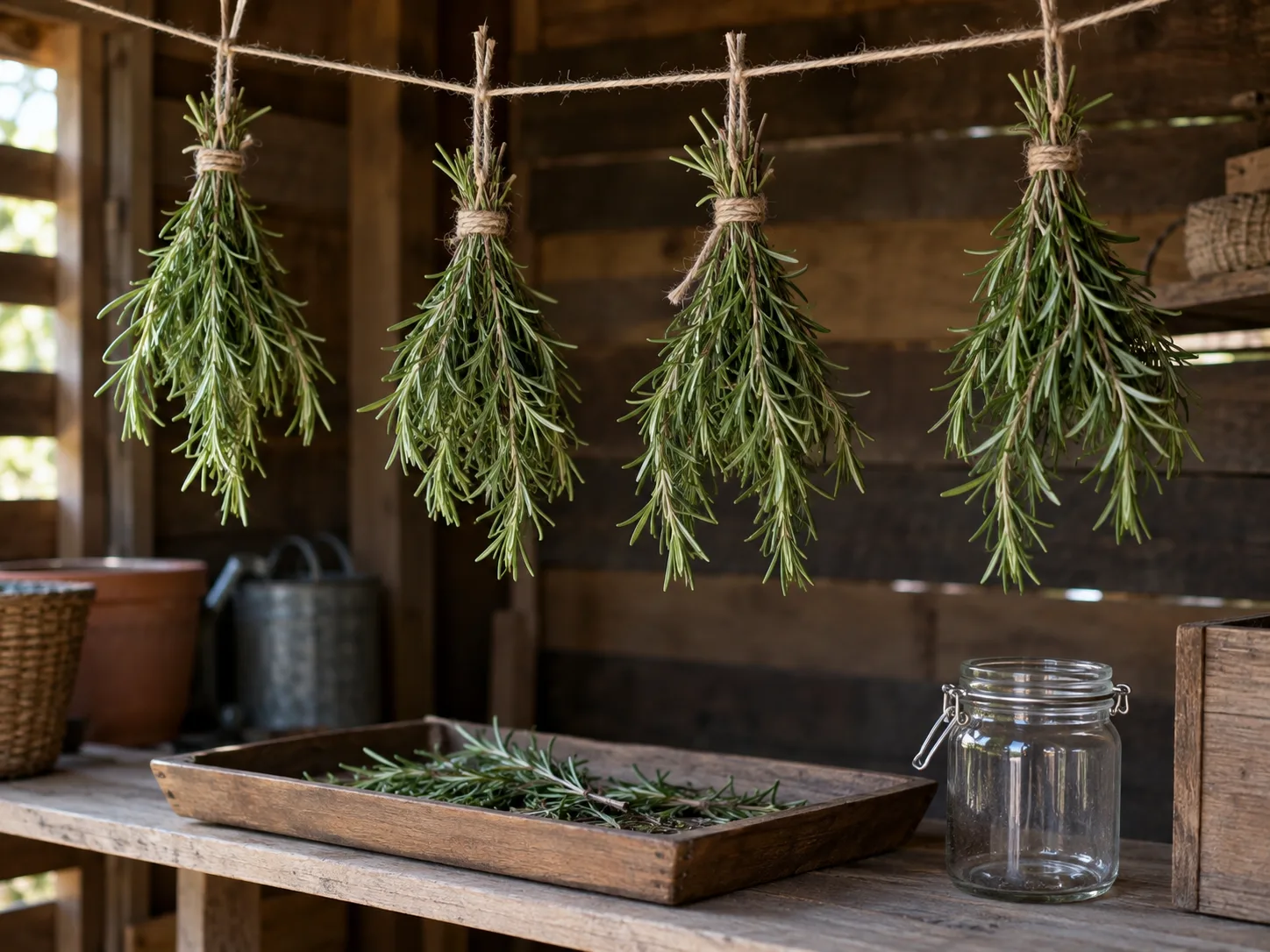
Rosemary, thyme, sage, oregano, and savory are good candidates for air-drying when weather is dry and air can circulate. Tie small bundles or spread stems in a single layer, out of direct sun, and check them regularly. Large damp bunches can mold in the center.
The herbs are ready when leaves crumble and stems snap rather than bend. Iowa State University Extension recommends drying herbs thoroughly and storing them in airtight containers; strip leaves from stems, store them whole or lightly crumbled, and label the jar with the herb and date. Keep dried herbs in a cool, dark cupboard. If a jar shows condensation or an off smell, discard it rather than trying to rescue the batch.
Refresh the Garden Through the Seasons
At the start of the season, clean containers, refresh only the depleted top layer of potting mix, and check drainage holes. Sow cool-season herbs while temperatures are mild, then wait for warm nights before planting basil. Midseason, sow small replacement batches of cilantro and dill, pinch basil, and remove diseased foliage promptly.
Before winter, decide which plants deserve protection and which are best replaced. Cut back only herbs that tolerate it, protect perennial crowns with a light mulch where appropriate, and move containers away from freezing wind. Keep rosemary and lavender drier in cold weather rather than treating them like thirsty annuals.
Keep a short garden note: planting date, first harvest, watering trouble, and which herbs you actually used. That record turns next year’s choices into local knowledge. Your own shade pattern and weather history will eventually be more useful than a generic planting calendar.
Conclusion: Build the Herb Garden You Will Use
Start small, give herbs the light and drainage they need, and group them by watering behavior. Put mint in its own container, succession-sow quick cool-season herbs, pinch leafy herbs before they flower, and preserve surplus while it is still fresh. A productive herb garden is a series of modest decisions repeated at the right time—not a perfect planting day.