How to Make Hibiscus Rebloom Before Fall
Learn how to make hibiscus rebloom with deadheading timing, watering fixes, light checks, pest control, and type-specific late-season care.
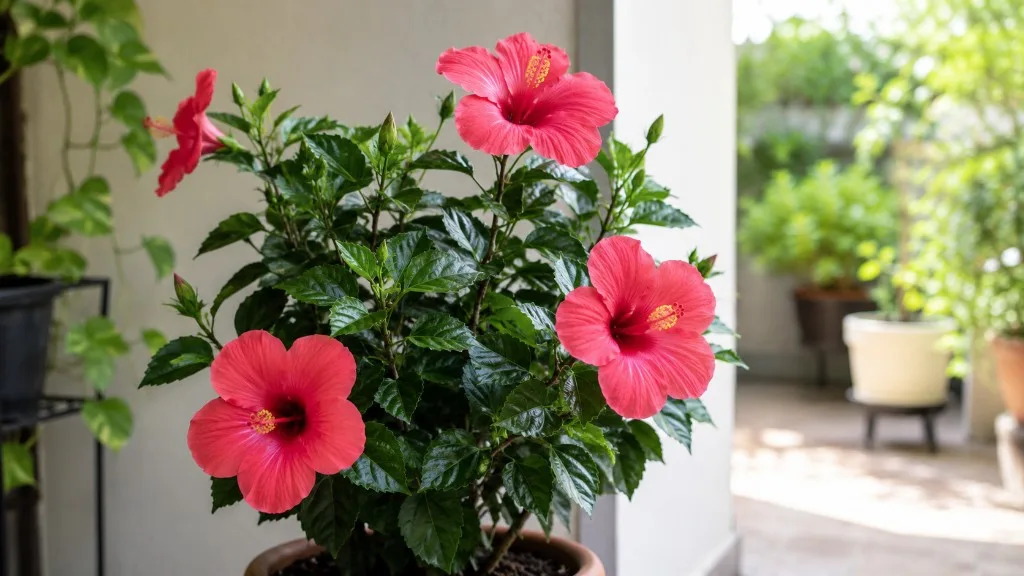
Late August and September are when many hibiscus plants look tired—fewer buds, faded flowers hanging on the stems, and gardeners wondering whether the show is over. It usually is not, at least not yet. Deadheading spent blooms before they form seeds is the fastest way to redirect a hibiscus back toward flower production, but reblooming also depends on sunlight, steady moisture, pest control, and knowing which kind of hibiscus you are growing.
Hardy rose mallow often flowers into early fall in many climates. Tropical hibiscus on a sunny patio can keep opening new buds until nights turn cold. Rose of Sharon may still be building its late-summer display on woody branches. The goal here is not to force impossible blooms out of a dormant plant—it is to remove the obstacles that steal energy from the final flush and give the plant the conditions buds need to form.
Why hibiscus can still bloom in late summer
Hibiscus is built for continuous flowering when conditions stay warm and bright. Individual flowers on many types last only one to two days, which is why a healthy plant can look covered in blooms one week and sparse the next if spent flowers are left in place. Each open flower is a brief event; the real show comes from the steady pipeline of new buds behind it.
The Royal Horticultural Society notes that tropical Hibiscus rosa-sinensis produces large showy blooms that last a day or two but can flower over an extended period in a warm, bright setting. Hardy Hibiscus moscheutos and related perennial types bloom on new growth and often peak mid to late summer, with many cultivars continuing into early fall where frost arrives late. That biology matters: reblooming is less about one magic product and more about keeping the bud pipeline open while removing finished flowers that trigger seed formation.
One-day flowers and why deadheading matters
When a hibiscus flower fades, the plant begins shifting resources toward seed development unless you remove the spent bloom first. Clemson HGIC states plainly that to encourage reblooming, growers should remove old flowers before they form seedheads or prune plants back by one-third after a flush of bloom is finished. Seed set is expensive for the plant. Every pod you prevent leaves more energy available for new buds on the same stem or on side shoots below the cut.
That is why deadheading feels like constant maintenance on hibiscus—it is. Check plants every two or three days during active bloom. A flower that looked perfect yesterday may be crumpled and brown today. Leaving it sends a hormonal signal that reproduction succeeded, which slows the urgency of new bud formation on some types and makes the plant look messy regardless.
Match the method to your hibiscus type
The word hibiscus covers herbaceous perennials, tender evergreen shrubs, and deciduous woody plants. Deadheading technique is similar—remove the spent flower and its developing seed structure—but water demand, frost tolerance, and realistic fall bloom windows differ sharply. If you are unsure which plant you have, compare stem texture, winter behavior, and leaf shape before you prune aggressively.
Hardy perennial hibiscus (rose mallow)
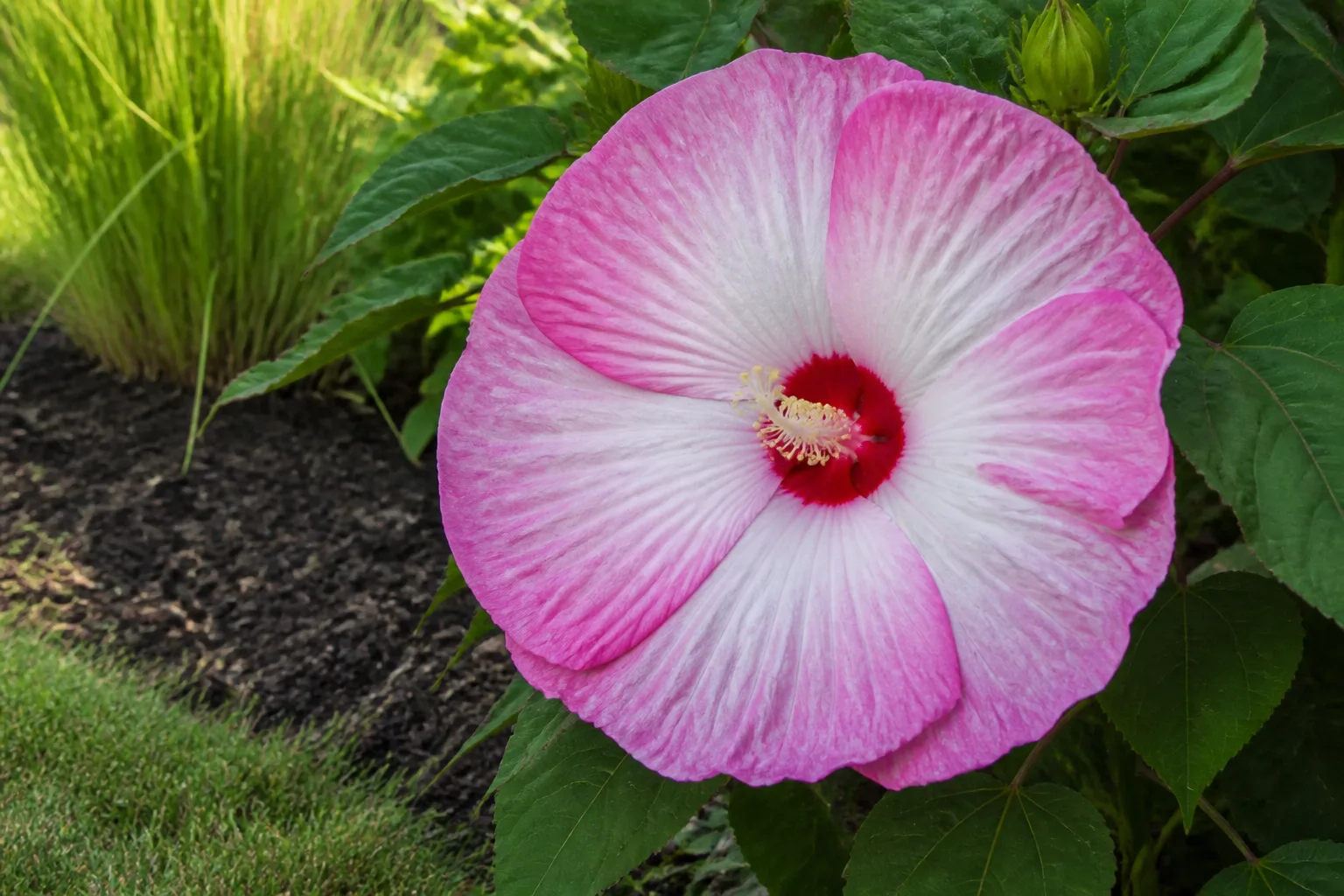
Hardy hibiscus, often called rose mallow or swamp rose mallow (Hibiscus moscheutos and hybrids), sends up soft green stems each spring from a persistent crown. It loves full sun and consistently moist soil, reflecting its wetland origins. Clemson HGIC describes scarlet rose mallow as preferring full sun and moist conditions, tolerating some flooding, and notes that best growth occurs when plants have ample moisture.
These plants can be six to eight feet tall by late summer and may bloom the same year from seed when moisture is steady. Deadheading works the same as on other hibiscus: snap or cut spent blooms before seedheads swell. Because stems are herbaceous, you can also cut the whole plant back by roughly one-third after a heavy flush if it becomes leggy or stops producing buds at the tips—do this early enough in the season that new growth has time to mature before your average first frost.
Tropical hibiscus in pots and patios
Tropical H. rosa-sinensis keeps woody stems and glossy evergreen leaves where winters stay warm. In containers on northern patios, it is a summer-only plant for most gardeners, moved indoors before nights fall into the low 50s °F. Clemson recommends bringing Chinese hibiscus indoors when nighttime temperatures drop into the lower 50s and feeding freely during outdoor summer growth.
For late-summer reblooming, tropical hibiscus needs maximum direct sun, warm roots, and deadheading every few days. Once you bring a pot indoors, bloom frequency usually drops with shorter days and lower light—even if the plant stays alive. Push for outdoor rebloom while temperatures still favor bud set; do not expect the same flower count in a dim room after September.
Rose of Sharon and other woody hibiscus
Rose of Sharon (H. syriacus) is a deciduous shrub with a persistent woody framework. It flowers in succession from midsummer into autumn on current-season wood, and the RHS plant profile describes trumpet-shaped flowers opening in succession over a long season. Deadheading spent blooms keeps the shrub tidy and can prolong the display, but do not confuse this plant with hardy rose mallow and cut it to the ground in fall.
Woody hibiscus tolerates rejuvenation pruning when leggy, yet heavy late-season cuts should wait for the appropriate dormant window if your priority is one more bloom cycle now. Focus on removing faded flowers and correcting culture rather than major structural pruning in September.
Deadhead hibiscus before seeds form
Deadheading is the highest-return task for late-summer rebloom on every hibiscus type covered here. The RHS deadheading guide explains that removing fading flowers redirects energy into more blooms rather than seed production and neatens the plant. On hibiscus, that redirect is especially visible because flowers turn over so quickly.
When to deadhead during the growing season
Start deadheading as soon as the first flowers fade in early summer and continue until you intentionally stop for fall/winter prep. In late summer, increase your pass frequency if you want a final flush: every two to three days on actively blooming plants. Stop deadheading only when frost is imminent and you are shifting to hibiscus fall care rather than chasing open flowers.
If blooms are sparse because of drought, shade, or pests, deadheading alone will not create buds that are not forming. Fix the underlying issue first, then deadhead to keep the plant from wasting energy on the few flowers it does produce.
Step-by-step deadheading method
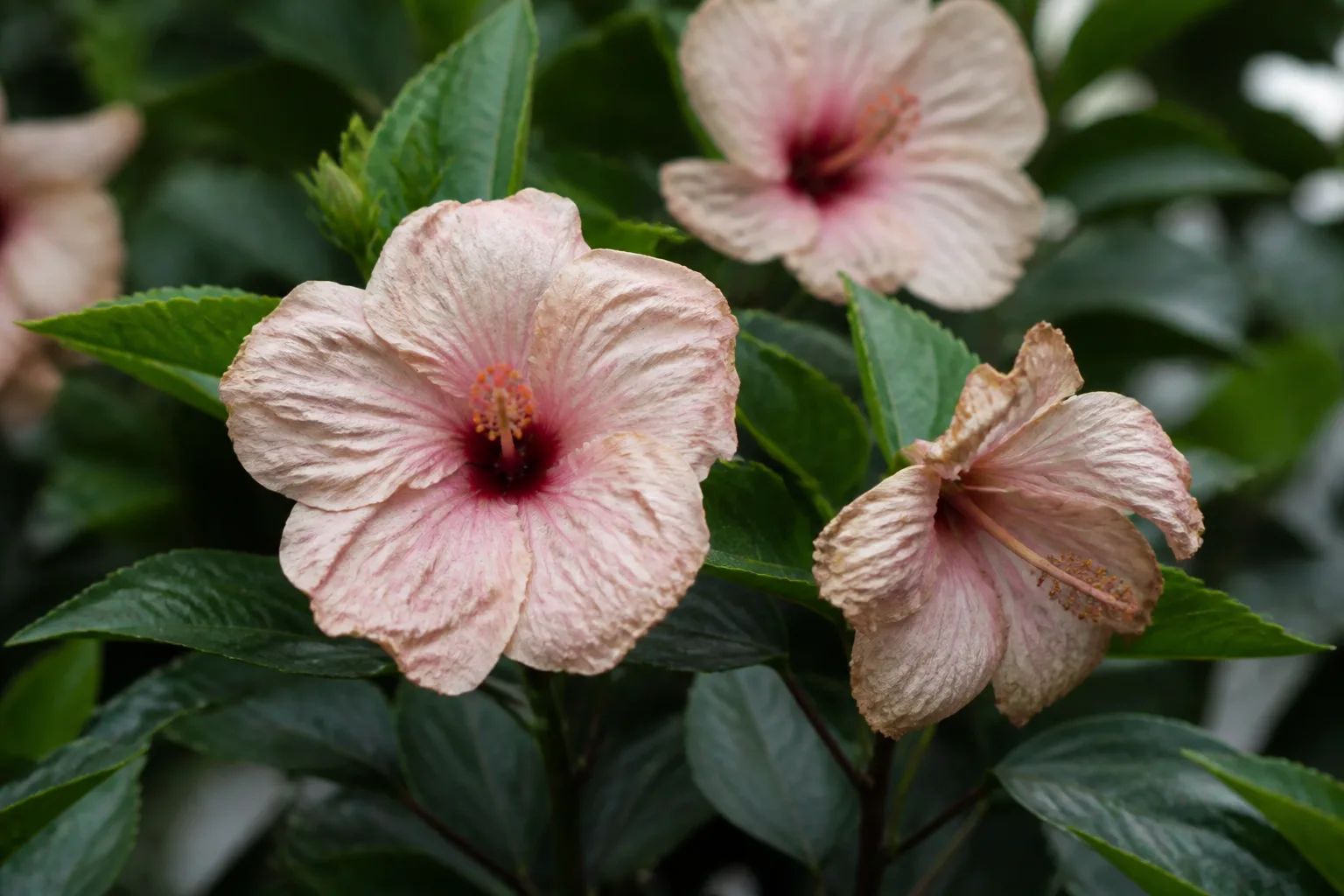
Follow the flower stalk down to the first healthy leaf or side branch below the spent bloom. On many hibiscus, the flower attaches to a short stalk above a leaf joint; cut or pinch just above that leaf, not halfway down bare stem. Use sharp bypass pruners on woody tropical stems; pinching works on soft hardy hibiscus if stems are tender.
Remove the entire faded flower including the swollen base if seed formation has started. If the base is green and plump, you are still in time. If it is dry and brown with split sections, seed development is advanced—remove it anyway, but expect fewer immediate buds from that node. Wipe pruner blades with rubbing alcohol when moving between plants if you saw mold, rust, or suspicious spotting on spent blooms.
Work in the cool part of the day and avoid stripping healthy buds below your cut. Buds are often clustered near stem tips on tropical hibiscus; look before you snip.
Optional light cutback after a big flush
Clemson HGIC offers a second reblooming tool: prune plants back by one-third after a flush of bloom is finished. This is not the same as deadheading individual flowers—it resets leggy stems and forces branching lower on the plant. Use it when the top third of a hardy or tropical hibiscus has bloomed out and looks bare above a wall of green leaves.
Timing matters. On hardy hibiscus, make this cut at least six to eight weeks before your typical first frost so new shoots can harden and set buds. On tropical patio plants, a modest cutback in late summer can work if nights remain warm; avoid heavy pruning within two weeks of moving the pot indoors, because the plant needs foliage to recover from root disturbance and lower light.
Fix the culture problems that stop reblooming
Deadheading removes a drain on the plant; culture supplies the fuel. Late-summer rebloom fails most often when sunlight drops, soil moisture swings between soggy and dry, or feeding pushes leaves instead of buds. Address these before reaching for bloom booster.
Sunlight and bud formation
Hibiscus is a sun plant. Hardy types want full sun for the strongest flower count; tropical hibiscus needs at least six hours of direct sun daily, with more producing tighter growth and heavier bud set. If your plant sits where it receives bright indirect light only—under a porch roof, beneath a tree that filled in, or on the north side of a fence—late-season bloom will taper off even with perfect deadheading.
Move containers gradually into stronger light over five to seven days to prevent leaf scorch. In-ground plants may need selective limb thinning on overhanging trees or relocation when young; mature specimens are harder to fix quickly. For deeper diagnosis, see no flowers on hibiscus and confirm you are counting direct sun on leaves, not general garden brightness.
Moisture extremes and bud drop
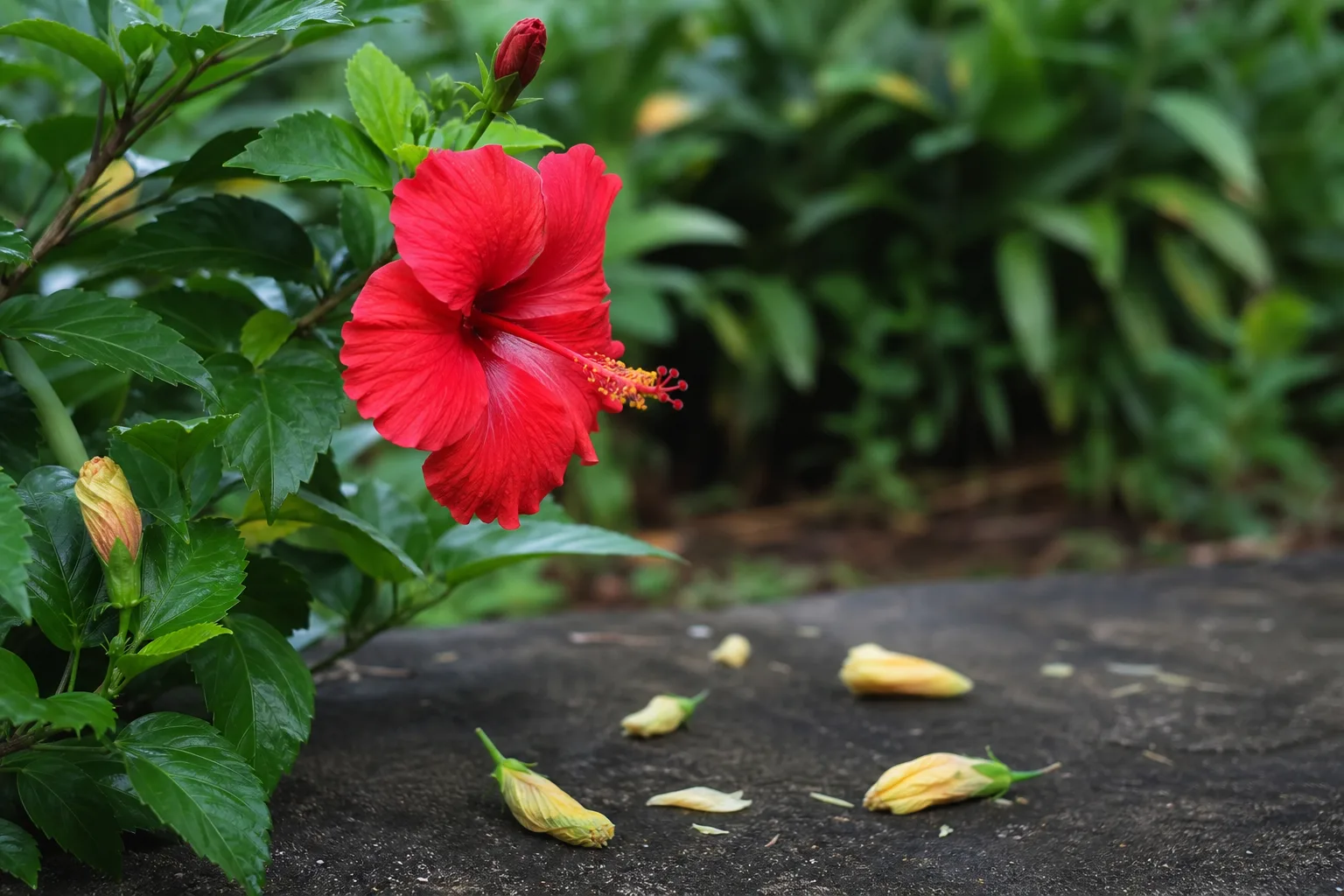
Cornell Cooperative Extension horticulturists frequently cite moisture extremes as a primary reason hardy hibiscus underperforms. Rose mallow evolved in damp soils; drought stress during bud formation causes buds to yellow, shrink, and drop before opening. Overwatering in heavy clay without drainage causes a different failure mode—root stress, yellow lower leaves, and weak top growth—but the symptom gardeners notice is still missing flowers.
Aim for consistently moist, well-drained soil, not alternating flood and desert. For containers, water when the top inch of mix begins to dry, then soak until water runs from drainage holes. For in-ground hardy hibiscus, mulch two to three inches to reduce evaporation but keep mulch off the crown. During heat waves, check daily; during cool September rains, back off before soil stays saturated.
Late-summer feeding without pushing tender growth
Hibiscus is a heavy feeder during active summer growth, but late-season fertilizer requires restraint. A potassium-forward ratio supports flowering better than high-phosphorus bloom boosters, which can accumulate and interfere with micronutrient uptake on container plants. If you fed regularly through July, a half-strength application in early August may help a final flush on tropical or hardy plants still in full sun and active growth.
Stop routine feeding six to eight weeks before your average first frost on in-ground hardy hibiscus, and taper container feeding as you prepare tropical plants for indoor transition. Late nitrogen pushes soft tissue that frost damages easily and can reduce bud initiation if the plant prioritizes leaf expansion. For feeding specifics, see the hibiscus fertilizer guide.
Why hibiscus stops blooming late in the season
When deadheading and basic culture look correct but buds still fail, work through this diagnostic list before assuming the season is over.
Drought stress and wilted buds
Bud drop on hibiscus often traces to rapid soil drying during hot afternoons. Leaves may look fine in the morning, then wilt by midafternoon; small buds at the tips turn yellow and fall. This is common on root-bound container plants and on in-ground specimens near thirsty tree roots. Increase water frequency, shade pots briefly during extreme heat spikes, and consider repotting next spring if roots circled the container all summer.
Too much shade or recent moves
Plants recently moved from greenhouse to patio, or from full sun to a shadier spot for “protection,” frequently abort buds while adjusting. Light change is a bloom killer. Return the plant to the sunniest stable location and accept a two- to four-week pause before new buds appear. Indoor/outdoor transitions for tropical hibiscus in early fall produce the same stall—plan bloom expectations accordingly.
Excess nitrogen and weak flower set
Lush dark green leaves with long internodes and no buds usually mean too much nitrogen relative to light and potassium. Flush container soil with plain water if salt buildup is suspected, stop high-nitrogen feeds, and resume a balanced or potassium-forward program only if the plant still has warm weeks ahead. On in-ground plants, back off lawn fertilizer overspray near the root zone.
Pests that steal the late-season bloom flush
A plant busy replacing chewed leaves or fighting sap-sucking insects has less energy for buds. Late summer is when pest pressure peaks on stressed hibiscus.
Hibiscus sawfly and chewed spring foliage
The hibiscus sawfly larvae feed on foliage in spring and can strip leaves quickly on hardy hibiscus. Master gardeners at Cornell note that while the plant is rarely killed, severe defoliation weakens it enough to reduce or eliminate bloom that same season. By late summer you may see ragged older leaves and sparse new growth rather than active larvae, but the damage is done.
Inspect leaf undersides in spring next year and treat early with insecticidal soap or horticultural oil when larvae are small. For current-season recovery, maintain moisture and light, deadhead spent blooms, and avoid heavy nitrogen. The Connecticut Agricultural Experiment Station hibiscus profile lists sawfly among key pests worth monitoring on ornamental hibiscus.
Aphids, spider mites, and sticky leaves
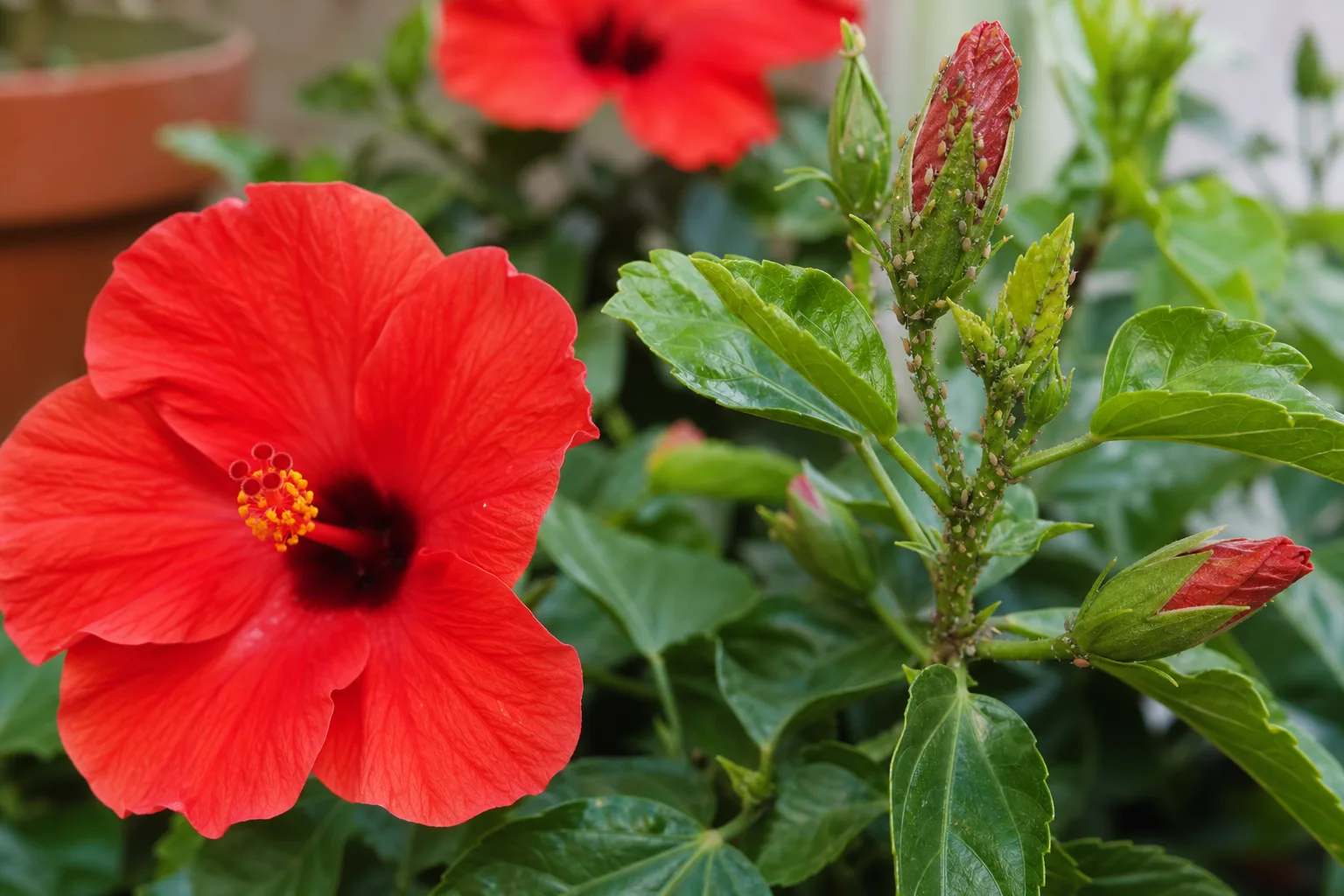
Aphids cluster on tender tips and bud stems, distorting growth and leaving sticky honeydew. Spider mites thrive in hot, dry microclimates, causing stippled yellow leaves and fine webbing. Both reduce bud count even when flowers occasionally open.
Knock down aphids with a strong water spray on sturdy plants, then follow with insecticidal soap on recurring clusters. For mites, increase humidity around container plants and use horticultural oil on leaf undersides during cooler morning hours. Isolate heavily infested tropical pots before bringing them indoors so pests do not spread to houseplants. More detail: aphids on hibiscus and spider mites on hibiscus.
Late-summer checklist for one more bloom cycle
Use this sequence on a slowing hibiscus in August or September when frost is still weeks away:
- Confirm the plant type (hardy perennial, tropical container, or Rose of Sharon) so pruning depth and frost expectations match.
- Deadhead all spent blooms before seedheads form; repeat every two to three days while weather stays warm.
- Verify six or more hours of direct sun on tropical and hardy bloomers; relocate pots gradually if not.
- Keep soil consistently moist but drained; never let hardy rose mallow dry to wilting during bud set.
- Inspect stems, buds, and leaf undersides for aphids, mites, and sawfly damage; treat before fertilizing.
- Apply half-strength potassium-forward feed only if the plant is actively growing in full sun and nights remain warm.
- Consider a one-third cutback only on leggy plants with six to eight frost-free weeks remaining.
If buds still fail after two weeks of corrected care, the issue may be cultivar timing rather than maintenance—some hardy types simply finish by September in short-season climates. Shift focus to fall hibiscus care instead of forcing blooms.
When to stop pushing blooms and prepare for fall
Reblooming has a cutoff. When nights regularly fall below 50 to 55°F (10 to 13°C), tropical hibiscus bud set slows sharply; bring containers indoors before damage, following gradual acclimation. On hardy hibiscus, let the plant finish its natural fall decline—deadhead for tidiness if you prefer, but avoid heavy pruning or late nitrogen that stimulates tender growth frost will kill.
First frost ends the outdoor tropical bloom campaign entirely. Hardy perennial hibiscus may hold a few last flowers into early fall where autumns stay mild, then stems collapse after hard frost. That is normal dormancy, not failure. Transition from rebloom mode to winter prep: reduce feeding, manage water for cooler soil, inspect for pests before indoor moves, and use the hibiscus fall care guide when bloom chasing stops making sense.
For species-level context and year-round habits, see the hibiscus growing guide, types of hibiscus, and hardy hibiscus plants pages.
Conclusion
Making hibiscus rebloom before fall is mostly about removing spent flowers before seeds form and then supplying the conditions buds need: full sun, steady moisture, early pest control, and restrained late feeding. Hardy rose mallow, tropical patio hibiscus, and Rose of Sharon all benefit from regular deadheading, but each has a different fall cutoff and pruning limit.
Start with deadheading if culture already looks sound. If buds are absent—not just faded—fix light and water first, then inspect for sawfly damage, aphids, and mites. A modest cutback after a finished flush can restart branching on leggy plants when frost is still far enough away. When nights turn cool, stop pushing flowers and shift to fall and winter care so the plant enters dormancy or indoor storage healthy enough to bloom stronger next year.



