7 Natural Ways to Keep Moles Out of Your Yard
Molehills ruining your lawn? Try seven natural mole deterrents—castor oil, border plants, coffee grounds, and more—with honest limits and a 21-day plan that actually works.
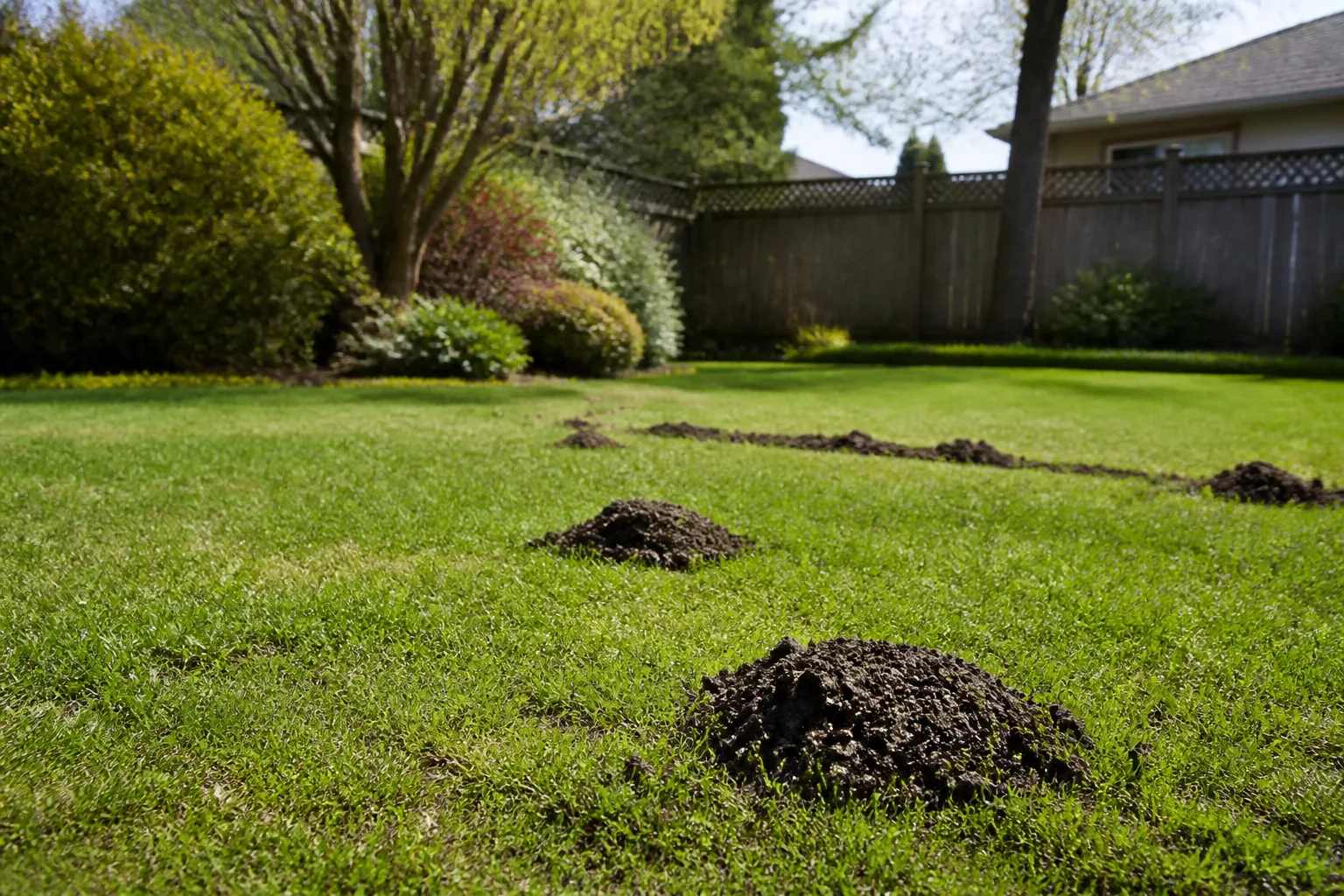
Fresh molehills across a lawn look like someone took a teaspoon to your pride. You want the tunnels gone, but you do not want poison pellets, fumigants, or a chemical blanket that could hurt pets, kids, or the birds that patrol your yard at dawn.
Seven natural mole deterrents can nudge moles toward a neighbor’s softer ground—but none of them guarantee permanent removal on their own. Castor oil, repellent plants, coffee grounds, garlic-chili sprays, ground vibrations, tunnel flooding, and predator-friendly habitat all work best when you treat active tunnels, stack methods in sequence, and accept that moles are insectivores chasing grubs and earthworms through soil that already suits them (Penn State Extension).
This guide walks through each natural option with mix rates, timing, honest limits from cooperative extension research, and a 21-day plan so you know what to try first and when to escalate.
Why Natural Mole Control Starts With Realistic Expectations
Natural does not mean effortless. Moles eat 70 to 100 percent of their body weight daily in grubs, beetle larvae, and earthworms while patrolling extensive tunnel networks (Penn State Extension). A smell that irritates one short tunnel segment is easy to bypass—and moles routinely abandon old runs for fresh hunting lanes.
Penn State Extension is blunt: there are no chemical repellents currently registered for use on moles; registration for the castor-oil product Mole-Med was canceled in 2005. Electronic, magnetic, and vibration devices promoted online have not been proven effective in extension testing either (Penn State Extension). NC State Extension adds that mole management has no easy answers, and trapping remains the most successful practical method when damage is unacceptable (NC State Extension).
That framing matters. Natural solutions are low-toxicity experiments and habitat adjustments, not a magic wand. They shine when you catch activity early, protect a defined zone, and combine odor, vibration, and food-supply tweaks before a single mole turns your side yard into a subway map.
What Moles Are Hunting Under Your Turf
Moles prefer loose, moist soil rich in grubs and earthworms—exactly what many well-watered suburban lawns provide (Penn State Extension). Three to five moles per acre already counts as a high population, so one visibly busy yard is often one or two animals, not a platoon (Penn State Extension).
They are insectivores, not rodents. Grain-based poison baits often fail because moles are not looking for seeds—they want live prey underground. Reducing white grubs can help only if grubs were the main draw and neighboring lawns are not equally attractive (Penn State Extension; NC State Extension). Killing earthworms to starve moles can backfire: worms are a primary food source, and broad insecticides may harm ground-feeding birds (Penn State Extension).
Before you scatter coffee or spray castor oil, decide whether the mole’s soil-aeration benefits outweigh the cosmetic damage—or whether the tunnels have crossed your tolerance line.
How to Test Whether a Tunnel Is Still Active
Every natural method fails faster when you treat abandoned tunnels. Moles dig many shallow feeding paths they never revisit; only some runs see regular traffic (Penn State Extension).
Active-tunnel test:
- Choose straight surface ridges with fresh soil disturbance—not random collapsed lines after rain.
- Step on several tunnel sections to mash them flat, or remove a 1-inch plug of the tunnel roof.
- Wait 24 hours and check which sections are raised or repaired.
- Treat and monitor only those reopened runs.
Mark active zones with small flags so you are not guessing after the next mowing pass. If nothing reopens in 48 hours, the mole may have moved—or you are looking at old damage from a prior animal.
Make Sure Moles—Not Voles or Shrews—Are the Problem
Spraying garlic into a vole runway wastes time and vinegar. Each animal leaves a different signature, and only moles build the classic cone-shaped molehill with a soil plug in the center (Penn State Extension).
Ground moles are six to eight inches long with tiny eyes, velvety fur, and powerful digging forefeet. You will almost never see the animal itself. Voles (meadow mice) clip grass into above-ground runways and gnaw roots, bulbs, and bark. Shrews are smaller—three to four inches—with pointed snouts; they may use mole tunnels but do not create molehills (Penn State Extension).
Plant damage blamed on moles is often indirect. Voles and mice travel through mole runways to reach tubers and seeds. Moles may disturb roots while tunneling but rarely eat ornamental plants or vegetables (Penn State Extension). For a full ID walkthrough, see our guide on the difference between a mole and a vole.
Molehills, Ridges, and the Lawn Damage You See
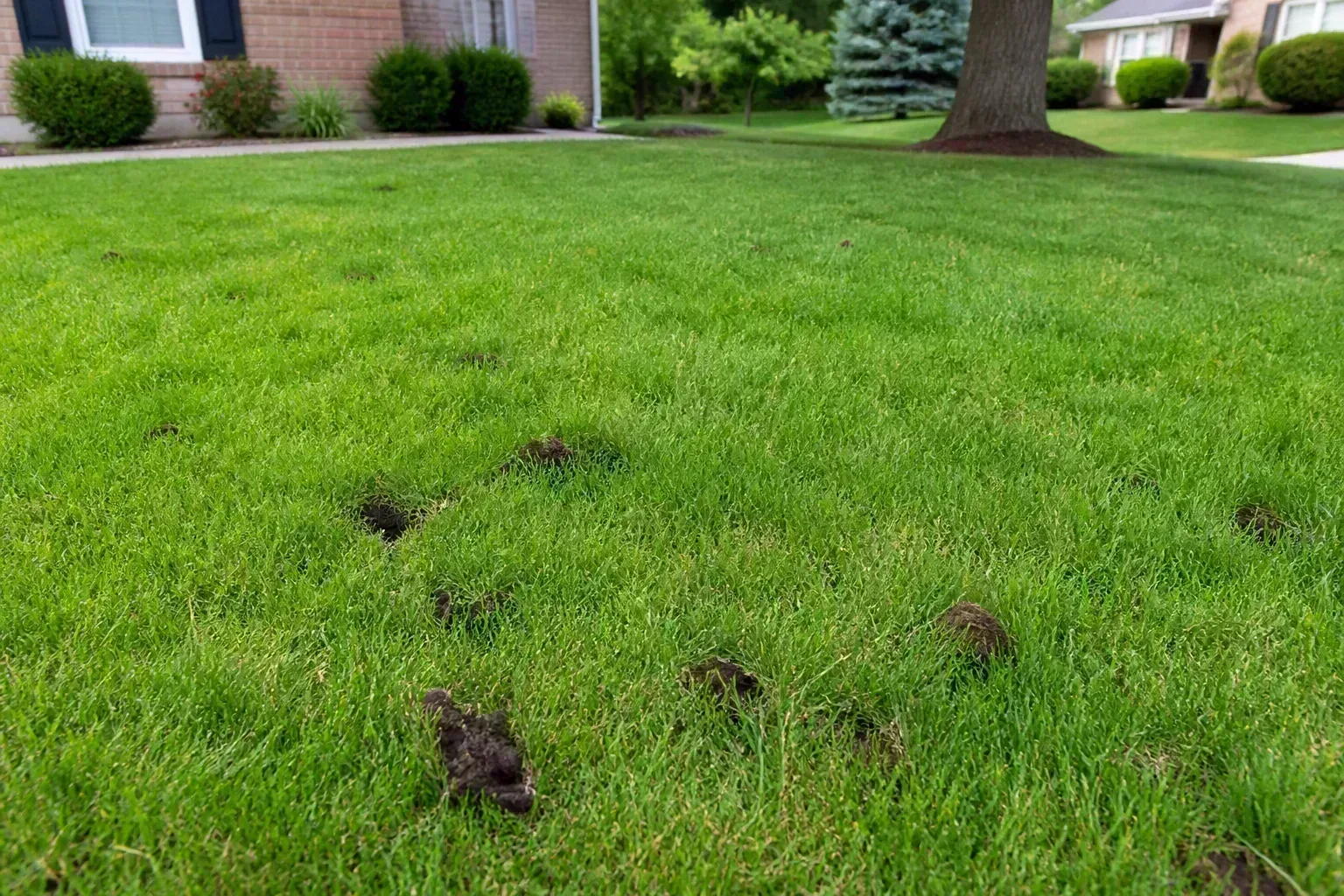
Two tunnel types drive control decisions:
- Deep runways (12–18 inches down) connect dens to hunting grounds. Surface clues are molehills: circular mounds with concentric ripple marks from each shovelful of soil pushed up.
- Shallow hunting tunnels (about 1¼–1½ inches wide) create raised ridges you feel when walking the lawn. Grass may brown where roots were disturbed or exposed to air (Penn State Extension).
The cosmetic headache—soft spots for mowing, volcano-shaped piles in pristine turf—comes from this shallow network. NC State Extension notes moles also aerate soil and consume white grubs that damage turf, so many managers tolerate low populations until damage spikes (NC State Extension). Your natural-control plan should start before molehills multiply across the entire lawn.
Choose the Right Natural Tool for Your Situation
Not every yard needs all seven methods on day one. Match the tool to how entrenched the problem is and what you are willing to maintain.
| Situation | Start here | Add next | Skip or delay |
|---|---|---|---|
| One fresh molehill, first sighting | Active-tunnel test + castor oil on reopened runs | Coffee or garlic spray on same runs | Sonic stakes (unproven cost) |
| Several ridges, weekly new hills | Castor oil broadcast on active zones + border plants on beds | Grub check; habitat/predator tweaks | Flooding entire yard |
| Moles only near one garden bed | Repellent plant border + castor on bed perimeter | Hardware-cloth exclusion on high-value beds | Lawn-wide sonic devices |
| Chronic damage after 3 weeks of odors | Trapping on active straight runs | Grub reduction if signs of lawn grubs confirm a buffet | More castor volume |
Quick Matrix: When Each Natural Method Makes Sense
Castor oil — best first-line odor treatment for lawns; needs rain-aware reapplication.
Repellent plants — long-game border strategy for beds and paths; weak as a solo lawn fix.
Coffee grounds — cheap spot treatment on active molehills; fades fast.
Garlic-chili spray — targeted tunnel injection when you want stronger scent than coffee.
Vibrations and sonic stakes — low evidence per extension; okay as a low-cost add-on, not a foundation.
Flooding — short push on a single active run after rain; not a yard-wide solution.
Predators and habitat — months-long investment; excellent companion, not an overnight eviction.
Natural Solution 1: Castor Oil Lawn Treatments
Castor oil is the most widely used natural mole repellent homeowners reach for—and the one with the longest track record in garden folklore, even though it is not an EPA-registered mole product today (Penn State Extension).
The theory: castor oil irritates moles’ digestive tracts when they groom contaminated fur and may make treated soil less pleasant to hunt in. In practice, castor oil disturbs activity in treated patches more often than it clears an entire property. Moles can route around treated soil if grubs and worms remain abundant next door.
Commercial castor-based granules and hose-end sprayers exist, but you can mix a simple emulsion at home.
Mix, Spray, and Reapply Castor Oil Correctly

Homemade castor oil emulsion:
- Blend 3 parts castor oil with 1 part mild dish soap to help the oil disperse in water.
- Add 4 tablespoons of that mixture per gallon of water in a pump sprayer.
- Spray active runways and molehills until soil is moist—not saturated pools that run off into storm drains.
- Reapply after heavy rain or every 7–10 days during wet seasons while you monitor for new ridges.
For larger lawns, work in 10 × 10 foot sections flagged as active rather than broadcasting blindly across dormant tunnels. Pair castor oil with our vinegar perimeter protocol on fence lines if you want a dual-odor edge after the castor pass dries.
Limits: Castor oil is a nudge, not a fence. Penn State Extension groups castor bean plants (Ricinus communis) with doubtful repellent value—and warns they are poisonous to humans and can escape cultivation as weeds (Penn State Extension). Stick to oil applications, not planting castor beans, unless you fully accept toxicity and invasiveness risk.
Natural Solution 2: Mole-Repelling Border Plants
Strategic planting can make specific beds less inviting by adding root and foliage scents moles dislike—if those scents reach the tunnel zone. This is a perimeter and garden-bed strategy, not a reliable whole-lawn shield.
Penn State Extension notes that marigold borders may repel moles from gardens, although the method has not been scientifically tested (Penn State Extension). Gardeners also report success lining paths with garlic, onions, and other alliums, plus daffodils and fritillarias, whose bulbs and roots carry strong compounds.
Plants That May Help—and Toxic Ones to Avoid
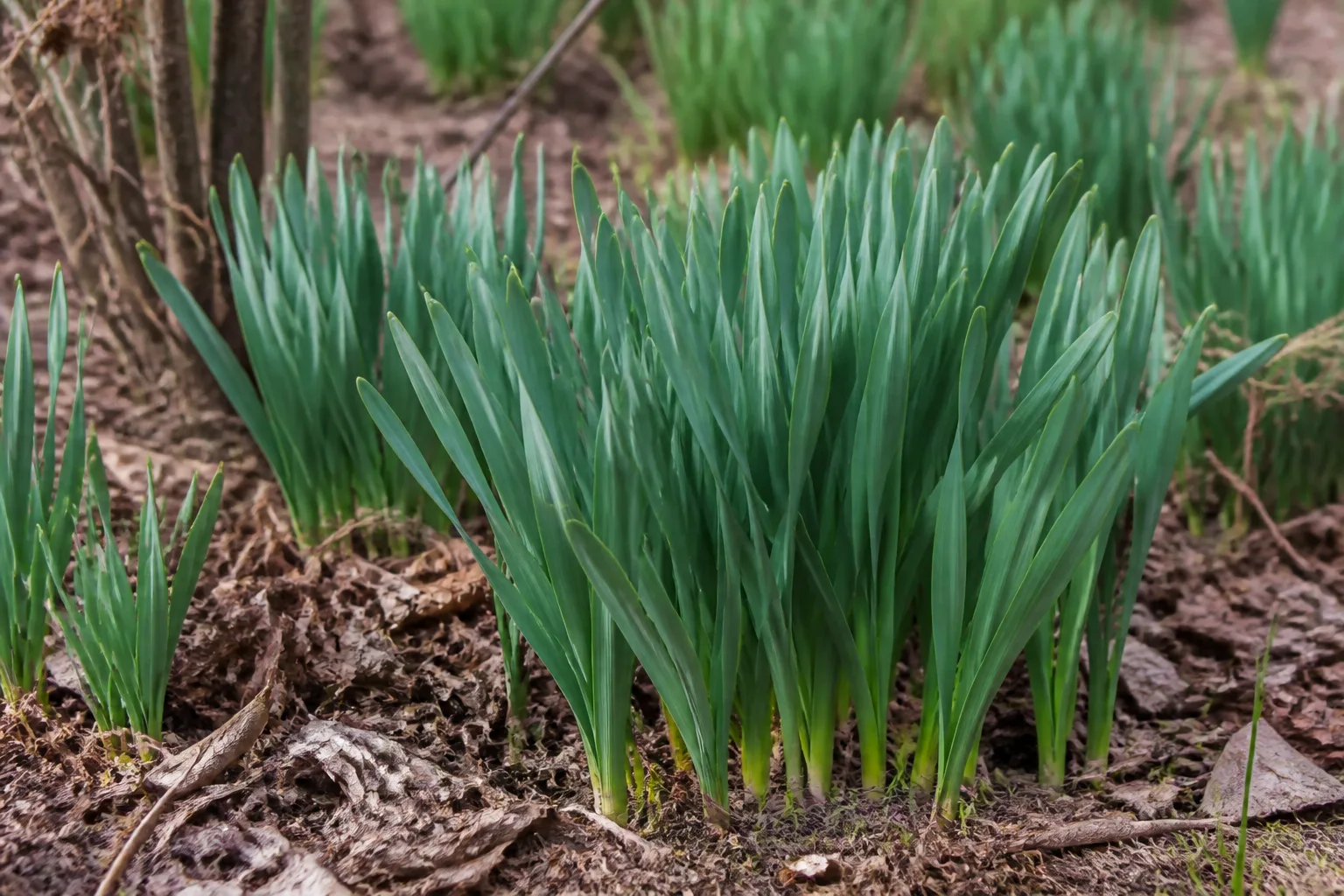
Worth trying along bed edges and fence lines:
- Alliums (garlic, onions, chives) — strong sulfur compounds in roots
- Marigolds (Tagetes) — commonly planted as a garden border
- Daffodils and fritillarias — toxic bulbs many burrowing animals avoid
Plant in dense strips where tunnels meet beds—not one lonely marigold in a quarter-acre lawn. Combine with castor oil on the lawn side of the border for a one-two odor push.
Skip or think twice:
- Mole plant (Euphorbia lathyris) — marketed as a repellent; NC State Extension reports no research supporting the claim (NC State Extension).
- Castor bean (Ricinus communis) — doubtful efficacy, high human toxicity, weed risk (Penn State Extension).
Repellent plants are a slow, structural deterrent. Expect seasons, not weekends, before you judge results.
Natural Solution 3: Coffee Grounds on Active Runs
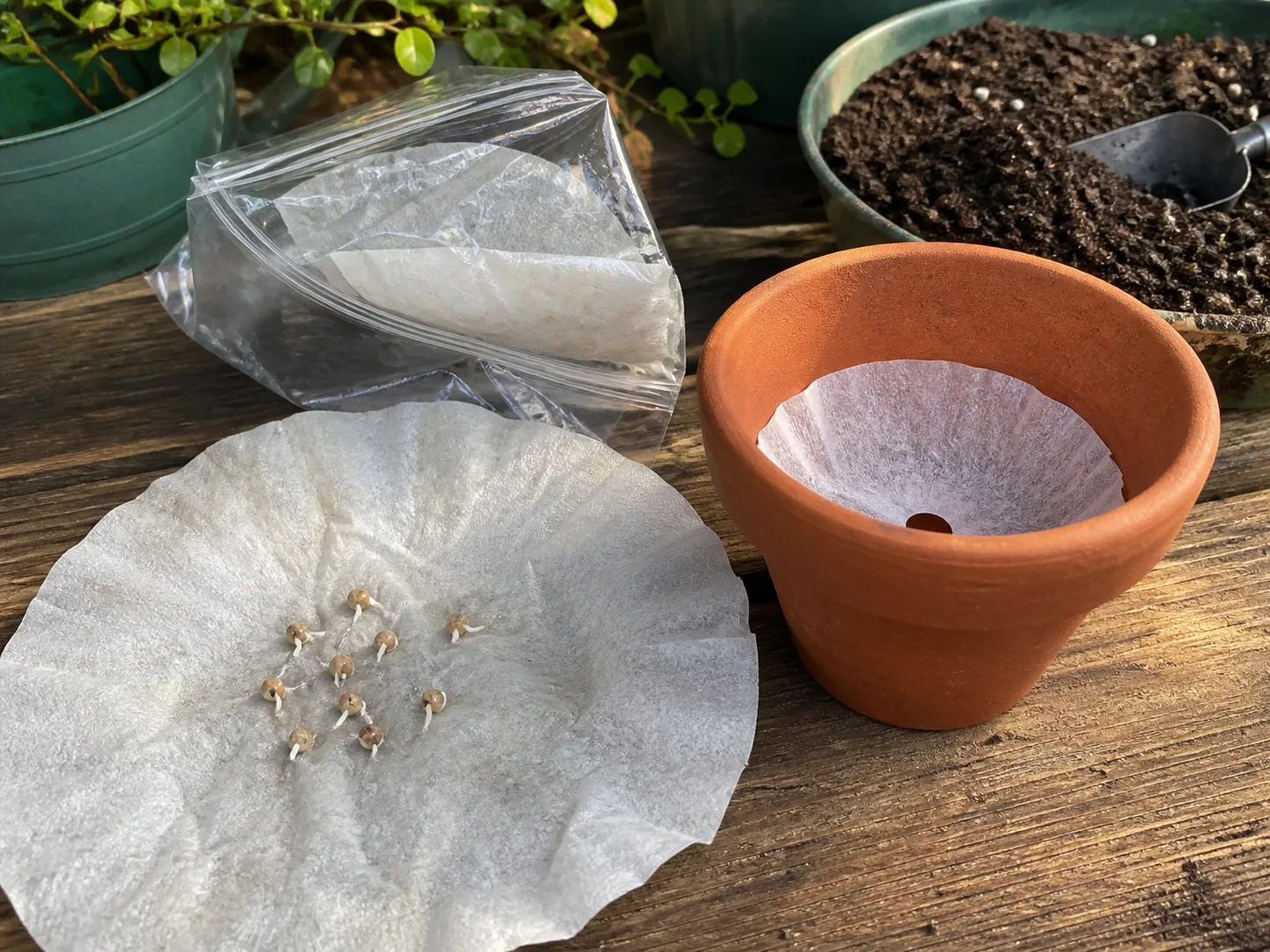
Used coffee grounds are a pantry favorite because moles have sensitive noses and the grounds add slight acidity at the soil surface. The effect is real but temporary—rain, irrigation, and soil microbes dilute the smell within days.
How to apply:
- Confirm the tunnel is active with the mash-down test.
- Sprinkle a handful of used grounds around the molehill opening and along a short section of raised ridge—not across the entire yard.
- Refresh after rain or weekly while monitoring for new pushes elsewhere.
Coffee shops often give away spent grounds free if you are not a daily brewer. Grounds can modestly improve organic matter in planting beds, but do not substitute coffee for compost on large lawn areas.
Limits: Coffee grounds will not starve a mole that can detour six feet into untreated turf. Use them as a spot treatment stacked with castor oil, not as standalone lawn-wide control. For broader soil-amendment context, see whether coffee grounds actually improve soil in your beds—separate from mole work.
Natural Solution 4: Garlic and Chili Pepper Tunnel Spray
When castor oil and coffee feel too mild, a garlic-chili spray delivers a sharper odor directly into the tunnel system. Capsaicin and sulfur compounds irritate sensitive noses; the goal is to make one runway unpleasant enough that the mole opens a path toward untreated ground—ideally off your property.
Basic recipe:
- Blend 4–6 garlic cloves and 1–2 hot peppers with 2 cups water.
- Strain through cheesecloth into a spray bottle or pump sprayer.
- Add 1 teaspoon mild dish soap as a sticker.
- Pour or spray into active tunnel openings after poking a small access hole; do not collapse the entire runway.
- Reapply after rain; wear gloves and avoid splashing eyes.
This pairs well with our vinegar-based mole deterrent guide on fence lines and shed skids where you want a lingering edge scent without soaking turf foliage.
Limits: Garlic-chili spray can burn plant leaves if oversprayed on grass or ornamentals. Keep applications in tunnel openings and bare soil at molehills, not across garden foliage. Like all odor tools, it loses to an easy food supply—see signs you have lawn grubs if ridges keep appearing despite strong smells.
Natural Solution 5: Vibrations, Pinwheels, and Sonic Stakes

Garden-center shelves overflow with wind pinwheels, decorative stakes, and solar ultrasonic mole spikes that promise hands-off control. The appeal is obvious: stick them in the ground and wait.
Penn State Extension’s position is clear: electronic, magnetic, and vibration devices have not been proven effective at repelling moles (Penn State Extension). NC State groups electromagnetic devices with unproven methods (NC State Extension).
Moles do notice ground disturbance—but a point-source vibration covers a tiny radius compared with a foraging zone that may span an acre or more (Penn State Extension). At best, an animal might avoid the immediate inches around a stake while continuing to tunnel nearby.
If you try them anyway:
- Place pinwheels or stakes along active straight runs, not random lawn zones.
- Run the mash-down test before and two weeks after installation; fresh ridges on the same run mean failure.
- Treat sonic spikes as a low-cost experiment, not your primary plan.
For a deeper efficacy breakdown, read do natural mole repellents work before buying a dozen solar units.
Natural Solution 6: Flooding Active Mole Tunnels
Flooding sounds satisfying: open a hose, watch water disappear, imagine the mole fleeing in panic. Penn State Extension lists flooding among live-capture and harassment tactics—a mole occasionally can be driven to the surface when a runway system is saturated (Penn State Extension).
In practice, flooding is a short-term push, not permanent control.
When flooding helps:
- One active run after recent rain when soil already holds moisture
- Combined with castor oil or garlic on adjacent untreated ground the mole might move toward
- As a harassment step before trapping on a confirmed active line
How to flood without wrecking the lawn:
- Identify an active straight tunnel—not a molehill alone.
- Insert a hose gently into an opening; run water at moderate flow for several minutes until the tunnel accepts water.
- Watch for surfacing activity at other openings; do not chase the animal with a shovel unless local laws allow immediate control.
- Stop before erosion under sidewalks or into basement window wells.
Limits: Clay soil sheds water; sandy soil drains too fast. Deep den systems may never fill. Flooding entire yards wastes water, loosens turf, and rarely evicts a mole that can seal a section and dig around the wet zone (Penn State Extension). Use a targeted soak, then move to the next method in your stack.
Natural Solution 7: Encourage Predators and Reduce Cover

The longest-play natural strategy is making your yard less safe and less cozy for a solitary insectivore while inviting the animals that already eat moles.
Moles have few predators because they live underground, but birds of prey, snakes, and domestic cats occasionally catch moles at the surface (Penn State Extension). Barn owls and hawks hunt moles when they emerge—especially at dawn and dusk.
Owl Boxes, Hawks, and Long-Term Habitat Tweaks
Predator-friendly steps:
- Install a barn owl nest box on a tall post at a woodland edge facing open lawn—follow local raptor-nest guidelines and avoid traffic noise.
- Leave a narrow meadow strip or unmowed buffer along a fenceline where hawks can perch and hunt; abrupt wall-to-wall turf offers hawks no landing zone.
- Remove heavy mulch piles and debris near foundations that give moles cover at tunnel entrances.
- Keep outdoor cats indoors or in enclosed runs if songbird safety is a priority—cats may catch moles but also devastate nesting birds.
Habitat reduction on the food side:
- Audit for white grubs with a spade square test; if grubs are abundant, a targeted, label-following grub reduction program may slowly lower mole pressure—but expect moles to dig more before leaving if you wipe food overnight (Penn State Extension). See how to get rid of lawn grubs fast for timing that matches your turf species.
- Avoid overwatering; constantly moist, loose soil is premium mole habitat (Penn State Extension).
Predator encouragement pays dividends over seasons, not hours. Pair it with odor and vibration tactics for yards where you want low-toxicity control without daily spraying.
Stack the Seven Methods Into a 21-Day Action Plan
Randomly trying one remedy per weekend wastes effort on abandoned tunnels. Use this sequence instead:
Days 1–2: Identify and baseline
- Confirm moles vs voles (mole and vole ID guide).
- Mash down ridges; flag active runs that reopen within 24 hours.
Days 3–5: Odor foundation
- Apply castor oil emulsion on all active zones.
- Add coffee grounds on molehill openings.
- Spray garlic-chili into two or three worst openings.
Days 6–10: Mechanical and edge pressure
- Place pinwheels or stakes on one persistent straight run as a test.
- Flood one active line after rain if ridges continue on that run.
- Spray vinegar perimeter on fence lines per our vinegar mole guide.
Days 11–21: Habitat and monitoring
- Order owl box or plan a meadow strip for fall installation.
- Check grub populations; treat only if justified.
- Reapply castor oil after each rain event.
- Re-run the mash-down test weekly; count new molehills, not old scars.
Day 21 decision rule: If fresh ridges keep appearing on flagged active runs despite stacked odors and harassment, natural remedies have done their job as a low-toxicity trial. Move to trapping on active straight tunnels—the method Penn State and NC State cite as most successful (Penn State Extension; NC State Extension). Our natural mole repellents efficacy guide covers trap types and active-run setup.
When Natural Remedies Are No Longer Enough

Natural control has a ceiling. Escalate when:
- New molehills appear weekly on the same lawn quarter after three weeks of stacked odors
- Multiple active runs crisscross high-traffic turf and make mowing hazardous
- Vegetable beds or young trees suffer root disruption despite border plants and castor oil
- Sonic stakes and pinwheels show zero reduction on mash-down tests
At that point, lethal trapping on active surface runways is the extension-backed practical method (Penn State Extension). Harpoon, scissor-jaw, and choker-style traps work when set on straight, reopened tunnels with minimal disturbance to nearby runs. Relocate traps after 48 hours without a catch.
Exclusion with 24-inch L-shaped hardware cloth buried 12 inches deep protects small beds—not entire lawns (Penn State Extension). For broader burrowing-wildlife context, see how to keep burrowing pests out of your yard.
Avoid pouring bleach, gasoline, broken glass, or gum into tunnels. Penn State Extension lists these home remedies among ineffective and hazardous folklore (Penn State Extension). They do not outrank proper trapping—and they can poison soil and groundwater.
Check local wildlife laws before trapping; moles are protected nongame mammals in some states but may be controlled when causing damage (Penn State Extension).
Conclusion
Seven natural solutions—castor oil, repellent border plants, coffee grounds, garlic-chili spray, ground vibrations, targeted flooding, and predator-friendly habitat—can reduce mole pressure when you focus on active tunnels and stack methods over three weeks. None of them replace the biology of a well-fed mole in loose, worm-rich soil, and extension offices are clear that registered chemical repellents and sonic gadgets do not offer reliable lawn-wide removal (Penn State Extension; NC State Extension).
Start with identification, test which runs are live, apply castor oil and spot odors on those zones, add habitat and predator tweaks for the long game, and judge honestly at day 21. If ridges keep rising, trapping active runways is the next humane, effective step—not more peppermint oil on dead tunnels.
Used early and combined, these natural tools give you a poison-free path off the molehill treadmill. Used late without trapping backup, they are expensive air fresheners for soil you do not even need to treat.



