Pothos vs Satin Pothos: Epipremnum vs Scindapsus ID and Care
Pothos vs satin pothos compared by genus, leaf texture, silver markings, watering, and care — Scindapsus pictus is not true pothos.
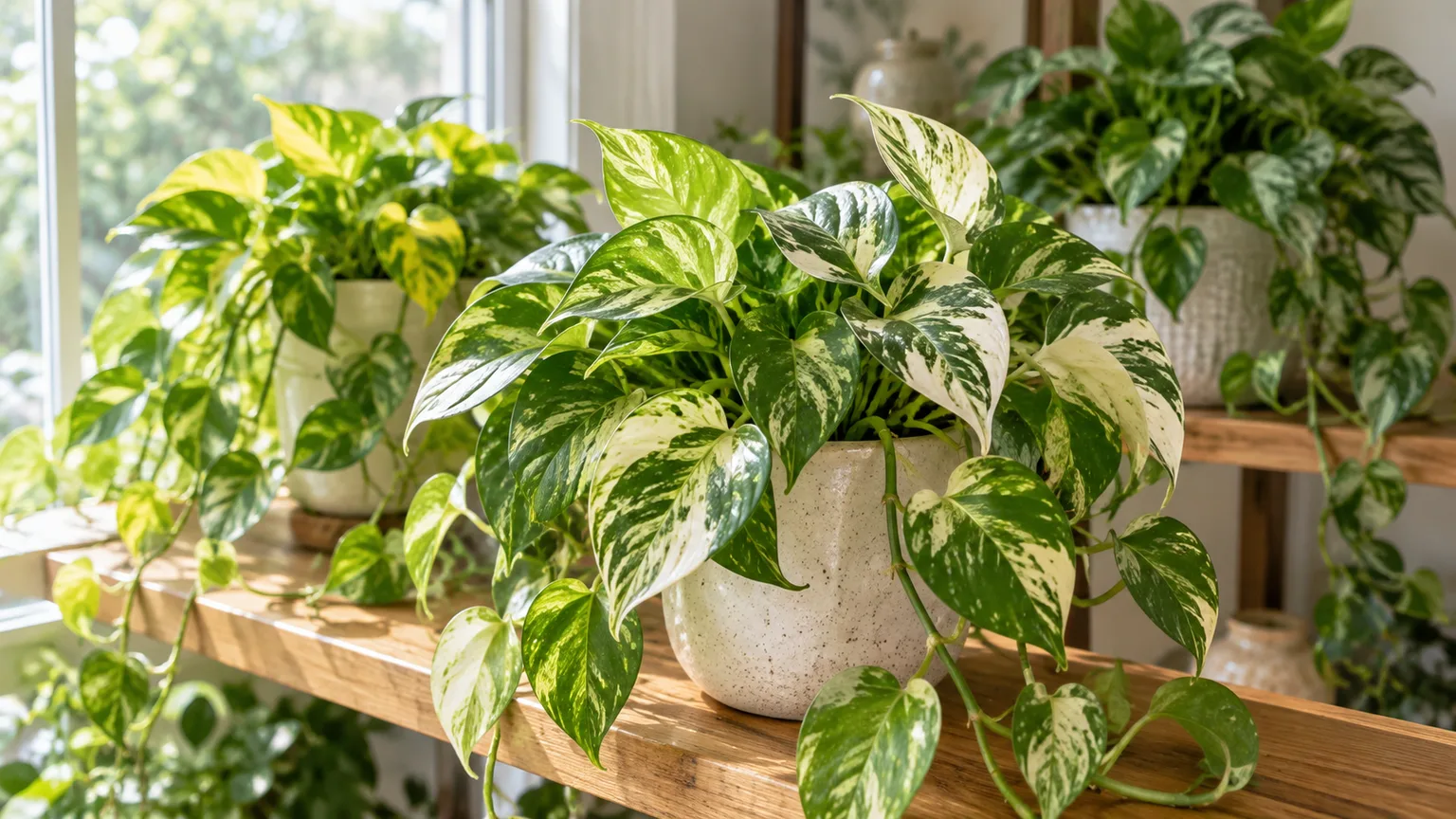
Pothos (Epipremnum aureum) and satin pothos (Scindapsus pictus) share a nursery label — and almost nothing botanically. Satin pothos is not Epipremnum. It is Scindapsus with matte leaves and silver blotches, slower growth, and less tolerance for wet feet than the golden pothos drought rhythm.
We have watched golden pothos fill a bookshelf in one summer while Scindapsus pictus on the same shelf added three leaves. We have also yellowed a satin pothos by watering it on the pothos schedule in a dim hallway — soil stayed wet for two weeks while leaves dropped one by one. The word “pothos” on the tag is marketing, not a care instruction.
For heartleaf confusion, see pothos vs philodendron. For species care, use the pothos hub and Scindapsus pictus hub.
Why the aroid aisle mislabels both as pothos
Clemson HGIC groups philodendrons, pothos, and monsteras as commonly confused aroids — same family, different genera. Retailers use “pothos” as a catch-all for anything that trails with heart-shaped leaves.
NC State on Epipremnum aureum describes grooved petioles, glossy variegated leaves, fast growth, and easy water rooting. NC State on Scindapsus pictus lists satin, silk, and silver pothos as common names — silver-gray blotches on matte dark green, slower growth, and different water needs.
If you copy golden pothos care onto Scindapsus because the pot says “pothos,” expect yellow leaves and root rot in low light.
Tell them apart before you leave the nursery
Tags lie. Run three checks at the bench.
Leaf surface: glossy splash vs silver shimmer
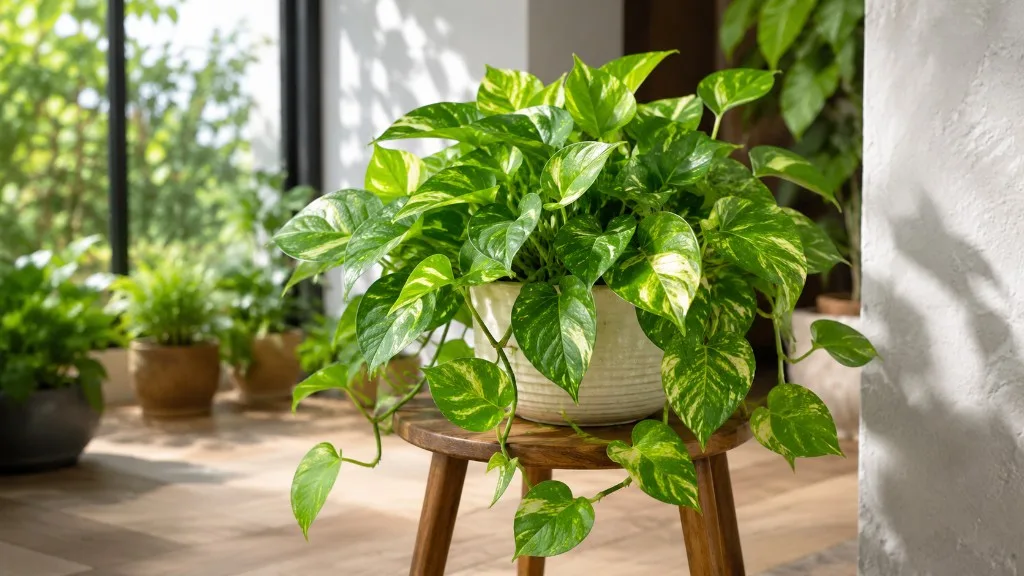
Golden pothos: glossy heart-shaped leaves with yellow or white variegation splashes. Surface reflects light like wax.
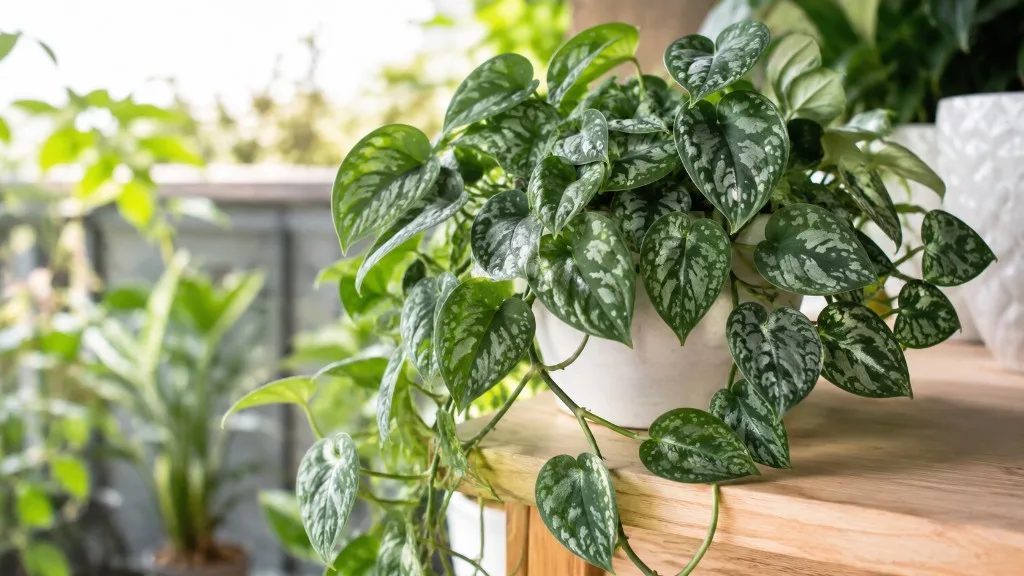
Satin pothos: matte dark green leaves with shimmery silver-gray blotches on the upper surface — the “satin” name comes from this texture. No yellow splash variegation.
Hold a leaf to a window. Pothos looks shiny. Scindapsus looks like brushed velvet with metallic spots.
Petiole groove test
NC State on Epipremnum notes grooved petioles (the leaf stem) — run your finger along the stem; pothos has a channel. Scindapsus petioles are not grooved the same way. This is the ID move when variegation is subtle on a small plant.
Growth speed on the shelf
Golden pothos in a 6-inch pot often has long trailing vines already. Scindapsus in the same pot looks compact with shorter internodes — slower by design, not stunted unless leaves yellow while soil stays wet.
Watering: the main failure mode
Both are aroids. Both die from overwatering in dim rooms. The dry-down tolerance differs.
Golden pothos survives drought
Clemson on pothos says allow soil to dry between waterings. RHS on Epipremnum recommends letting the top of compost dry before soaking.
In practice: pothos in moderate light can go 1–2 weeks between water in winter without drama. It wilts, perks after a soak, keeps growing. Full guide: pothos watering.
Satin pothos rots in soggy low-light mix
Missouri Botanical Garden on Scindapsus pictus recommends bright indirect light and careful watering — not pothos-level drought neglect in a dark hall.
Scindapsus wants evenly moist mix that still breathes: top inch dry, but not bone dry for weeks, and never sitting in saucer water. In low light, transpiration slows — the same weekly watering that keeps pothos happy rots Scindapsus roots. Yellow leaves with wet soil = wrong genus schedule.
Compare Scindapsus pictus watering.
Same shelf, different pots
We see both on one bookshelf constantly. Fix: separate pots, separate checks. Pothos on the brighter end dries faster. Scindapsus in the back corner needs less water, more airflow, chunkier mix.
Light and silver markings
Silver blotches on Scindapsus dull in deep shade — move to usable indirect light before blaming fertilizer. Pothos survives lower light but variegation fades — different symptom, same light lesson.
Neither wants hot midday sun on the glass. Both prefer bright indirect for best color. Scindapsus is pickier about staying bright enough to keep the shimmer.
Propagation speed
Golden pothos roots in water in days to a week — the classic propagation jar plant. See propagate pothos.
Scindapsus stem cuttings work in water or soil but root slower. If you want fast trailing coverage, pothos wins. If you want silver pattern and can wait, Scindapsus rewards patience.
Pet safety: treat both as toxic aroids
ASPCA lists golden pothos as toxic to cats and dogs via insoluble calcium oxalates — oral irritation, vomiting possible. Scindapsus is not separately listed on ASPCA but sits in the same Araceae family with the same crystal class. Treat satin pothos as toxic.
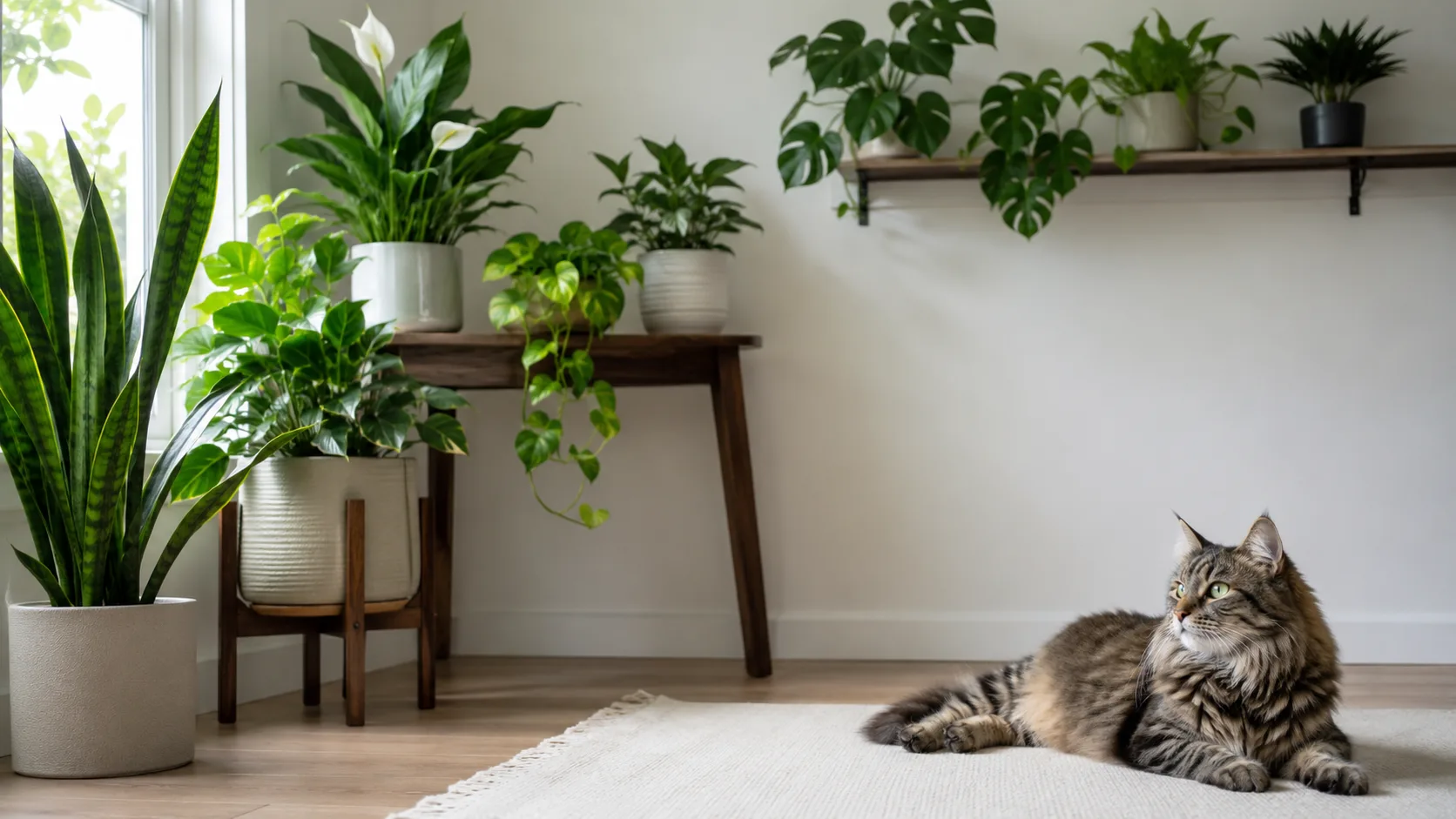
Neither belongs within chew range. Hanging baskets help only if cats cannot reach the trailers. Browse pet-safe houseplants if toxicity is non-negotiable.
Side-by-side comparison
| Factor | Pothos (Epipremnum) | Satin pothos (Scindapsus pictus) |
|---|---|---|
| Genus | Epipremnum | Scindapsus |
| Leaf surface | Glossy; yellow/white splash | Matte; silver-gray blotches |
| Petiole | Grooved | Not grooved like Epipremnum |
| Growth speed | Fast | Slower |
| Water | Dry down between soaks | Evenly moist; rots if always wet |
| Light | Bright indirect; tolerates low | Bright indirect preferred |
| Propagation | Water roots quickly | Stem cuttings; slower |
| Toxicity | Toxic (calcium oxalate) | Treat as toxic (aroid) |
Which plant to choose
Maximum beginner forgiveness: golden pothos.
Silver shimmer aesthetic: Scindapsus pictus — with airy mix and shorter wet cycles.
Water-root propagation jar: pothos wins speed.
Same spot as a thriving pothos in low light: do not assume satin pothos will match — separate pots, separate schedules.
Already yellowing satin leaves in wet soil: you likely have Scindapsus on pothos watering — fix drainage and light first.
Cultivar shopping within Epipremnum: see golden pothos vs Marble Queen.
Mix and pot size: why satin pothos rots first
Both vines want airy, well-draining mix — neither thrives in dense garden soil. The difference is how fast that mix stays wet in your room.
Golden pothos in a 6-inch plastic pot on a bright shelf dries in 5–7 days between waterings in most homes. Scindapsus in the same pot in a dim hallway may hold moisture 14+ days — long enough for anaerobic root rot.
Our fix for satin pothos: smaller pot than you think, chunkier mix (add perlite or bark), and terracotta if you overwater. Pothos tolerates plastic and peat-heavy bagged mix longer. See terracotta vs plastic pots for dry-down behavior.
Fertilizer is secondary until watering is right. Light feed in spring — over-fertilizing Scindapsus in wet soil burns leaf edges faster than on drought-tolerant pothos.
Related: pothos hub, Scindapsus pictus hub, pothos vs philodendron.
Conclusion
ID: silver blotches + matte leaves → Scindapsus (satin pothos). Glossy splash + grooved petiole → Epipremnum (true pothos).
Choose: speed and drought → pothos. Silver pattern + attentive watering → satin pothos.
Care: never copy pothos dry-down on Scindapsus in low light. Check the genus, not the marketing name.
Follow the pothos hub or Scindapsus pictus hub — not the word “pothos” on the tag.