19 Seeds to Start Indoors for April Planting
Start 19 vegetables, herbs, and flowers indoors in February so April transplants are sturdy—not leggy. Crop-by-crop timing, soaking tricks, and zone rules.
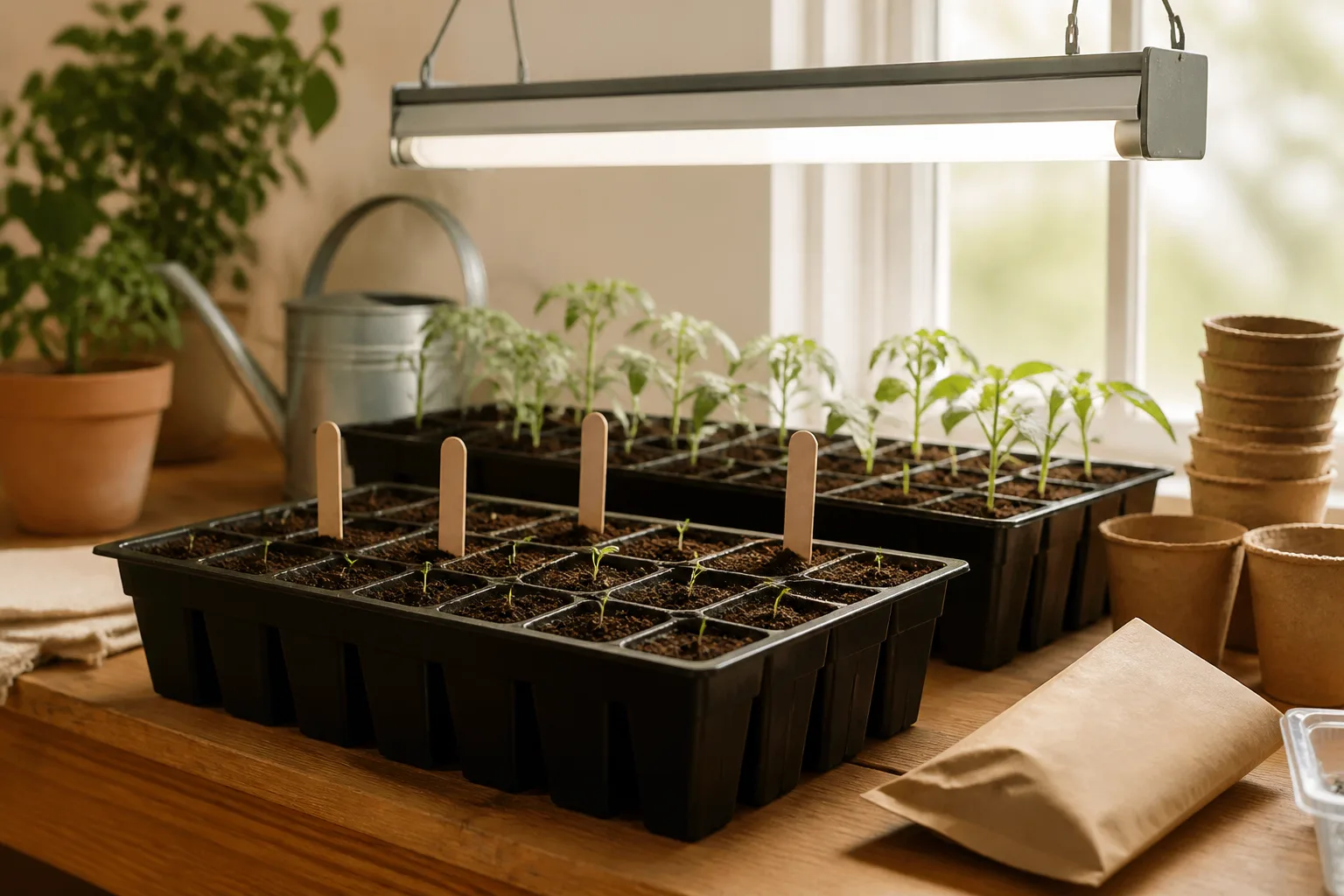
February still feels like winter in most gardens, but the seed-starting clock for an April transplant date is already running. Start the right crops indoors now and you can move sturdy seedlings into workable soil when spring finally cooperates. Start the wrong ones—or start too early without enough light—and you end up babysitting leggy plants that stall after transplant.
This guide names 19 seeds worth sowing indoors in February for an April-ready garden: nine vegetables and fruits, three kitchen herbs, and seven flowers. It also covers the frost-date math, pre-soaking tricks, and indoor setup that turn a tray of sprouts into plants that actually perform outdoors.
Is February the Right Month for Your April Garden?
“Start seeds now” only makes sense when now lines up with your local spring. April planting is not the same event in Duluth, Denver, or coastal Oregon. What stays consistent is the goal: have transplants ready when soil is workable and air temperatures match each crop’s needs.
February indoor sowing fits when at least one of these is true:
- Your average last spring frost falls in late April or May, and an indoor head start fills a real gap in the growing season.
- Garden soil is still cold, wet, or frozen for reliable outdoor sowing.
- You want early harvests of leafy greens, brassicas, or long-season crops like celery and peppers before summer heat arrives.
- Short winter days mean you can provide supplemental light for compact seedlings.
Skip the indoor tray when outdoor conditions are already favorable and the crop dislikes root disturbance. Many quick crops—radishes, spinach, and direct-sown peas—often go straight into the garden as soon as soil can be worked. The 19 crops below are the ones where a February indoor start most often pays off for April planting.
If you are new to seed starting, pair this list with a basic indoor setup: shallow trays or cell packs, sterile seed-starting mix, a humidity dome or plastic cover for germination, and a grow light you can lower as seedlings grow. You do not need a greenhouse—just consistent warmth at sowing time and strong light afterward.
Build Your Seed-Starting Calendar From Frost Dates
Before you open a seed packet, anchor your calendar to two numbers: your average last spring frost and your average first fall frost. Every “start indoors X weeks before transplant” instruction on a packet is really asking you to work backward from the day you intend to set plants outside.
Use a local frost-date tool, your cooperative extension planting calendar, or a regional gardening reference, then adjust for your yard. South-facing beds, wind protection, and urban heat islands can shift practical timing by a week or more. Hardiness zone alone is too coarse for transplant dates.
Write two dates on your calendar before you sow anything: indoor sow date and target transplant date. When those two dates are more than twelve weeks apart for a fast crop like lettuce, you are probably starting too early. When they are fewer than four weeks apart for slow peppers, you are starting too late for a meaningful head start.
Cool-Season vs Warm-Season: Sorting Every Packet
Cool-season crops germinate and grow in cool air and soil. Many tolerate light frost once hardened off, and several taste better after chilly nights. Penn State Extension groups broccoli, cabbage, kale, lettuce, and onions among common cool-season vegetables, noting they are often planted weeks before the last frost while warm-season crops must wait until frost danger has passed (Penn State Extension’s cool-season crop guide).
Warm-season crops—tomatoes, peppers, eggplant, cucumbers, melons—need warmer soil and stable nights. Starting them too early without excellent light creates oversized indoor plants that are hard to keep healthy until outdoor planting time.
A practical sorting rule for April planning: if the mature plant can survive a light frost after hardening off, it belongs on the February indoor list for most temperate gardens. If frost would kill it, either wait to sow until your frost calendar supports transplant timing, or treat it as a mild-climate exception covered later in this guide.
| Crop group | Typical indoor start (before transplant) | Typical April move | Frost tolerance after hardening |
|---|---|---|---|
| Leafy brassicas & greens | 4–6 weeks | 2–4 weeks before last frost | Hardy |
| Long brassicas (broccoli) | 6–8 weeks | 2–4 weeks before last frost | Hardy |
| Celery & leeks | 10–12 weeks | 2–3 weeks before last frost | Hardy |
| Tomatoes | 6–8 weeks | After last frost (zone 8+ exceptions) | Tender |
| Peppers & eggplant | 8–10 weeks | After last frost (zone 8+ exceptions) | Tender |
| Strawberries | 8–12 weeks + stratification | After last frost | Hardy once established |
| Tender herbs | 4–8 weeks | After last frost (basil); earlier for parsley/cilantro | Varies |
| Cool annual flowers | 8–10 weeks | 4–6 weeks before to just after last frost | Frost-tolerant types |
| Warm annual flowers | 4–6 weeks | After last frost | Tender |
Treat the table as a planning shortcut. Your seed packet and variety always win if they disagree.
Nine Vegetables and Fruits to Start in February
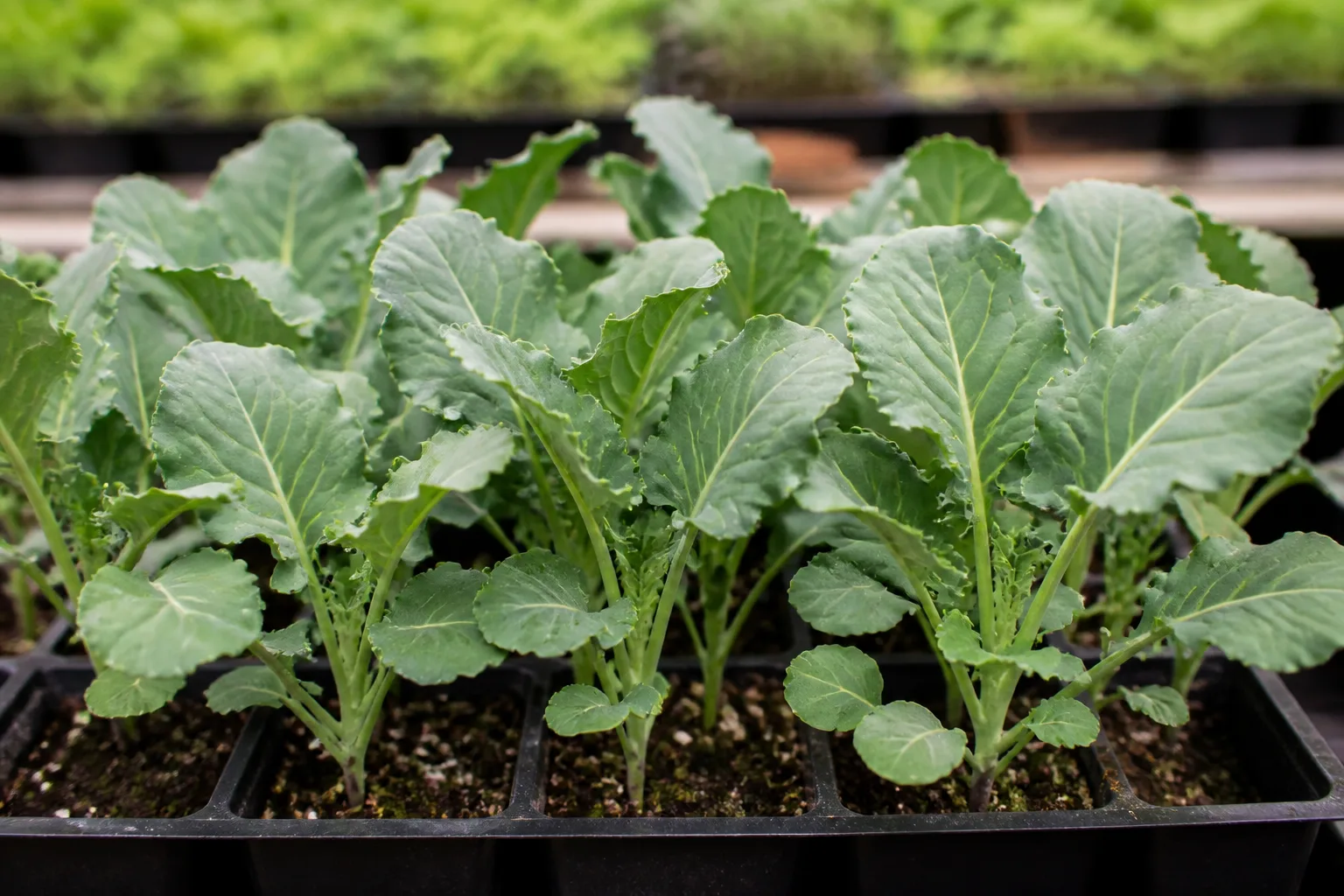
These nine crops cover the range from quick leafy greens to slow heat lovers. They share one trait: February sowing gives them enough runway to be useful transplants in April—or shortly after, depending on your frost calendar.
Kale, Lettuce, and Broccoli: Early Cool-Season Staples
Kale and lettuce are among the most forgiving February starts. Sow 4–6 weeks before you plan to transplant 2–4 weeks before your last frost in USDA zones 3–9. Both germinate in cool soil and size up quickly under bright light.
Lettuce dislikes heat and bolts fast once summer arrives, so an April transplant captures the sweet spot of cool spring weather. Kale is more forgiving and can stay in trays an extra week if weather turns ugly. Surface-sow lettuce if your mix is heavy; bury kale and broccoli seeds at the depth the packet recommends.
Broccoli needs a longer runway—about 6–8 weeks indoors before transplanting 2–4 weeks ahead of last frost in zones 3–10. Broccoli seedlings should look stocky, not stretched. If stems lengthen and leaves pale, increase light intensity and lower the fixture closer to the canopy.
Brassica seedlings that sit too long in small cells may button or produce small heads after transplant. Move them out while they are vigorous but not root-bound. Row cover on cold nights protects fresh transplants without delaying the April planting window.
Celery, Peppers, and Eggplant: Long-Season Indoor Starts
Celery, peppers, and eggplant are slow growers that reward an early February start if you want April—or early May—transplants in mild climates. All three need roughly 10–12 weeks (celery) or 8–10 weeks (peppers and eggplant) from sowing to outdoor-ready size.
Celery tolerates partial shade outdoors but germinates reluctantly without help—see the pre-soaking section below. Peppers and eggplants need warm germination near 70–80°F (21–27°C) and strong light from the first true leaves onward. In zones colder than 8, plan to transplant peppers and eggplant after your last frost, not in early April, even if you sow in February.
Do not confuse “start in February” with “plant outside in April” for tender nightshades. February sowing is about having the right-size transplant when your frost calendar says the soil and nights are warm enough—often late April through May in temperate regions, earlier only in mild coastal and southern gardens.
Leeks, Tomatoes, and Strawberries: Timing-Sensitive Crops
Leeks need a long indoor run—about 10–12 weeks—because they are slow to size up from seed. In climates with mild winters you can direct-sow leeks outdoors, but February indoor starts are more reliable where ground stays frozen or saturated. Plant leeks in individual deep cells or pots; their roots are easily damaged when pulled from crowded trays.
Tomatoes are the crop most gardeners start too early. For April planting in USDA zones 8 and warmer, sow tomatoes 6–8 weeks before your intended transplant date when spring frost risk is low and you can protect young plants on cold nights. In cooler zones, February tomato sowing often produces oversized, light-starved plants long before outdoor planting time—wait until your frost calendar supports a 6–8 week countdown from after last frost instead.
Strawberries from seed are a patience project. If you want fruit the same year, February is the right sowing window—but only after cold stratification (detailed below). Expect 8–12 weeks from stratified sowing to transplant-ready seedlings. Many gardeners buy bare-root crowns instead; seed starting makes sense when you want unusual varieties or enjoy the full cycle.
Three Kitchen Herbs Worth Starting Now
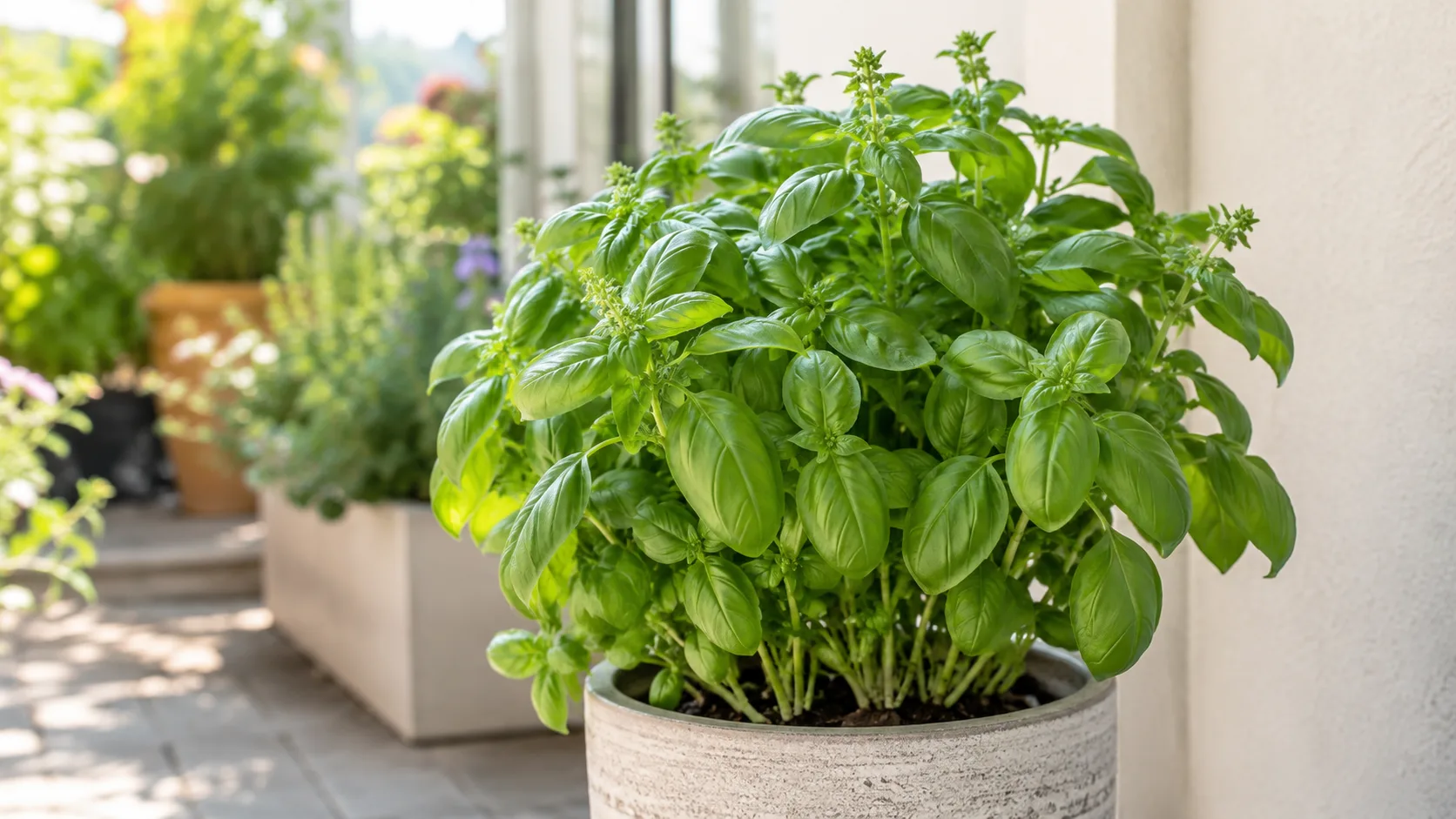
Kitchen herbs divide into tender leaves that need frost protection and hardier types you can move out earlier. Starting all three indoors in February spreads the workload and gives you usable plants earlier than nursery six-packs.
Basil, Cilantro, and Parsley: Indoor-to-Outdoor Herb Lanes
Basil is frost-sensitive. Sow it indoors 4–6 weeks before you plan to move it outside—after your last frost in most regions (zones 4–10). Warm germination near 70°F (21°C) speeds sprouting. You can harvest basil indoors while you wait for outdoor planting time; just do not transplant into open ground until nights stay above roughly 50°F (10°C).
Cilantro bolts fast in heat, so an early start helps you harvest leaves before summer. Sow 4–6 weeks before transplanting 2–4 weeks before last frost in zones 3–11. Cilantro seedlings tolerate light frost once hardened off. Succession-sow every few weeks if you want a steady supply through spring.
Parsley germinates slowly—sometimes three weeks or more. Start it 8–10 weeks before transplanting 2–3 weeks before last frost in zones 4–9. Soaking parsley seed overnight can speed sprouting; change the water once and sow promptly. Because parsley and cilantro seedlings look alike at first, label trays at sowing time.
Seven Flowers for April Beds and Summer Color
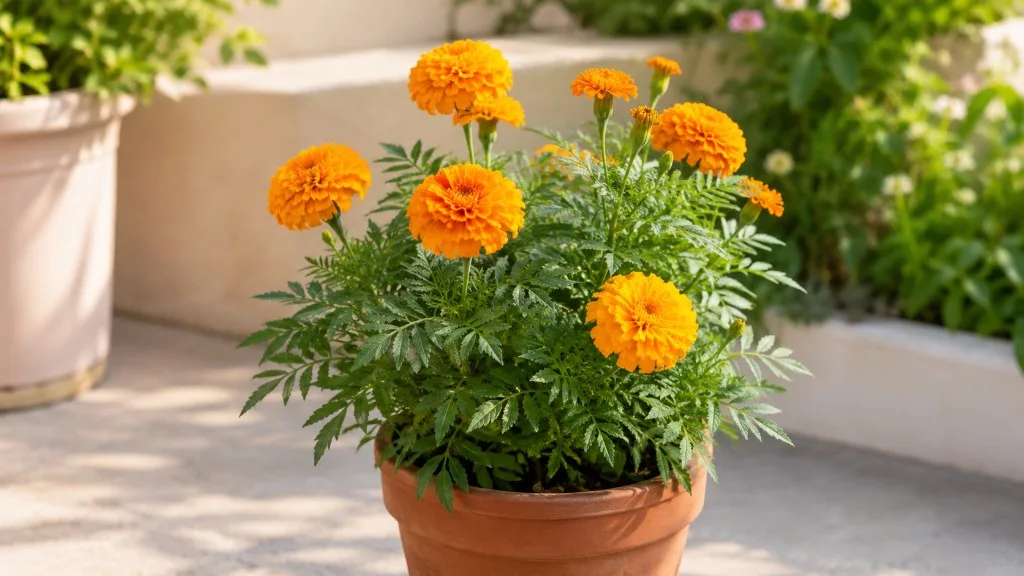
Edible crops are not the only February starts worth your tray space. These seven flowers cover cool-spring annuals, heat-loving summer color, and perennial natives that benefit from an early root head start.
Larkspur and Snapdragons for Cool-Spring Blooms
Larkspur (Delphinium consolida) blooms in late spring in zones 2–8 and prefers a cool run from seed. Sow indoors 8–10 weeks before transplanting 4–6 weeks before last frost. Larkspur dislikes root disturbance—use biodegradable pots when possible.
Snapdragons (Antirrhinum) brighten gardens from spring through early summer in zones 7–10 and tolerate cool nights after hardening off. Start seeds 8–10 weeks before your target outdoor date. Press seeds lightly onto moist mix; many snapdragon varieties need light to germinate, so do not bury them deeply.
Zinnias and Marigolds: Heat-Season Annuals Started Early
Zinnias and marigolds are classic summer annuals in zones 2–11, but neither belongs outdoors until frost danger passes. Sow indoors 4–6 weeks before your post-frost transplant date—not necessarily early April in cold regions.
Zinnias resent root disturbance; sow in individual cells or peat pots you plant whole. Marigolds are more forgiving but still want warm germination and strong light. Starting them in February makes sense when your last frost falls in late April or early May and you want blooms by early summer—not when February sowing would leave you holding large tender plants indoors for three extra months.
Black Cohosh, Echinacea, and Yarrow: Perennial Root Development
Black cohosh (Actaea racemosa), echinacea (purple coneflower), and yarrow (Achillea) are perennials that develop stronger root systems when started early in temperate climates. Sow indoors 8–12 weeks before transplanting after last frost in zones 3–9 (black cohosh and echinacea) or 3–8 (yarrow, depending on species).
These are not instant April color plants. Echinacea and yarrow bloom in mid- to late summer from a February sowing; black cohosh flowers in summer of the second or third year from seed. The payoff is robust native and pollinator-friendly plants that outcompete weeds better than direct-sown seedlings started months later.
Pre-Soaking and Special Germination Tricks
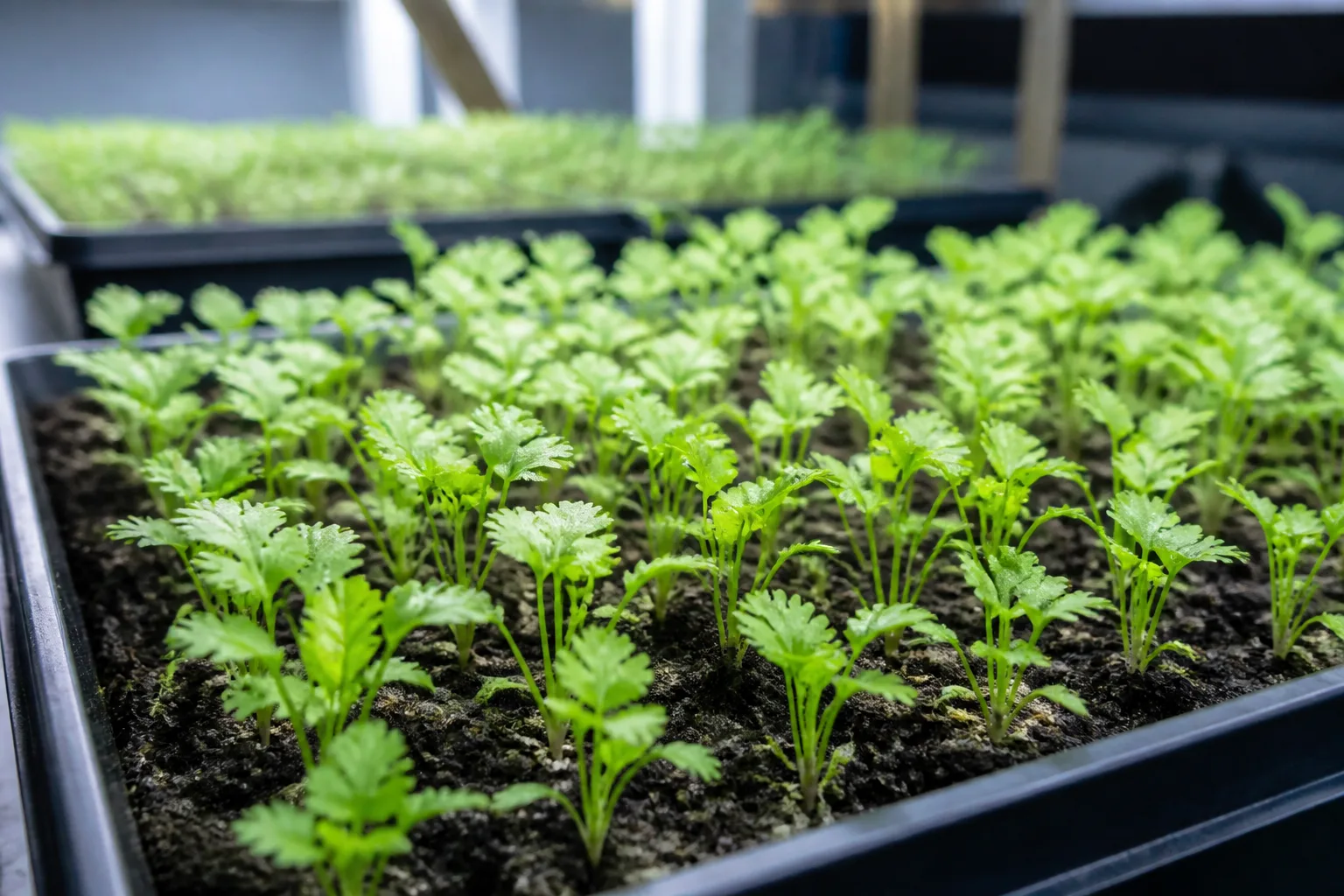
Some of the 19 crops above germinate faster and more evenly with a little extra prep. Others fail if you skip a step the packet assumes you already know.
Hot Soaks, Stratification, and Root-Sensitive Seeds
Tomato, pepper, eggplant, and leek seeds often benefit from a 12–24 hour soak in room-temperature water before sowing. Change tomato soak water every 4 hours to keep oxygen available—saturated stagnant water can suffocate embryos. Drain and sow immediately after soaking; do not let seeds dry out again.
Celery seeds are notorious slow germinators. A common technique: soak seeds in 131–140°F (55–60°C) water for 15–20 minutes, then transfer to cool water for another 15–20 minutes before sowing on moist mix under a dome. Keep trays warm after sowing; celery can take two to three weeks to emerge even with soaking.
Strawberry seeds need cold stratification before they sprout reliably. Place seeds on damp paper towels or cotton pads inside a sealed container, refrigerate for 2–3 weeks, and air the container briefly each day to prevent mold. After stratification, sow on the surface of moist mix under bright light. Expect uneven germination across varieties.
Leeks should stay in separate containers from day one because their roots damage easily at transplant. Mark those cells clearly—leek seedlings look like grass at first and are easy to confuse with onions or chives.
For a deeper dive on soak timing and viability tests, see our guide on soaking seeds before planting.
Indoor Setup That Prevents Leggy Seedlings
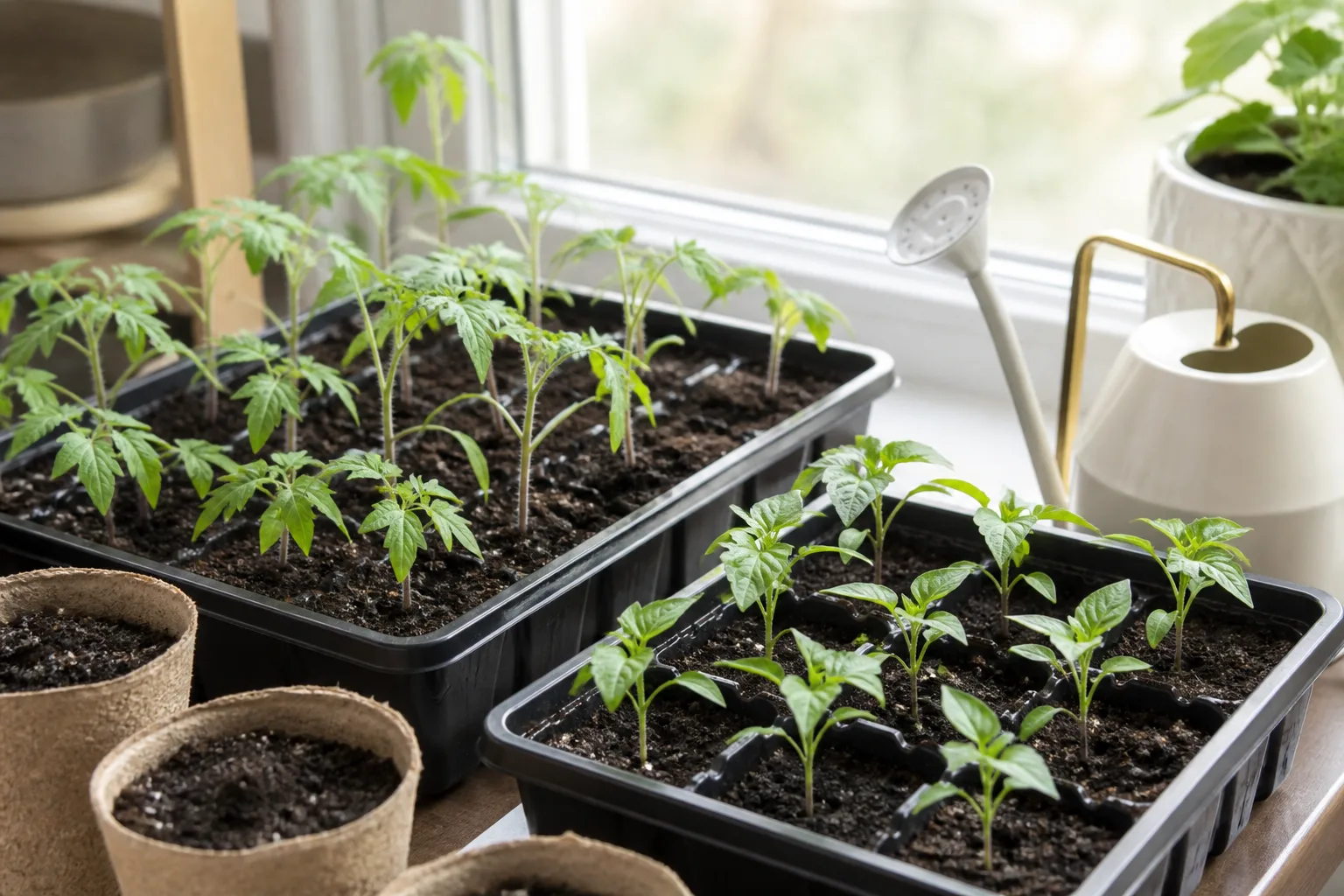
Seeds need warmth; seedlings need bright light. Confusing the two is the most common reason indoor starts fail in February.
Germination: Many vegetable and herb seeds sprout best with soil near 70–75°F (21–27°C). A seedling heat mat under the tray speeds uniform emergence, especially in a cool spare room. Remove or reduce bottom heat once most seeds are up unless the crop prefers constant warmth.
Light: After emergence, seedlings need roughly 12–16 hours of strong light daily. A sunny window rarely delivers enough intensity in February. Adjustable LED grow lights kept a few inches above leaves produce compact plants. University of Minnesota Extension emphasizes adequate light and air circulation for healthy transplants (UMN Extension starting seeds indoors).
Raise lights as seedlings grow so leaves never touch hot fixtures. A simple timer prevents forgotten off-days that stall growth. If leaves look pale but stems stay short, light may be adequate but nutrients are not—first feeding with diluted seedling fertilizer usually waits until true leaves expand, not at germination.
Moisture: Keep the medium evenly moist during germination, then let the surface dry slightly between waterings to discourage damping-off. Domes help retain humidity until sprouts appear; vent them daily once green shows.
Labeling: Record sowing date and variety on every tray. Epic Gardening’s indoor seed-starting guidance stresses that most seedlings look identical for weeks—a label prevents planting basil where you meant broccoli (Epic Gardening seed-starting guide).
Soil: Use sterile seed-starting mix, not garden soil. Fine texture and good drainage matter more than fancy additives at this stage. Pre-moisten mix before filling trays so dry pockets do not float seeds to the surface during first watering.
Air movement: A small fan on low across seedlings strengthens stems and reduces fungal problems. It mimics outdoor breeze and produces tougher transplants that harden off faster.
Hardening Off Before April Transplant Day
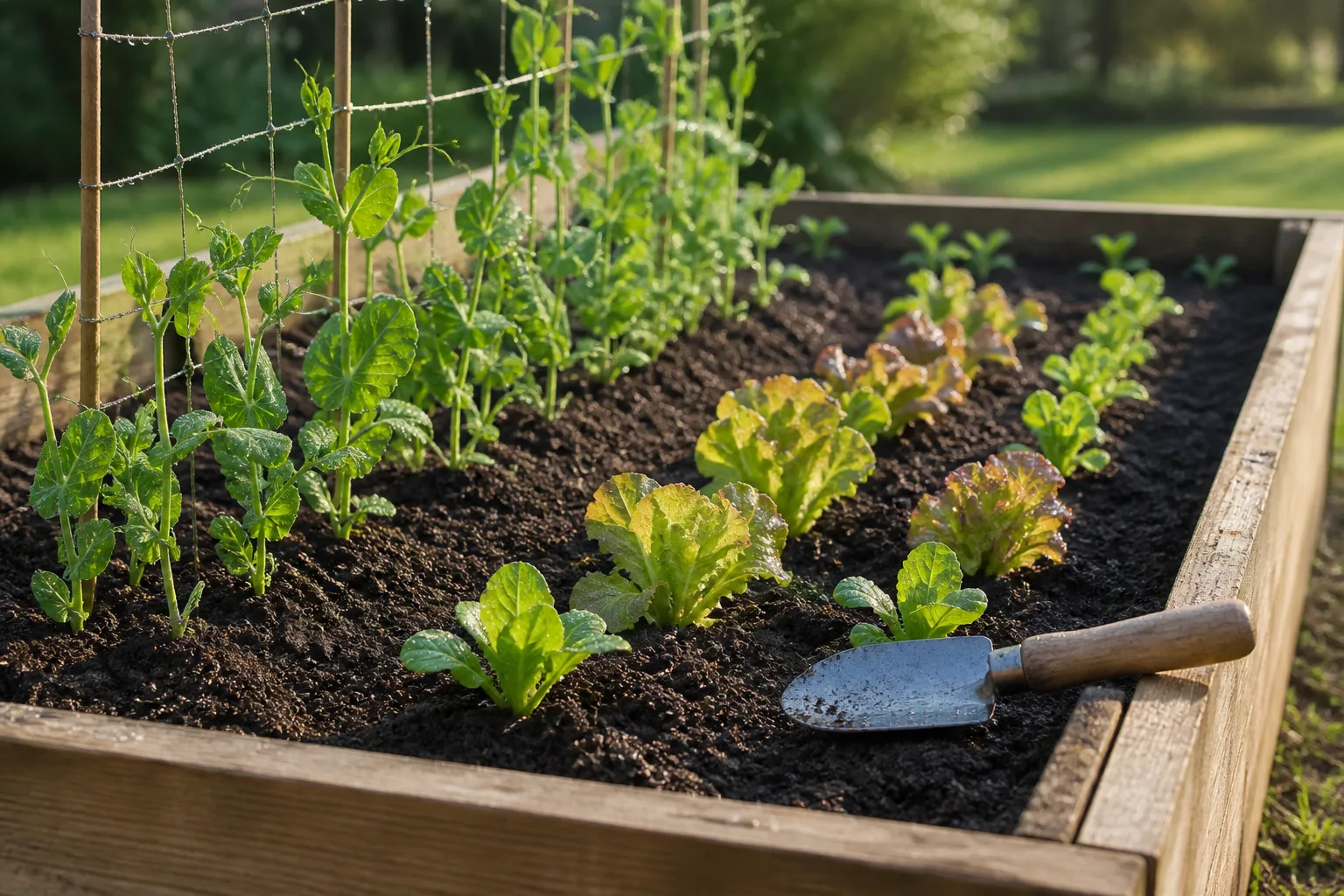
Indoor seedlings are soft. Hardening off gradually exposes them to sun, wind, and temperature swings so transplant shock does not stall growth.
About 7–10 days before planting, move trays outdoors to a sheltered, partly shaded spot for 1 hour, then bring them in. Increase outdoor time by an hour or two daily, introducing morning sun and light wind. Skip hardening on days with hard frost warnings unless plants are fully protected.
Cool-season crops—kale, lettuce, broccoli, leeks, parsley, cilantro, larkspur, snapdragons—can go into the garden before last frost once hardened, often with row cover on the coldest nights. Tender crops—basil, tomatoes, peppers, eggplant, zinnias, marigolds—should wait until frost danger passes unless you will cover them nightly.
Plant into moist—not saturated—soil, and water transplants in immediately. Watch the forecast for the week after transplant. A warm sunny day followed by a hard freeze is harder on fresh transplants than steady cool weather. Row cover, cloches, or moving containers onto a porch for one night can save an early April planting when averages lie but extremes do not.
If your last frost still falls after mid-May, February sowing is about readiness—not literally planting every crop outdoors on April 1. Match each transplant to soil temperature and night lows, not just the calendar. Our spring seedling transplant guide walks through the move-out decision in more detail.
Conclusion
A strong April garden begins in February with the right seeds on the right schedule. Sow kale, lettuce, broccoli, celery, peppers, eggplant, leeks, tomatoes, strawberries, basil, cilantro, parsley, larkspur, snapdragons, zinnias, marigolds, black cohosh, echinacea, and yarrow indoors when your frost dates say transplants will be ready—not when a generic calendar month tells you to.
Anchor every decision to last frost, pre-soak or stratify the stubborn seeds, give sprouts warmth and seedlings light, label trays like your harvest depends on it, and harden plants off before they meet the open garden. Do that, and April becomes planting time instead of rescue time.



