Seeds to Start in January: 9-Crop Guide
Start lettuce, peas, kale, broccoli, spinach, onions, tomatoes, peppers, and potatoes in January—with frost-date timing, indoor setup tips, and zone-by-zone sowing rules.
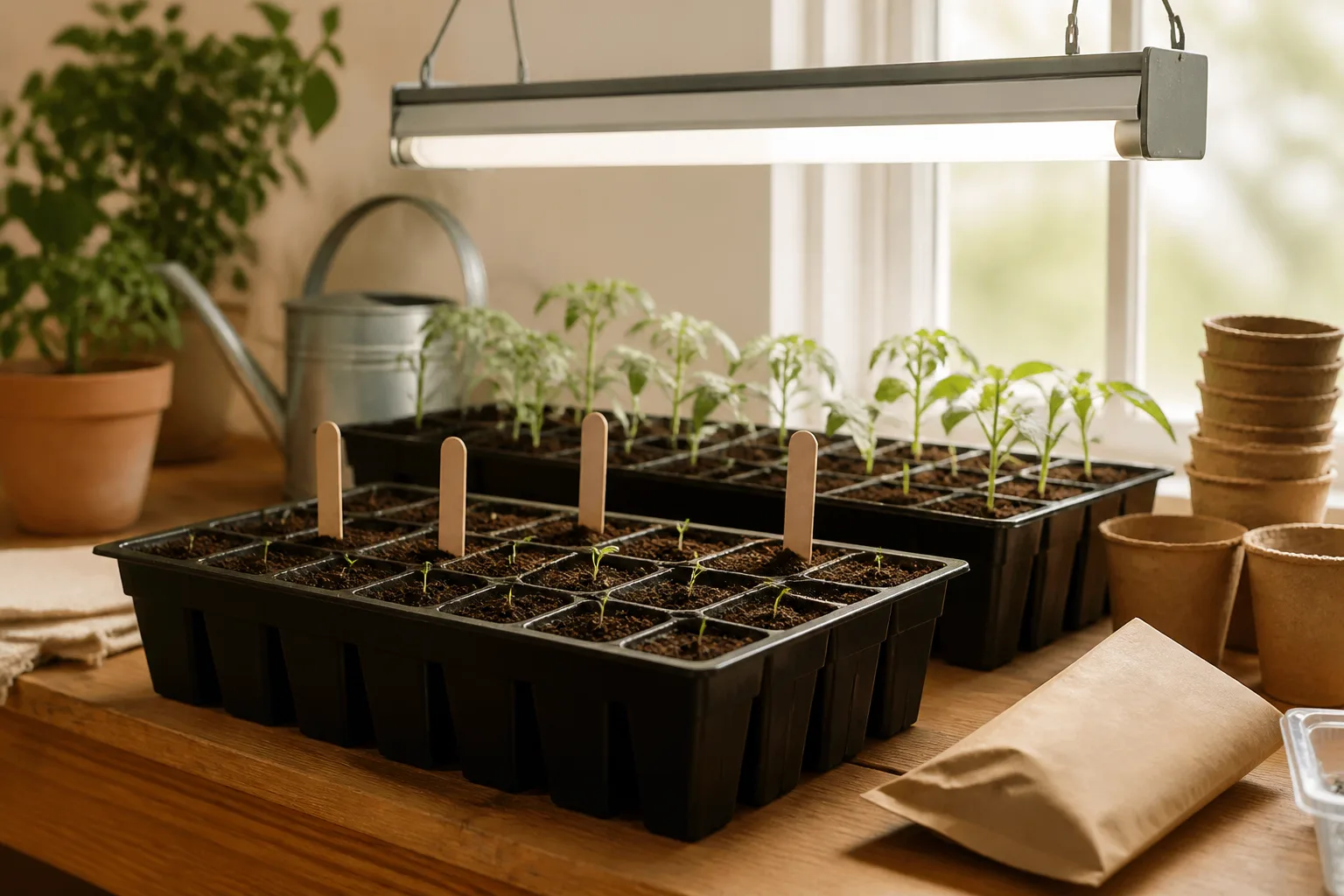
January looks like downtime on the garden calendar, but it is when disciplined growers lock in spring harvests that everyone else buys as overpriced transplants in April. Lettuce, peas, kale, broccoli, spinach, onions, tomatoes, bell peppers, and potatoes all have a legitimate January window—if you match each crop to your frost dates, soil conditions, and indoor light setup. Sow everything on the same day without that context and you either rot seed in frozen ground or nurse leggy tomato seedlings under a dim window until May.
This guide names all nine crops, tells you how each one should start in January (indoors, direct-sow, or chit tubers), and gives you the frost-date math that turns a seed packet into a transplant-ready plant at the right moment—not six weeks too early.
Is January Actually the Right Month to Start Vegetable Seeds?
January sowing is not universal. Gardeners in coastal California or South Florida may already be direct-sowing beans and transplanting tomatoes while snow still covers beds in Minnesota. The question is not “Can anything start in January?” but “Does January sowing solve a real problem in my yard?”
January starts make sense when at least one of these is true:
- Your average last spring frost is still eight to twelve weeks away, and you want transplants ready when soil first becomes workable.
- Outdoor soil is frozen, saturated, or too cold for reliable germination (below roughly 40–50°F for most vegetables).
- You are in a short growing season where warm-season crops need an indoor head start to ripen before fall frost.
- You have grow lights (or a bright greenhouse) to keep seedlings compact through short winter days.
January is the wrong month to start seeds if your ground is already warm enough for direct sowing and your frost date has passed—common in the warmest southern zones. It is also a mistake if you lack supplemental light and plan to start tomatoes or peppers eight to ten weeks before you can transplant them outdoors.
The January Decision Gate: Indoor, Direct-Sow, Chit, or Wait
Before you open a packet, sort each crop into one of four January actions:
- Start indoors when soil outdoors is too cold but the crop benefits from controlled warmth at germination (broccoli, onions, tomatoes, peppers, late lettuce successions).
- Direct-sow outdoors when soil is workable and the crop tolerates—or prefers—cool soil (peas, spinach, kale in mild climates).
- Chit tubers when the crop is grown from seed potatoes, not true seed (potatoes).
- Wait when the crop is fast-growing, dislikes transplanting, or needs warm soil you will not have for months (carrots, beans, corn, cucumbers in most regions).
Homesteaders of America’s January vegetable guides organize tasks by last frost month rather than a single national sow date—a useful reminder that January means transplanting outdoors in the Deep South and only tray work in the North (Homesteaders of America January planting guide).
Build Your Sowing Calendar From Frost Dates
Every instruction that says “start indoors 6–8 weeks before last frost” is really asking you to work backward from transplant day, not from today’s date. Before you sow anything in January, write two dates on your calendar: your average last spring frost and your target transplant date for each crop.
Look up your last frost using the Almanac frost-date tool by ZIP code, your state cooperative extension planting calendar, or the USDA Plant Hardiness Zone Map as a starting point—then adjust for your microclimate. South-facing beds, wind breaks, and urban heat can shift practical planting by a week or more.
Count backward from transplant day to get your indoor sow date. If that sow date falls before mid-January and the crop only needs six weeks indoors, you are starting too early unless you have excellent grow lights and room to pot up. If the sow date falls after February and the crop is slow (onions, peppers), you are starting too late for a meaningful head start.
Cool-Season Crops vs Warm-Season Crops
Cool-season crops germinate in cool soil, grow in brisk spring air, and many tolerate light frost after hardening off. Penn State Extension groups lettuce, spinach, kale, broccoli, peas, and onions among common cool-season vegetables that are often planted before the last frost, while tomatoes and peppers are warm-season crops that need frost-free nights (Penn State Extension cool-season vs warm-season vegetables).
Warm-season crops need warmer soil and stable nights. Starting them in January can work in short seasons—but only if you can provide strong light for months. Otherwise March sowing produces healthier plants that still transplant on time.
| Crop | Typical indoor start (before transplant) | Typical transplant window | January start in zones 5–7? |
|---|---|---|---|
| Lettuce | 4–6 weeks | 2–4 weeks before to just after last frost | Yes, for late-winter succession |
| Peas | Optional 3–4 weeks | As soon as soil is workable | Direct-sow preferred; indoor optional |
| Kale | 4–6 weeks | 2–4 weeks before last frost | Yes, or direct in mild zones |
| Broccoli | 6–8 weeks | 2–4 weeks before last frost | Yes |
| Spinach | 4–5 weeks or direct | Workable soil in late winter | Direct in mild zones; indoor in North |
| Onions | 8–12 weeks | 2–4 weeks before last frost | Yes—among the best January starts |
| Tomatoes | 6–8 weeks | After last frost when nights stay above 50°F | Only if last frost is March–April |
| Bell peppers | 8–10 weeks | 1–2 weeks after last frost | Only in short seasons with good light |
| Potatoes (chit) | 4–6 weeks chitting | 2–4 weeks before last frost (region-dependent) | Start chitting, not sowing seed |
Set Up Your January Seed-Starting Station
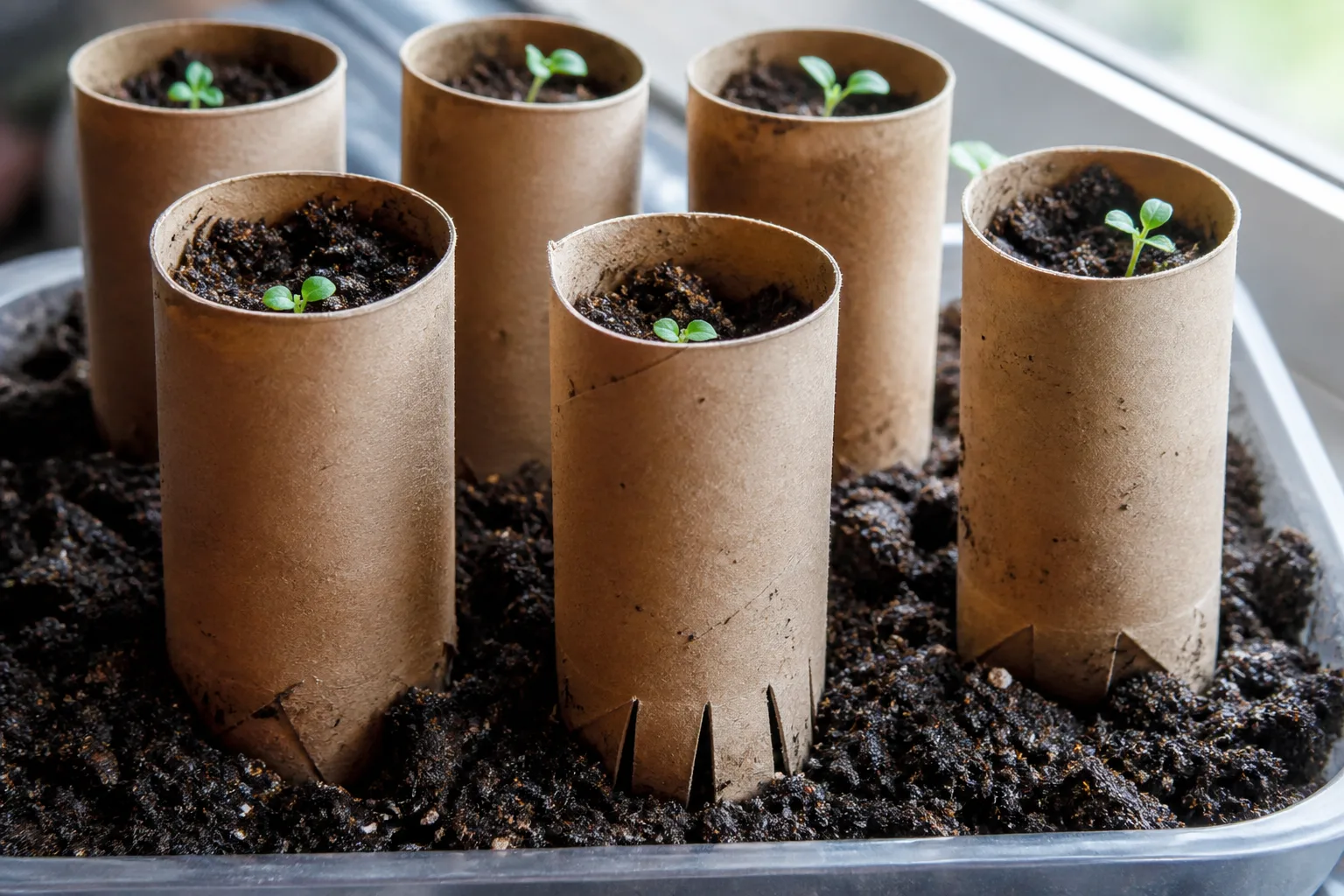
You do not need a greenhouse to start seeds in January, but you do need a repeatable setup: shallow trays or cell packs, sterile seed-starting mix (not heavy garden soil), a humidity dome or plastic cover for germination, and—critically—supplemental light once sprouts emerge.
Epic Gardening’s indoor seed-starting overview notes that seeds need a light, fine-textured medium, warm soil for germination (often around 70°F for many vegetables), and humidity domes that come off once seedlings show their first true leaves to prevent mold and damping off (Epic Gardening how to start seeds indoors). Heat mats speed germination for tomatoes, peppers, and onions but cannot replace light afterward.
Light, Heat, and What Changes After Germination
Seeds generally do not need light to germinate (lettuce is an exception that can germinate with or without light depending on variety). Seedlings need bright light immediately after emergence. In January, a sunny window alone rarely delivers enough intensity—stems stretch within days.
Position LED or fluorescent grow lights 2–3 inches above the leaves and run them 12–16 hours daily on a timer. Keep air moving with a small fan once seedlings are up; stagnant humid air encourages fungal problems.
Quickcrop’s January vegetable notes warn that excess heat without matching light produces tall, weak seedlings—a common late-winter failure mode when propagators run hot under short daylight hours (Quickcrop January vegetable garden). Move seedlings off the heat mat as soon as most cells have sprouted.
1. Lettuce — Winter Greens Under Cover or Indoors
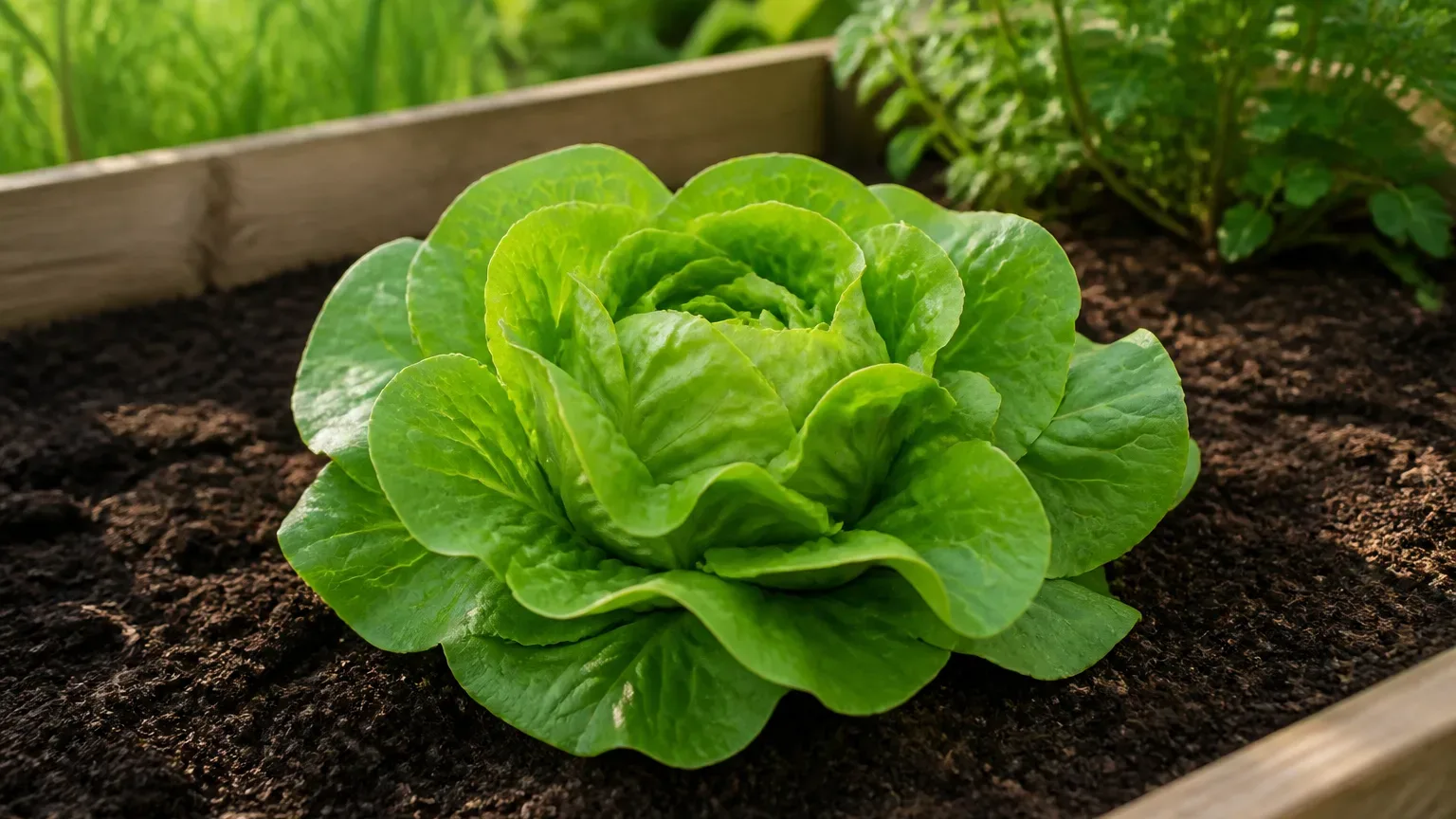
Lettuce is one of the most forgiving January crops because it germinates in cool conditions and matures quickly. In mild climates (often USDA zones 8–10), you can direct-sow lettuce in January under a cold frame, low tunnel, or unheated greenhouse. In colder regions, start lettuce indoors for transplant in late winter or early spring, or grow cut-and-come-again trays on a bright windowsill with supplemental light.
Sow lettuce seeds 4–6 weeks before you plan to transplant outdoors. Loose-leaf types are faster than romaine or heading lettuce. Surface-sow or cover very lightly—lettuce needs light or only a thin soil layer to germinate. Keep soil moist and cool (roughly 60–65°F); heat mats are usually unnecessary and can reduce germination.
For winter salads, choose cold-tolerant varieties and expect slower growth in January’s short days. A second indoor sowing in late January gives you a staggered spring harvest rather than one bolting flush in May heat.
2. Peas — Cool Soil, Early Vines, and Optional Indoor Starts
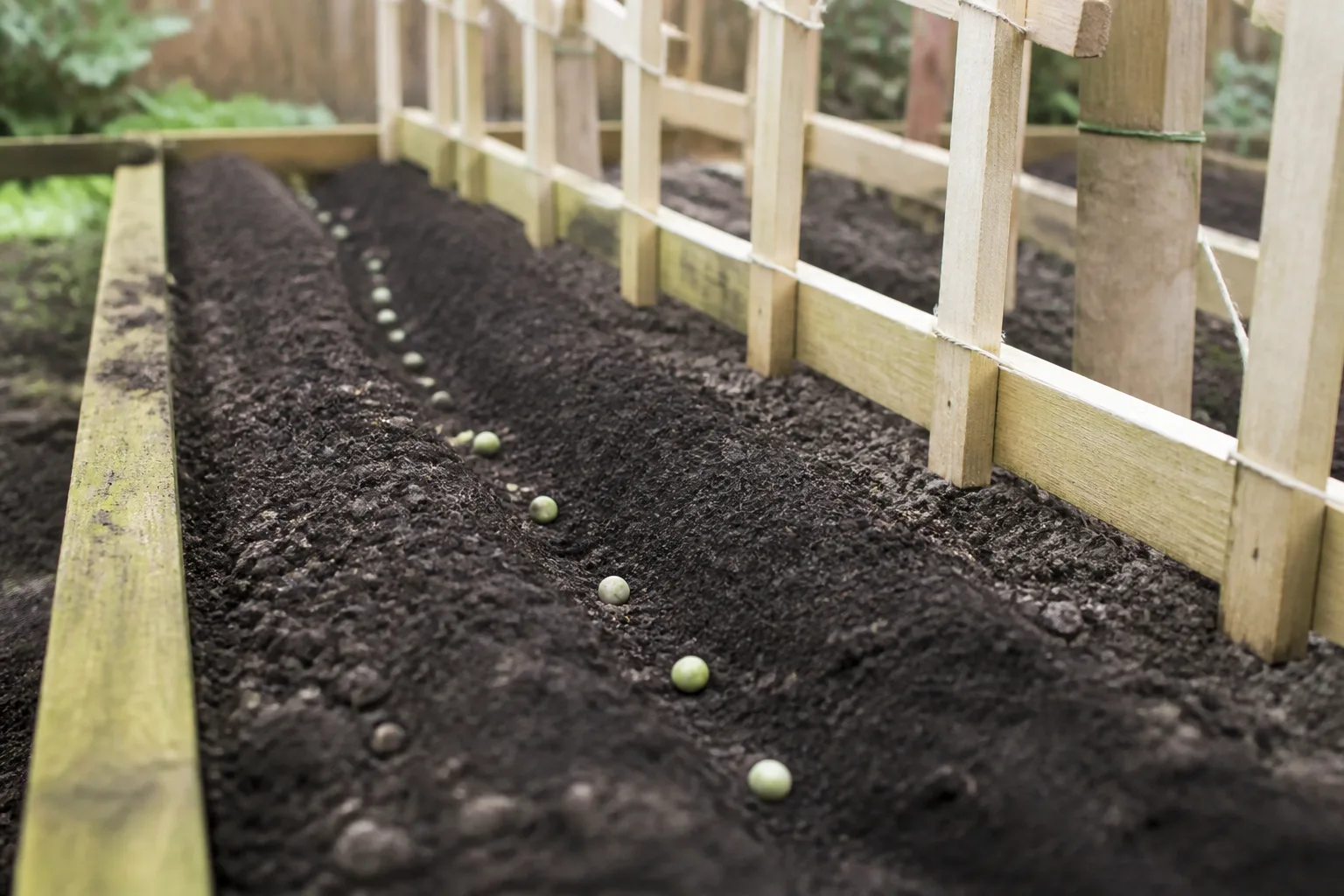
Peas are a direct-sow crop in most gardens. They germinate when soil reaches about 40–50°F and prefer cool air for pod set. In zones 7 and warmer with workable ground in January, sow peas directly in the garden. In colder regions, wait until soil is no longer frozen and can be raked smooth—often late February to March, depending on winter severity.
Starting peas indoors in small pots or root trainers 3–4 weeks before outdoor planting is optional in short seasons or when birds dig up freshly sown seed. Peas dislike root disturbance; use deep cells or biodegradable pots you plant whole. Do not start peas eight weeks early—they outgrow trays quickly and tangle.
Provide a trellis at planting time for vining types. In snowy regions, January pea work is often preparation—building trellises and ordering seed—rather than sowing.
3. Kale — Hardy Leaves That Sweeten in Cold Weather
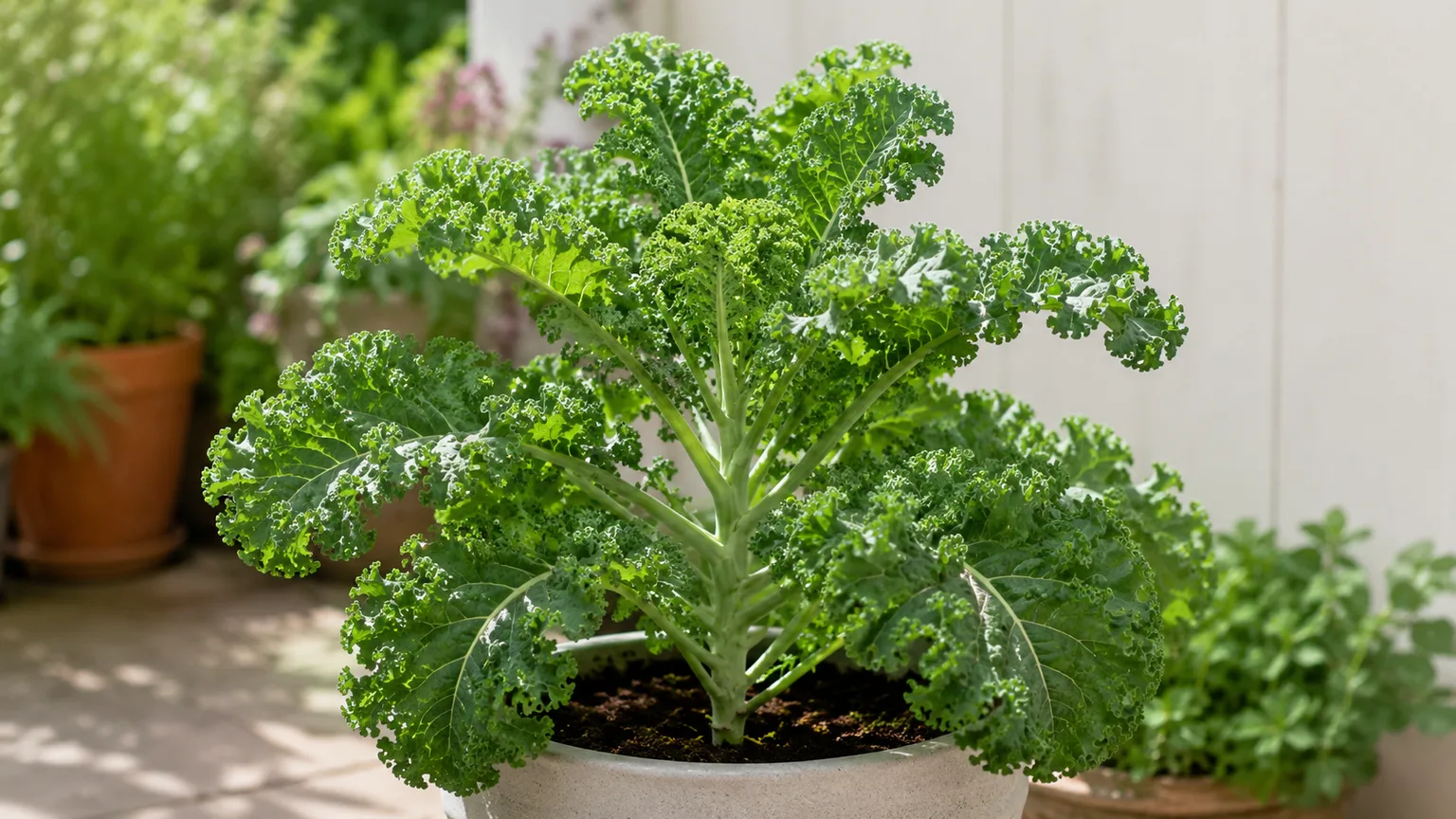
Kale thrives in cool weather and often tastes sweeter after light frost. In mild winter areas, direct-sow kale in January. In colder zones, start kale indoors 4–6 weeks before transplant, then set plants out 2–4 weeks before your last frost with row cover on cold nights.
Winter varieties like Siberian, Red Russian, and Winterbor are bred for cold tolerance and make excellent January sowings. Kale seedlings need strong light from day one; leggy kale transplants are slow to recover outdoors.
Because kale is a brassica, rotate planting beds away from where broccoli, cabbage, or cauliflower grew last year to reduce pest and disease carryover.
4. Broccoli — Brassica Transplants for Early Heads
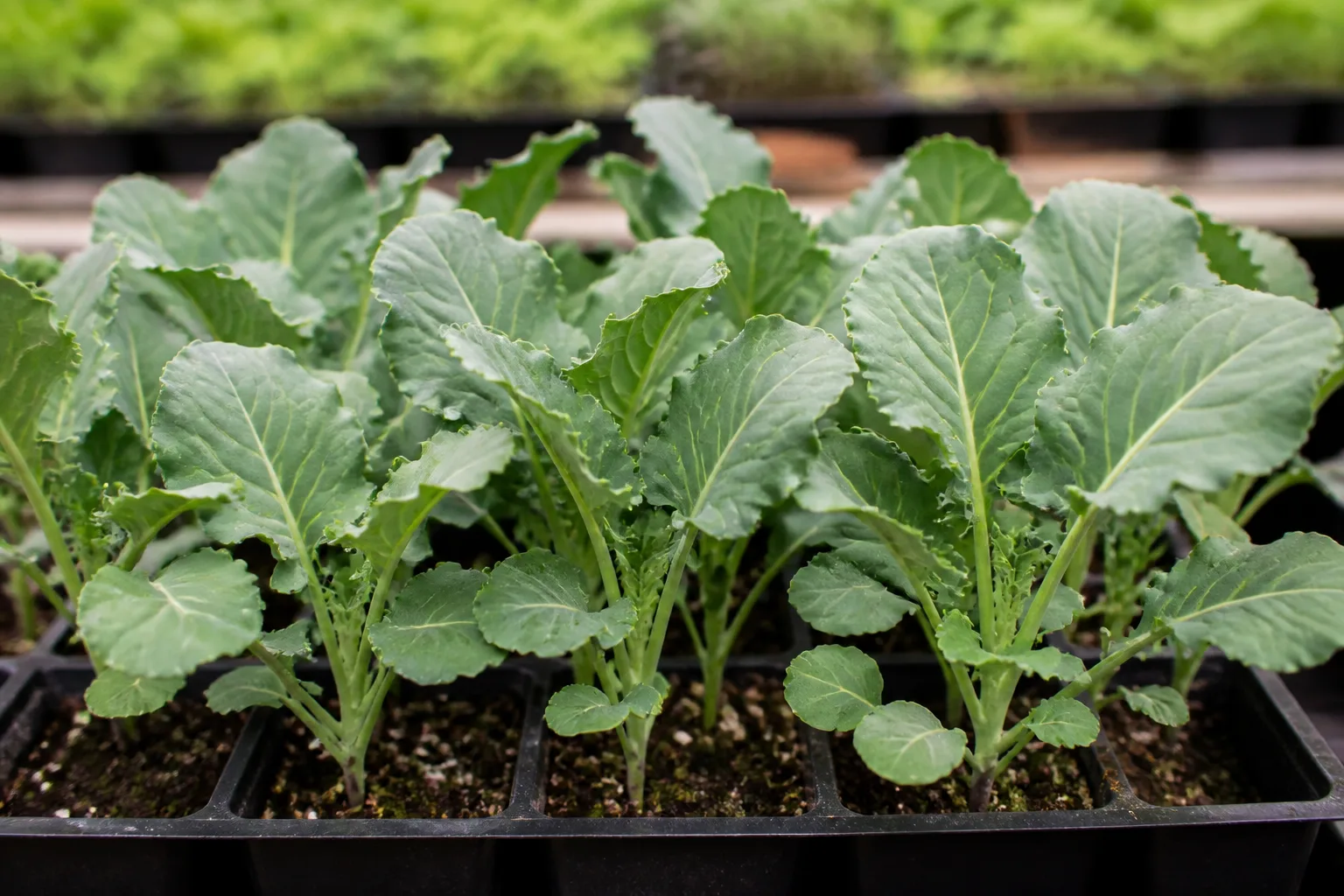
Broccoli is too cold-sensitive for reliable January direct sowing in most regions, but it is an excellent indoor January start. Sow broccoli seeds 6–8 weeks before you plan to transplant, typically 2–4 weeks before your average last frost.
Broccoli wants steady, cool growth. Starting too early without adequate light produces stressed transplants that may button (produce tiny heads) instead of full crowns. Keep seedlings at roughly 60–65°F after germination if possible.
Harden off broccoli for 7–10 days before planting, gradually increasing outdoor exposure. Transplant into rich, well-drained soil and water consistently—dry spells during head formation ruin the crop.
5. Spinach — Direct-Sow Outdoors or Start a Succession Indoors
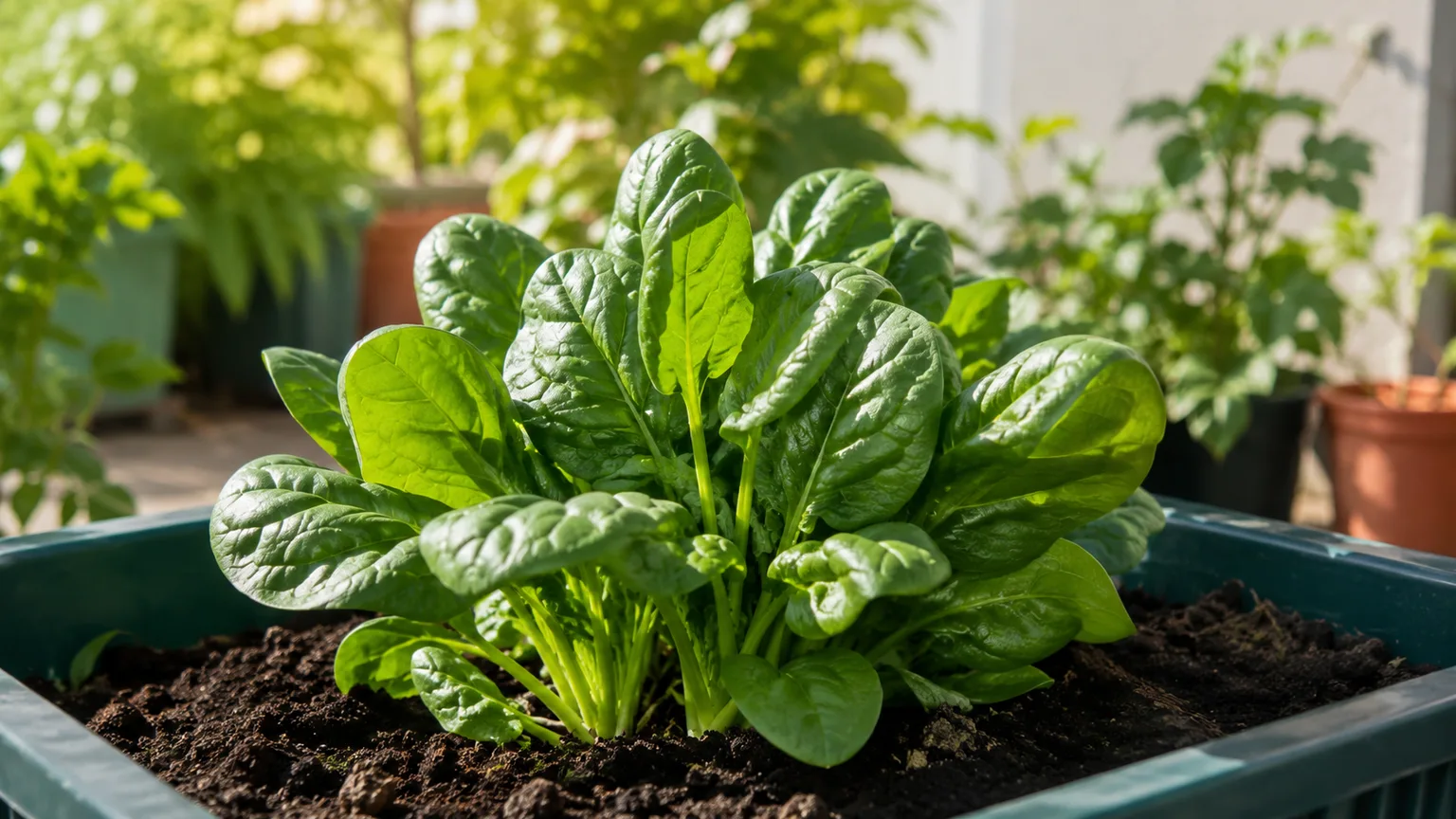
Spinach germinates in cool soil and tolerates light frost once established. Where January ground is workable and not waterlogged, direct-sow spinach outdoors. Spinach often tastes better after chilly nights; warm spells can push plants toward early bolting.
In northern regions with frozen soil through January, start spinach indoors 4–5 weeks before transplant or wait until February for a direct outdoor sow as soon as beds thaw. Spinach roots are sensitive—use cells you can plant without bare-rooting if you start indoors.
For continuous harvest, sow small batches every two to three weeks from late winter through early spring, stopping before summer heat arrives.
6. Onions — Long-Run Starts From Seed or Sets
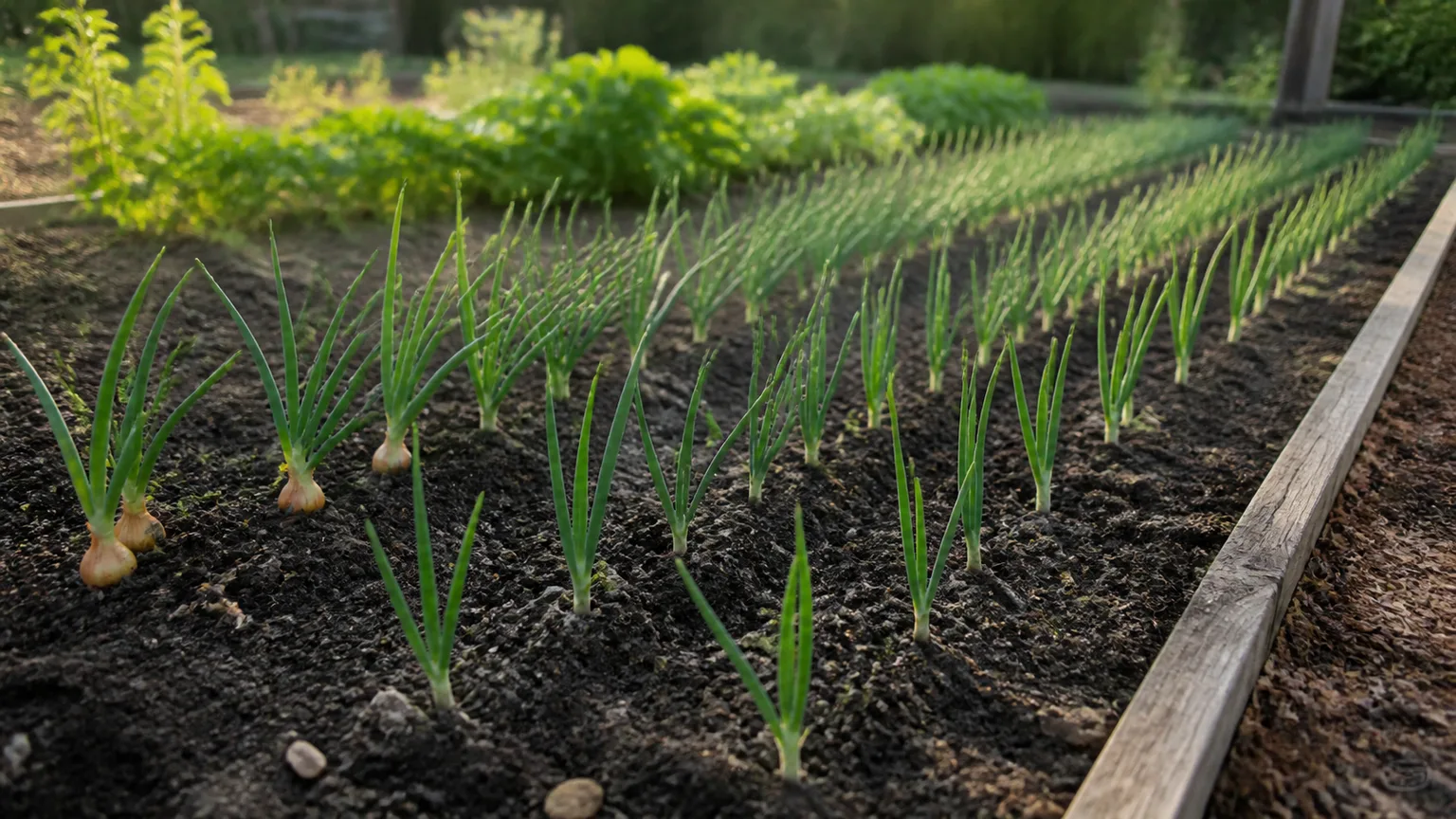
Onions are among the best January indoor starts because they are slow to reach transplant size and tolerate cold outdoor planting. Sow onion seed 8–12 weeks before you plan to set plants in the garden, often 2–4 weeks before your last frost.
Choose varieties matched to your day length: long-day onions for northern latitudes, short-day types for the South, intermediate-day for the middle band. Wrong day-length onions may never bulb properly no matter when you sow.
Onions from seed are less prone to bolting than sets in springs with erratic warm-then-cold weather, according to practical January notes from Irish climate gardeners at Quickcrop. If you prefer sets, January is still a good time to order them and prepare beds—you do not need to start sets indoors.
Trim tops to 4 inches before transplant if seedlings become floppy, and plant shallowly so bulbs can expand at the soil surface.
7. Tomatoes — Warm-Season Starts for Short Northern Seasons
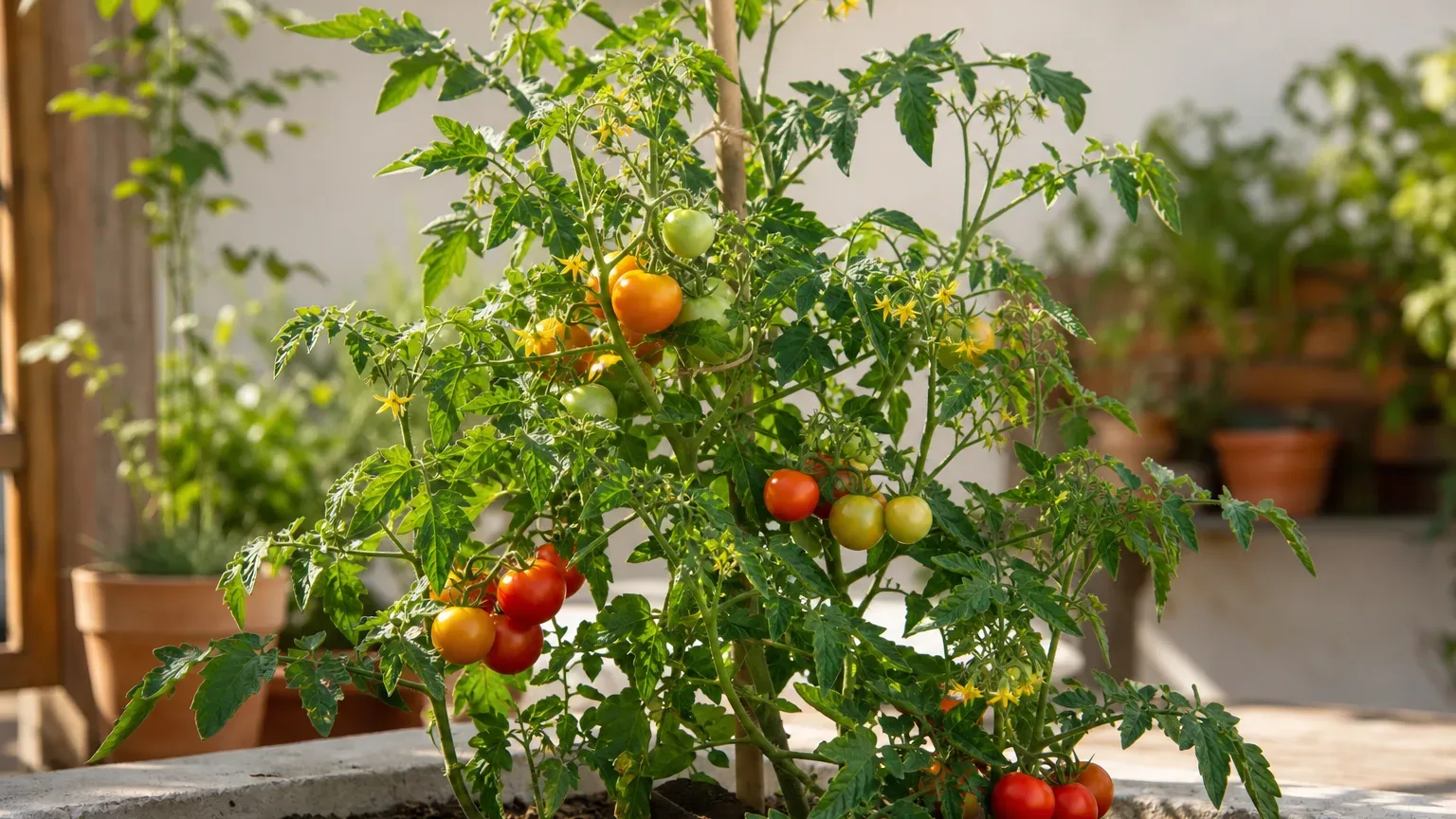
Tomatoes are the crop most gardeners want to start in January—and the one most often started too early. Tomatoes need 6–8 weeks indoors before transplant, but transplant day is after your last frost when nights reliably stay above about 50°F.
If your last frost is mid-May (common in zones 5–6), sowing tomatoes in mid-January gives you 16+ weeks indoors—far too long without greenhouse-level light and repeated potting up. A January tomato start only makes sense when:
- Your last frost falls in March or early April (many southern and coastal gardens), or
- You have strong grow lights, heat, and space to pot up to quart containers before outdoor planting.
Otherwise, wait until 6–8 weeks before your real transplant date—often February or March in the North. Epic Gardening emphasizes matching sow dates to climate and what you will actually eat, not the earliest possible calendar date (Epic Gardening seed-starting guide).
Use determinate varieties if indoor space is tight; indeterminate types grow aggressively under lights.
8. Bell Peppers — Slow Germinators That Reward an Early Tray
Bell peppers germinate slowly—often 10–21 days—and need warm soil (about 70–80°F) to sprout reliably. Start seeds 8–10 weeks before transplant, which is usually 1–2 weeks after your last frost when soil has warmed.
January pepper starts suit short-season regions where every warm week counts toward ripe fruit. Like tomatoes, they require 12–16 hours of strong daily light from emergence onward; a windowsill alone produces thin, delayed plants.
Surface-sow or plant shallowly, keep humidity high until germination, then provide airflow. Pot up promptly as roots fill cells—peppers stall in overcrowded trays.
9. Potatoes — Chitting Tubers (Not Packet Seeds)
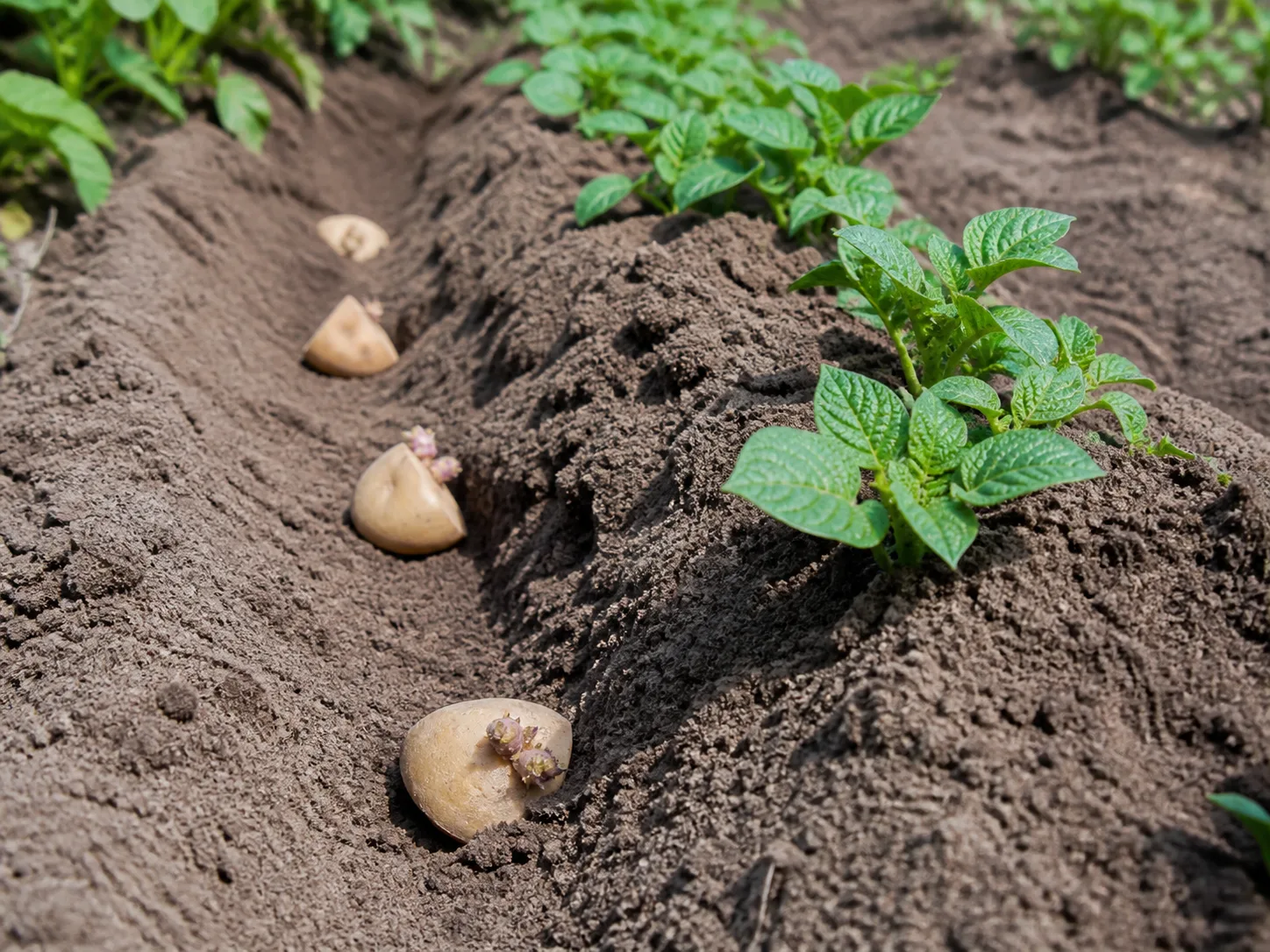
Potatoes belong on a January garden list, but not as seed packets. Home gardeners plant seed potatoes—tubers saved or purchased for planting. January work is chitting: setting tubers in a cool, bright, frost-free spot (45–50°F) with the eye end up so short, sturdy green sprouts form before planting.
Chitting takes 4–6 weeks. In mild climates, plant chitted tubers in late winter when soil is workable. In cold regions, chit in January and plant 2–4 weeks before your last frost or when soil reaches about 45°F—whichever local practice recommends.
Store seed potatoes cool and bright, not warm and dark; warm storage produces long, brittle sprouts that break at planting. Egg cartons or shallow trays work well. Do not confuse seed potatoes with grocery store potatoes treated to inhibit sprouting.
What to Skip Starting in January
January enthusiasm causes more garden problems than January frost. Skip or postpone:
- Root crops (carrots, beets, radishes, parsnips)—they need direct sowing and dislike transplanting.
- Beans and corn—fast, heat-loving direct-sow crops with no January benefit in most zones.
- Cucumbers, squash, and melons—wait until 3–4 weeks before transplant at earliest; January starts outgrow indoor space.
- Tomatoes and peppers in the North if you cannot provide months of strong light—March sowing is healthier.
- Any outdoor sowing into frozen, snow-covered, or waterlogged soil—seed rots or washes away.
If your last frost is still in May or June, January is primarily for onions, brassicas, and planning—not for every packet in the catalog.
January Seed-Starting Troubleshooting
Leggy seedlings almost always mean insufficient light or too much heat after germination. Lower lights, reduce heat mat use, and gently brush tops daily to strengthen stems.
Damping off (seedlings collapsing at the soil line) signals overcrowding, overwatering, poor airflow, or domes left on too long. Thin seedlings, water from below, add a fan, and remove covers once most seeds sprout.
Seeds never germinate may mean old seed, wrong temperature, or planting depth. Run a damp paper towel test on questionable packets before filling trays.
Transplant shock hits when seedlings go outdoors without hardening off or when soil is still too cold. Gradually expose plants to outdoor conditions over 7–10 days and match each crop to its frost tolerance.
Onions that never bulb often trace to wrong day-length variety or planting too deep—not to January sowing itself.
Conclusion
January is not a single sowing event—it is a scheduling head start for nine crops that repay early attention when you match method to climate. Direct-sow peas, spinach, and kale where soil is workable; start broccoli, onions, lettuce successions, and—where frost dates and lights allow—tomatoes and peppers indoors; chit potatoes in a cool bright room. Anchor every decision to your last frost date and transplant day, not to social media photos of greenhouse tomatoes in zone 3.
Get the calendar right in January and spring becomes transplanting sturdy plants into workable beds—not panic-buying leggy seedlings at the garden center. Order missing seed, test last year’s packets, clean trays, and hang grow lights now. Your March self will inherit trays that are ready—not rescues.