51 Small Garden Ideas for Outdoor Spaces
Fifty-one small garden ideas grouped by goal—plus planning rules that stop you from buying plants your patio cannot support.
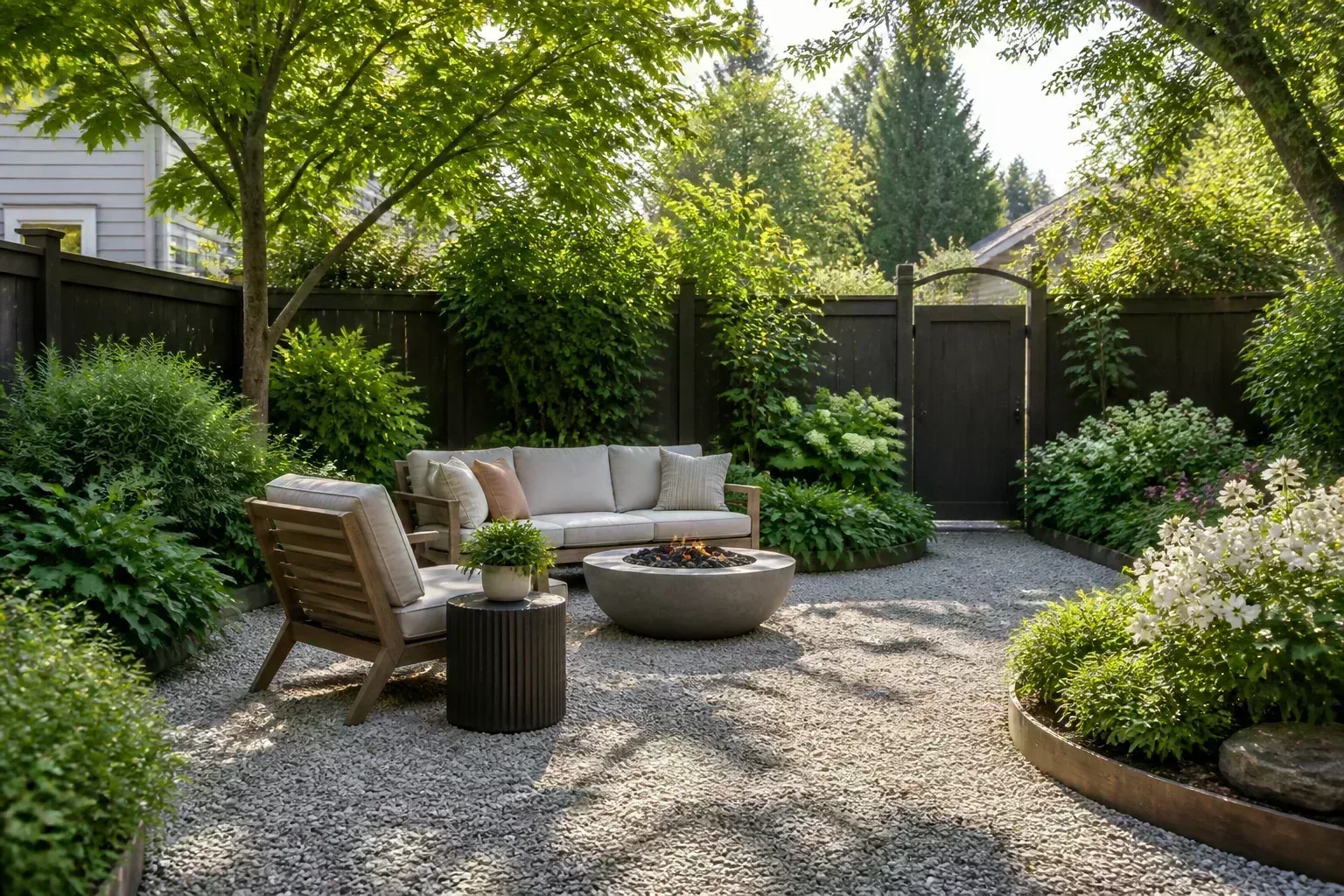
A postage-stamp patio, a narrow side strip, a courtyard boxed in by fences—the constraint is real, but so is the opportunity. Small garden ideas fail when you copy a photo built for a different climate, sun exposure, or budget. The ideas below are grouped by what you are trying to solve—more room, more privacy, more food, less weekend work—not by whatever looked pretty in a magazine spread.
Start with a quick audit. Then pick two or three ideas that match your light, maintenance appetite, and whether you rent or own. The numbered reference at the end lists all 51 ideas so you can scan by goal without reading fifty-one disconnected captions.
Start With a Five-Minute Small Garden Audit
Before you buy a single planter, answer four questions on your phone notes app. How many hours of direct midsummer sun hit the main growing spot at 8 a.m., noon, and 4 p.m.? South- and west-facing spots bake; north entries stay cool and shady. The RHS stresses matching plants to aspect because small spaces leave no margin for “it might work.”
Second, where does water go in a hard rain? Pots on a slab without drainage holes, low corners against the house, and sunken courtyards all collect water differently than a sloped lawn. Third, map traffic: door swing, grill path, dog route, garbage rollout. Gardens that fight daily movement get trampled. Fourth, note weight and attachment limits on balconies and roof decks—soil, water, and stone add up fast.
Only after that audit should you shop. A shade-loving hosta under a west railing will fry by July no matter how charming the pot looked at checkout.
Measure light, drainage, and how you actually use the space
Draw a rough rectangle of your space and label sun hours, the wettest corner, and the one seat you will realistically use. If the whole area is paved, your garden is probably a container garden—which is not a downgrade. Containers let you control soil, move plants with the seasons, and grow acid-lovers in chalky neighborhoods. If you have soil, test whether it is workable or whether raised beds are the faster path to success.
Write down one non-negotiable: kid play path, dog relief zone, or grill clearance. Every idea that survives the audit must respect that line. Balcony gardeners should also confirm weight limits with building management before filling multiple 24-inch ceramic pots—wet soil weighs roughly twice as much as you guess.
Design Tricks That Make Small Gardens Feel Larger
Spatial design beats plant count in tight yards. Chelsea 2025 small-space designers repeated the same themes: fewer but larger elements, layered heights, and a clear place to sit (RHS Chelsea balcony tips). Hamzah-Adam Desai’s Peace of Mind garden argued for less is more—one generous planter reads richer than six tiny pots cluttering the floor.
Separate viewing distance from planting. A thin lawn or gravel strip between seating and beds makes the planting feel farther away and more intentional—an idea worth stealing even if you later lose the lawn entirely. Island beds in remaining turf break up flat rectangles and give you a 360° planting stage with tall center plants and lower edges.
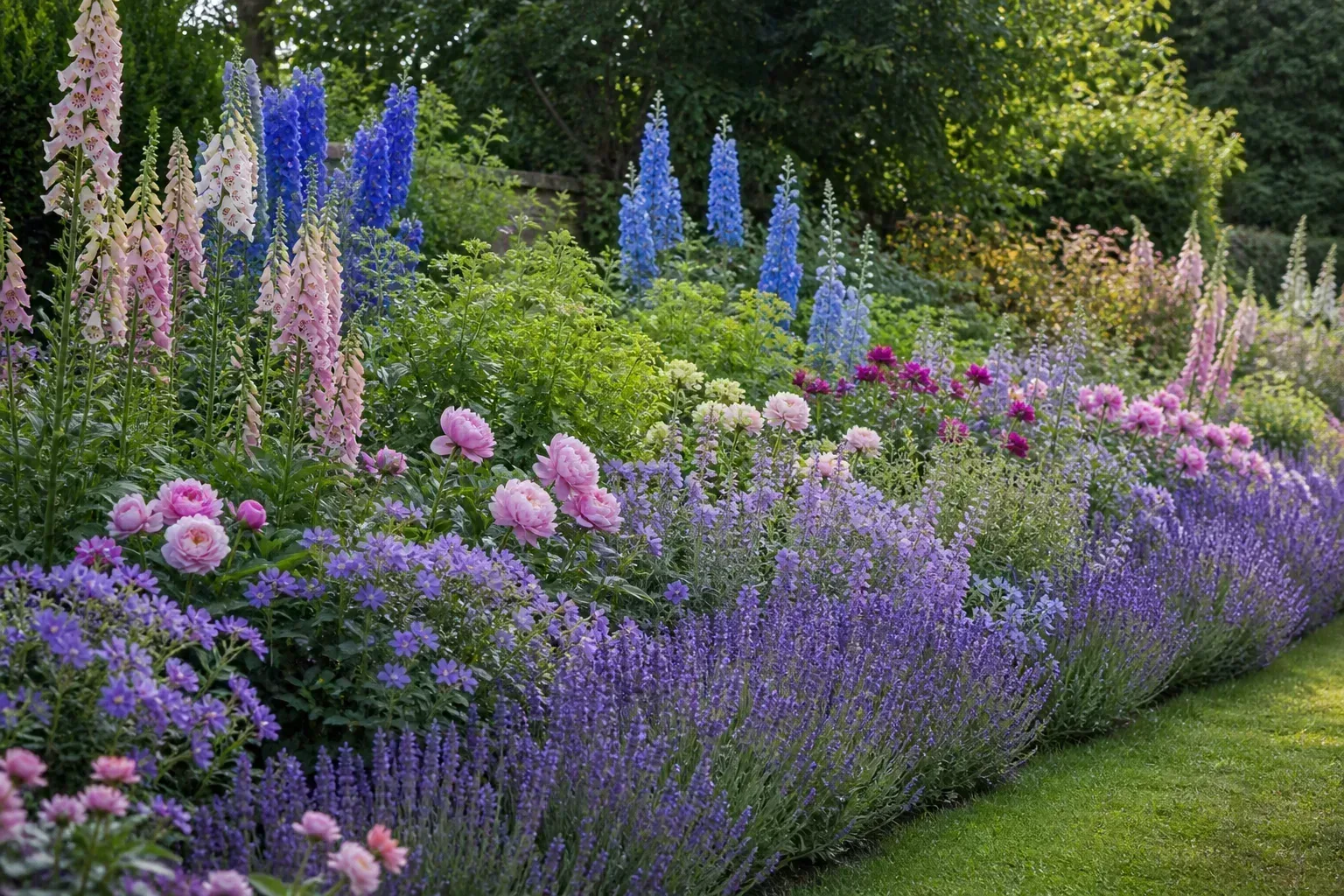
Curves, borrowed views, and cool colors at the far edge
Curving paths and bed edges slow the eye and hide the full length of a yard, which makes short distances feel longer. Repeat one flower color at intervals along the curve so the line reads as designed, not accidental. Place cool blues and silvers at the far end of a border; they visually recede compared with hot reds and oranges up close.
Frame a borrowed view when a neighbor’s trees or a woodland edge sits beyond your fence. A see-through gate or slim picket panel draws the eye outward so the scene feels bigger than your property line. You do not need access to the woods—just a sightline that does not stop at your fence.
Mirrors and proportion—when they help and when they backfire
Garden mirrors can double perceived depth in shaded courtyards, but never hang them where direct sun will reflect into seating areas or toward windows—glare and heat build fast. Angled slightly, a mirror that reflects planting instead of blank wall works best at dusk when interior designers use the same trick outdoors.
Proportion matters as much as illusion. One dramatic specimen—an arching agave, a clipped topiary ball, a single large ceramic pot—anchors a small space better than twenty small distractions. RHS Chelsea designers urged don’t be afraid of larger specimens in small plots when weight limits allow; a single “trub” (tree-like shrub) adds height wildlife can use without filling the floor.
Go Vertical: Walls, Trellises, and Hanging Space
When floor space is gone, grow up, along, and overhead. Train espaliered apples, pears, or peaches on wires against a sunny wall for fruit without a orchard footprint. Hooks, wall grids, and pot rails turn blank fencing into display space—easier to maintain than fully irrigated living walls. For a deeper build-out, see our DIY vertical garden ideas guide.
Pergolas and arches double planting area by hosting wisteria, clematis, climbing hydrangea, or annual gourds overhead. Check structure strength before you plant a heavy wisteria on a flimsy fence; our climbing plants that don’t cause damage guide covers safer pairings. A repurposed ladder against a wall holds herbs and trailing ivy with cottage charm and zero custom carpentry.
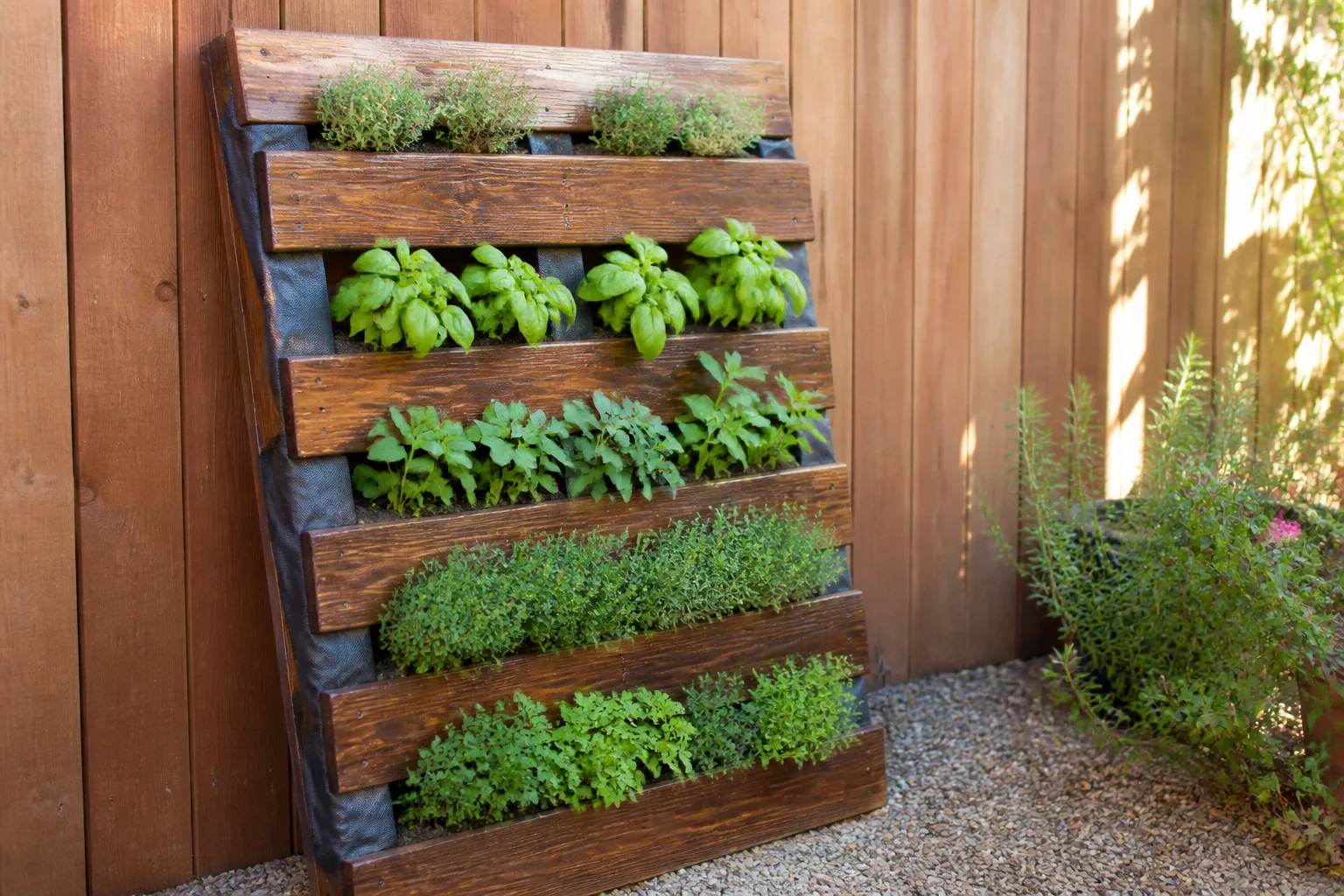
Espaliers, pergolas, and ladder trellises
Espalier looks expert but the mechanics are simple: horizontal wires, patience, and yearly pruning to keep fruiting wood flat. In courtyards, vertical vines on two walls can enclose an intimate outdoor dining room without permanent walls. Hanging baskets and porch hooks exploit air space—ideal for trailing strawberries, cherry tomatoes, or fuchsias—but budget extra watering time; exposed baskets dry out daily in summer heat per RHS hanging basket guidance.
Container Gardens for Patios, Balconies, and Courtyards
Containers are a full garden strategy, not a consolation prize. Cluster odd numbers of pots (three, five, seven) with varied heights to mimic a border. Use the thriller-filler-spiller formula: one upright focal plant, mounding middle plants, and trailers over the rim. Keep one color story in either foliage or pot glaze so the cluster reads cohesive.
Rail planters and over-the-rail boxes add color without stealing floor space—choose wind-tough plants on exposed balconies. Double-duty pots underplant a small tree with seasonal annuals or cascading sedum so one container does three jobs. Penn State Extension reminds container gardeners that drainage holes and quality potting mix matter more than clever layering tricks (Penn State container gardening). For the full rule set, read our container garden tips for beginners.
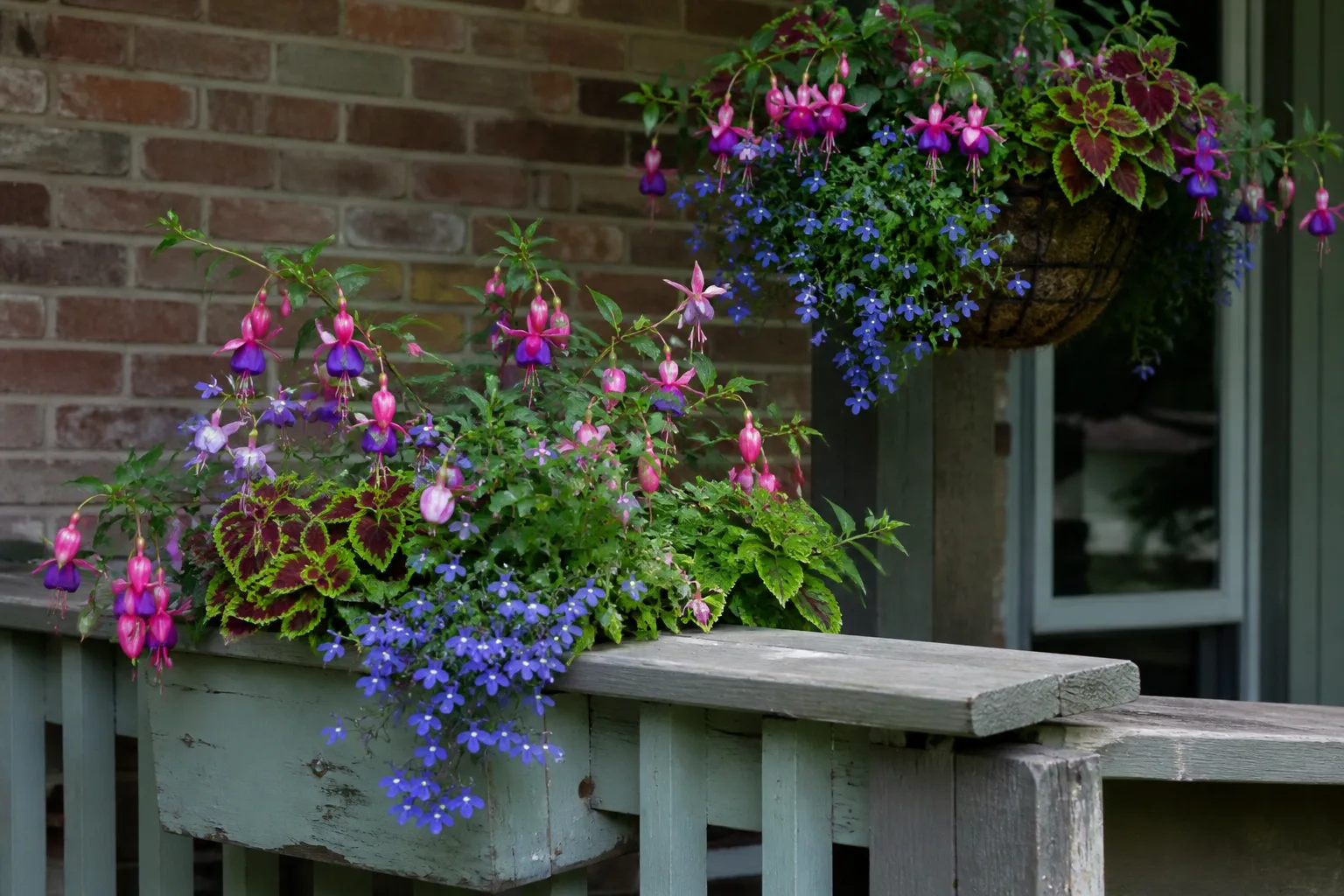
Thriller-filler-spiller combos and rail planters
Bigger pots than you think you need—Chelsea designers echoed the RHS advice that roots in small spaces still want volume. A dwarf citrus or potted dwarf fruit tree beside a bistro table gives structure and harvest; move pots indoors before hard frost if your zone demands it. Window boxes remain the smallest viable garden: deep boxes for roots, reliable drip if you cannot water daily, and seasonal swaps for spring bulbs, summer geraniums, and fall grasses.
Raised Beds, Stock Tanks, and No-Dig Edible Corners
Bad native soil should not veto gardening. Raised beds—timber, stone, or stock tanks on gravel—let you import decent soil and keep pathways clear. Narrow beds (under four feet wide) are reachable from both sides without stepping on soil. Galvanized stock tanks drain well when drilled, cost less than custom masonry, and read modern on patios.
Place beds where sun is strongest, not where they photograph best from the kitchen. Leave 18–24 inches between beds and fences for kneeling and wheelbarrow access. If digging is off the table entirely, tanks and tall planters are your “I can’t be bothered to dig” garden—still capable of tomatoes, herbs, and cutting flowers.
Line timber beds with landscape fabric only on the sides if you are worried about treated lumber leaching; the bottom should stay open to worms unless you are on contaminated soil. Fill with a blend of topsoil and compost rather than straight bagged topsoil, which compacts in the first season. On patios, set tanks on gravel or deck tiles so drainage does not stain concrete rings that never wash away.
Food Gardens That Fit in a Few Square Feet
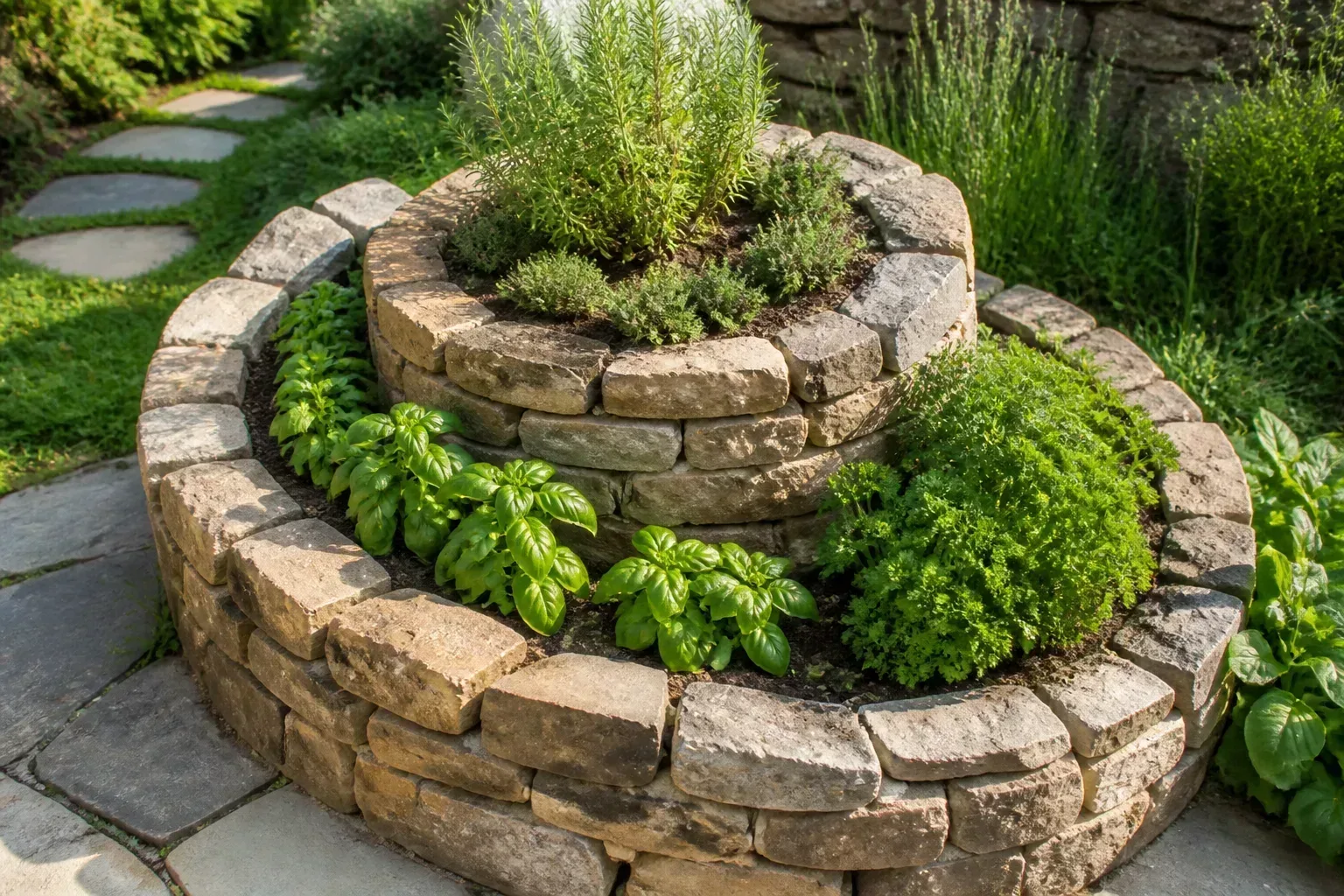
You do not need a quarter acre to eat from the yard. Cherry tomatoes, bush beans, peppers, lettuce, and herbs all produce in pots or 4×4 beds. Vertical trellises for peas and pole beans multiply square footage. Keep the herb garden closest to the kitchen door—basil, thyme, mint (contained), and parsley in a single large pot get used; distant herbs become mouse-ear garnish once a year.
The RHS recommends treating small-space veg as a rotation puzzle: spring peas on a trellis, summer beans in the same footprint, fall kale underplanted once vines come out. One stock tank can run that cycle if you refresh compost between crops.
Potted fruit trees and dwarf berries frame seating areas while supplying snacks. Match edibles to sun hours: six-plus hours for fruiting tomatoes; leafy greens tolerate partial shade. A bird feeder near—but not above—edible beds brings movement in winter without inviting squirrels to your strawberries.
Low-Maintenance Small Gardens for Busy Weekends
The lowest-maintenance small garden is not zero work—it is the right plant palette. Evergreen structure (boxwood balls, dwarf conifers, ornamental grasses) plus mulch beats high-input annual beds if you travel every August. A succulent tapestry of sedum and sempervivums in sun handles drought and needs no deadheading.
Flowering shrubs—hydrangea, fothergilla, dwarf lilac—give three-season impact with one yearly prune. Skip hanging baskets if you know you will not water twice daily in heat waves. A perennial border with well-chosen shrubs beats ripping out annuals each fall. For shady pockets, lean on hostas and ferns; our shade garden tips walk through dry vs damp shade.
The RHS Tatton Park small-garden showcase included an evergreen-and-grass plot that needs almost no deadheading—proof that texture and form can carry a yard when bloom is not the point (RHS small gardens). Mulch beds once in spring to suppress weeds and hold moisture; refresh when you see bare soil. A battery timer on a drip line costs less than replacing crispy pots after one vacation week.
Privacy, Structure, and Outdoor Rooms
Small gardens still need enclosure to feel like rooms. Evergreen hedges or tall grasses screen neighbors without a six-foot fence slab. A garden gate left slightly open invites exploration down a short path. Dress a shed or utility wall with lattice and a climbing rose so the tallest surface becomes garden, not storage.
Tuck a bench or bistro set at the far end of the yard—not flush against the house—so the trip feels like a retreat. Gazebos and pergolas work when scale matches: a massive gazebo swallows a 10-foot patio, but a slim arbor over a path does not. Coordinate cushions, pots, and painted furniture so bold color reads intentional, not chaotic.
Renters can add privacy with freestanding planter screens on casters—tall bamboo in long troughs, ornamental grasses, or espalier panels on wheels—without drilling into siding. Homeowners might combine a see-through gate with a partial hedge so the yard feels enclosed but not bunker-like. If outdoor seating is the main goal, pair structure planting with our backyard patio ideas for rug, shade, and lighting upgrades that make the room usable after dark.
Hedges, gates, and tucked retreats
Side yards often become dumping zones for bins and hoses. Reclaim yours as a narrow shade or fragrance corridor with slim columnar plants and permeable path material. Keep mature width in mind—you should not have to turn sideways between shrubs. Front yards benefit from the same discipline; see budget front yard landscaping ideas if curb appeal is the primary job.
Water, Light, and Sensory Details
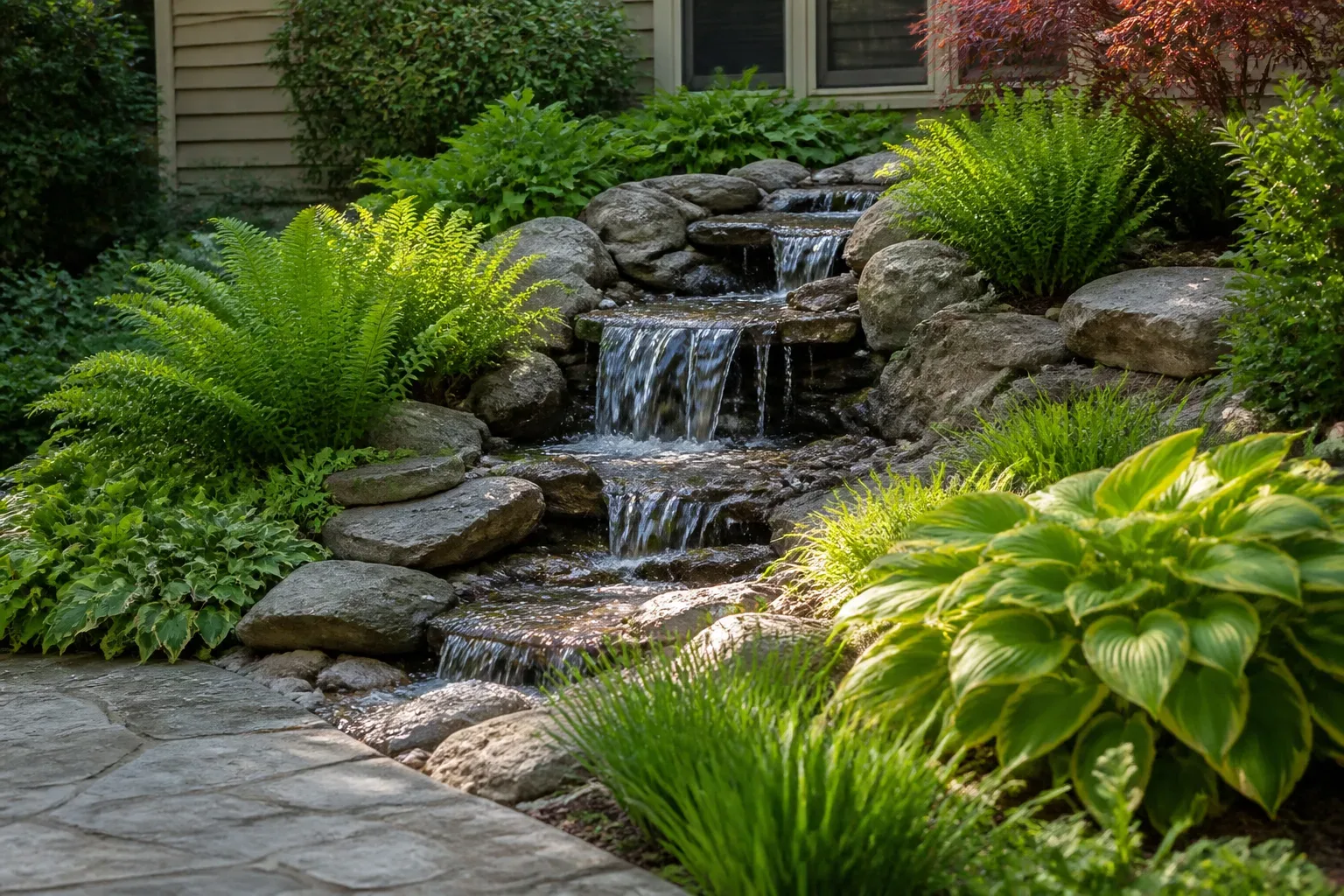
You do not need a pond to get the calm of water. A small bowl fountain, stock-tank water garden, or even a recirculating urn adds sound that masks traffic. Chelsea’s Blue Mind garden noted that balcony weight limits apply to water features too—confirm loads before filling a large vessel.
String lights, lanterns, and uplighting extend usable hours. Keep fixtures warm and low to avoid glare into bedrooms—pair with fragrant night-blooming nicotiana or jasmine near seating. A ceiling fan under a covered patio turns a hot slab into a summer office; treat comforts as part of the garden, not afterthoughts.
Seasonal Color and Year-Round Structure
Small spaces must work in every month you look at them. Evergreens carry winter; spring bulbs in pots punch color before perennials wake. Plan fall foliage—oakleaf hydrangea, blueberry, spicebush—so September does not feel like shutdown. Annuals at the entry (geraniums, impatiens in part shade) welcome guests all season without long-term commitment.
Lose the lawn where mowing wastes space: plant groundcovers between stepping stones—creeping thyme handles foot traffic in sun—or expand beds to the patio edge. A tea-garden mood needs little more than gravel, one sculptural plant, and a place to sit quietly.
Swap spring bulbs in pots for summer annuals, then tuck in ornamental kale or small conifers for winter—three seasons from one container footprint. Photograph your beds in January; if everything is bare sticks, add one more evergreen before you buy another flat of petunias.
Budget DIY, Upcycling, and Personality
The cheapest upgrades are often layout and paint: spray-bright chairs, thrifted pots, and rearranged clusters cost less than new hardscape. Plant swaps, cuttings, and seed starts beat mature nursery specimens when budget is tight. Salvage chimney pipes, concrete columns, or stock tanks as tall planters with instant height.
A mini folly—a painted shed corner, mirrored niche, or whimsical birdhouse on a post—gives visitors a destination walk without building a full structure. Collections (glass bottles, seashells, vintage tools) displayed on a shelf turn personality into décor. DIY raised beds from cedar or pine last years if soil is not in direct soil contact without a liner.
Stage one weekend project at a time: paint furniture before you pour gravel; install path edging before you plant spillers that will be trampled during construction. Share surplus divisions and seedlings with neighbors—plant swaps are how many small gardens get their first hydrangea or peony without a nursery bill. Even a single salvaged chimney pot on a plinth creates the vertical punctuation Chelsea designers chase with thousand-dollar ceramics.
Quick Reference: 51 Small Garden Ideas by Goal
Use this picker after your audit. Numbers match the classic idea set, grouped so you can act—not scroll.
Make it feel bigger (1–8, 46): island bed focal point; separate seating from planting; colorful furniture; curved paths; formal parterre geometry; container “room” without lawn; vertical walls; framed borrowed view; garden mirror in shade.
Grow up and save floor space (9, 11, 36–37, 44–45): espalier fruit; ladder trellis; pergola planting; entry arch; potted living wall; hanging hooks and plant stands.
Containers and rails (6, 15–16, 20–21, 26, 42–43, 49): grouped planters; entry bloom pots; potted fruit trees; railing boxes; mixed container garden; potted specimen tree; salvage tall pots; underplanted containers; window boxes.
Food and herbs (19, 25, 28): kitchen herb cluster; stock-tank veggies; small raised veggie patch.
Low maintenance (17, 22, 33, 39–40): shrub-heavy foundation; succulent tapestry; flowering shrubs; fall color focus; no-lawn groundcover.
Privacy and rooms (2, 23–24, 29, 31–32, 47–48, 51): viewing distance; privacy hedge; gazebo; back-of-yard retreat; mini folly; inviting gate; side-yard garden; dressed shed; outdoor-room comforts.
Water, light, senses (12–14, 38): luxury seating with water plants; shade-tree seating; evening lights; small water feature.
Personality and DIY (10, 27, 30, 34–35, 41, 50): DIY raised beds; curated décor; one dramatic plant; paved path; tea garden; coordinated accents; spilling softening plants.
Wildlife and welcome (18, 34): bird feeder; paved inviting path.
When two ideas conflict—lush lawn island vs no lawn, or many small pots vs few large ones—default to Chelsea’s rule: do a couple of things generously rather than everything thinly.
Conclusion
A small garden succeeds when the space has a job: morning coffee, kid-safe play edge, herb harvest, or a quiet screen from the street. Audit sun and drainage, pick vertical or container strategies if ground is limited, and anchor the design with one oversized element instead of clutter. The fifty-one ideas above are interchangeable modules—use the reference groups to choose modules that match your calendar and budget, then deepen execution with our linked guides on containers, shade, patios, and vertical growing. Your yard is small; your plan does not have to be.



