7 Vegetables to Plant in September for Fall Harvest
Plant radishes, lettuce, spinach, turnips, beets, carrots, and green onions in September with frost-date math, watering tips, and harvest timing.
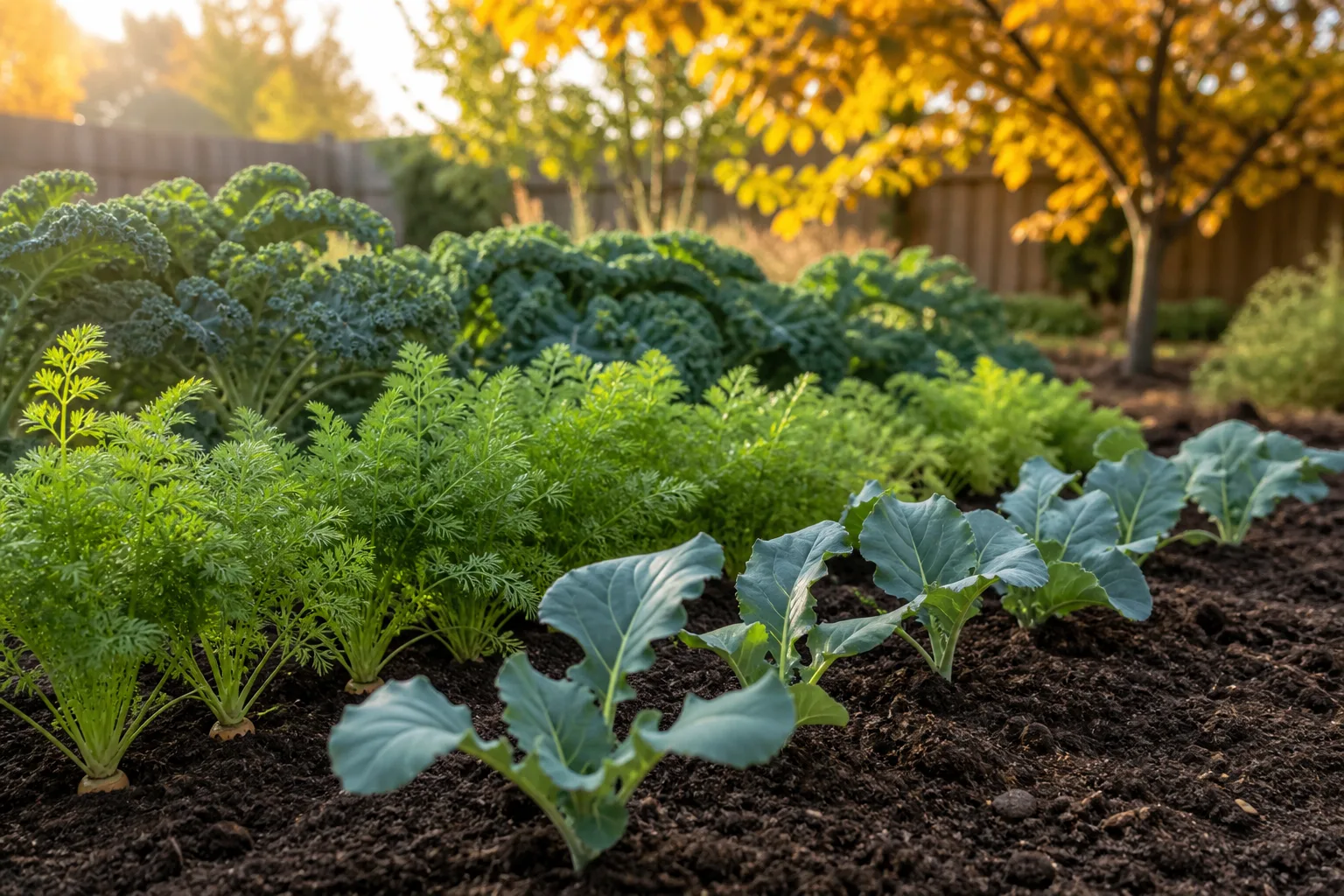
September can still produce a meaningful fall harvest, but the right crop depends on a deadline you can write on a calendar: your area’s average first frost date. A packet that says “ready in 30 days” is not promising 30 warm, bright summer days. As daylight shortens and temperatures fall, growth slows, so a late-summer planting needs a little more runway.
The most dependable choices are quick cool-season crops: radishes, leaf lettuce, spinach, baby turnips, beets, carrots, and green onions. The first four can reward you with baby leaves or roots relatively quickly; beets and carrots are more reliable when harvested young; green onions are a flexible crop that can be pulled at almost any useful size. Strawberries are not included because they are fruit, not a fast-growing vegetable, and the planting advice for fruiting crowns is different.
September planting starts with your first frost date
Start by looking up the average first frost for your ZIP code or county. It is a planning average, not a guarantee: a sheltered urban bed may stay usable longer than an exposed low spot, and a forecasted freeze can arrive weeks before the historical date. Penn State Extension’s guidance on fall vegetables puts frost and freeze dates at the center of choosing cool-season crops and deciding whether you need a season extender.
Use this simple calculation for every packet: average first frost date − days to maturity − 10 to 14 days for slower fall growth = latest sensible sowing date. If you will harvest baby leaves or roots, use the earlier baby-harvest number rather than the full-size number. If you plan to protect a crop under a floating row cover or low tunnel, you can add some flexibility, but protection does not create extra daylight or make a seed germinate in waterlogged soil.
Three questions to answer before sowing
First, how many weeks are left before frost, and is the crop meant to be eaten before frost or allowed to sit through it? Radishes and baby greens can fit a short window, while full-size carrots need more time. Second, is the soil still hot and dry? Spinach and lettuce may fail to germinate in heat even when the calendar says September, so a shaded seedbed or short indoor head start can be smarter than scattering seed into a frying surface.
Third, what does “harvest” mean for this planting? A gardener with 40 days before a likely frost can grow crisp radishes, green onion tops, and baby lettuce, but should not expect the same person-sized carrot roots listed for a long summer crop. Treat a small, tender harvest as a successful fall crop rather than leaving everything in the bed waiting for an impossible finish.
Prepare a bed that still has summer heat
Clear spent summer plants, remove diseased debris, and loosen only the top few inches of soil. Mix in finished compost if the bed is depleted, but avoid creating a fluffy, rich layer that dries into a crust above compacted soil. A level seedbed with fine crumbs gives tiny seeds better contact without burying them too deeply.
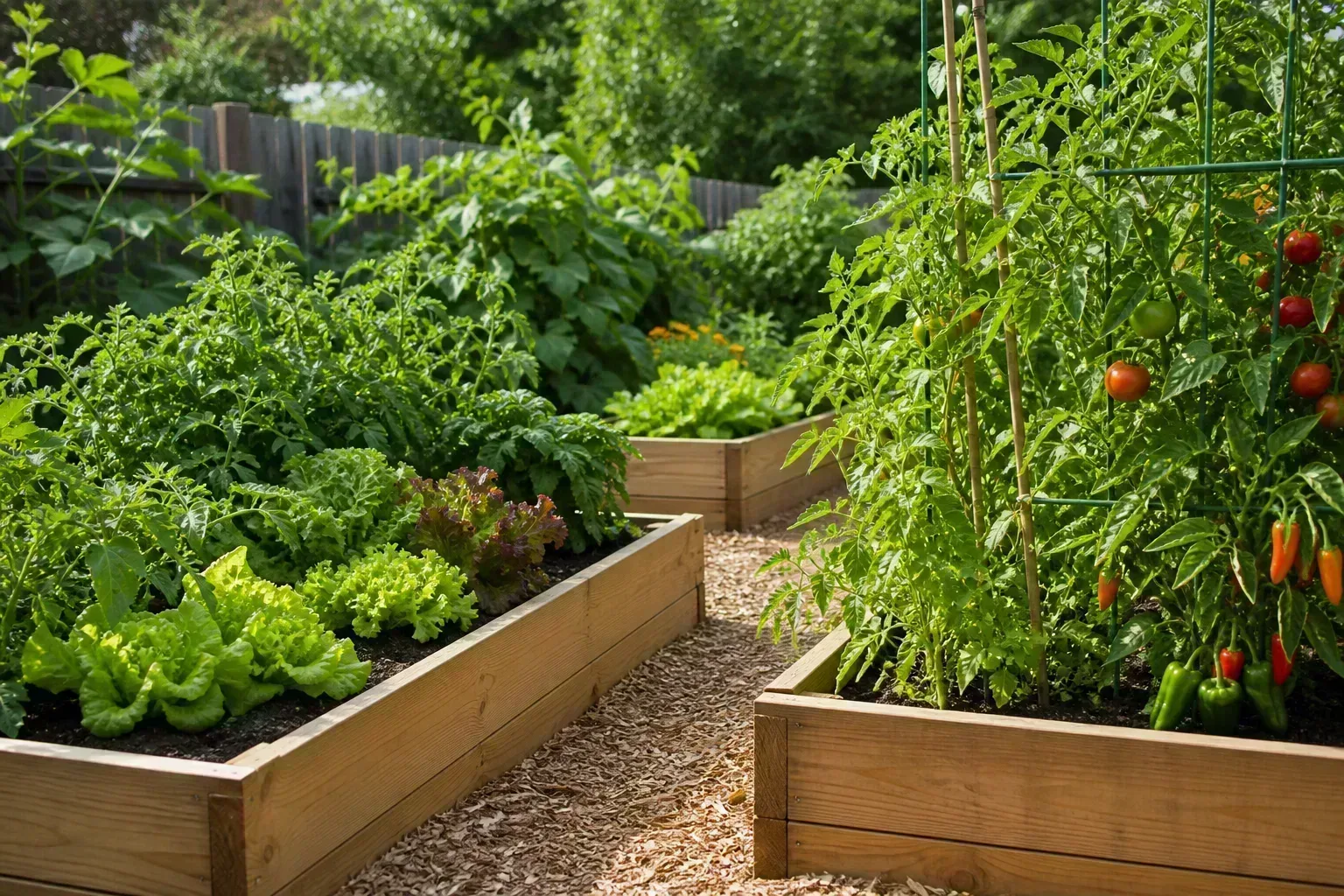
Raised beds can be convenient because they drain quickly and are easy to cover, but they also dry quickly while September days are still hot. In-ground beds may hold moisture longer but need better attention to compaction and drainage. Whichever you use, keep a bare, accessible strip between rows so you can thin seedlings, water the soil rather than the leaves, and pull a cover over the crop without crushing it.
Direct sow or transplant?
Direct sow radishes, carrots, beets, turnips, green onions, spinach, and leaf lettuce when conditions are suitable. Root crops do not appreciate their young roots being disturbed, and quick greens often gain more from uninterrupted growth than from a late transplant. Sow shallowly according to the packet, then firm the row gently so seed is not left in an air pocket.
Transplants make sense when late heat is preventing germination or when the crop needs to gain size before the light fades. Kansas State University Extension’s 2026 fall-garden guidance recommends judging both days to harvest and frost tolerance, and notes that transplants can be useful when temperatures are too warm for starting seed outdoors. For this list, that means starting lettuce or spinach in cell trays under bright light and moving them out once the bed is cooler—not buying a tall, root-bound plant and dropping it into a stressed bed.
Seven vegetables for a fall harvest
These are practical choices for a home gardener who wants food before winter, not a long list of crops that might work in one unusually mild location. The harvest ranges below are estimates for a suitable variety and good growing conditions. Always compare the seed packet’s maturity number and the crop’s frost tolerance with your own calendar.
1. Radishes
Radishes are the best choice when the fall window is short. Small salad types can be ready for baby roots in roughly 24 to 35 days, although cool weather, low light, crowding, and uneven moisture can push the date later. BBC Gardeners’ World Magazine’s September planting advice also treats radish as a late sowing crop because it can mature in a few weeks while the soil is still warm.
Direct sow a short row every 7 to 10 days rather than planting the whole packet at once. Sow into loose soil, keep the surface evenly moist until emergence, and thin seedlings early; crowded radishes make leafy tops and misshapen, woody roots. Harvest when roots are still smooth and crisp. If you leave them too long through a warm spell, they can become fibrous, hotter, or bolt.
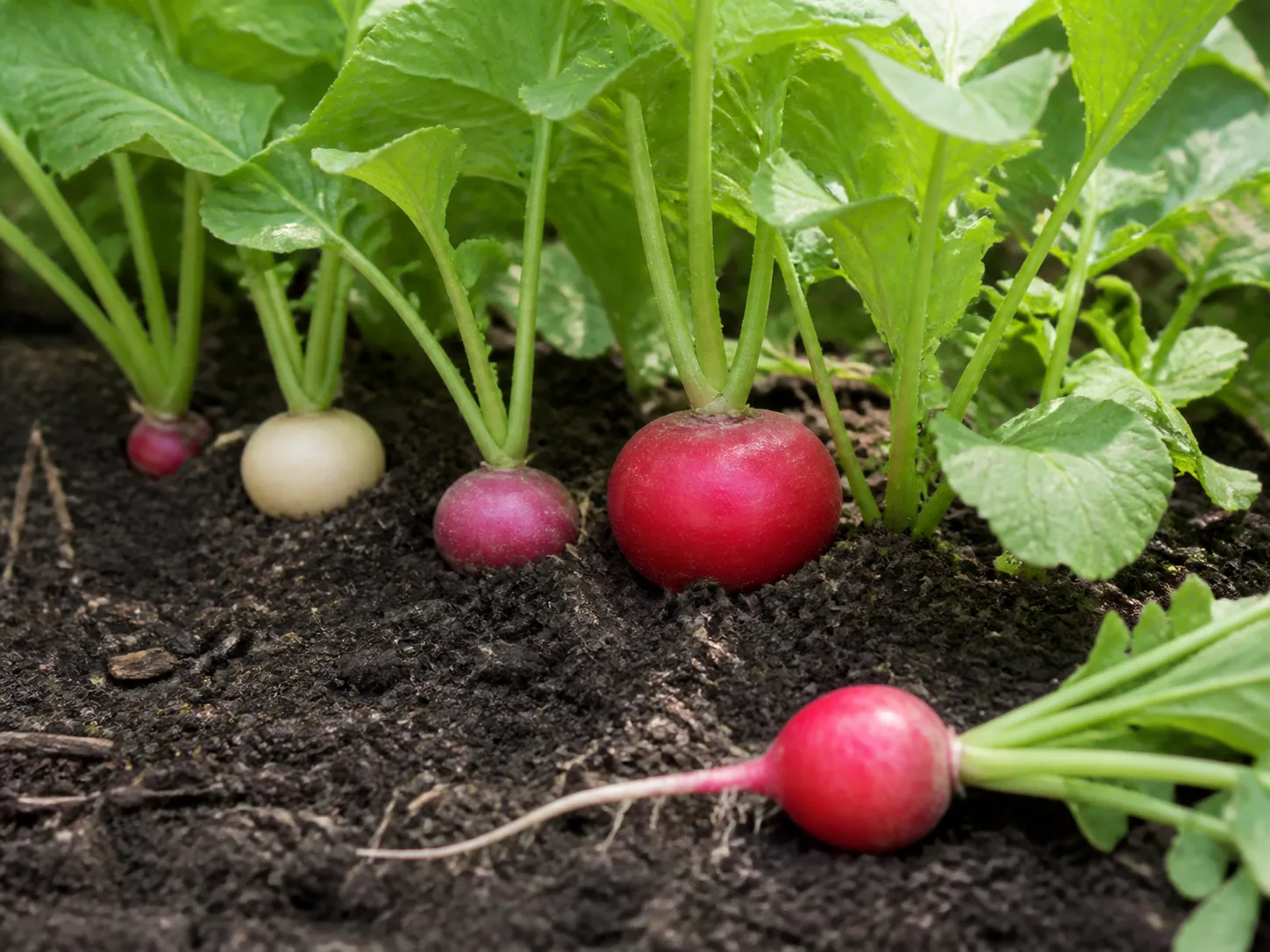
Radishes tolerate a light frost, but cover them when a hard freeze is forecast if the roots are not yet ready. Their quick turnaround makes them a useful first test of whether your September bed has enough sun, moisture, and usable time for slower crops.
2. Leaf lettuce
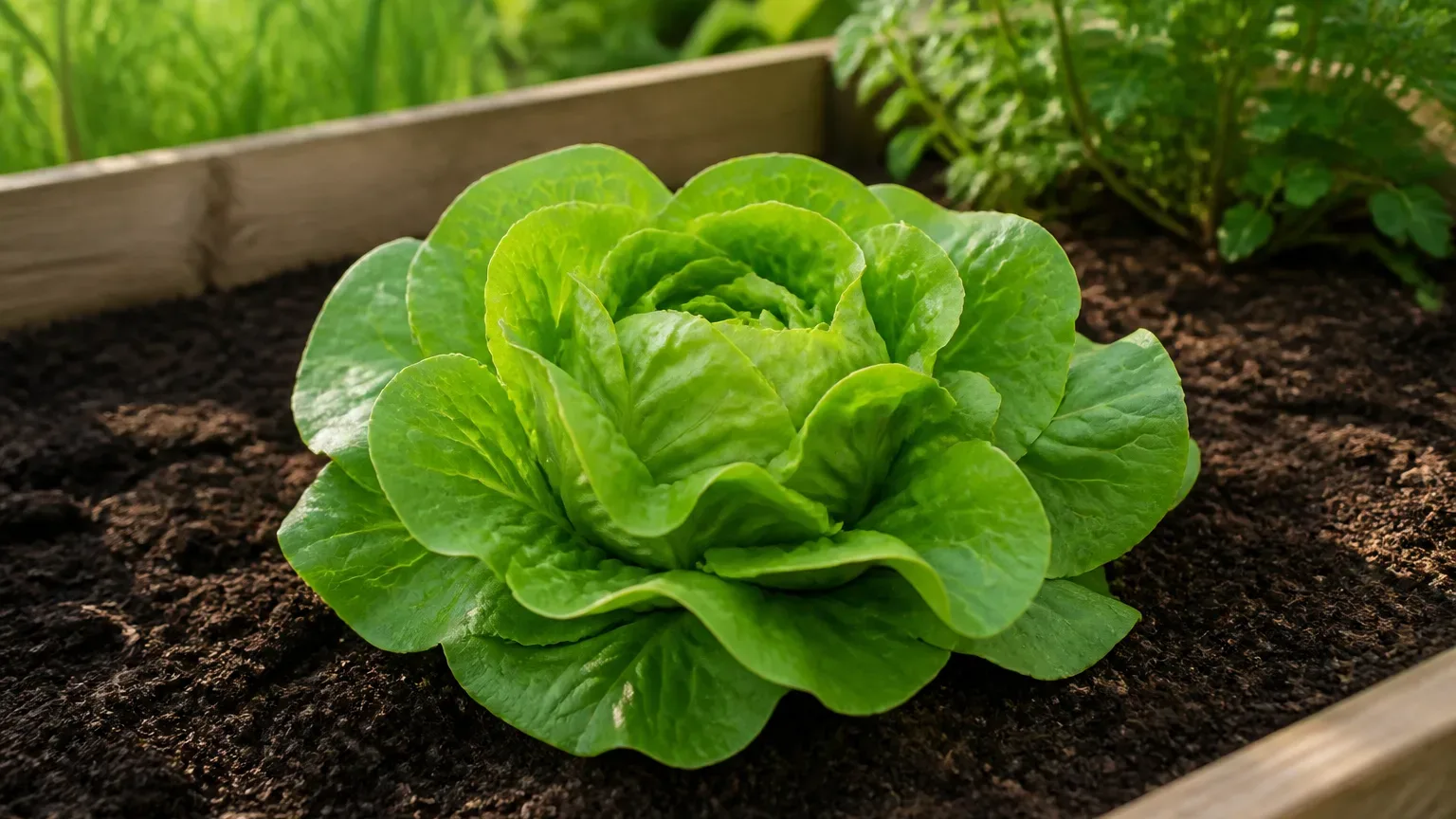
Leaf lettuce gives more value in September than head lettuce because you can begin harvesting young leaves before a full head develops. Plan on roughly 30 to 45 days for baby leaves, with the late end more realistic as nights cool and daylight shrinks. Harvest to Table’s fall-garden guidance explains why fall crops need extra time: decreasing temperatures and shorter days can add 10 to 14 days compared with the number on a packet.
Sow a thin band, not a deep trench, and cover the seed lightly. Keep the surface damp with a fine spray or drip line; a strong overhead stream can move seed, create a crust, and leave bare gaps. Once plants have several true leaves, harvest outer leaves or cut above the crown so the plant can regrow. That cut-and-come-again approach is especially useful when you have only a small bed or container.
If September is still hot, lettuce can germinate unevenly or turn bitter and bolt. Give the seedbed temporary shade during the hottest part of the day, choose a loose-leaf or heat-tolerant variety, or start plugs in a cool bright place. Remove the shade as temperatures ease so the plants receive enough light to build sturdy leaves.
3. Spinach
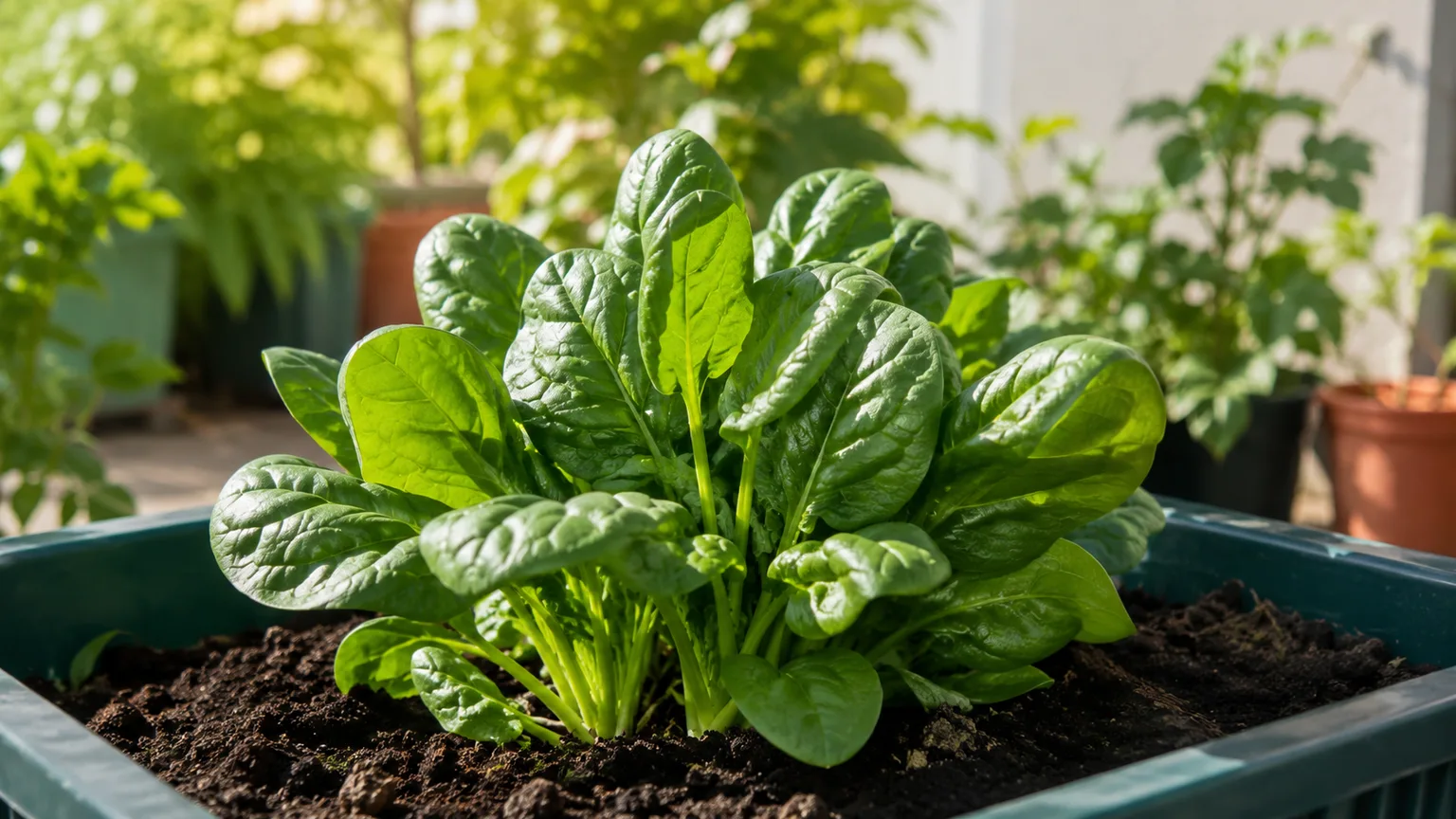
Spinach is one of the strongest choices for a cool fall garden, provided the seed can germinate before the soil becomes cold. Baby leaves can often be picked in about 35 to 50 days, and an early September sowing has a better chance of producing a substantial rosette before winter than a late-month sowing. GrowVeg’s guide to fast-growing fall vegetables highlights spinach’s rapid autumn growth and notes that light frosts can improve its flavor.
Direct sow spinach in a sunny, well-drained row. If the weather is still hot, sow in a shallow furrow, shade the soil until emergence, or start small plants indoors. Do not let seed dry out and then flood it; alternating drought and saturation is a common reason a September spinach row emerges in patches.
Begin with baby leaves rather than waiting for a perfect mature bunch. Pick the outer leaves and leave the center growing point intact. Spinach can pause when days become short and resume in milder weather, but a hard freeze can damage exposed foliage. Have cover ready before the forecast turns cold rather than after leaves have frozen.
4. Baby turnips
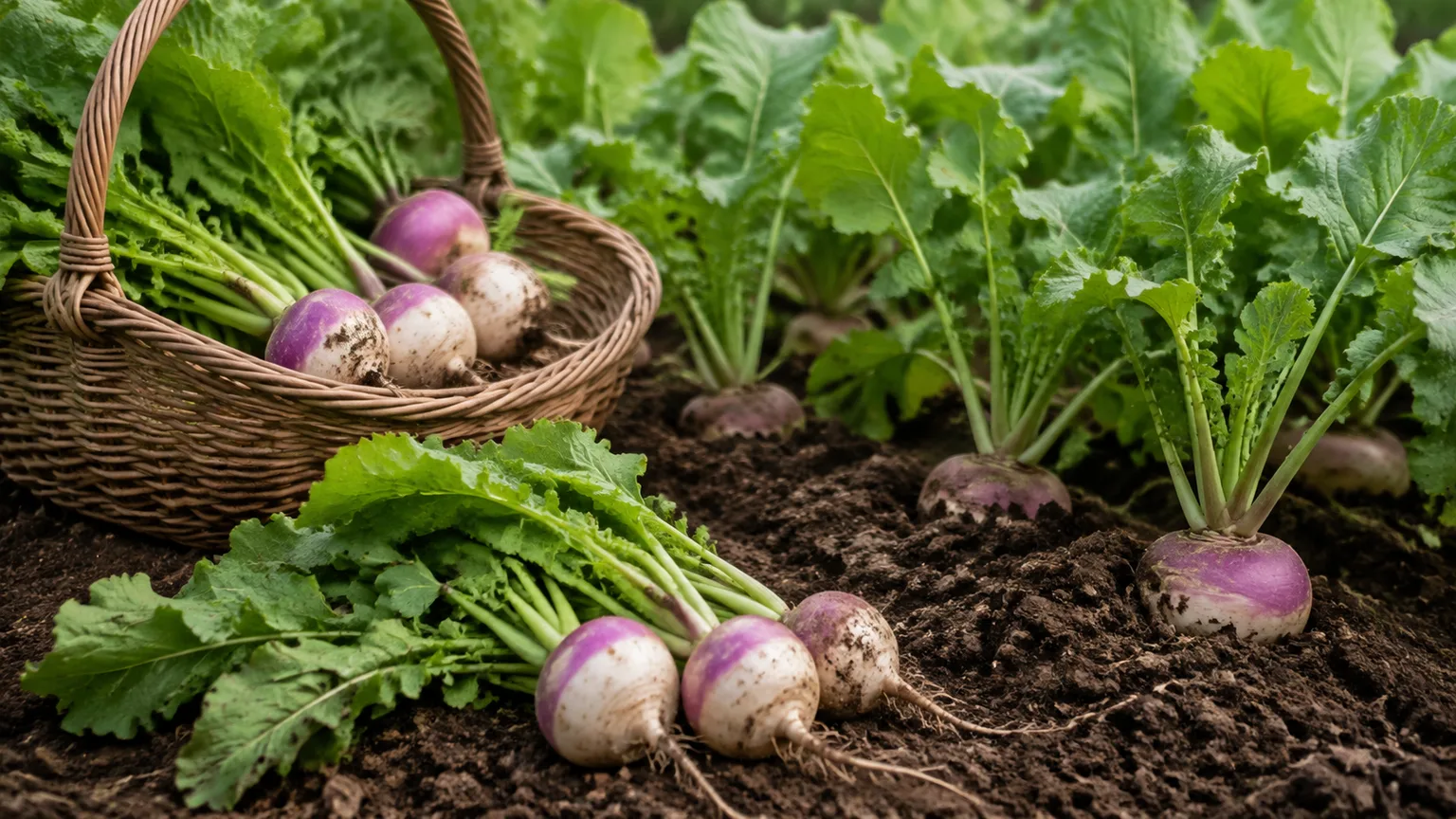
Turnips work well when you want two harvests from one small patch: tender greens first, then baby roots. Salad-sized varieties can be ready in roughly 35 to 50 days, while larger roots take longer. BBC Gardeners’ World recommends thinning turnips and harvesting them at a small size; that is a useful September strategy because it avoids waiting for a full-size root after the growth rate has slowed.
Direct sow into a fine, stone-free bed and thin promptly. Use the thinnings as greens if they are clean and tender. Consistent moisture matters: a dry spell can make roots woody and intensify the flavor, while wet, compacted soil can leave them undersized and misshapen.
Harvest baby turnips when the shoulders are around golf-ball size or according to the variety’s instructions. Leave a few plants longer only if your frost calendar allows it. The tops are not waste; young turnip greens can be cooked or added to soups, so this crop still earns its space when roots never reach full size.
5. Beets
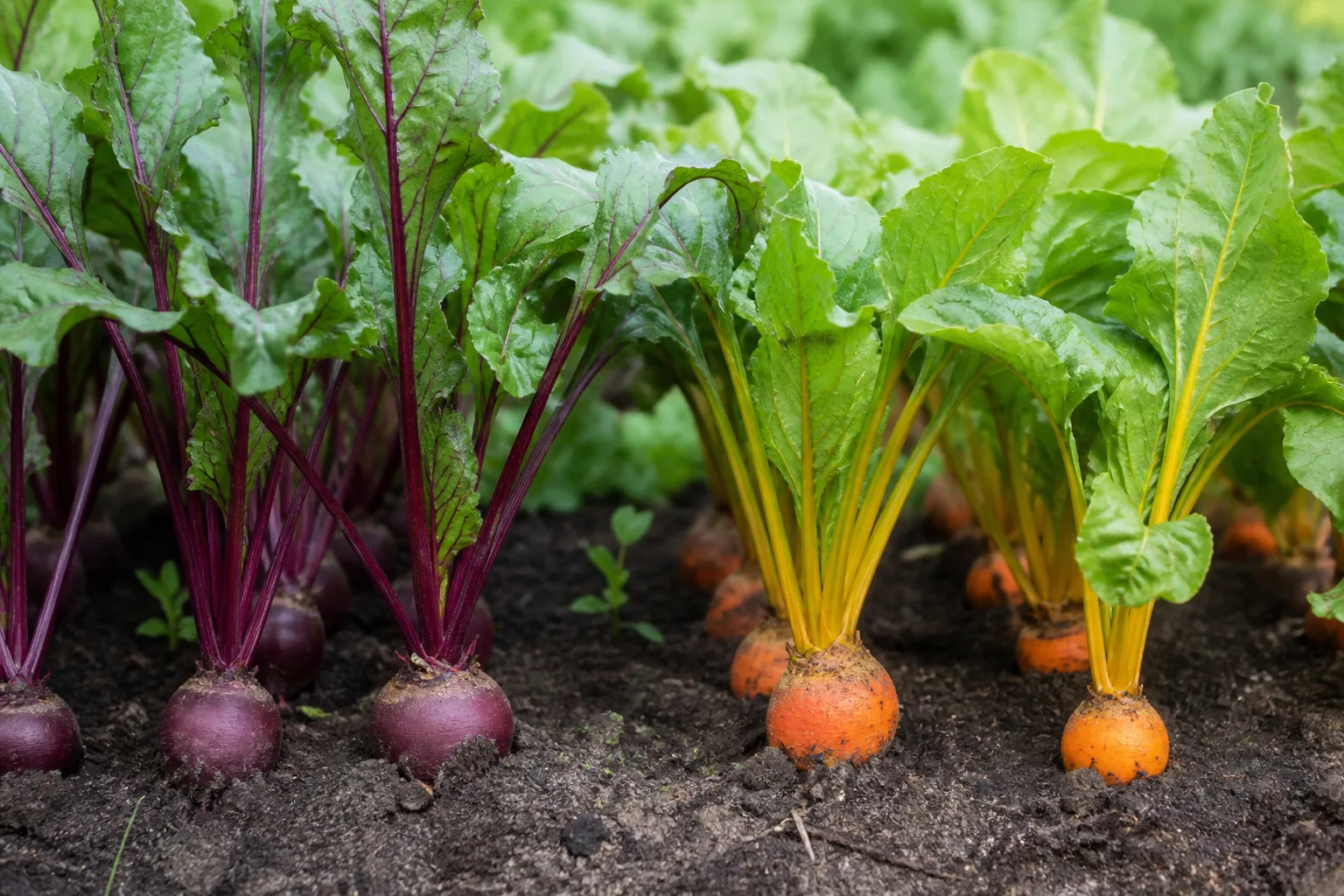
Beets are a good September choice for a longer fall window, especially if you are happy with baby beets. Plan on about 45 to 60 days for small roots and greens, and closer to 55 to 70 days for many full roots, with variety and autumn weather shifting the result. They handle cool weather well, but their rough seed clusters can produce several seedlings in one spot.
Soak or moisten the seed only if your packet or local guidance recommends it; the more important step is keeping the seedbed evenly damp until emergence. Thin by snipping extras at the soil line rather than pulling a neighbor and disturbing its root. A soil test is more useful than guessing at fertilizer. Excess nitrogen can encourage tops at the expense of roots, while compacted soil limits the root’s shape.
Pull one baby beet to test size instead of harvesting the whole row at the first sign of a shoulder. The greens can be harvested sparingly while the root develops. Beets tolerate frost better than many tender crops, but a forecasted hard freeze still changes whether you should cover foliage or bring the harvest in.
6. Carrots
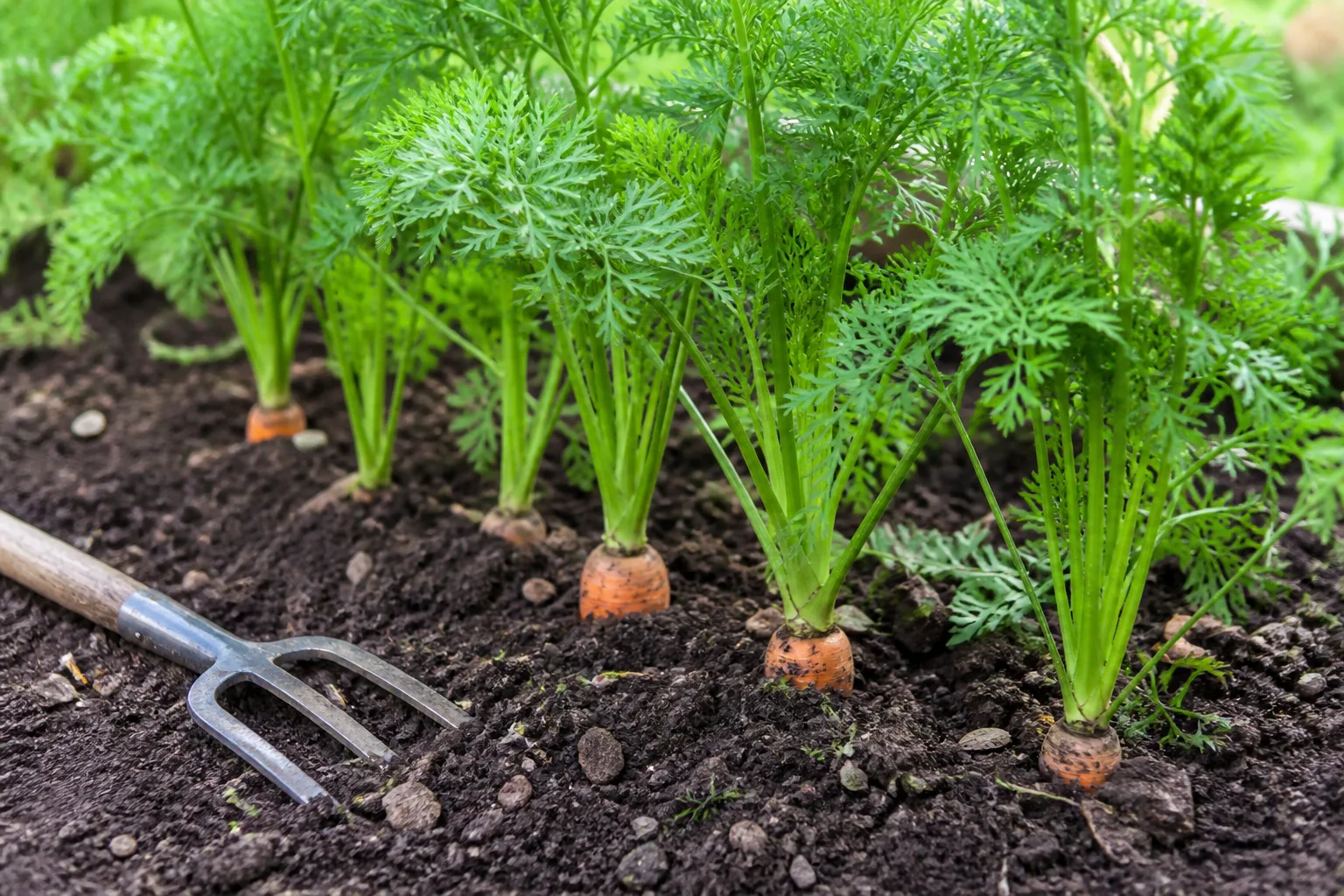
Carrots are worth planting in September only when the calendar leaves enough time for the variety you chose. Baby carrots may fit a 55- to 75-day window; full-size roots can need 70 to 90 days or more, especially as fall light fades. Fingerling or short-rooted varieties are a better late-season bet than a large maincrop carrot.
The challenge is not just maturity. Carrot seed is small, slow to emerge, and vulnerable to a dry soil surface. After sowing, cover the row with a thin layer of fine compost or vermiculite and use a light, frequent watering pattern until seedlings appear. GrowVeg’s fall-crop tips describe shade covers and moisture-holding covers as practical tools for getting late-sown seeds through hot, drying weather.
Once seedlings emerge, remove any cover that blocks light and thin carefully. Keep the bed weed-free while carrots are small; weeds can outcompete them before the feathery tops look substantial. Harvest a few young roots to judge progress. Carrots can tolerate light frost and may taste sweeter after cool weather, but “sweet after frost” is not a reason to plant too late for root development.
7. Green onions
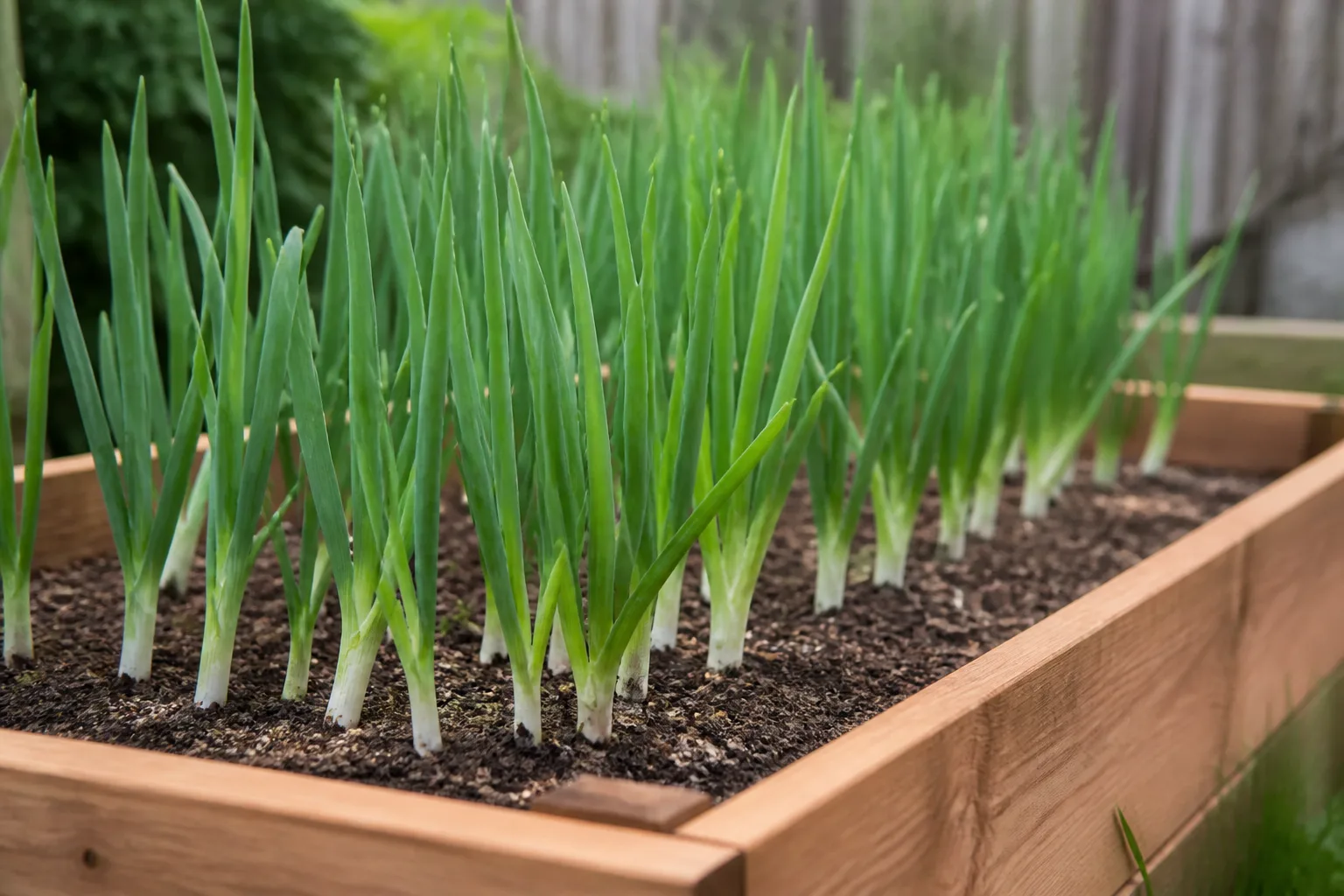
Green onions, bunching onions, and scallions are the flexible insurance crop on this list. You can harvest green tops in about 35 to 55 days from seed or sooner from sets, and you do not need to wait for a storage bulb. That makes them useful when your first frost is close or when you have only a strip of spare soil.
Direct sow in a narrow row or plant sets at the depth recommended for the type. Keep the row moist while seedlings establish, then harvest the largest plants first so smaller ones gain room. The leaves tolerate cool weather, and you can use them as a garnish, flavor base, or fresh addition to salads even when the rest of the fall garden is still waiting.
Do not confuse green-onion timing with bulb-onion timing. Bulbing depends on variety, day length, and a much longer growing schedule; a September sowing is a realistic plan for scallion-sized plants, not a promise of large storage onions before winter.
How to plant for the fastest, most reliable crop
The best September planting session is a short sequence. Water the existing bed deeply if it is dry, remove spent crops, add a modest layer of finished compost, and mark rows before opening seed packets. Put the shortest-season crops—radishes, green onions, baby lettuce, and baby turnips—where you can reach them easily for frequent harvests. Put carrots and beets in the deepest, loosest soil, and reserve the most protected spot for spinach and lettuce if heat is still lingering.
Label the variety and sowing date. That small habit lets you compare the packet’s promise with what your garden actually does as the days shorten. If you have enough room, sow a second small row 7 to 14 days later rather than doubling the first row; succession sowing spreads risk when one heat wave, downpour, or early cold snap interrupts the schedule.
Keep seed rows evenly moist
Newly sown fall seed needs a steady moisture supply, especially while the surface is warm. Check the top half-inch of soil every day during hot, dry weather and water gently when it is beginning to dry. Once seedlings are established, water more deeply and less frequently, adjusting for rain, soil type, and whether the bed is raised.
Avoid watering on autopilot. Cooler air reduces evaporation, but a warm September can still dry a shallow seed row in hours. On the other hand, frequent heavy watering in cool, slow-draining soil can reduce oxygen around roots and invite damping-off or root problems. The Penn State season-extension guidance is useful here because it treats fall as a different growing environment, not simply a delayed spring.
Shade and protect young plants
Shade is for heat management; row cover is for frost and pest protection. A light shade cloth or loose fabric held above the bed can cool the soil while lettuce, spinach, and carrots germinate. It should not sit on wet foliage all day or block the light plants need once temperatures moderate.
For transplants, move them into the garden on a cloudy day or late afternoon and protect them from harsh sun for a few days. Water the plug and the planting hole first, set the root ball at the same depth it grew, and firm soil around it without compressing the bed. This is where a healthy young plant can outperform a late seed that has not yet germinated—but only if you avoid transplanting a dry, root-bound specimen.
Harvest in waves instead of all at once
Fall vegetables reward selective harvesting. Cut outer lettuce and spinach leaves, pull the largest radishes and turnips, thin beets and carrots by eating the smallest roots, and cut green onion tops while leaving enough leaf to keep the plant growing. This turns one planting date into several meals and reduces the risk that a single cold night will catch the entire crop at its peak.
Harvest roots in the morning after the soil has cooled but before it freezes solid. Brush off loose soil rather than scrubbing everything immediately, and refrigerate leafy greens quickly to preserve crispness. If a hard freeze is coming and the roots are mature enough to use, harvest rather than relying on a cover that may blow loose or trap ice against the foliage.
Do not wait for every crop to look like its summer counterpart. A baby beet, small turnip, young carrot, or handful of spinach is the correct harvest for a short fall window. The goal is good food at the stage the season can support, not a photograph-sized specimen that stayed in the soil past its best texture.
Frost protection without smothering the crop
Most of these crops can tolerate a light frost, but tolerance is not the same as immunity. Leaf lettuce, spinach, radishes, turnips, beets, carrots, and green onions all respond differently to a brief frost, a windy freeze, and repeated nights below freezing. Mature plants are generally tougher than fresh seedlings, and a well-watered bed usually handles cold better than a dry one.
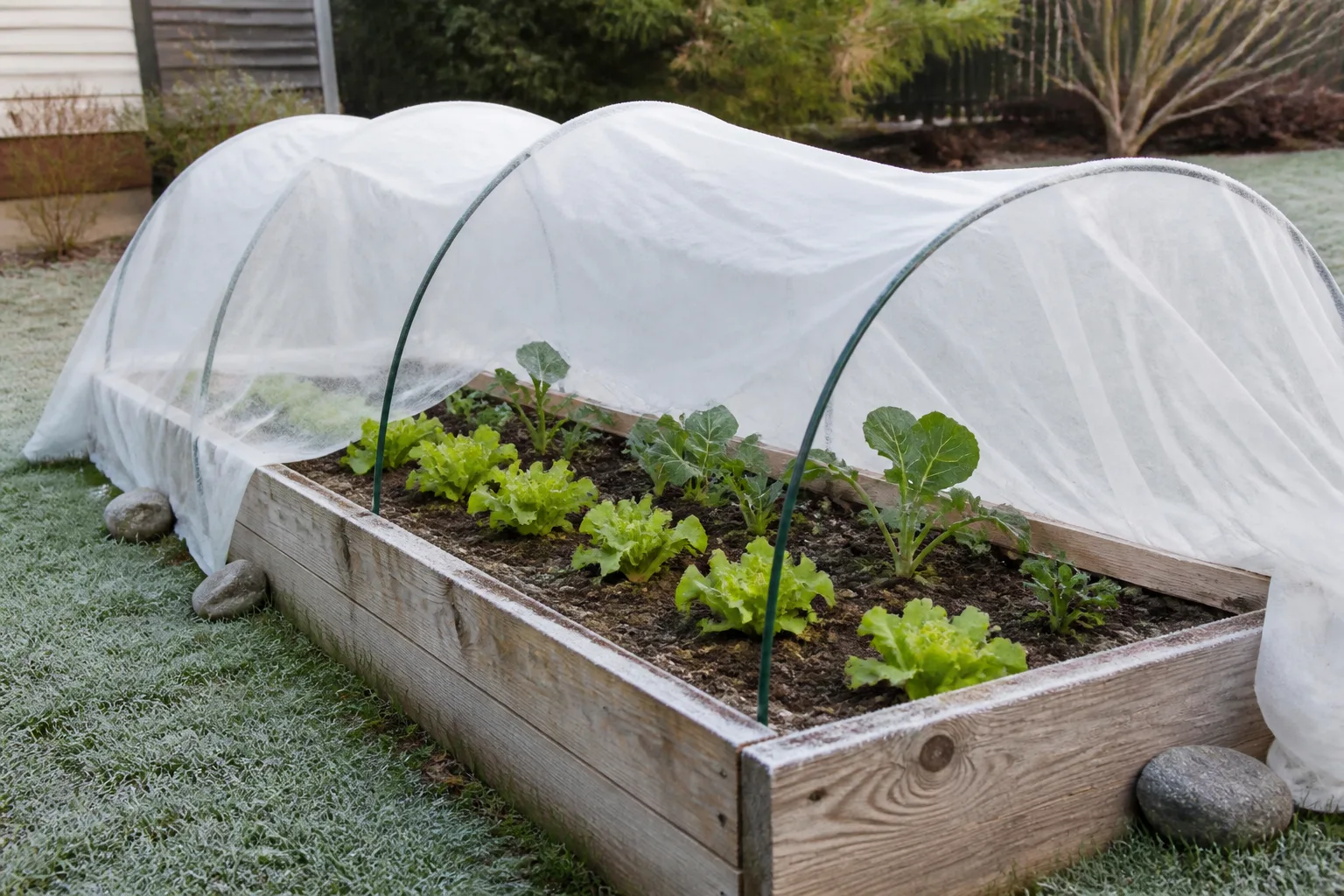
Keep floating row cover, hoops, or a cloche ready before the first frost warning. Drape fabric so it reaches the soil around the bed and anchor the edges; gaps at ground level let cold air in and wind can turn a loose cover into a sail. For a hard freeze, a heavier cover or low tunnel may be needed, but never let plastic rest directly on foliage. Open or vent a tunnel on sunny days because trapped heat can wilt plants even when the outside air feels cold.
Penn State Extension describes low tunnels, cold frames, hot beds, and cloches as season extenders, each with different costs and management demands. Choose the simplest option you will actually check. A floating cover that is removed for watering and ventilation is more useful than an elaborate tunnel you forget to vent.
Common September planting mistakes
Planting by calendar alone: September is early fall in one region and nearly winter in another. Use the first frost date and local conditions, not the month name, to choose a crop.
Using summer DTM without a buffer: Add roughly 10 to 14 days for slower fall growth, then choose baby harvests when the remaining window is tight.
Starting lettuce or spinach in hot soil: If the surface is too warm, shade the row, wait for a cooler spell, or use a transplant. More seed will not solve a temperature problem.
Letting the seedbed dry once: Tiny roots can die before the first true leaves appear. Check moisture frequently until emergence, especially in a raised bed.
Watering hard from overhead: A strong stream can crust soil and move seed. Use a fine rose, drip line, or a thin layer of compost or vermiculite over the row.
Covering crops and never looking underneath: Row cover needs anchoring, watering, inspection, and ventilation. Remove it temporarily when weather is mild and check for pests or disease.
Waiting for full size: Late carrots, beets, turnips, lettuce, and spinach may be excellent as baby vegetables even when a full harvest is no longer realistic.
Planting too much of one crop: A succession row every week or two provides more usable food and protects you from one bad weather event.
Conclusion
The fastest vegetables to plant in September are the ones that match your remaining weather, not simply the ones with the shortest number printed on a packet. Start with radishes, green onions, baby lettuce, and baby turnips when frost is close; add spinach, beets, and carrots when you have enough time and a protected, well-prepared bed.
Look up the average first frost, count backward from days to maturity, add a fall-growth buffer, and decide whether you will harvest young or wait for full size. Keep seed rows moist, shade them through lingering heat, sow in waves, and have row cover ready before the first cold night. Those small choices turn September from a garden deadline into a second, manageable harvest season.



