Grow Chaulai from Seed: Amaranth Propagation Guide
Grow Chaulai from Seed: Amaranth Propagation Guide
Grow Chaulai from Seed: Amaranth Propagation Guide
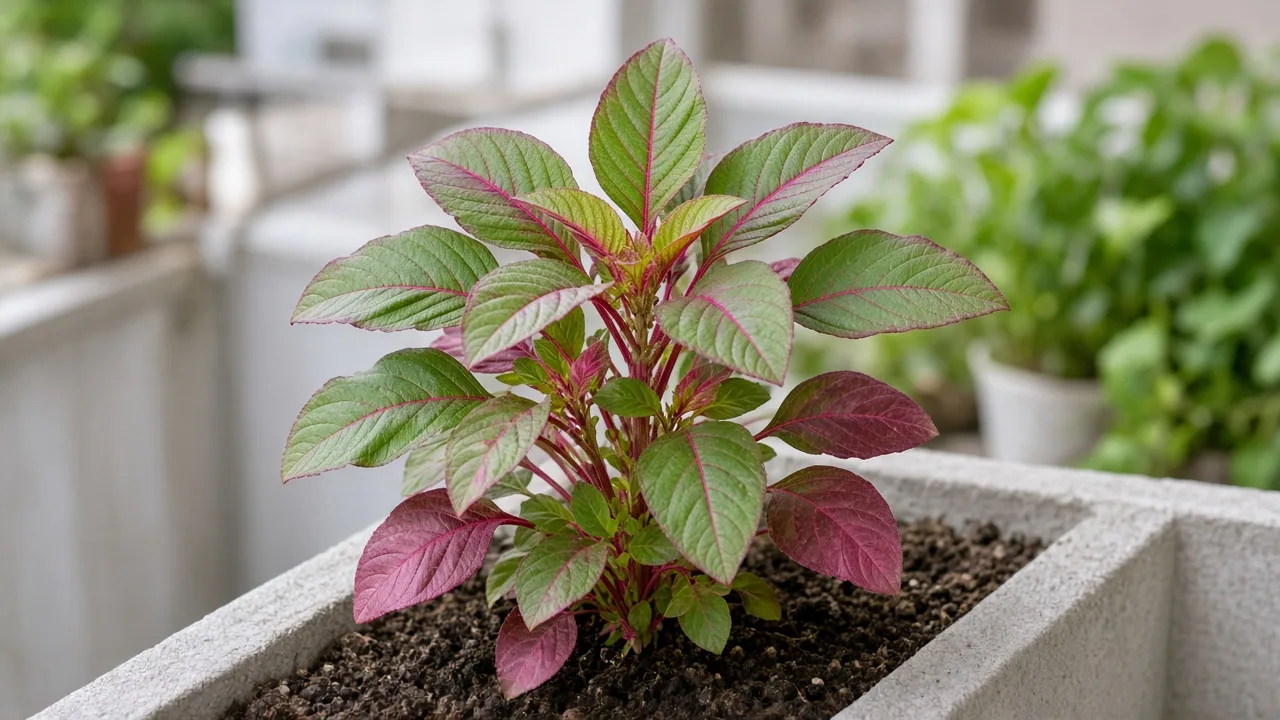
Amaranth propagation for Amaranthus tricolor—the upright green or red chaulai, lal saag, callaloo, and Chinese spinach of warm kitchens—means growing from seed. Unlike vining Malabar spinach (Basella alba), which roots easily from tip cuttings, leafy amaranth is a warm-season annual that completes its life in one season and does not regenerate from severed stems. NC State Extension lists seed as the recommended propagation strategy, and UF/IFAS HS1407 describes tiny brown-black seed sown shallowly once soil is warm.
If you are wondering whether a grocery bunch of stems will root like poi saag, the answer is no for this species. Your next tender leaves come from a fresh sowing in warm soil, not from vegetative cloning. The good news is that seed is inexpensive, germinates quickly when nights are mild, and pairs naturally with broadcast-and-thin sowing and repeat plantings through monsoon and summer.
How Amaranthus tricolor multiplies in the garden
Leafy amaranth grows as an erect annual: cotyledons emerge, true leaves expand, shoot tips branch when you harvest, and eventually flower spikes form if you let the plant mature. Each plant is genetically finished once it commits to heavy flowering—so propagation is always about starting the next generation from seed rather than “reviving” an old stand.
Seed-only annual—not a cutting crop
Houseplant guides discuss stem cuttings because those species are perennial. Amaranthus tricolor has no persistent crown to divide and no reliable rooting from leaf or stem fragments. UF/IFAS Gardening Solutions instructs growers to broadcast seed and thin, which is the practical propagation path for Florida heat and matches terrace practice across South Asia.
Leafy saag types vs Joseph’s coat ornamentals
The same species is sold as red or green cooking greens and as Joseph’s coat selections grown for vivid foliage. Leafy cultivars emphasize tender shoots for the kitchen; ornamental lines may need less nitrogen so leaf color stays strong—see the Amaranth fertilizer guide once true leaves expand. Propagation mechanics are identical (seed, shallow sow, thin), but spacing and harvest style differ: saag growers sow thicker and eat thinnings; ornamental growers may give each plant more room for display color. NC State Extension notes that over-fertilization may dull foliage color on tricolor types.
Why palak and Malabar spinach methods do not transfer
True spinach (Spinacia oleracea) wants cool soil and bolts in heat—our spinach propagation guide covers that window. Malabar spinach roots from cuttings in summer. Amaranth sits between those mental models: it needs warm germination like Malabar spinach but propagates only by seed like spinach. Sowing chaulai during palak season on a hot plain produces empty trays or weak, heat-stressed seedlings.
Choose your propagation starting point
Match the method to how many plants you need and what material you have.
When direct sowing is the default
Direct sowing into beds, grow bags, or final containers is simplest and avoids root disturbance. Harvest to Table recommends sowing 1/4 inch deep, spacing plants 6 inches (15 cm) apart, and covering seed with sifted compost so crusted soil does not block emergence. UF/IFAS HS1407 gives a similar one-eighth to one-quarter inch depth in rows 12 to 18 inches apart. For terrace growers, interpret “rows” as bands across a wide pot—what matters is shallow cover and even moisture.
When nursery trays or careful transplants make sense
Start indoors only when you need an early batch before soil outdoors is warm enough, or when birds might scratch bare seedbeds. Harvest to Table suggests sowing indoors three weeks before setting plants out, moving them only after frost danger passes and seedlings are at least 3 inches (8 cm) tall with several true leaves. UF/IFAS HS1407 warns that late transplanting may cause premature flowering or limp plants—treat transplants as a timing tool, not the easy default. Whenever possible, sow into the final container described in the Amaranth repotting guide.
Warm-season timing for germination
Amaranth seed is a heat lover. Cool soil does not just slow emergence—it can fail entirely.
Soil temperature and frost windows
UF/IFAS HS1407 reports germination in about one week with optimal soil temperatures around 70°F to 75°F (21°C to 24°C). Germination is rapid when soil is above about 68°F, and rates slow or fail below about 50°F (10°C). Plants cannot survive temperatures below about 40°F due to chilling injury. Sow after the last frost when the mix or bed has warmed—Epic Gardening’s amaranth guide likewise cites 65°F to 85°F (18°C to 29°C) as the practical germination band for amaranth seed.
Chaulai sowing calendar for India and similar climates
On hot lowlands, treat amaranth as a warm-season leafy crop: sow when nights stay mild and soil no longer feels cold to a buried finger—often after winter palak season, through pre-monsoon spring, monsoon, and late summer depending on your region. In mild hills you may shift slightly earlier, but avoid sowing like cool-season spinach. Align post-sow moisture with the Amaranth watering guide and sun exposure with the light guide so seedlings do not bake dry on a west-facing terrace.
Succession sowings before plants bolt
Because each plant’s best leaf stage is short once flower spikes rise, plan new sowings every two to three weeks during warm weather rather than one long-lived stand. UF/IFAS Gardening Solutions notes harvest of young leaves and shoot tips three to six weeks after planting—succession sowing bridges the gap when an older batch begins to bolt. Flowering ends the prime leafy harvest; propagation aftercare includes starting the next line before the current one flowers.
Prepare tiny amaranth seed for sowing
Vegetable amaranth seed is round, brown-black, and very small—about 0.04 inches in diameter per UF/IFAS HS1407. That size changes how you handle sowing.
Packet types and viability
Buy seed labeled Amaranthus tricolor or a named leafy cultivar (red saag, green chaulai, tiger stripe, etc.). Harvest to Table notes unused seed can remain viable for about seven years under cool, dry storage—still sow extra on old packets and thin hard. Grain amaranths such as A. hypochondriacus are different crops; confirm the packet targets leafy tricolor if you want chaulai, not just ornamental tassels.
Seedbed and container prep before you scatter
Loosen the top few inches of bed or fill containers with fertile, well-drained mix—ratios in the Amaranth soil guide. Fine, crumbly surface texture helps tiny seed make soil contact. Remove clods and weeds before sowing; amaranth seedlings are easily outcompeted in the first week. For pots at least 30 cm wide and deep, firm the surface lightly, water once with a fine spray, then sow so seed is not washed into deep cracks.
Direct sowing in beds, grow bags, and terraces
Most chaulai on balconies starts here.
Broadcast, rows, and shallow depth
UF/IFAS Gardening Solutions recommends broadcasting seed, then thinning. UF/IFAS HS1407 allows about 1 inch between seeds in the row, thinning to 6 inches as plants grow, or sowing in rows 12 to 18 inches apart at one-eighth to one-quarter inch depth. Epic Gardening describes broadcasting with a light soil cover or sowing two seeds per shallow hole about a quarter-inch deep and four inches apart, then thinning to 18 inches for large grain types—leafy saag growers often keep final spacing tighter (roughly 8 to 15 cm) for tender bunching harvests.
Moisture rhythm until seedlings stand
UF/IFAS HS1407 stresses irrigation at the beginning stage of plant development while warning that standing water can cause root rot. Use a mist or fine rose daily until seedlings stand; avoid flooding that crusts clay or floats seed. Morning watering reduces fungal pressure on humid monsoon balconies.
Thinning, spacing, and microgreen harvests
Thinning is propagation aftercare, not optional cleanup.
UF/IFAS spacing targets
UF/IFAS Gardening Solutions advises thinning seedlings to about 3 inches apart. UF/IFAS HS1407 suggests thinning toward 6 inches for garden rows. On a terrace, aim for enough space that leaves do not overlap heavily—crowded, humid stands are harder to keep pest-free and produce smaller cooking leaves.
Eating thinnings while improving airflow
Snip or pull extras when the first true leaves appear, and eat them as microgreens or mini saag. NC State Extension recommends 12 to 24 inches between mature plants in ornamental settings; leafy growers harvesting young tips can keep pots denser early, then thin as plants size up. Good airflow after thinning pairs with moderate feeding once established (fertilizer guide).
Starting seedlings indoors or in a nursery flat
Indoor starts help when outdoor soil is still cool but days are lengthening.
Lead time and heat requirements
Sow in shallow trays or modules with sterile, fine seed-starting mix. Harvest to Table uses a three-week indoor lead before transplant. Keep mix warm and evenly moist—a propagator or the warmest bright sill helps. Leggy, pale stems usually mean insufficient light or cool nights; amaranth wants brightness once emerged.
Transplant young plants without triggering early bloom
Move seedlings only while still small—about 3 inches (8 cm) or taller with several true leaves, after frost risk passes Harvest to Table. Plant at the same depth they grew in the tray; water in and shade for a few hot afternoons. If plants wilt despite moist soil, you may have waited too long or torn roots—UF/IFAS HS1407 links late transplanting to premature flowering. Prefer sowing directly in the final grow bag when possible.
Save seed from mature plants
Saving seed closes the loop for next season’s chaulai.
Let flower heads dry and clean chaff
Allow selected plants to bolt and form seed heads. When heads turn brown and dry, cut them and finish drying in a paper bag in a warm, airy place. Rub heads to release seed, then winnow chaff. Epic Gardening notes amaranth seed falls easily and often self-sows where plants grew last year—label jars so you know cultivar and year.
Isolation when you grow more than one amaranth type
Amaranths are wind-pollinated. If you save seed for purity, grow only one type at a time or accept some cross-pollination between closely planted beds. Home terrace growers saving lal saag seed from a single red patch rarely need laboratory isolation; seed savers maintaining named ornamentals should separate varieties by distance or time.
Seedling aftercare through first leaf harvests
Propagation success shows up two to four weeks after emergence.
Link moisture and light to propagation success
Give full sun for fastest leaf growth; The Spruce recommends at least six hours of direct sun daily for edible amaranth, with partial shade acceptable in extreme heat. Steady moisture keeps tips tender—drought after establishment pushes early flowering and smaller leaves UF/IFAS HS1407. Match rhythm to the watering and light guides rather than guessing from a calendar.
Pinch tips to delay flowering (harvest rhythm)
Harvest to Table suggests pinching the top rosette when plants are 4 to 6 inches (10–15 cm) tall to encourage bushiness—this overlaps with kitchen harvest of shoot tips. Repeated tip picking delays flowering and keeps plants leafy; once tall spikes form, leaf quality drops and it is time to rely on your next sowing. Detailed cutting technique lives in the Amaranth pruning guide.
Fix common propagation failures
Most failures trace to temperature, depth, or moisture—not “bad seed.”
Cool or crusted soil stalls emergence—wait for warmth or sow in a warmed tray, and cover with fine compost as Harvest to Table recommends. Damping-off on wet, cold mix pinches stems at soil line; reduce watering, improve drainage, and resow with fresh mix in warm conditions UF/IFAS HS1407. Birds and heavy rain scatter seed—use light row cover or sow in trays until seedlings stand. Crowding after a thick broadcast produces weak, disease-prone stands—thin aggressively and eat thinnings. Leggy indoor seedlings need more light and slightly cooler nights before transplant.
When to use this page vs other Amaranth guides
Use this propagation guide when you are starting a new crop from seed, planning succession sowings, thinning a thick line, or saving seed. For day-to-day moisture checks, visit watering. For mix recipes and pH, see soil. For window placement and shade cloth, read light. For moving seedlings to final pots—uncommon but possible—see repotting. For species identity and cluster navigation, start at the overview hub.
Related Amaranth guides
- Overview — chaulai vs palak, growth habit, and warm-season basics.
- Light — sun vs afternoon relief after seedlings emerge.
- Watering — moisture from germination through first harvests.
- Soil — compost-rich, drained mixes before you sow.
- Pruning — tip harvests that double as flowering delay.
Conclusion
Amaranth propagation is warm-soil seed sowing: broadcast or shallow drills, prompt thinning, steady moisture until seedlings stand, and repeat sowings every few weeks while weather stays mild. Skip cuttings and cool-season spinach timing; sow shallowly, eat thinnings, and transplant only while plants are still young if you must use trays. Save dry seed heads if you want next season’s lal saag without a new packet. When flower spikes rise, pull the batch and lean on the next line you started three weeks ago—that succession habit is what keeps chaulai on the table through heat.
Related tool
Try the Propagation Success Calculator with amaranth pre-selected to estimate needs for your setup.