Jackfruit Watering Guide for Pots & Gardens
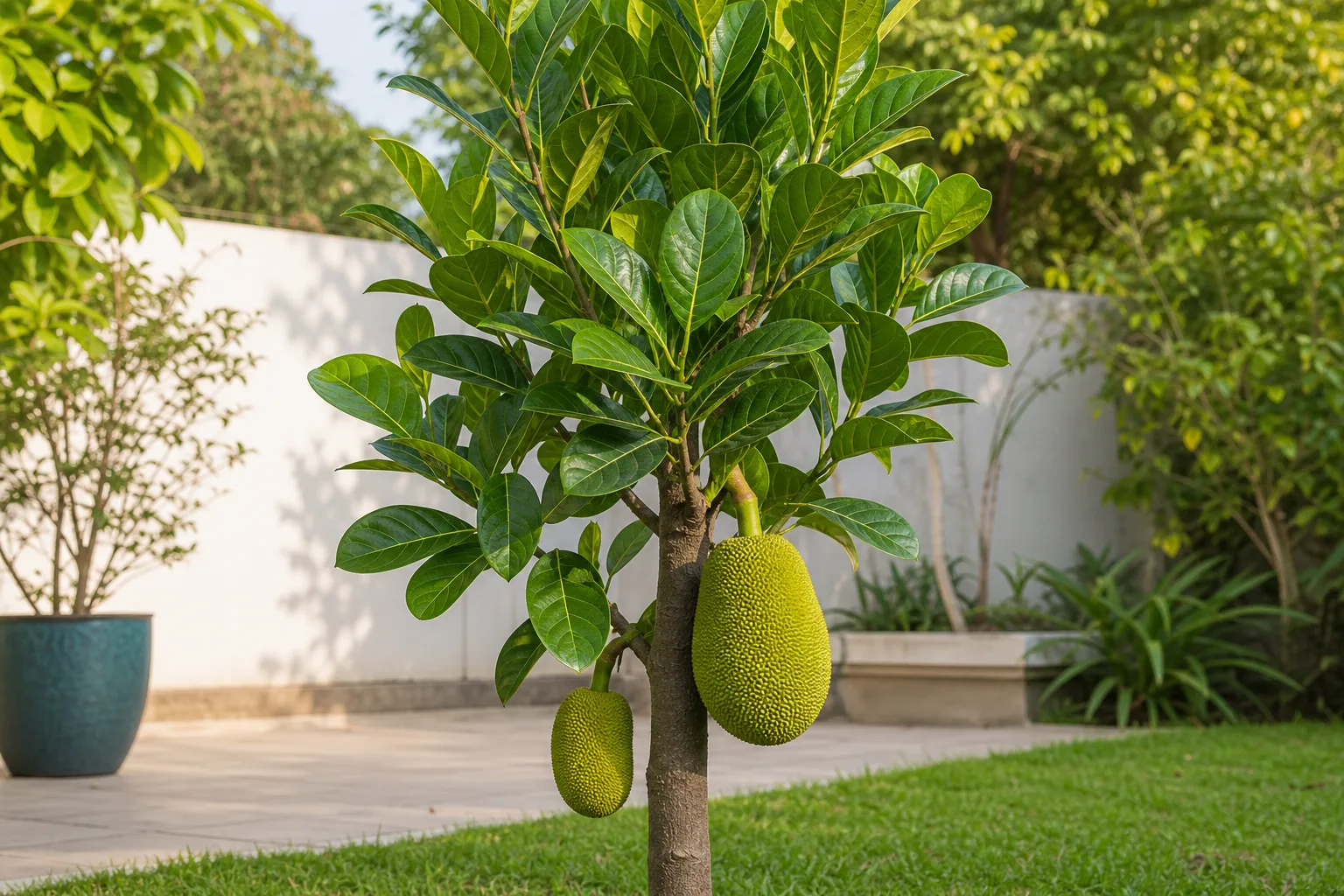
Jackfruit Watering Guide for Pots & Gardens
Jackfruit Watering Guide for Pots & Gardens
Jackfruit watering is less about a fixed weekday and more about protecting a large tropical tree’s roots from two opposite failures: prolonged drought while the canopy is growing or fruiting, and waterlogged soil that cuts off oxygen. Artocarpus heterophyllus — also called Kathal, jakfruit, or jak — is an evergreen fruit tree native to humid tropical India and widely grown across South and Southeast Asia (USDA Plants Database). In a courtyard, farm plot, or deep terrace pot, the same biology applies: soak the root zone thoroughly when it needs water, then let air return.
UF/IFAS describes jackfruit as moderately drought tolerant yet clear that trees are not tolerant of continuously wet or flooded soil, and that trees may decline or die after only 2 to 3 days of wet conditions. Purdue’s Morton summary is even blunter about soggy ground: the tree cannot tolerate “wet feet”, and if roots sit in water the tree may fail to bear or may die. Your job is to keep young plants and fruiting trees supplied through dry weather without recreating a swamp around the trunk.
This guide covers how often to water in pots and in the ground, how to test dryness, how monsoon and cool months change the schedule, what overwatering and underwatering look like on jackfruit, and what to do first when the tree looks stressed. For whole-plant context, start from the Jackfruit care overview and the Jackfruit hub.
Jackfruit watering: the quick answer
For a container jackfruit, check the top 3–5 cm of mix and the pot’s weight. Water thoroughly only when that upper layer feels dry and the container is noticeably lighter, then soak until water runs from the drainage holes and empty any saucer. Do not water again while the root ball stays heavy and cold.
For a landscape tree, irrigate regularly during dry spells while the tree is young, and keep moisture steady from bloom through fruit development on bearing trees. Pause or sharply reduce scheduled irrigation when monsoon rain already keeps the root zone wet, and never leave low ground ponded around the trunk. UF/IFAS also warns that lawn sprinkler timers can overwater jackfruit and drive root rot when too much water arrives too often.
Why jackfruit hates flooded roots more than dry spells
Jackfruit evolved for hot, humid tropics with deep, freely draining ground — not stagnant water tables. UF/IFAS lists well-drained sand, sandy loam, and even rocky calcareous soils as acceptable when drainage is excellent, and it recommends planting on a mound where water tables rise after heavy rain. TNAU likewise calls for deep, well-drained soil for jack cultivation.
Flooded soil is dangerous because roots need oxygen as well as water. Clemson Extension explains that potted roots need both water and oxygen, and that roots surrounded by water cannot take oxygen up and may rot. Missouri Botanical Garden describes the same mechanism in landscape soils: roots in waterlogged soil may die from lack of oxygen, then fail to supply the canopy. On jackfruit, UF/IFAS notes susceptibility to root-rot pathogens such as Pythium, Phytophthora, Fusarium, and Rhizoctonia especially when trees are flooded.
Drought is still a real stress — especially on young plants and during fruit fill — but it is usually slower and more recoverable than days of standing water. Purdue notes the species is adapted to humid tropics and that if rainfall is deficient the tree must be irrigated. Read “moderately drought tolerant” as “a mature, established tree can ride out some dry weather,” not “skip irrigation while fruit is sizing.”
When to water a jackfruit in a container
A deep terrace pot dries faster than open ground and also holds less moisture reserve. In hot, dry weather, check every 2–4 days; in cooler or rainy spells, checking weekly is often enough. Water only when the dryness checks pass. A small nursery pot in full sun may need inspection almost daily in peak heat, while a large tub after rain may stay wet for a week.
When you do water, soak the full root ball. Partial sips wet the surface, encourage shallow roots, and leave the lower mix either bone-dry or oddly saturated. Apply water slowly across the surface until it exits every drainage hole, then stop. Raise pots on feet so holes stay clear, and never leave jackfruit sitting in a tray of runoff overnight.
How to check dryness before you water
Surface color alone lies, especially in peat-heavy mixes that form a dry crust over wet roots. Use at least two signals:
Finger test: Push a finger 3–5 cm into the mix. If it feels cool and clinging, wait. If that layer is dry, proceed — and in small pots, also gauge weight because the bottom can still be wet.
Pot weight: Lift after a full soak and again each day until the container feels clearly lighter. Penn State notes that sticking a finger about two inches into the soil is a practical container check, and Clemson adds that a definite loss in weight appears as mixes dry.
Drainage confirmation: After watering, you should see free outflow. If water pools on top or never exits, fix the jackfruit soil mix and drainage before adjusting the calendar.
Watering jackfruit in the ground in India and warm climates
In frost-free Indian gardens and similar warm regions, rainfall pattern matters as much as temperature. Newly planted trees need reliable moisture through dry weeks so the root system can expand into native soil. UF/IFAS recommends having a means of watering young trees and giving regular watering during dry periods. TNAU’s field guidance is concrete for establishment: irrigate once a week until the plant is established, then as needed.
Choose a site that does not stay wet after typical heavy rain. If the plot ponds, plant on a raised mound and keep a grass-free ring around the trunk so lawn irrigation does not constantly soak the root crown. A 2–6 inch (5–15 cm) mulch layer, kept several inches away from the trunk, helps hold moisture in dry weather without burying the stem.
Irrigation from bloom through fruit fill
On mature trees, irrigation is critical from bloom through fruit development. Jackfruit flowers on the trunk and large branches, and fruit can take roughly 150–180 days from flowering to maturity. Dry stress in that window can reduce set, abort young fruit, or leave a smaller crop even if the tree survives.
In practice, begin steady watering when flowering signs appear and continue regularly until harvest during dry weather, matching the UF/IFAS seasonal calendar for bearing trees. After harvest, return to periodic dry-period watering rather than constant saturation. Do not compensate for missed fruiting-season irrigation with daily floodings later — that only invites root decline.
Young trees vs mature trees
Young and newly planted trees have shallow, limited root systems and little drought buffer. Keep the root ball and nearby soil evenly moist through dry spells. Container nursery trees that sat root-bound before planting are especially sensitive: UF/IFAS notes pot-bound jackfruit establishes poorly, so watering discipline cannot fully rescue a circling taproot jammed into a tiny pot. Plan repotting into a deep container before the tree becomes chronically stressed.
Mature landscape trees explore a wider soil volume and show more drought flexibility, but fruiting still demands water. Think of maturity as a wider safety margin during cool or cloudy weeks, not permission to ignore a multi-week dry spell while fruit is hanging. If leaves dull and wilt in heat while the soil is bone-dry, irrigate deeply once and resume a measured dry-period schedule.
Monsoon, cool months, and seasonal shifts
During dependable monsoon rain with good drainage, pause scheduled irrigation and inspect under the mulch before adding water. The risk in rainy months is not thirst — it is days of saturated soil around the trunk, especially in clay pockets or compacted courtyard beds. Clear drainage paths, raise container feet, and tip pots if holes are blocked.
In cool months when growth slows, reduce frequency even if the calendar “feels” like watering day. Cooler air and shorter days slow both uptake and drying. Check the root zone first: a heavy, wet pot in December does not need the same soak it needed in May. Full sun still drives water use in warm dry winters, so do not assume winter always means less water — verify with dryness checks and local weather.
Strong light and heat raise demand; shade and cool weather lower it. Watering mistakes often start when a tree moves from a humid nursery bay into a windy terrace without anyone changing the check interval.
Overwatering and root-rot warning signs
Overwatering on jackfruit usually looks like decline while the soil stays wet. Watch for yellowing leaves with a mix that remains dark and heavy, soft dark roots or a sour smell from the root zone, stalled flushes, and branch dieback. UF/IFAS links decline after 2–3 days of wet soil and notes root-rot fungi are more likely under flooding and chronic over-irrigation from automatic lawn systems.
Wilting in a wet pot is not a request for more water. Damaged roots cannot absorb moisture, so the canopy droops even though the mix is soaked — the same paradox Missouri Botanical Garden describes for waterlogged plants. Stop irrigation, improve drainage, and only resume light watering after the upper root zone begins to dry and remaining roots smell clean rather than foul.
Underwatering warning signs
Underwatering shows up as limp or dull leaves in hot dry weather, dry brown leaf margins, aborted new flushes, and poor fruit set when drought hits bloom or fruit fill. The pot feels light, the mix pulls from the walls, and landscape soil is dry well below the mulch.
One dry episode rarely kills an established tree. Rehydrate with a deep soak — not a series of tiny surface sprinkles — then return to dryness-based timing. If fruit is on the tree, prioritize restoring even moisture through the remaining fill period without swinging into daily saturation.
Pot size, soil mix, and how they change watering
Jackfruit wants a deep, freely draining mix, not a dense compost that stays swampy. A practical container blend used across this cluster is about half quality potting mix with coarse perlite or grit and fine pine bark or finished compost for aeration. Wrong soil turns every watering into a longer anaerobic event; fix the medium with the jackfruit soil guide before blaming the plant.
Pot depth matters as much as diameter. Shallow bowls dry unevenly and restrict the taproot habit jackfruit shows in nursery culture. Deep pots with open holes dry more predictably and support stronger establishment after planting out. If a large tree sits in an oversized mass of wet mix, drying takes so long that roots stay oxygen-starved between “correct” calendar waterings — downsize the wet volume or amend for faster drainage rather than watering on hope.
First action when you are unsure
When the tree looks unhappy and you do not know why, do not add fertilizer, hard pruning, and more water in the same afternoon. Check moisture below the surface and lift the pot if you can. A light, dry root ball points to a thorough soak. A heavy, wet, sour root ball points to stopping water, improving drainage, and waiting.
If you are between those extremes, wait one more check cycle rather than watering “just in case.” Jackfruit forgives a short dry wait far better than an extra flood. After the root zone is stable, review light, pot size, and feeding with the sibling guides instead of stacking stress.
When to use this page vs other Jackfruit guides
Use this page to decide when and how to water — dryness checks, seasonal irrigation, flood risk, and over- vs under-watering triage. Use the overview for placement, size, latex handling, and the full care picture. Use soil when water sits on the surface or the mix never dries. Use light when a shady tree stays wet for days or a full-sun terrace pot empties too fast. Use repotting when a circling taproot or tiny nursery pot makes watering impossible to balance. Use fertilizer only after drainage and watering are under control — feeding a flooded tree usually makes decline worse.
Related Jackfruit guides
- Jackfruit care overview — site choice, size control, and how watering fits the full routine
- Jackfruit soil — drainage-first mixes that make watering safer
- Jackfruit light — why sun and heat change how fast pots dry
- Jackfruit repotting — deep pots and root restriction effects on moisture
- Jackfruit fertilizer — feeding once the root zone is breathing again
- Jackfruit hub — cluster entry for all Jackfruit care pages
Conclusion
Water jackfruit by reading the root zone, not the calendar. Keep young trees and fruiting trees supplied through dry weather, soak containers thoroughly when the top 3–5 cm are dry, and treat flooded soil as an emergency — UF/IFAS reports decline after only a few days of wet conditions. In monsoon climates, trust rain when drainage is good; in hot dry spells, irrigate with purpose from bloom through fruit fill. Get that rhythm right and most other care decisions become easier.