Problems

Monstera Thai Constellation Problems: Causes & Quick Fixes

Quick answer

Monstera Thai Constellation is prone to 16 common issues - each link below is a plant-specific fix guide.
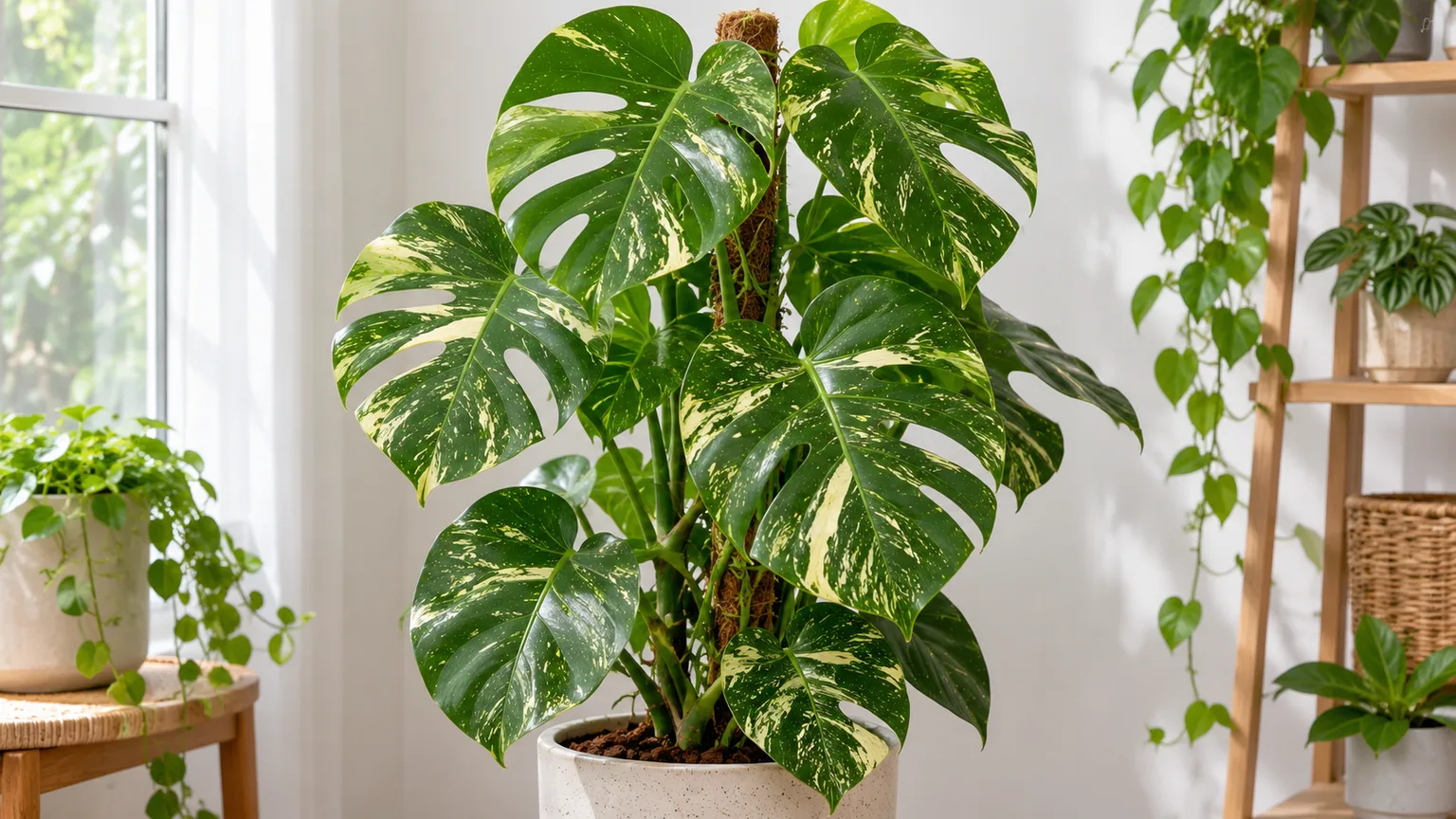
Monstera Thai Constellation houseplant

Monstera Thai Constellation problems

Use the guides below to diagnose and fix common issues on Monstera Thai Constellation. Each problem page explains why it happens on this species and what to do first.

Or use our problem diagnosis tool to narrow down symptoms.

Common problems on Monstera Thai Constellation

Likely cause: Common on this plant type; confirm with recent watering, light, and root checks.

Quick fix: Inspect the plant and correct the most likely care stressor before stacking treatments.

Full fix guide →

Likely cause: Common on this plant type; confirm with recent watering, light, and root checks.

Quick fix: Inspect the plant and correct the most likely care stressor before stacking treatments.

Full fix guide →

Root Rot

Medium

Likely cause: Common on this plant type; confirm with recent watering, light, and root checks.

Quick fix: Inspect the plant and correct the most likely care stressor before stacking treatments.

Full fix guide →

Likely cause: Common on this plant type; confirm with recent watering, light, and root checks.

Quick fix: Inspect the plant and correct the most likely care stressor before stacking treatments.

Full fix guide →

Likely cause: Common on this plant type; confirm with recent watering, light, and root checks.

Quick fix: Inspect the plant and correct the most likely care stressor before stacking treatments.

Full fix guide →

Likely cause: Common on this plant type; confirm with recent watering, light, and root checks.

Quick fix: Inspect the plant and correct the most likely care stressor before stacking treatments.

Full fix guide →

Mealybugs

Medium

Likely cause: Common on this plant type; confirm with recent watering, light, and root checks.

Quick fix: Inspect the plant and correct the most likely care stressor before stacking treatments.

Full fix guide →

Aphids

Medium

Likely cause: Common on this plant type; confirm with recent watering, light, and root checks.

Quick fix: Inspect the plant and correct the most likely care stressor before stacking treatments.

Full fix guide →

Likely cause: Common on this plant type; confirm with recent watering, light, and root checks.

Quick fix: Inspect the plant and correct the most likely care stressor before stacking treatments.

Full fix guide →

Likely cause: Common on this plant type; confirm with recent watering, light, and root checks.

Quick fix: Inspect the plant and correct the most likely care stressor before stacking treatments.

Full fix guide →

Wilting

Medium

Likely cause: Common on this plant type; confirm with recent watering, light, and root checks.

Quick fix: Inspect the plant and correct the most likely care stressor before stacking treatments.

Full fix guide →

Likely cause: Common on this plant type; confirm with recent watering, light, and root checks.

Quick fix: Inspect the plant and correct the most likely care stressor before stacking treatments.

Full fix guide →

Likely cause: Common on this plant type; confirm with recent watering, light, and root checks.

Quick fix: Inspect the plant and correct the most likely care stressor before stacking treatments.

Full fix guide →

Likely cause: Common on this plant type; confirm with recent watering, light, and root checks.

Quick fix: Inspect the plant and correct the most likely care stressor before stacking treatments.

Full fix guide →

Likely cause: Common on this plant type; confirm with recent watering, light, and root checks.

Quick fix: Inspect the plant and correct the most likely care stressor before stacking treatments.

Full fix guide →

Likely cause: Common on this plant type; confirm with recent watering, light, and root checks.

Quick fix: Inspect the plant and correct the most likely care stressor before stacking treatments.

Full fix guide →

Frequently asked questions

How often should I water Monstera Thai Constellation?

Every 7–10 days - allow top 3–5 cm to dry. Water thoroughly. Reduce to every 10–14 days in winter. Avoid chronic overwatering on variegated tissue. In practice, water every 7–10 days in summer. Top 3–5 cm dry test; skewer to mid-depth on large pots. Reduce in winter when growth slows.

What light does Monstera Thai Constellation need?

Monstera Thai Constellation needs bright, indirect light for steady indoor growth.

Is Monstera Thai Constellation toxic to pets?

Monstera Thai Constellation is toxic to cats, dogs, rabbits, birds, horses, turtles, and tortoises. Keep out of reach of curious pets and choose pet-safe alternatives for accessible spots.

How do I propagate Monstera Thai Constellation?

Propagate Monstera Thai Constellation from healthy stem or root divisions during active growth.

What soil is best for Monstera Thai Constellation?

Use standard potting mix + 20–25 % perlite + 10–15 % orchid bark. Well-draining chunky aroid mix. pH 5.5–7.0. Good.

When should I repot Monstera Thai Constellation?

Repot Monstera Thai Constellation every 1–2 years, ideally in spring. Signs it needs a bigger pot: roots circling pot, mix drying in under 4 days every cycle.

Why does my Monstera Thai Constellation have yellow leaves?

Common on this plant type; confirm with recent watering, light, and root checks. Quick fix: Inspect the plant and correct the most likely care stressor before stacking treatments.

How this Monstera Thai Constellation problems guide is reviewed?

Editorial policyReview board

Written by · Reviewed by LeafyPixels Review Board · Updated September 10, 2026

This Monstera Thai Constellation problems problem guide was researched and written by . Problems symptoms on Monstera Thai Constellation, lookalike causes, and step-by-step fixes are cross-checked against extension pest, disease, and care references before publication.

We prioritize sources that hold up under scrutiny:

  • University cooperative extension bulletins and fact sheets (Penn State, Clemson, UMD, NC State, and similar programs)
  • Botanical garden and horticultural society publications
  • Peer-reviewed plant science and veterinary toxicology references where pet safety matters (including ASPCA Animal Poison Control)
  • Established reference works on indoor plant culture

The LeafyPixels editorial team then reviews the draft for clarity, step-by-step usefulness, and fit with real apartment and home conditions-not ideal greenhouse setups. When guidance changes materially, we update the page and note the revision date.


Sources used

  1. Clemson Cooperative Extension (n.d.) Cultural control measures, moisture threshold management, sand/gravel topdressing evaluation, and adult trapping. [Online]. Available at: https://hgic.clemson.edu/factsheet/fungus-gnats/ (Accessed: 10 September 2026).
  2. Colorado State University Extension (n.d.) Saprophytic soil fungi biology, non-parasitic nature, and environmental remediation. [Online]. Available at: https://planttalk.colostate.edu/topics/houseplants/1315-white-mold-houseplant-soils/ (Accessed: 10 September 2026).
  3. Missouri Botanical Garden (n.d.) Climbing habit, aerial root development, and indoor maintenance requirements. [Online]. Available at: https://www.missouribotanicalgarden.org/PlantFinder/PlantFinderDetails.aspx?taxonid=276774 (Accessed: 10 September 2026).
  4. NC State Extension (n.d.) Monstera deliciosa. [Online]. Available at: https://plants.ces.ncsu.edu/plants/monstera-deliciosa/ (Accessed: 10 September 2026).
  5. NC State Extension (n.d.) Bradysia life cycle, moisture management, soil organic matter decomposition, and monitoring with sticky traps. [Online]. Available at: https://content.ces.ncsu.edu/fungus-gnats (Accessed: 10 September 2026).
  6. Penn State Extension (n.d.) Monstera as a Houseplant. [Online]. Available at: https://extension.psu.edu/monstera-as-a-houseplant (Accessed: 10 September 2026).
  7. Penn State Extension (n.d.) Aroid repotting techniques, root pruning hygiene, and container drainage requirements. [Online]. Available at: https://extension.psu.edu/monstera-deliciosa-swiss-cheese-plant (Accessed: 10 September 2026).
  8. Penn State Extension (n.d.) Indoor aphid scouting, honeydew contamination, sooty mold progression, and pesticide safety. [Online]. Available at: https://extension.psu.edu/aphids-in-the-greenhouse (Accessed: 10 September 2026).
  9. Penn State Extension (n.d.) Greenhouse and interior container scouting, beneficial nematode (Steinernema feltiae) application protocols, and BTI drench timing. [Online]. Available at: https://extension.psu.edu/fungus-gnats (Accessed: 10 September 2026).
  10. Royal Horticultural Society (n.d.) Monstera deliciosa 'Thai Constellation'. [Online]. Available at: https://www.rhs.org.uk/plants/520520/monstera-deliciosa-thai-constellation-(v)/details (Accessed: 10 September 2026).