Best Potting Soil for Indoor Plants: 7 Tested Options
Compare seven ready-to-use indoor potting soils by plant type, drainage, peat-free options, and price. Learn label red flags and when to amend a bag before repotting.
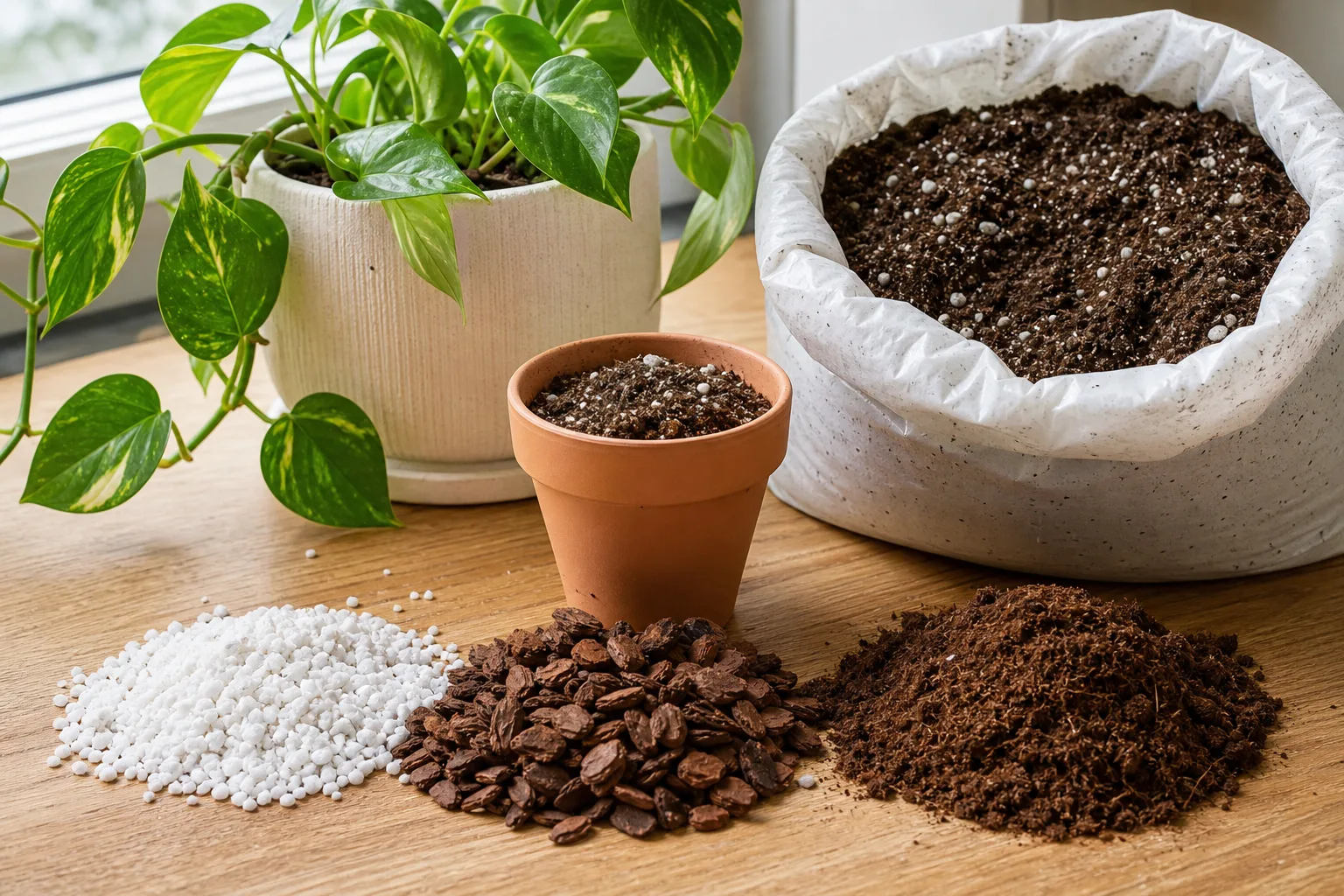
The best potting soil for indoor plants is not the bag with the prettiest label—it is the one that keeps roots airy, moist, and oxygenated in a container under your actual light and watering habits. A chunky aroid mix in a dim plastic pot can stay wet for weeks. A budget peat-lite bag amended with perlite often outperforms an expensive “monstera formula” used straight from the bag in the wrong pot.
This guide ranks seven widely available indoor potting soils for real jobs: one bag for a mixed shelf, a gritty blend for succulents, a chunky mix for Monstera and aroids, a stable medium for fiddle-leaf fig stress, and a peat-free option when sustainability matters. For ingredient science, squeeze tests, and DIY ratios, pair this page with best potting mix for indoor plants: what works and repotting houseplants.
The Short Answer
For most common foliage houseplants—pothos, peace lily, spider plant, philodendrons, and dracaenas—Espoma Organic Potting Mix is the strongest all-purpose ready-to-use pick. It combines peat, perlite, earthworm castings, and mycorrhizae in a loose texture that drains without drying out in a day.
If you are repotting many plants on a tight budget, Miracle-Gro Indoor Potting Mix works as a base—add 20–30% extra perlite for aroids, low-light rooms, or plastic pots. Succulents, snake plants, and ZZ plants need Back to the Roots Succulent & Cacti Mix (often plus extra pumice). Fast tropicals and large aroids benefit from FoxFarm Ocean Forest used carefully or blended 50/50 with a lighter mix. Dedicated Gardenera Monstera or Perfect Plants Fiddle Leaf Fig bags are worth buying for a single high-value plant—not for an entire collection.
Quick Comparison: Seven Indoor Potting Soils
| Pick | Product | Best for | Organic | Typical size | Amend before use? |
|---|---|---|---|---|---|
| Overall | Espoma Organic Potting Mix | Mixed foliage collection | Yes | 8–16 qt | Optional perlite for aroids |
| Budget | Miracle-Gro Indoor Potting Mix | Beginners, bulk repots | No | 6 qt | Add 20–30% perlite often |
| Succulents | Back to the Roots Succulent Mix | Cacti, succulents, ZZ, snake plant | Yes | 6 qt | Extra pumice in humid rooms |
| Premium versatile | FoxFarm Ocean Forest | Fast tropicals, outdoor containers | Yes | 12 qt | Blend 50/50 for seedlings |
| Monstera / aroids | Gardenera Premium Monstera Soil | Monstera, philodendron, anthurium | Yes | ~6 qt | Usually ready as-is |
| Fiddle-leaf fig | Perfect Plants FLF Soil | Ficus lyrata stability | Yes | ~4 qt | Light perlite if overwatering |
| Peat-free | Rosy Soil Houseplant Mix | Eco-conscious growers | Yes | ~12 qt | Monitor dry speed in bright heat |
Prices shift by retailer and season; use the table as a job map, not a shopping list frozen in time.
How We Evaluated These Potting Soils
We did not run a sterile lab trial. Evaluation followed what extension services emphasize for containers: drainage, aeration, moisture retention, label honesty, and how the mix behaved after repeated watering in typical indoor pots with drainage holes.
Performance, Texture, and Drainage
Each mix was used for repotting and top-dressing on common indoor plants across plastic, terracotta, and glazed pots. We noted:
- Time for water to exit drainage holes after a full soak
- Whether the surface dried in a reasonable window (not same-day in low light, not soggy for a week)
- Compaction after 8–12 weeks versus day one
- Plant response: new growth, yellowing lower leaves, or rot signals
Wisconsin Horticulture ties root rot prevention to pasteurized commercial potting mix, drainage holes, and avoiding garden soil—not to a brand name on the bag.
Ingredients and Label Transparency
We read ingredient lists for aeration materials (perlite, pumice, bark), moisture holders (peat, coir), and slow-release fertilizer. Mixes that listed only vague “organic matter” without perlite or bark ranked lower for general indoor use. The RHS describes how bark, perlite, and coir function as aerators and moisture managers in houseplant media—those roles should be visible on the label or in the product texture.
What Indoor Roots Need Before You Buy a Bag
Container roots need water, nutrients, and oxygen. Oxygen is the piece beginners skip. When mix compacts or stays saturated, air spaces fill with water and roots suffocate—setting up root rot even if you “only water when dry” on the surface.
University of Maryland Extension recommends porous media that drains while holding water and nutrients. Products labeled “potting soil” can work, but dense bags may need perlite or vermiculite before indoor use.
Your pot material, room humidity, and light change how any bag performs. Terracotta wicks moisture; plastic holds it. A bright south window dries mix faster than a north-facing shelf. The right bag is the one that matches plant + pot + room, not just the plant tag on a nursery pot.
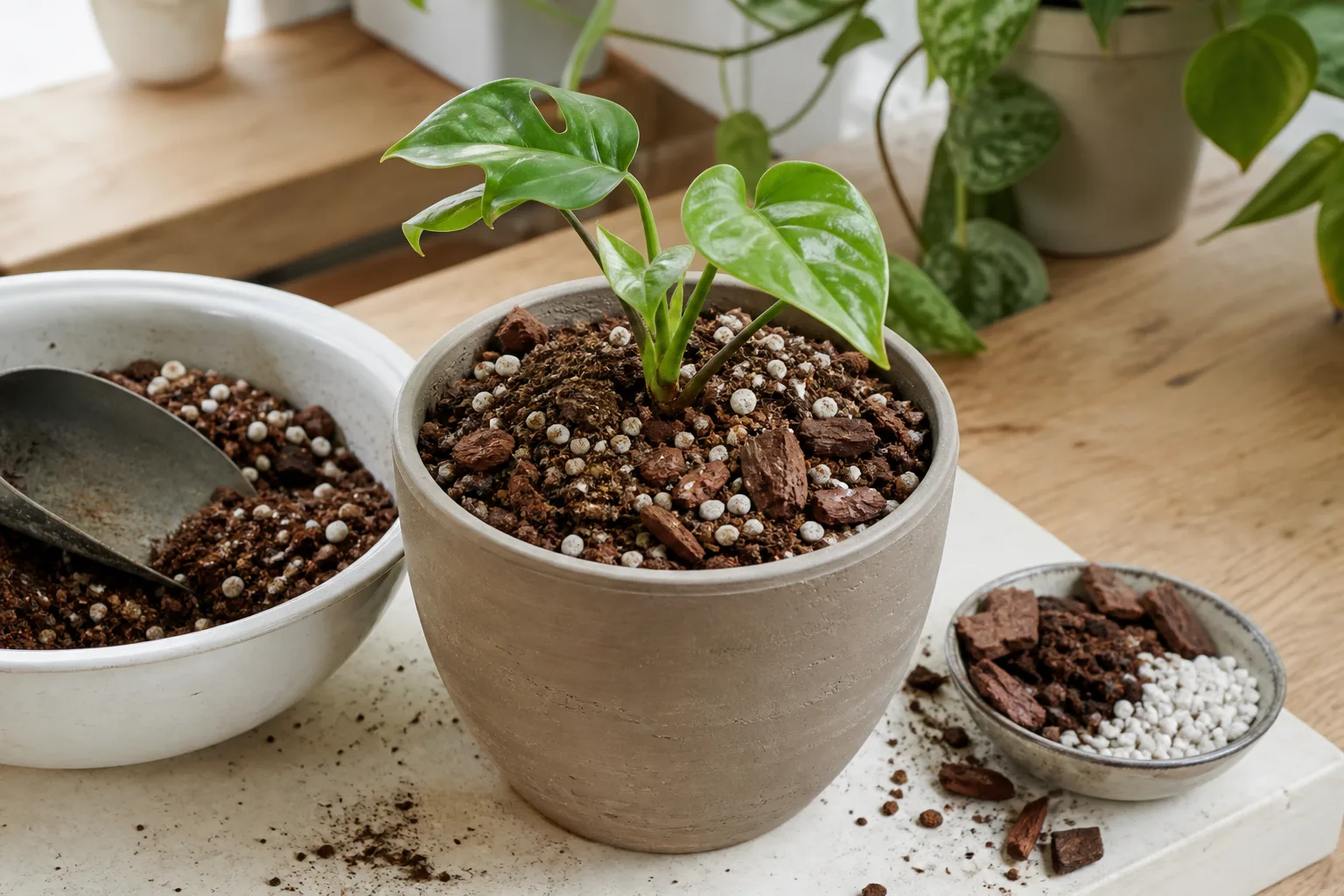
Best Overall: Espoma Organic Potting Mix
Espoma Organic Potting Mix is the default recommendation for growers who want one reliable bag for most of the collection. Out of the bag it feels looser than many budget mixes, with visible perlite and a consistent peat-based structure.
What we like
- Works for indoor and outdoor containers—useful if you also pot herbs or patio annuals
- Earthworm castings and mycorrhizae support nutrient uptake without a harsh smell
- Moisture retention stays balanced for typical tropical foliage in medium light
- Multiple bag sizes reduce waste for small repot jobs
What to watch
- Heavier than seed-starting mix—do not use straight for delicate seedlings
- Aroids in plastic pots may still want 10–20% extra orchid bark
- Organic slow-release feed in the bag is a starter, not a year-long fertilizer plan
Best for: Pothos, peace lilies, spider plants, dracaena, most philodendrons, and beginner collections where one bag should cover 80% of pots.
Typical specs: ~16 qt bags; ingredients include peat, perlite, earthworm castings, feather meal, mycorrhizae; OMRI-listed organic.
Best Budget: Miracle-Gro Indoor Potting Mix
Miracle-Gro Indoor Potting Mix is the practical choice when you are repotting a dozen plants and need predictable texture at low cost. Coconut coir and perlite keep it lighter than outdoor “garden soil” products, and slow-release fertilizer feeds for several months.
What we like
- Widely available at hardware stores and supermarkets
- Consistent perlite speckling and coir structure in most batches
- Performs well for common foliage when drainage holes are clear and pots are sized correctly
What to watch
- Not chunky enough for Monstera, large aroids, or low-light plastic pots without amendments
- Fertilizer in the bag does not replace scheduled feeding once exhausted
- Compare ingredient list—not all Miracle-Gro products are indoor-safe; buy the Indoor label
Amendment rule: Mix 3 parts Miracle-Gro Indoor + 1 part perlite (or 2:1 for very thirsty plants in terracotta). That single step prevents many “this soil stays wet” complaints.
Best for Succulents and Cacti: Back to the Roots Mix
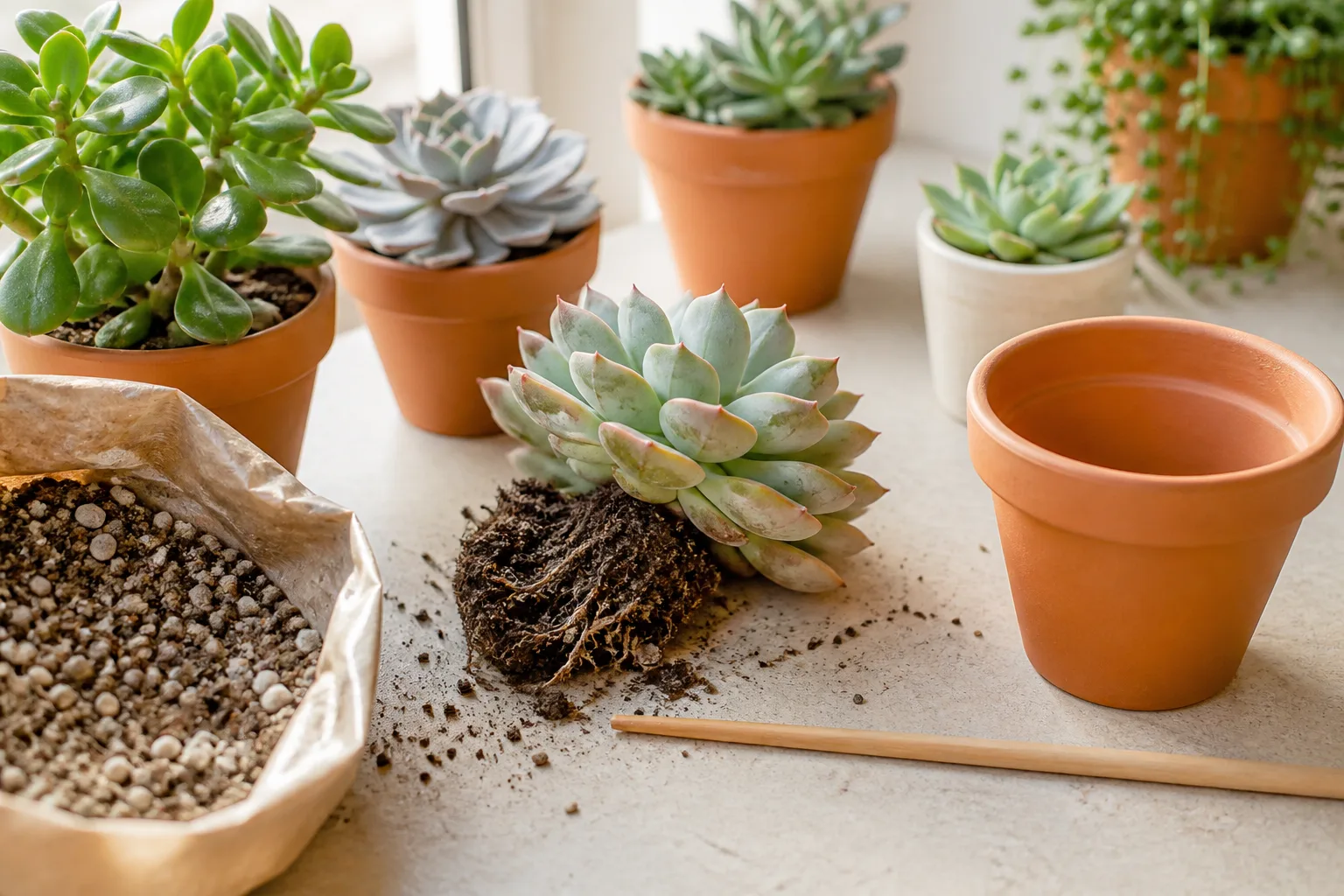
Desert and semi-succulent houseplants—jade, echeveria, haworthia, holiday cacti, snake plants, and ZZ plants—need fast drainage. Back to the Roots Organic Succulents and Cacti Mix is grittier than all-purpose bags, with perlite, horticultural sand, and aged bark plus dolomitic limestone for pH buffering.
What we like
- Noticeably faster dry-down than peat-heavy indoor mix
- Organic formula without relying on synthetic wetting agents
- Small 6 qt bag suits repotting a few succulent pots without a garage full of soil
What to watch
- Water slowly on first soak—bark and sand take a moment to absorb; flooding the pot wastes water down the sides
- In humid bathrooms or dim corners, add extra pumice or perlite even to “cactus” labeled bags
- Not for moisture-loving calathea or ferns
Succulents should be watered when the mix is dry deep, not when the surface alone looks dusty. See how to repot succulents for timing and pot depth.
Most Versatile Premium: FoxFarm Ocean Forest
FoxFarm Ocean Forest is a nutrient-dense organic mix built on composted forest humus, peat, earthworm castings, bat guano, fish meal, and crab meal. Plants often green up quickly after repotting because the mix is rich, not because it drains faster.
What we like
- Excellent for fast-growing tropicals—large philodendrons, bird of paradise, alocasia
- Strong option for outdoor containers when you want one premium bag indoors and out
- Rich biology supports active root growth in warm, bright conditions
What to watch
- Too strong for seedlings, fresh cuttings, and slow succulents—blend 50/50 with lighter indoor mix
- Higher nitrogen can push soft growth in low light; match light before repotting
- Price per quart is higher; justify it for plants that actually use the nutrients
Use Ocean Forest when the plant is actively growing and you can skip fertilizer for the first month or two—not as a default for every shelf plant.
Best for Monsteras and Aroids: Gardenera Monstera Mix
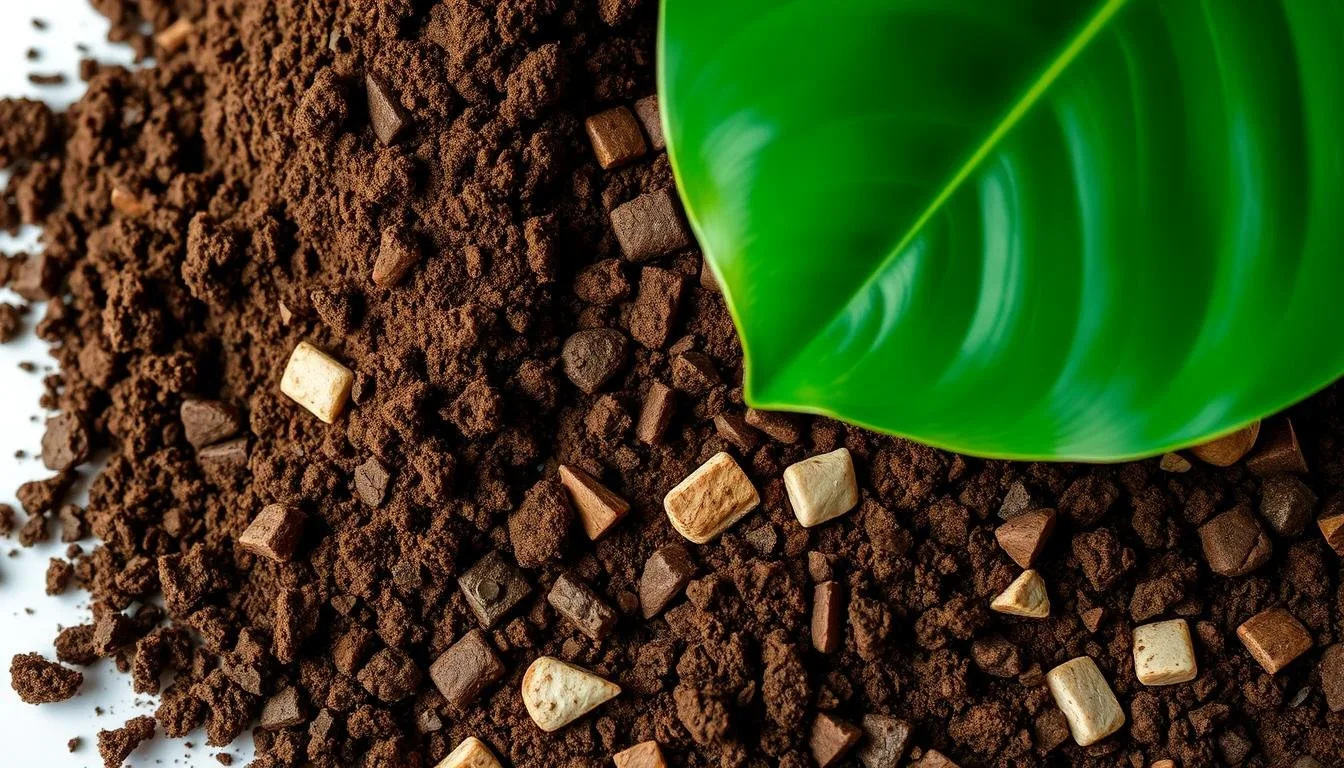
Chunky-rooted aroids want air pockets more than they want peat soup. Gardenera Premium Monstera Potting Soil targets that profile with coco coir, perlite, bark, pumice, worm castings, and charcoal—similar to what specialty aroid sellers recommend for Monstera deliciosa, philodendrons, and anthuriums.
What we like
- Bark and pumice create stable air channels Monstera roots explore
- Charcoal and worm castings add mild biology without turning the mix muddy
- Saves buying bark, pumice, and coir separately for one finicky plant
What to watch
- Specialty pricing—poor value if you only grow pothos and spider plants
- Still pair with a 1–2 inch pot upsize rule from repotting houseplants
- Online-only for many shoppers; plan ahead before an emergency repot
For DIY ratios and squeeze tests, see how to do Monstera soil mix and when and how to repot Monstera.
Best for Fiddle-Leaf Figs: Perfect Plants FLF Soil
Fiddle-leaf figs fail from wet feet and swingy moisture more than from missing a magic brand. Perfect Plants Fiddle Leaf Fig Soil uses coco coir, perlite, pine bark, and sand in a balance meant to stay structured while holding moderate moisture—helpful for growers who overcorrect with plain peat-heavy mix.
What we like
- Coir rewets more easily than hydrophobic dried peat—useful after a missed watering cycle
- Sand and bark improve drainage versus standard indoor peat alone
- Sized for a single large specimen repot rather than a 16 qt commitment
What to watch
- FLF stability still requires bright indirect light and consistent watering—not soil alone
- If lower leaves drop after repot, check drafty windows and cachepot standing water first
- Add perlite if you tend to water on a calendar instead of checking soil depth
Best Peat-Free Pick: Rosy Soil Houseplant Mix
Peat-free mixes have improved rapidly. Rosy Soil Houseplant Mix uses coconut coir, biochar, compost, perlite, and pumice in a carbon-conscious bag. Coir holds moisture with a more neutral pH than peat and rewets more reliably once dry.
What we like
- Peat-free structure with visible pumice and perlite for aeration
- Biochar supports drainage and long-term media stability in some trials and grower reports
- Suitable for mixed foliage collections when you want to reduce peat dependence
What to watch
- Dries slightly faster than peat-heavy bags in bright, warm rooms—check moisture more often the first month
- Premium pricing and primarily online availability
- Peat-free is not automatically “better”; it is a trade-off you choose for environmental and rewetting reasons
For broader peat context and coir trade-offs, see the ingredients pillar at best potting mix for indoor plants.
When to Amend Store-Bought Mix (and How Much)
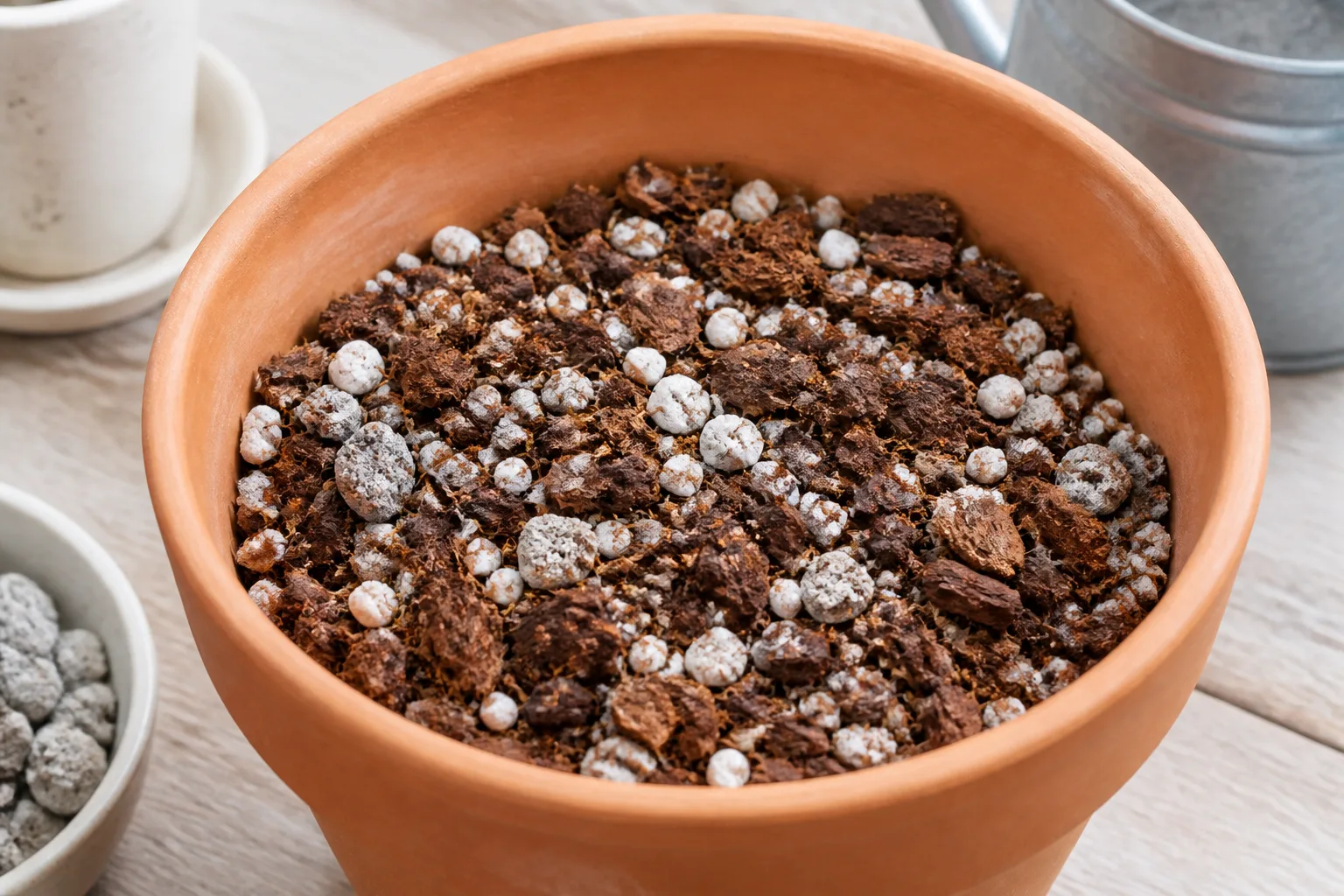
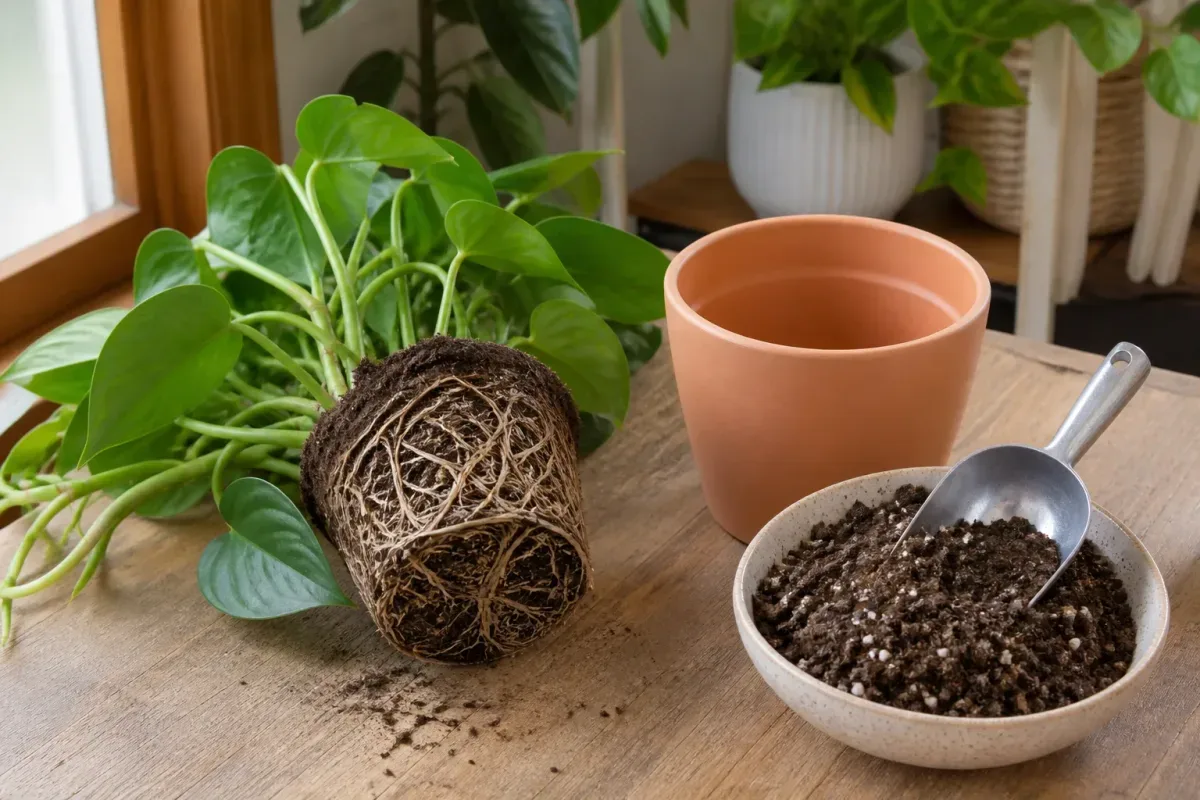
Most bagged “indoor” soils are bases. Amendments tune drainage without throwing out a good bag.
| Situation | Amendment | Ratio |
|---|---|---|
| Aroids, Monstera, chunky philodendrons | Fine orchid bark + perlite | 2 parts bag mix : 1 bark : 1 perlite |
| Low light + plastic pot | Perlite or pumice | +25–30% by volume |
| Succulents in humid room | Pumice | +1 part pumice to 1 part cactus mix |
| Moisture lovers (fern, calathea) | Less bark; optional vermiculite | Reduce perlite; keep structure with coir |
| FoxFarm too rich for young plant | Plain indoor mix | 50/50 blend |
Penn State Extension recommends moistening mix before repotting so peat and coir absorb evenly—dry peat can repel the first soak and fool you into overwatering.
Keep bark chips and perlite on hand even if you buy premium bags. Two amendments fix more problems than switching brands every month.
How to Read a Potting Soil Bag Label
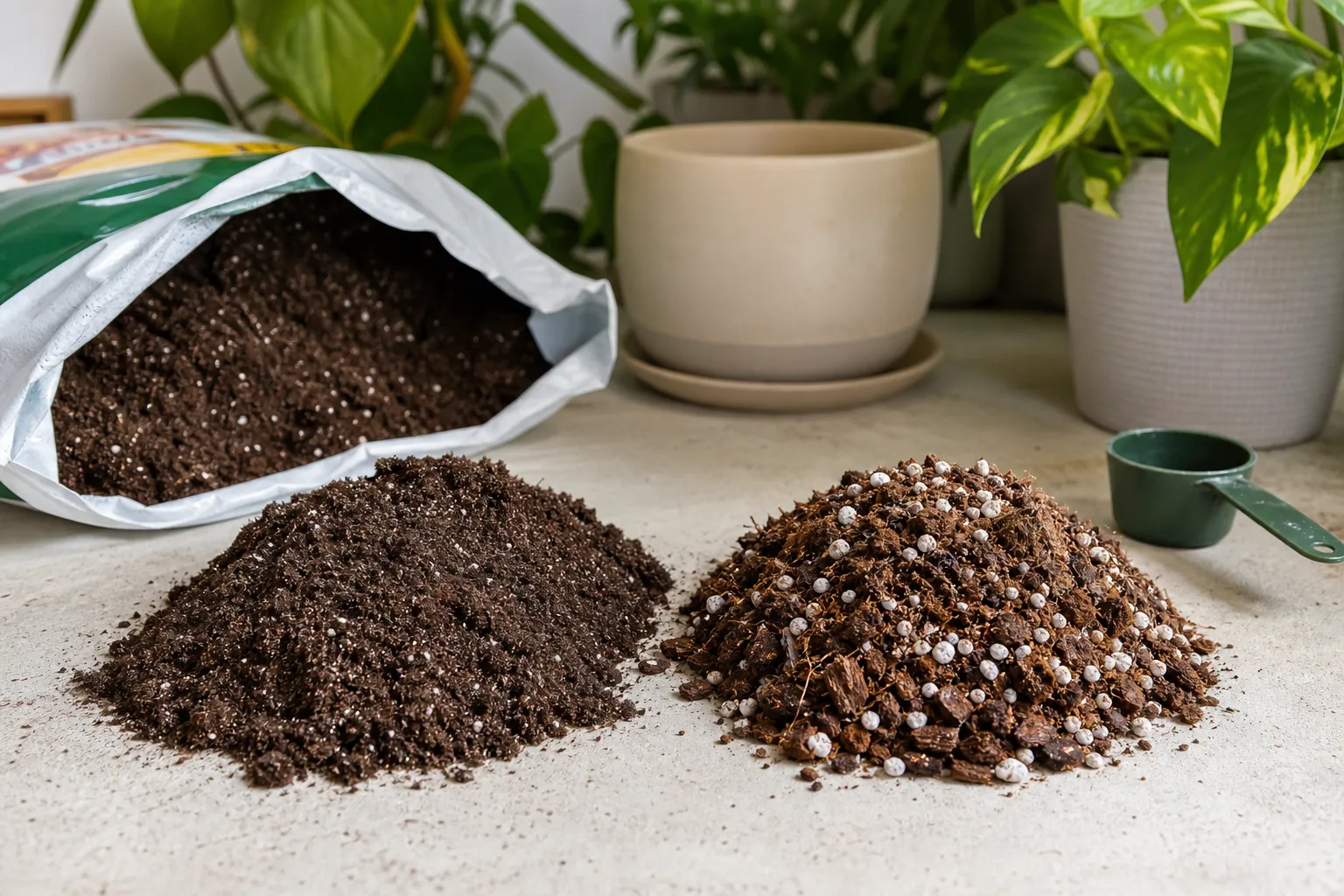
Labels matter because “potting soil” and “garden soil” are not interchangeable indoors.
Green flags
- Words potting mix or container mix
- Perlite, pumice, or bark in the first five ingredients
- Peat moss or coco coir for moisture
- Worm castings or compost for slow nutrients
- Optional: mycorrhizae, OMRI organic seal
Red flags
- Garden soil, topsoil, or “forest products” without aeration ingredients
- Uniformly fine, dusty texture in product photos—no white specks or bark
- Sour smell when opened (anaerobic processing)
- “Moisture control” crystals without drainage materials—can hold water too long in dim rooms
Never use garden soil in containers. It compacts, drains poorly, and may carry pathogens. Illinois Extension also warns that gravel in the bottom of a pot does not improve drainage—it can perch water above the gravel layer.
Common Potting Soil Mistakes Indoors
Buying a specialty bag for one plant and using it on everything. Cactus mix dries too fast for peace lilies; rich FoxFarm can overwhelm slow growers.
Repotting into a huge pot with fresh mix. Oversized pots plus wet mix cause rot faster than “wrong brand.” Follow the 1–2 inch pot upsize rule.
Ignoring fertilizer after repotting. Bagged slow-release feeds last months, not years. Resume fertilizing indoor plants when new growth appears.
Reusing sick soil. Do not recycle mix from a plant that died of rot or unknown disease. For healthy plants, see can you reuse potting soil for safe refresh ratios.
Storing open bags in wet garages. Peat and coir attract pests and break down. Seal bags dry; read does potting soil go bad in winter for storage cues.
Store-Bought vs DIY: Which Path Saves Money?
One or two repots per year: Buy bagged mix. Espoma or amended Miracle-Gro wins on time and consistency.
Large collection or rare aroid shelf: Buying perlite, bark, and coir in bulk plus one neutral base often costs less per quart after the first season. UF/IFAS publishes tested homemade recipes for foliage, succulent, and bromeliad mixes (Solutions For Your Life).
Single finicky specimen: A specialty bag (Gardenera, Perfect Plants) can be cheaper than stocking five amendment bags you will not use again.
The best soil for indoor plants guide covers DIY recipes by plant type when you want full control.
Conclusion
The best potting soil for indoor plants is the mix that keeps roots breathing in your pots—not the bag with the most keywords on the front. Espoma Organic remains the strongest default for mixed foliage collections. Miracle-Gro Indoor is the budget workhorse when you amend for drainage. Back to the Roots covers succulents and semi-succulents; FoxFarm Ocean Forest feeds fast tropicals when used with restraint. Gardenera and Perfect Plants solve single-plant jobs for aroids and fiddle-leaf figs. Rosy Soil fills the peat-free niche without sacrificing structure.
Before your next repot, match soil to root type, pot material, and light, confirm drainage holes, and moisten mix before you fill the pot. When the bag is right but plants still struggle, fix watering and light before you buy a seventh different soil. For timing and technique, continue with repotting houseplants and the potting mix ingredients guide.