How to Grow and Care for a Goldfish Plant
Grow a goldfish plant indoors with a practical light, water, soil, temperature, feeding, pruning, propagation, and troubleshooting routine.
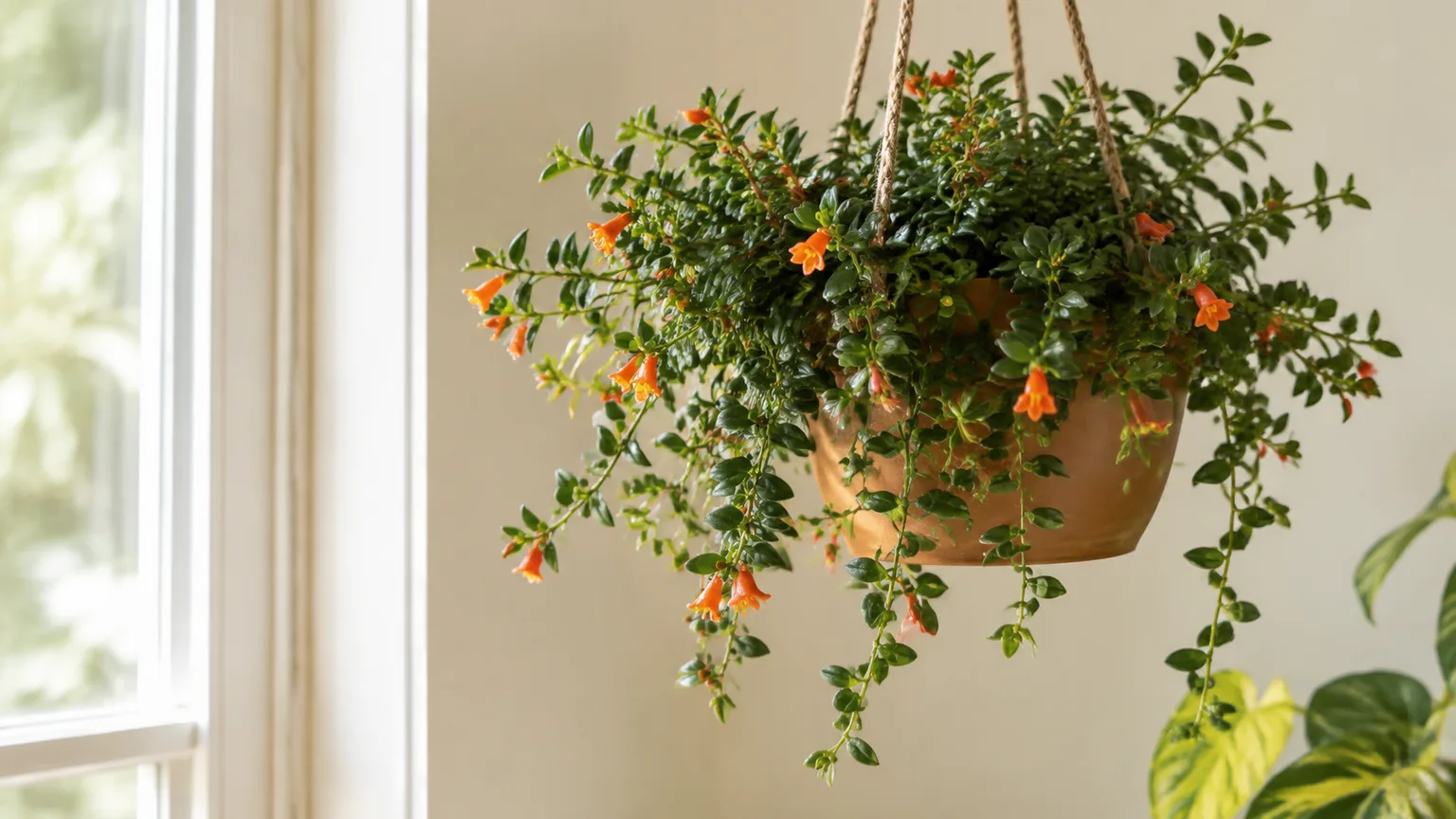
Goldfish plant care becomes much easier when you stop treating it like a thirsty tropical and start treating it like a small epiphyte with delicate, well-aerated roots. Give it bright filtered light, an airy potting mix, steady warmth, and water only when the root zone has partly dried. That combination supports the trailing foliage and the orange, fish-shaped flowers that make this plant special.
The common name covers more than one plant. Nematanthus gregarius is the familiar glossy-leaved species, while Columnea species and hybrids are also sold as goldfish plants. Their broad needs overlap, but the label still matters: the more exact the identification, the more confidently you can interpret leaf shape, flower timing, and humidity preferences. The Royal Horticultural Society describes N. gregarius as a trailing evergreen perennial from Brazil that prefers partial shade and moist but well-drained conditions. (RHS)
Goldfish Plant Care at a Glance
| Care factor | Reliable indoor starting point |
|---|---|
| Light | Bright, filtered light; gentle morning sun is usually safer than hot afternoon sun |
| Water | Soak thoroughly when the upper mix has dried slightly; drain completely |
| Soil | Loose, coarse, moisture-holding but fast-aerating mix |
| Pot | Container with a drainage hole, only slightly larger than the root ball |
| Temperature | About 60–80°F (16–27°C); avoid cold drafts and sustained heat |
| Humidity | Average home humidity can work; moderate humidity with moving air is better |
| Feeding | Diluted balanced fertilizer during active growth, not on dry or damaged roots |
| Display | Hanging basket, shelf edge, or raised stand where trailing stems can hang |
Treat this table as a starting setup, not a watering schedule. A small plastic pot in bright summer light may dry in four days, while a glazed pot in a dim winter room can stay wet for two weeks. Check the plant and the mix before repeating anything by habit.
What a Goldfish Plant Is (and Which One You Bought)
Goldfish plants belong to the Gesneriaceae family, the same broad family that includes African violets. Nematanthus gregarius is a trailing subshrub with fleshy, glossy leaves and clusters of pouched tubular flowers. The RHS lists the species as evergreen, trailing, and native to Brazil, with flowers that can reach about 2.5 centimeters long. (RHS)
The epiphytic habit explains the care paradox. In nature, these plants may grow on trees or among bark and rock rather than in a deep layer of compact soil. Their roots receive both water and air in quick pulses. Indoors, a saturated pot removes that airflow, while a bone-dry root ball can damage fine roots and trigger bud or leaf drop. Your goal is even access to moisture with rapid drainage, not permanent wetness.
Some plants sold as goldfish plants have long, flexible stems and thin leaves, while N. gregarius tends to look compact and glossy. Flowers may be orange, red, yellow, or patterned depending on the cultivar. If your plant has a nursery label, keep it; if not, use the plant’s growth habit and response to conditions rather than assuming every “goldfish plant” has identical limits.
Choose the Right Indoor Location Before You Water
Start with an east-facing window or a bright spot near a south- or west-facing window filtered by a sheer curtain. A hanging basket can sit slightly back from the glass so the foliage receives strong ambient light without heating up against the pane. Keep the plant away from forced-air vents, radiators, and doors that open to cold outdoor air.
Light drives more than leaf color. It also controls how quickly the mix dries and whether the plant has enough energy to form flower buds. A goldfish plant in a dim bathroom may enjoy humidity but grow slowly, use little water, and remain wet long enough to develop root trouble. A bright room with average humidity is often a better home than a humid but dark corner.
If you move a plant outdoors for summer, choose bright shade or dappled morning light and acclimate it gradually. Outdoor sun, wind, and rain are far more intense than the light through a window. Move it back inside before cold nights and before a heat wave pushes the plant into a hot, exposed position.
How to Read Light From the Plant
Use new growth as your light meter. Long gaps between leaves, weak trailing stems, small new leaves, and a plant that stays green but refuses to flower all point toward insufficient usable light. Turn the pot a quarter turn every week or two if light comes from one side, and consider a grow light in winter if the brightest window cannot support compact growth.
Bleached patches, crispy areas on the window-facing side, or sudden tan spots suggest that the light is too intense or changed too quickly. Move the plant farther from the glass or add a sheer curtain. Do not try to cure scorch by watering more; damaged tissue cannot be repaired, and extra moisture only increases the risk of root stress. If you are unsure whether the room is bright enough, compare your observations with this not-enough-light houseplant guide.
Use an Airy Mix and a Snug Pot
Choose a pot with an unobstructed drainage hole. A hanging basket is excellent for display, but a heavy decorative cachepot is safe only when the draining nursery pot can be lifted out for watering and allowed to finish dripping. Never let the container sit in a saucer of runoff.
Goldfish plants usually do well in a loose mix that drains quickly while holding a little moisture around fine roots. A dense garden soil or a basic mix that collapses into mud leaves too little air after watering. The better test is simple: after a thorough soak, water should move through the pot within seconds or a few minutes, and the mix should not remain cold and heavy for many days.
For a practical starting blend, combine two parts peat-free houseplant or African violet mix, one part fine orchid bark, and one part perlite or pumice. Adjust the recipe to your conditions. Add more bark or perlite if your room is cool and your plant stays wet; retain a little more fine mix if your home is hot and dry and the pot dries too rapidly.
Do not confuse “fast draining” with “unable to hold water.” Water should wet the root ball evenly rather than run down a dry channel and out the bottom. If the mix has pulled away from the pot edge, rehydrate it slowly in two passes or use a brief bottom soak, then remove the pot and let it drain. A small amount of organic matter is useful; a saturated peat plug is not.
Slightly snug roots can support flowering because the plant invests less energy in filling a large container. That does not mean roots should be crushed, circling into a solid mat, or emerging everywhere from the drainage hole. Keep the pot only one size larger when a move becomes necessary.
Water by Root-Zone Moisture, Not the Calendar
Water thoroughly until some drains from the bottom, then empty the saucer or cachepot. This flushes the entire mix and reduces the dry pockets that develop when you give only a few spoonfuls. Use room-temperature water and pour slowly enough that the mix absorbs it instead of sending it straight down the sides.
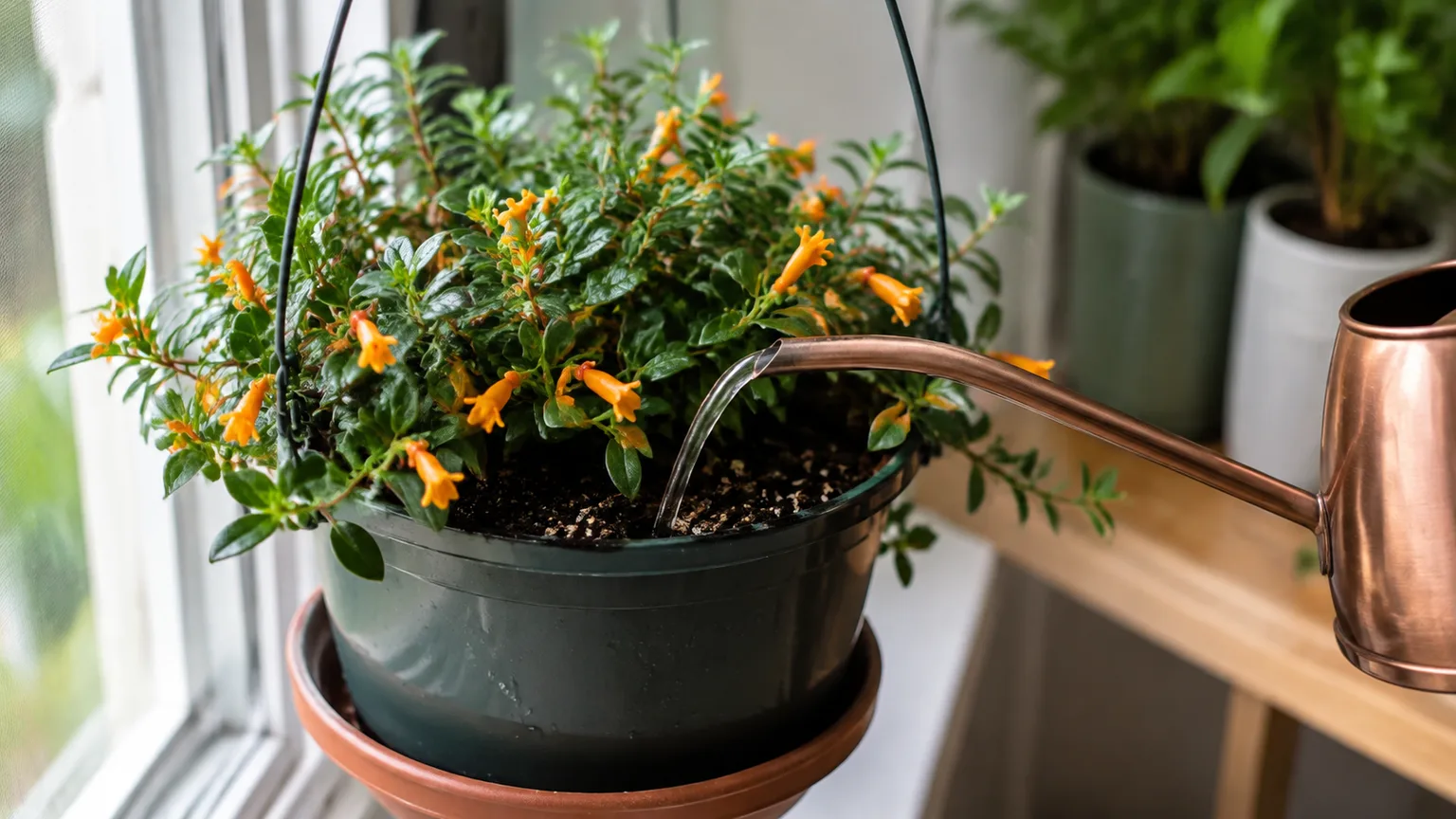
Wait until the upper layer feels dry before watering again. For a small pot, insert a finger about half an inch to an inch into the mix; for a deeper pot, use a wooden skewer or compare the pot’s weight with how it feels just after watering. The leaves can help, but do not wait for a dramatic collapse every time. A thirsty plant and a plant with damaged roots can both droop, so the soil condition is the deciding evidence.
If the plant droops while the pot feels light and the mix is dry, water deeply and check again the next day. If it droops while the pot is heavy and damp, do not water. Inspect the drainage hole, smell the root zone, and look for yellowing or soft stems. Adding water to wet-root wilt is one of the fastest ways to turn a recoverable stress problem into rot.
A Seasonal Watering Routine
In spring and summer, bright light and active growth usually increase water use. Check the plant every few days, but water only when the mix meets the dryness test. In autumn and winter, shorter days and cooler rooms slow both growth and evaporation, so allow a larger portion of the upper mix to dry before repeating a full soak.
Do not change to a rigid “once a week” routine simply because the calendar changed. Move the plant, pot, and light together in your thinking. A goldfish plant under a grow light may continue active growth in winter, while one in a dark, cool room may need water much less often.
Water quality can matter when new leaf tips brown repeatedly despite a sound moisture routine. If your tap water is very hard or softened with salts, use filtered, rain, or other suitable low-mineral water for a trial period and watch the new growth rather than expecting old tips to turn green. This hard-water houseplant guide explains why changing water alone cannot fix a chronically wet root zone.
Humidity, Temperature, and Airflow Work as a Set
Goldfish plants come from warm, humid regions, but you do not need to turn your home into a greenhouse. A humidity level around ordinary household conditions can be workable, while moderate humidity often improves leaf quality and reduces stress during active growth. More important than chasing a particular percentage is avoiding rapid swings and keeping foliage from staying wet for hours.
Use a hygrometer to find the actual conditions near the leaves. A humidifier can help in a dry heated room, especially when it is placed nearby rather than blowing directly at the plant. A pebble tray may modestly improve the immediate microclimate, but it is not a substitute for drainage and it cannot compensate for a room that is both hot and extremely dry.
Aim for a stable room roughly between 60 and 80°F (16–27°C). Keep the plant above about 55°F (13°C), especially when the pot is moist, and protect it from sustained heat above the comfortable range. Cold glass, air-conditioning, heaters, and sudden moves can trigger leaf or bud drop even when watering is correct.
This combination of bright filtered light, warm temperatures, and controlled moisture also matches the practical care guidance from Gardener’s Path and Get Busy Gardening. The useful takeaway is not one perfect number: it is keeping the plant actively growing without leaving wet roots in a cold, stagnant corner.
Airflow completes the setup. Space plants so leaves are not pressed together, and give wet foliage a chance to dry. Misting is optional and short-lived; it is not the same as raising room humidity. Repeatedly wet leaves in stagnant air can create a better environment for spotting and decay than for healthy growth. Use the houseplant humidity guide if you are deciding between a humidifier, grouping, or a tray.
Feed for Growth Without Fertilizer Burn
Feed during active growth in spring through early autumn with a balanced liquid houseplant fertilizer diluted to about one-quarter to one-half of the label strength. A gentle, consistent supply is safer than a strong “bloom booster.” More phosphorus cannot compensate for weak light, cold roots, or an oversized wet pot.
Apply fertilizer to an already moist root zone, never to a bone-dry or wilted plant. Pause feeding after repotting, during a root-rot recovery, or when the plant is sitting in low winter light. Once a month or so, water thoroughly with plain water and allow the runoff to leave the pot; this helps reduce soluble salt accumulation.
White crust on the soil or pot rim, browned tips that began after feeding, and stalled roots are reasons to flush and pause, not reasons to feed more. Resume at a weaker rate after new growth looks normal. The goal is steady leaves and buds, not a forced flush that a stressed root system cannot support.
Prune for Branching and More Flowers
Prune a goldfish plant to create a fuller shape, remove damaged material, and keep long stems within the space you have. Use clean, sharp snips and cut just above a pair of leaves or a visible node. That node is where new side growth can develop; cutting randomly in the middle of a bare stem leaves a less attractive stub and fewer obvious branching points.
Pinch soft growing tips during active growth when you want a bushier plant. If the plant is already carrying buds, avoid heavy reshaping. A light trim after flowering is usually safer than removing every long stem before you know where the next flowers will form. Deadhead spent flowers gently, but do not mistake natural flower drop at the end of a cycle for a disease.
Always correct light before repeatedly pruning leggy growth. Low light creates long internodes; cutting those stems without improving the placement simply produces another round of weak shoots. Healthy pruned tips are ideal propagation material if they are flowerless and free of pests.
How to Get a Goldfish Plant to Bloom Again
A goldfish plant that grows leaves but never flowers usually needs a better combination of light, root-zone timing, temperature, and maturity—not a larger dose of fertilizer. Flowering is a whole-plant result. A plant can look green and alive while still receiving too little usable light to make buds.
The safest bloom reset is gradual. Put the plant in bright filtered light, keep the mix evenly but not constantly moist, protect it from drafts, and stop moving it around every few days. Allowing the upper mix to dry a little more in the darker, cooler season can support a rest period, but do not let the root ball become dust-dry.
- Increase usable light first. Choose bright filtered light or gentle morning sun, and supplement during a dim winter.
- Check the pot size. A snug pot is preferable to a large volume of unused wet mix.
- Stabilize temperature. Keep the plant away from cold panes, vents, and hot afternoon glass.
- Feed only during active growth. Use weak balanced fertilizer after the roots are hydrated.
- Keep the routine steady. Bud drop often follows a sudden move, drought-to-flood cycle, or cold shock.
Some cultivars bloom in waves and some flower outside the most obvious spring-and-summer window. Count healthy new buds as success even if an older flower flush has ended. If your plant is severely leggy, prune lightly after the current bloom cycle, then give the new shoots enough light to mature.
Propagate From Stem Cuttings
Stem-tip cuttings are the most practical way to multiply a goldfish plant at home. Choose a healthy, flowerless tip about 3–5 inches long with several leaves and at least one or two nodes. Avoid taking cuttings from a plant with active pests, soft stems, or root-rot symptoms; propagation spreads the problem instead of preserving the plant.
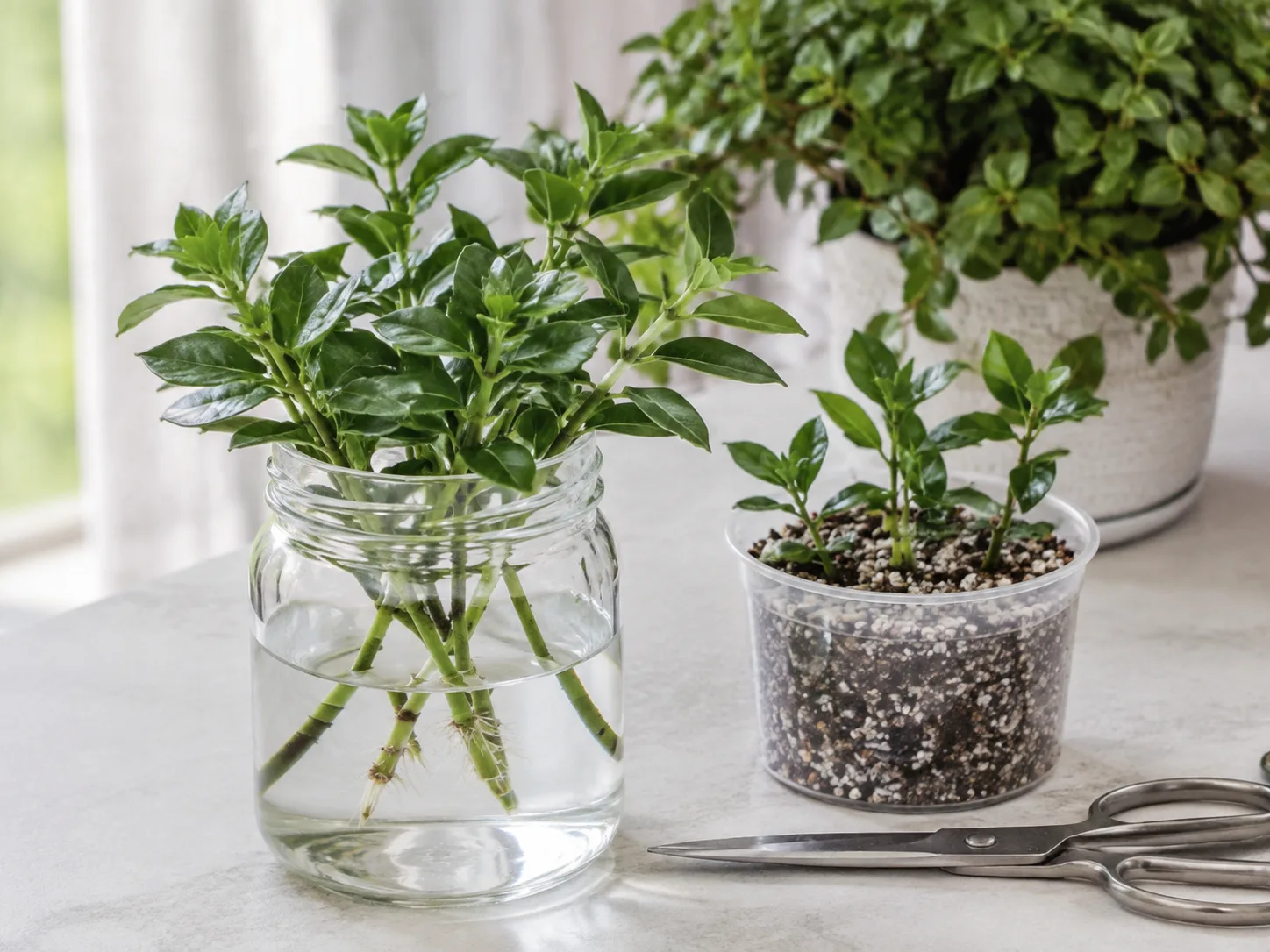
Remove the lowest leaves so no foliage sits below the waterline or under the propagation mix. Rooting hormone is optional rather than magical. A clean cut, warm conditions, bright indirect light, and an airy medium matter more than adding several products. Water propagation makes roots easy to see; direct rooting in a lightly moist mix avoids the later transition from water roots to potting roots.
- Sterilize your scissors and take a clean cut just below a node.
- Remove the bottom leaves and place only the bare nodes in a clean glass of water.
- Set the glass in bright indirect light at roughly 65–75°F (18–24°C).
- Refresh the water every few days so it stays clear and oxygenated.
- When roots are about an inch long and branching, move the cutting to a small pot of airy mix.
- Keep the new pot evenly moist for the first week, then let the surface dry slightly between waterings.
Roots may appear in two to four weeks, but timing varies with warmth, light, season, and the cutting itself. Pot up before roots become a tangled mass in the jar. After planting, a brief pause in growth is normal. Judge success by firm stems and new leaves, not by expecting an instant flowering plant; a cutting needs time to build a root system and mature shoots.
Repot Only When the Plant Gives You a Reason
Repot in spring or early summer when active growth can help the plant recover. Look for roots emerging from the drainage hole, a dense root mat, mix that has collapsed and stopped draining, or a pot that dries unusually fast because roots occupy nearly all the volume. A plant that is merely not flowering does not automatically need a bigger pot.
Move up only one container size and keep the plant at the same depth. Loosen the outer roots gently, remove any sour or broken mix, and use fresh airy medium around the root ball. Water once to settle the mix, let it drain, and then return to normal moisture checks. Do not keep watering extra because the plant looks temporarily soft after the move.
If you suspect root rot, repotting is part of a rescue rather than routine maintenance. Inspect the roots, remove soft dark tissue with a clean blade, and match the new pot to the healthy roots that remain. The repotting houseplants guide covers the same size-and-drainage decisions in more detail.
Pests and Root Problems: Diagnose Before Treating
Inspect a goldfish plant whenever you water it, especially along stem joints, new growth, and leaf undersides. Isolate a suspect plant from nearby houseplants before treatment. Look at the pattern, not just the presence of a brown or yellow leaf: pests, wet roots, drought, sun scorch, and cold stress require different first actions.
Mealybugs, Aphids, Scale, and Spider Mites
Mealybugs look like white cottony clusters in leaf axils and along stems. Aphids favor soft new growth and may leave sticky honeydew. Scale appears as fixed tan or brown bumps, while spider mites cause fine pale stippling and sometimes delicate webbing on the undersides of leaves.
For a small infestation, isolate the plant, remove visible insects with a cotton swab or gentle rinse, and repeat inspections every few days. If you use insecticidal soap, horticultural oil, or another pesticide, choose a product labeled for indoor ornamentals and the specific pest, follow its label, and test a small area first. “Natural” does not mean risk-free on tender foliage, and oils can scorch leaves in strong light. Use the mealybug houseplant guide for a fuller isolation and follow-up routine.
Root Rot and Leaf Drop
Yellow leaves with a wet, heavy pot, sour-smelling mix, soft stems, or roots that are dark and easily stripped point toward root damage. First stop watering and verify the diagnosis. Move the plant to warmer bright filtered light, inspect the drainage hole, and unpot it if decline continues. Do not add fertilizer while roots are compromised.
Leaf drop has several causes. A light pot with dry mix suggests drought; a heavy wet pot suggests root stress; a cold draft or sudden move may cause rapid drop after an otherwise normal watering routine; stippling or webbing suggests pests. Older leaves can also age out naturally, so focus on whether new leaves remain firm and clean.
Remove damaged leaves only after the cause is addressed. If healthy stems remain, take backup cuttings before the rot spreads. For a detailed recovery sequence, see the root rot houseplant guide. A plant with almost no viable roots or crown tissue may not be worth repeated rescue; preserving clean cuttings is often the more practical choice.
Seasonal Care and Outdoor Moves
Spring is the best season for repotting, pruning, and propagation because light and warmth support recovery. As summer light increases, check moisture more often, but continue to let the upper mix dry slightly between thorough waterings. Shade an outdoor plant from harsh afternoon sun and protect it from heavy rain that can saturate a hanging basket.
Autumn is a useful time to inspect for pests before bringing a plant indoors. Quarantine it away from the collection for a couple of weeks, check leaf undersides, and clean the pot and saucer. In winter, reduce watering as drying slows, pause fertilizer if growth stops, and keep the plant away from cold glass and heaters. If the home is very dry, improve humidity without sealing the plant in stagnant air.
Goldfish plants are perennial in warm climates but are not frost-tolerant. In most homes, indoor culture is easier because you can control light, temperature, water, and pests. When moving between indoors and outdoors, acclimate in stages and reverse the process before nights become cold. A sudden switch from window-filtered light to outdoor sun is a common source of scorch.
Pet Safety and Buying Checklist
The ASPCA entry for “Gold-Fish Plant” lists Hypocyrta nummularia as non-toxic to dogs and cats. (ASPCA) Because the common name is used for several related plants and cultivars, keep the nursery label and check the exact scientific name when pet safety is important. Non-toxic also does not mean edible: chewing any plant can cause stomach upset, and a pet that eats a large amount or becomes ill needs veterinary advice.
When buying, choose a compact plant with firm glossy leaves, several active stems, and no unexplained yellowing or collapse. Inspect the leaf axils and undersides for cottony residue, scale, webbing, or sticky deposits. Lift the nursery pot from its cover pot; roots should not be black and sour-smelling, and the plant should not be sitting in stagnant water.
Buy the plant for the conditions you can actually provide. A bright east window, a draining pot, and a consistent watering check are more valuable than a plant in full flower that your dim room cannot sustain. A healthy green plant with a few buds is often a better long-term purchase than a crowded, heavily forced specimen that drops flowers as soon as it travels home.
Conclusion
The most reliable goldfish plant care routine is a balance: bright filtered light without scorch, moisture without a stagnant root zone, humidity without wet leaves, and pruning without sacrificing every flowering stem. Start by choosing the location and pot, then let the plant’s mix, weight, new growth, and flower response guide the next adjustment.
If it stops blooming, fix light and stability before reaching for more fertilizer. If leaves drop, inspect whether the pot is wet or dry before watering. If the plant is healthy, take flowerless stem cuttings and grow a fuller basket over time. With those decisions in the right order, this unusual gesneriad can stay compact, glossy, and covered with its little orange “fish” for years.