32 Vegetables You Can Grow in Partial Shade
Leafy greens, roots, brassicas, and more can harvest in 3–6 hours of sun. Match the right crop to your yard with this shade vegetable guide.
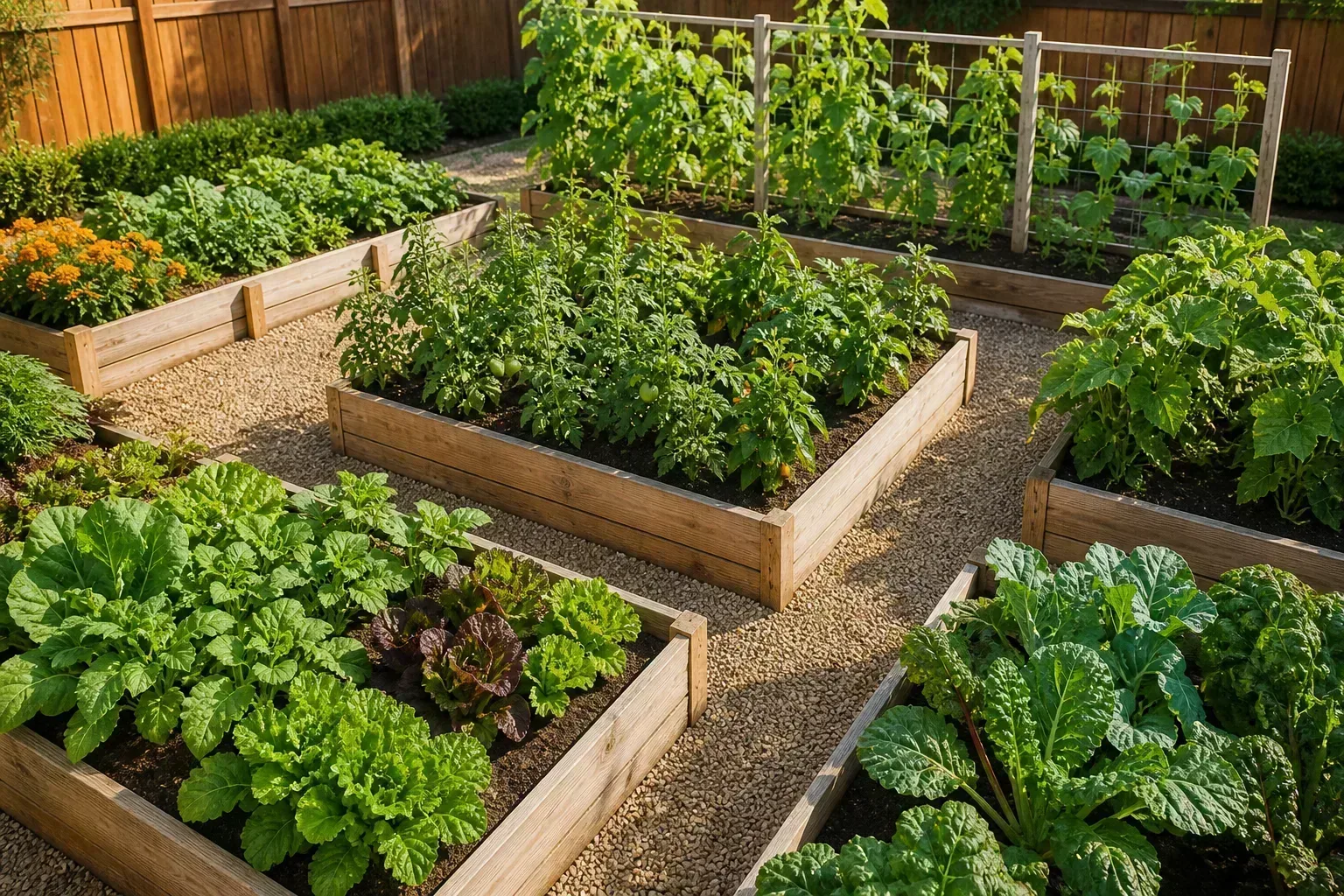
A north-facing bed, a maple canopy, or a fence line that steals afternoon light does not disqualify you from growing food. It changes which crops belong there. Most seed packets are written for wide-open, full-sun lots, so gardeners with 3 to 6 hours of direct sun often assume vegetables are off the table. They are not — if you match the plant to the light you actually have.
The list below covers 32 vegetables that tolerate partial shade, grouped by how little sun they can handle and what trade-offs to expect. Measure your yard first, then plant from the right tier instead of forcing tomatoes into a spot that will never ripen fruit.
Partial Shade Is Not a Dead End for Food Gardens
Partial shade means your bed gets some direct sun each day — not zero light, and not the 6 to 8 hours many fruiting crops want. Iowa State University Extension notes that leafy vegetables such as lettuce, spinach, collards, Swiss chard, and kale can succeed with about 3 to 4 hours of sun, while radishes, kohlrabi, beets, cauliflower, and broccoli are also possibilities in partial shade.
The mistake is treating every “shade tolerant” label the same. A crop that survives on 3 hours of morning sun is not the same as one that needs 6 hours and merely “tolerates” a little shade at the edge of a sunny bed. Grouping crops by minimum sun hours saves seasons of disappointment.
How Much Sun Vegetables Actually Need
Vegetables use sunlight for photosynthesis — converting carbon dioxide and water into the sugars that fuel leaf, root, and fruit growth. Crops grown mainly for leaves or roots can often get by on less light because they are not building large fruits. Crops grown for tomatoes, peppers, or melons need far more energy and therefore more sun.
Full Sun, Partial Sun, and Partial Shade Defined
Extension and horticulture sources use slightly different hour counts, but the ranges below are a practical working guide:
- Full sun: 6 or more hours of direct, unfiltered sunlight per day. Hours do not need to be consecutive — 4 in the morning plus 2 in late afternoon still counts.
- Partial sun: Roughly 4 to 6 hours of direct sun, often with preference for cooler morning light.
- Partial shade: About 2 to 4 hours of direct sun, plus bright indirect or dappled light the rest of the day.
- Full shade: Less than 2 hours of direct sun. Very few food crops produce a worthwhile harvest here.
UF/IFAS Extension points out that “partial sun” and “partial shade” are often used interchangeably on plant tags, which makes the terms nearly useless without a specific hour target. Treat packet labels as a rough signal, then verify against a crop-specific source.
Morning sun is gentler and cooler than afternoon sun. Four hours before 1 p.m. often grows better greens than four hours of harsh late-day heat, even though the hour count is identical.
How to Measure Light in Your Yard
Stop guessing. On a clear day in late spring, check your bed once per hour from mid-morning through late afternoon and mark whether the spot is in direct sun (S) or shade (SH). Repeat on two more clear days and average the “S” hours. Remap in midsummer, because deciduous tree canopies fill in and change the math dramatically.
Note what casts the shade. House and fence shadows stay fairly constant. Tree shade shifts with the season. A bed that looks bright in April can go nearly dark by July under a mature maple.
Why Leafy Greens Beat Fruiting Crops in Low Light
Plants grown for leaves do not need to divert as much energy into flowers and fruit. That is why lettuce, spinach, kale, and arugula top nearly every partial-shade list.
Shade also keeps soil and air cooler, which delays bolting — the shift from leafy growth to flowering stems that turns greens bitter. Research on lettuce shows heat above about 75°F can trigger bolting genes that push the plant toward seed production (NCBI). Afternoon shade blocks the hottest part of the day and extends the harvest window for cool-season greens.
Root crops follow a different logic. With less light, some plants push more energy below ground. Beets, carrots, and turnips may mature more slowly and stay smaller, but they can still produce usable roots where full-sun fruiting crops would fail.
What to Realistically Expect From a Shade Harvest
Partial shade gardens work. They just work differently.
Expect smaller heads, thinner stems, and longer days-to-harvest than seed packets quote for full sun. Watering needs are often lower because soil stays moist longer, but slugs and snails can be worse in cool, damp shade. Fertilizer does not fix insufficient light — if the limiting factor is sun, extra nitrogen produces leggy growth, not bigger harvests.
Treat every hour figure in this guide as a starting point adjusted for your climate. Hot regions benefit more from afternoon shade; short-season northern gardens may want to claim every sun hour available.
Best Salad and Cooking Greens (2–4 Hours of Sun)
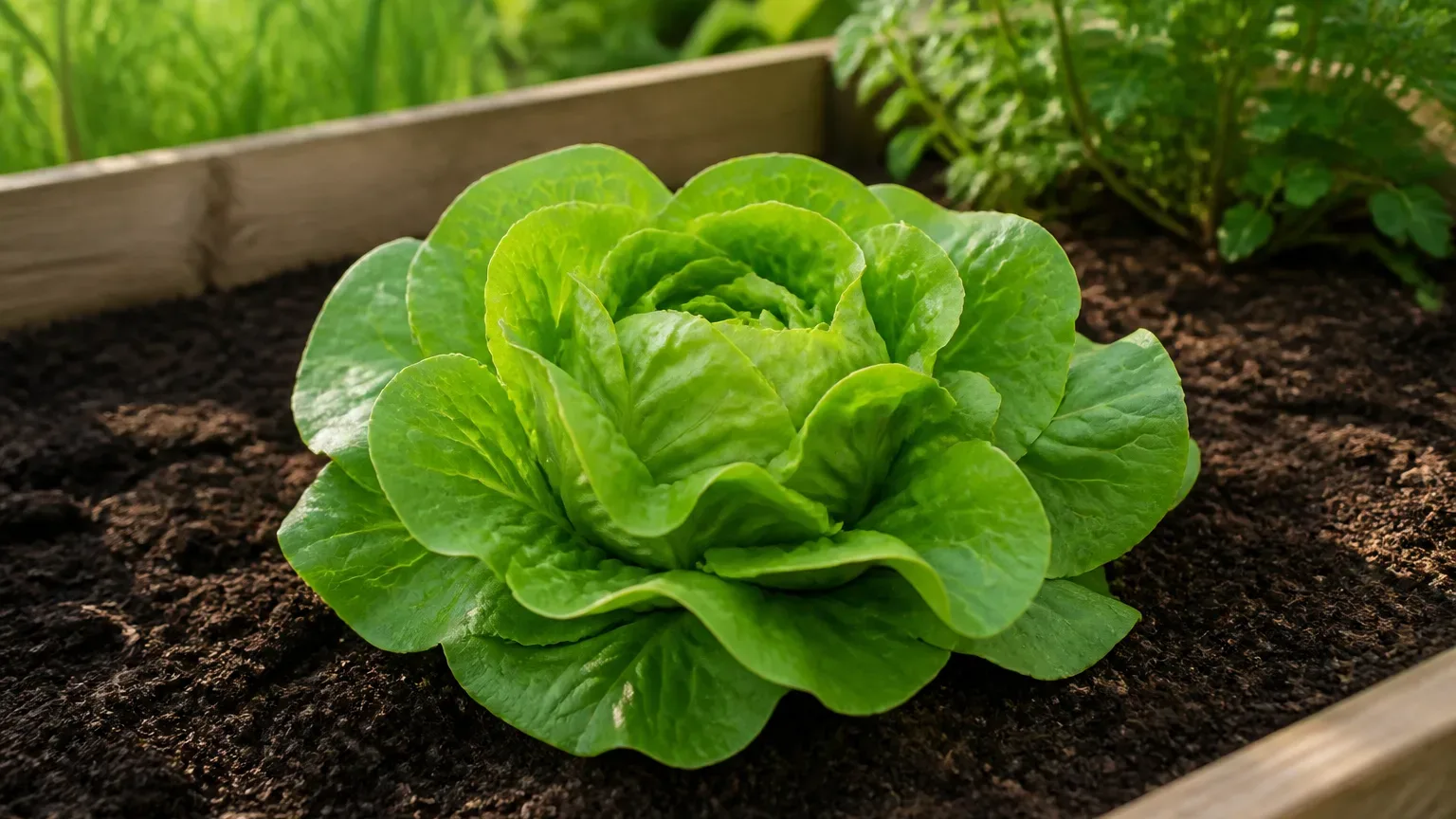
These are the most forgiving crops for low light. Most need only 3 to 4 hours of direct sun according to Iowa State Extension.
Lettuce, Arugula, Spinach, Swiss Chard, and Sorrel
Lettuce dislikes baking all day. Six hours is ideal, but loose-leaf types produce well with less, especially if you harvest outer leaves continuously. Heading types may stay smaller in shade; leaf lettuce is the better bet. Succession sow every 2 to 3 weeks for a steady supply.
Arugula is fast — often ready in 20 to 50 days — and its peppery bite is refreshing in salads. It tolerates shade well and can be direct-sown. In hot weather, shade prevents premature bolting.
Spinach wants cool weather and does well with 4 to 6 hours of sun. Baby leaves are ready in roughly 20 to 30 days. Plant again in fall when temperatures drop.
Swiss chard is nearly foolproof: colorful stems, cut-and-come-again leaves, and tolerance for 4 to 6 hours of sun. Direct sow and thin to 6 to 8 inches apart.
Sorrel brings a lemony tang to salads with arrow-shaped leaves. It tolerates partial shade, though 6 hours produces the most vigorous plants. Harvest young leaves for the best texture.
Kale, Collards, Mustard Greens, Endive, and Cress
Kale handles cool temperatures and light frosts, making it excellent for spring and fall shade beds. It prefers rich, moist soil and benefits from afternoon shade in hot summers.
Collard greens need about 4 to 5 hours of sun for full flavor. They are hardy cooking greens that sweeten after light frost.
Mustard greens tolerate 5 to 6 hours of sun but dislike heat. Some types self-seed aggressively — remove flower stalks if you do not want volunteers next year.
Endive and escarole do surprisingly well with as little as 2 to 3 hours of daily sun in midsummer, where shade prevents bolting. They also thrive in containers on a partly shaded deck.
Garden cress (Lepidium sativum) is one of the few crops that performs in nearly full shade. It matures in 8 to 12 days, likes moist soil, and adds peppery flavor to sandwiches and soups.
Brassicas and Stalk Crops for Filtered Sun
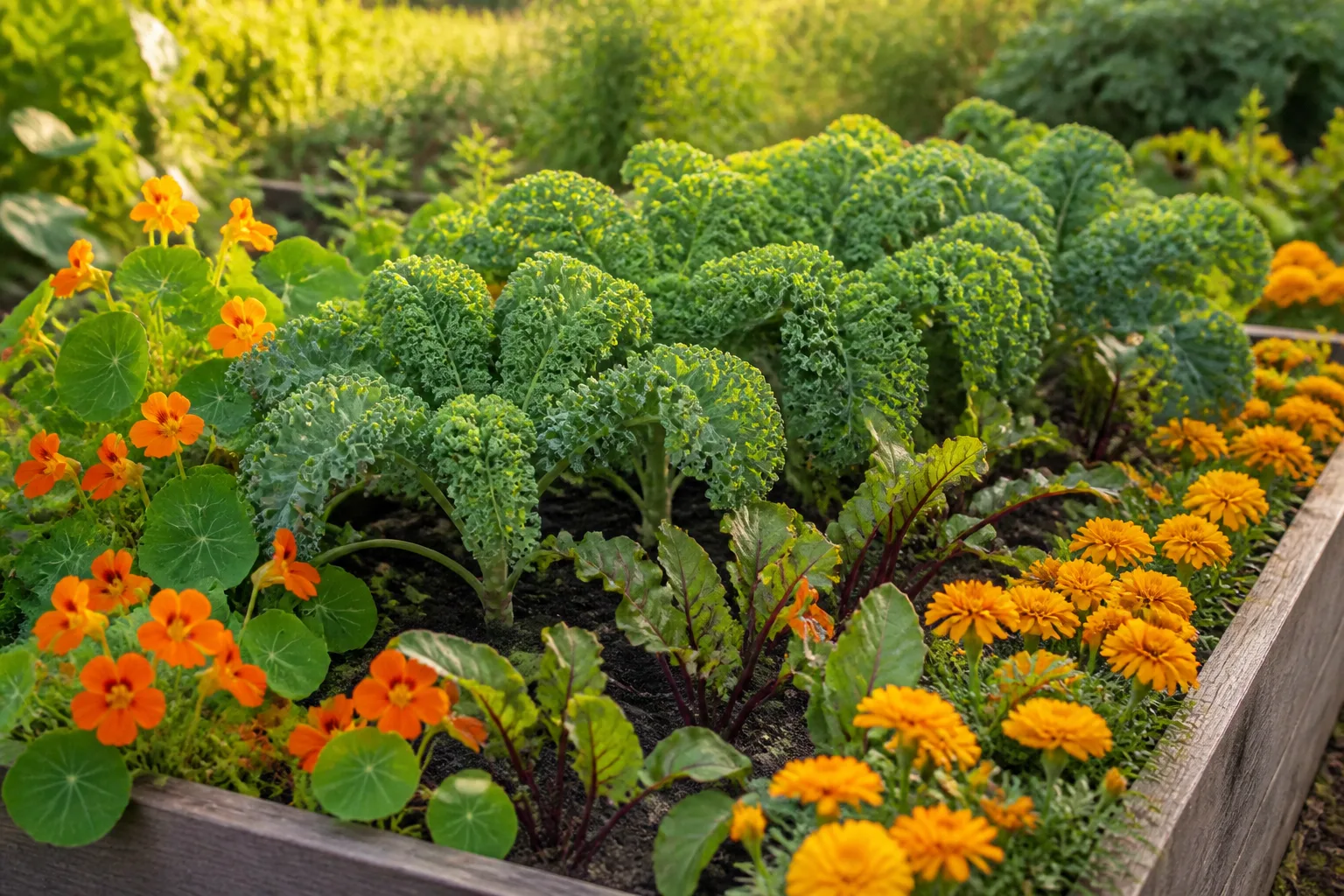
Cabbage-family crops are cool-season staples that often prefer a little protection from intense midday sun.
Broccoli, Cauliflower, Brussels Sprouts, Bok Choy, and Kohlrabi
Broccoli wants 6 to 8 hours ideally but grows along shadier bed edges in many gardens. Partial shade can slow flowering and keep heads tighter in hot weather. After cutting the main head, side shoots continue for weeks.
Cauliflower needs more attention — heads may require blanching (wrapping leaves over the developing curd) for white varieties. It tolerates some cold and partial shade; expect 80 or so days to harvest.
Brussels sprouts are slow (80 to 100 days) but improve in flavor after frost. They use vertical space well and can share a bed with quick crops like radishes between rows.
Bok choy handles summer heat better with afternoon shade. Both leaves and crisp stalks are edible. Containers work if they are at least 12 inches wide and 20 inches deep.
Kohlrabi — the bulbous stem vegetable with cabbage-turnip flavor — produces smaller bulbs in shade but appreciates cooler temperatures during summer heat waves. Ready in about 55 days.
Celery and Artichoke
Celery is a long-season crop (130 to 140 days) that likes rich, consistently moist soil. Partial shade helps maintain moisture. It is not a beginner crop, but it rewards patient gardeners in cool, shaded beds.
Artichoke is a perennial in USDA zones 7 to 11 that needs about 6 hours of sun minimum. In marginal light, expect fewer buds. Plant in late summer in warm climates for spring harvest.
Root Crops, Tubers, and Alliums
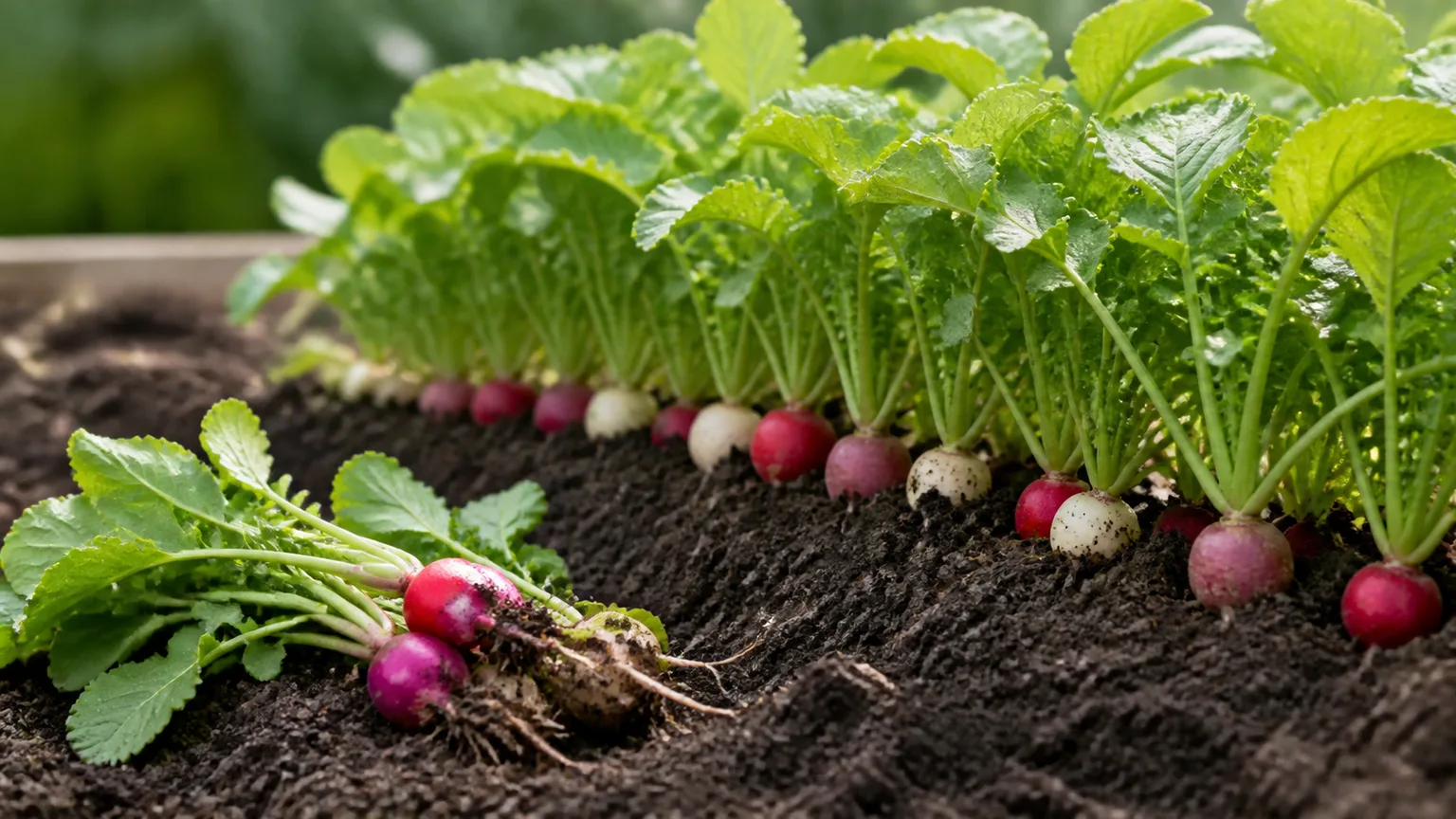
These crops need more sun than salad greens but still outperform fruiting vegetables in partial shade.
Beets, Carrots, Radishes, Turnips, Rutabaga, and Parsnip
Beets produce edible roots and greens. Six hours of sun is ideal; roots stay smaller in shade but remain flavorful. Succession plant and keep soil evenly moist to avoid woody roots.
Carrots need loose, stone-free soil. They tolerate afternoon shade with about 6 hours of direct sun. Choose shorter varieties in shallow or shaded beds.
Radishes are fast (22 to 60 days depending on type) and fit between slower crops. Shade during summer heat prevents woodiness and bolting.
Turnips mature in 40 to 50 days; both roots and greens are edible. Cool weather and partial shade suit them well.
Rutabaga is the slow cousin of turnips — 80 to 100 days — with a peppery, cabbage-like flavor. Needs roughly 6 hours of sun for full-size roots.
Parsnip is a patient gardener’s crop at 120 to 180 days. Sweet flavor after frost makes it worth the wait if you have deep, loose soil and partial shade.
Potatoes, Garlic, Leeks, and Scallions
Potatoes prefer full sun but can grow in partial shade with at least 6 hours of direct light. Tubers will be smaller and fewer; flavor still beats most store-bought spuds.
Garlic is planted in fall for summer harvest. It tolerates partial shade with about 6 hours of sun. Bulbs may be smaller; green garlic harvests are possible with less light.
Leeks grow slowly (100 to 120 days) and favor morning sun with cool, moist soil. Hill soil around stems for longer white shafts.
Scallions (green onions) add all-season flavor and tolerate partial shade with roughly 6 hours of sun. Succession sow for continuous harvest.
Legumes and Borderline Fruiting Crops
Some crops straddle the line between “shade tolerant” and “shade surviving.”
Peas and Beans
Peas love cool weather and tolerate partial shade with about 6 hours of sun. Timing matters: sow early so plants finish before summer heat. Bush and dwarf types outperform leggy pole varieties in limited light. Trellis peas to save space, then follow with a quick fall crop.
Beans — bush types especially — can handle some daily shade, though 6 to 8 hours is better. Pole beans climb toward light and may get sparse in deep shade. Plant for early harvest before peak heat.
Tomatoes, Cucumbers, and Asparagus
Be honest about these three. They appear on many shade lists, but they are borderline bets — not shade stars.
Tomatoes are full-sun crops. Some determinate paste types like Roma may set a modest crop with 6 hours of sun, but partial shade typically means fewer, slower-ripening fruit and more disease pressure. If this is your only sunny spot, try cherry tomatoes in the sunniest pocket and keep expectations modest.
Cucumbers want 6 to 8 hours of direct sun. In shade you may get vines and flowers but limited fruit. Harvest will be lighter and later.
Asparagus is a long-term perennial investment — do not harvest until the third year after planting. It prefers 8 hours of sun; partial shade reduces spear count. Plant only if you have a permanent sunny-or-partly-sunny bed to dedicate.
Make a Shady Vegetable Bed More Productive
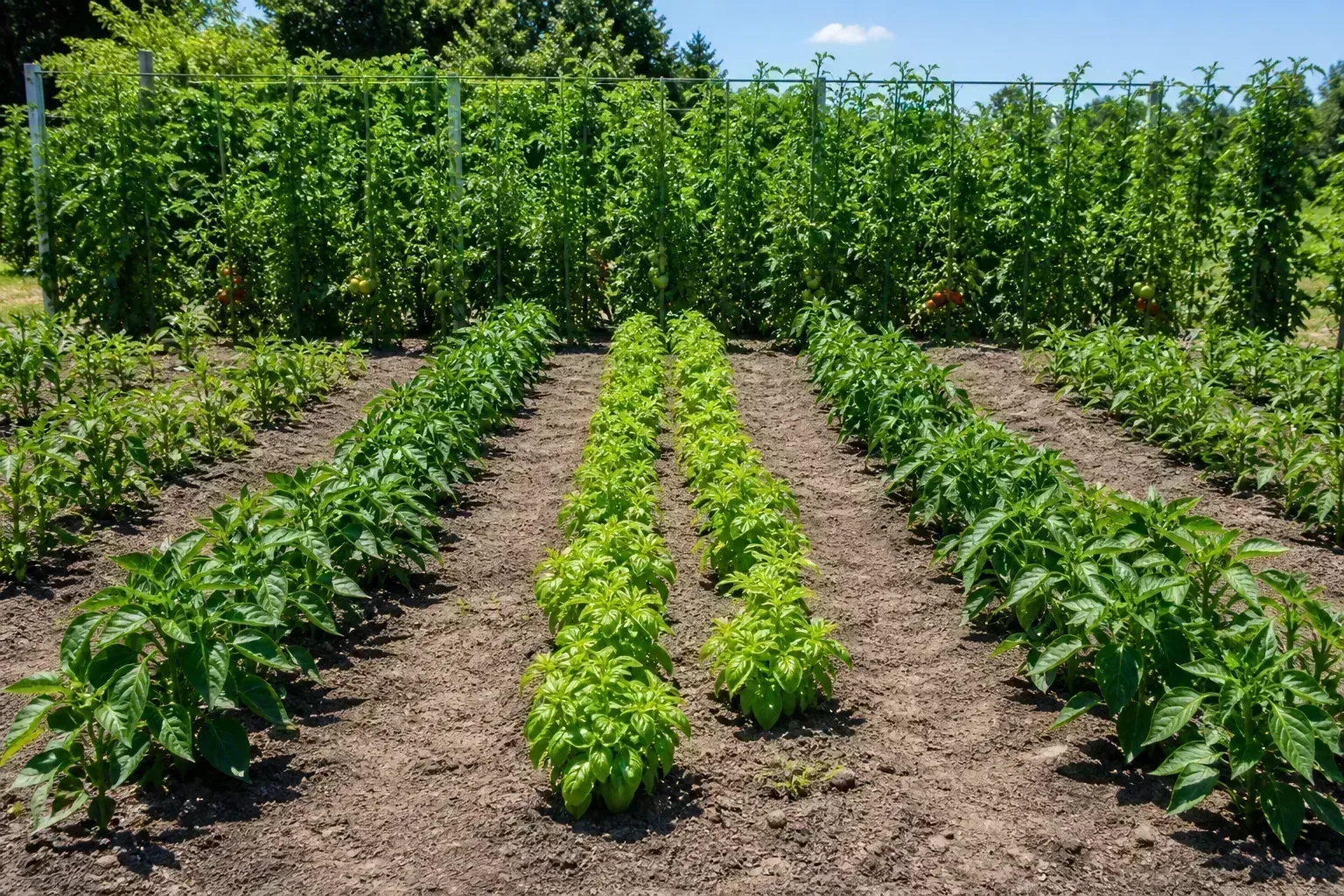
Use containers on patios that catch more light than in-ground beds under trees. Elevated planters also reduce competition from tree roots.
Watch for root competition. Shade from trees often means feeder roots in the top 18 inches of soil stealing water and nutrients. Plant outside the drip line when possible, water more often, and avoid piling deep soil over exposed tree roots.
Add reflected light. White fences, pale siding, and light gravel paths bounce extra light onto nearby plants without adding direct sun hours.
Use shade strategically. In hot climates, 30 to 50 percent shade cloth protects lettuce, broccoli, and peas from summer scorch. In cooler regions, skip the cloth and chase every sun hour.
Succession plant and intercrop. Sow radishes between broccoli rows. Follow spring peas with fall spinach. Stack fast and slow crops to maximize a dim bed.
Cool soil before mid-season sowing. Many brassica and lettuce seeds germinate poorly in warm soil. Water the bed deeply the day before planting, or chill seeds in the refrigerator for a few days before sowing.
Vegetables That Need Full Sun (Skip These in Shade)
Save your shady beds for the crops above. These generally need 6 to 8 or more hours of direct sun and will not produce well in partial shade:
- Peppers and eggplant
- Corn
- Melons and winter squash
- Most sweet corn and popcorn
- Sweet potatoes (need warm, sunny soil)
- Onions grown for large bulbs (scallions and green garlic are the shade exceptions)
Planting these in partial shade wastes seed, fertilizer, and the season. Put them in your sunniest bed or a container you can move.
Conclusion
Thirty-two vegetables can grow in partial shade if you respect how much sun each one truly needs. Salad and cooking greens, many brassicas, roots, alliums, and peas are the reliable core. Tomatoes, cucumbers, and asparagus are possible only in the brightest partial-shade spots — not in the dimmest.
Map your light, match crops to the tier that fits, and accept smaller harvests in exchange for food from a bed you once thought was useless. A shady yard is not a failed garden. It is a cool-season, leaf-and-root garden waiting for the right plan.



