How to Grow and Care for Anemone (Windflower)
Anemone windflowers span spring corms and fall rhizomes. Learn which species fits your zone, when to plant, soak corms, divide clumps, and overwinter tubers.
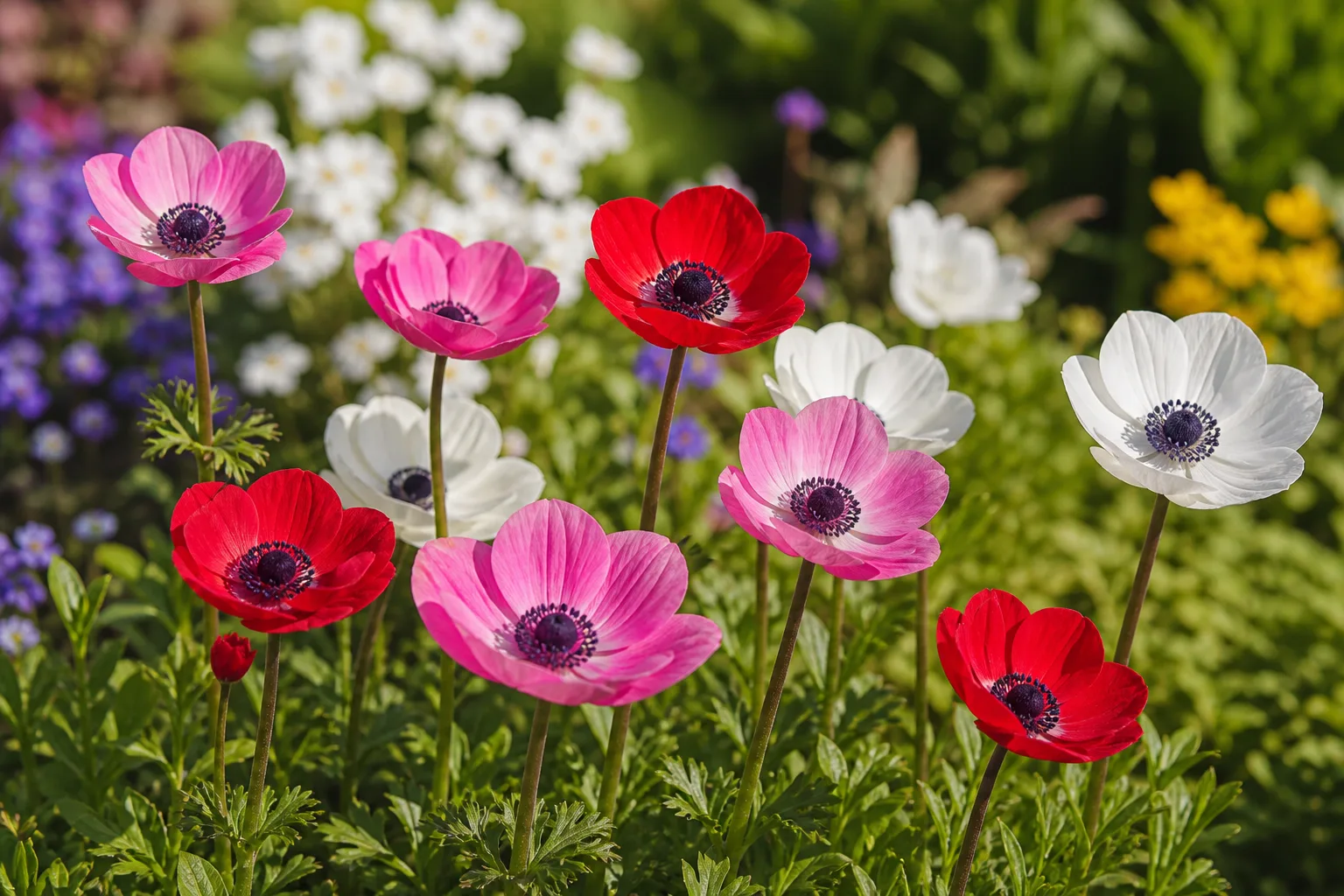
Anemone — the windflower — is not one plant with one set of rules. The genus spans low spring carpets, poppy-like cut-flower corms, and tall fall perennials that light up shade when asters and mums take over. That diversity is exactly why beginners get frustrated: the corm you plant in October behaves nothing like the rhizome you set out in April, and treating them the same produces empty soil or rotted tubers.
This guide starts with which anemone you actually have, then covers planting depth, soak protocol, division timing, and the lift-or-leave decision that determines whether windflowers return next year.
Why Windflowers Belong in a Perennial Garden
Windflowers earn their name from flowers that tremble on slender stems in breeze — a motion that adds movement to static borders. In the buttercup family (Ranunculaceae), Anemone species range from 6-inch spring ephemerals to 4-foot fall performers. Most share cup- or daisy-shaped blooms in blue, purple, pink, red, white, and yellow, often with dark central eyes that read well from the path.
Unlike taprooted perennials that resent disturbance, many anemones are built for seasonal planting and naturalizing. Spring corm types carpet woodland edges under deciduous trees; fall rhizomatous types fill the gap between summer peaks and first frost. NC State Extension notes that poppy anemone is deer- and rabbit-resistant — a practical advantage in suburban gardens where tulips get browsed but windflowers stay untouched.
Cut-flower gardeners prize Anemone coronaria for stems that hold 10 days or more in a vase. Cottage and pollinator gardens mix low blanda drifts with taller neighbors. If you are planning a new bed, pairing anemone timing with a perennial flower garden layout that sequences spring bulbs ahead of summer peaks prevents the “everything blooms in May, then nothing” problem.
Anemone at a Glance
| Feature | Details |
|---|---|
| Common names | Anemone, windflower, Grecian windflower, poppy anemone, Japanese anemone |
| Botanical name | Anemone spp. (Ranunculaceae) |
| Plant types | Spring corms/tubers; fall rhizomatous perennials |
| Height | 6 in. to 4 ft depending on species |
| Sun | Full sun to partial shade (species-dependent) |
| Soil | Moist, well-drained; high organic matter |
| Soil pH | Acidic to neutral (roughly 6.0–7.0) |
| Bloom seasons | Spring, summer, or fall — never all three on one species |
| Hardiness | Zones 3–10 overall; each species has a narrower range |
| Toxicity | Toxic to humans and pets; protoanemonin irritant (NC State) |
| Native range | Europe, Asia, Mediterranean, North America (species-dependent) |
One honest caveat up front: no single anemone species thrives in every USDA zone. Match the plant to your winter, not the label that says “zones 3–10” on a generic care tag.
Spring Versus Fall Bloomers: Choose Your Type First
Before you buy tubers, answer one question: does this anemone flower in spring or fall? That single split drives planting month, root structure, and winter strategy.
Spring-blooming anemones — including A. blanda, A. coronaria, and A. sylvestris — grow from corms or small rhizomes planted in fall (or early spring where fall planting is impossible). They emerge with warming soil, flower, then die back by early or midsummer. Foliage disappears; the garden looks empty until next year.
Fall-blooming anemones — chiefly A. hupehensis and related Japanese hybrids — are fibrous-rooted or rhizomatous perennials planted in spring. They build foliage through summer and send up stems from midsummer through fall. They stay visible until frost.
Planting a fall bloomer in October and wondering why it did nothing in April is the most common anemone mistake. Flip the calendar to match the species.
Corm Types Versus Rhizome Types
| Root type | Representative species | Plant when | Divide when | Winter risk |
|---|---|---|---|---|
| Corm/tuber | A. blanda, A. coronaria | Fall (spring in coldest zones) | Summer dormancy | Wet soil rot; freeze without mulch |
| Rhizome | A. hupehensis, A. sylvestris | Spring | Early spring or fall | Crown rot in soggy beds |
| Fibrous roots | Some woodland species | Spring | Spring every 2–3 years | Less tuber lift needed |
Gardening Know How summarizes the practical split: rhizomatous clumps divide every two to three years in spring; tuberous types divide during summer dormancy. Mixing those windows guarantees wasted effort.
Four Anemone Species Worth Planting
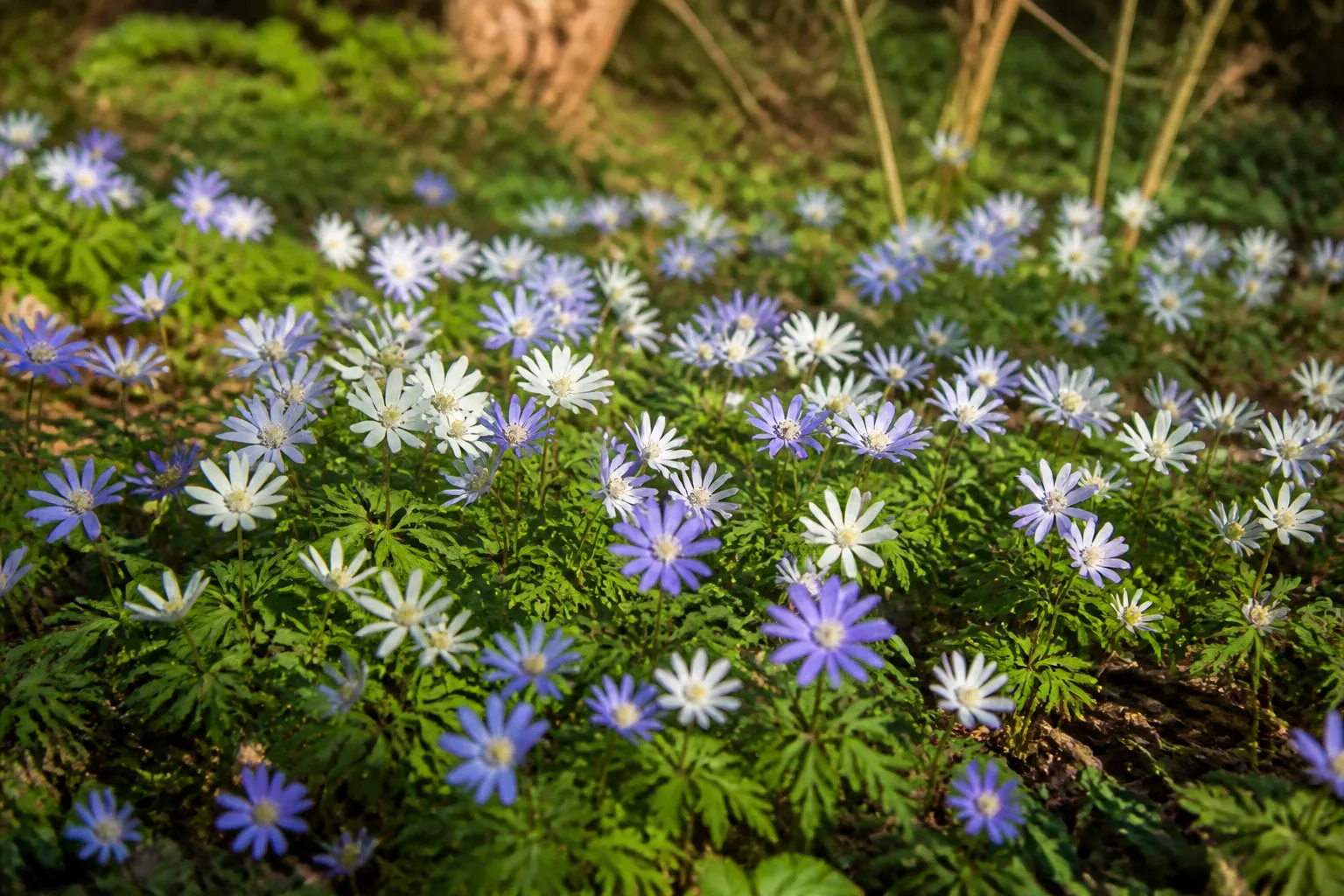
Grecian Windflower (Anemone blanda)
Low carpets of blue, pink, or white daisy flowers in April and May. Grows 6 inches tall, spreads into clumps under deciduous trees where spring sun reaches soil before leaves fill in. NC State recommends autumn planting in partial shade with moist, well-drained soil — the classic woodland pairing with echinacea and spring bulbs planted nearby for sequential color.
Hardy in zones 4–8 for most cultivars. Dies down by early summer; mark the spot so you do not accidentally dig there during summer planting.
Poppy Anemone (Anemone coronaria)
The cut-flower workhorse. Poppy-like blooms — single De Caen types or semi-double St. Brigid series — on 12–18-inch stems with dark centers. NC State lists hardiness in zones 7a–10b; north of zone 7, treat as an annual or lift tubers after bloom.
Plant fall tubers 2–3 inches deep, 4–6 inches apart in full sun to light shade. Flowers appear in spring; plants die back after flowering. Soak dry tubers overnight before planting — non-negotiable for dehydrated mail-order corms.
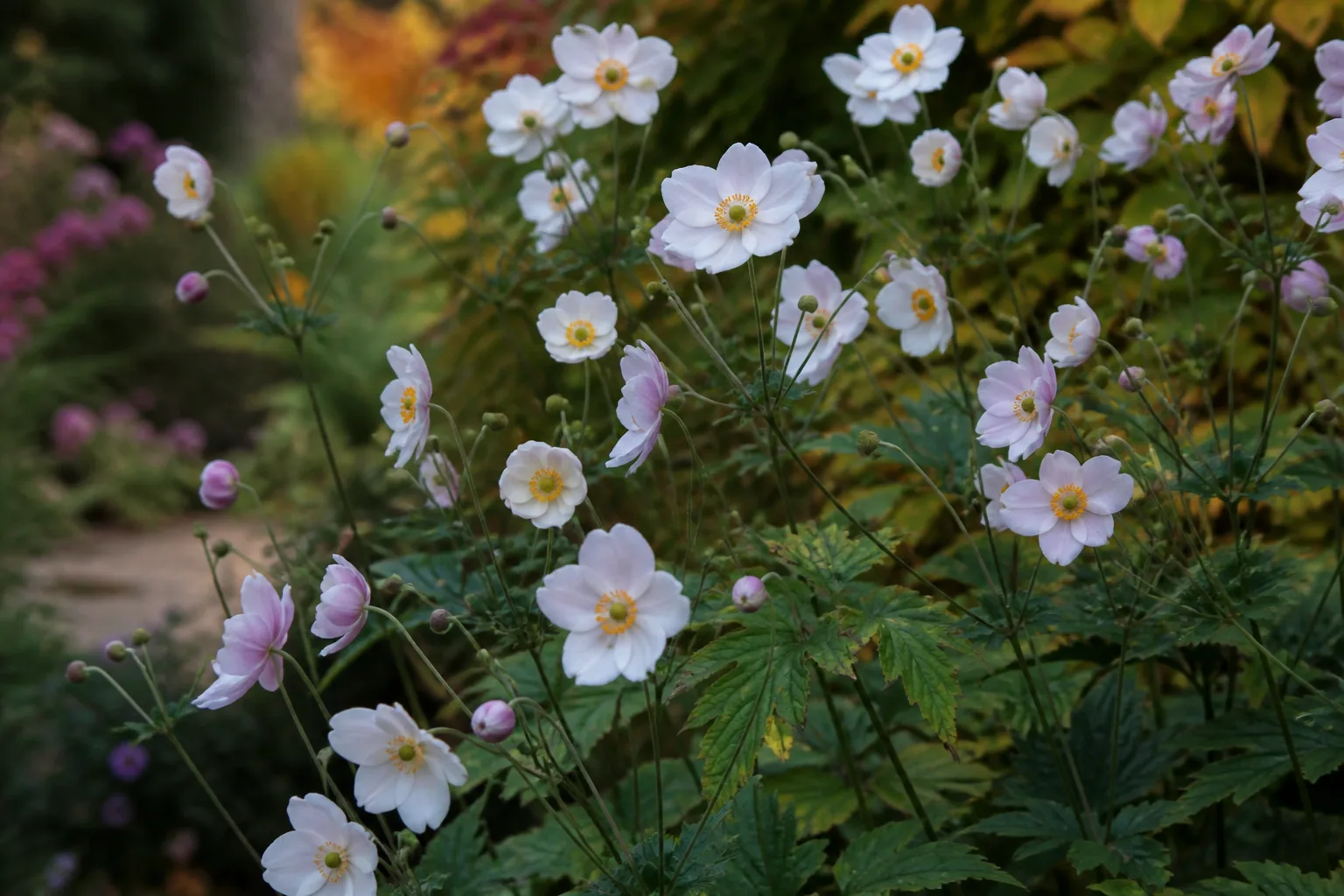
Japanese Anemone (Anemone hupehensis)
Tall fall bloomer for partial shade — pink or white saucer flowers on 2–4-foot stems from midsummer through fall. Rhizomatous spread can become vigorous in moist, rich soil; give it space or a defined border edge. Plant spring-transplanted rhizomes or container plants when soil warms.
Unlike spring types, Japanese anemone keeps foliage all summer. It fills the gap between summer perennials and autumn mums. Cut back dead stems after frost as part of routine winter cleanup.
Snowdrop Windflower (Anemone sylvestris)
Early spring white flowers on 12–18-inch stems; front-of-border scale like blanda but with a slightly taller, more upright habit. Blooms before many tulips finish. Rhizomatous and can self-seed in favorable sites. Plant at the front of paths where low flowers read best.
Zone-by-Zone Planting Calendar
Use this calendar after you have identified your species — not before.
Zones 3–5 (cold winters):
- Plant A. blanda corms in early fall or very early spring; mulch after ground freezes.
- Grow A. coronaria as annuals: buy tubers in spring, soak, plant after last frost, lift in summer after dieback, store dry.
- Plant Japanese anemone rhizomes in spring; mulch crowns lightly first winter.
- Lift tender corms if soil stays wet in winter — wet cold kills faster than dry cold.
Zones 6–7 (transition):
- Fall plant blanda and coronaria where drainage is sharp; coronaria may overwinter with mulch in zone 7.
- Japanese anemone establishes reliably; divide crowded clumps every three years.
- Match fall bulb planting with other autumn tasks from guides like bulbs you can plant in August only for spring-flowering corm types, not fall anemones.
Zones 8–10 (mild winters):
- Coronaria and blanda overwinter in ground with minimal protection if soil drains.
- Watch summer dormancy watering — do not keep corm beds soggy while plants are dormant.
- Japanese anemone may need afternoon shade in zone 9–10 heat.
Universal rule: Spring bloomers go in the ground in fall; fall bloomers go in spring. Reverse that and you wait a full year for flowers.
How to Plant Anemone Corms and Rhizomes
Step 1 — Soak dry tubers. Place corms in room-temperature water overnight (8–12 hours). Rehydrated tubers plump up and sprout faster. Skip soaking only if you are planting freshly lifted, still-moist divisions from your own garden.
Step 2 — Prepare soil. Loosen soil 8–10 inches deep. Mix compost or leaf mold into heavy clay. Anemones need moisture during growth but cannot sit in standing water — especially while dormant.
Step 3 — Set depth and orientation. Plant corms 2–3 inches deep (blanda often 2 inches; coronaria 2–3 inches). Space 4–6 inches apart in groups of five or more for visual impact. Anemone tubers look like lumpy irregular lumps — there is no pointed “up” side. They orient correctly regardless of how you place them, which is one less worry at planting time.
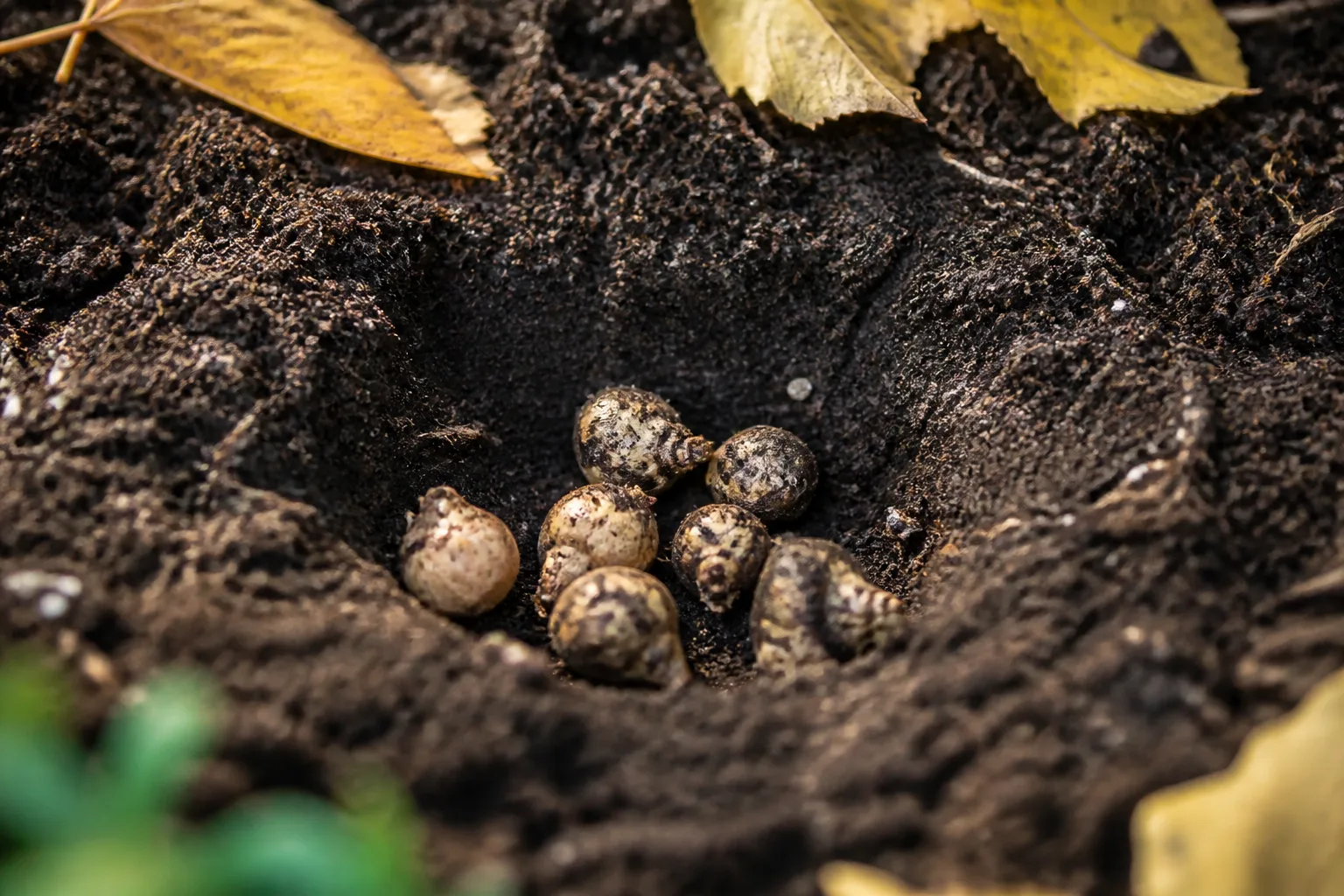
Step 4 — Water once, then monitor. Water thoroughly after planting. Keep soil lightly moist until shoots appear, then match watering to rainfall (about 1 inch per week when actively growing).
Step 5 — Mark the spot. Spring types vanish by summer. A labeled stake or ring of stones prevents accidental summer digging.
For rhizomatous Japanese anemone, set rhizome divisions horizontally 1–2 inches deep with crown buds facing up. Firm soil and water. Expect foliage the first season; full bloom may take a year on small divisions.
Light, Soil, and Water Requirements
Light: Most anemones need at least four hours of direct sun daily. Spring corm types under deciduous trees receive perfect spring sun before canopy closes. Coronaria and blanda bloom strongest in full sun with even moisture. Japanese anemone tolerates partial shade — ideal for east-facing borders or the dappled edge of larger shrubs.
Soil: Moist, well-drained loam with high organic matter. Sandy soil needs compost to hold spring moisture; clay needs grit or raised planting to prevent winter rot. pH is flexible — acidic to slightly alkaline — but extremely heavy or waterlogged soil kills more anemones than wrong pH.
Water: Water when rainfall drops below 1 inch per week during active growth. Slow, deep watering beats daily sprinkles. Wood anemone (A. nemorosa) dies to the ground in midsummer — withhold water during dormancy until fall regrowth. Overwatering dormant corm beds is a silent killer in rainy climates.
Temperature: Anemones prefer cool spring and fall weather. Daytime highs around 58–65°F and cool nights produce the longest-lasting flowers. Hot, dry summer pushes spring types into early dormancy — normal, not a failure.
Fertilizer, Mulch, and Post-Bloom Care
Anemones are not heavy feeders. A single fall application of bone meal or balanced slow-release fertilizer into the root zone suits spring bloomers. Fall-blooming types appreciate light spring feeding when new growth emerges.
Mulch insulates corms in borderline zones and holds spring moisture. Apply 2–3 inches of shredded bark or leaf mold after ground freezes in cold zones — not before, or mice may nest. Remove excess mulch gradually in spring so soil warms evenly.
Post-bloom care for corm types: Leave foliage until it yellows and dies naturally. The leaves recharge the tuber for next year. Shearing green foliage shortens lifespan. After dieback, trim stems at ground level.
Post-bloom for fall types: Deadheading spent Japanese anemone flowers tidies the plant but is optional — it does not reliably trigger rebloom on the same stem. Cut entire stems after frost when they turn brown.
Deadheading spring anemone flowers improves appearance but is not required for rebloom on most corm species that flower once per season.
Dividing and Propagating Anemones
Division is the reliable home-gardener method. Seed propagation is slow and unpredictable — fine for experimenters, not for filling a border quickly.
Corm types (blanda, coronaria):
- After foliage dies back (summer), dig carefully.
- Break off offset corms; discard soft, mushy, or shriveled pieces.
- Replant immediately in refreshed soil, or store dry in mesh bags in a cool (40–50°F), dry place until fall.
- Soak stored corms overnight before replanting.
Rhizome types (hupehensis, sylvestris):
- Dig clump in early spring or fall when soil is workable.
- Shake off excess soil; cut rhizomes into sections with at least one bud and attached roots per piece.
- Replant at original depth; water well.
Divide crowded clumps when flowering declines — usually every two to three years for rhizomatous types. Overcrowded roots produce fewer, weaker blooms even when foliage looks healthy.
Seed: Collect dried seed heads after flowers fade. Sow outdoors in a cold frame with light soil cover, or stratify seeds three to four weeks indoors before sowing in bright light. Seedlings may take two or more years to reach flowering size.
Overwintering: Lift, Mulch, or Leave
| Situation | Action |
|---|---|
| A. blanda in zones 4–8, well-drained soil | Leave in ground; optional light mulch |
| A. coronaria in zones 7–10 | Leave in ground if drainage is excellent |
| A. coronaria in zones 3–6 | Lift after dieback; store dry and cool |
| Japanese anemone in matched zone | Leave in ground; cut back frost-killed stems |
| Wet winter soil anywhere | Lift corms even if zone-hardy — rot kills before cold does |
| Borderline-hardy species | Mulch crowns after freeze; avoid mulch against wet stems |
Storage protocol for lifted corms mirrors gladiolus corm storage: dry, breathable bags, 40–50°F, check monthly for mold. Soak overnight before spring replanting. Discard anything soft.
If plants die over winter after a thaw-refreeze cycle, the tubers likely rotted during the warm spell — replant fresh stock rather than hoping for recovery.
Pests, Diseases, and Nematode Warnings
Anemones are relatively trouble-free, but four problems show up repeatedly.
Slugs and snails chew holes in young spring foliage. Beer traps, iron-phosphate bait, and evening hand-picking protect low blanda carpets. Dry gravel mulch at crown level reduces slug access.
Cutworms and moth larvae damage foliage on corm types; NC State lists them as occasional pests. Inspect at dusk; remove larvae or use Bt on caterpillars if damage is heavy.
Fungal leaf spots, powdery mildew, and downy mildew appear in humid weather. Improve air circulation; avoid overhead watering late in the day. Remove affected leaves; rarely fatal on established plants.
Foliar nematodes (Aphelenchoides species) are the serious outlier. UMass Extension documents microscopic worms that feed inside leaves, causing distorted, streaked, or blotchy foliage and deformed flowers. Treatment is difficult — there is no reliable home spray fix.
If you suspect foliar nematodes:
- Remove and destroy affected plants — do not compost.
- Solarize soil in summer if the bed is small enough: clear plant material, keep soil moist, cover with clear plastic for 4–6 weeks of hot weather.
- Avoid replanting anemones in the same spot for at least one season.
- Do not share divisions from infected clumps.
Nematodes persist in soil and on tools. Sterilize tools and quarantine new purchases away from established beds until you are confident they are clean.
Containers, Cut Flowers, and Bloom Troubleshooting
Containers: Anemone coronaria adapts best to pots — use a 12–14-inch container with standard potting mix blended with compost. Space corms 4 inches apart. Pots need excellent drainage and frost protection in cold zones; treat container corms as lift-and-store candidates unless you can keep the pot in an unheated garage above freezing.
Japanese anemone and blanda are poor long-term container plants — rhizomes quickly become root-bound or dry out in summer dormancy.
Cut flowers: Harvest coronaria stems when buds show color but are still closed; they open in the vase and last up to two weeks with clean water and a cool room. Poppy anemone’s woody-fruity scent is subtle but noticeable in mixed bouquets.
Why blooms fail:
- No flowers first year after division — normal; wait another season.
- Crowded roots — divide and replant.
- Too little sun — stems stretch and flop; relocate or stake tall fall types.
- Flopping flowers — often insufficient light or excess nitrogen; stake Japanese anemone in windy sites.
- Plants stop blooming — overcrowded corms or rhizomes are the usual cause; lifting and dividing restores flower count.
Toxicity and Pet Safety
All parts of anemone contain protoanemonin, an irritant compound common in Ranunculaceae. NC State rates coronaria as medium-severity poison: fresh sap causes skin inflammation and blistering; ingestion brings mouth pain, vomiting, and diarrhea.
The ASPCA lists anemone as toxic to dogs, cats, and horses. Keep lifted tubers away from pets that dig — corms are more tempting than foliage. Wear gloves when handling freshly dug roots if you have sensitive skin.
Children should not handle broken stems without supervision. This is not a pet-safe groundcover choice, though deer and rabbits typically avoid browsing it.
Conclusion
Anemone rewards gardeners who read the label species name before reaching for a trowel. Match spring corms to fall planting and fall rhizomes to spring planting, soak dry tubers overnight, plant 2–3 inches deep in sharp-draining soil, and choose lift-or-leave winter care based on your zone and drainage — not a generic hardiness range.
Start with one species that fits your site: blanda under a deciduous tree, coronaria in a sunny cutting row, or Japanese anemone in a shaded fall border. Get that first cycle right — plant, bloom, dormancy, winter — and windflowers become one of the lowest-maintenance color sources in the garden. Skip the species decision and you will blame the plant for what was really a calendar mistake.



