Best Houseplants for South India Summer: Heat-Tolerant Indoor Picks
Eight heat-tolerant indoor houseplants for South India summers — AC bedrooms, pre-monsoon dry spells, and when to switch to city balcony guides.
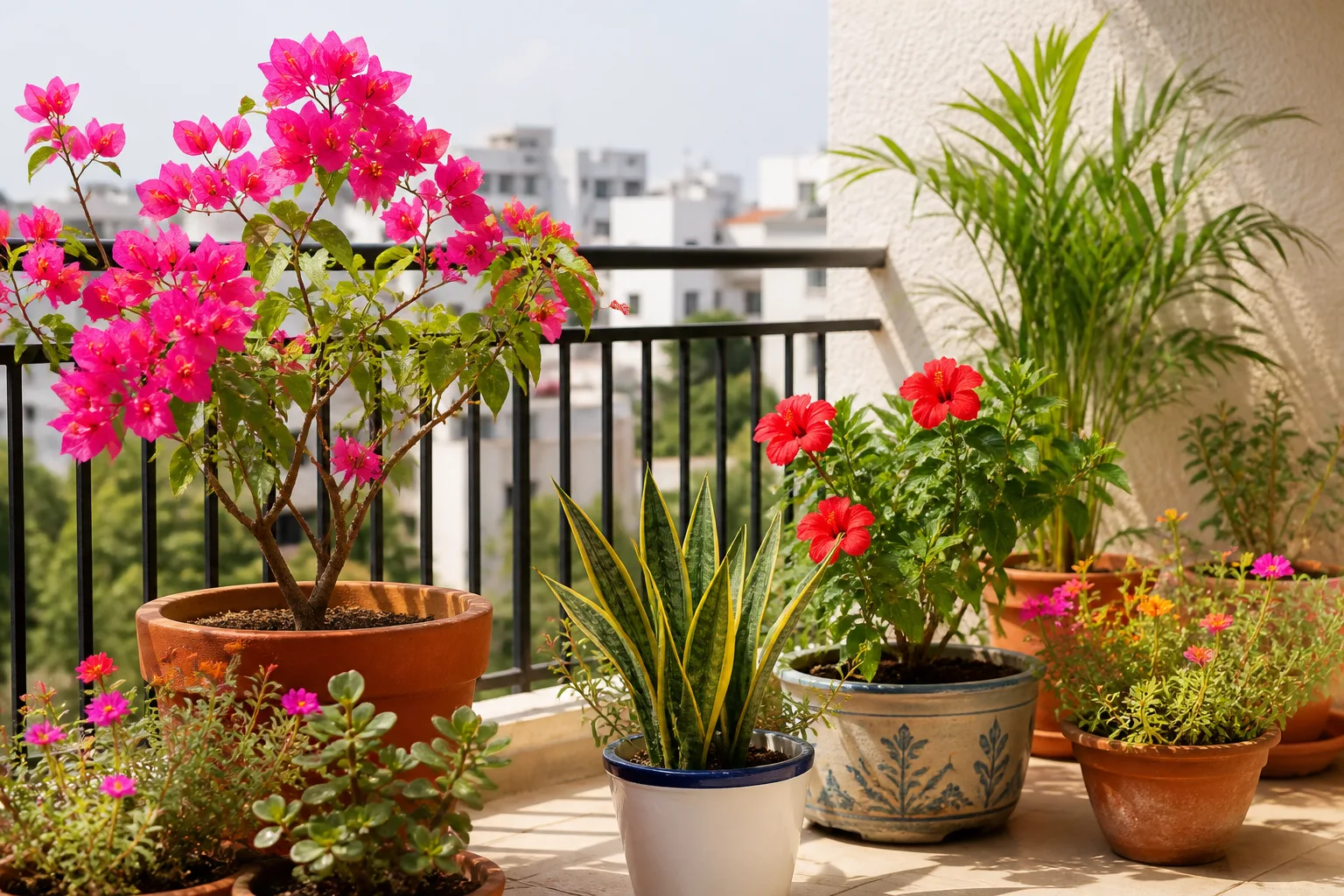
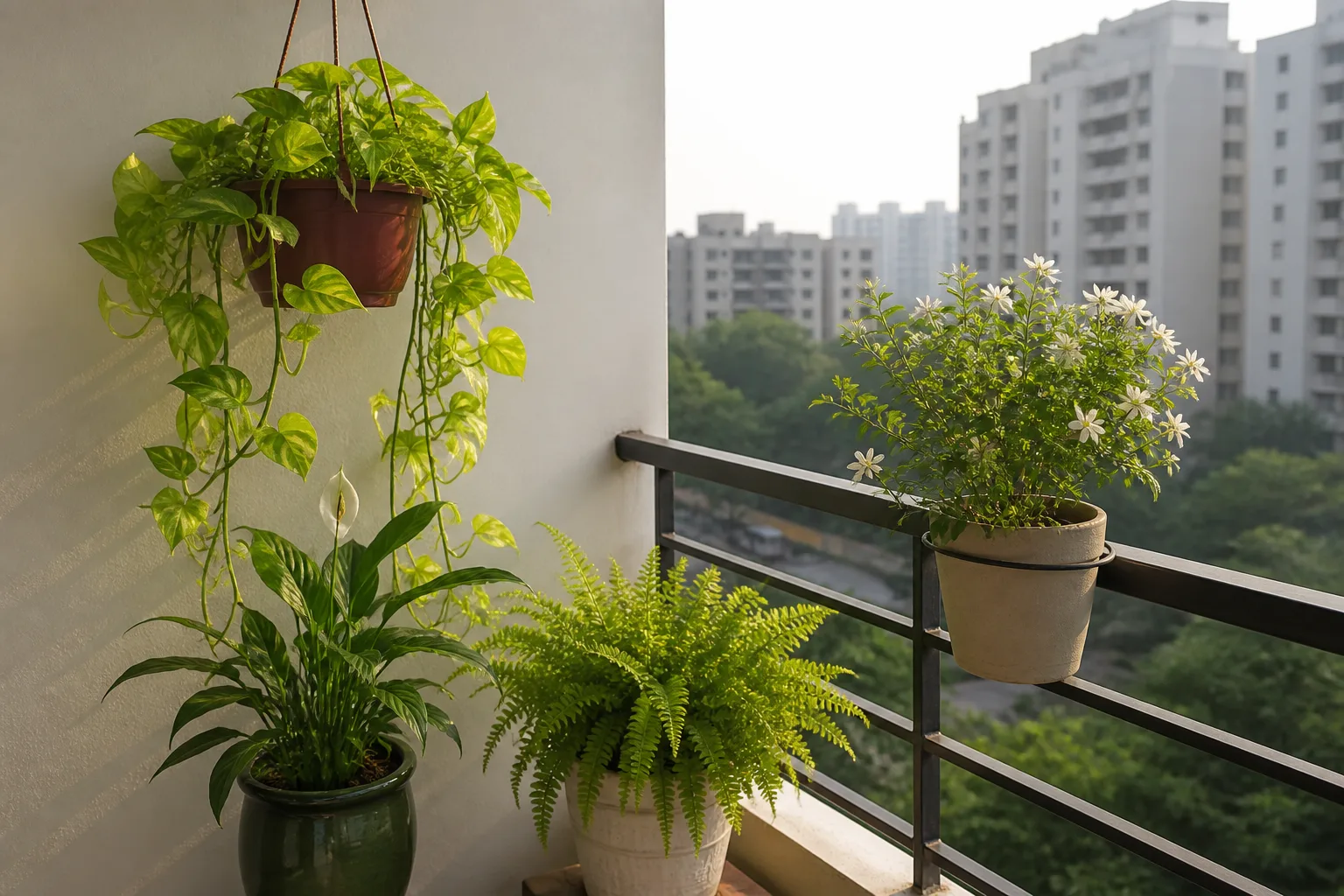
South India summer indoors is not one climate — it is a Chennai flat where coastal humidity keeps bathrooms at 70% RH while the bedroom AC holds 28% for fourteen hours, a Bengaluru tower where afternoon heat spikes past 35°C between glass and curtain, and a Hyderabad AC room that is bone-dry while the balcony loses soil moisture overnight. This guide covers indoor rooms only — sealed AC bedrooms, open living areas, and interior corridors across the south.
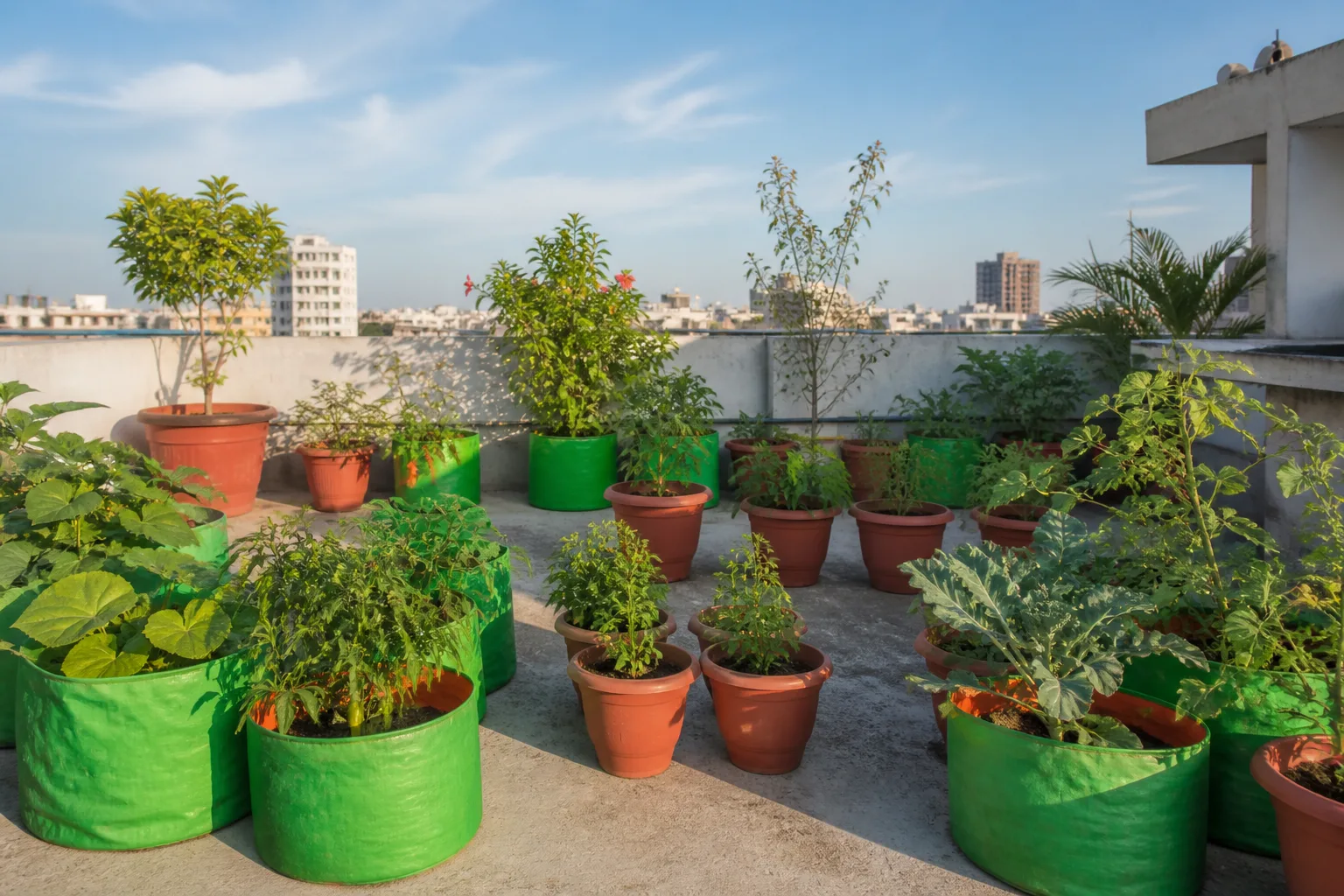
For balcony rails, use the city guides: plants for Chennai balconies, plants for Bangalore balconies, and plants for Hyderabad heat. For year-round basics, start with indoor plants for Indian homes.
Indoor Pan-South Guide — Not a Balcony List
Balcony summer is about sun scorch, shade net, and pot surface heat. Indoor summer is about west-facing glass, AC dry air, and uneven watering when the same plant sits three meters from a running AC vent. The eight species below were chosen for inside South Indian flats from March through pre-monsoon June.
City Routing: When to Leave This Page
| Your situation | Start here | Then read |
|---|---|---|
| AC bedroom in any south city | This guide | Dry India playbook if brown tips persist |
| Chennai west rail + salt air | Chennai balconies | Coastal India care |
| Hyderabad dry Deccan balcony | Hyderabad heat | Not Delhi summer guide |
| Bengaluru tower shade balcony | Bangalore balconies | This guide for dim interiors |
Why South India Summer Hits Indoor Plants
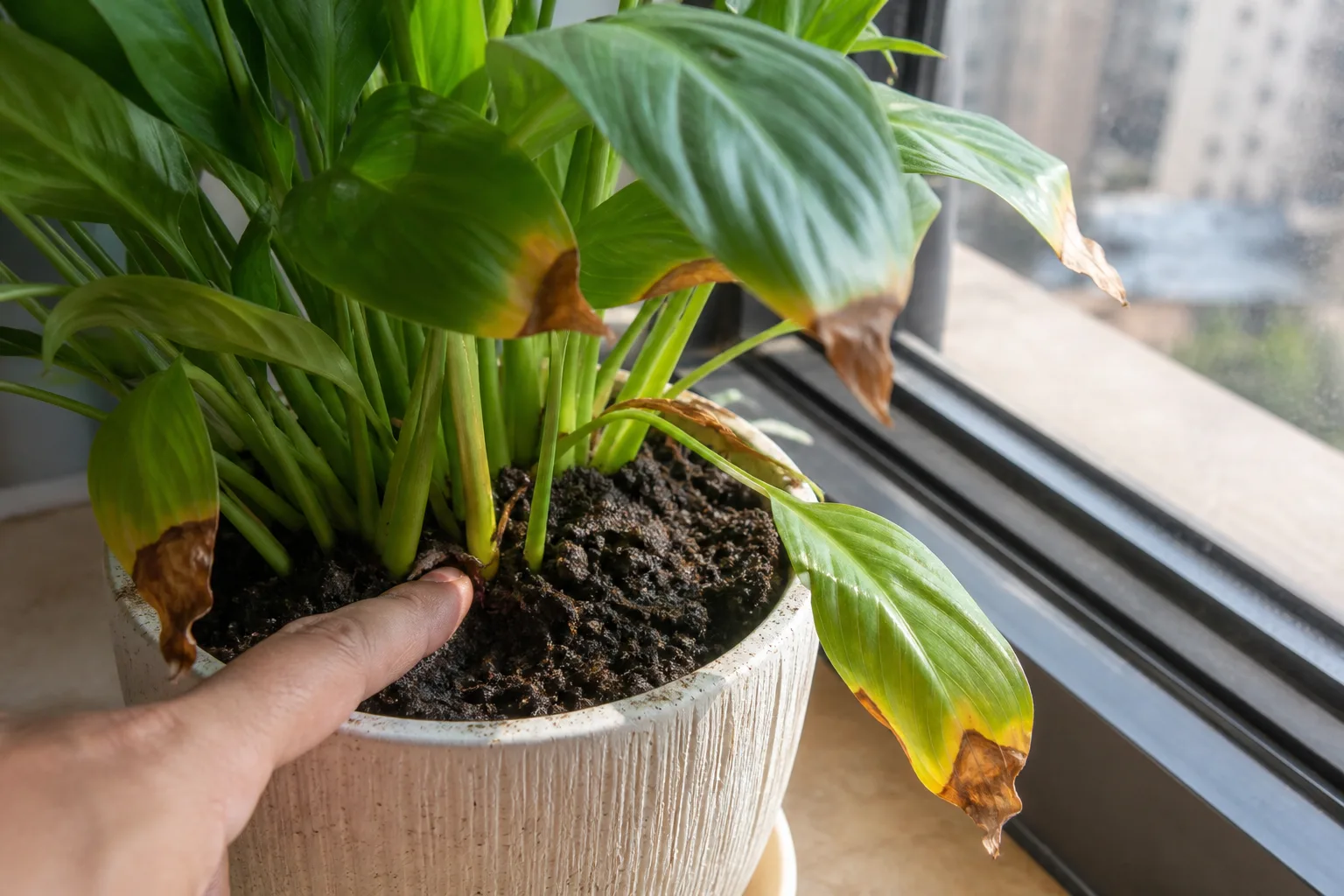
Generic summer advice assumes mild temperate heat. South Indian rooms regularly exceed 35°C indoors with fans running. West-facing windows turn into greenhouses by 2 PM. AC saves people but drops humidity below what thin-leaved tropicals prefer — Penn State Extension notes many homes fall under 30% RH with heating or cooling running, which browns peace lily tips while soil still feels moist.
Plants with water-storing leaves outperform rainforest species unless you actively manage humidity.
Quick Comparison Table
| Plant | Best indoor room | Summer watering | AC room | Pet safety |
|---|---|---|---|---|
| Snake plant | Bedroom | Every 2–3 weeks | Excellent | Toxic if chewed |
| ZZ plant | Corridor | Every 2–4 weeks | Excellent | Toxic if chewed |
| Aloe vera | Kitchen sill | Every 2–3 weeks | Good | Mild toxicity |
| Jade plant | Bright sill | Every 2 weeks | Good | Mild toxicity |
| Rubber plant | Living room | Weekly to 10 days | Good | Sap irritant |
| Aglaonema | Moderate light | Weekly | Moderate | Toxic if chewed |
| Pothos | Shelf | Weekly | Moderate | Toxic if chewed |
| Areca palm | Bright corner | Twice weekly | Needs humidity help | Non-toxic |
Snake Plant
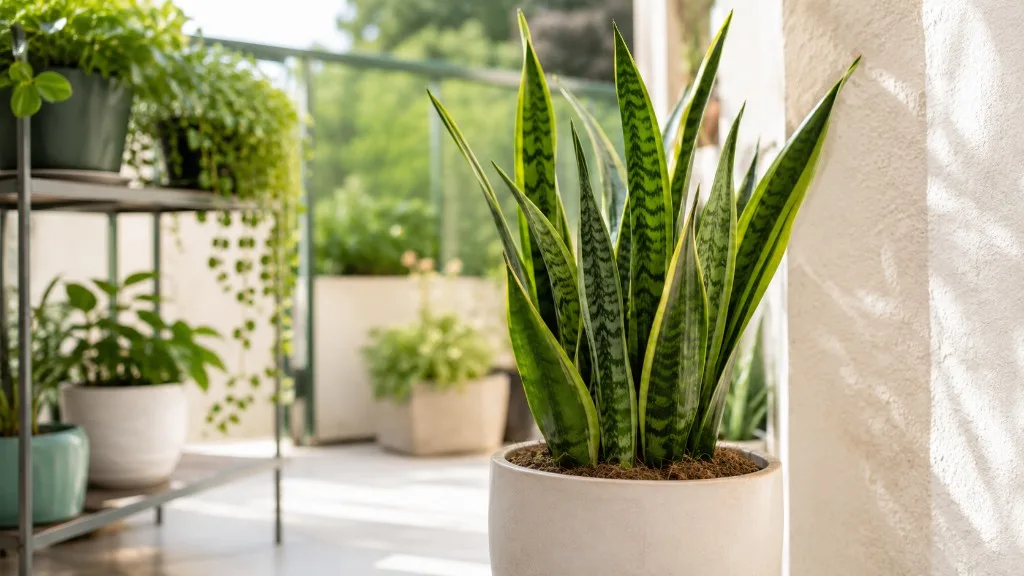
NC State’s snake plant profile highlights drought adaptation — ideal for 16-hour AC bedrooms in Chennai and Hyderabad. Pull back from west glass March–June; scorch through window panes appears as bleached patches. Water less than instinct suggests in cool AC rooms.
ZZ Plant
ZZ plant tolerates interior corridors that never get direct sun — common in Bengaluru lower-floor towers. Rhizomes store water; overwatering in a 24°C AC room while heat builds outside is a frequent summer kill. NC State ZZ guidance emphasizes well-drained soil and dry-down between waterings.
Aloe Vera
Built for bright, warm sills. East or filtered south indoors — not against west glass in May. Tolerates AC if soil dries fully between waterings.
Jade Plant
Sunny kitchen or balcony door sill in brighter flats. In dry Hyderabad AC, pair with houseplant care for dry Indian climates. Watch for etiolation if moved from bright balcony to dim interior without transition.
Rubber Plant
Needs brighter indirect light than snake plant. Brown tips near AC vents signal dry air, not thirst — group with other plants or run a small humidifier on one shelf. Wipe dust monthly; pre-monsoon dry weeks coat leaves in inland cities.
Aglaonema
Better summer indoor choice than calathea for moderate-light rooms. If AC runs constantly, expect occasional brown tips — move away from the vent.
Pothos
Useful wilt signal in heat — droops when thirsty. Pull back from west windows in afternoon. Excellent trailing plant for covered Bangalore corridors if light is filtered.
Areca Palm
Loves warmth but wants humidity. Works in coastal Chennai flats with natural humidity; struggles in bone-dry Hyderabad AC without grouping or a humidity tray. Do not place on open west balcony — this entry is for bright indoor corners only. For coastal parallels see houseplant care in coastal India.
AC Bedroom vs Open Living Room
| Zone | Typical RH | Best picks | Watch for |
|---|---|---|---|
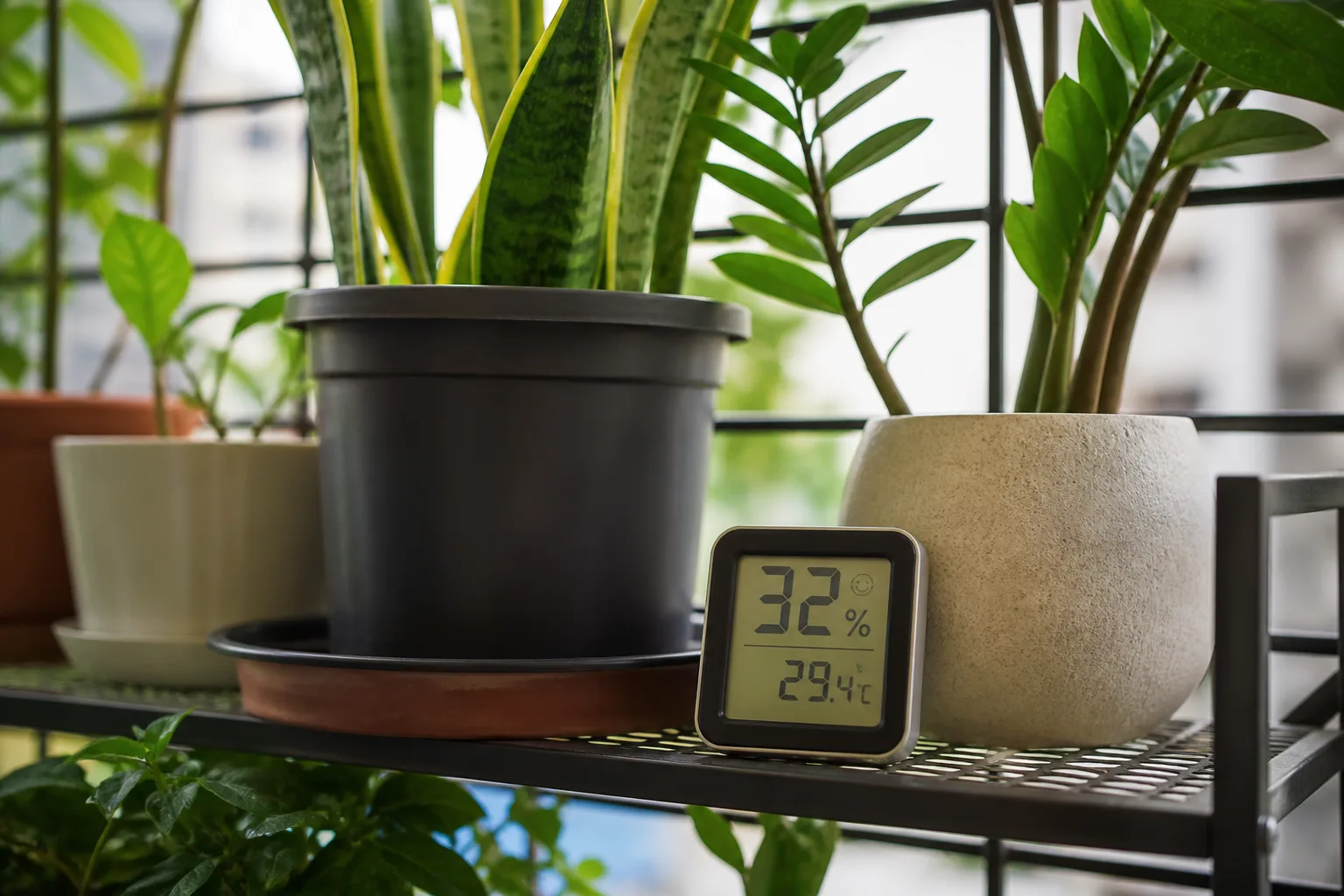
| Sealed AC bedroom 22–26°C | 25–35% | Snake plant, ZZ, jade | Overwatering cool soil |
| Fan-only bedroom | 45–60% | Pothos, aglaonema | Fast dry-down near windows |
| Open living with west glass | Variable | Rubber plant, areca | Afternoon scorch through glass |
Summer Care Rules for South India Indoors
Move plants off west glass March–June. Scorch appears as bleached patches, not always immediate brown crisping.
Water by finger-test. Clemson Extension stresses overwatering kills more potted plants than underwatering because roots need oxygen.
Do not fertilize in peak heat stress. Resume when growth steadies after monsoon onset.
Coastal vs inland indoors — Chennai bathrooms may offer natural humidity for areca; Hyderabad bedrooms need deliberate grouping.
Monsoon Handoff Timing
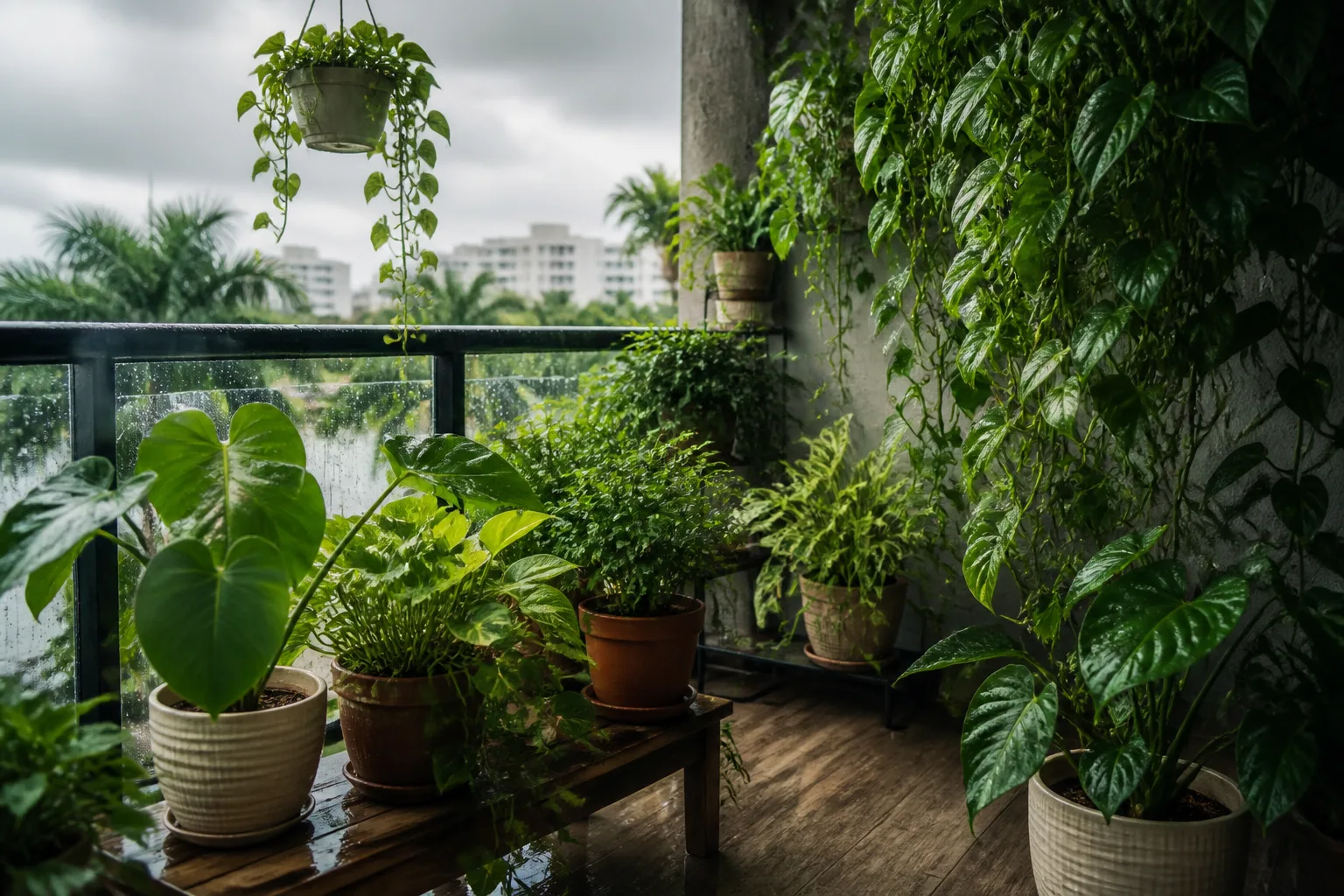
IMD southwest monsoon onset normally reaches Kerala around early June and covers most of India by mid-July. When local humidity stays high and skies turn cloudy, cut watering 50% or more even if heat continues — soil stays wet longer. Switch to monsoon houseplant care in India when pots stop drying like April.
Conclusion
South India summer indoors rewards water-storing species away from afternoon glass. Build around snake plant and ZZ plant for AC bedrooms, aloe and jade for sunny sills, and pothos or rubber plant for brighter living rooms. Route balcony questions to city guides — this page stays inside the flat.
Related guides
- Plants for Chennai balconies — coastal balcony picks
- Plants for Hyderabad heat — dry Deccan summer
- Plants for Bangalore balconies — apartment rails
- Monsoon houseplant care in India — post-summer wet season
- Gardening in India — regional hub