Is Basil a Perennial or Annual? How It Survives Winter
Find out whether basil returns from roots, seed, or cuttings, how climate changes the answer, and when to bring a plant indoors or start fresh next year.
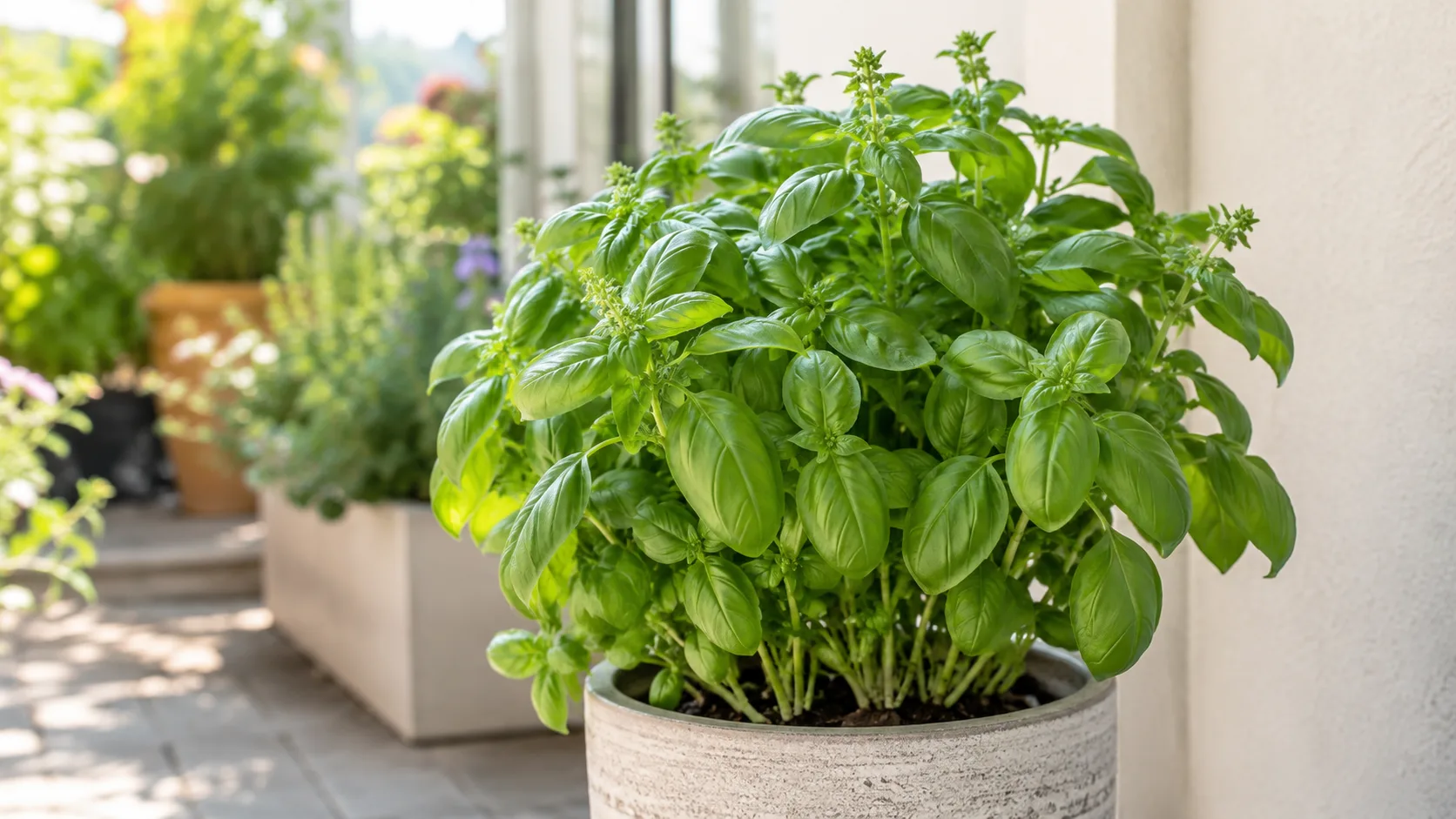
Basil can live for more than one year in warm, frost-free conditions, but common culinary basil is usually grown as an annual. A cold winter kills the plant outdoors in most temperate gardens, so a basil stem left in the bed generally will not reappear as a healthy plant in spring.
That answer can sound contradictory because basil is often described as a tender perennial. Both descriptions can be right: “perennial” refers to a plant capable of living for multiple years, while “annual” describes how gardeners handle a plant that cannot survive their winter. The other wrinkle is that “come back” might mean the same roots survive, a seedling appears nearby, or you deliberately grow a replacement. Those are three different outcomes, and only one depends on the old plant surviving.
The short answer: basil is perennial only where winter lets it live
If you grow sweet basil (Ocimum basilicum) in a place with warm winters and no damaging frost, the plant may keep growing into another season. Where winter brings frost or prolonged cold, it is safest to treat basil as a warm-season annual and plan to replant. The Royal Horticultural Society describes basil as a tender herb that needs warmth and sunlight; it notes that many types can be perennial, but they are usually grown as annuals because they need so much warmth. The RHS basil guide captures why a plant’s botanical potential and its garden-calendar role are not always the same.
NC State Extension takes the practical garden view and lists O. basilicum as a “tender annual” in its herb winter-care table. It also says that frost-sensitive herbs such as basil can be taken indoors, protected, or replanted each year. NC State Extension’s winterizing guidance is especially useful for deciding what to do in a region with an actual cold season.
So, will your basil come back next year? If you mean “will this exact outdoor plant survive a freezing winter and leaf out again,” usually no. If you mean “can I have basil in the same spot next year,” yes—by allowing seed to mature, saving seed, rooting a cutting, overwintering a pot indoors, or sowing fresh seed.
Why basil can be both an annual and a perennial
An annual completes its life cycle in one growing season, typically germinating, flowering, setting seed, and dying. A perennial can live for multiple years. These labels describe a plant’s life cycle, but gardeners also use them to describe how reliably it behaves in a given climate.
Basil grows naturally in warm conditions. In a frost-free garden, its stems and roots may continue living after the first calendar year. In a cold region, low temperatures end the outdoor crop before that capacity can matter. A gardener in a warm coastal location may keep one plant growing across seasons; a gardener in Minnesota may grow the same variety only from late spring to fall and correctly call it an annual crop. “Tender perennial grown as an annual” is the clearest way to connect those experiences.
Flowering can complicate the timing, too. Basil often flowers as it matures or when stress and day length encourage it to reproduce. Flowering does not instantly kill every basil plant, but the plant’s growth pattern shifts toward seed, the stems may become woody, and leaf quality or the rate of new tender growth can decline. You can keep an old plant alive for a time without keeping it as productive as a young one.
The label also depends on the variety and what a nursery means by “basil.” Most supermarket and garden-center sweet basil, Genovese basil, and Thai basil are grown as warm-season crops. Other plants carrying basil in a common name may have different species, habits, or cold tolerance. A plant’s full botanical name and its stated frost limits are more informative than the common name alone.
Why basil fails outdoors in winter
Basil is a warm-season, cold-sensitive herb, not a hardy perennial that can be mulched and left to sleep through a freezing winter. Its tender leaves can darken or collapse after cold exposure, and a hard frost can kill the entire plant. Cold, damp soil is an especially poor environment for a plant that is already growing slowly.
The practical challenge is that cold damage can happen before the first hard freeze. Gardener’s Path’s cold-weather guide describes basil leaves blackening in the cold and treats temperatures around 50°F as a warning point, with lower temperatures posing greater danger. That is a useful prompt to check the forecast and act early, not a universal switch: exposure time, wind, whether the plant is in a pot, and the microclimate around it all affect the outcome. A short cool evening and several nights near freezing are not equivalent.
This is why a plant that looked fine at sunset may be limp or black by morning. Damaged leaves usually do not turn healthy green again when the sun comes out. If the stems remain firm and green, a few new leaves may emerge after the plant is warmed; black, mushy stems indicate a much poorer chance of recovery. If you see a cold snap forecast, take usable leaves and any healthy cuttings before the damage arrives rather than betting the entire crop on a rescue afterward.
Frost, chilly nights, and the hardiness-zone trap
A USDA hardiness zone is a broad guide to average annual winter lows. It does not promise that a specific garden will avoid frost, tell you how long a freeze will last, or account for every exposed porch, valley, north-facing wall, or cold-air pocket. A potted basil plant is also more exposed than one rooted in a sheltered bed because cold reaches the container from its sides.
You may see basil described as perennial in very warm zones, often around zones 10 or 11. Treat that as a rough regional clue, not a guarantee. A garden in the same zone can still have a frost event, and a brief cold snap can damage basil that had been growing happily for months. Conversely, a protected urban courtyard may stay warmer than the zone label suggests.
Base the decision on the plant and the forecast. If your area gets regular frost, assume outdoor basil is seasonal even if a zone chart suggests it might persist. If winters are mild, observe local lows and keep a backup cutting or seed packet until you know how the plant behaves at your site. The point is not to find a magic zone number; it is to avoid confusing “sometimes survives” with “reliably hardy here.”
Do all basil varieties come back?
The word “basil” covers a group of related herbs, and not every plant sold under that name is the same species. For the ordinary culinary question, the usual reference point is sweet basil, Ocimum basilicum. Many popular varieties are cultivars within that species, so a different flavor or purple leaf color does not automatically make a plant winter-hardy.
The RHS lists sweet, Thai, lemon, lime, cinnamon, and holy basil among its choices for growing, while also emphasizing basil’s need for warmth. The practical takeaway is to check the botanical name and cultivar description if you are buying a plant specifically to keep over winter. Do not assume that a label saying “perennial basil” means it can stay outside through frost where you live.
Sweet, Genovese, and Thai basil
Sweet basil, including Genovese types, is the familiar choice for pesto, salads, and tomato dishes. It grows quickly in warm weather and is generally managed as an annual anywhere winter temperatures threaten it. Thai basil is grown for its distinctive anise-like flavor and flowering spikes, but it is also commonly treated as a warm-season annual in cold-winter regions. A purple, dwarf, or large-leaf cultivar can change the plant’s size or use without changing the basic winter plan.
Fine Gardening calls common basil a tender annual and recommends starting or growing it in warmth. Its practical guide also describes rooting stem cuttings as a way to carry a plant indoors for winter use. Fine Gardening’s basil growing guide supports the everyday distinction: these plants can be propagated and extended, but they are not reliably cold-hardy outdoor perennials in a freezing climate.
Tulsi and other plants sold as basil
Holy basil, also called tulsi, is Ocimum tenuiflorum, a different species from common sweet basil. Plants with “basil” in the name may be grown for tea, fragrance, pollinators, or ornamental flowers rather than the same kitchen use as Genovese basil. They may have different growth habits, but that alone does not make them safe to leave outdoors in a cold winter.
If you are comparing two specific plants, read the botanical name on the seed packet or nursery tag and look for local growing guidance for that exact species. Then check whether the advice means it can survive a frost outdoors or only that it can live for years if protected. Those are very different definitions of “perennial” when your goal is next spring’s garden.
Can basil reseed itself?
Yes, basil can reseed itself, but volunteer seedlings are not guaranteed. For a seedling to appear, the plant needs to flower, set mature seed, and drop that seed where it can remain viable until warm conditions return. If you pinch off every flower, harvest the plant before seed matures, mulch heavily over the bed, or disturb the soil, you reduce the chance of seeing basil in the same place next year.
Self-sowing is not the same thing as the parent plant coming back. The original basil may die after flowering or from frost while a new seedling emerges from seed nearby months later. A gardener can mistake that for the old plant returning, especially when the seedling appears beside the remains of last year’s stem.
Letting one plant flower is a reasonable trade if you have several plants and can spare one for pollinators and seed. If leaves are your only priority, regular harvesting and removal of flower spikes generally keep the plant focused on foliage longer. If next year’s crop matters more than getting every last leaf this year, allow a few flower stalks to finish and collect seed before they shatter.
Volunteer seedlings can also appear at an inconvenient time or in the wrong place. They may not emerge until the soil is warm, and their timing may be later than starting seed indoors. Keep an eye out in spring, but do not depend on self-sowing as your only plan if you want basil early or need a particular cultivar.
How to save basil seeds for next season
Choose a healthy plant with the flavor or leaf type you want to keep. Leave some flower spikes on it and wait for them to finish flowering and dry on the stem. While seed pods are still green and soft, the seeds may not be fully mature; harvest too late, and the small seeds can fall out before you collect them.
When the flower stalks and seed capsules look dry and brown, cut them into a paper bag or over a tray. Rub the dry material gently so the dark seeds fall free, then separate them from the chaff. Spread the seed out briefly in a dry place if it still feels damp. Put fully dry seed in a labeled paper envelope or other dry, sealed container and store it somewhere cool and dark.
Label the packet with the basil type and the year. That simple step prevents a mystery packet next spring and helps you see whether older seed is still germinating well. Store it away from heat, sunlight, and humidity; a kitchen windowsill is a poor storage location even if it is convenient.
Saved seed is useful, but it is not always a perfect copy of a named cultivar. If multiple basil types flower close together, pollination may result in seedlings that differ from the parent. For a consistent variety, buy fresh seed from a reliable supplier or keep different types apart during flowering. If you are comfortable with some variation, saved seed is an inexpensive way to refill a bed.
Can you keep one basil plant through winter indoors?
You can often extend the life of a healthy basil plant indoors, but it is a project with conditions, not a promise that a tired summer plant will last until spring. It works best with a compact, healthy plant, adequate light, a warm room, and a realistic willingness to monitor it. If you already have a bright window or grow light, keeping a potted plant may be worthwhile; if your home is dim, a cutting or a packet of seed may give you a better result.
The main change is light. Outdoor basil in full summer sun can suddenly receive much less usable light on a winter windowsill. The plant may stretch toward the glass, make smaller leaves, and slow down even if it is watered correctly. NC State Extension notes that indoor herbs may drop leaves without adequate light, and this is one reason it recommends taking cuttings or potting up frost-sensitive herbs rather than expecting them to thrive under any indoor conditions.
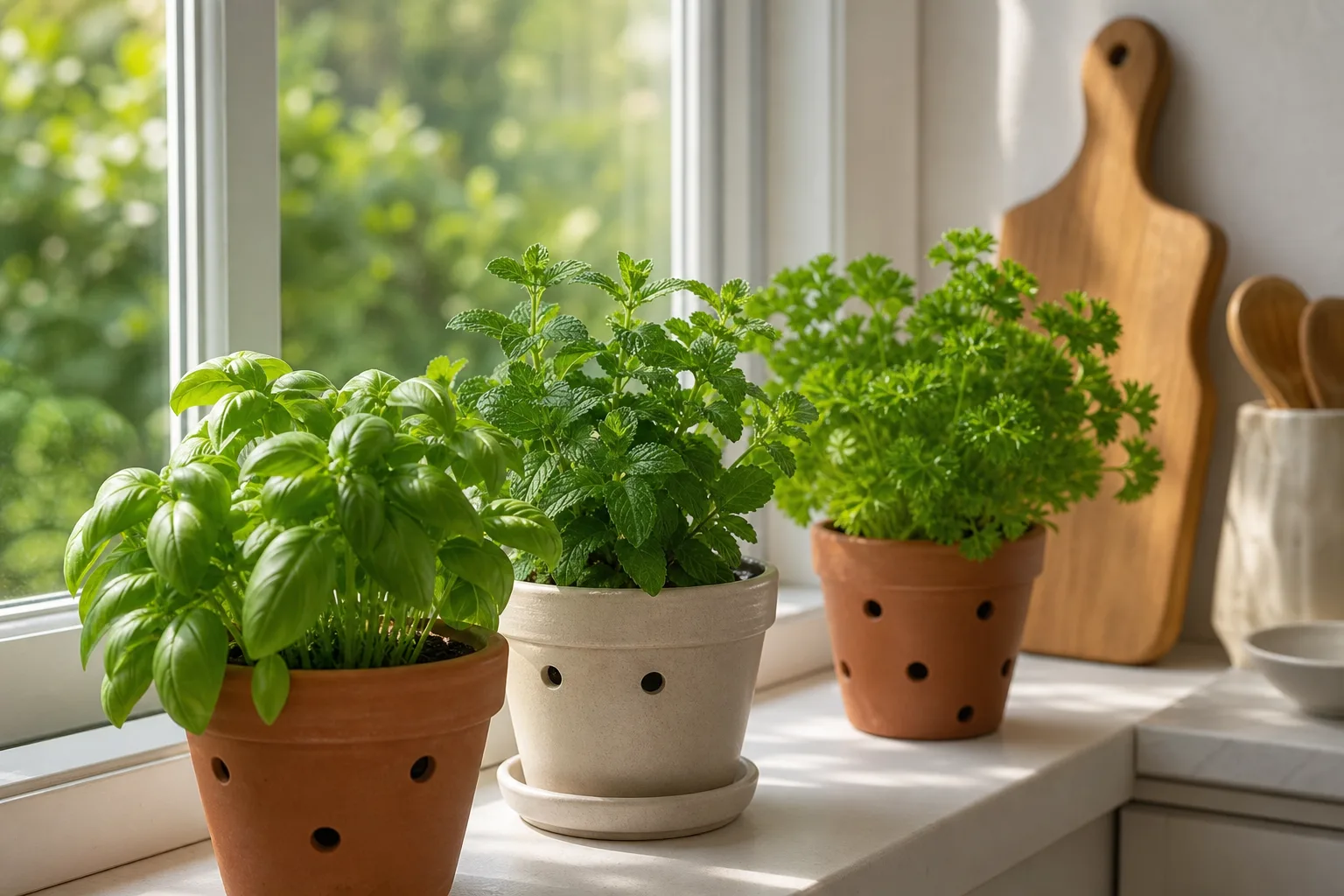
For the detailed process of moving basil indoors, screening for pests, adjusting the watering routine, and managing indoor light, see the site’s basil winter-care guide. This article’s key decision is whether keeping a whole mature plant is a better bet than saving seed or starting a young replacement.
Choose a healthy plant before cold stress
Move a container inside before cold weather damages it, and choose a plant that still has flexible green stems and healthy leaves. A compact plant with a strong root system is easier to manage than a tall, crowded, woody specimen. If basil is planted in the ground, you can lift a manageable section into a pot, but the move itself can stress roots; take a cutting as backup before digging.
Inspect the plant closely for aphids, whiteflies, mites, webbing, or sticky residue, especially on leaf undersides and new growth. Do not bring a visibly infested plant into a room with other houseplants without isolating and addressing the issue. Remove dead leaves, use a clean pot with drainage, and expect some adjustment as the basil moves from sun and airflow to indoor conditions.
Keep the plant warm and place it where it receives the strongest available light without pressing leaves against cold glass. Water according to the soil’s condition rather than the outdoor summer routine: indoor plants often use less water as growth slows. Avoid leaving the pot in water, because the root ball can stay wet for much longer in a cool, dim room.
Indoor light sets the limit
A bright window may be enough in a sunny home, but “bright room” is not the same as several hours of strong direct light on the leaves. Watch new growth. Long gaps between leaves, thin stems, pale foliage, and persistent leaning are signs the plant is not getting enough useful light. A grow light can help when natural light is weak, but it has to be close enough and run consistently to support growth.
Do not compensate for low light by feeding more or watering more often. Fertilizer cannot replace light, and extra water can keep a slow-growing plant’s roots wet. If your plant keeps declining despite a good location and careful watering, take healthy tips for cuttings, harvest usable leaves, and start again when spring light and outdoor warmth return. Indoor survival is one option, not a test of gardening skill.
Take cuttings when you want a smaller backup
A cutting gives you a new plant without asking the old root system to survive winter. It is also easier to fit under a grow light and usually easier to inspect before bringing indoors. A cutting is a genetic copy of its parent, so it preserves the type more reliably than seed when the parent was a named cultivar.
Choose a healthy, nonflowering tip with several leaf pairs. Make a clean cut below a node, remove the leaves from the lower part of the stem, and place the bare nodes in clean water or a suitable moist propagation mix. Keep the remaining leaves above water and put the cutting in a warm, bright location. Replace the water if it becomes cloudy, or keep the medium lightly moist rather than saturated.
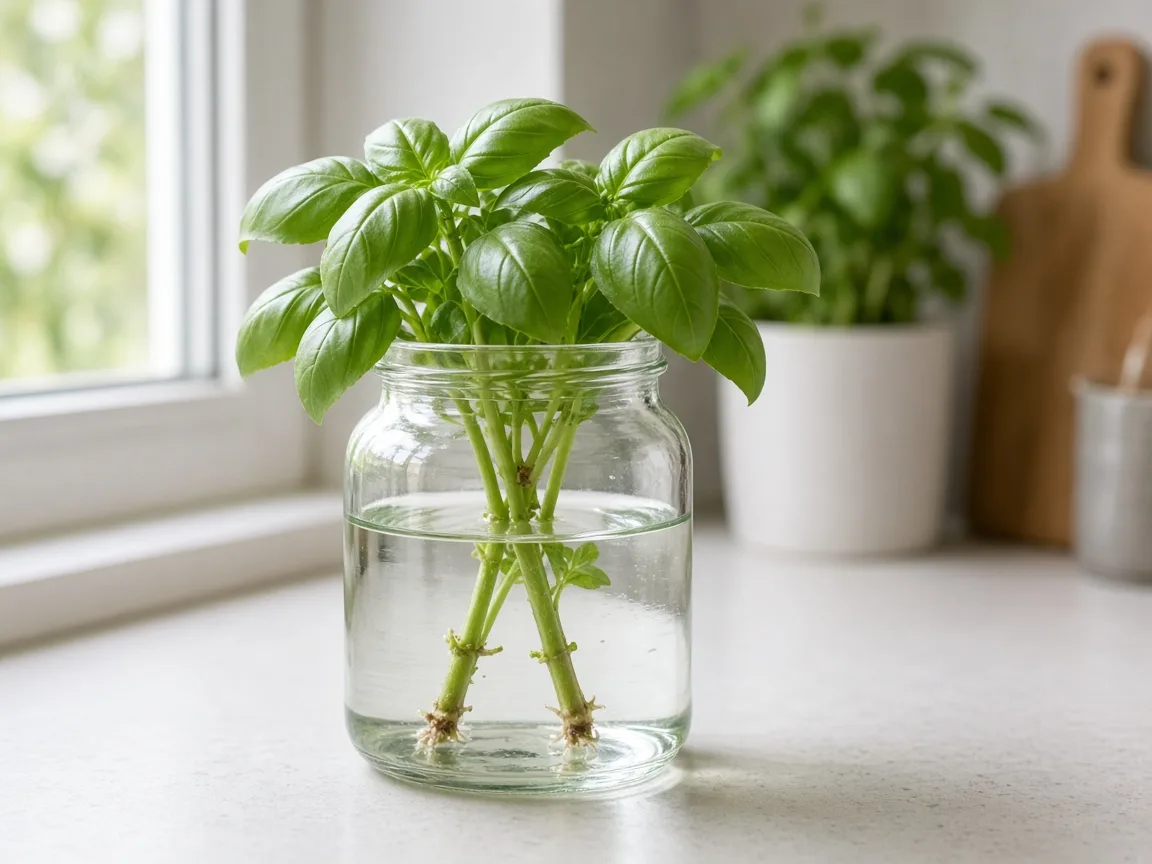
Once the cutting has developed roots, pot it in a small container with drainage and allow it to adjust before treating it like an established plant. A small pot is easier to keep evenly moist than a large container filled with wet mix and a tiny root system. Fine Gardening describes basil as easy to start from cuttings, and its guidance recommends moving rooted cuttings into potting mix for continued indoor or outdoor growth.
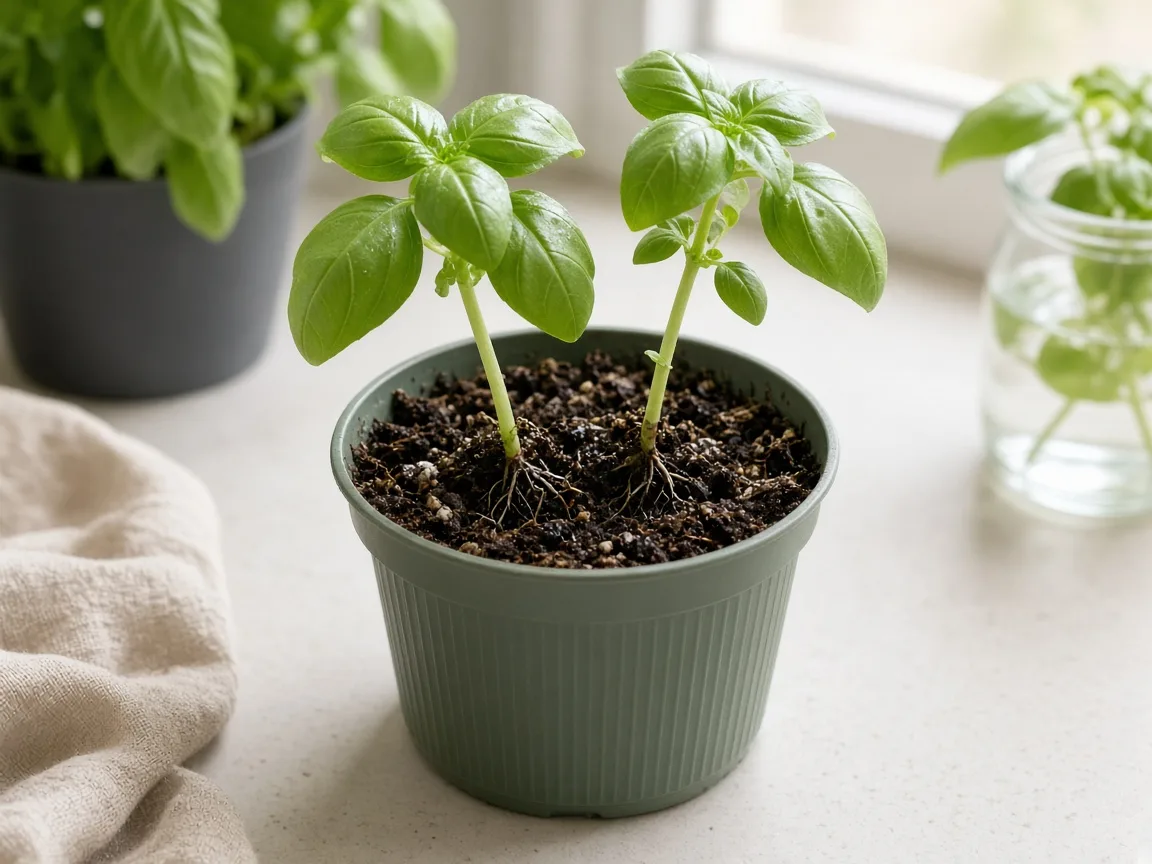
Use the cutting as insurance, not as a guarantee: some stems wilt or fail to root. Taking two or three cuttings while the parent plant is still healthy gives you a better chance of keeping one. If you want a detailed propagation walkthrough, see the site’s basil propagation guide.
What a frost cover can—and cannot—do
A frost cloth, cloche, or temporary cover may buy time during a brief cold event by reducing exposure and trapping some warmth around the plant. It is most useful when the weather is only marginally cold, the plant is otherwise healthy, and you can secure the cover before temperatures fall. Remove or ventilate the cover when conditions warm so the plant does not sit in excessive heat or condensation.
A cover does not turn basil into a hardy perennial. The protection is limited by the air and soil temperature, the length and severity of the cold spell, the material, and how tightly the cover is fitted. A thin sheet that touches the leaves may transmit cold, while a covering left through a prolonged freeze cannot provide unlimited heat.
This is the distinction between extending the harvest and overwintering outdoors. In many cold climates, a cover can protect basil from a light chill or delay the end of the season, but the reliable winter choices are moving a pot to a suitable indoor space, taking cuttings, saving seed, or planting fresh basil later. If a frost is forecast, take the harvest and backups first; treat the cover as extra protection, not the only plan.
Choose the right way to get basil next year
Pick the method according to your climate, indoor light, and how much you value the current plant. There is no need to preserve every plant. A simple comparison helps:
| Your situation | Best first plan | Main limitation |
|---|---|---|
| You have frost-free winters and the plant remains healthy | Leave it growing and monitor new growth | Cold snaps and age can still end the plant |
| Your plant is in a pot and your home has a bright place | Move the whole plant indoors before cold injury | Winter light and indoor pests can limit growth |
| You have a tall or old plant and modest indoor space | Root one or more cuttings | Cuttings can fail and need time to establish |
| You want the same variety next year | Take a cutting or buy the same variety’s seed | Saved seed may vary if types cross-pollinated |
| You have several plants and want low-cost volunteers | Let one plant set seed | Germination, placement, and timing are unpredictable |
| Your home is too dim or the plant is declining | Harvest and preserve leaves; sow fresh seed later | You will not have a living plant through winter |
Think in terms of a backup rather than a single all-or-nothing choice. For example, a gardener with one large plant can take a couple of cuttings, leave one flowering branch for seed, and freeze the best leaves before a frost. That takes less space than bringing the entire plant indoors and reduces the chance that one failed method means no basil next year.
When to start basil again in spring
If basil did not survive, start new plants after the risk of frost has passed and nights are reliably warm. Basil germination and early growth slow in cold conditions, so rushing seed into chilly soil can waste time even if a late frost does not kill it. The RHS recommends starting basil in warm conditions and delaying outdoor sowing in regions where cold, damp weather remains a risk.
For an earlier crop, sow indoors in a warm, bright place and transplant only after the outdoor conditions are suitable. Harden seedlings gradually if they have grown under protected indoor light: set them outside in a sheltered bright spot for short periods, increase exposure over several days, and bring them in if a cold night is expected. This gives leaves and stems time to adjust to sun, wind, and temperature changes.
A volunteer seedling may emerge later than a started transplant. Keep it if it is healthy and in a useful spot, but thin crowded seedlings so they have room to branch. If you need basil for an early recipe season or want a specific variety, buy a transplant or sow seed yourself rather than waiting to see what survives from last year.
When it is better to replace an old basil plant
An old plant that is woody, repeatedly flowering, stretched, or making tiny leaves may remain alive without producing the harvest you want. If your goal is vigorous leaves, compare the time and care required to keep that plant with the simplicity of starting a fresh seedling or rooting a young cutting. A living stem is not automatically a productive plant.
Keep an older basil only if it is still growing well, the flavor meets your needs, and you have enough light and room. Otherwise, take healthy cuttings from its fresh tips, save seed if it is mature, and harvest the leaves you can use now. Replace the plant if stems are black or mushy, pests are spreading, or the root system has deteriorated.
Regular harvesting and pinching can delay flowering during the growing season, but it cannot make basil immortal. The plant is trying to reproduce, and its useful life depends on warmth, light, water, and its own stage of growth. Learning when to start over is part of growing a continuous crop, not a failure to save a perennial.
Conclusion
Basil can live for more than one year where winter stays warm, but common culinary basil is a tender perennial that most gardeners grow as an annual. Frost usually ends the outdoor plant, while a zone label alone cannot guarantee survival. If you saw basil in the same bed again in spring, it may have reseeded rather than returned from the original roots.
Before cold weather arrives, decide what you want to save: the mature plant, a cutting, seed, or the harvest. Keep the whole plant only if it is healthy and you can provide adequate indoor light; take cuttings for a smaller backup; leave some flowers if seed is the priority; or plan to start fresh after frost danger passes. That gives basil a realistic path into next season without confusing a possible outcome with a dependable one.



