Kill Weeds in Winter Before Spring Chaos
Hate weeding in spring? Pull winter annuals and young biennials during cold-weather windows—before they set seed and before April planting steals your time.
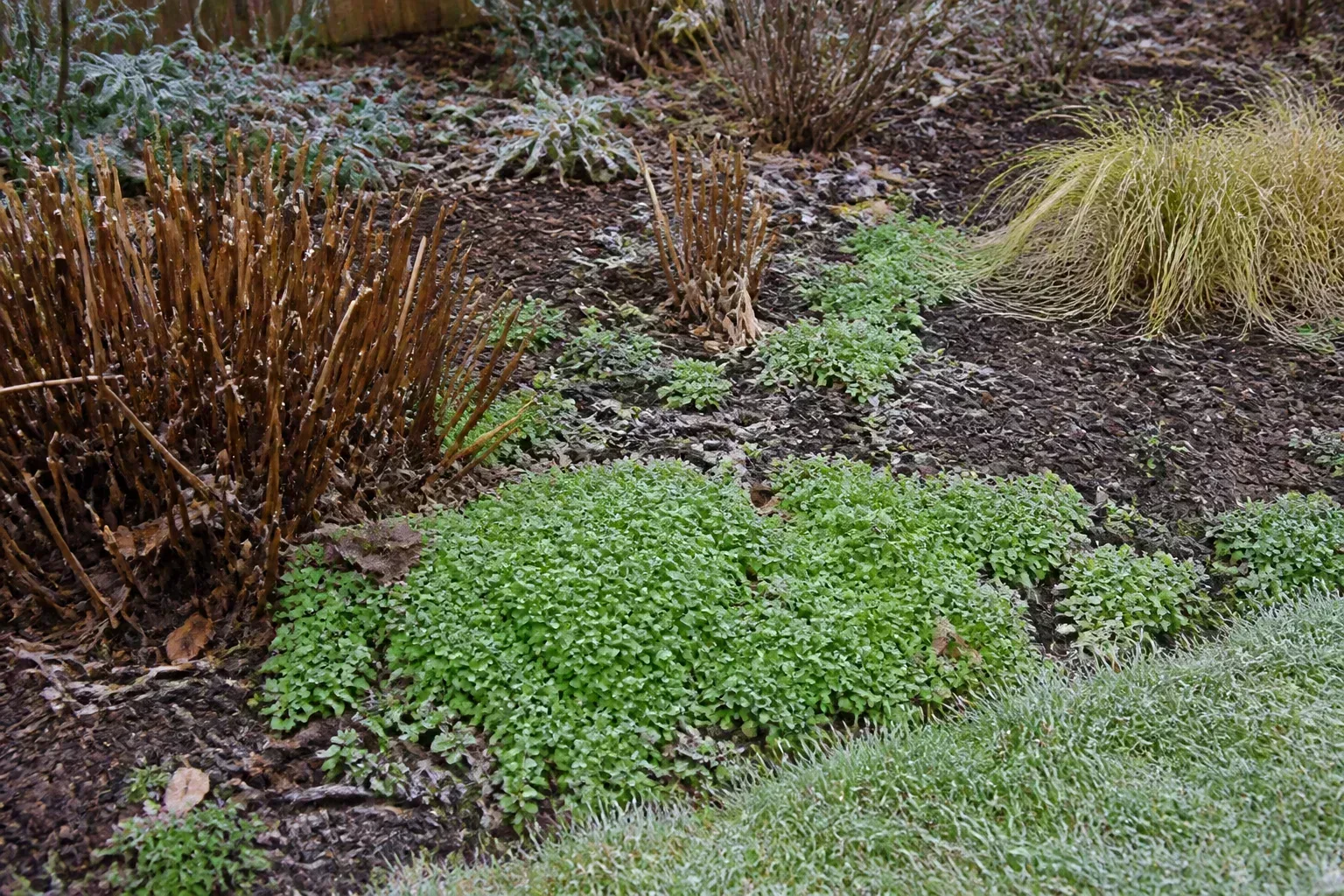
You already know what April feels like: every warm weekend competes with planting, fertilizing, pruning, and a carpet of weeds you did not notice until they flowered. The one winter job that changes that picture is not a miracle spray—it is pulling the weeds that are already growing while they are small, visible, and still weeks from seeding. Winter annual broadleaf weeds germinate in fall, sit green through mild spells, flower in late winter or spring, then die—often after dropping thousands of seeds. Catch them in winter and spring weeding shrinks dramatically.
This is not about heroic gardening in a blizzard. It is about using short thaw windows on workable soil to remove winter annuals, young biennials, and obvious woody invaders before spring chaos begins. Skip frozen mud, protect dormant perennial crowns, and leave crabgrass and other warm-season problems on the calendar they already own.
The One Winter Job That Shrinks Your Spring Weed List
Default action: On any day when soil is workable—not frozen solid, not sodden—and you can see low green growth that is not turf or a labeled perennial, pull it or hoe it off. Fifteen minutes per bed in January or February often prevents an hour of chasing seedlings in May.
Winter weeding works because the weed calendar and the planting calendar are out of sync in your favor. Your tomatoes and peonies are dormant. Winter annuals are awake. That contrast makes them stand out against mulch, dormant grass, and cut-back perennial stubs—exactly the visibility you lose once everything greens up together in spring.
Why Winter Weeds Are Easier to Spot Right Now
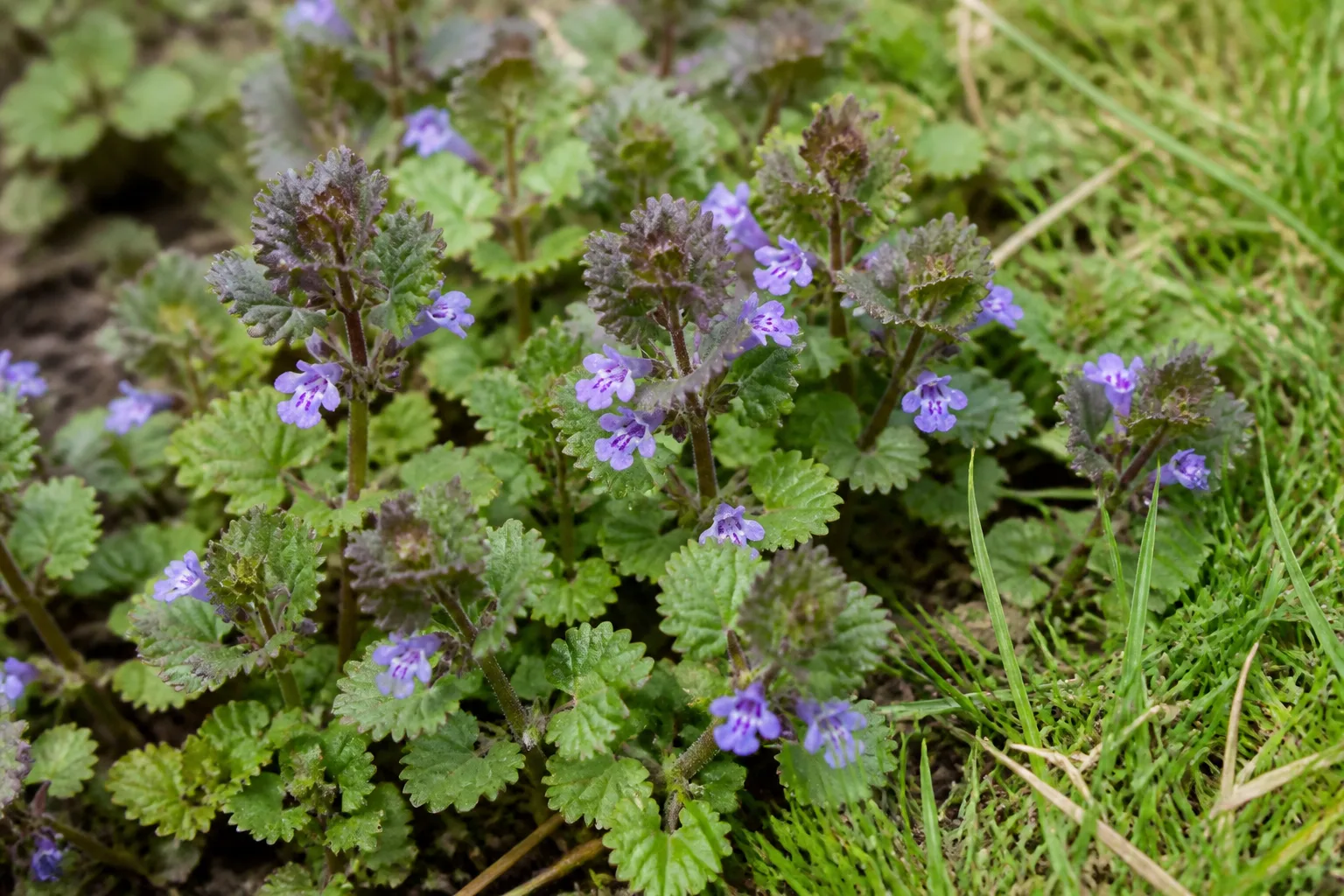
Winter annual weeds stay low, hug the ground, and often form mats or rosettes while surrounding plants are brown or absent. Purdue Turfgrass Science groups the usual lawn and bed suspects: common chickweed, henbit, purple deadnettle, corn speedwell, shepherd’s purse, catchweed bedstraw, prickly lettuce, and annual bluegrass. None of these hide behind a flush of desirable foliage yet.
Biennials like burdock show oversized first-year leaves that look wrong in an empty bed. Woody invasives such as Oriental bittersweet reveal orange berries and tangled stems once deciduous cover drops. Problems you would walk past in July become obvious in February—if you look.
Three Reasons Winter Weeding Beats a Spring Marathon
Cut Off Seed Drops Before Warm Weather
Winter annuals follow a tight clock: germinate in fall, overwinter as small plants, bloom in late winter or spring, set seed, and die. Chickweed and henbit can begin flowering on mild late-winter days. Pull them before petals open and you remove the plant before the seed bank gets another deposit.
RHS guidance on non-chemical weed control stresses that annual weeds produce large quantities of seed from numerous seedlings—one missed patch becomes dozens of replacements. Winter pulls target the parent plants, not the seedling explosion that follows.
Starve Small Weeds Before They Steal Nutrients
A weed rosette the size of a quarter still pulls nitrogen and moisture from the same root zone your perennials and vegetables will need in spring. Removing weeds while they are shallow-rooted and small is faster than digging mature spring plants with established root systems. You are not just saving time—you are reducing competition before the growing season budget is spent.
Use Garden Downtime You Will Not Have in April
Spring stacks planting, fertilizing, mowing startup, and disease scouting into the same weekends. Winter offers opposite pressure: fewer urgent tasks, cooler air, and beds that can tolerate a quick cleanup without delaying crop sowing. Treat winter weeding as maintenance you borrow from a slow season rather than an extra chore squeezed into peak workload.
Which Weeds You Can Fight in Winter
Winter Annual Broadleaf Weeds
These are your primary winter targets. They germinate in fall, survive cold, and die after spring flowering:
- Common chickweed — bright green, tender stems, small paired leaves, mat-forming habit; often the first green you see in a dormant bed
- Henbit and purple deadnettle — square stems, rounded lobed leaves; deadnettle often shows purplish tops even in cold weather
- Corn speedwell — tiny rounded lower leaves, smaller pointed upper leaves; thrives in thin turf and bare patches
- Shepherd’s purse — low rosette of lobed leaves; heart-shaped seed pods appear as temperatures rise
- Catchweed bedstraw — sticky stems that cling to gloves and pants
- Prickly lettuce — upright rosette with spiny leaf edges
Hand-pull or shallow hoe when soil is workable. Most are shallow-rooted and release easily compared to summer taproot weeds.
Biennials Showing First-Year Rosettes
Biennials live two years: leafy first year, flower and seed second year. First-year burdock is a classic winter target—large, coarse, wavy leaves on a low rosette. Dig the taproot early while it is still a fraction of its summer size. Garlic mustard and wild carrot (Queen Anne’s lace) also show identifiable first-year rosettes in late winter in many climates.
Use a fork to lift the root without snapping it. A broken burdock root can resprout; a complete removal in winter beats fighting a shoulder-high stalk in July.
Woody Invasives Visible Without Leaf Cover
Winter is prime time for seed-bearing woody vines and shrubs you can see without leaf cover. Oriental bittersweet with orange arils on twining stems, multiflora rose basal clusters, and young buckthorn are easier to spot and cut when surrounding vegetation is dormant. Cut and bag berry clusters before pulling or digging root zones to avoid dropping seed during removal.
Do not compost berry-heavy stems or mature seedheads at home—temperatures in a backyard pile rarely kill viable weed seed.
Which Weeds to Leave for Another Season
Not every weed belongs on the winter list. Fighting the wrong plant in the wrong season wastes effort and can damage turf or desirable plants.
- Crabgrass and other warm-season annual grasses — control belongs on a pre-emergent schedule in early spring, not winter hand weeding. NC State Extension’s tall fescue calendar recommends pre-emergent herbicides for crabgrass, goosegrass, and foxtail in early March in many North Carolina zones—sooner in warmer coastal areas. See our pre-emergent timing guide for zone-adjusted windows.
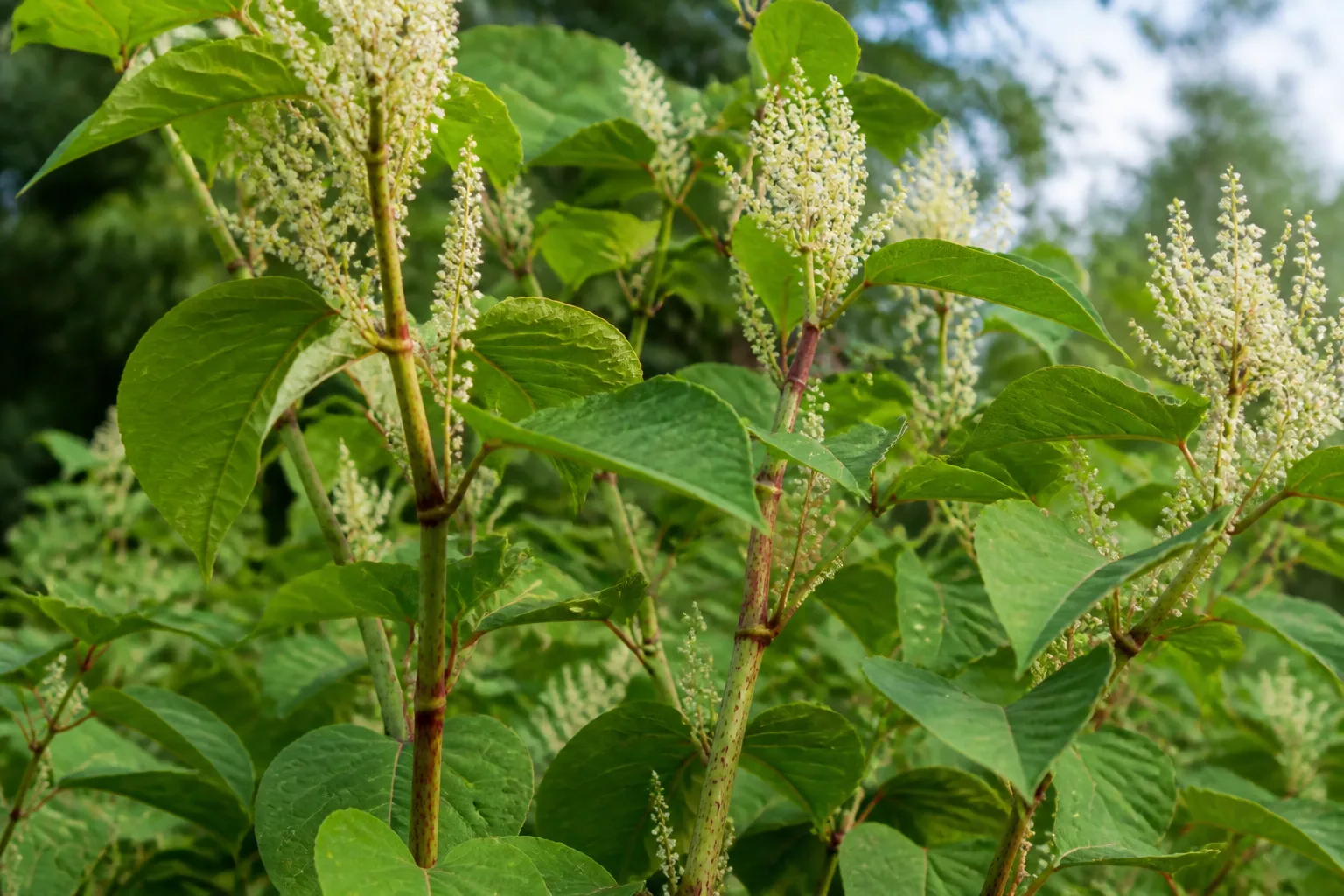
- Japanese knotweed and other deep perennial colonies — winter cutting may be part of a long plan, but eradication needs a season-long strategy, not a single winter pull. Treat these as separate projects.
- Dormant warm-season lawn weeds in a dormant warm-season lawn — if the turf is fully brown and the weed is brown too, you often cannot tell what you are treating; wait for green-up or use targeted spring chemistry on identified patches.
- Anything you cannot identify — winter IDs are easier than summer IDs, but unknown rosettes near labeled perennials should be photographed and researched before digging, not yanked on guesswork.
When Weather Actually Allows Winter Weeding
Early Winter, Late Winter, and Thaw Windows
You do not need to weed on the coldest day of the year. Target these windows:
- Late fall through early winter — after perennials die back but before deep freeze locks soil; winter annuals are young and tiny
- Late winter thaw periods — January and February warm spells when ice crust melts and top inch of soil softens; weeds resume growth and become easy to grip
- Between storms — when beds are not buried in fresh wet snow and walkways are safe
RHS notes that late winter and early spring are strong seasons for preventative weed measures; winter pulls fit that same calendar on the manual side.
Skip days when soil is rock-hard, glazed with ice, or so saturated that stepping compacts structure. A half-hour on the right day beats three frustrated hours on the wrong one.
Soil Moisture and Frozen-Ground Rules
Workable soil passes a simple test: press a hand trowel into the top 2 to 3 inches. It should enter without jumping off ice and without sucking mud that smears on the blade. Frozen ground transfers shock to perennial crowns when you lever weeds. Wet, plastic clay smears into a slab that roots cannot breathe through in spring.
If only the surface crust is frozen, wait for sun on the bed edge or work a raised bed where soil thaws faster. If the whole profile is frozen, postpone—no weed is worth shattering dormant hosta crowns.
How to Pull Weeds Without Harming Dormant Perennials
Identify Before You Dig
Above-ground growth on many perennials is gone, but crowns and shallow roots remain exactly where weeds grow. Before inserting a fork, look for:
- Old stem stubs or woody bases you cut in fall
- Mulch pulled away in a ring around a known plant
- Metal or wooden markers you placed in fall
- Distinct crown texture—firm woody base vs. soft weed rosette
When digging under a weed, angle the tool from the side, not straight down through the crown zone. Slide the blade horizontally a few inches deep, lift the weed root ball, and leave the crown soil undisturbed.
Photo-Log New Beds in Late Winter
In your first year on a new perennial bed, walk the border during a late-winter thaw and photograph every sprout next to a labeled marker or bed corner. Hellebore noses, peony red shoots, and daylily points look alien until you have seen them once. Save photos in a folder by bed name; next winter you will know which green bumps are assets.
Our winter bed prep guide covers other above-ground jobs—soil testing, shallow weed pulls, and planning—that pair well with this photo pass.
Tools That Work in Cold, Stiff Soil
Cold soil grips roots harder than warm soil. Upgrade from bare fingers when possible:
- Hand fork or dandelion weeder — for taprooted biennials and dandelions that green in cool turf
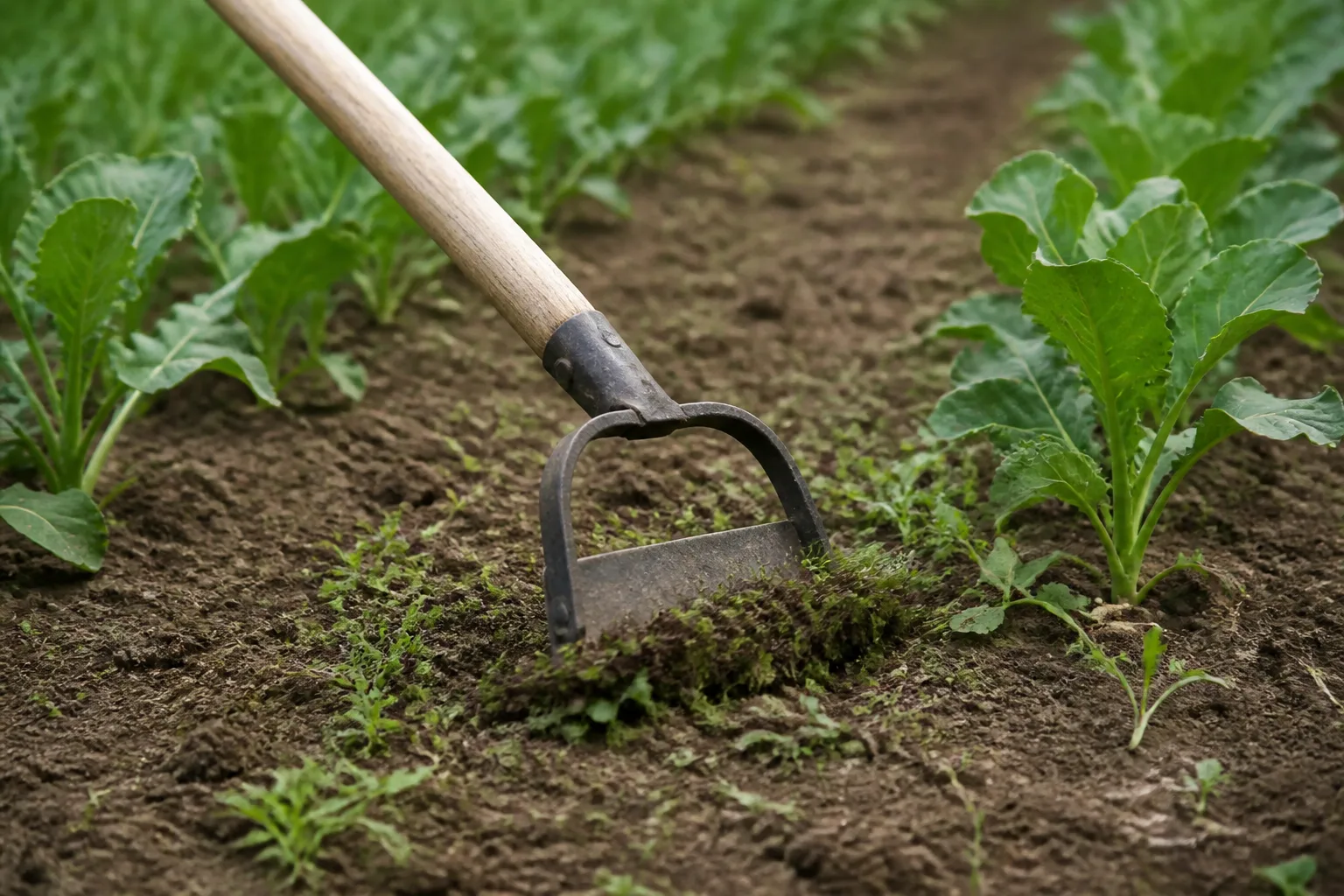
- Scuffle hoe or collinear hoe — slice shallow winter annual mats on empty beds; best on dry, workable days so cut roots desiccate
- Stand-up puller — saves knees on lawn edges where henbit meets pavement
Our fork weeding guide walks through soil moisture, lifting motion, and root checks that matter even more when soil is stiff. Hoeing, per RHS guidance, works best on warm, dry or windy days so exposed roots dry quickly—apply the same logic to winter thaws, not frozen mornings.
Lawn vs. Garden Bed: Different Winter Rules
Garden beds — prioritize hand removal of visible winter annuals and biennial rosettes; mulch or cardboard on empty sections after pulling.
Cool-season lawns (fescue, bluegrass, ryegrass) — winter annual broadleaves often show green in otherwise dull turf during mild spells. Hand-pull isolated patches in thin areas, or spot-treat with appropriate labeled products when temperatures and product labels allow. Do not blanket-spray non-selective herbicides across the lawn.
Warm-season lawns (bermudagrass, zoysiagrass, centipede) — turf is fully dormant in winter across most of its range. Green winter weeds in a brown dormant lawn are highly visible—henbit and annual bluegrass are common. Hand-pull or use selective chemistry only when product labels specify safe dormant or cool-temperature application for your grass type. Never apply non-selective vinegar or salt blends across dormant turf if you intend the lawn to recover green in summer.
If you overseeded a cool-season lawn for winter color, treat it like a garden bed—know what you planted before you spray anything green.
After You Pull: Disposal, Mulch, and Follow-Up
Disposal rules:
- Bag seedheads, berry clusters, and mature taproots for trash or municipal green-waste that reaches hot composting temperatures
- Do not drop pulled chickweed mats on the bed—they reroot from stem nodes in wet weather
- RHS advises against adding weed rhizomes, taproots, bulbs, or seedheads to home compost bins that may not heat enough to kill them
Mulch and cover after pulling:
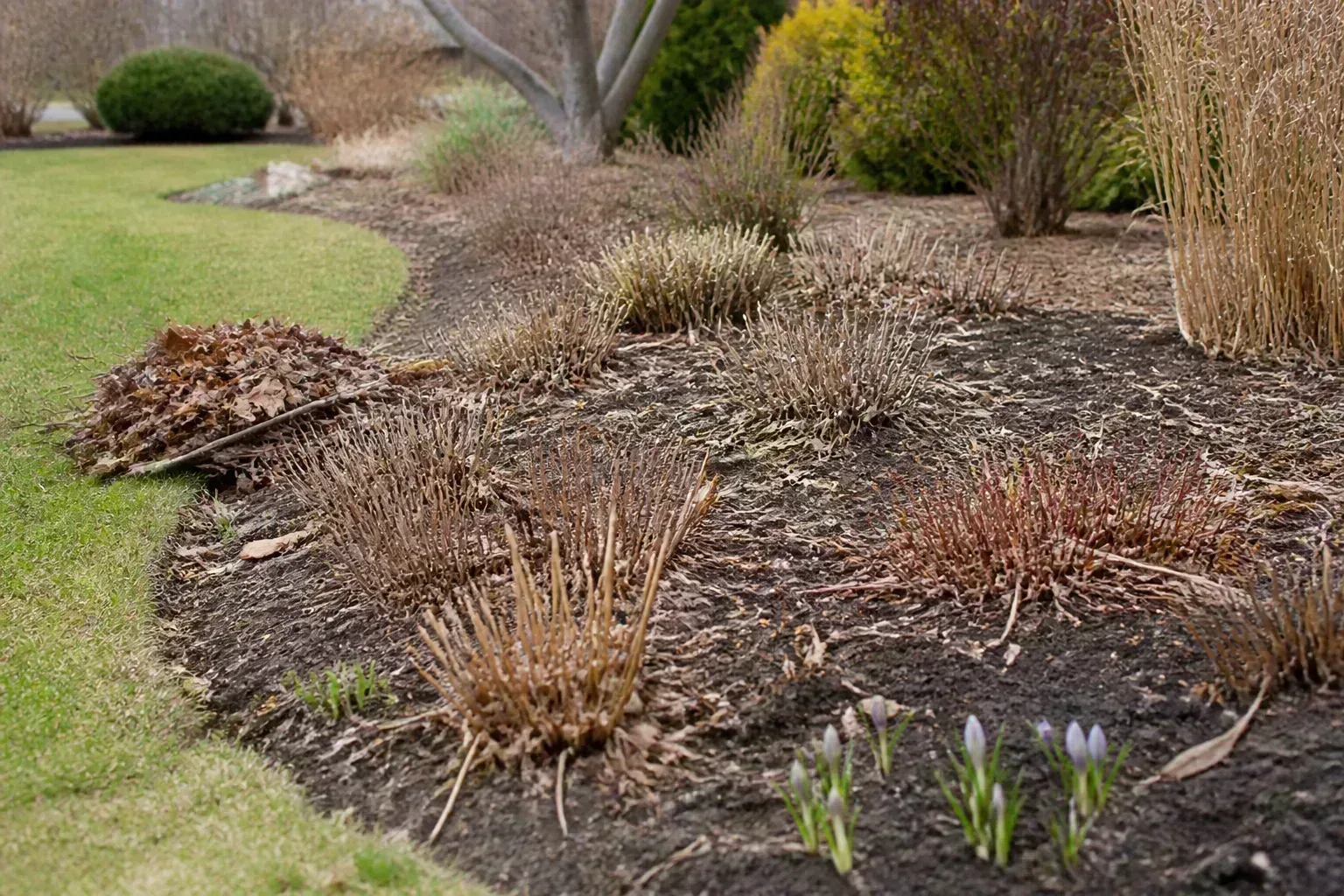
- On empty beds, lay cardboard overlapping seams, then 3 to 5 inches of shredded bark or compost mulch to smother remaining seed in the seed bank
- Our mulch weed prevention guide explains thickness and timing; winter is an ideal window to install mulch before spring germination
Calendar follow-up:
- Mark crabgrass-prone lawn zones for pre-emergent application—winter pulls do not replace that step
- Note biennial sites for a second check in late spring in case taproot fragments resprouted
Cold-Weather Comfort and Safety Basics
Winter weeding fails when you are miserable five minutes in. Dress in layers, wear waterproof boots with tread, and keep hands dry with fitted gloves that still grip small stems. Take a kneeling pad—cold ground steals body heat fast.
Work short sessions: twenty minutes pulling, five minutes indoors warming hands, repeat. Stay off icy slopes and do not balance on railings to reach vine tangles. Cut high bittersweet vines at chest height from stable ground; pull roots when soil allows, not when ice makes footing treacherous.
Hydrate. Cold air is dehydrating and gardeners forget to drink when they are not sweating.
Late-Fall Prep That Makes Winter Weeding Easier
The easiest winter weed session starts in fall cleanup you already do:
- Cut back diseased perennial tops but leave healthy markers or stubs at known crown locations—see our fall perennial cutback guide for which plants need sanitation vs. standing stems
- Pull obvious winter annual seedlings in late fall when they are barely visible—one pass in November beats two in February
- Refresh mulch on beds after cleanup so winter weeds are the only green on a uniform background
- Edge beds before soil freezes so grass and lawn weeds do not creep under mulch lines
If you hate weeding in spring, the fall version of this job is ten minutes with a hoe after leaf drop. Winter is the reinforcement round.
Conclusion
The one thing to do in winter if you dread spring weeding is pull and hoe winter annuals, young biennials, and visible woody invaders during workable-soil thaw windows—before they flower and seed. You are not trying to eliminate every weed on the property in a snowstorm. You are removing the plants that are green while your garden is quiet, protecting dormant crowns while you work, and leaving crabgrass and unidentified rosettes for the strategies that actually fit their life cycles.
Fifteen focused minutes on a mild January afternoon can erase hundreds of chickweed seedlings that would otherwise greet you the day you planned to plant peas. Stack that with cardboard and mulch on empty beds, calendar a spring pre-emergent for lawn grasses, and April stops feeling like a weed emergency. Winter weeding is spring insurance—and the premium is paid in gloves, not dollars.



