12 Plants You Can Grow in a Greenhouse
Discover 12 plants you can grow in a greenhouse, from tomatoes and peppers to orchids and winter greens, plus heat, light, watering, and pollination tips.
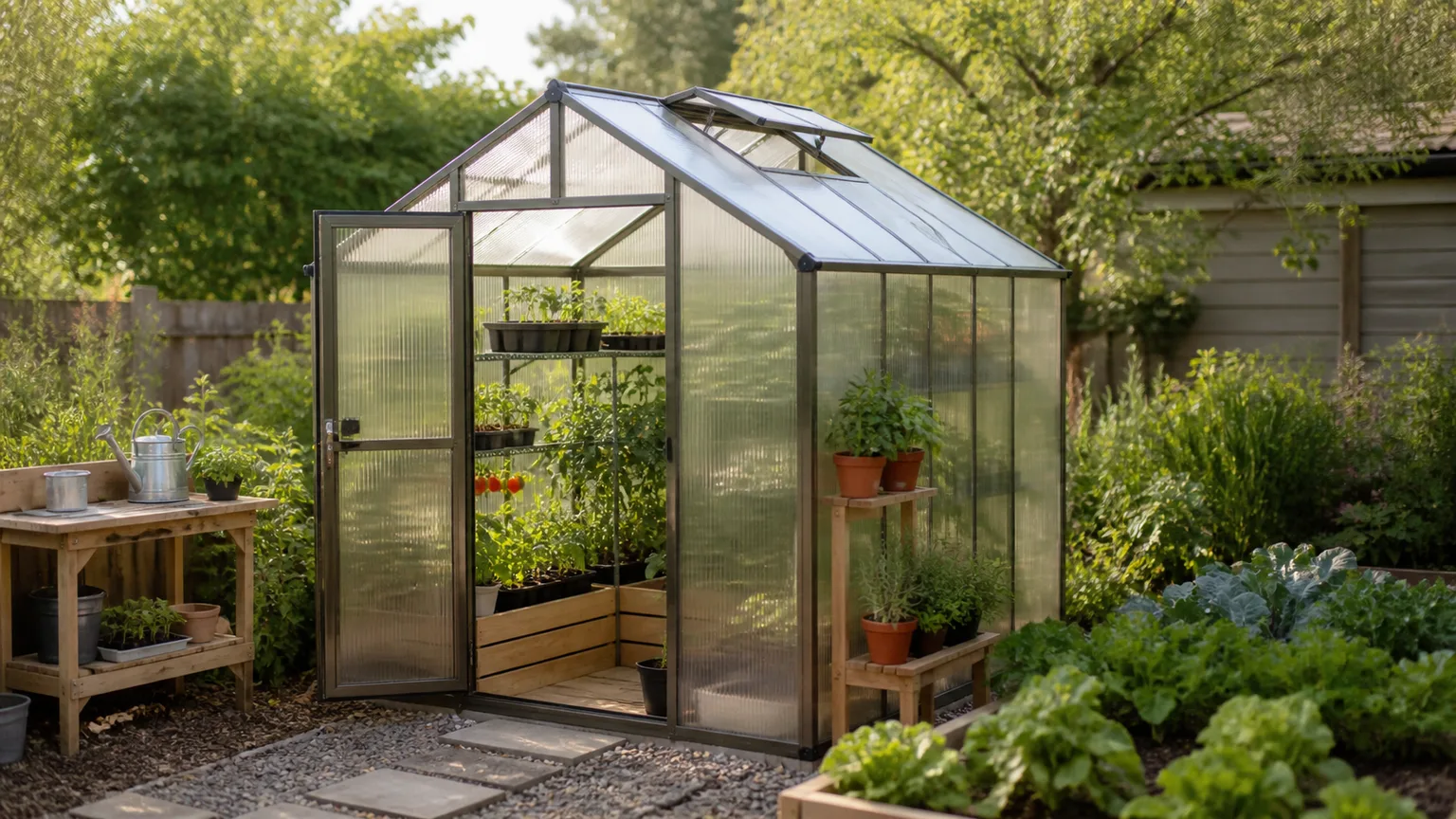
A greenhouse is not automatically a tropical oasis. It is a climate-control tool, and the plants that thrive inside it are the ones whose needs match what the structure can actually provide. An unheated greenhouse may be excellent for seedlings, salad greens, and extending the tomato season, while a heated, well-ventilated structure can support orchids, citrus, and other tender plants through cold weather.
The useful question is not simply “What can grow in a greenhouse?” It is “Which crop will benefit enough from protection to justify the space, water, labor, and energy?” The Royal Horticultural Society’s greenhouse vegetable guidance makes the same broad distinction: even a small unheated structure can extend the season, but heat-loving crops and true year-round growing require more control.
Start with the greenhouse you actually have
Before buying seeds or moving a favorite houseplant under glass, write down the lowest night temperature, the hottest afternoon temperature, the number of hours of direct sun, and whether you can open vents or doors quickly. Those four observations tell you more than the word “greenhouse” on a plant label.
Heated versus unheated is the first decision
An unheated greenhouse is best viewed as a buffer. It reduces wind, rain, and frost exposure, warms quickly in the sun, and lets you start or finish crops earlier and later than you could outdoors. It does not promise frost-free nights, stable tropical warmth, or fast winter growth when day length and light are low.
A heated greenhouse can keep tender crops alive when outdoor temperatures fall, but the heater does not solve every problem. You still need enough light, safe electrical equipment, reliable ventilation, and a way to prevent hot, stagnant air during the day. Heating a large, leaky structure for one or two plants is usually a poor trade; it makes more sense when you are protecting valuable perennials, raising transplants, or growing a high-value crop for a long season.
For a practical starting point, Colorado State University Extension separates cool-season vegetables from warm-season vegetables. Its general guidance places cool-season crops around 50–70°F by day and 45–55°F at night, while warm-season crops need roughly 60–85°F days and 55–65°F nights. These are planning ranges, not permission to ignore a seed packet or a plant’s species-specific limits.
Light, air, and space decide what fits
Winter light is often the hidden limit. A greenhouse can stay warmer than the garden while still being too dim for a flowering tomato, pepper, or citrus tree to grow well. Conversely, leafy greens can remain useful under lower light because you harvest leaves rather than waiting for flowers and fruit.
Measure the winter sun path, not just the summer view. A nearby fence, evergreen, or building that seems harmless in June may block the low winter sun. Leave enough room around each pot for air to move and for you to inspect the undersides of leaves; a crowded greenhouse is harder to water evenly and much harder to scout for pests.
The 12 best greenhouse candidates
The plants below are grouped by the climate they prefer. The groupings matter more than the order: do not place cool-season spinach beside a heater or expect a small unheated tunnel to produce tropical growth in the darkest part of winter.
Warm-season fruiting crops
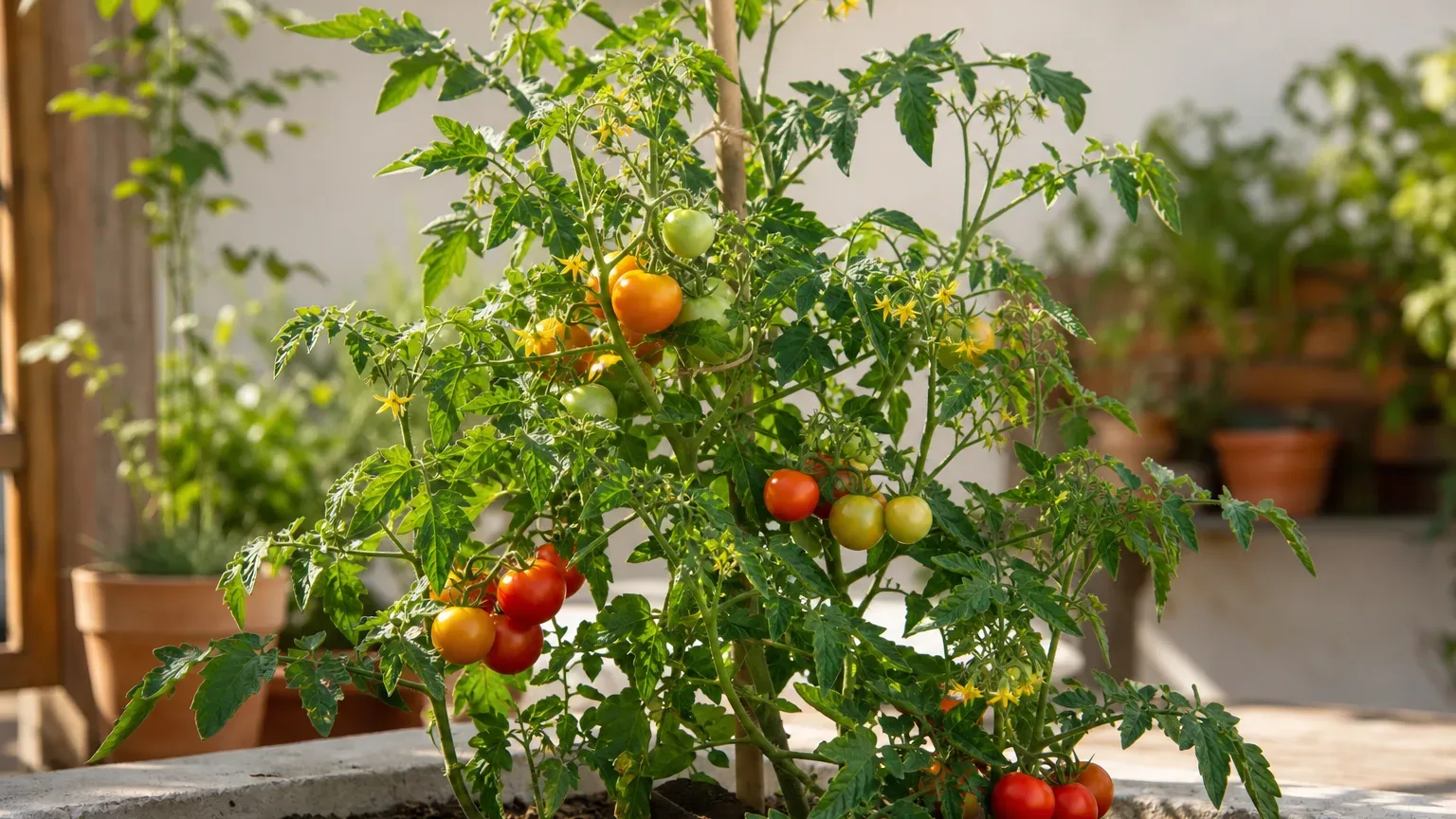
1. Tomatoes. Tomatoes are one of the clearest reasons to use a greenhouse in a short-summer climate. The structure can warm the root zone and foliage earlier in spring, shield plants from repeated rain, and keep them producing later into fall. Choose a compact or determinate variety when headroom is limited, or plan a strong trellis for an indeterminate vine.
The greenhouse advantage disappears if the crop is allowed to bake. Tomatoes need bright light, steady root moisture, and moving air; a hot, humid house can cause flower drop, poor fruit set, and disease pressure. Tap or gently shake flowering trusses on a dry day when pollinators cannot enter, and remove yellowing lower leaves before they touch the soil.
2. Peppers. Sweet and hot peppers appreciate the long, warm season that a greenhouse can provide. They are particularly useful in places where summer arrives late, because seedlings can establish under protection before outdoor nights are reliably warm. Keep the plants in full light, avoid cold root zones, and do not crowd them so tightly that leaves stay wet after watering.
Peppers are slower than lettuce to reward you, so give them a place where they can remain for months. A small pot may look adequate at transplanting but dry quickly once the plant is carrying fruit; use a container large enough to keep watering from swinging between bone-dry and saturated.
3. Eggplant. Eggplant is another heat-loving crop that benefits from protected roots and a long, bright season. It needs more room than many gardeners expect, and the large leaves can shade neighboring plants, so place it where it will not block a tray of seedlings.
If flowers appear but fruit does not develop, check the climate before adding fertilizer. Eggplant may need hand pollination in an enclosed structure, and flowers set poorly when the plant is stressed by cold nights, excessive heat, drought, or a lack of air movement.
4. Cucumbers. Greenhouse cucumbers can grow quickly and make excellent use of vertical space when trained up a string or trellis. Select a greenhouse-suited type when possible; some cucumber varieties produce better with pollination, while others are bred to set fruit without it.
Cucumbers want warmth, light, and consistent moisture, but “humid” should not mean stagnant. Use a trellis, keep leaves off the floor, water the root zone rather than spraying the foliage, and vent on warm mornings. This combination gives the crop the moisture it needs while reducing the conditions that favor powdery mildew.
Tropical ornamentals and long-season crops
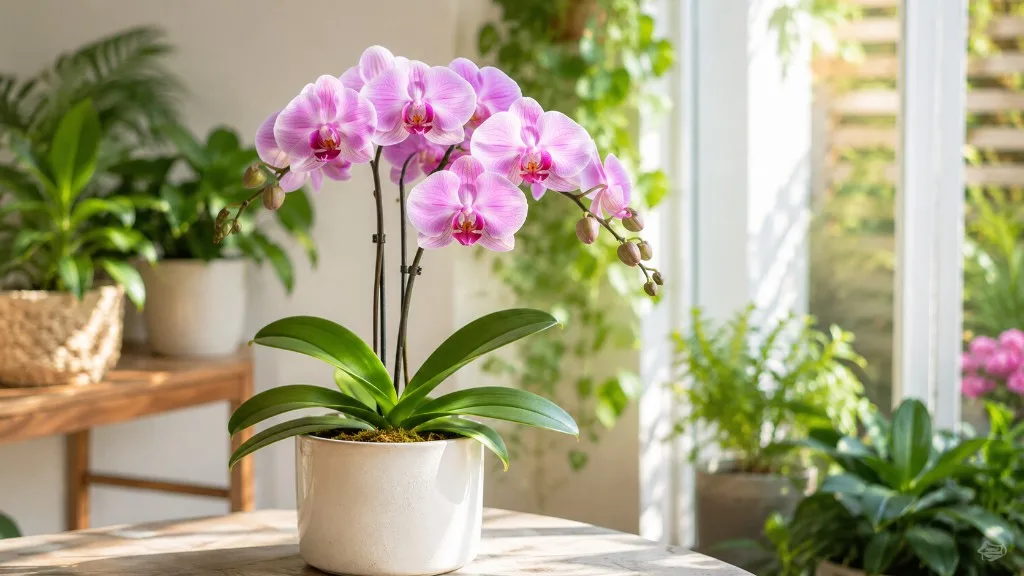
5. Orchids. Moth orchids, especially Phalaenopsis hybrids, can enjoy the bright filtered light and stable humidity of a greenhouse, but they are not interchangeable with sun-baked vegetables. Place them where the leaves receive bright light without scorching, keep water out of the crown, and provide gentle air circulation around the roots and foliage.
The greenhouse should be warmer than the surrounding garden at night only if the orchid requires it. Cooler-growing orchid types may prefer a different zone, so identify the orchid before setting a universal temperature or watering schedule. A separate bench or shaded end of the structure is often more useful than trying to make every plant share one climate.
6. Mandevilla. Mandevilla is a vigorous flowering vine that can use greenhouse warmth to keep growing longer and to overwinter in regions where it cannot survive outdoors. It needs strong light, a support system, and enough room for long stems; a small pot tucked under a bench will not produce the lush display people imagine.
Treat it as a tender plant, not a hardy shrub. If the greenhouse is unheated, growth may slow or stop during cold weather even if the plant survives. Reduce watering as growth slows, keep the root zone from remaining cold and saturated, and resume stronger feeding only when light and active growth return.
7. Dwarf Meyer lemon. A dwarf Meyer lemon can be a rewarding container crop because the tree can move into a protected space during cold weather and back outdoors when conditions improve. The greenhouse must offer excellent light, drainage, and enough headroom, and the pot must be heavy or well-anchored enough to resist tipping as the canopy grows.
Fruit production is not guaranteed simply because the tree is warm. Low winter light, dry roots, inconsistent watering, and a sudden move between climates can all cause leaf drop or flower loss. Acclimate the tree gradually, check for scale and mites before bringing it inside, and decide whether you are growing for fruit, fragrance, or simply a healthy overwintered tree.
8. Succulents. Succulents can use an unheated greenhouse as a bright, dry shelter from prolonged winter rain, and many appreciate the extra light compared with a dim indoor room. The key is not warmth alone; it is fast drainage, careful watering, and ventilation after condensation forms.
Do not place succulents beside humidity-loving cucumbers and then water both on the same schedule. Use a gritty, freely draining medium, keep pots off cold wet surfaces, and water only when the plant and its medium have had time to dry appropriately. A greenhouse that stays closed and damp through winter can be worse for a succulent than a cool, airy porch.
9. Turmeric. Turmeric is a long-season rhizome crop that benefits from warmth, a deep container, and a protected growing period. Starting it under cover can give the plant more time to build foliage and rhizomes before cold weather returns, particularly where the outdoor season is short.
It is a patient crop, not a quick greenhouse filler. Give the rhizome warmth and moisture during active growth, but do not leave the container waterlogged. As the foliage naturally declines, reduce watering and let the plant move toward dormancy rather than treating yellowing leaves as a signal to keep the soil constantly wet.
Cool-season greens
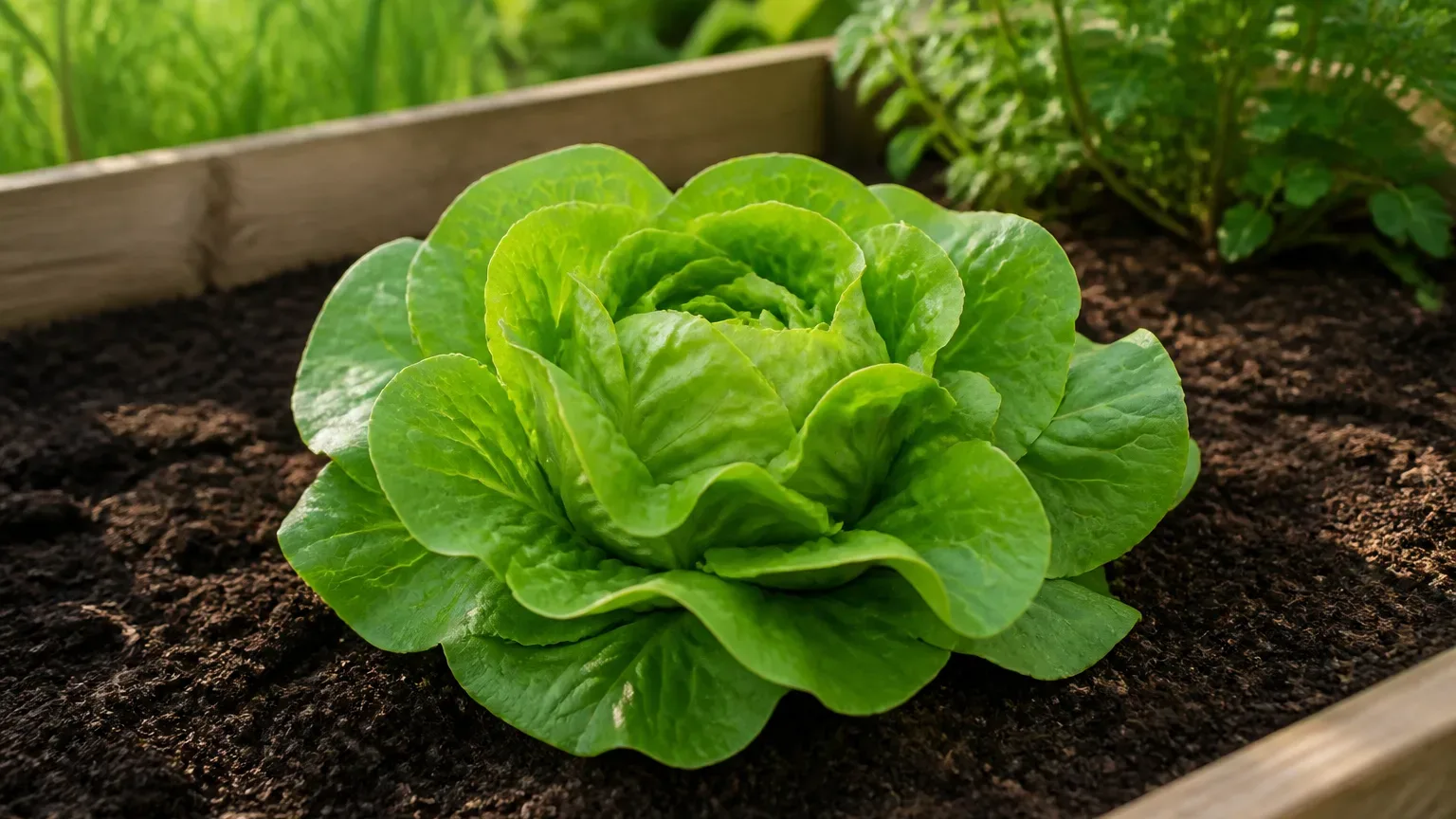
10. Lettuce. Lettuce is one of the best uses of an unheated greenhouse because it grows quickly in the shoulder seasons and does not need a tropical night temperature. Sow successively rather than filling every bench at once, and harvest outer leaves or baby heads so the space keeps producing.
Heat is the main threat. If the house regularly climbs into summer temperatures, lettuce may become bitter, stretch, or bolt. Ventilate early, use shade when necessary, and move seedlings outside or into a cooler protected spot before a spring greenhouse turns into a hot box.
11. Arugula. Arugula tolerates cool conditions and gives a fast harvest, making it a useful bridge crop before warm-season plants take over the greenhouse. Baby leaves are ready quickly, and repeated sowings can supply a steady salad crop rather than one oversized planting that all matures at once.
Keep the leaves growing rapidly with even moisture, but do not turn the bed into a wet, closed compartment. Thin crowded seedlings, harvest regularly, and replace an exhausted sowing with a fresh one when the crop becomes woody or begins to flower.
12. Kale and spinach. Kale and spinach are dependable cool-season choices for fall, winter, and early spring production. Kale is generally more forgiving when temperatures fluctuate, while spinach gives its best texture and growth in a genuinely cool, steady environment.
Both crops benefit from clean containers, good drainage, and enough spacing for leaves to dry after watering. They may survive a cold snap better than a tomato, but “cold tolerant” does not mean “indestructible”: frozen media, repeated freeze-thaw cycles, and a greenhouse that overheats by midday can still damage them.
Give every crop a workable climate
Once the plants are selected, greenhouse success becomes a daily management job. You are balancing heat, light, water, humidity, and air movement; changing one often changes the others.
Ventilation, shade, and humidity
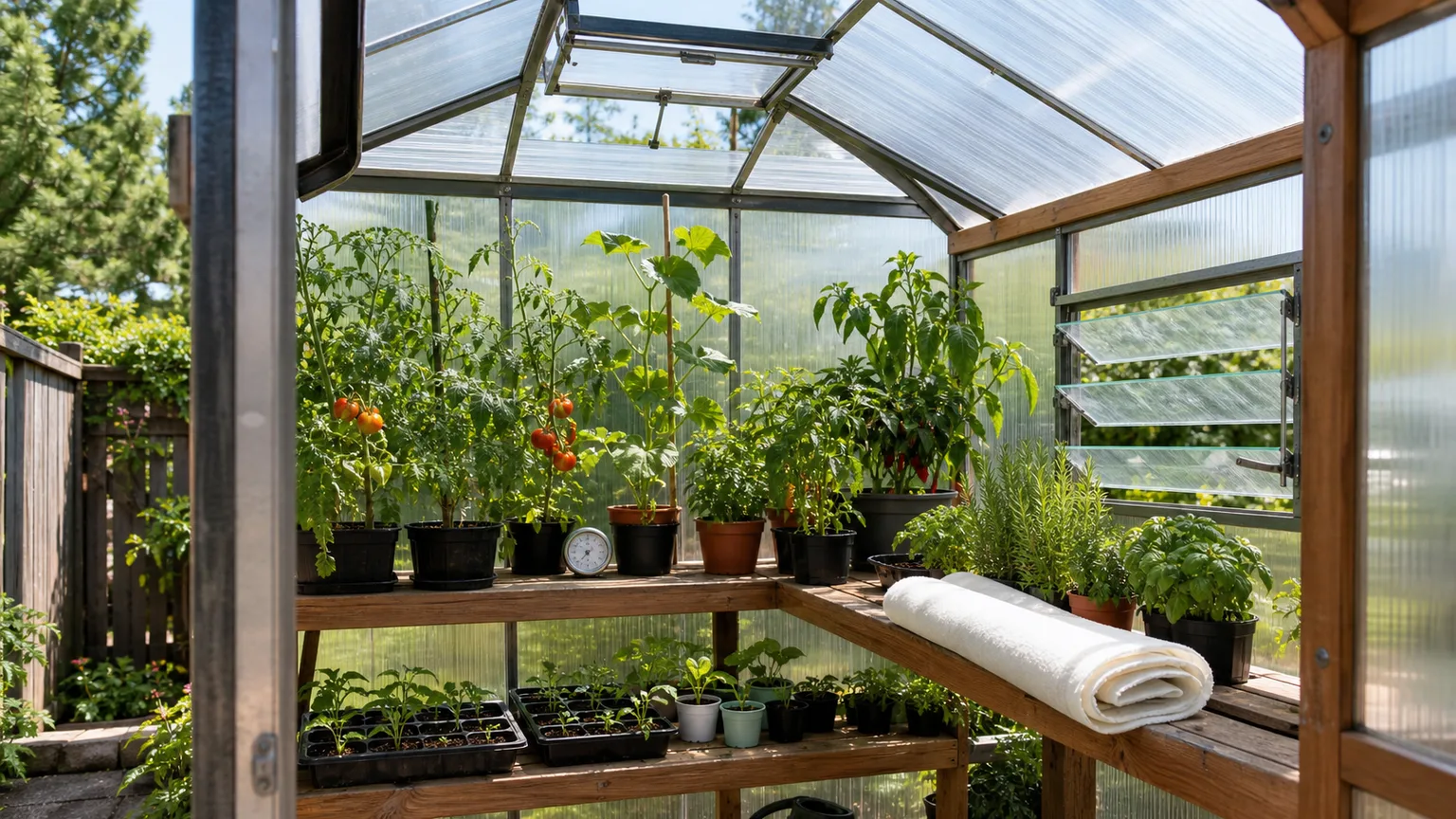
Open roof vents and doors before the greenhouse becomes visibly distressed. By the time leaves are curled, flowers have dropped, or the thermometer is far above the crop’s preferred range, the heat event has already cost the plant growth. A minimum/maximum thermometer at plant height is more useful than guessing from the weather outside.
Ventilation also reduces condensation and replaces stagnant air. Shade cloth or temporary shading can protect tender leaves during intense sun, but apply shade thoughtfully: too much shade on a winter tomato is a yield problem, not a comfort feature. BBC Gardeners’ World Magazine treats ventilation, summer shade, winter insulation, and cleaning as part of one greenhouse routine rather than separate fixes.
Humidity should match the crop, not the gardener’s idea of a tropical greenhouse. Cucumbers and orchids may appreciate more moisture in the air, while tomatoes, peppers, and succulents still need dry foliage and moving air. Wetting a floor can briefly raise humidity, but it should not replace ventilation or leave walkways and benches permanently damp.
Water, roots, and feeding
Container plants dry faster in a warm greenhouse than they do outdoors because the structure can trap heat and increase leaf area. Check the root zone, not just the surface, and water thoroughly enough to wet the medium evenly when the crop needs it. Then allow the plant’s drainage and the next weather cycle to determine when you water again.
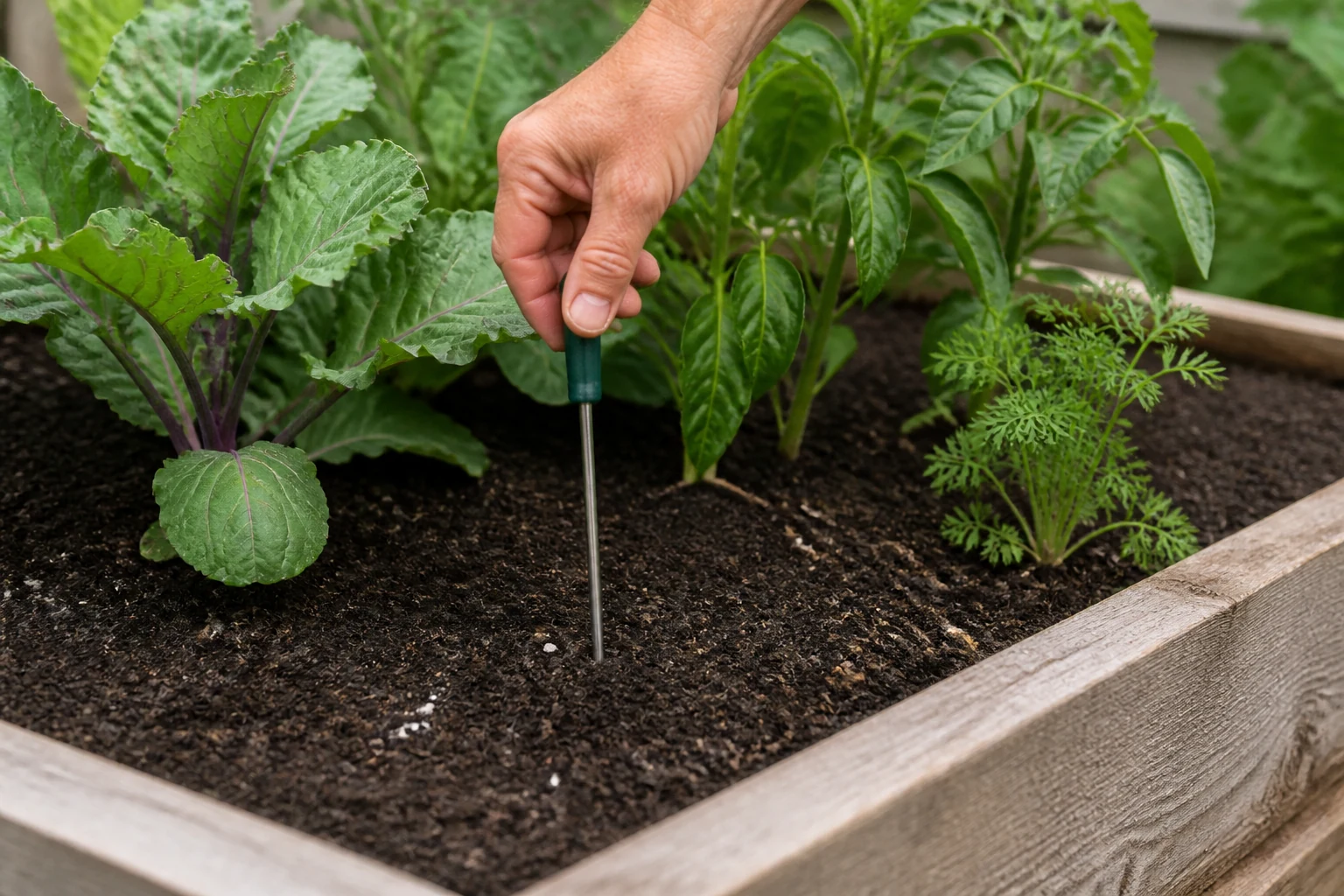
Drainage holes are non-negotiable. Saucers that hold runoff against pots, compacted beds, or an irrigation line that leaks all night can create root problems even when the leaves look thirsty. For a collection of containers, grouping plants with similar moisture needs is safer than giving every pot the same daily drink.
Drip irrigation or a carefully placed soaker line can keep foliage drier and make watering more consistent. Penn State Extension notes that greenhouse production gives the grower control over water, temperature, and ventilation, and that drip irrigation can reduce water waste and disease pressure by keeping leaves dry. Feed according to the crop and the label; extra fertilizer cannot compensate for insufficient light, cold roots, or poor drainage.
Pollination and support
An enclosed structure can protect flowers from wind and insects while also removing the very movement or pollinators that fruiting crops need. Tomatoes, peppers, eggplant, cucumbers, and melons may require hand pollination, variety-specific handling, or a safe way for pollinators to enter.
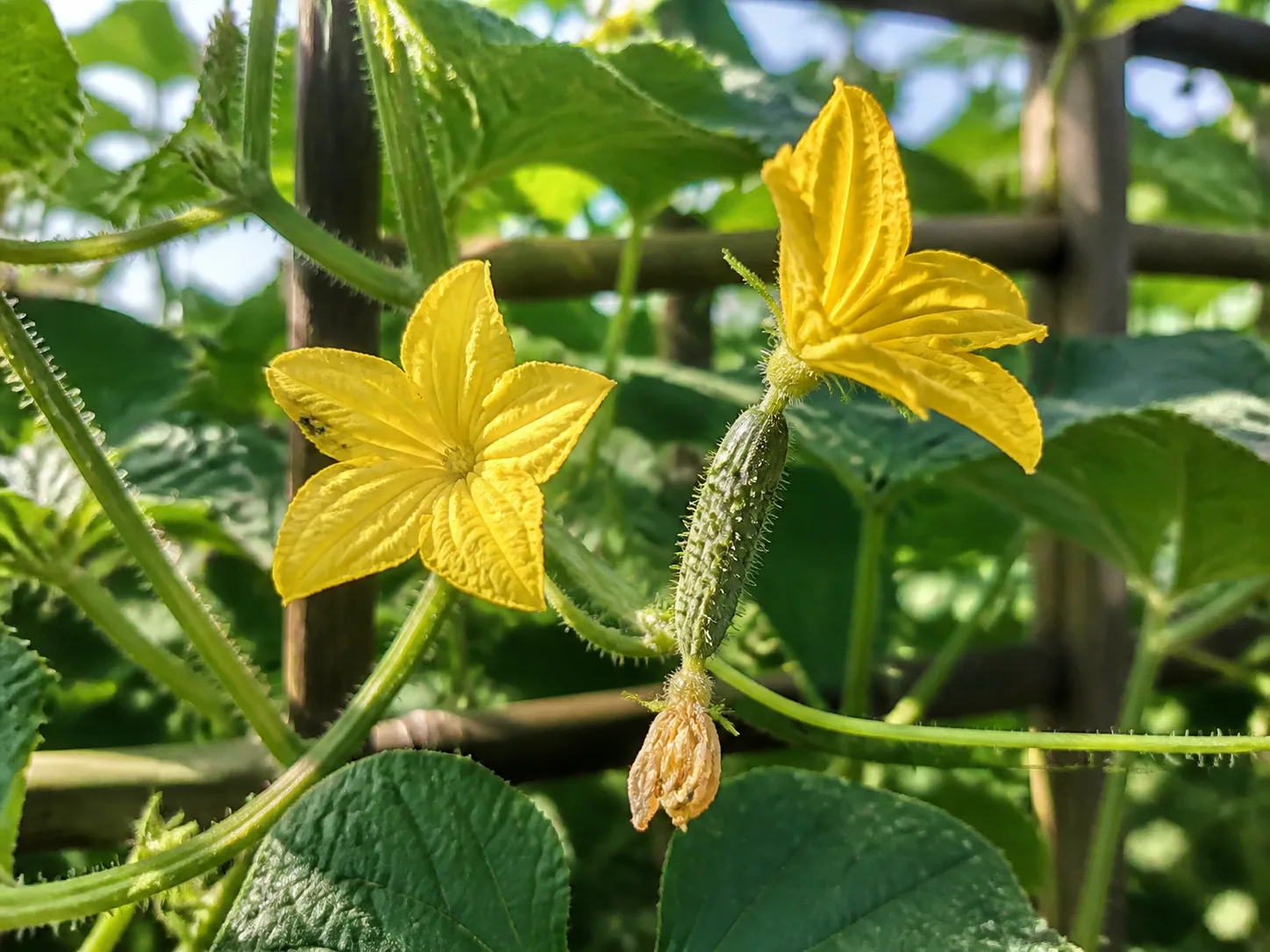
For tomatoes, gently vibrate the flower truss during the active part of the day when flowers are dry. For crops with separate male and female flowers, transfer pollen with a small clean brush or follow the variety’s recommended method. If fruit set is poor across the whole greenhouse, inspect temperature and humidity first; a pollination tool cannot fix a crop that is already heat-stressed.
Install supports before plants become heavy. A cucumber vine or tomato stem is easier to guide while young, and early support prevents you from crushing neighboring leaves later. Keep paths clear enough that you can reach the back of a plant, because inaccessible foliage becomes a blind spot for pests and disease.
Pests, disease, and sanitation
Greenhouses exclude some outdoor problems but create a concentrated indoor habitat for others. Whiteflies, aphids, spider mites, and fungus gnats can spread quickly when plants are crowded, while gray mold and powdery mildew become more likely when foliage stays wet and air cannot move.
Inspect new plants before they enter, quarantine questionable plants, and check leaf undersides every few days. Yellow sticky cards can help you notice flying pests early, but they are monitoring tools rather than a complete control program. Remove fallen leaves, disinfect reused trays, and avoid carrying an infested plant from one bench to another without cleaning your hands and tools.
If a pesticide is needed, read the label for that crop and for greenhouse use. A closed structure changes exposure and re-entry risks, and a product approved for an outdoor crop is not automatically appropriate inside. NC State’s greenhouse vegetable production resources point growers toward integrated pest management, disease-management, and greenhouse screening resources; the practical lesson is to identify the pest or disease before choosing a treatment.
Plan the year in crop waves
The most productive greenhouse is rarely planted with all 12 crops at once. Use the structure in waves so one crop gives way to another as temperature, light, and space change.
Spring jump-start
In late winter and early spring, prioritize seedlings and cool-season greens. Sow lettuce, arugula, kale, and spinach in clean trays or containers, and move warm-season seedlings into the greenhouse only when nights match their needs. A heated propagator can create a small warm zone without forcing the entire structure to run at tropical temperatures.
As spring light strengthens, harden off plants that will move outdoors. This frees benches for tomatoes, peppers, eggplant, cucumbers, mandevilla, and turmeric while preventing seedlings from becoming tall, pale, and root-bound in a crowded greenhouse.
Summer turnover
Summer is when warm-season crops earn their space, but it is also when greenhouse management is most demanding. Tie and prune plants according to their growth habit, harvest often, open vents early, and use shade before heat becomes an emergency. Keep a corner for quick crops only if you can still reach the fruiting plants to inspect them.
When an early crop finishes, remove its roots and fallen debris rather than leaving a dead plant as a pest reservoir. A short crop such as arugula or a fresh sowing of lettuce can occupy the space before a fall crop, provided the bed or container is cleaned and the new plant is healthy.
Fall and winter
As nights cool, replace heat-loving crops with lettuce, arugula, kale, spinach, and other crops suited to your local winter light. Bring in citrus, mandevilla, and orchids only after inspecting them for pests, and keep plants with different humidity or watering needs in separate zones.
An unheated greenhouse can protect cool-season crops but may not sustain active growth through the darkest, coldest weeks. Virginia Cooperative Extension emphasizes that greenhouse production decisions depend on structure, site, crop protocols, pest management, and food safety; for a home grower, that translates to a simple winter audit: if light, heat, or reliable ventilation is missing, choose a crop that tolerates the limitation rather than trying to overpower it.
When a greenhouse is the wrong tool
Do not move a plant into a greenhouse just because the structure looks protective. Large trees, vigorous vines without support, crops that need extensive outdoor pollination, and plants that require a cold dormancy may be easier and healthier in the garden or in a suitable indoor space.
The structure is also the wrong tool when it cannot be monitored. A small greenhouse can overheat in a single sunny morning, and a heater failure can turn a warm crop into a freeze-damaged crop overnight. If you travel often, cannot open vents, have no reliable watering plan, or are unwilling to inspect pests, select hardy crops and use the greenhouse as a seasonal shelter rather than promising yourself year-round production.
Conclusion
The best greenhouse plants are not the most exotic ones; they are the plants whose temperature, light, moisture, and space requirements you can meet consistently. Tomatoes, peppers, eggplant, cucumbers, orchids, mandevilla, dwarf Meyer lemon, succulents, turmeric, lettuce, arugula, kale, and spinach cover a useful range from warm-season harvests to cool-season winter greens.
Start with the structure you have. Put fruiting crops in the brightest, best-ventilated area, give tropical plants a separate microclimate when needed, keep succulents drier, and let cool-season greens carry the shoulder seasons. With a thermometer, clean containers, reliable airflow, and a crop plan that changes through the year, a greenhouse becomes a practical extension of the garden instead of an expensive glass box full of stressed plants.