Wilting on Brahmi: Dry Mat vs Sour Pot Checks
Quick answer
Wilting on Brahmi is usually drought in a shallow creeping mat—Bacopa monnieri is heat tolerant but not drought tolerant. First step: press the mix 1–2 cm deep and lift the pot; a light dry container needs one thorough soak, not another guess.
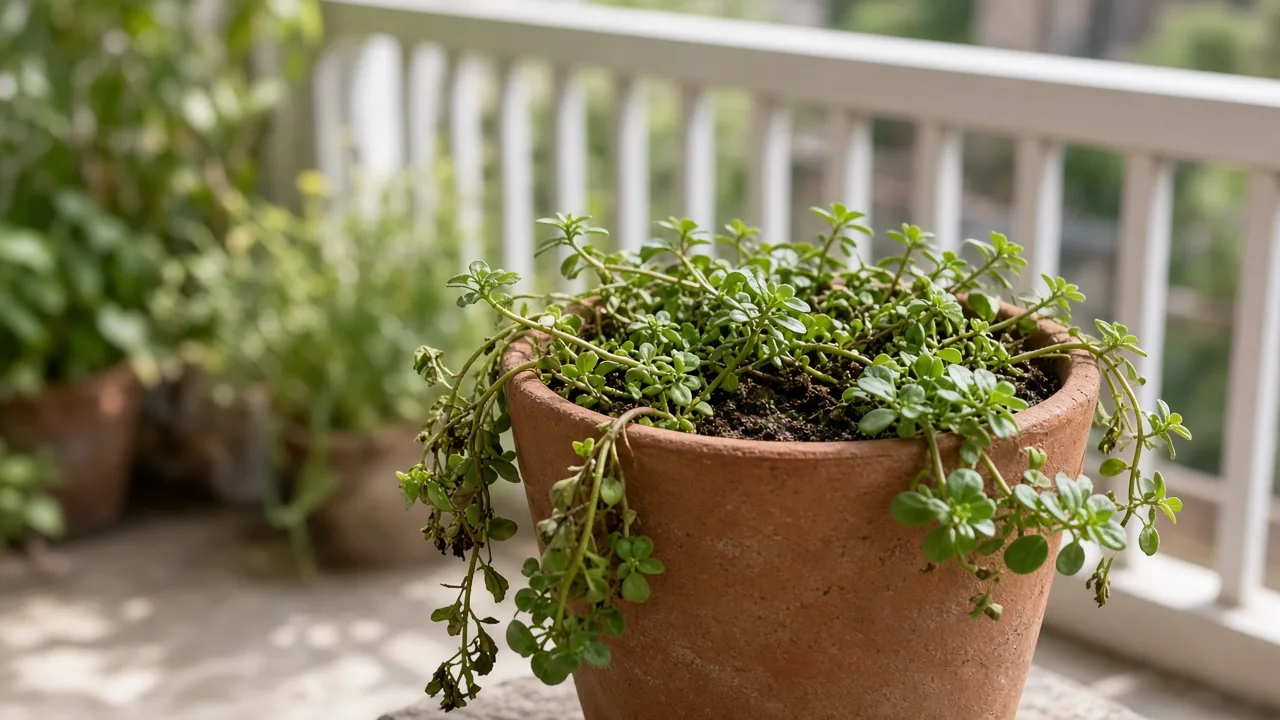
Wilting on Brahmi: Causes, Checks & Fixes
This guide covers wilting on Brahmi. See also the general Wilting guide, watering, and light pages for this plant.
Wilting on Brahmi: Causes, Checks & Fixes
Quick answer
Wilting on Bacopa monnieri is rapid turgor loss on a creeping wetland mat—small thick leaves hang limp along prostrate stems, the basket rim looks flat instead of springy, and several nodes can collapse within a day on a hot balcony. That speed matters. Drooping leaves on Brahmi often build over days as petioles sag; wilting is the emergency version when the whole mat loses firmness together after drought, cold, or root failure.
For how wilting works when soil moisture and root uptake disagree, see our wilting guide. On Brahmi, the first fork is pot weight and the 1–2 cm surface check: a light dry pot with thin limp leaves is drought—not “heat tolerance”; a heavy wet pot with limp leaves on sour mix is uptake failure, not thirst.
First step: press the mix 1–2 cm deep with your finger and lift the container off any saucer or water tray. Do not add water until you know whether the pot is feather-light on dry mix or heavy on saturated, possibly anaerobic soil—and whether stems at the rim feel firm or soft.
When to use this page vs other Brahmi guides
| Pattern | Read next |
|---|---|
| Slow sagging along stems, gradual limp foliage | Drooping leaves |
| Rapid multi-node collapse, pot-weight triage (this page) | Stay here |
| Light pot, dry surface, crispy tips after heat | Underwatering |
| Heavy wet pot, yellowing, stalled spread on damp mix | Overwatering |
| Soft stems, sour smell, mushy roots on wet mix | Root rot |
| Thin pale mat in deep shade after weeks indoors | Not enough light |
| Long-term soak rhythm after the mat stabilizes | Watering guide |
What wilting looks like on Brahmi
On a healthy Brahmi mat in a hanging basket or terrace tray, succulent oval leaves hold a glossy, slightly plump look along creeping stems that root at the nodes. Wilting changes the mat silhouette quickly:
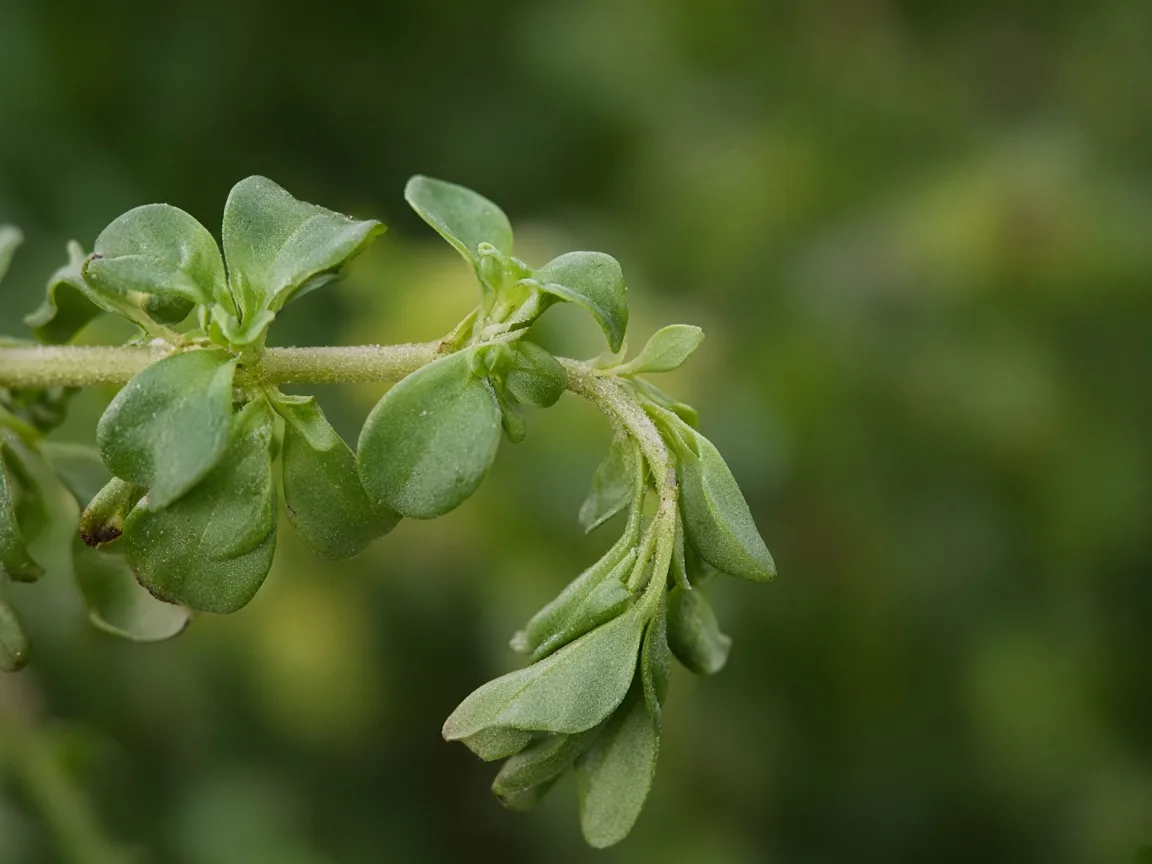
Wilting on Brahmi—limp succulent leaves losing turgor on a creeping stem; rapid mat collapse on a light dry pot usually tracks drought, not “tough heat herb” assumptions.
Drought wilt is the most common misread. Several stems go limp at once while the top 1–2 cm of mix feel dry and the pot lifts feather-light. Leaves look thin and dull, sometimes with brown tips starting at the margins. Rehydration can firm tissue within 24–48 hours if node roots are still white and firm. NC State Extension notes that water hyssop is heat tolerant but not drought tolerant at all—so a wilting Brahmi on dry mix is behaving exactly like a marsh plant, not a succulent.
Wet-soil wilt is the paradox owners miss when they keep soaking. Leaves collapse while mix stays dark, cool, and heavy. A sour smell from drain holes or fungus gnats at the rim fits stagnant, airless containers. Stems may soften at the soil line even though you watered yesterday. Wilting on moist soil often means roots cannot take up water—see overwatering and root rot when tissue turns mushy.
Cold-night flop appears after exposure below about 10°C (50°F) on an outdoor basket. Several leaves wilt suddenly even when mix moisture looked fine the day before. Move to stable warmth and bright filtered light; do not soak cold roots immediately.
Shallow node-root mats and hanging-basket dry-out
Brahmi is not a deep-rooted shrub. It spreads as a creeping mat with fine roots at nodes along the rim and in shallow mix—exactly how NC State describes use in hanging baskets and pots that drape over the edge. In full sun on a warm Indian terrace, a small basket can lose moisture through the exposed rim faster than the center of the pot feels damp.
Signs you are in a rim-dry trap:
- Center mix still feels slightly cool while outer stems wilt first
- Node roots at the basket edge look pale or dry while inner stems stay firmer
- Wilting returns every hot afternoon even though you watered in the morning
First response for rim-dry wilt: one thorough soak until a little water runs from drain holes (or submerge the nursery pot in a tray briefly), then let excess drain. Do not rely on misting leaves—Brahmi moves water through roots, not foliage. After recovery, review soil retention and basket size on the overview.
Water-tray habit vs dry windowsill mistakes
Wild water hyssop grows in moist to wet places such as marshes, stream edges, and muddy shores. Home growers often succeed with a shallow water tray under the pot in peak heat—matching the plant’s wetland habit. Problems start in two opposite setups:
Bone-dry windowsill: Owners treat Brahmi like a tough balcony herb and skip trays. Heat-tolerant leaves still transpire heavily in sun; without constant root moisture the mat wilts in hours. Gardenia.net lists regular moisture as a core need for this species in baskets and containers.
Sealed cachepot with stale tray water: A decorative outer pot holds stagnant water for weeks. Mix turns sour; stems collapse on wet soil. Refresh tray water every few days, keep drain holes open, and empty cachepots after soaking—do not trap anaerobic mix while leaves still look “well watered.”
Confirm Bacopa monnieri before you blame “brahmi”
In parts of India the name brahmi is sold for Centella asiatica (gotu kola) as well as Bacopa monnieri. Centella can tolerate brief dry-down differently; Bacopa cannot. If your plant has rounded pennywort leaves on long petioles, you may not be growing water hyssop at all.
For Bacopa monnieri, expect:
- Thick succulent oval leaves on creeping stems without long leaf stalks
- Small white (sometimes pink-tinged) flowers in active growth
- Rapid spread when warm and wet—Gardenia.net describes fast growth in moist to wet soils
Wilting on mislabeled stock still needs moisture correction, but the soak frequency that saves Bacopa may drown or confuse care for a different species. Confirm the label before you copy drought advice from another “brahmi” post.
How to confirm the cause
Work through one branch at a time—do not fertilize, repot, and drench on the same day.
| Check | Drought wilt | Wet-soil wilt / rot | Cold-night wilt |
|---|---|---|---|
| Pot weight | Light | Heavy, cool | Moderate |
| Top 1–2 cm | Dry, pale | Damp, dark | Often moist |
| Stem feel at rim | Firm | Soft or dark on wet mix | Firm unless rot preceded cold |
| Smell at drains | Neutral | Sour possible | Neutral |
| Timeline | After heat / missed soak | Days in sealed wet pot | Morning after cool night |
| Next page | Underwatering | Root rot if mushy | Warmth first; then watering |
The first fix to try
Your first action depends on finger depth and pot weight—one move only:
Light dry pot + limp mat: water thoroughly until a little runs from drain holes, then discard runoff within 30 minutes. For baskets, you can bottom-soak the nursery pot in a tray for 10–15 minutes, then lift to drain. Wait 24 hours and re-check turgor on outer stems.
Heavy wet pot + limp leaves: stop all watering. Move the pot to brighter filtered air (not scorching midday sun) so the top 1–2 cm can begin drying. Empty cachepots and refresh any water tray with clean water—do not “rescue” with another soak. Recheck stem firmness at the rim in 24 hours. If tissue softens further, follow root rot salvage.
Firm stems + cold-night wilt: warm the root zone and wait before watering. If leaves remain limp on dry mix after 48 hours in stable warmth, use the light-pot branch above.
Step-by-step recovery after the first fix
Drought recovery:
- One soak-drain cycle, then maintain the watering guide rhythm—surface barely dry at 1–2 cm, not bone dry through the mat.
- Add a shallow tray in peak heat if the balcony dries the rim daily.
- Trim crispy tips only after new growth looks steady; they rarely re-green fully.
Wet-soil recovery (stems still firm):
- Hold water until the top 1–2 cm feel dry.
- Improve airflow around the pot; refresh stagnant tray water.
- When you resume, soak once and drain fully—see overwatering for chronic patterns.
Wet-soil recovery (soft stems): follow root rot—trim mush, refresh airy moist mix, salvage firm stem cuttings with nodes.
Cold recovery: stable warmth and bright indirect light for several days; avoid repotting until new nodes root.
Recovery timeline and what improves first
Mild drought wilt on firm stems often shows firmer outer leaves within 24–48 hours after one good soak. Wet-soil wilt may take one to three weeks of corrected moisture before the mat spreads again. Advanced rot may not be reversible—judge progress by new roots at nodes and spreading stems, not by every collapsed leaf standing upright.
Getting worse: spreading softness at the rim, sour smell intensifying, tip wilt on a heavy wet pot after you kept watering, or total mat collapse within 48 hours on saturated mix.
Mistakes to avoid
- Assuming heat tolerance means drought tolerance on Bacopa monnieri
- Watering a wilting Brahmi on a heavy wet pot because leaves “look thirsty”
- Keeping Brahmi on a dry windowsill without tray support in peak sun
- Letting stale tray water stagnate in a sealed cachepot
- Fertilizing a limp mat before moisture and root diagnosis
- Repotting, hard pruning, and pesticide on the same day—remove one stressor first
How to prevent wilting next time
Align irrigation with how fast your basket dries in sun: moist to wet soil is normal for this species, but stagnant anaerobic mix is not. Water when the surface starts to feel barely dry at 1–2 cm; use trays in heat; refresh standing water regularly. Pair strong light with more frequent checks—not less water—per the light guide. Protect from frost and cold dry winds below about 10°C. Scout the rim weekly during heat waves when low humidity compounds transpiration loss.
Brahmi care cross-check
- Light — Full sun to partial shade is ideal, but sun without moisture triggers fast wilt; see light guide.
- Pests — Patchy wilt on one side may follow sap feeders; check aphids and spider mites if stems are firm and mix moisture looks normal.
- Problems hub — Browse all Brahmi problems when symptoms overlap.
Related Brahmi guides
- Brahmi overview — wetland habit, trays, and label notes for Bacopa monnieri
- Brahmi watering — daily heat rhythm and surface dry-down checks
- Brahmi soil — moisture-retentive mix without sealed anaerobic pots
- Drooping leaves — slower limp foliage with wet-vs-dry routing
- Underwatering — light pot and dry surface mix
- Overwatering — chronic wet mix before collapse
- Root rot — mushy roots and stem salvage
- Brahmi problems — full problem list for this species
Conclusion
Wilting on Brahmi is a moisture and mat-depth problem on a creeping wetland herb—not proof the plant always needs less care because it tolerates heat. Press the mix 1–2 cm, lift the pot, and match one first fix to dry roots, sour wet roots, or cold stress. Recovery shows up in new firm leaves and roots at spreading nodes; collapsed older tissue may never look perfect again—and that is normal when you caught the issue in time to save the mat.
Related tool
Use the Plant Watering Calculator to narrow causes for wilting on this plant before changing multiple variables at once.