Drooping Spinach Leaves: What to Check First
Quick answer
On true spinach, drooping leaves most often point to a dry shallow root zone or temporary heat stress; soggy soil with persistent wilt raises concern about root rot. Check soil moisture first: water at the base if the root zone is dry, but give a heat-wilted plant afternoon shade without adding water to already moist soil.
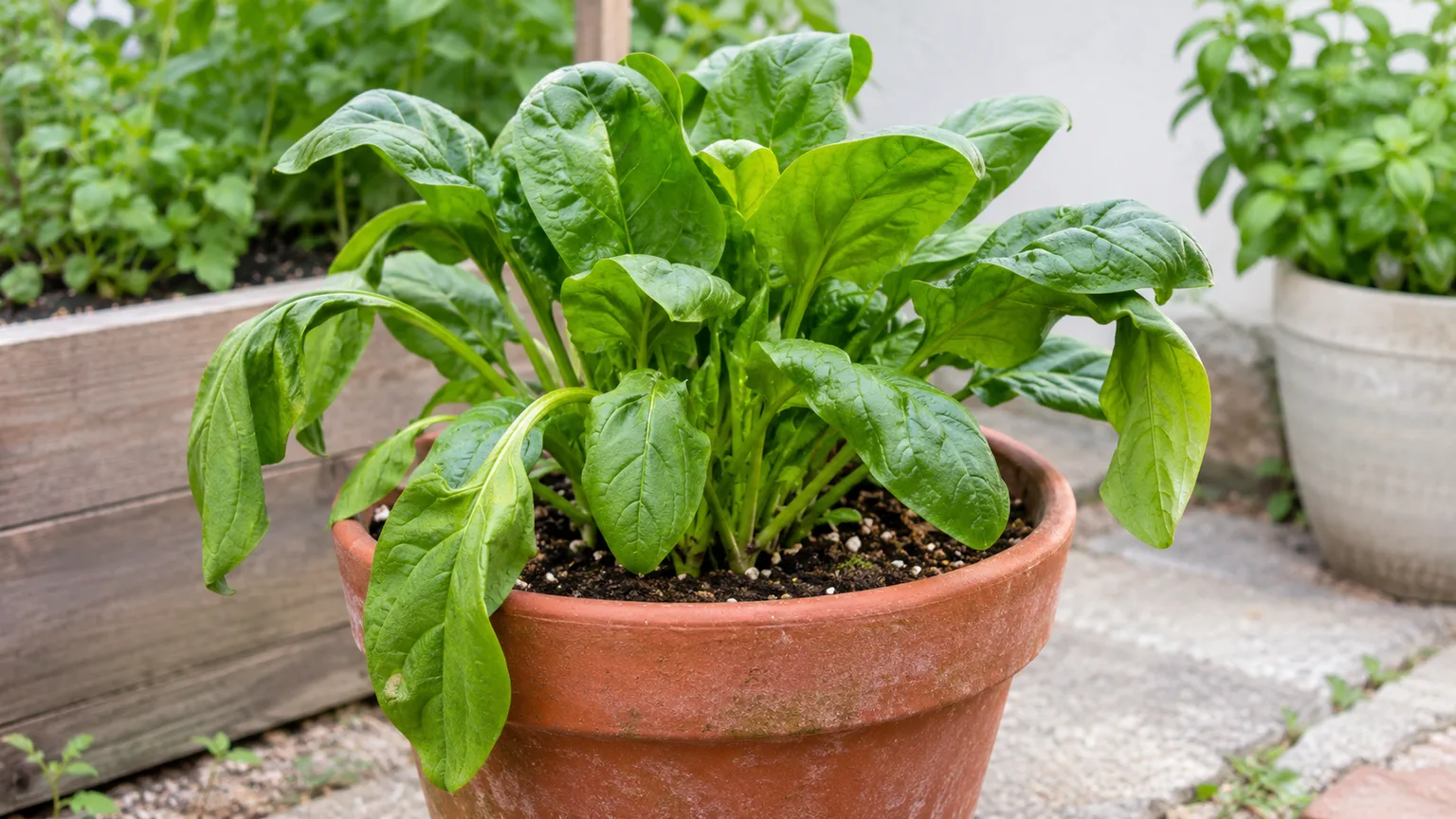
Drooping Leaves on Spinach: Causes, Checks & Fixes
This guide covers drooping leaves on Spinach. See also the general Drooping Leaves guide, watering, and light pages for this plant.
Drooping Leaves on Spinach: Causes, Checks & Fixes
1. Search Intent
Readers want to know whether limp spinach leaves need water, shade, or disease checks, and how to act without worsening the problem.
2. SEO Title Planning
- Curiosity-driven: Why Are My Spinach Leaves Drooping? Check These Causes First
- Straightforward: Drooping Leaves on Spinach: Causes and Fixes
- Benefit-driven: Save Drooping Spinach Leaves with the Right First Check Best: Drooping Leaves on Spinach: Causes and Fixes — clear phrasing that matches the diagnosis and action intent.
3. Meta Description Planning
- Learn why spinach leaves droop and how to tell dry soil, heat stress, and root trouble apart before you water.
- Diagnose drooping spinach leaves with simple soil, weather, crown, and pest checks, then choose a safe first fix.
- Find the right first step for limp spinach leaves, from watering dry shallow roots to shading plants during heat. Best: Learn why spinach leaves droop and how to tell dry soil, heat stress, and root trouble apart before you water. It emphasizes the key diagnostic fork.
4. Primary and Supporting Keywords
- Primary: drooping leaves on spinach
- Supporting: spinach wilting, limp spinach leaves, spinach heat stress, spinach underwatering, spinach overwatering, spinach root rot, spinach shallow roots, spinach watering, spinach leaves drooping in afternoon, spinach bolting, spinach crown rot
5. NLP Entities
Spinacia oleracea, palak, rosette, shallow roots, crown, root zone, cool-season crop, bolting, heat stress, soil moisture, drainage, root rot, downy mildew, aphids, flea beetles, afternoon shade.
6. People Also Ask Questions
- Why are my spinach leaves drooping?
- Should I water spinach when it wilts?
- Why does spinach wilt in the afternoon?
- Can overwatering make spinach droop?
- How do I recognize spinach root rot?
- Will wilted spinach leaves recover?
- Does heat make spinach leaves limp?
7. E-E-A-T Signals
The guide prioritizes a shallow-root moisture check, distinguishes afternoon heat response from persistent wet-soil wilt, and uses extension references for spinach-specific pest and disease symptoms.
8. Featured Snippet Opportunities
- Paragraph: the first soil check before watering
- Table: dry-soil, heat, and root-damage patterns
- List: spinach-specific warning signs of root rot
9. Helpful Content Checklist
It adds a true-spinach diagnosis shaped by its shallow roots, cool-season growth, and rosette crown. Readers can choose one initial action, avoid adding water to wet soil, and recognize when disease or feeding damage needs a different diagnosis.
- Why Are My Spinach Leaves Drooping? Check These Causes First
- Drooping Leaves on Spinach: Causes and Fixes
- Save Drooping Spinach Leaves with the Right First Check
Drooping Leaves on Spinach: Causes and Fixes
- Learn why spinach leaves droop and how to tell dry soil, heat stress, and root trouble apart before you water.
- Diagnose drooping spinach leaves with simple soil, weather, crown, and pest checks, then choose a safe first fix.
- Find the right first step for limp spinach leaves, from watering dry shallow roots to shading plants during heat.
Learn why spinach leaves droop and how to tell dry soil, heat stress, and root trouble apart before you water.
- H1: Drooping Leaves on Spinach: Causes and Fixes
- H2: What drooping looks like on true spinach
- H2: Check the shallow root zone before watering
- H3: Dry soil versus saturated soil
- H2: Afternoon heat wilt in a spinach rosette
- H2: When wet soil points to root rot
- H2: Other spinach-specific lookalikes
- H2: The first fix to try
- H2: Recovery and when to remove a plant
- H2: Prevent wilt through cool-season spinach care
- H2: Related Spinach guides
- H2: When to use this page versus other Spinach guides
Drooping Leaves on Spinach: Causes and Fixes
If true spinach (Spinacia oleracea) has limp leaves, first check the soil beside the plant’s shallow roots. For a broader overview of common causes, see the drooping-leaves guide. Water at the base if that root zone is dry. If the soil is moist and the leaves droop only during a hot afternoon, shade the rosette and check it again the next morning instead of watering again. Spinach wilting while the soil stays wet needs a different check: the roots or crown may be damaged.
What drooping looks like on true spinach
Spinach leaves form a low rosette, with new leaves emerging from the center and older leaves spreading outward. With water stress, individual leaves and their stems lose firmness and sag; if the whole plant stays limp, compare soil moisture and recent weather before deciding why. A loose outer leaf after harvest is different from a persistently soft center or a plant that keeps wilting overnight.
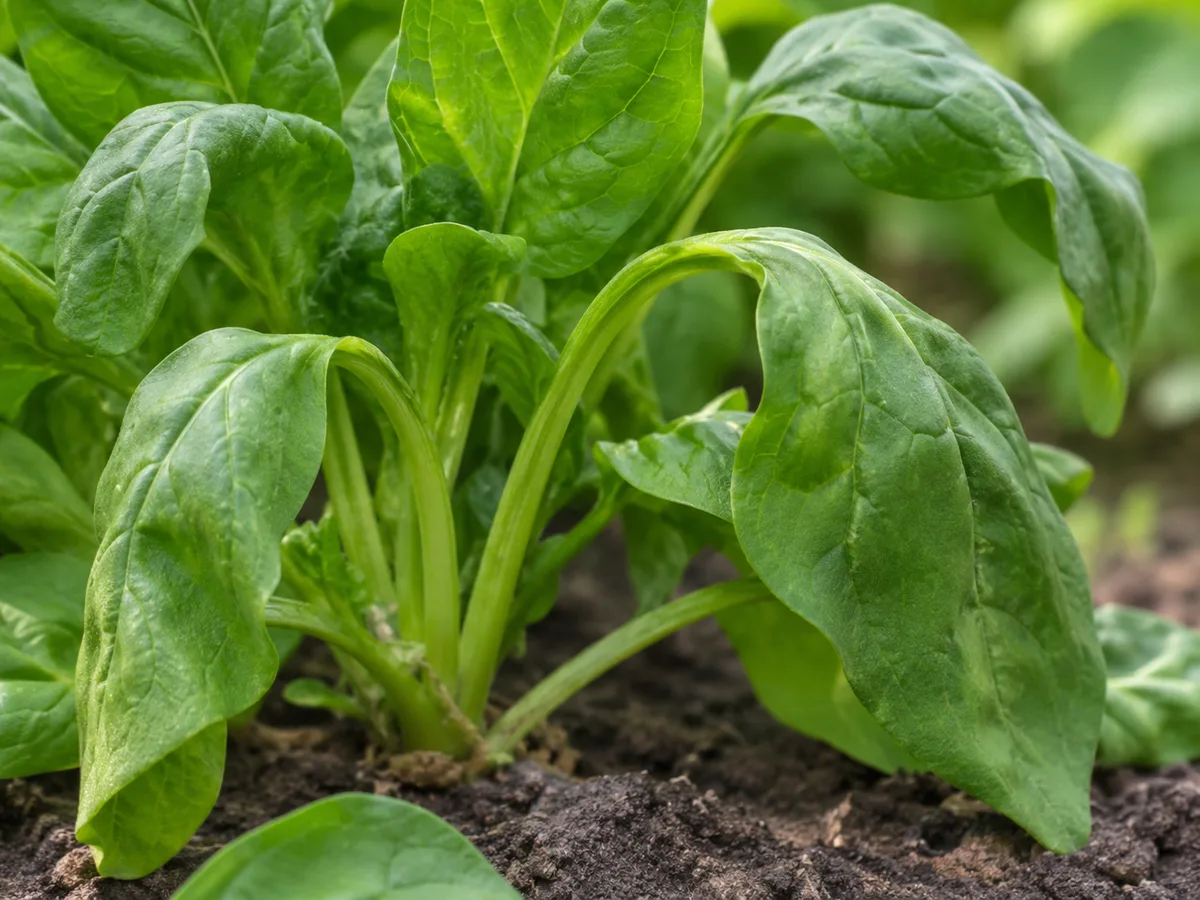
A drooping spinach leaf is a clue, not a watering instruction: check moisture and heat exposure before acting.
Spinach is a fast-growing, shallow-rooted cool-season crop. It needs steady moisture, but a constantly saturated root zone can also impair roots; its preference for moist, well-drained soil and cooler growing conditions is reflected in NC State Extension’s spinach profile.
Check the shallow root zone before watering
Press a finger about 1–2 cm into the soil beside the plant, not against the crown. In a container, also lift the pot to judge whether it is much lighter than usual. Spinach’s shallow roots can run short of water quickly in a small pot, a raised bed, or warm, windy weather. Spinach-specific growing guidance also emphasizes consistent moisture because the roots stay near the surface (Gardening Know How).
Dry soil versus saturated soil
Dry soil that feels powdery or has pulled from a container’s edges supports underwatering. Water slowly at the soil line until the root zone is evenly moist and excess can drain; avoid a brief sprinkle that wets only the surface. Then check the plant later rather than adding several rounds of water at once.
If soil is wet, sticky, or slow to drain, do not water more. Persistent wilt in wet soil can mean roots are not taking up water. The extension diagnosis for spinach root rot describes yellowing followed by wilt and roots with dark sunken areas or few root hairs (University of Minnesota Extension). In wet soil, drooping can be a root problem even though the top growth appears thirsty; Gardening Know How explains this lookalike.
Afternoon heat wilt in a spinach rosette
When the soil is moist and spinach droops mainly in the hottest part of the day, heat and rapid water loss may temporarily outpace what the roots supply, as described in this practical heat-wilt guide. If the leaves firm up by evening or the following morning, that pattern is more consistent with temporary heat stress than a persistently dry root zone. NC State notes that spinach tolerates partial shade and that shade can help in hot weather (NC State Extension).
Move a container to light afternoon shade or use temporary shade over a bed. Do not keep spinach in deep shade all day, and do not soak already moist soil. True spinach also responds to heat and lengthening days by bolting: a flower stalk rising from the center signals the crop is moving toward flowering, not simply asking for more water. For the broader watering diagnosis, see the spinach watering guide.
When wet soil points to root rot
Look for a combination of warning signs: wilt that persists overnight, lower leaves turning yellow, a soft or darkened crown, and roots that look dark and sunken rather than firm. The University of Minnesota’s spinach diagnosis describes root-rot symptoms and helps distinguish them from leaf diseases. Do not pull up an entire garden row just to inspect one limp leaf. For a container plant with persistent wilt in wet mix, slide out the root ball gently only when the plant has the other warning signs; remove badly decayed material and correct the drainage problem. For general root damage signs and recovery steps, see the root-rot guide.
Other spinach-specific lookalikes
Droop is not enough to diagnose a pest or disease. Check the leaves before treating:
| What you see | More likely explanation | Next check |
|---|---|---|
| Plant wilts with dry soil, especially in a small pot | Root zone dried out | Water evenly at soil level and reassess |
| Leaves droop in afternoon heat but recover after cooling | Temporary heat stress | Shade during the hottest hours and check in the morning |
| Plant wilts while soil remains wet, with yellow lower leaves | Root damage or root rot | Check drainage and, if container-grown, inspect roots gently |
| Small irregular holes and shallow pits with wilt | Flea beetle feeding | Inspect leaf surfaces for shot-hole damage |
| Clusters of small insects under leaves, with curling or stunting | Aphids | Look on undersides and growing points |
| Yellow leaf spots with fuzzy gray growth underneath | Downy mildew | Check both surfaces of affected leaves |
University of Minnesota Extension lists heavy flea beetle feeding and larger aphid populations among spinach problems that can cause wilt or related damage (spinach plant-wilt diagnosis). Its spinach leaf-disorder guide describes downy mildew as yellow upper-surface spots with fuzzy growth below. Use the Spinach aphids guide if insects are present, and the general overwatering guide if the soil stays wet.
The first fix to try
Choose one response based on the soil check. If the shallow root zone is dry, water slowly at the base and let excess drain. If it is moist and the wilt is limited to hot afternoons, provide temporary afternoon shade and wait until the next morning to reassess. If it is wet and the plant remains wilted, stop watering while you check drainage and the crown for rot signs.
Avoid fertilizer as a rescue treatment; it does not correct dry soil, heat stress, or damaged roots. Avoid cutting the central growing point: spinach grows new leaves from the rosette center, and removing it can end the plant’s harvest. Keep harvests to outer leaves and leave the crown intact.
Recovery and when to remove a plant
Leaves that have wilted briefly may regain firmness after the root-zone or heat problem is corrected. A leaf that has yellowed, rotted, or been badly damaged may not become harvestable again, so judge recovery by whether the center remains firm and later leaves emerge without fresh wilt. A plant with a soft crown and extensive dark, decayed roots may not recover; remove it rather than letting it remain in a persistently wet container.
Spinach is an annual crop with a short harvest window. If heat has triggered a flower stalk, correcting water will not return the plant to its earlier leafy stage. Harvest sound outer leaves if they remain suitable, then sow a new cool-season batch when conditions allow.
Prevent wilt through cool-season spinach care
Grow true spinach during the coolest practical part of the season, not as though it were heat-loving Malabar spinach. Keep the shallow root zone evenly moist and well drained; check containers more often than in-ground plants. A thin mulch between plants can slow surface drying, but keep the crown uncovered and avoid making the bed waterlogged. The Spinach soil guide covers drainage and moisture balance, and the Spinach light guide explains seasonal sun and shade.
In warm weather, site spinach where it gets morning light and some afternoon protection. Avoid crowding plants so leaves dry after rain, and water at soil level when practical. Check the underside of leaves and the rosette center as you harvest; early signs of aphids, chewing, or disease call for a different response from watering.
Related Spinach guides
Use the Spinach overview for the crop’s full growing cycle and the Spinach problems hub to compare symptoms. For a wilt pattern tied to dry soil, read the general underwatering guide; for wet soil and yellowing, see the general root-rot guide. Use this drooping-leaves page when the leaves hang down and you need to distinguish water, heat, root, or feeding causes. The Spinach pruning and harvest guide explains how to pick outer leaves while preserving the center.
When to use this page versus other Spinach guides
Use this guide when the main sign is limp or hanging foliage. If you see dry soil and crisp edges, follow the underwatering guide; if soil remains wet or the crown softens, use the root-rot guide. For yellow patches or pale leaves without droop, compare the general yellow-leaves guide before changing the watering routine.
Use the Plant Problem Diagnosis Tool to compare likely causes of drooping on Spinach; confirm its suggestion against the soil and leaf checks above.
FAQ 1 Question: How do I tell whether drooping spinach needs water? Answer: Check the soil beside the rosette about 1–2 cm down and compare the pot’s weight with its usual weight. Water slowly at the soil line if that shallow root zone is dry; if it is wet, do not add more water just because the leaves hang down.
FAQ 2 Question: Why does my spinach droop in the afternoon but recover later? Answer: A spinach plant that droops during a hot afternoon while its soil remains evenly moist may be responding to heat, then recovering as conditions cool. Give it temporary afternoon shade and check it again the next morning before watering.
FAQ 3 Question: Can spinach recover from drooping leaves? Answer: Leaves that have wilted briefly may firm up after the cause is corrected, but badly damaged or yellowing leaves may not return to normal. Look for the center of the rosette to stay firm and for later leaves to emerge without continuing wilt.
FAQ 4 Question: When should I worry about root rot in spinach? Answer: Persistent wilt despite wet soil, yellowing lower leaves, a soft crown, or dark, sunken roots are warning signs. Improve drainage and remove severely diseased container plants; avoid repeatedly watering or disturbing field-grown roots without evidence.
FAQ 5 Question: How can I prevent spinach leaves from drooping again? Answer: Grow true spinach in cool weather, keep its shallow root zone evenly moist but drained, and use light afternoon shade as temperatures climb. Check containers more often than beds because their smaller soil volume can dry quickly.