Stop False Spring From Setting Your Garden Back Weeks
False spring sets gardens back weeks. See when to start seeds, sow outdoors, prune shrubs, and what safe March chores actually look like.
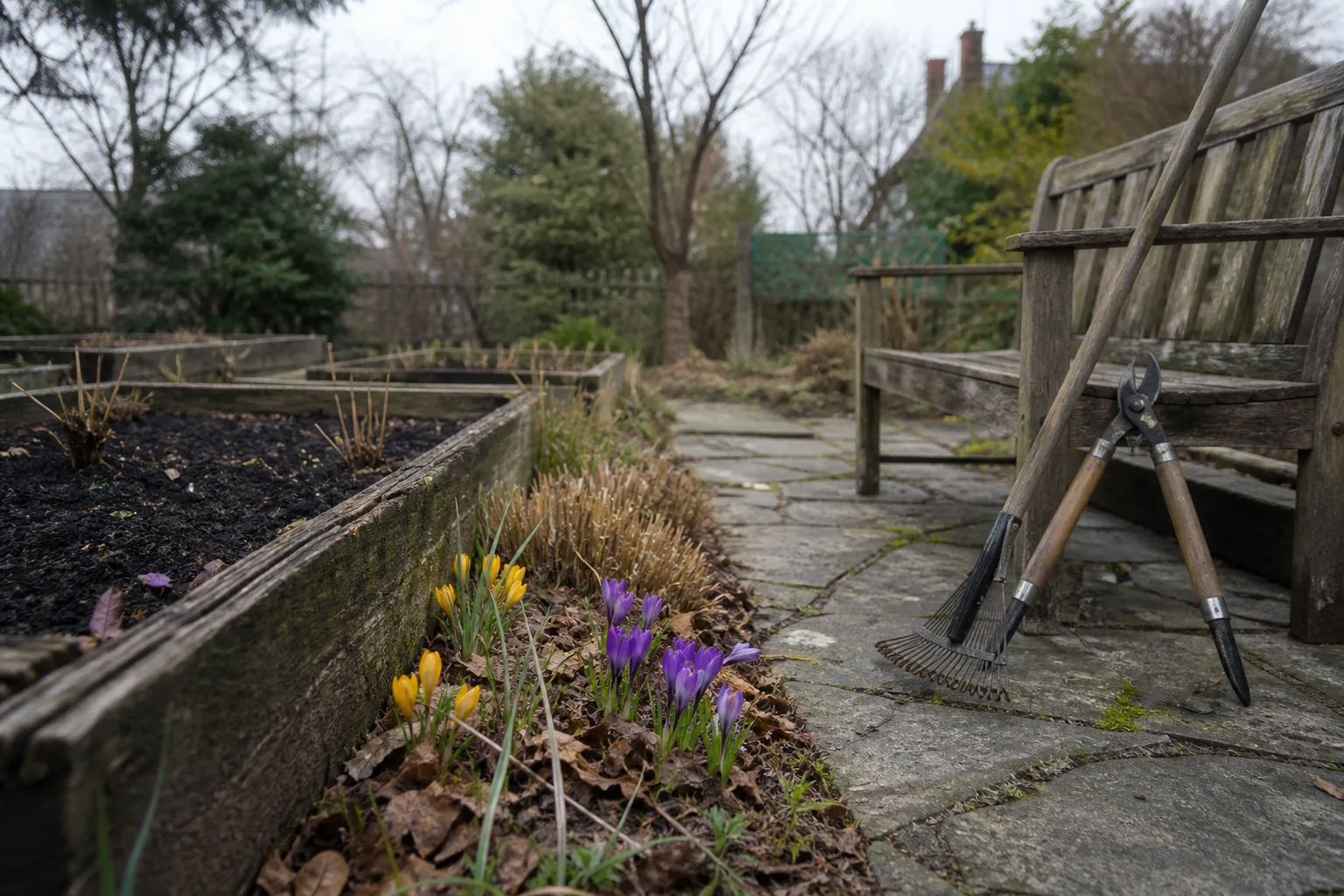
A 68°F afternoon in March feels like permission to finally garden again. Boots come off the porch, seed packets surface from the junk drawer, and pruning shears look newly purposeful. That weather is real—but false spring is the trap hiding inside it: a short warm spell that tricks plants and people into acting like winter is over, followed by cold that can freeze buds, stall seeds, and turn weeks of indoor seedling work into compost.
What False Spring Actually Means for Your Garden
False spring describes a period of unseasonably warm days early in spring—often in late February or March—followed by a return to freezing or near-freezing nights. Research on temperate plants treats these late spring freeze events as a major stress factor that can limit where species survive and cause high ecological and economic damage when buds and tender tissue are exposed (Rethinking False Spring Risk, PMC). Your yard is a small slice of that pattern every time magnolia petals open three weeks early and a hard frost follows.
The damage is rarely dramatic overnight collapse. It is quieter: fewer flowers, patchy germination, seedlings that never recover vigor, and shrubs that look fine in April but bloom thinly in May. The setback is measured in lost weeks because you cannot rewind bud development or un-compact soil you tilled when it was saturated.
Warm Air Arrives Before Warm Soil
Air temperature spikes first. A south-facing raised bed against a brick wall can feel like summer while the soil two feet away in shade still reads 42°F at four inches deep. Soil warms slowly because it holds water, sits below insulating snow or mulch, and loses heat overnight. The USDA NRCS Soil Climate Analysis Network (SCAN) tracks soil temperature at standard depths across agricultural regions—useful proof that ground conditions lag well behind what your jacket tells you on a sunny walk.
Microclimate beats zip code. Test the exact bed you plan to use, in the morning, at 2–4 inches depth—the zone where most vegetable seeds germinate. A porch thermometer or weather app reading is not a planting license. For a full moisture-and-structure checklist beyond temperature, see how to tell if soil is ready for spring planting.
Why Early Bud Break Costs You Flowers
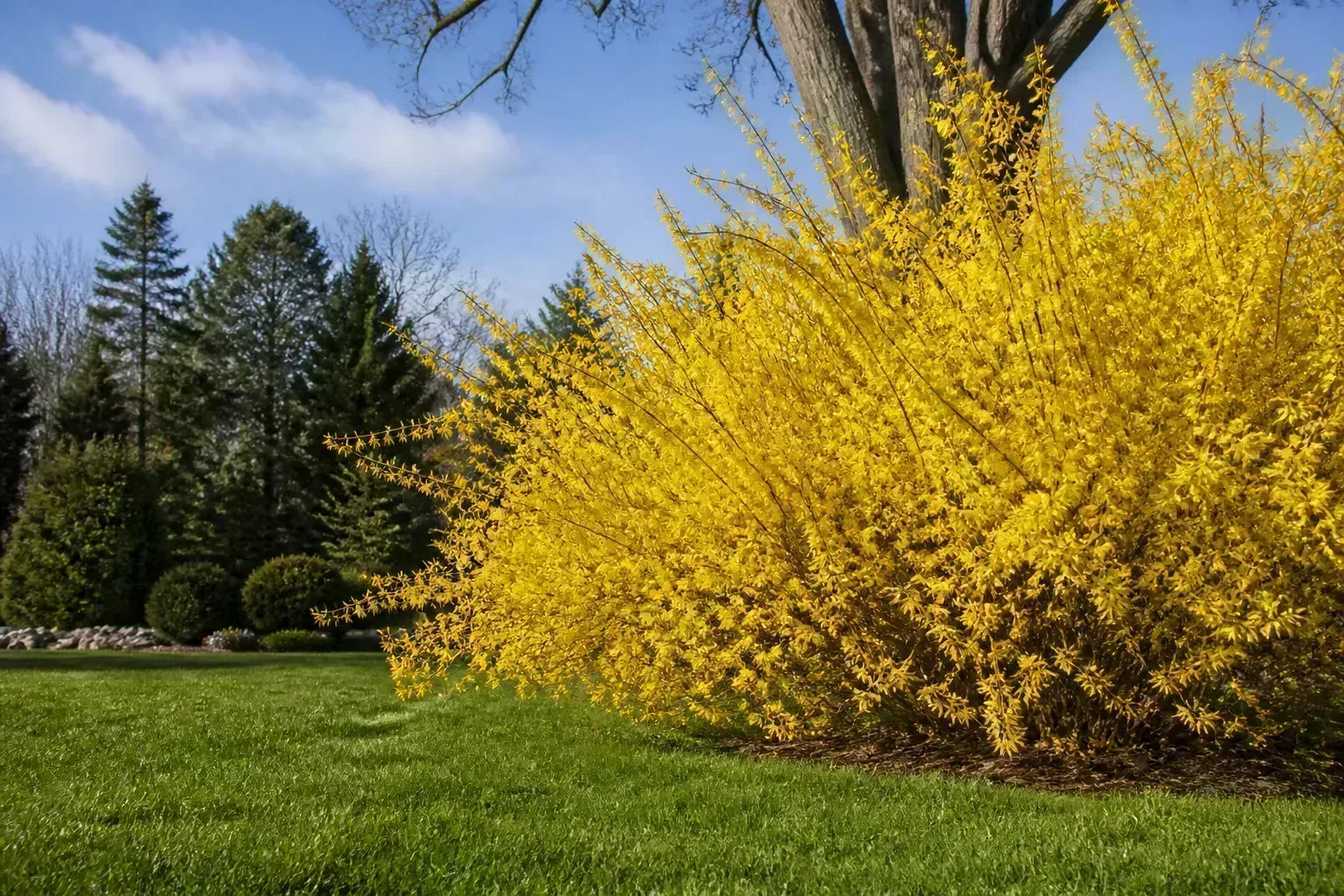
Woody plants that bloom early—magnolias, forsythia, some cherries and apricots—respond to cumulative warmth, not the calendar. When false spring accelerates bud swell, flower tissue becomes vulnerable to frost that would have harmed only dormant buds a week earlier. You lose this year’s show; in severe cases, fruiting wood on marginal species suffers too.
There is little rescue once open blooms freeze. Prevention is timing and placement: avoid planting marginally hardy early bloomers in frost pockets, and do not prune spring-flowering wood in a panic after damage—that often removes the buds that would have bloomed next year on old wood.
The 5 March Mistakes Warm Weather Triggers
Warm March weather does not create new gardening rules. It amplifies the same timing mistakes that cost gardeners every year, with extra emotional pressure because winter felt long.
Starting Seeds Indoors Too Early
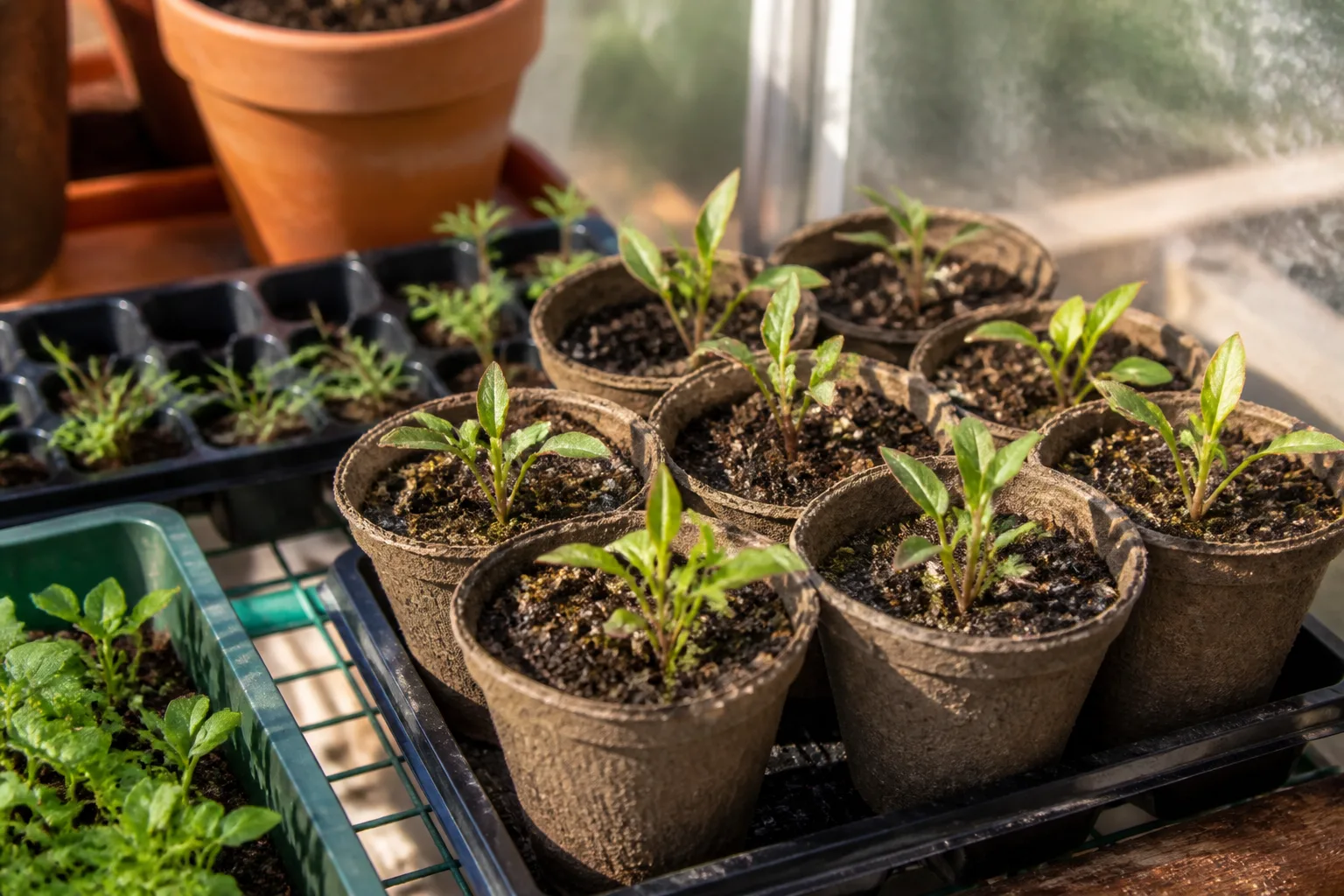
Indoor seed starting saves money and extends the season only when sow dates align with outdoor planting weather. Start too early and seedlings become leggy: tall, weak stems, small leaves, and roots that circle the pot long before nights are safe outside. Tomatoes and peppers started eight weeks before a May last-frost date often need a second sowing or accept stunted transplants.
The workable rule: count backward from your target outdoor planting date (last frost plus a small buffer if you are cautious), subtract 6–8 weeks for tomatoes and peppers, and subtract another 7–10 days for hardening off before permanent outdoor placement. Stagger sowings by a week if you have extra seed—insurance against a false start indoors. For cool-region March windows, seeds to start now for May planting walks through the math zone by zone.
Ohio State Extension’s Fairfield County Master Gardeners note that crops differ sharply in minimum soil temperatures for germination—even indoors, cool germination species can be sown earlier than heat lovers, but heat lovers started in cold basements without supplemental warmth simply sit (OSU Extension: soil temperature before planting).
Sowing Outdoors Before Soil Temperatures Match Your Crop
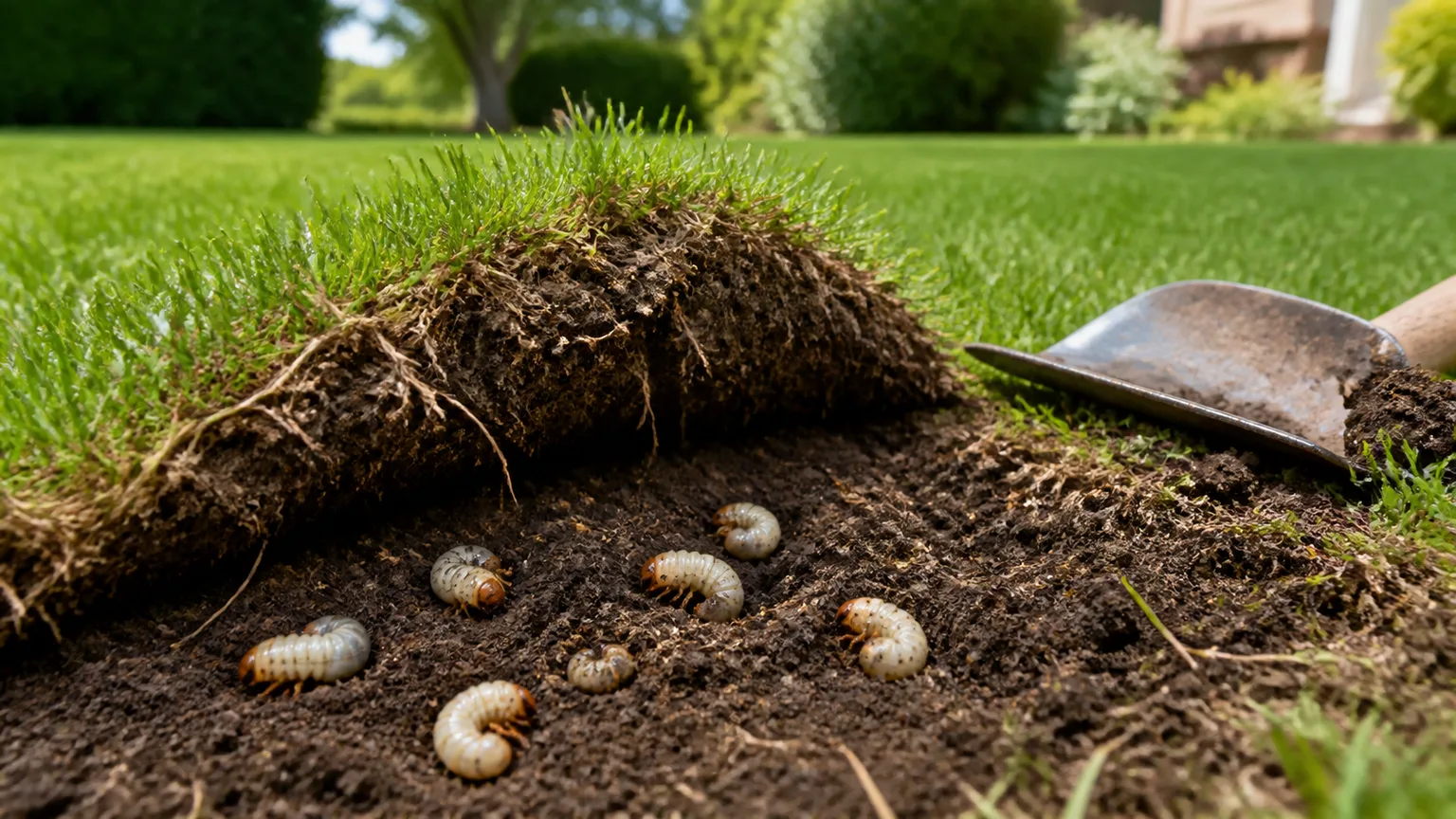
Workable soil is not the same as plantable soil. You might crumble a handful after thaw without smearing clay, but if the thermometer at seed depth reads 45°F, cucumber and bean seed will largely wait—and sit vulnerable to rot, birds, and crusting.
Ohio State’s summary aligns with standard extension tables: spinach can germinate near 38°F soil; lettuce, onions, and peas prefer roughly 42–43°F; broccoli, cabbage, beets, and carrots around 40°F; potatoes about 45°F; tomatoes, cucumbers, and pumpkins want roughly 58–60°F (OSU Extension soil temperature guidance). Legend says plant potatoes on St. Patrick’s Day; thermometers say wait until the ground actually cooperates.
If structure tests fail—sticky clods, deep muddy footprints—stay off the bed even when air feels glorious. Planting or tilling wet soil compacts pore space for the season. Signs your garden soil isn’t ready for planting covers the squeeze and footprint tests that stop false-spring enthusiasm at the bed edge.
Pruning Spring-Blooming Shrubs on a False Spring Day
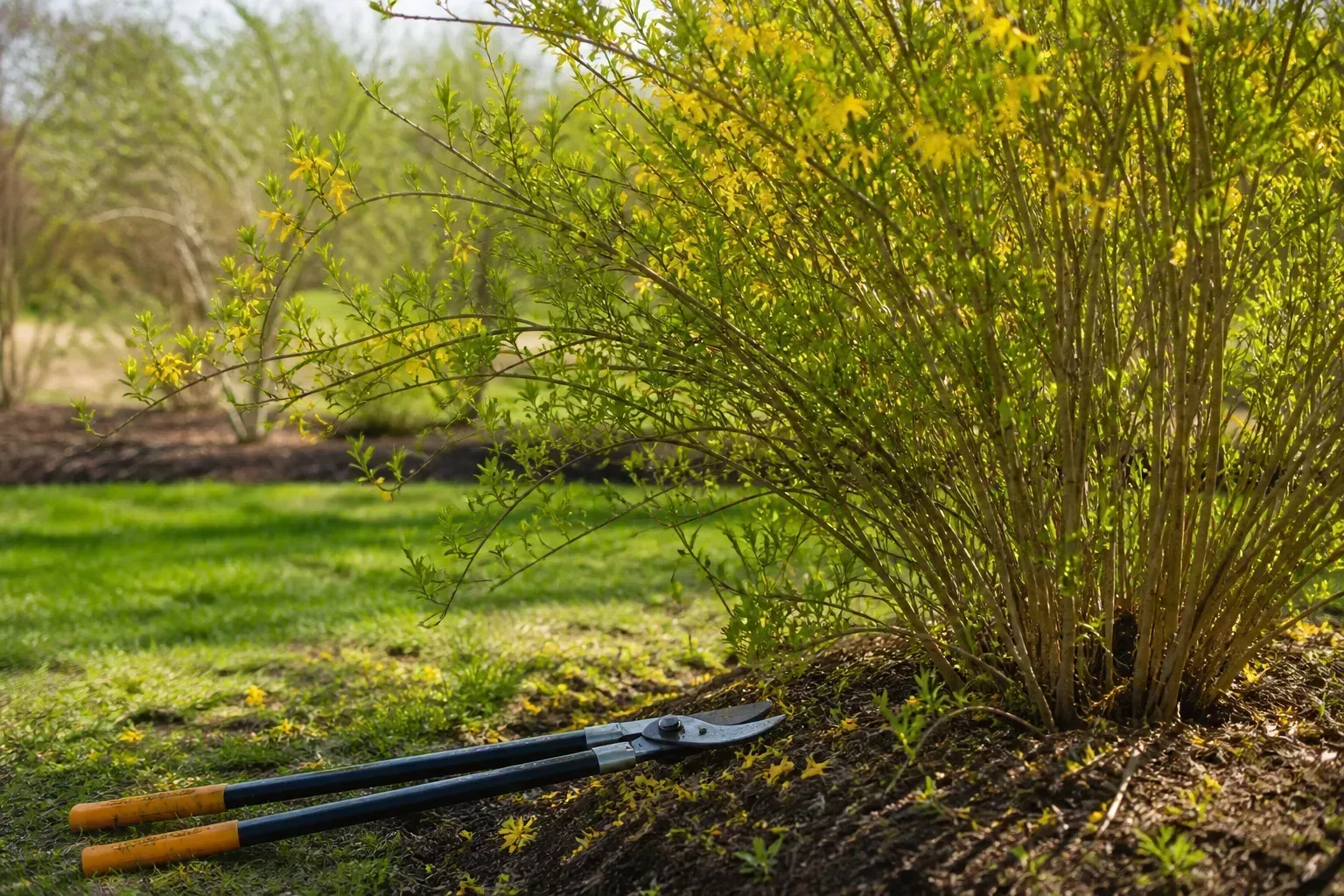
Balmy March afternoons make pruning feel virtuous. For many beloved shrubs, it is flower theft. Penn State Extension’s pruning guidance states that spring-blooming shrubs should be pruned soon after they finish flowering because most bloom on old wood—they set next year’s flower buds shortly after this year’s bloom ends (Penn State Extension: pruning flowering shrubs).
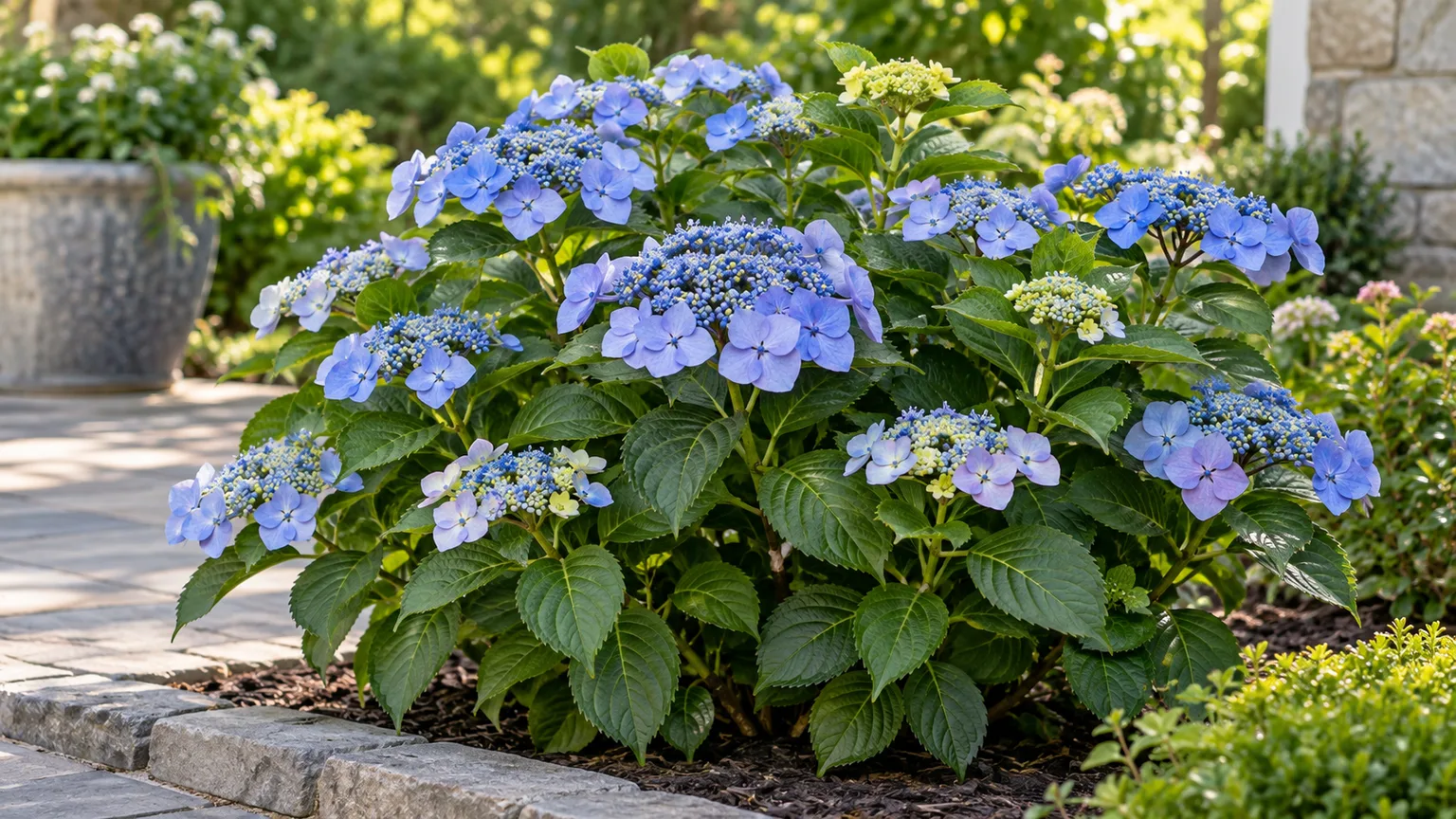
That group includes forsythia, lilac, azalea and rhododendron, mock orange, ninebark, Virginia sweetspire, spring spirea, many viburnums including Korean spice viburnum, and spring-flowering roses. March pruning removes swollen buds you waited all winter to see. Summer- and fall-blooming shrubs that flower on new wood are the ones to prune in late winter or very early spring before leaves emerge—do not mix the groups.
If false spring tempted you and you already cut spring bloomers, note what is lost for this year and mark the calendar to prune after bloom next year. Do not shear repeatedly trying to fix it.
Pulling Winter Protection Too Soon
Warm spells coax gardeners to unwrap burlap from shrubs, peel back mulch from strawberries, and move container plants outdoors “just for the afternoon.” Repeated freeze-thaw after premature exposure stresses cambium and root crowns more than steady cold.
Leave winter protection until risk of hard frost has passed for the species in question—not the first nice day. Hardening off is gradual; one warm afternoon is not acclimation. Tender roses, newly planted perennials, and marginally hardy shrubs benefit from protection until local forecasts show stable night lows.
Fertilizing or Tilling Wet Soil After a Thaw
False spring often pairs warmth with saturated soil from snowmelt or March rains. Spreading high-nitrogen fertilizer on frozen or waterlogged ground wastes product, runs off, and pushes soft growth that the next cold snap burns. Tilling or digging wet clay compacts it into slabs that dry into brick.
If the squeeze test fails, channel energy into dry tasks: sharpen tools, build trellises, order seed, test old seed viability, and map beds. Garden chores before the first day of spring lists productive work that does not fight physics.
Soil Temperature vs Air Temperature: The Number That Matters
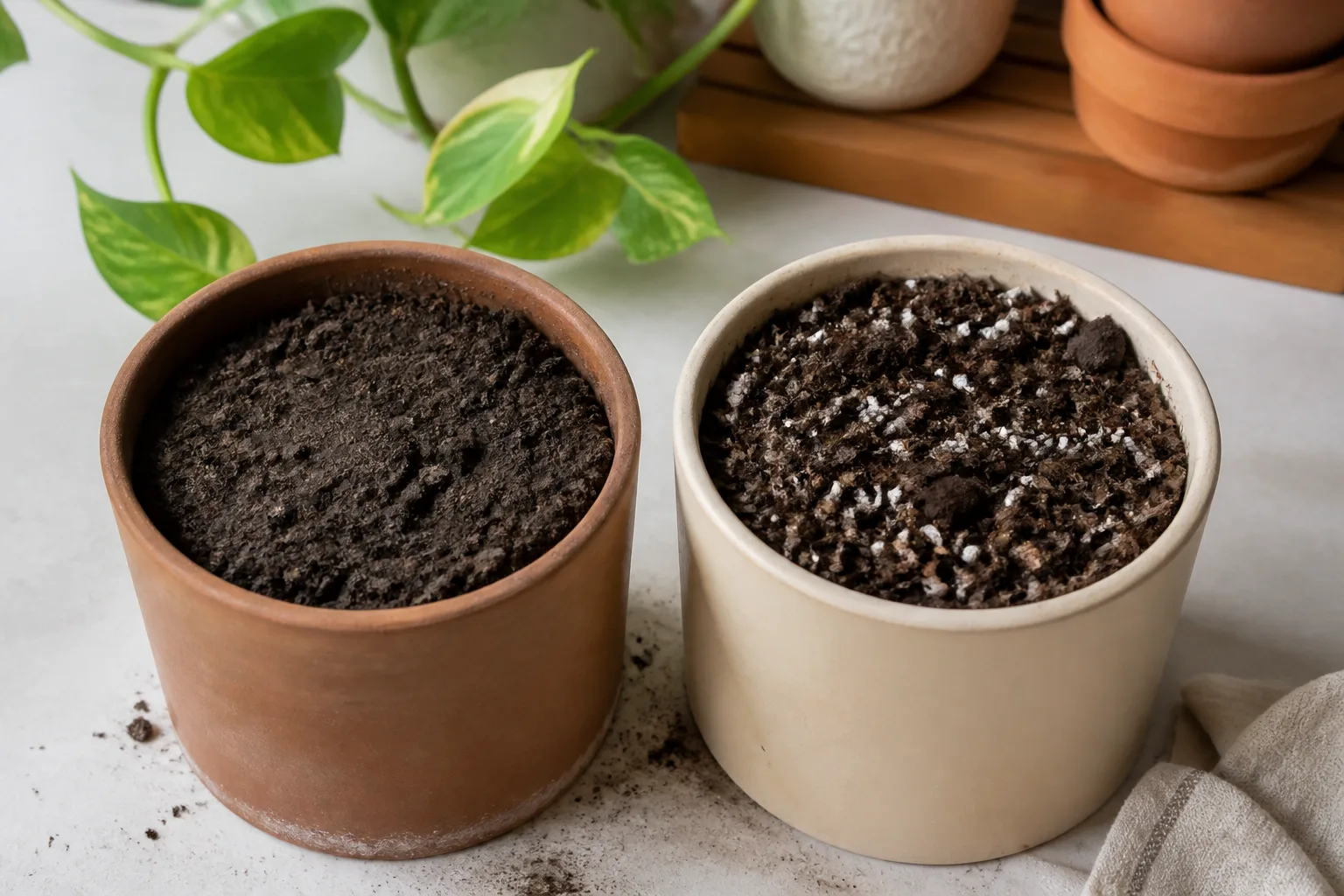
Your weather app reports air at 60°F. At 8 a.m., soil at four inches may still read 48°F in a raised bed and 44°F in flat ground—differences that decide whether pea seed germinates in a week or sits for three.
Use a soil thermometer or a dedicated probe at 2–4 inches depth, same spot, morning readings for several days. Plant to the lowest consistent reading in that bed, not the afternoon spike. The USDA Climate Hubs highlight soil-temperature climatology tools that map how dates when soil crosses thresholds vary regionally (USDA Climate Hubs soil temperature resources)—helpful context when your personal bed still runs cold after a regional warm week.
Trusted regional blogs echo the same caution: March swings between warm afternoons and freezing nights stress lawns and gardens when timing ignores soil and frost reality (Georgia Garden: March mistakes).
Minimum Soil Temps for Common Crops
Use the table as a germination floor at seed depth, not a guarantee of fast growth. Growth remains slow until soil warms further.
| Crop group | Examples | Minimum soil temp (°F at 2–4 in.) | False-spring note |
|---|---|---|---|
| Hardiest greens | Spinach, kale | ~38–40 | Can sow when soil barely thawed and structure passes |
| Cool salad & roots | Lettuce, carrots, beets, radish | ~40–45 | OK in many March warm spells if soil tests pass |
| Peas & onions | Peas, leeks, onions | ~42–45 | Watch for crusting after heavy rain—re-sow thin spots |
| Brassicas | Broccoli, cabbage | ~40–45 | Transplants need frost-free nights, not just warm days |
| Potatoes | Potato tubers | ~45 | Tradition beats thermometer in many regions—verify locally |
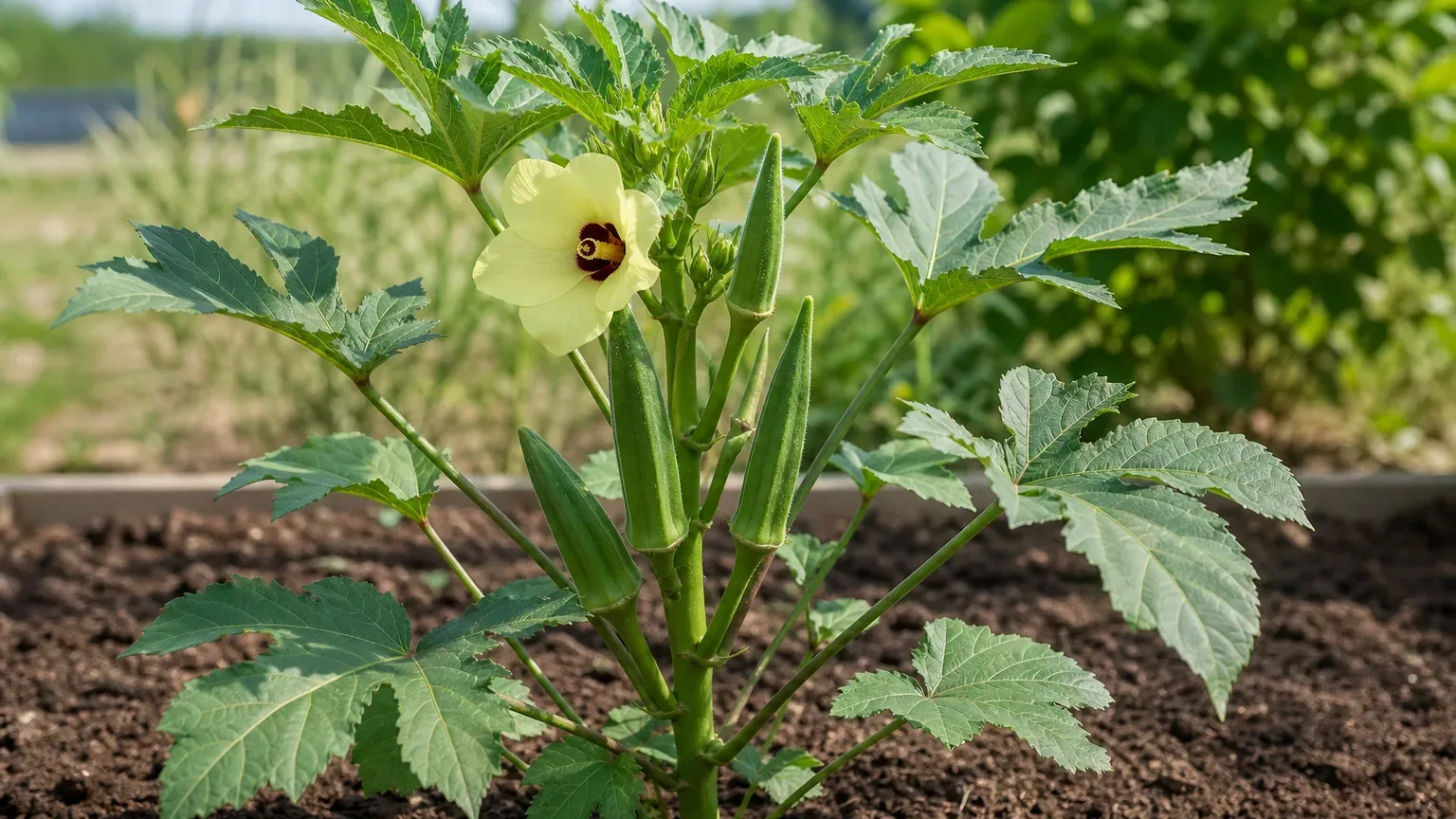
| Beans & corn | Snap beans, sweet corn | ~60 | Wait after false spring; cold seed rots |
| Cucumbers & squash | Cucumber, zucchini | ~60–65 | One warm week rarely lifts soil enough |
| Tomatoes & peppers | Transplants | ~60–65 soil; ~50°F nights air | Start indoors on calendar; plant out after stable lows |
Row cover adds frost protection for transplants; it does not replace soil temperature for germination. Soaking seeds before planting can speed emergence once soil is truly ready—not before.
A Backward-from-Frost Seed-Starting Calendar
Pick your last frost date from local extension or historical maps, then add a 7–14 day safety buffer if false spring is common where you live. That buffered date is your outdoor planting anchor.
Example for zone 6 with last frost around May 10, buffer to May 17:
- Tomatoes/peppers (7–8 weeks indoors + 10 days hardening): sow indoors around mid-March, not early February.
- Cabbage/broccoli (5–6 weeks): late February to early March indoors; transplant before heat.
- Zinnias/marigolds (4–6 weeks): late March indoors—earlier sowings become unmanageable indoors.
- Direct-sow peas outdoors: when soil ≥42°F and structure passes—often late March to April, not first warm day.
- Beans/cucumbers direct: when soil sustains ≥60°F—often late May in zone 6, even if April felt warm.
Write the dates on the seed packet flap. Stagger a second sowing of tomatoes a week later if the first batch looks weak—cheap insurance against a false indoor start.
What You Can Safely Do on a Warm March Day
Productive March work that false spring cannot undo:
- Soil testing and amendment planning on dry paths, not saturated beds.
- Cleaning tools, pots, and greenhouse surfaces to reduce disease carryover.
- Pruning summer-blooming shrubs and dead wood on plants that flower on new growth—after you confirm bloom type.
- Sowing indoors on the backward calendar, with heat mats for warm-season crops if the room is cool.
- Building infrastructure: trellises, cold frames, raised-bed repairs.
- Ordering seed and tubers before cultivars sell out.
- Observing microclimates: note which beds thaw and warm first for later planting priority.
When spring is the best time to transplant seedlings, the emphasis is on acclimated plants moved at the right soil and air combination—not on rushing the first warm afternoon.
How to Protect Plants When Cold Returns
When forecasts drop after false spring:
- Water soil (not foliage) before a freeze if soil is dry—moist soil holds heat better than dust.
- Cover tender transplants and early blooms with frost cloth, not plastic touching leaves.
- Move containers to sheltered walls or indoors overnight.
- Delay uncovering straw mulch and rose wraps until the cold snap passes.
- Accept lost blooms on early woody plants; do not prune aggressively in response.
Repeated protection beats one heroic planting date. Track how many freeze events your garden sees in March and April over several years—you will plant calmer next season.
Conclusion
Nice March weather is a gift for morale, not a calendar rewrite. False spring punishes gardeners who confuse a warm afternoon with safe planting, pruning, and uncovering. Anchor your season to soil temperature at seed depth, last frost with a buffer, and bloom biology on shrubs—then use warm days for the chores that time cannot ruin. Your future self in May wants fewer leggy tomatoes, fuller lilac spikes, and peas that actually germinated the first time—not a second chance bought with lost weeks.