Why Is My Houseplant Not Flowering? Light, Feeding, Timing
Leaves but no buds? Diagnose light intensity, day length, cool nights, fertilizer, and plant age before you buy bloom booster.
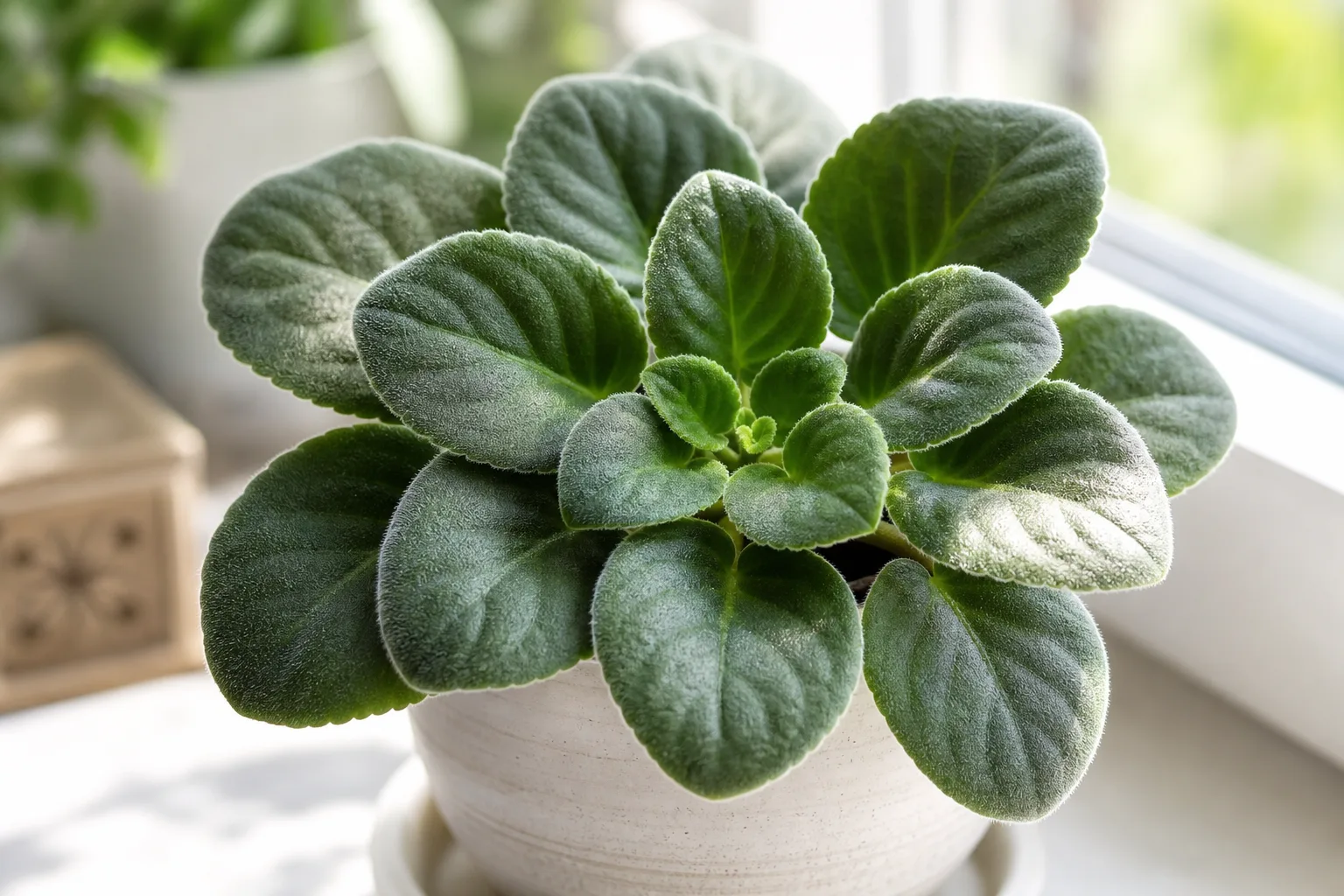
A houseplant not flowering is usually a budget problem, not a mystery disease. The plant is healthy enough to keep leaves, but not secure enough—or mature enough—to spend energy on blooms. Flowering is a reproductive investment. Indoors, that investment only happens when light intensity, day length, night temperature, feeding, age, and seasonal timing line up for that species.
Written by Sai Ananth, who grows African violets, holiday cactus, peace lilies, hoyas, and Phalaenopsis orchids in a heated apartment with east and west windows plus a timed grow-light shelf, and reviewed by Dr. Priya Menon (botanist and indoor plant specialist) for photoperiod, night-temperature, and fertilizer framing.
Quick Diagnostic Order
Work these steps in order. Change one lever at a time for four to eight weeks before you stack a second fix.
- Expectation — Is this species actually sold to flower indoors, or is it foliage-first?
- Age / size — Is the plant still juvenile for its type?
- Light intensity — Are there enough usable photons near the canopy?
- Day length / cool nights — Does this bloomer need darkness, cool nights, or neither?
- Feeding — Is high nitrogen or salt stress pushing leaves instead of buds?
- Stress timing — If buds form then fail, switch to bud-abort diagnosis instead of “never flowers.”
Most home failures stop at step 3. Fertilizer and “bloom booster” only help after intensity and timing are honest.
First Rule Out Non-Problems
Before you move every pot, buy a specialty feed, or repot “for more energy,” answer two questions: Is this species expected to flower in a normal home? And is the plant old and large enough to bloom at all?
Foliage Plants That Rarely Bloom Indoors
Many bestsellers are sold for leaves, not flowers. Pothos, most philodendrons, ZZ plant, snake plant, and many monsteras can live for years indoors without a meaningful bloom cycle. That is normal biology under household light, not a care failure. If your plant was marketed as foliage first, treat “no flowers” as an expectation problem, not a diagnosis.
True indoor bloomers—African violets, peace lilies, holiday cacti, hoyas, orchids, anthuriums, kalanchoe, jasmine, hibiscus, and desert rose (adenium)—have a different bar. They were selected or sold because flowers are part of the product. When those plants run on leaves only, something in the environment is usually short.
A quick honesty check helps: if the plant has never been sold as a flowering houseplant, stop diagnosing. If it bloomed on the retail bench and then went quiet, keep reading—the greenhouse preview often outruns home conditions for a full season. If it has flowered for you before and stopped, compare what changed in light hours, night temperature, fertilizer, or placement since the last successful cycle. For the short symptom patterns across plants, see the no flowers hub after you finish this shared checklist.
Juvenile Age and Size Before First Bloom
Age matters more than people admit. A cutting that rooted six months ago may look full while still being hormonally juvenile. NC State Extension notes that African violets typically mature over about two to five years depending on size class and care, and they need a fertile, well-drained medium if you want continued rebloom. Hoyas often need several years of vine length and a settled root system before peduncles appear. Seedling orchids can take many years; nursery Phalaenopsis in spike are usually already mature plants that were forced under greenhouse schedules.
If the plant is still small for its species, your job is steady light and measured feeding so it can finish growing into bloom size—not weekly product changes. Patience is the correct intervention when the plant is simply young.
Track progress in months, not days. New leaf size, internode spacing, and overall canopy width tell you whether the plant is still building structure. A hoya that adds long vines under bright light is on schedule even without umbels yet. An African violet that stays miniature under dim light is stuck, not “resting.” Size plus light history beats the calendar alone.
Light Intensity Is Usually the Real Blocker
Light is the energy budget. A plant can look green in a medium-light corner and still lack the surplus sugars needed to build buds. Extension guidance across Clemson, Georgia, and UF/IFAS treats inadequate light as the first constraint on indoor growth and flowering. Leaves come first. Flowers come only after maintenance needs are covered.
Human eyes are poor meters. UF/IFAS explains that rooms that look equally “bright” to us can differ by an order of magnitude in foot-candles because our vision adapts so quickly. That is why a peace lily in a north corner may hold foliage while an African violet on the same shelf never sets buds.
University of Georgia Extension makes the same point with hard numbers: outdoor shade can still deliver hundreds of foot-candles, while many interior spots sit far lower. Eastern exposures often give strong morning light with cooler radiant heat, which suits a wide range of bloomers. Northern sills can be gentle enough for African violets on a clear day and still too weak for high-light flowering plants such as hibiscus. Season changes the map again—winter sun sits lower and reaches deeper into rooms, while summer overhangs and trees can cut southern light sharply.
LeafyPixels observation (east-window African violet): A standard African violet sat about six feet from an east window on a bookshelf. Leaves stayed green, but petioles stretched and no buds formed for five months. After moving it to within about two feet of the same sill (still no direct afternoon sun) and logging mid-day phone-meter readings rising from roughly ~80 to ~350 foot-candles, the first flower stems appeared in week six. Conditions: heated apartment, nights near 64–68°F, dilute complete fertilizer every third watering after the move—not before.
How Much Light Blooming Houseplants Need
Use rough mid-day foot-candle bands from university guidance as a starting map, then adjust by species:
| Mid-day foot-candles | Typical indoor zone | Bloom relevance |
|---|---|---|
| 25–100 | Far from windows; overhead lamps only | Survival for shade plants; weak for most bloomers |
| 100–500 | Near windows with little or no direct sun | Possible for medium-light bloomers if duration is long enough |
| 500–1000 | East/west windows or lightly shaded south | Stronger energy for many flowering houseplants |
| 1000+ | Direct sun through clear glass | Needed by high-light bloomers such as hibiscus; scorches shade species |
Clemson HGIC notes that about 100 foot-candles for 12 hours may only maintain quality, while around 200 foot-candles for 12 hours is closer to the level where foliage plants even benefit from fertilizer. Flowering usually wants the upper end of what that species can tolerate without bleaching. Clemson’s African violet guidance is blunt: lack of flowering is one of the most common problems and is generally due to inadequate light—place plants within about three feet of a large south, east, or west window, and protect from harsh afternoon sun. (Clemson HGIC African violet)
When Grow Lights Make the Difference
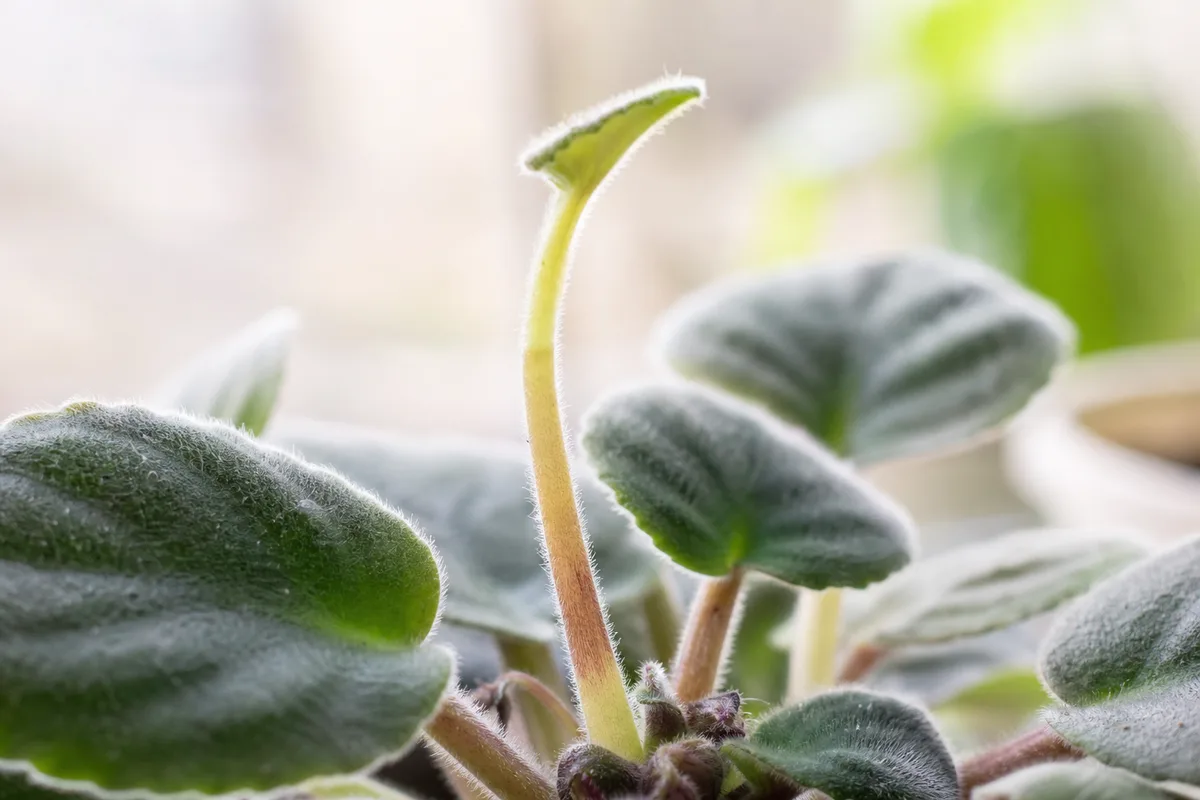
If your brightest window still measures soft, add light instead of guessing with fertilizer. Wisconsin Horticulture recommends supplemental fluorescent or full-spectrum lighting for African violets in winter, positioned about eight to twelve inches above plants for roughly 14 to 16 hours daily. Clemson similarly suggests fluorescent setups roughly six to twelve inches below tubes for about 15 to 18 hours per day when natural light is thin.
Use a timer. Duration without intensity will not invent buds, but intensity without a consistent daily cycle frustrates short-day and long-day species alike. Clemson notes you can partially compensate for modest intensity by extending exposure—about sixteen hours of light and eight hours of darkness works for many indoor plants—but that is a support strategy, not a license to keep a bloomer in a dark hallway under a weak bulb.
Watch leaf posture while you tune height and hours. African violet leaves that reach upward on long petioles are still hunting for light even if the plant looks green. Leaves that bleach or cup may be too close to a strong fixture. Move lights in small steps over a week rather than leaping from a dim corner to a hot south sill overnight. For deeper fixture and spectrum choices, see the site’s grow lights guide for indoor plants. If overall growth has stalled—not just flowering—pair this with the plant not growing diagnostic and not enough light on houseplants.
LeafyPixels observation (grow-light shelf): Two miniature African violets under a full-spectrum bar at about 10 inches for 15 hours/day set buds within four weeks in January after failing all autumn on a north desk. Same fertilizer schedule; the only durable change was intensity plus duration.
Day Length, Night Darkness, and Cool Nights
Some plants flower when night length crosses a threshold. Others need a cool-night cue that modern heated apartments erase. If intensity looks fine and the plant is mature, timing is the next lever.
UF/IFAS notes that for some plants the amount of time under a light source will encourage or discourage flowering—so researching species photoperiod is not optional trivia. Artificial living-room lamps that stay on past bedtime can cancel the dark signal short-day plants need.
Day-Neutral vs Short-Day vs Cool-Night Bloomers
Use this chooser before you invent a complicated blackout schedule:
| Bloom cue type | What it needs | Common indoor examples | Home failure mode |
|---|---|---|---|
| Day-neutral / intensity-led | Enough photons and duration; no strict short-day blackout | Many peace lilies, African violets (light-first), anthuriums | Dim corners, short winter days without grow lights |
| Short-day / long-night | Uninterrupted darkness (~10 hours light / long night for weeks) | Holiday/Christmas cactus, many kalanchoe gift plants | Evening LEDs, TV rooms, hallway night lights |
| Cool-night assisted | Night temps several degrees cooler than days (species-specific) | Holiday cactus (55–60°F nights), some orchids | Constant 72°F+ apartments with no cool room |
Many plants blend cues. Holiday cactus often responds to cool nights or managed short days. African violets are primarily intensity plants; night temperature still affects comfort, but darkness theater is usually the wrong tool.
Short-Day Plants Like Holiday Cactus
Holiday cacti (Schlumbergera) are the clearest home example. Wisconsin Horticulture explains that photoperiod—the day and night length—stimulates blossoming. Cool night temperatures around 55 to 60°F combined with natural fall daylength often induce flowering. If the room stays warmer than about 60°F, you may need to give roughly ten hours of light per day for about four weeks by covering the plant or moving it into true darkness at night, then return it to normal conditions once buds appear.
Do not leave a holiday cactus under a reading lamp until midnight in October and expect December blooms. Even brief night interruptions can reset the clock. Once buds are visible, keep the light and temperature regime stable.
Apartment blackout method that works in small homes: From mid-October, move the plant into a closet or unused bathroom at the same clock time each evening so it receives about 14 hours of uninterrupted darkness (roughly 10 hours of day light). Bring it back to a bright indirect spot every morning. Do this for about four weeks. Cover with an opaque box or laundry basket only if you cannot move it—any light leak from under a door or phone flashlight counts as interruption.
LeafyPixels observation (evening-lamp failure → blackout success): A Schlumbergera on a living-room side table sat under warm LED floor lamps that stayed on until ~11 p.m. every autumn for two years with zero buds. The third fall, we moved it nightly into a dark closet for four weeks while days were spent in bright indirect east light; nights in the living room still hovered near 68–70°F. Buds appeared in week five. Outcome: photoperiod was the missing cue; cool nights were not available, so darkness substituted—as Wisconsin guidance predicts.
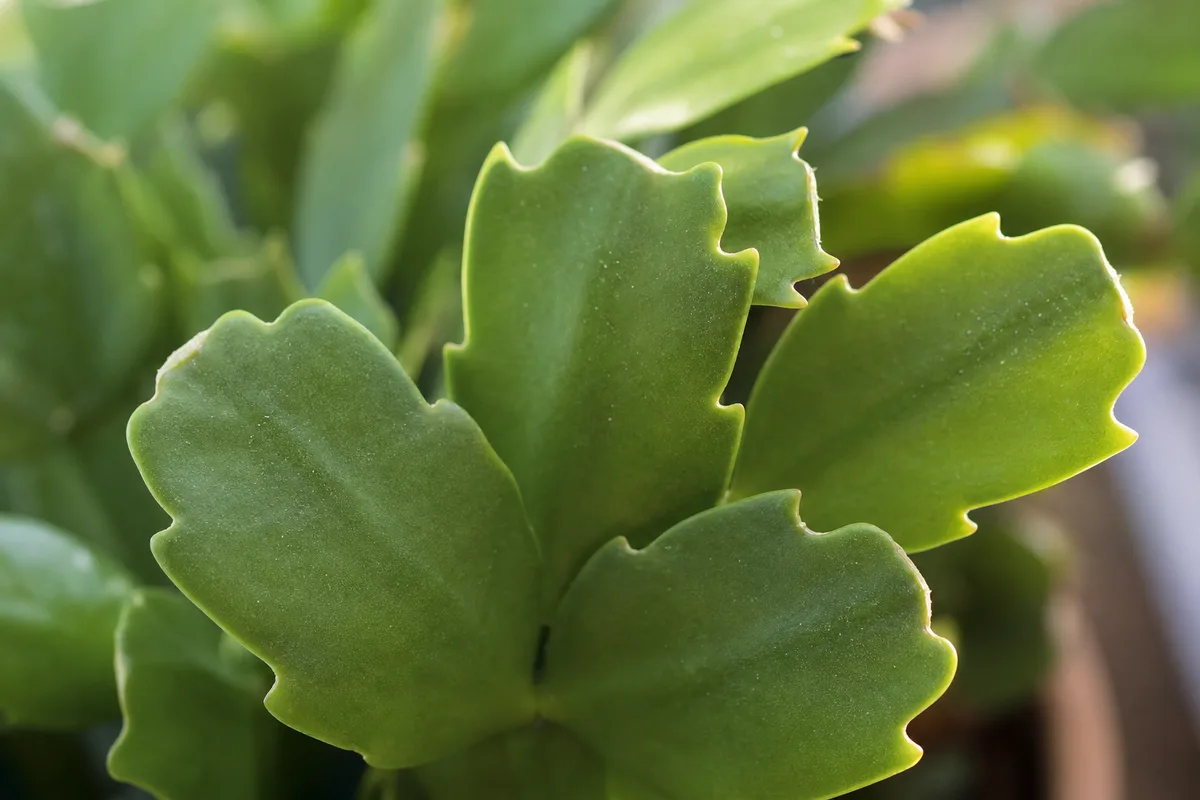
Kalanchoe and some other gift bloomers also respond to daylength management in commercial production. You do not need a greenhouse blackout cloth for every plant, but you do need to know whether yours is daylength-sensitive before you blame fertilizer. If a plant that used to bloom each winter stopped after you added bright living-room LEDs that run late, darkness is a more likely culprit than “tired soil.”
Cool Night Triggers for Bud Set
Cool nights matter beyond cactus. Many orchids and some holiday plants set buds more reliably when nighttime temperatures drop several degrees below daytime highs.
Sources disagree slightly on African violet nights, and that is fine if you treat ranges as starting bands:
- Wisconsin prefers about 70–75°F days and 60–65°F nights.
- Clemson lists nights near 65–70°F with warmer days (up to about 80–85°F).
LeafyPixels starting rule: Aim for nights in the 62–68°F comfort band for African violets in heated homes. Prefer the cooler half of that band if buds stall despite good light; prefer the warmer half if growth slows or leaves look chilled near glass. Do not chase Wisconsin’s 60°F floor if your only cool spot risks cold drafts on wet crowns.
Peace lilies, per NC State, like warm days roughly 68–85°F and no more than about a ten-degree night drop—cold drafts in the 40–60°F range slow them hard.
Match the cue to the plant. A warm bathroom may help a humidity-loving African violet leaf out while a cool porch window in fall may be what your Christmas cactus needs for bud initiation. One thermostat setting will not serve every bloomer.
If you cannot drop night temperatures safely, lean harder on the photoperiod tool for short-day species and on light intensity for day-neutral bloomers such as many peace lilies. Never refrigerate tropical plants or leave them against freezing glass. Cool means the low 50s to low 60s°F for holiday cactus induction—not a cold damage event. For winter placement trade-offs across the houseplant collection, the winter houseplant care guide covers the broader seasonal context.
Feeding Mistakes That Push Leaves Over Flowers
Fertilizer cannot replace photons. Clemson’s indoor fertilizing guidance is clear that plants in low interior light have reduced fertilizer requirements, and that feeding should track active growth—usually brighter, longer spring and summer days—not a fixed weekly ritual through dark winter rest.
Nitrogen Excess Versus Balanced Feeding
N-P-K numbers are percentages of nitrogen, phosphorus, and potassium. Nitrogen drives leafy growth. Clemson recommends a balanced complete fertilizer such as 20-20-20 for foliage plants, and a higher-phosphorus option such as 15-30-15 for flowering plants. (Clemson HGIC fertilizing) If your plant is throwing soft, oversized leaves and zero buds under already-decent light, a high-nitrogen “grow” formula is a plausible reason it keeps investing in canopy instead of flowers.
That does not mean dumping bloom booster on a light-starved plant. Without enough energy, extra nutrients become salt stress. Watch for white crust on soil or pot rims, brown tips, and stalled growth—classic soluble-salt warnings in Clemson’s fertilizing notes. For broader feeding strategy, see fertilizing indoor plants and best fertilizer for indoor plants.
LeafyPixels observation (peace lily, high-N stall): A mature peace lily under medium north light received weekly high-nitrogen houseplant food “to encourage flowers.” It produced large soft leaves, tip burn, and no spathes for eight months. We flushed the pot until runoff ran clear, stopped fertilizer for three weeks, moved the plant to a brighter east window, then resumed quarter-strength complete feed every fourth watering. New spathes appeared about ten weeks after the light move. Outcome: salts plus low photons blocked flowering more than any missing “bloom formula.”
When and How Often to Fertilize for Blooms
Feed when the plant is growing and receiving adequate light. Clemson suggests fertilizing at label rate every two or three months, diluting heavily for frequent watering, or feeding about every seventh watering during the growing season—and skipping fertilizer when short winter days put the plant into a resting stage with little artificial light.
Wisconsin advises using a formulated African violet fertilizer about once a month while plants are in flower, following the product label. NC State’s peace lily guidance is more cautious: fertilize at about one-quarter of the recommended strength and flush the soil between applications, because overfertilizing and salt build-up burn tips and roots. Slightly pot-bound conditions can encourage flowering in African violets and peace lilies; an oversized fresh pot often redirects energy into roots instead of blooms.
A practical sequence beats a product pile. Fix light for two weeks. Then resume a dilute complete feed only if new growth is active and the mix drains well. If you recently fertilized heavily with no buds, flush the pot thoroughly with plain water until excess runs clear, empty the saucer, and wait. Bloom fails more often from low light plus salt stress than from a missing bottle of “flower food.”
Stress, Roots, and Timing That Abort Flowers
“No flowers” and “buds formed then failed” are related but not identical. If buds never appear, prioritize light, photoperiod, age, and feeding. If buds appear and abort, look for instability during the fragile set-and-swell window.
Inconsistent moisture during bud set is a classic abort trigger. Letting a budded plant go bone-dry, then soaking it, or keeping the mix soggy until roots gasp, both signal risk. Holiday cactus growers often slightly reduce watering in late summer to harden stems, then resume more normal watering as buds swell—without wild extremes. Peace lilies want moist but not soggy soil and tolerate drying slightly between waterings; chronic underwatering plus low humidity shows up as brown tips more than as a clean bloom cycle.
Stabilize one variable at a time. Pick a moisture check method—finger test, pot weight, or meter—and keep it through the bud window.
Wisconsin’s holiday cactus guidance is explicit: once buds start forming, do not move plants into radically different light or temperature, or buds may stop and abort. (Wisconsin Horticulture bud stability) The same rule applies to orchids and many gift bloomers. Repotting while buds are visible is rarely helpful. Fresh mix and root disturbance compete with flower development.
Severely rootbound plants can stall flowering because uptake collapses, but slightly snug roots often favor blooms on violets and peace lilies. Slide the plant out once. Circling roots with almost no mix left may justify a modest up-pot after flowering. A little root fill with remaining mix usually does not.
Pest pressure belongs in the same stress bucket. Mealybugs, thrips, and mites divert energy and can ruin flower quality even when light is adequate. Check crowns, leaf undersides, and bud clusters before you assume the plant “just will not bloom.” Fix pests first, then return to the light and timing checklist. Also leave hoya peduncles alone—those woody spurs carry future umbels; pruning them “clean” can erase seasons of bloom potential.
No Buds vs Buds That Abort
Use this fork early so you do not treat two different problems with one product:
- Never forms buds → stay on this guide (expectation → age → intensity → photoperiod/nights → feed).
- Forms buds, then drops or stalls them → open houseplant bud drop and stabilize moisture, drafts, and placement during the set window.
- Opens flowers that fade poorly → see faded flowers on houseplants.
- Blooms open but stay undersized → see small flowers on houseplants.
Species Snapshots for Common Indoor Bloomers
Use the shared diagnostic order—expectation, age, light intensity, daylength and nights, feeding, then stress timing—then refine with species habits.
African violets want bright, filtered light and will often refuse buds when light is short. Clemson and Wisconsin both treat missing flowers as a light problem first. For a plant-specific path, see African violet no flowers. Add duration with grow lights in winter, keep nights in the 62–68°F starting band, and avoid cold water on foliage. Keep them slightly pot-bound in a fast-draining violet-friendly mix.
Peace lilies tolerate deeper shade than most bloomers and can flower without a strict calendar, but they still need enough energy and careful feeding. NC State recommends partial to deep shade, no direct sun, warm steady temperatures, and light fertilizer with soil flushing. Keep them somewhat pot-bound in an organic-rich mix, and repot in late winter only when needed.
Anthuriums are bright-indirect bloomers. Dim corners produce handsome leaves and sparse spathes. Raise light before you raise fertilizer, and keep the mix airy so roots stay oxygenated while you wait for the next flowering flush. Plant-level notes: anthurium no flowers.
Hoyas and Hoya carnosa often need maturity, bright light, and undisturbed peduncles. Do not prune off the woody spurs that carried previous blooms. See also hoya no flowers for vine-age and peduncle checks. A snug pot and a bright east window solve more “never flowers” cases than specialty feeds.
Christmas cactus needs the short-day and/or cool-night recipe above. Species troubleshooting continues on Christmas cactus no flowers. Bright indirect light the rest of the year builds the stem strength that later supports a heavy bloom set.
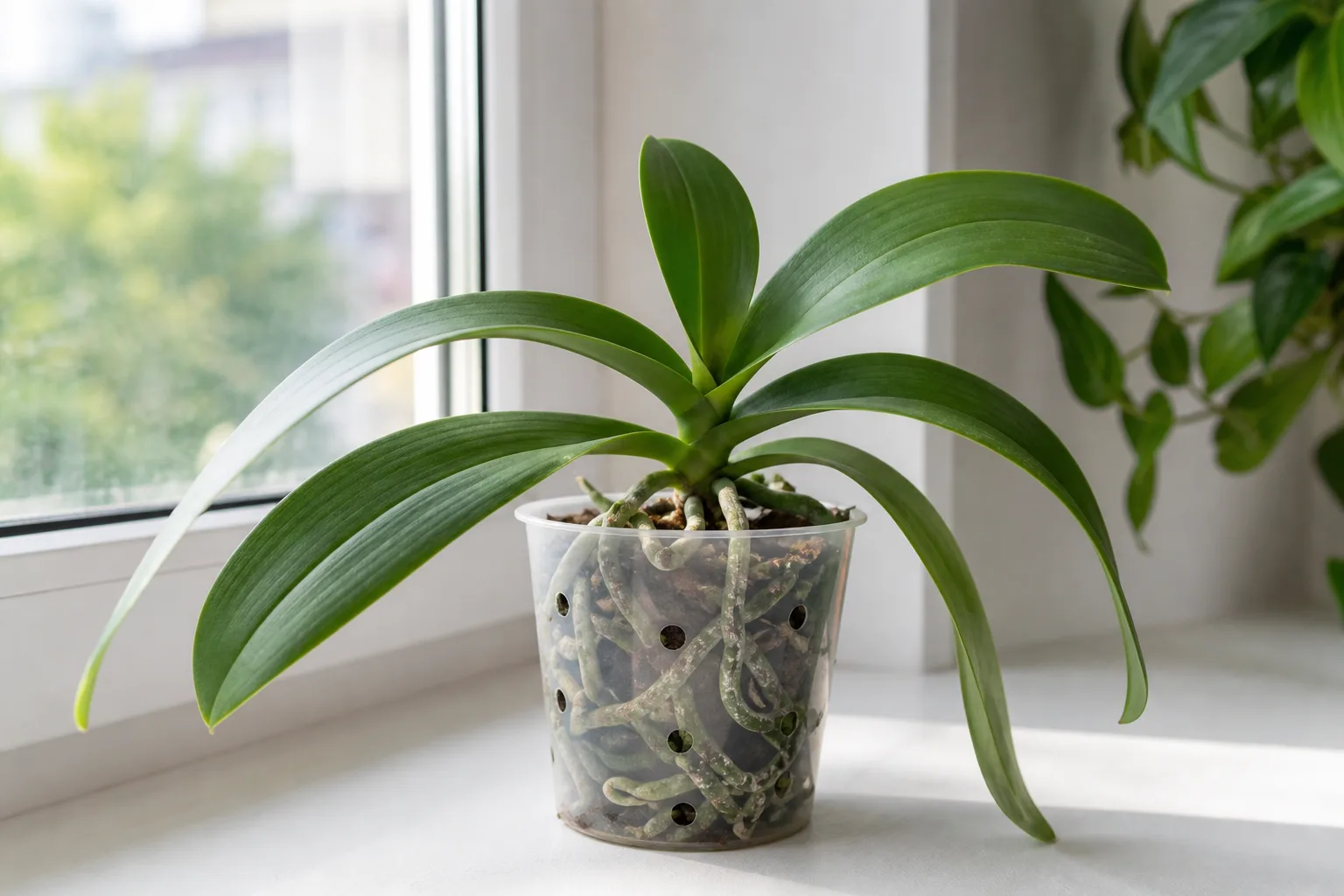
Phalaenopsis orchids frequently bloom on a schedule set by the grower. After the first spike finishes, many homes need a modest night-temperature drop and steady bright indirect light to initiate the next spike. Avoid relocating a plant that is already in spike. Plant-level notes: Phalaenopsis orchid no flowers.
Hibiscus and jasmine sit at the high-light end of the indoor spectrum. If either plant is green but flowerless in a typical living room, the honest fix is usually more sun or a dedicated grow-light canopy—not another dose of bloom booster. Kalanchoe gift plants often need a deliberate short-day period to rebloom after the original display fades, which is why many people treat them as seasonal color rather than perpetual bloomers.
How Long Fixes Take and Related Next Steps
Expect timelines measured in weeks, not weekend miracles:
| Fix you made | Typical wait before judging | What “progress” looks like |
|---|---|---|
| Move closer to a bright window | 4–8 weeks | Shorter petioles, thicker leaves, then buds |
| Add grow lights (correct height/hours) | 3–6 weeks for violets; longer for woody vines | Bud initiation or stronger new growth |
| Short-day blackout for holiday cactus | ~4 weeks of treatment, then watch 1–2 more | Visible buds at stem tips |
| Flush salts / cut high nitrogen | 2–3 weeks for tip recovery; 6–12 weeks for blooms | Less tip burn, then flower stems if light is adequate |
| Wait for maturity (hoya, young cuttings) | Months to years | Vine length, peduncle stubs, not calendar guilt |
Log light placement, approximate hours, night temperature if you can measure it, fertilizer dates, and whether buds appeared. That record prevents the common failure mode of changing five variables in a weekend and learning nothing.
Ranked next steps
- Intensity still soft? → Not enough light on houseplants and grow lights for indoor plants
- Buds form then fail? → Houseplant bud drop
- Feeding unclear? → Fertilizing indoor plants
- Winter darkness and warm nights? → Winter houseplant care
- Species-deep path? → Matching plant hub or plant × no flowers page (African violet, Christmas cactus, hoya, anthurium, orchid)
If growth itself has stalled, open plant not growing before chasing bloom products.
Conclusion
A houseplant that will not flower is usually telling you the truth about its budget. Confirm the plant is a real indoor bloomer and old enough to flower. Raise usable light intensity before you change products. Match day length, darkness, and cool nights to species that need those cues—using the day-neutral vs short-day chooser instead of guessing. Feed for blooms only after light is adequate, and prefer balanced or bloom-oriented formulas over endless high nitrogen. Protect bud set from watering chaos, drafts, moves, and unnecessary repots.
Work one change for four to eight weeks, then reassess. Greenhouse-perfect blooms on a store shelf are a forced preview, not a promise your living room must match on day one. When you need species-level detail, open the plant hub for your bloomer and keep this guide as the shared diagnostic map.
If disease or pests keep interrupting bloom attempts and you cannot identify them confidently, ask a local extension office or master gardener program for help—persistent crown rot, mites, or thrips need a clear ID more than another fertilizer bottle.