How to Grow and Care for Purple Passion Plant
Grow Gynura aurantiaca indoors with bright filtered light, even moisture, and regular pinching. Learn watering, propagation, bloom removal, and fixes for green or leggy leaves.
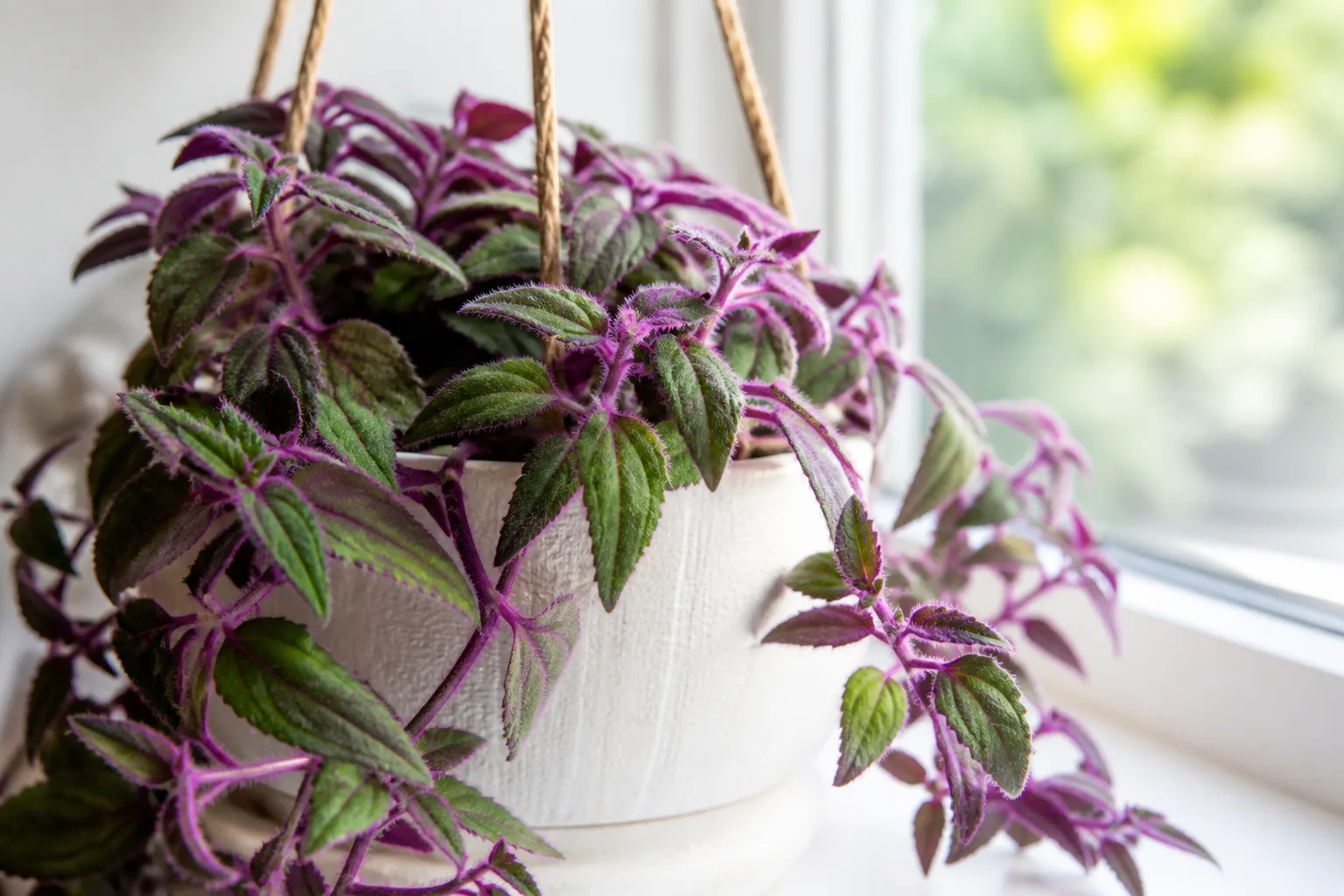
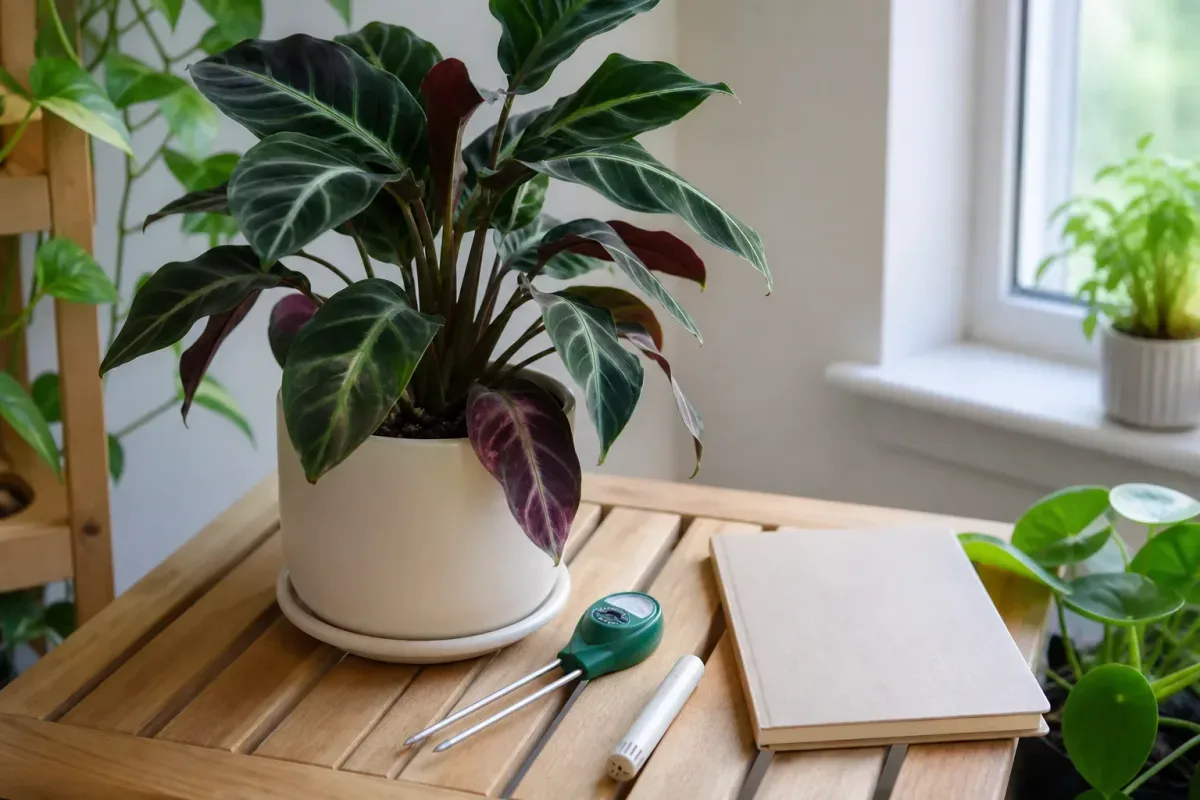
Purple passion plant (Gynura aurantiaca) looks like someone brushed its green leaves with purple velvet. Dense reddish-purple hairs cover the foliage and stems, so the color shifts with the angle of the light. Sold as purple velvet plant, royal velvet plant, or purple passion vine, it is one of the most photogenic trailing houseplants you can put in a hanging basket — and one of the few where regular pruning is not optional if you want a compact, colorful mound instead of a sparse vine reaching for the ceiling.
The care itself is straightforward once you understand two quirks: the plant needs bright filtered light to stay purple, and it is short-lived. Most specimens look their best for two to four years, then push smelly orange flowers and begin to decline. The fix is not heroic rescue work — it is taking stem cuttings early and often so you always have a young replacement ready. Missouri Botanical Garden notes that Gynura aurantiaca is easily propagated from cuttings and that many gardeners remove the flowers because of their unpleasant smell and messy cleanup. (Missouri Botanical Garden)
Purple Passion Plant Quick Reference
Use this table before you change light, water, or fertilizer. Purple passion plant problems usually trace back to one row here.
| Factor | Indoor target | Notes |
|---|---|---|
| Light | Bright indirect or filtered sun | Green leaves = usually too dim |
| Water | When top 25% of soil is dry | Never wet the fuzzy leaves |
| Soil | Well-draining peat-based potting mix | Drainage hole required |
| Temperature | 65–85°F (18–29°C) | Below 60°F (16°C) stresses the plant |
| Humidity | 40–60% | Do not mist — hairs trap moisture |
| Fertilizer | Half-strength every 2 weeks in spring–summer | Cut back if leaves yellow |
| Lifespan | About 2–4 years | Propagate before bloom decline |
| Hardiness | USDA zones 10–12 outdoors | Frost-free only |
| Pets | Generally considered non-toxic | Any chewed plant may upset stomachs |
| Best display | Hanging basket or high shelf | Trailing stems show color best |
What Is Gynura aurantiaca?
Gynura aurantiaca is a woody-based evergreen perennial in the daisy family (Asteraceae), native to Java and widely grown as a houseplant elsewhere. Mature plants reach about 1–2 feet tall with a 2–4 foot spread, though trailing cultivars can look longer in a hanging basket. The leaves are coarsely toothed, green underneath, and coated with multicellular purple hairs that create the signature velvet sheen. Weak stems start upright, then sprawl or trail as they lengthen — especially in the decumbent ‘Purple Passion’ form sold as purple passion vine.
The genus name comes from Greek gyne (female) and oura (tail), referring to the flower’s long stigma. The species name aurantiaca means orange-colored, which makes sense once you see the tiny orange-yellow disc flowers clustered in winter. Those blooms are showy botanically and annoying indoors — more on that below.
Purple Passion Plant vs Purple Passionflower
These names sound alike but describe completely different plants. Purple passion plant (Gynura aurantiaca) is grown for purple fuzzy foliage; its flowers are small, smelly, and usually removed. Purple passionflower (Passiflora incarnata) is a tendril-climbing vine grown for large, fragrant, fringed blooms and edible fruit in warm climates. One is a velvet-leaf houseplant basket filler; the other is a garden vine with entirely different light, water, and support needs. If you searched “purple passion” and expected a passionfruit vine, you have the wrong species — and the wrong care sheet.
Light Requirements for Strong Purple Color
Purple passion plant needs bright light with filtered sun for its best foliage color. Missouri Botanical Garden recommends sunny indoor locations with protection from direct afternoon sun, plus bright light with filtered sun for the deepest purple tones. (Missouri Botanical Garden) In practice, an east-facing window, a west window with a sheer curtain, or a few feet back from a south window usually hits the sweet spot.
Direct afternoon sun through glass can bleach or scorch the velvety leaves, leaving pale patches and crispy edges. Too much shade has the opposite problem: stems stretch, internodes lengthen, and the purple pigment fades toward plain green. The hairs reflect light — that is part of the visual effect — but they do not substitute for actual photons. If your plant looked purple at the nursery and green at home, light is the first suspect, not a mysterious “loss of passion.”
Signs Your Plant Needs More or Less Light
Move it brighter when you see mostly green new growth, long gaps between leaves, or stems leaning hard toward the window. Filter or move it back when leaf edges turn tan and dry, or when the purple side facing the glass looks bleached. A simple test: rotate the pot a quarter turn every week. If only one side stays purple, your current spot is directional, not evenly bright. A grow light 12–18 inches above the foliage for 10–12 hours daily can supplement a dim room without baking the leaves.
Soil, Pots, and Drainage
Use a standard well-draining houseplant potting mix — Missouri Botanical Garden specifies a soil-based mix kept evenly moist. (Missouri Botanical Garden) A peat-based blend with perlite or vermiculite works well; you do not need cactus mix, but you do need a pot with a drainage hole. Purple passion roots are relatively shallow and rot quickly in soggy, airless soil.
Hanging baskets are the classic choice because trailing stems display the purple stems and leaf undersides. Choose a basket liner or plastic inner pot that drains freely — waterlogged liners are a common hidden cause of root rot. Repotting frequency is low; the plant tolerates being somewhat root-bound and often looks fuller when slightly constrained. Jump up one pot size only when roots circle heavily or water runs straight through without absorbing.
Skip the myth about gravel layers ” improving drainage.” A deep layer of pebbles at the bottom can raise the water table in the root zone. Focus on mix quality and a hole instead.
Watering Without Rotting the Velvet Leaves
Water purple passion plant when the top quarter of the potting mix feels dry — roughly the depth of your first knuckle in a six-inch pot. Water thoroughly until excess drains out, then empty the saucer. In active growth (spring through summer), that might mean every five to seven days in a warm room; in winter, stretch to ten days or longer as growth slows. Missouri Botanical Garden advises slightly reduced watering from fall through late winter. (Missouri Botanical Garden)
Water the soil, not the leaves. The purple hairs hold droplets against the leaf surface, which can encourage fungal spotting or soft rot on foliage that already struggles in high humidity. If you splash the leaves accidentally, blot them dry with a paper towel rather than leaving them wet overnight. Yellow, soft lower leaves combined with musty soil smell almost always mean overwatering, not underwatering — cut back before reaching for more water.
Temperature, Humidity, and Why You Should Not Mist
Purple passion plant is tropical. Keep daytime temperatures roughly 65–85°F (18–29°C) and avoid prolonged exposure below 60°F (16°C), including cold window sills in winter and air-conditioning drafts. Epic Gardening, summarizing typical indoor culture, notes that ideal warmth often matches a bright window zone in the mid-70s°F. (Epic Gardening)
Aim for moderate humidity around 40–60%. That is already normal in many homes. Do not mist this plant — the competitor advice to mist houseplants does not apply here. Velvety trichomes trap moisture on the leaf surface, and wet foliage in stagnant air invites rot. If your home runs very dry in winter, a pebble tray beneath the pot (water below stone level) or a small humidifier across the room is safer than spraying the leaves. Keep purple passion away from fern bowls and closed terrariums where condensation constantly wets foliage.
Fertilizer Schedule and Overfeeding Risks
Purple passion plant is not a heavy feeder. During spring and summer, a balanced liquid houseplant fertilizer diluted to half strength every two weeks supports steady growth. Skip feeding in fall and winter when growth slows. Many mature plants look fine with monthly feeding or none at all if the potting mix is fresh.
Over-fertilizing shows up as yellowing leaves, brown leaf tips, or crusty white salt buildup on the soil surface — the same symptoms Spruce readers often misread as underwatering. If you see those signs, flush the pot with plain water until drainage runs clear, then halve your fertilizer dose or pause feeding for a month. It is easier to recover from slight underfeeding than from burned roots.
Pruning, Pinching, and Training as a Vine
Regular pinching keeps purple passion plant bushy. Snip or pinch stem tips just above a leaf node when vines get leggy — every few weeks during active growth is normal, not aggressive. Missouri Botanical Garden recommends pinching growing tips to prevent legginess. (Missouri Botanical Garden) Each pinch forces side branches, so the plant fills out instead of producing one long, bare strand.
If you want a trained vine, attach soft stems to a small trellis or let them cascade from a high shelf or hanging basket. Stop pinching the leader if you prefer length over density. Remove scorched, diseased, or mechanically damaged leaves whenever you see them — they will not recover, and they drain energy from healthy growth.
Propagating Purple Passion Plant From Cuttings
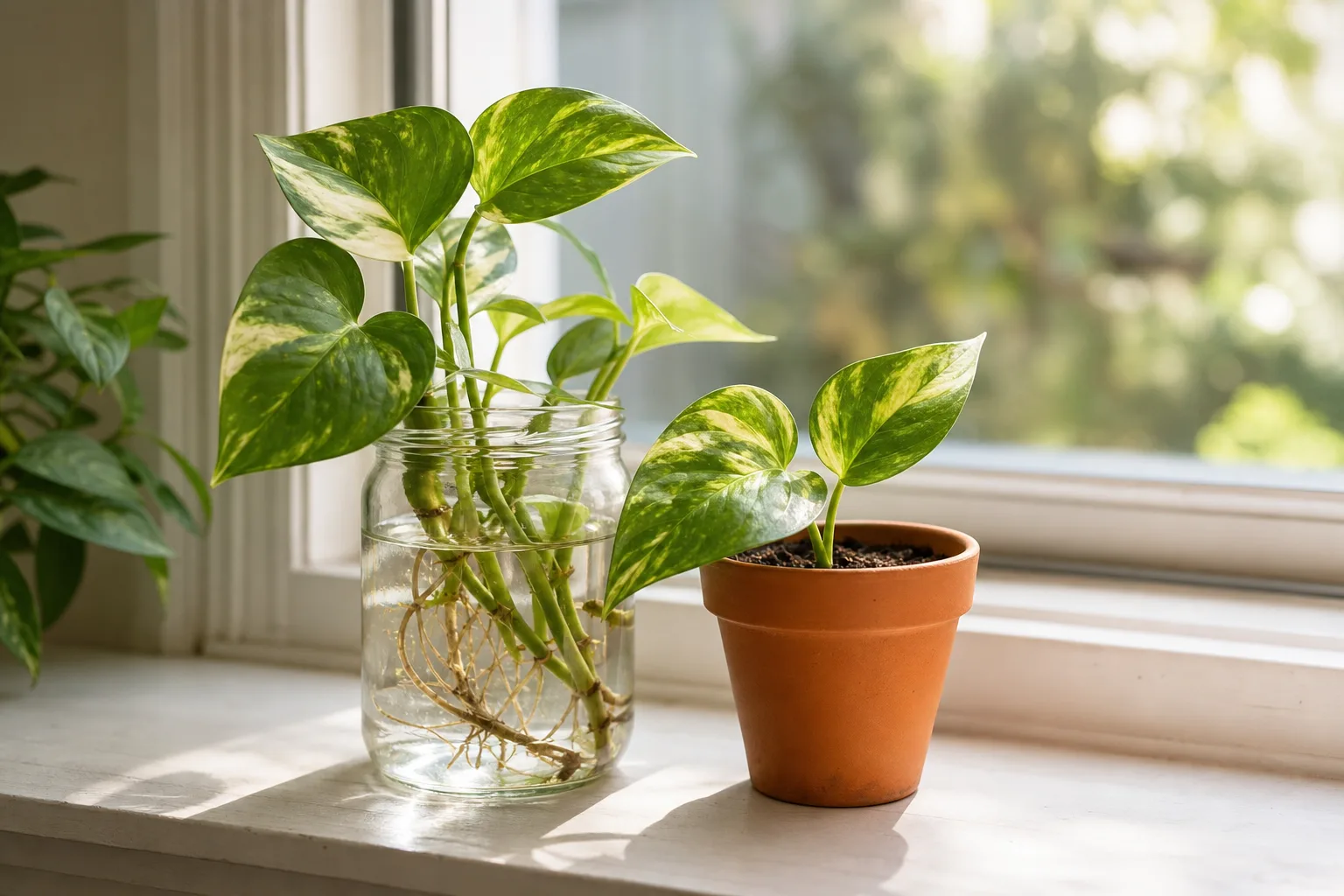
Propagation is how you keep this plant long-term. Take stem cuttings in spring or early summer when growth is active — and again whenever you see flower buds forming on an older plant, because bloom often precedes decline.
Cut a 4–6 inch stem just below a node with clean scissors. Strip the lower leaves so one or two pairs remain at the top. You can root in water (change water weekly, transplant when roots are 1–2 inches long) or directly in moist potting mix. For soil rooting, dip the cut end in rooting hormone if you have it, insert the stem, and cover loosely with a clear bag for humidity around the cutting — not the parent plant’s fuzzy leaves. Keep the mix lightly moist and bright indirect light. Roots typically form within two to three weeks. Epic Gardening describes the bag-tent method as important because cuttings rot easily without enclosed humidity during rooting. (Epic Gardening)
Once new growth appears, move the cutting to its permanent pot or basket. Starting a fresh cutting every year means you always have a backup before the parent fades. For a broader propagation framework, see the pothos propagation guide — the water-vs-soil decision logic applies here too.
Repotting and Lifespan Expectations
Expect a purple passion plant to look excellent for roughly two to four years indoors. It is not a decades-long heirloom like a jade plant. Root-bound conditions are tolerated and can even keep the plant compact, so repot only every two to three years, or when you see roots escaping drainage holes and water runs through instantly.
When you do repot, choose a container one size larger, refresh all old mix if you suspect rot, and trim any black, mushy roots with sterile scissors. Water lightly for the first week so damaged roots are not sitting in saturated soil. If the plant is declining after flowering with weak new growth despite good care, repotting rarely reverses the cycle — propagate and retire the parent instead.
Flowers, Smell, and When to Remove Blooms
Mature purple passion plants produce clusters of tiny orange-yellow disc flowers, usually in late fall through winter when light is bright enough. Missouri Botanical Garden lists bloom time as November through February and notes that flowers often fail to appear in lower light. (Missouri Botanical Garden) Fully open blooms smell unpleasant — sharp and weedy rather than sweet — and drop sticky pollen that makes a mess on shelves below.
Remove flower buds as soon as you see them if you are growing the plant for foliage. Pinching buds redirects energy back into leaves and delays the decline phase that often follows heavy flowering. This is not deadheading for rebloom like a petunia; you are not trying to trigger a second flush. You are buying time. When buds appear, take cuttings the same week so the next generation is already rooted before the parent slows down.
Common Pests and Diseases
The purple hairs deter some pests, but aphids, spider mites, mealybugs, whiteflies, and scale still show up, especially on stressed or over-fertilized plants. Check leaf axils and stem tips weekly — mealybugs look like white cotton specks nestled in the purple fuzz.
Start with physical removal (damp cloth, alcohol-dabbed swab on mealybugs), then apply insecticidal soap or neem oil on a test leaf, following label dilution. See the insecticidal soap guide for safe indoor application. Repeat weekly until populations drop.
Root rot from overwatering is the main disease threat. Mushy stems at the soil line, foul-smelling mix, and collapsing leaves mean roots are failing. Unpot, trim black roots, repot into fresh mix, and water sparingly. If most roots are gone, salvage healthy stem tips as cuttings and discard the base.
Troubleshooting Common Problems
Green leaves instead of purple: Almost always insufficient light. Move to brighter filtered sun and pinch leggy growth. See purple leaves on houseplants for the broader framework — but on Gynura, green usually means “needs more light,” not phosphorus deficiency.
Leggy, sparse vines: Too little light or too little pinching. Brighten the spot and shorten every long stem by one-third.
Yellow or wilted leaves with wet soil: Overwatering or over-fertilizing. Let the mix dry further, flush salts if fertilizer crust is visible, and reduce feeding.
Crispy brown leaf edges: Too much direct sun or extreme heat near glass. Filter light or move the pot back.
Wet spots on leaves after misting or high humidity: Fungal or bacterial leaf issues. Stop misting, improve air circulation, remove affected leaves.
Sudden decline after flowering: Normal end-of-cycle behavior. Propagate immediately from healthy stem tips.
Growing Purple Passion Plant Outdoors
In USDA zones 10–12, purple passion plant can grow outdoors in partial shade with shelter from hot afternoon sun and frost. Everywhere else, treat it as a summer patio plant only when nights stay above 60°F (16°C), then bring it indoors before cool weather. Outdoor culture is harder than indoor because you cannot control rain wetting the foliage or sudden temperature drops.
Do not confuse outdoor viability with passionflower vine hardiness — Gynura has no frost tolerance and no garden role beyond a shaded container in frost-free climates. Dry winter warmth matters as much as frost freedom; constantly soggy cool soil kills it faster outdoors than indoors.
Conclusion
Purple passion plant rewards a simple routine: bright filtered light, evenly moist but never soggy soil, regular pinching, and early propagation. Keep the velvety leaves dry, remove smelly flower buds, and start fresh cuttings before the parent plant enters its natural decline. Nail those habits and Gynura aurantiaca stays one of the most distinctive purple foliage plants you can grow indoors — no rare-plant fuss required.