How to Keep Flies Out of Your Kitchen
Wash dishes fast, trash at the first sour smell, clean pet zones, and trap early. ID house flies vs fruit flies and fix breeding sites—not just adults.
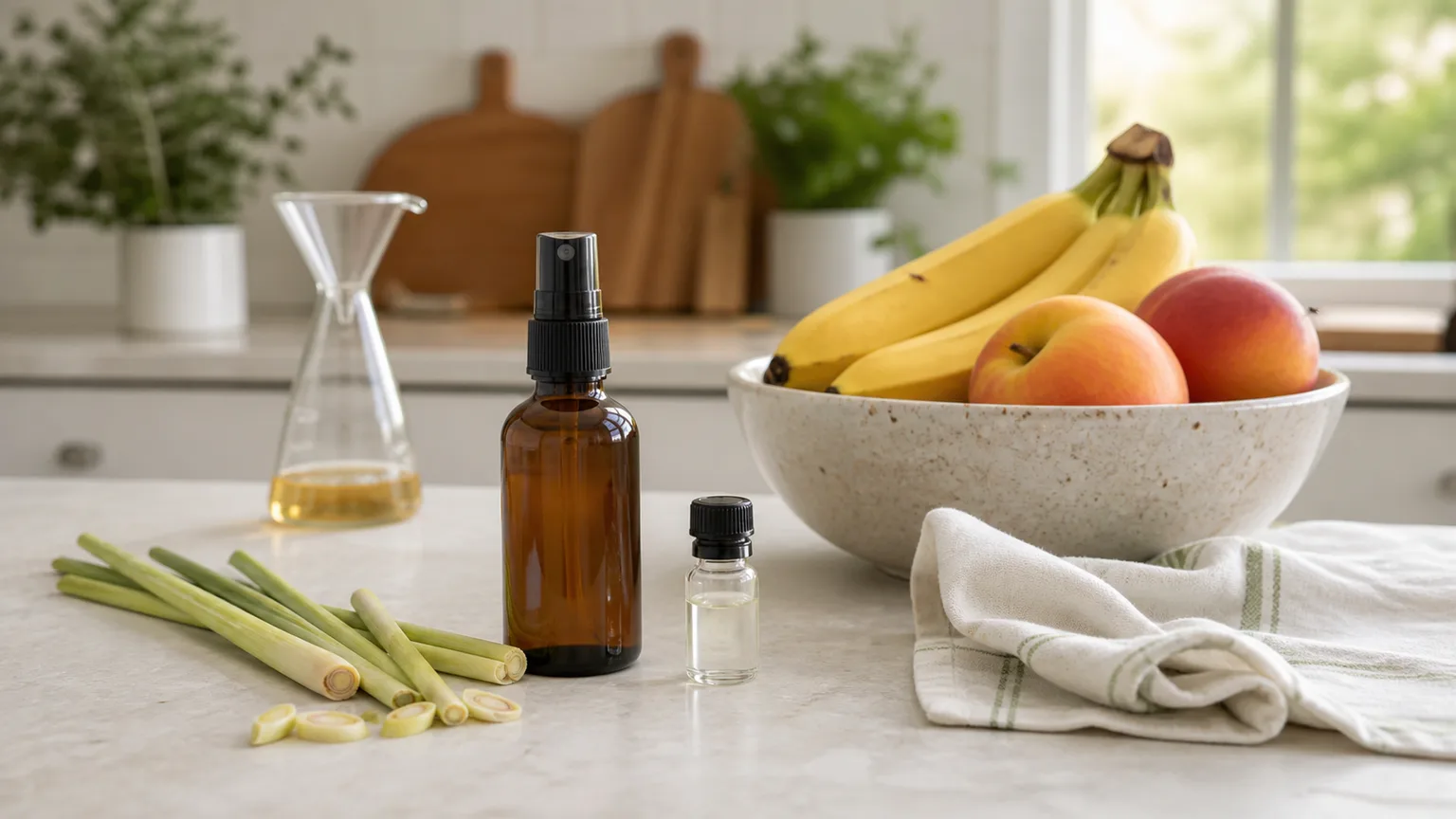
Last summer, my first apartment kitchen turned into a fly circus within weeks of move-in. I bought sprays, waved a swatter, and left a vinegar bowl out for “fruit flies” that may not have been fruit flies at all. The population kept rebounding. What finally worked was boring: four daily habits that remove breeding sites and attractants, plus a weekly audit for hidden fermenting waste. No miracle spray—just sanitation timed to how fast flies actually reproduce.
If you are only killing adults, you are losing. Under summer conditions, a house fly can develop from egg to egg-laying adult in about seven days (UC IPM). Fruit flies can complete a generation in eight to ten days (University of Wisconsin Extension). Kill twenty adults tonight and new ones emerge from maggots you never saw. The habits below target larvae and attractants—the part most quick-fix articles skip.
Why “Flies in the Kitchen” Usually Means Three Different Pests
The word fly hides at least four common indoor nuisances with different breeding sites and different fixes. Treating them all like “fruit flies” is why traps feel useless.
House flies (Musca domestica) are gray with four dark stripes on the thorax, about 3/8 inch long. They breed in garbage, animal waste, lawn clippings, and decaying food—not usually inside a drain line. They land on human food and can carry bacteria picked up from feces and waste (UC IPM; Illinois Department of Public Health).
Fruit flies (vinegar flies, Drosophila) are tiny—about 1/16 to 1/8 inch—with tan to brown bodies and often red eyes. They hover around fermenting produce, open soda, recycling, trash residue, and sticky bin bottoms. Females lay eggs on moist fermenting material; larvae feed on yeast in the decay (University of Wisconsin Extension).
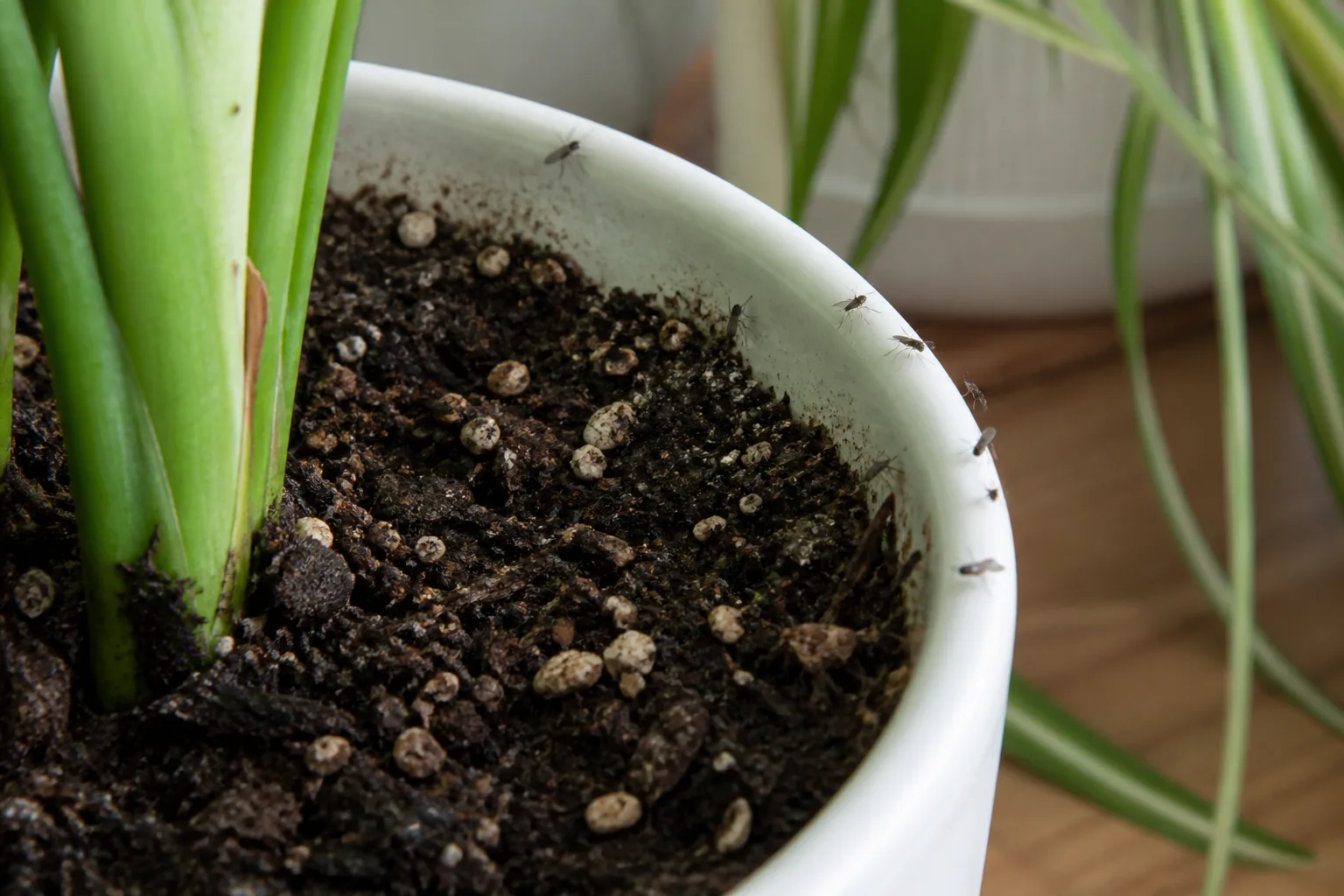
Drain flies (moth flies) are fuzzy, moth-like, and breed in gelatinous biofilm inside slow drains—not in a fruit bowl. Fungus gnats are delicate and soil-breeding; they rise from damp potting mix when you water, not from your trash can. Our fungus gnat field report and drain fly guide cover those separate jobs.
House Flies vs Fruit Flies vs Drain Flies (Quick ID)
Use where the fly hangs out, not just its size:
| Fly type | Where you see it | Breeding site | First fix |
|---|---|---|---|
| House fly | Walls, windows, landing on food | Garbage, pet waste outdoors, decaying yard waste | Seal trash, screens, outdoor sanitation |
| Fruit fly | Fruit bowl, trash, recycling, disposal | Fermenting organic film anywhere moist | Find and remove breeding material + trap adults |
| Drain fly | Bathroom/kitchen walls near sinks | Drain biofilm | Brush/clean drains; see drain fly guide |
| Fungus gnat | Pot rims, soil surface | Damp potting mix | Dry soil surface, BTI, sticky traps at soil |
Why Misidentifying the Fly Sends You to the Wrong Fix
A vinegar trap catches fruit flies beautifully and does almost nothing for a drain-fly population breeding in a P-trap. A sticky ribbon by the window may snag house flies that entered from outside while larvae keep hatching in an outdoor bin two feet from the door. Before you buy another gadget, spend sixty seconds watching flight paths: orbiting a banana is fruit-fly territory; resting on a sunny window at head height may be house flies that came in from outside.
The Four Daily Habits That Cleared My Kitchen
These map to the highest-impact attractants in a typical apartment kitchen. They are ordered by how much each one moved the needle for me—not by what sounds clever on a listicle.
- Wash dishes within five minutes (or load the dishwasher immediately).
- Remove trash at the first sour smell, even if the bag is not full.
- Reset pet litter and wet food zones before they ferment.
- Deploy traps when you see one fly, not after a swarm forms.
Sanitation is the key to filth-fly management; without it, other methods are “largely ineffective” (Illinois Department of Public Health). Traps and screens supplement that—not replace it.
Habit 1: Wash Dishes Within Five Minutes—or Load the Dishwasher Now
I used to let dishes stack until the sink was unusable. That stack is a fly buffet: food residue drying on plates, rinse water pooling at the bottom, and organic film on the drain strainer. House flies are drawn to warm, moist organic material including kitchen waste (UC IPM). Fruit flies need fermenting surfaces—exactly what a soggy sponge and greasy plate rim provide.
My rule now: if washing takes under five minutes, I do it immediately. If not, everything goes straight into the dishwasher and I run it when full rather than leaving a partially loaded machine with wet scraps inside. The win is not moral cleanliness—it is removing standing water and fermenting residue before flies detect it.
Standing Water in a Full Sink Is a Breeding Invitation
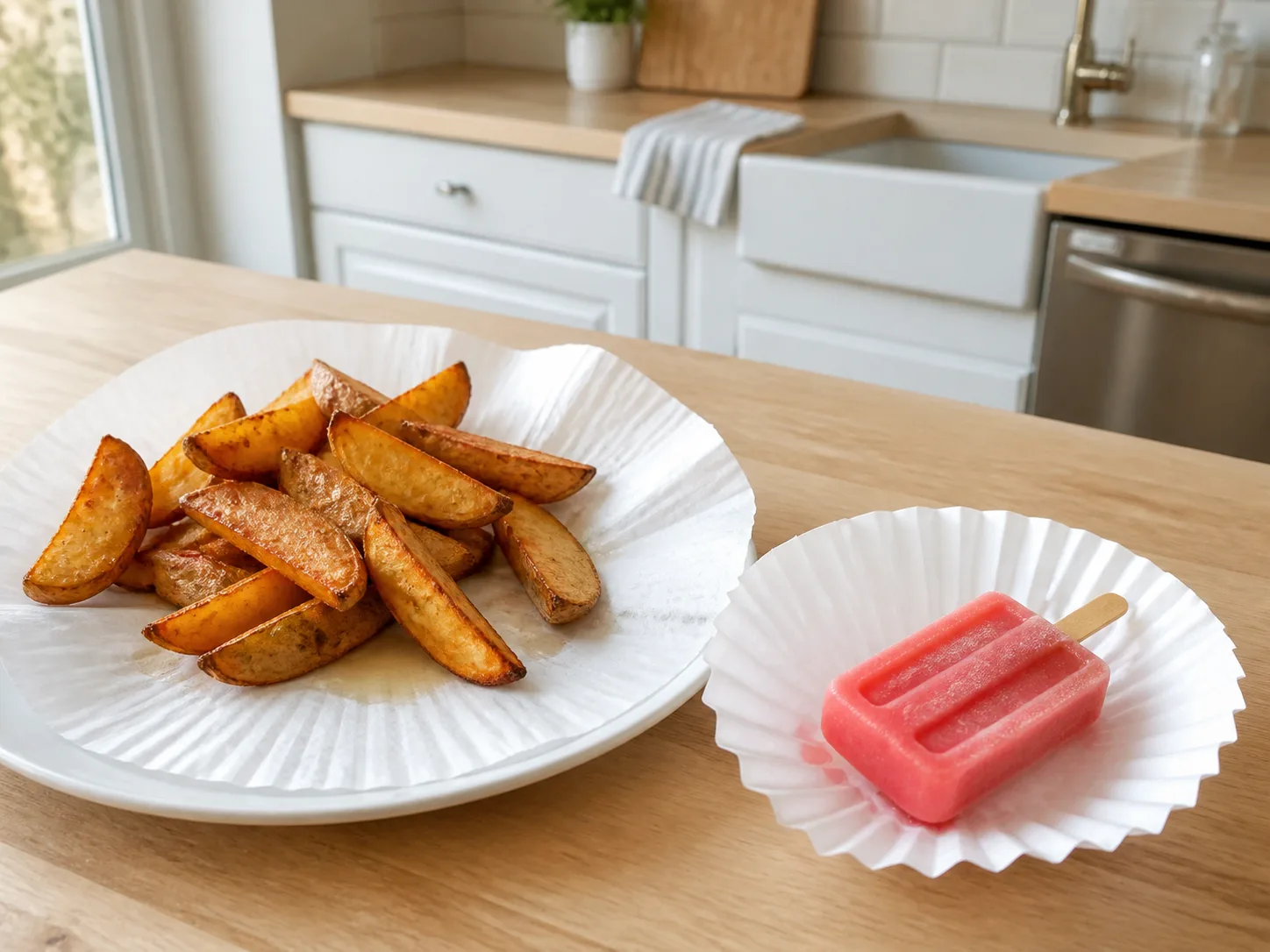
Flies do not need a swamp. A half inch of water in a stacked sink, a drip under the disposal flange, or a wet dish mat can hold enough organic film for small filth flies to exploit. After dishes, I run hot water through the strainer, wipe the sink lip, and hang the dish mat so it dries. That two-minute finish cut fly visits more than any trap I bought.
Do not swat near open food—UC IPM warns that smashed fly body parts can contaminate prep surfaces. Wipe the counter, then address the sink.
Habit 2: Trash Out at the First Sour Smell—Not When the Bag Is Full
I used to maximize bag volume: wait until the bin was packed, then haul one heavy bag. Flies maximize reproduction in the same window. Blow flies and house flies breed in garbage and food waste; females lay batches of roughly 100 to 150 eggs (UC IPM). Garbage that sits more than a week is likely producing adults (UC IPM).
Now I tie off and remove the bag when I smell anything sour—or when wet waste goes in (meat trim, melon rinds, coffee grounds). “Full” is not the metric; odor is the metric.
Bag, Lid, and Bin Changes That Actually Cut Odors
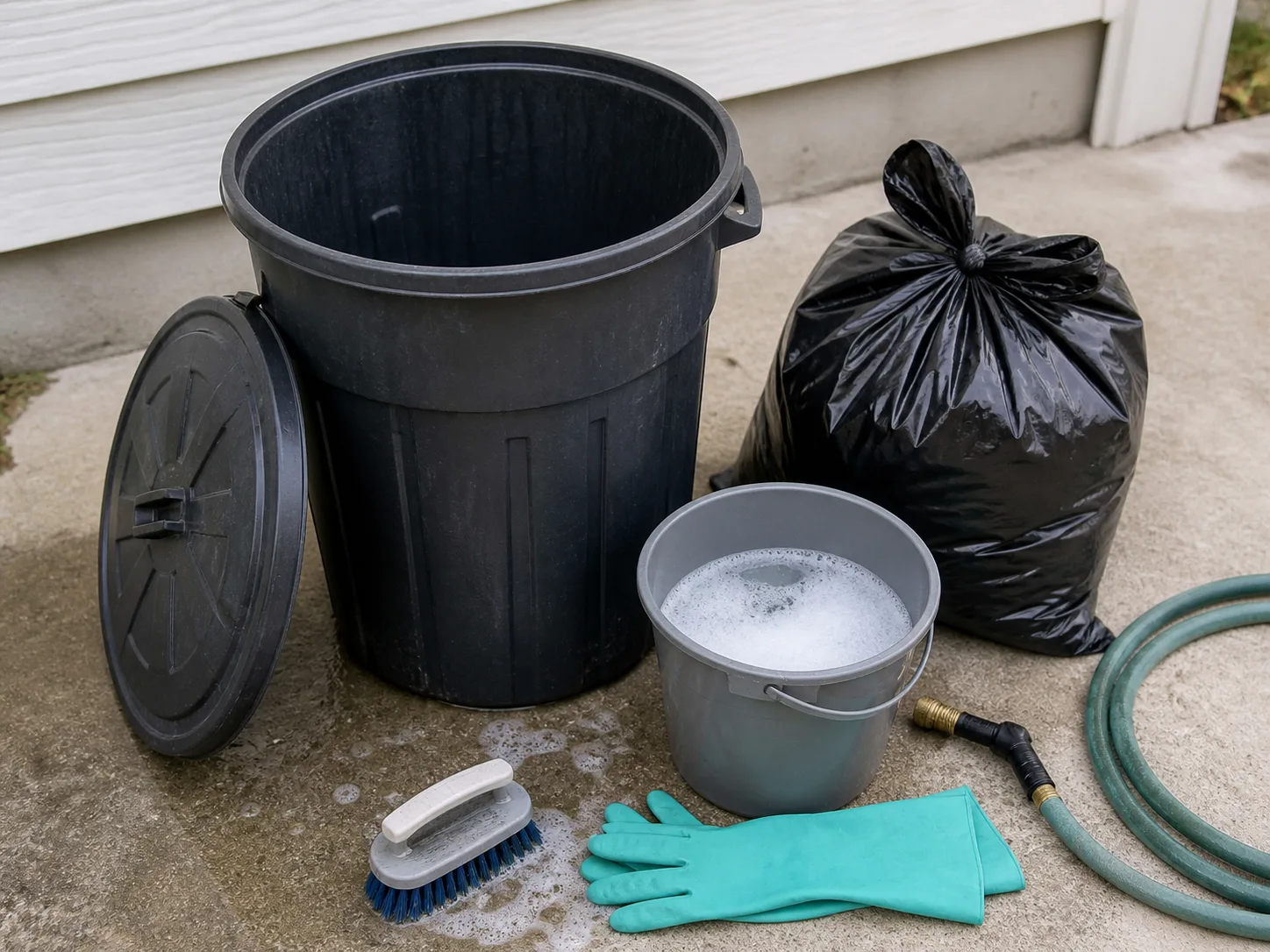
- Bag in plastic first, knot or twist-tie before it goes in the can—loose chicken juice at the bottom of a bin is a maggot factory. Our fruit flies in trash can guide walks through scrubbing the bin when adults keep returning.
- Tight-fitting lid that closes without a gap; if the lid props open on a full bag, the bag goes out early.
- Wash the can every one to two weeks in summer, or immediately after any maggot event. See how I cleared maggots fast if you are already past prevention.
- Outdoor cart away from the door when possible—UC IPM recommends garbage as far from building entrances as practical because adult flies follow odor plumes.
Recycling counts too. A rinsed-but-sticky soda bottle or ketchup jar in an open bin is a fruit-fly nursery (University of Wisconsin Extension). Rinse containers or bag them sealed.
Habit 3: Clean Pet Feeding and Litter Zones Before Flies Find Them
Pet areas combine protein, moisture, and odor—house flies and blow flies are attracted to decay and animal waste (Illinois Department of Public Health). I used to leave wet food in the bowl “for later” and scoop litter every other day. Flies noticed before I did.
Now: scoop litter daily, replace wet canned food within a few hours, and wipe the bowl rim. Water bowls get refreshed and the mat underneath dries. I still run a small trap near the litter zone as a monitor—not because litter is always a primary breeding site, but because a single missed scoop in heat can start a localized problem. If traps there stay clean while kitchen traps catch flies, the breeding site is probably elsewhere—reset your audit instead of blaming the cat.

Habit 4: Set Traps Early When You See One Fly, Not Fifty
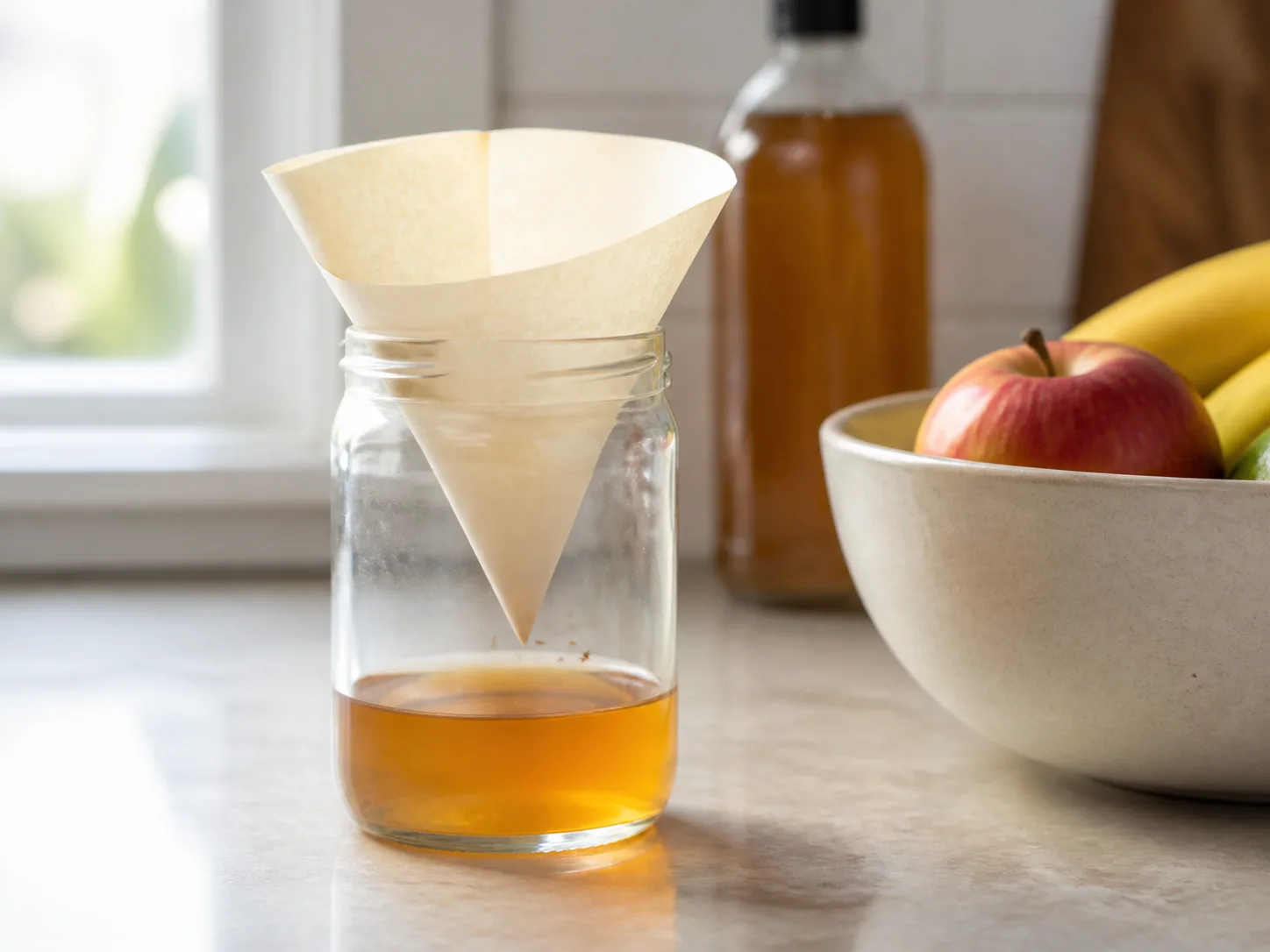
Prevention is easier when the population is small because flies multiply fast and adults are only the visible tip. I plug in a light trap in the kitchen and keep a vinegar trap ready for fruit-fly season. When I see one suspicious flyer, both go active.
Sticky ribbons work for a few house flies in a confined room but struggle outdoors or against heavy numbers (UC IPM). UV indoor traps help when they are not competing with daylight. Vinegar + dish soap catches fruit flies well but does not kill eggs in the trash. Compare options in our best fruit fly traps roundup and homemade fruit fly spray notes—pick the tool that matches the fly you identified.
Trap placement matters: foul-smelling bait traps belong away from where you eat (UC IPM). Do not let traps become the only step.
The Sunday Breeding-Site Audit I Run Now
Once a week I play detective—because fruit fly control “only stops when you find and eliminate breeding sites” (University of Wisconsin Extension). I set a timer for fifteen minutes and walk this list:
- Under the fridge and stove for fallen produce bits
- Onion and potato storage bins
- Dishwasher filter and door gasket
- Garbage disposal splash guard
- Recycling bin and bottle drying rack
- Mop bucket and sink caddy
- Compost caddy on the counter
Anything fermenting gets removed, scrubbed, or sealed. If flies persist with a clean trash can, the source is almost always on this list—not a missing product.
Hidden Fruit-Fly Sources Indoors (Under Appliances and in Cabinets)
Extension lists surprise breeders: banana peels swept under furniture, old ketchup bottles in recycling, sour mops, broken drain traps, and rotting bulbs in pantries (University of Wisconsin Extension). I lost a week to a single apple core that had rolled under the toaster oven. You do not need to be embarrassed— you need a flashlight.
When to Check Drains, Disposals, and Recycling
If small flies persist after trash and produce are clean, run the drain checklist: slow bathroom sink, floor drain in a laundry room, or disposal slime. Drain flies need biofilm removal—not more vinegar in a bowl. Jump to our drain fly guide when flies look moth-like or when traps catch nothing but the bathroom wall still has specks.
Flies rising from plant soil when you water point to fungus gnats—different treatment, same rule: fix the breeding medium.
What I Stopped Doing After It Failed
Spraying random “flying insect” aerosols near food prep gave a few seconds of knockdown and zero larval control. UC IPM notes pesticides are rarely needed indoors and flies develop resistance; sanitation and screens should be sufficient in most homes (UC IPM).
Waiting for a full trash bag was actively breeding flies.
One vinegar bowl as the whole plan—adults drowned, larvae partied in the bin liner.
Ignoring outdoor bins while fighting indoor flies. House flies inside almost always entered from outside (UC IPM). Our outdoor fly guide covers yard waste and patio zones.
Bug zappers near the kitchen—UC IPM warns exploded insect parts can propel onto food. Hard pass.
Screens, Seals, and the Outdoor Trash Zone
Exclusion is the first line of defense: seal cracks around doors and windows, repair screens, and keep doors closed when possible (UC IPM; Illinois Department of Public Health). I added a screen door bumper so the main door actually latches and replaced a torn window screen that was basically a fly highway.
Outside, I moved the cart to the far side of the porch, bagged waste before it hits the can, and hose-scrubbed the cart seasonally. Dog waste in the yard gets picked up weekly minimum—house flies breed in feces (UC IPM).
When Traps Alone Are Not Enough—and What to Do Next
Escalate when you have done three full audit cycles and still see multiple species or dozens of adults daily:
- Large blow flies indoors can mean a dead rodent or bird in a wall void (Illinois Department of Public Health)—that is a structural search, not more sticky paper.
- Persistent drain flies after drain cleaning need mechanical brushing and sometimes a plumber—see the drain fly guide.
- Soil-breeding gnats need plant-side drying and BTI, not kitchen traps.
- Stable flies near compost or manure piles outdoors—different pest, painful bites; clean compost moisture (UC IPM).
For plug-in trap comparisons, our Zevo flying insect trap review covers indoor light traps as one layer—not a substitute for trash discipline.
Conclusion
Keeping flies out of my kitchen stopped being a battle when I stopped fighting adults and started starving larvae. Wash dishes fast, trash on odor not volume, reset pet zones daily, trap at the first fly, and audit hidden fermenting waste weekly. Identify whether you are dealing with house flies, fruit flies, drain flies, or fungus gnats before you choose a trap.
The math is simple: seven to ten days per generation, hundreds of eggs per female house fly, and sanitation as the only strategy that breaks the cycle (UC IPM; University of Wisconsin Extension). Do that work first and traps finish the job. Skip it and you will feel like flies “keep coming back” forever—because they never fully left.