When to Plant Potatoes for an Abundant Harvest
Learn when to plant potatoes using soil temperature, frost dates, and zone windows—plus how to prep seed pieces and avoid the timing mistakes that rot your crop.
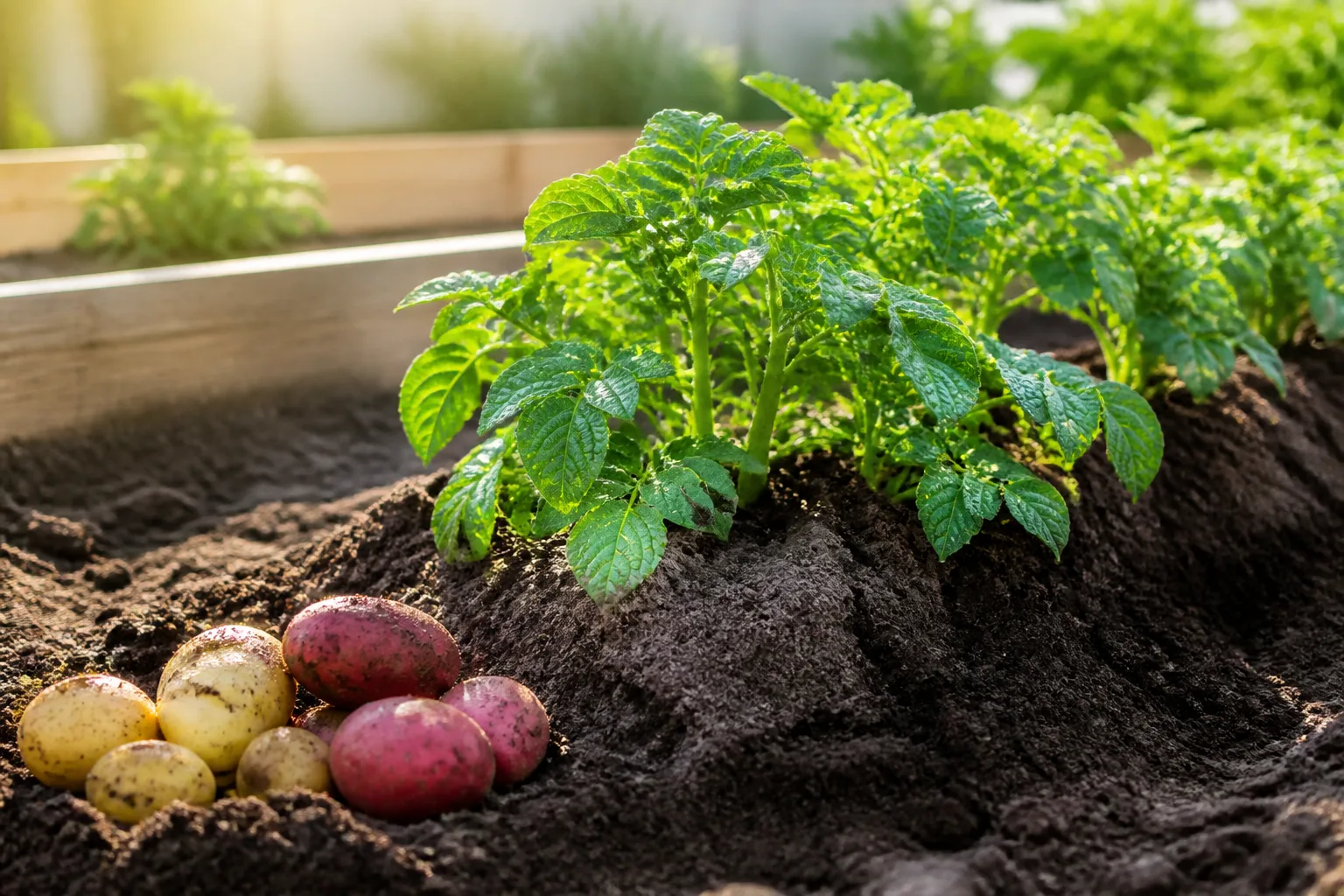
Potatoes reward patience at the start and punish rushing. The crop is not planted from true seed in most home gardens; you plant seed potatoes—small tubers or cut pieces with eyes—and those pieces sit in cold, wet soil far longer than a lettuce seed ever would. Get the timing wrong and the seed rots quietly underground while the calendar insists spring has arrived. Get it right and a modest row can return five or more tubers per plant with far less fuss than many other vegetables demand.
The best time to plant potatoes is when soil at planting depth has warmed to at least 45°F (7°C), the ground crumbles instead of clumping, and you still have enough cool weeks ahead for tubers to form before summer heat shuts the crop down. Calendar dates help, but they are secondary. A warm March week can sit on top of soil that is still cold and saturated from snowmelt, and that mismatch is the most common reason home plantings fail before sprouts ever show. Gardeners who treat potatoes like tomatoes—planted when air feels pleasant—often discover the difference only after an empty row and a second trip for replacement seed.
Why Potato Timing Matters More Than the Calendar
Potatoes are a cool-season crop. They sprout in cool soil, grow fastest while soil stays roughly 60–70°F (16–21°C), and slow tuber formation sharply once soil climbs toward 80°F (27°C) and above. That biology means planting day is really a bet on two windows at once: cool enough now for the seed piece to wake up, and cool enough later for tubers to size up before heat ends the season.
Air temperature misleads you. Soil lag behinds air, especially after a wet winter or heavy mulch cover. Extension guidance from Utah State University and other land-grant programs commonly recommends planting seed pieces 14–21 days before your average last spring frost, but only after soil temperature confirms readiness. The frost date sets the anchor; the thermometer confirms the ground is actually cooperating. If you only remember one rule, make it this: soil temperature at planting depth beats the date on a meme or seed-packet cartoon.
What Happens When You Plant Too Early or Too Late
Plant too early into cold, saturated soil and seed pieces often sit dormant, then rot. Below about 40°F (4°C), sprouting stalls. Waterlogged clay holds cold longer and excludes oxygen around the cut surface. You may not know anything failed until three or four weeks pass with no emergence, at which point replanting compresses your harvest window.
Plant too late and the opposite problem appears. Soil may still accept sprouting, but tuber set starts late and competes with rising summer temperatures. In northern gardens, a late-May planting of a maincrop variety can produce foliage but disappointingly small tubers. In hot southern summers, some gardeners skip spring entirely and plant a fall or winter crop when soil cools again.
The Soil Temperature Rule That Sets Planting Day
Do not plant potatoes until soil at 4 inches (10 cm) depth reaches at least 45°F (7°C). Many growers wait for 50–55°F (10–13°C), which reduces rot risk and speeds emergence. NC State Extension notes that potatoes grow best in full sun and well-drained soil, and its potato plant profile recommends planting in North Carolina between mid-February and the end of March while tolerating light frost on emerged foliage.
Tuber formation—not just sprouting—also depends on temperature. Ideal tuber development occurs roughly 60–70°F (16–21°C) soil. Above about 80°F (27°C), tuber set slows significantly, which is why timing in hot regions is tied as much to finishing before heat as to starting after cold.
| Soil reading | What it usually means for planting |
|---|---|
| Below 40°F (4°C) | Too cold; high rot risk in wet soil |
| 45°F (7°C) | Minimum sprouting threshold many extensions cite |
| 50–60°F (10–16°C) | Safer planting window; faster, more even emergence |
| 60–70°F (16–21°C) | Strong growth and tuber development |
| Above 80°F (27°C) | Tuber formation slows; reconsider very late spring plantings |
How to Take a Reliable Soil Temperature Reading
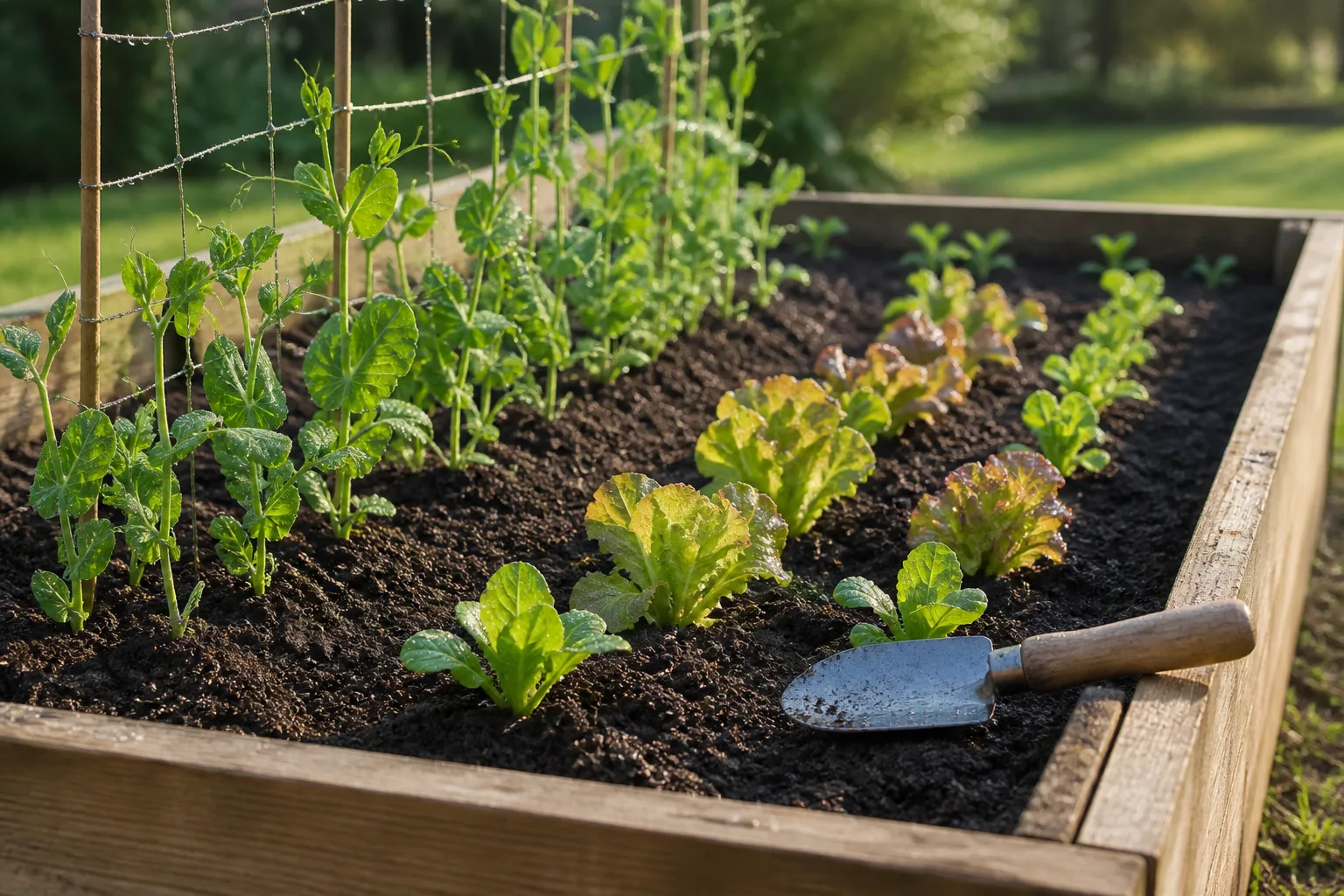
A soil thermometer costs little and prevents the most expensive mistake: replanting an entire row. Push the probe 4 inches deep in the bed where potatoes will go, not in a sunny path or raised edge that warms faster. Read it in the morning, when soil is coolest, and repeat for three consecutive days. Average those readings. Plant when the three-day average is at least 45°F and trending stable or upward.
One warm afternoon reading is not enough. Surface warmth after a sunny day can hide cold layers where the seed piece actually sits. If nights are still dropping below freezing regularly, combine the thermometer with your local last-frost outlook before committing the whole crop.
The Workability Test for Wet Spring Soil
Temperature is only half the readiness check. Potatoes need loose, well-drained soil; saturated ground compacts around seed pieces and encourages decay. NC State Extension warns that poorly drained soil may cause tubers to rot, and heavy clay that stays slick days after rain is not ready even if a thermometer reads 45°F.
Scoop a handful of soil from planting depth and squeeze it. Ready soil holds together briefly, then crumbles when you poke it. If water streams out or the clump stays tight like modeling clay, wait. Working wet beds also destroys structure you need for easy hilling later. If your native soil drains poorly, a raised bed or deep amended trench is often easier than fighting calendar envy every spring. A quick percolation check helps: dig a 12-inch hole, fill with water, and see whether it drains within an hour. Standing water after that test is a stop sign even when neighbors are planting.
Match Planting Time to Your Climate Zone
USDA hardiness zones translate frost patterns into rough planting months. Treat the ranges below as starting points, then confirm with soil temperature and your local extension planting calendar. Your microclimate—south-facing slope, urban heat island, coastal fog—can shift dates by two weeks or more.
Northern Gardens (USDA Zones 3–5)
Short cool windows favor early and midseason varieties planted as soon as soil passes 45–50°F and drains well—often mid-April through mid-May depending on snowmelt. Last frost may fall into May; planting two to three weeks before that date is standard, but never override a cold, wet bed just because neighbors planted on a sunny weekend. In zone 3, snow may still linger on north slopes when south-facing beds are workable, so split your planting if you have multiple microclimates.
Choose varieties that finish in 70–90 days if your summer heat arrives quickly. Maincrop types need a longer cool stretch and may perform better in raised beds that warm faster than surrounding lawn soil. University of Minnesota Extension notes that potatoes are sensitive to drought at flowering, so northern growers who plant late should plan irrigation before heat spikes rather than assuming spring rains will carry the crop through July.
Midwest and Mid-Atlantic (Zones 6–7)
Many gardeners here plant late March through late April, again keyed to last frost and soil readiness rather than Easter or tax day. A common pattern is one early variety for new potatoes and one midseason or maincrop type for storage, both planted in the same window but harvested weeks apart. See our guide on how long potatoes take to grow for variety timing and harvest cues. Staggering varieties beats staggered planting dates when your soil hits readiness all at once.
Rotate away from beds that held tomatoes, peppers, or eggplant the previous year. Those crops share pest and disease pressures with potatoes in the nightshade family. If space is tight, containers or grow bags let you plant on schedule while giving last year’s tomato bed a rest. Choose a bag at least 24–30 inches tall with drainage holes and fill with loose potting mix rather than dense garden clay.
Southern and Mild Coastal Gardens (Zones 8–10)
Mild winters allow February or even January plantings in many Gulf Coast and coastal Pacific Northwest gardens, provided soil is not waterlogged. Summer heat ends spring crops early, so early varieties matter. Some growers plant again in late summer or early fall for a second harvest before winter, counting back 90–110 days from the first expected fall frost.
In the hottest interior South, spring planting may finish before tubers size well; fall planting into cooling soil often outperforms a late spring attempt.
Spring Planting Windows and Last-Frost Math
Use this simple sequence each year:
- Look up your average last spring frost date from a local extension office or NOAA climate station—not a generic national map if you can avoid it.
- Target planting two to three weeks before that date, conditional on soil temperature and drainage.
- Confirm 45°F+ soil at 4 inches for three mornings in a row.
- Match variety days-to-maturity to the cool weeks remaining before summer heat.
Utah State University Extension advises planting seed pieces 14–21 days before the last frost date once soil is warm enough, aligning sprout emergence with diminishing hard-freeze risk. Sprouts typically appear 14–28 days after planting, faster in warmer soil and slower near the minimum threshold. Early varieties such as ‘Red Norland’ or ‘Yukon Gold’ may show top growth sooner than dense maincrop types, but emergence speed still tracks soil warmth more than variety name.
If you are new to the crop, read what to know before growing potatoes for seed selection, hilling, and grocery-store pitfalls before you lock a planting week. Keep a simple garden log: planting date, soil temperature at planting, first emergence date, and first harvest. Two seasons of notes beat any national chart for your own yard.
Fall and Winter Potato Planting in Hot Climates
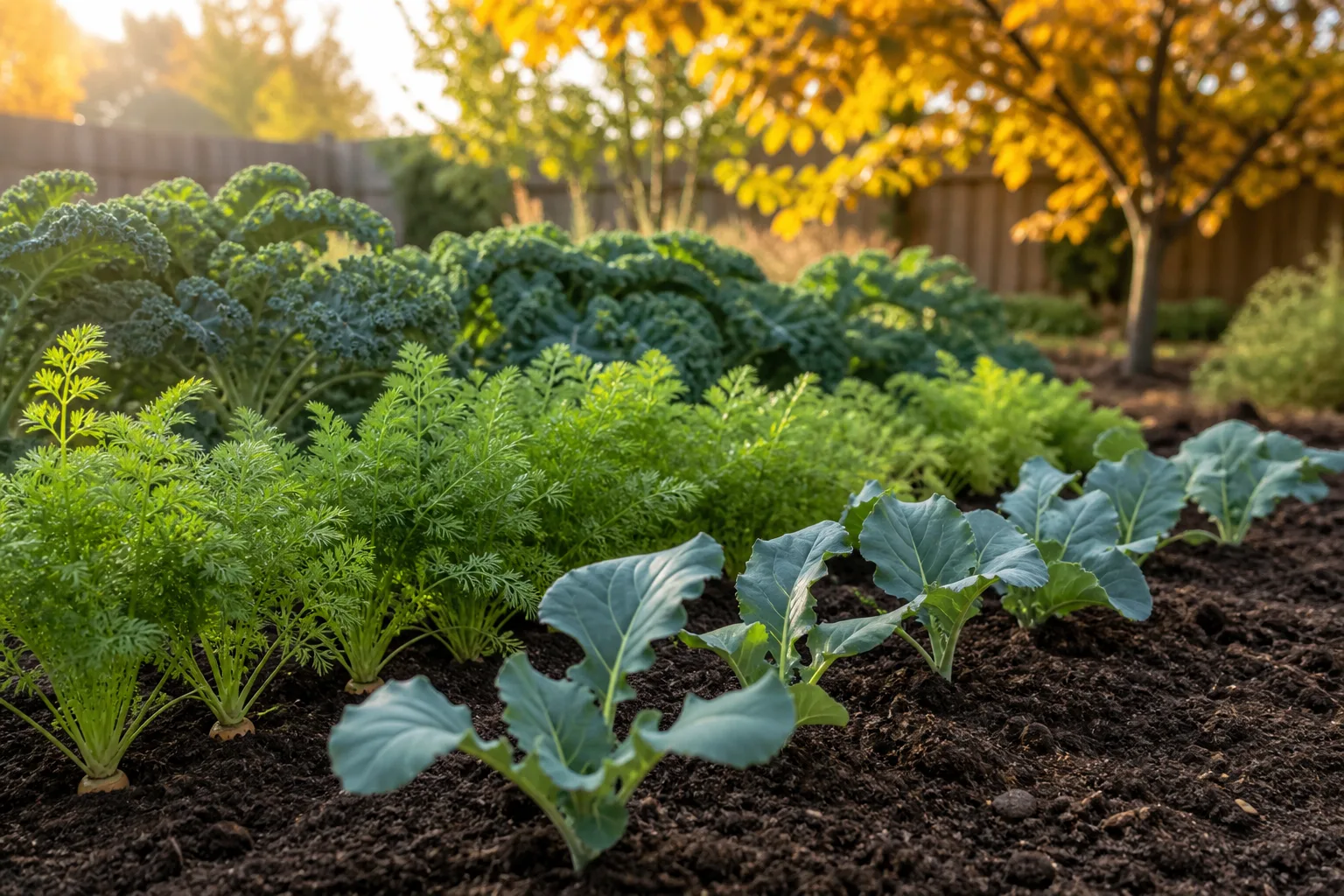
Where summers are too hot for reliable tuber formation, a fall crop can be the better harvest. Plant when soil cools in late summer or early autumn, allowing enough days before first frost for the variety you chose. In zones 9–10, some gardeners plant January through February for a spring harvest, treating potatoes like a winter crop similar to how northern gardeners treat peas. Count backward from your first frost date using the days-to-maturity on the seed label, then add a buffer of one to two weeks because cooling soil slows growth compared with spring.
Fall planting shares the same soil rules: do not place seed into baking, dry soil or cold mud. Mulch after emergence to moderate temperature swings, and choose fast varieties unless your fall frost date is distant. In mild areas where ground does not freeze deeply, tubers can remain in soil and be dug as needed through winter, but harvest before spring warmth triggers new sprouting on stored tubers left in the ground.
Getting Seed Potatoes Ready Before Planting Day
Timing starts before the seed touches soil. Buy certified disease-free seed potatoes suited to your region rather than grocery store tubers, which may carry sprout inhibitors or unlabeled disease risk. NC State Extension lists both inhibitors and uncertain health status as reasons store potatoes are unreliable for planting. Order seed early in the season; popular varieties sell out, and waiting can push planting into heat whether or not your soil was ready on time.
Cut large tubers so each piece has at least one to two strong eyes and enough flesh to fuel early growth. Let cut pieces dry and callus in a shaded, airy spot for about one to two days—or longer in humid weather—before planting. Small egg-sized seed can be planted whole. Avoid dusting cut pieces in ash or fungicide unless your extension office recommends it for a known local issue; clean callusing and warm soil solve most home-garden rot problems.
Chitting for an Early Start
Chitting means pre-sprouting seed potatoes in light before planting. Set tubers with eyes up in trays or egg cartons in a cool, bright, frost-free place until shoots are short and sturdy—roughly 1–2 inches (2–5 cm), not long pale spaghetti. The RHS grow-your-own guidance treats chitting as optional but useful for earlies in short seasons. Start chitting about four to six weeks before your expected planting window so shoots are ready when soil passes your thermometer test.
Chitting does not rescue bad soil timing. A pre-sprouted piece still rots in cold, wet ground. It can, however, shave days off emergence when your soil thermometer finally reads go. Break off excess weak sprouts before planting so the piece puts energy into one or two strong stems rather than a tangle that snaps at hilling time.
How to Plant Potatoes Once the Soil Is Ready
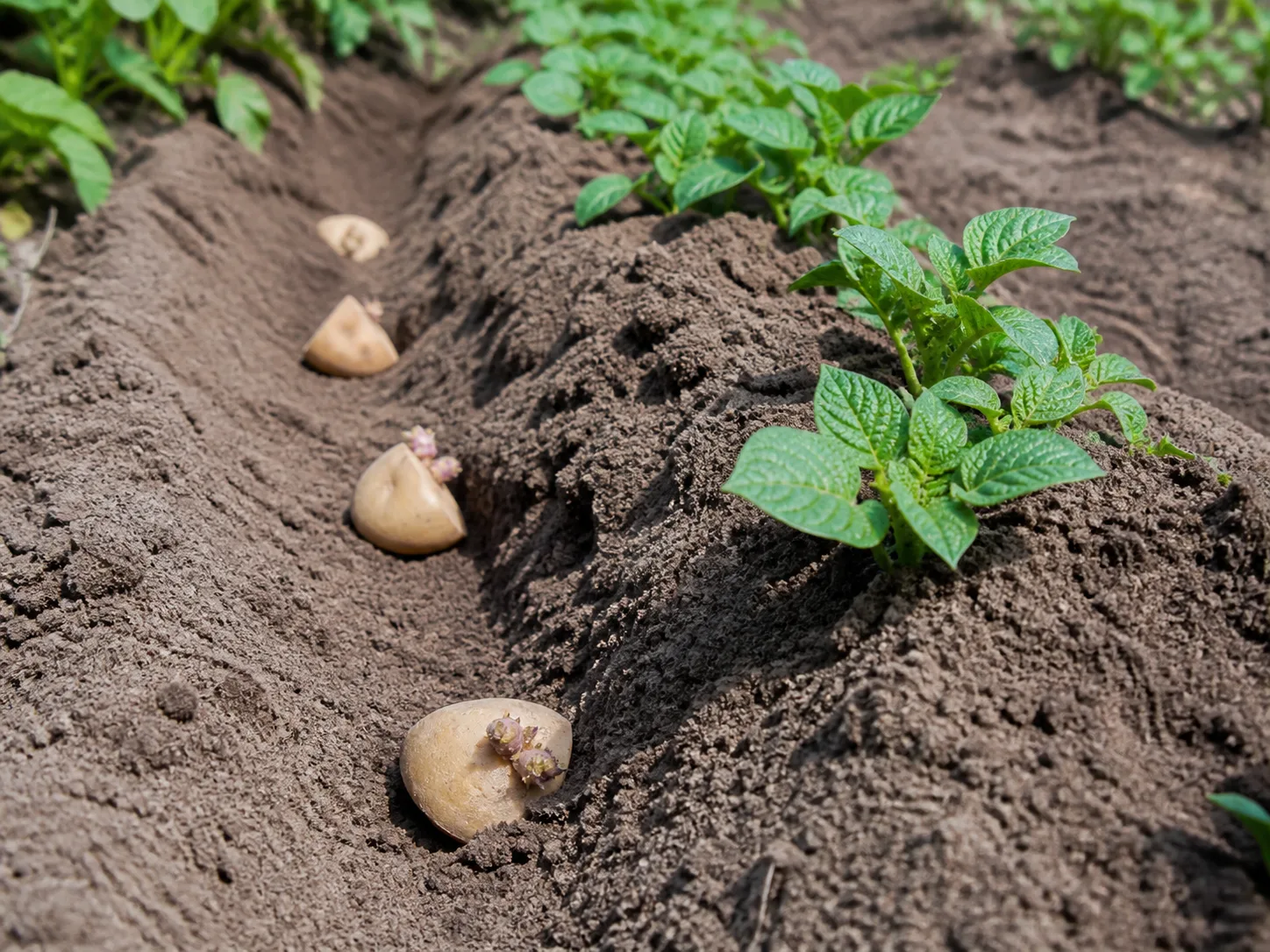
When temperature, drainage, and seed prep align, planting mechanics are straightforward:
- Choose full sun—at least six hours daily—with loose, slightly acidic soil if possible to reduce scab risk.
- Dig a trench or hole 3–4 inches deep in spring; go 4–6 inches in hotter areas to keep developing tubers cooler.
- Place pieces eyes up, 10–12 inches apart, with 30–36 inches between rows in ground beds.
- Cover with soil and water lightly to settle without flooding.
- Hill when shoots reach 6–8 inches, mounding soil or straw to cover lower stems; repeat as plants grow to prevent green tubers.
Expect sprouts in two to four weeks depending on soil warmth. Apply a low-nitrogen, phosphorus-forward fertilizer at planting if your soil test warrants it; excessive nitrogen pushes foliage at the expense of tubers. Alternate early and late varieties if you want fresh potatoes from midsummer into fall. A tablespoon of balanced or phosphorus-heavy fertilizer placed beside—not touching—each seed piece is enough on moderately fertile soil; more is not better.
Containers work when they are deep enough—roughly two feet or more—and drain freely. Monitor moisture closely; pots dry faster but also rot seed if saucers hold water. On planting day, firm the soil gently over the piece without compacting the bed into a brick. The first watering should moisten the zone around the seed, not saturate the entire profile.
Protecting Young Potato Plants From Late Frost
Seed pieces tolerate more cold than emerged leaves. A light frost may nip foliage while the underground piece survives and regrows from the crown within a week or two. A hard freeze below about 28°F (-2°C) on fully emerged plants causes heavier damage, though plants often recover if the crown remains intact below soil. Blackened leaves after a cold night look alarming, but wait before replanting; new shoots often appear from nodes you cannot see.
If frost is forecast shortly after emergence, cover rows with row cover, straw, or an old sheet overnight and remove it when temperatures rise above 50°F (10°C) to avoid overheating. Do not panic-dig the row after one cold night; wait ten days and assess new growth before replanting. Hill soil lightly over short shoots if only a few leaves are exposed and a light frost is expected—it adds insulation the way it will later protect tubers from sun.
Common Timing Mistakes That Shrink the Harvest
Trusting the calendar alone is the classic error. Warm air after rain does not mean 4-inch soil is 45°F and crumbly. Planting grocery potatoes trades a small savings for sprout inhibitors and disease you cannot see. Skipping callus time on cut pieces raises rot rates in cool soil. Waiting too late compresses tuber bulking into summer heat. Neglecting hilling after a good planting week still yields green, bitter tubers exposed to sun. Planting every eye on one giant tuber without leaving enough flesh per piece produces weak shoots that exhaust themselves before tubers form.
If nothing emerges after 30 days, carefully uncover one seed piece. Firm, pale tissue means slow sprouting; soft, brown, foul-smelling tissue means rot—usually cold, wet soil or uncured cuts. Fix the condition, then replant with fresh seed rather than hoping the row recovers. When replanting, shift the row slightly or refresh the top few inches of soil so you are not sending new seed into the same anaerobic pocket that rotted the first batch.
For harvest timing once plants are up, see how to harvest potatoes. For bed partners that share the season well, see companion plants for potatoes. If you wonder how many tubers one plant can produce once timing is right, our guide on how many potatoes grow from one potato walks through realistic yield expectations by spacing and variety.
Conclusion
The right time to plant potatoes is not a single national date. It is the week when your soil at 4 inches holds 45°F or warmer, crumbles instead of clumping, and your chosen variety still has enough cool days to bulk tubers before heat peaks. Count back two to three weeks from your average last frost, verify with a thermometer, start with certified seed, and plant eyes up at the proper depth.
Get those checks right and potatoes become one of the most forgiving crops in the garden—easy to start, generous at harvest, and far more predictable than guessing from a headline that spring “should” have arrived. Miss them and no amount of fertilizer later will undo a seed piece that rotted in cold mud while you waited for a calendar permission slip.



