Why Are My Cucumbers Bitter? Causes and Fixes
Bitter cucumbers come from cucurbitacin buildup under stress. Learn what triggers bitterness, how to prevent it while growing, and what to do with cucumbers you already picked.
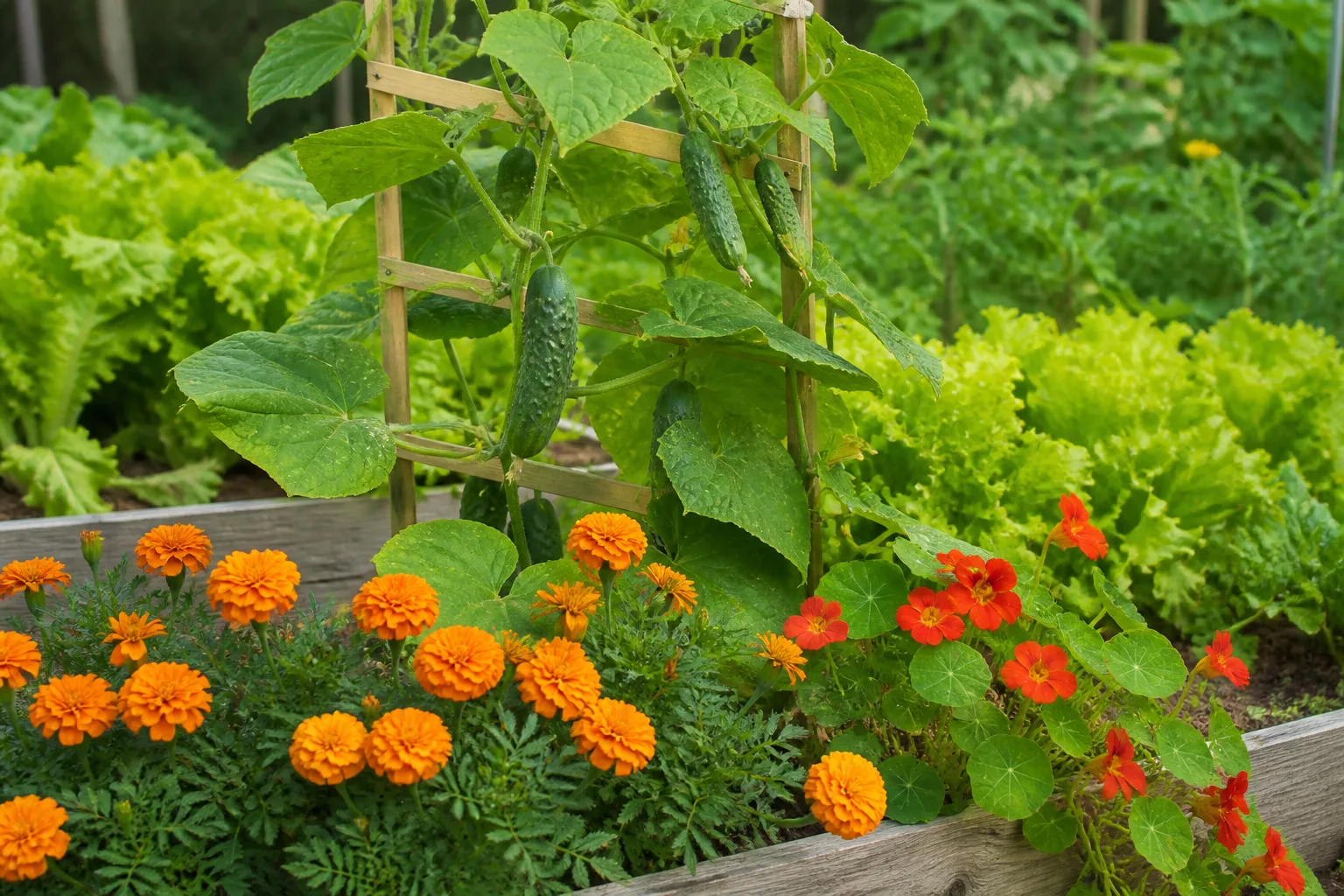
You waited weeks for the first slicing cucumber, cut a thick round, and the flavor hits like raw melon rind. Bitter cucumbers are one of the most common summer garden disappointments—and the frustrating part is that the fruit often looks perfect on the outside. The problem is not random bad luck. It is almost always cucurbitacin, a natural defense compound that normally stays in leaves and stems until plant stress pushes it into the fruit.
The good news: bitterness in cucumbers is usually temporary and preventable. Fruit that forms after you correct watering, heat stress, or nutrition often tastes normal again. Fruit already on the vine when stress peaked may stay bitter, but you can often salvage part of it for salads or pickles. This guide explains what triggers bitterness, how to stop it during the growing season, which varieties resist it, and what to do with cucumbers already in your kitchen.
The Science Behind Bitter Cucumbers (Cucurbitacin)
Cucurbitacin is a bitter-tasting compound found in cucumbers (Cucumis sativus) and related cucurbits. Purdue Extension notes that most cucumber plants contain cucurbitacin in foliage and can carry it in fruit as well, especially when the plant is stressed by low moisture, high temperatures, or poor nutrition. Alabama Cooperative Extension describes cucurbitacin as a toxin that likely helps plants resist disease—and the higher the concentration, the more intense the bitterness and the greater the chance of digestive discomfort if you eat a lot of it.
Why Cucumber Plants Produce This Compound
In wild and older cucumber types, cucurbitacin concentrated in leaves and stems discouraged animals from chewing the vines. Cultivated slicing and pickling cucumbers still carry the genes for cucurbitacin B and cucurbitacin C. Under comfortable growing conditions, those genes stay quiet enough that the fruit tastes mild. When the plant senses stress—dry soil, heat spikes, nutrient shortage, insect pressure—the chemistry shifts and more cucurbitacin moves into developing fruit.
That is why two cucumbers from the same vine can taste different: one formed during a cool, wet week and another during a brutal heat wave. Bitterness is a stress signal frozen into the fruit at formation, not a flavor that ripens in or out like sweetness in a tomato.
Where Bitterness Concentrates in the Fruit
Bitterness rarely hits the whole cucumber evenly. It pools at the stem end (the blossom end is usually milder) and in the green skin just under the peel. Thick-skinned pickling types and overgrown slicers often taste more bitter than thin-skinned burpless cultivars because more cucurbitacin sits in that outer layer.
A quick taste test before you chop an entire cucumber for guests: slice off the stem end, peel a strip, and taste. If only the peel and first inch are bitter, the center may still be fine for salad. If bitterness runs through the flesh, discard the fruit—pickling will not fix it, and Purdue Extension is explicit that bitter cucumbers do not improve when pickled.
Why Do My Cucumbers Taste Bitter?
Most bitterness traces back to environmental stress during fruit development. Genetics set the baseline—some varieties are naturally lower in cucurbitacin—but weather and care decide whether you actually taste it.
Drought and Uneven Watering
Inconsistent moisture is the top trigger home gardeners report. Cucumbers are shallow-rooted vines that need steady water to move calcium, potassium, and nitrogen into fast-growing fruit. When soil swings from soggy to bone dry, roots cannot keep up. Alabama ACES lists low soil moisture and uneven watering—very wet, then very dry—as major contributors to bitter fruit.
During a drought, cucurbitacin flushes into cucumbers already sizing up. Oregon State University Extension describes bitterness as a temporary issue that often follows hot, dry weather; correcting water helps subsequent fruit taste normal. Aim for about 1 to 1.5 inches of water per week in one or two deep applications rather than daily sprinkles that wet only the surface. Drip irrigation along the row, soaker hoses, or a slow hose at the root zone beats overhead sprinklers that leave leaves wet and soil uneven.
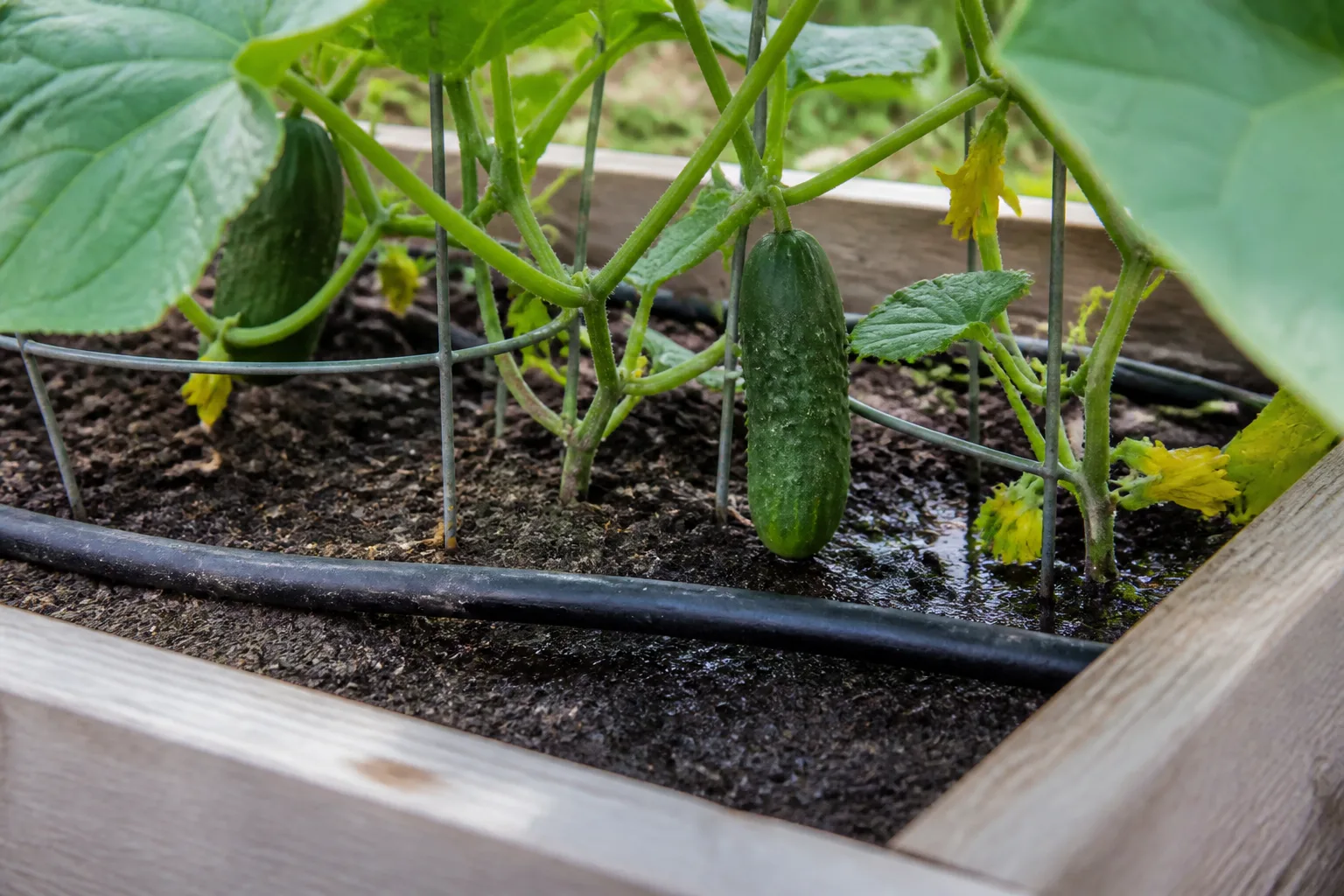
Heat Stress and Temperature Swings
Cucumbers prefer warm soil and air but struggle when temperatures stay above roughly 90°F (32°C) for days, especially if soil is dry at the same time. Epic Gardening and Oregon State Extension both tie mid-summer heat waves to sudden bitterness spikes. Wide day–night temperature swings can add stress even when average temps look fine.
Cool stress matters too. Fruit that develops when nights drop below about 60°F (16°C) late in the season can also taste off. If your cucumbers turned bitter in early fall, cold nights combined with slowing vine growth may be part of the story—not just “end of season” decline.
Poor Soil Fertility and Low pH
Lean soil forces cucumbers to compete for nutrients while pumping out fruit—a recipe for stress. Alabama ACES lists low fertility and low soil pH as possible bitterness triggers alongside moisture and temperature. Cucumbers are moderate-to-heavy feeders. A bed that started strong in spring can run out of nitrogen and potassium by midsummer when vines are at peak production.
A soil test every few years is worth the $20. If pH is below about 6.0, lime according to your extension office’s recommendation for your region. Side-dress with compost or a balanced organic fertilizer when vines begin to run, and again at first heavy fruit set. For bed prep and timing, see our when to plant vegetables guide if you are planning next year’s cucurbit rotation.
Pollination and Variety Factors
Not every bitter cucumber is about drought. Harvest timing and seed choice matter—and one common explanation you will hear online is partly wrong.
Does Pollination Really Cause Bitterness?
You may read that pollen from male flowers makes cucumbers bitter. Pollination itself does not inject cucurbitacin. What actually happens is that genetics and stress interact: older monoecious varieties with both male and female flowers on the same plant can carry higher baseline cucurbitacin genes, and stress during pollination and fruit set determines whether you taste it.
Gynoecious varieties produce mostly female flowers and are often marketed alongside packets of male-flower pollen sources for pollination. They are popular in commercial fields because they set fruit efficiently—not because male pollen magically causes bitterness. Parthenocarpic types set fruit without pollination and are a strong choice if you want fewer seeds and more uniform slicers in hot climates.
If bitterness is a recurring problem, switching seed genetics matters more than trying to block bees from your patch.
Overripe and Oversized Cucumbers
Cucumbers are not “leave it on the vine until you need it” crops. Fruit that stays on the plant too long turns yellow, hardens seeds, and often tastes bitter and fibrous. Epic Gardening notes that overgrown cucumbers past their ideal harvest window concentrate off flavors.
Pick slicing cucumbers at 6 to 8 inches for most varieties (check your seed packet—some Asian types are best smaller). Pickling types are often best at 2 to 4 inches. Harvest every two days during peak season so vines keep producing new flowers instead of maturing seeds in oversized fruit. If you are unsure how long production should last on a healthy vine, our guide on how long cucumber plants give fruit walks through realistic harvest windows and when to pull tired vines.
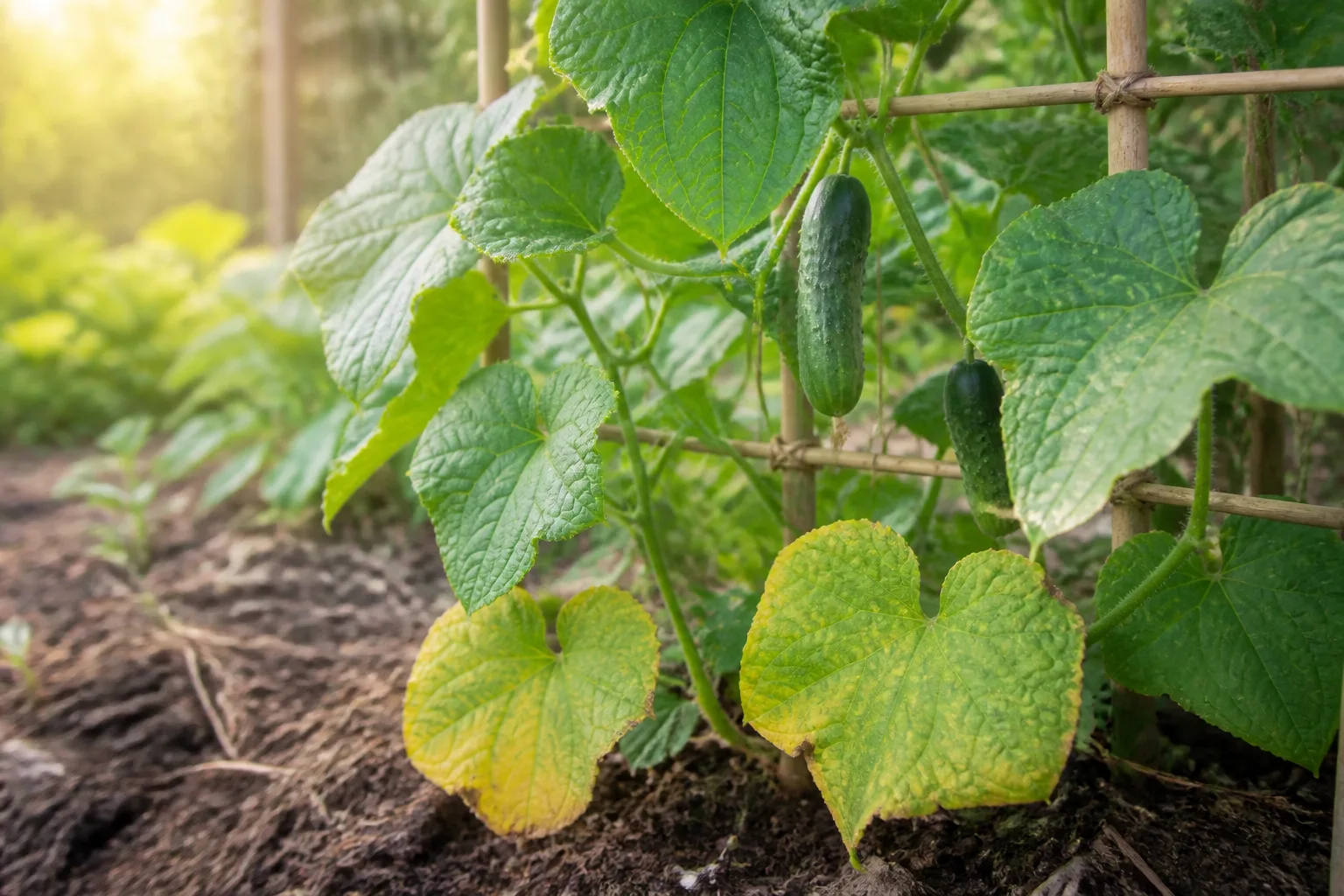
How to Prevent Bitter Cucumbers While Growing
You cannot change the flavor of a cucumber already full-sized on the vine, but you can protect fruit that forms after you fix conditions. Think of prevention as a mid-season reset, not a lost cause.
Water and Mulch for Steady Moisture
Start with moisture. During heat waves, water before the hottest days, not after bitterness shows up in fruit. Apply 1 to 1.5 inches per week on average; sandy soil may need more, clay less—but the finger test at 2 inches depth is more reliable than a calendar. If soil is dry at that depth, soak the root zone slowly.
Mulch is not optional in hot summers. Straw, shredded leaves, or compost 2 to 3 inches deep cools soil, cuts evaporation, and keeps weeds from stealing water. Purdue Extension recommends mulch alongside deep watering as the core fix when bitterness appears mid-season. In raised beds that dry fast, combine drip lines under mulch for the most even moisture.
Shade during extreme heat can help too. A 30–40% shade cloth over trellised vines—or a temporary patio umbrella on the west side of the bed—reduces leaf temperature when air temps exceed 95°F. Pair shade with water; dry shaded soil still stresses plants.
Fertilizing, Spacing, and Reducing Competition
Feed vines that are working hard. Side-dress with compost or apply a balanced organic fertilizer when plants begin to vine and again at heavy fruit load. Avoid high-nitrogen-only feeds late in season; they push leaves at the expense of stable fruit quality.
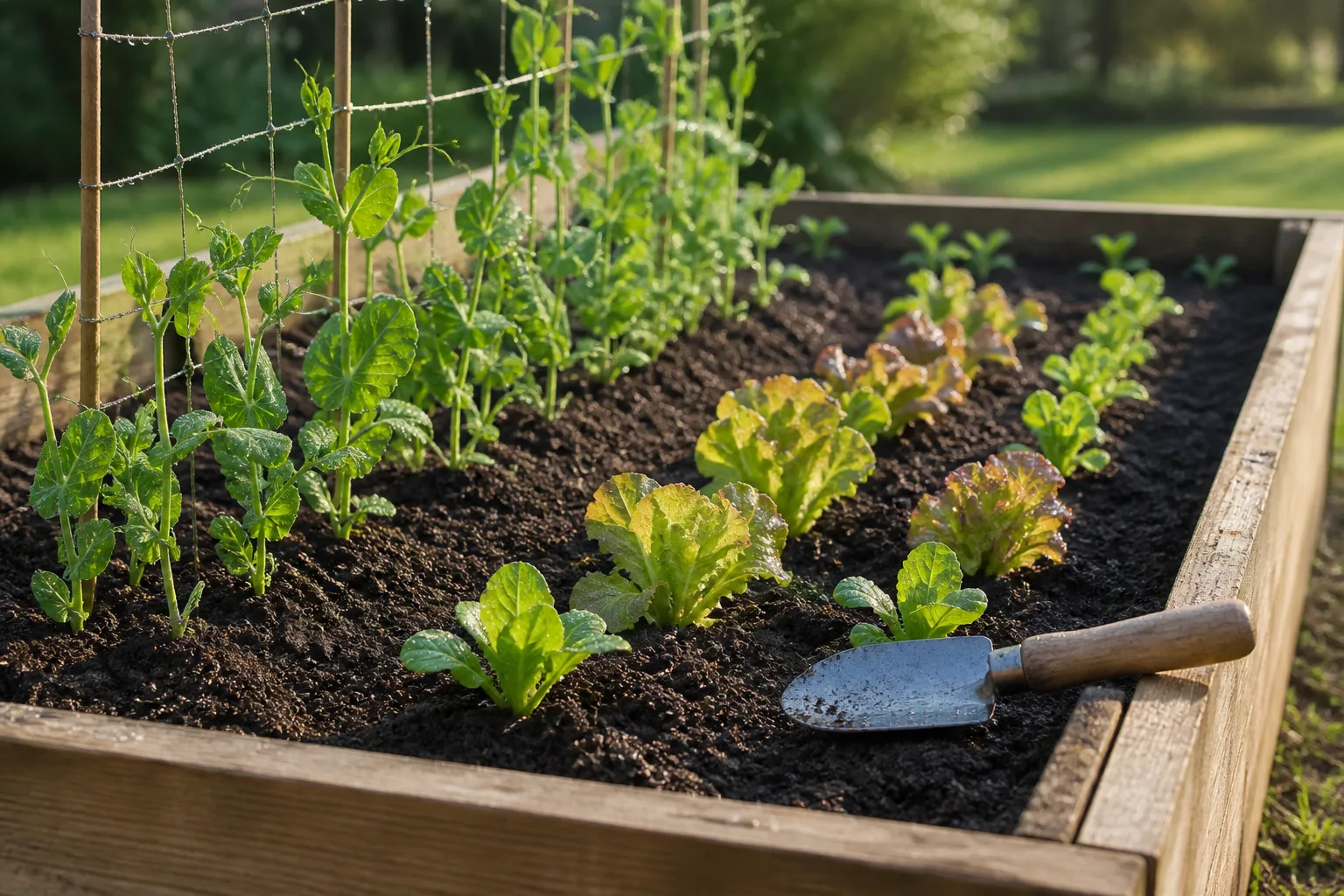
Spacing reduces competition for water and nutrients. Trellised cucumbers often need 12 to 18 inches between plants along a row with 5 to 6 feet of vertical support. Ground-sprawling plants need 3 feet or more. Keep the bed weeded—cucumbers hate sharing a shallow root zone with aggressive weeds.
Rotate cucurbits so cucumbers do not follow squash, melons, or pumpkins in the same bed year after year. Shared pests like cucumber beetles stress vines and open disease pathways; our companion plants for cucumbers guide covers neighbors that support pollination and beetle scouting, and our squash bug guide matters if beetles and bacterial wilt pressure are high in your area.
Non-Bitter and Burpless Cucumber Varieties to Plant
If bitterness has been a pattern across multiple summers—not just one heat wave—variety choice is your best long-term fix. Modern breeding selected cultivars with lower cucurbitacin genes, often marketed as burpless or bitter-free.
Reliable Bitter-Free Cultivars for Home Gardens
Purdue Extension lists bitter-free types including Carmen, County Fair, Diva, Green Knight, Sweet Slice, Sweet Success, and Tasty Green, and notes that catalogs add new low-bitterness cultivars each season. Other commonly available options include Marketmore 76, Marketmore 97, Fanfare, Garden Sweet, Sweeter Yet, and Burpless types bred for thin skin and mild flavor.
Diva and Sweet Success are parthenocarpic slicers popular in humid regions where disease pressure is high. County Fair resists cucumber beetles—a stress reducer in its own right. Lemon cucumber, an heirloom round yellow type, is often mild when picked young but can turn bitter if left to oversize.
Read seed packets for “bitter-free,” “burpless,” or “no cucurbitacin” language. In short-season northern gardens, choose types that mature quickly so fruit sets before late-summer heat peaks. In hot southern zones, prioritize heat-tolerant bitter-free slicers and plan a second sowing in late summer for fall harvest when nights cool.
What to Do With Bitter Cucumbers You Already Picked
Salvage is worth trying before you compost a whole harvest basket. Work from least to most aggressive:
Trim the stem end. Cut off the first 1 to 2 inches from the stem side where cucurbitacin concentrates. Taste a slice from the trimmed fruit.
Peel the skin. Most compound sits in the green outer layer. A vegetable peeler removes a surprising amount of bitterness on thick-skinned fruit.
Rub-the-ends folk method. Some gardeners cut the stem end, rub the cut face against the exposed flesh until a white foam appears, rinse, and repeat on the blossom end. Science on this is thin, but trimming and peeling are the reliable parts—if foam appears, it is likely cucurbitacin-rich sap, and rinsing removes it.
Salt soak for salad cucumbers. Soaking peeled slices in salted water for 15 to 30 minutes draws out moisture and some bitter compounds, which is why pickle recipes start with salt. Use about 1 tablespoon salt per cup of water, rinse, and pat dry before dressing. This helps mild bitterness more than severe cases.
If the center still tastes harsh after peel, trim, and soak, discard the fruit. Do not hide intensely bitter cucumbers in fermented pickles or relish—the flavor stays, and high cucurbitacin levels are not worth serving to guests.
Is It Safe to Eat Bitter Cucumbers?
Lightly bitter cucumber—where trimming and peeling fix the flavor—is generally safe in normal serving amounts. Alabama ACES notes that very high cucurbitacin concentrations can cause a memorable stomachache, which is why “burpless” marketing targeted digestibility as well as taste.
Intensely bitter whole-fruit bitterness is a stop sign. Do not eat it, and do not juice or pickle it hoping cooking will help. Bitterness in zucchini and summer squash is a separate, rarer genetic issue that can cause stronger gastrointestinal reactions; if a squash tastes bitter, discard the entire fruit and subsequent fruit from that plant, per Alabama ACES guidance.
Children and guests with sensitive stomachs should not be served cucumbers that still taste bitter after peel and trim. When you are unsure, taste a small piece yourself before building a large salad.
Conclusion
Bitter cucumbers are a stress response, not a mystery curse on your garden. Cucurbitacin moves into fruit when moisture, heat, fertility, or harvest timing push vines past their comfort zone—usually in mid-summer when days are hottest and water is easiest to forget. Fix water first: deep, consistent irrigation, mulch, and shade during heat waves. Then tighten harvest timing, feed tired vines, and plant bitter-free cultivars next season if your soil and weather are otherwise sound.
Fruit already bitter at picking may partially salvage with stem-end trimming, peeling, or a salt soak, but future cucumbers on the same vine often taste fine once conditions improve. Keep a simple mid-season checklist: check soil moisture at 2 inches, water before heat spikes, pick every two days, and taste-test before you chop. For yellowing leaves or declining vines that might be adding hidden stress, see our guide on why cucumber leaves turn yellow—healthy foliage supports sweeter fruit. With steadier care and the right seed, your next harvest is far more likely to taste like summer should.



