Using Mop Water on Plants: When It's Safe and When It Isn't
Plain mop water can water some plants—but floor cleaners, vinegar, and tracked residue change the answer. Learn the pour test, plant-by-plant rules, and safer reuse options.
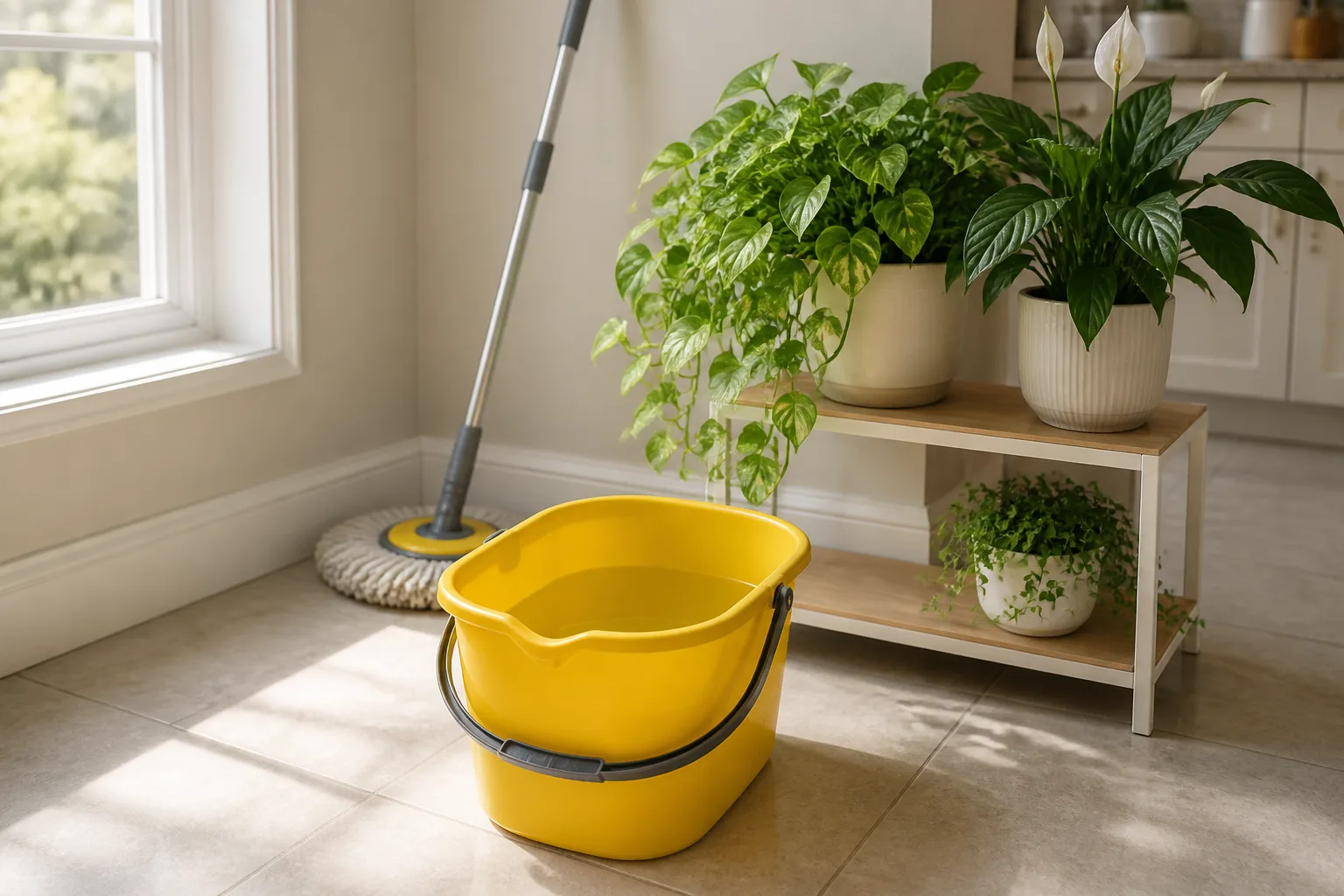
You finish mopping, glance at a dry pothos or a thirsty border shrub, and wonder whether the bucket at your feet counts as free irrigation. The honest answer is sometimes—and the difference between a smart reuse habit and a root-burning mistake fits in a quick look at the water itself.
Mop water is not one thing. A bucket of plain rinse water from a microfiber mop is a different product from water that carried pine cleaner, vinegar rinse, or the grime from a kitchen floor. Treating them the same is how good intentions turn into crispy leaf edges and crusty potting mix.
Mop Water Is Not Automatically Plant Food
Graywater—the gently used household water from sinks, showers, baths, and some laundry rinse cycles—can help gardens through dry spells when it is handled carefully. The Royal Horticultural Society notes that shower, bath, kitchen, and washing-machine rinse water may contain soap residues that soil can filter, and that small-scale, short-term use can tide plants over during summer drought.
Mop water sits adjacent to graywater, not inside it. It is floor runoff, which means it picks up whatever was on your soles, your pet’s paws, and the cleaning path you took through the house. That extra baggage is why mop buckets need their own safety screen instead of the looser rules people apply to a basin of dish rinse water.
What Makes Floor Water Different From Tap Water
Tap water is predictable. Mop water is a snapshot of your floor and your cleaning routine. Even when you mop with nothing but water, the liquid may hold fine grit, hair, skin cells, tracked road salt, wax from hardwood polish, or residue from earlier cleaning products that were not fully rinsed away.
Hard floors in entryways and kitchens are the highest-risk zones because they collect the most foot traffic and food spills. A “water-only” mop in a freshly bleached bathroom is not the same as a rinse bucket from a mudroom after winter. The floor history matters as much as what you added to the bucket today.
The 30-Second Pour Test: Clean vs. Contaminated
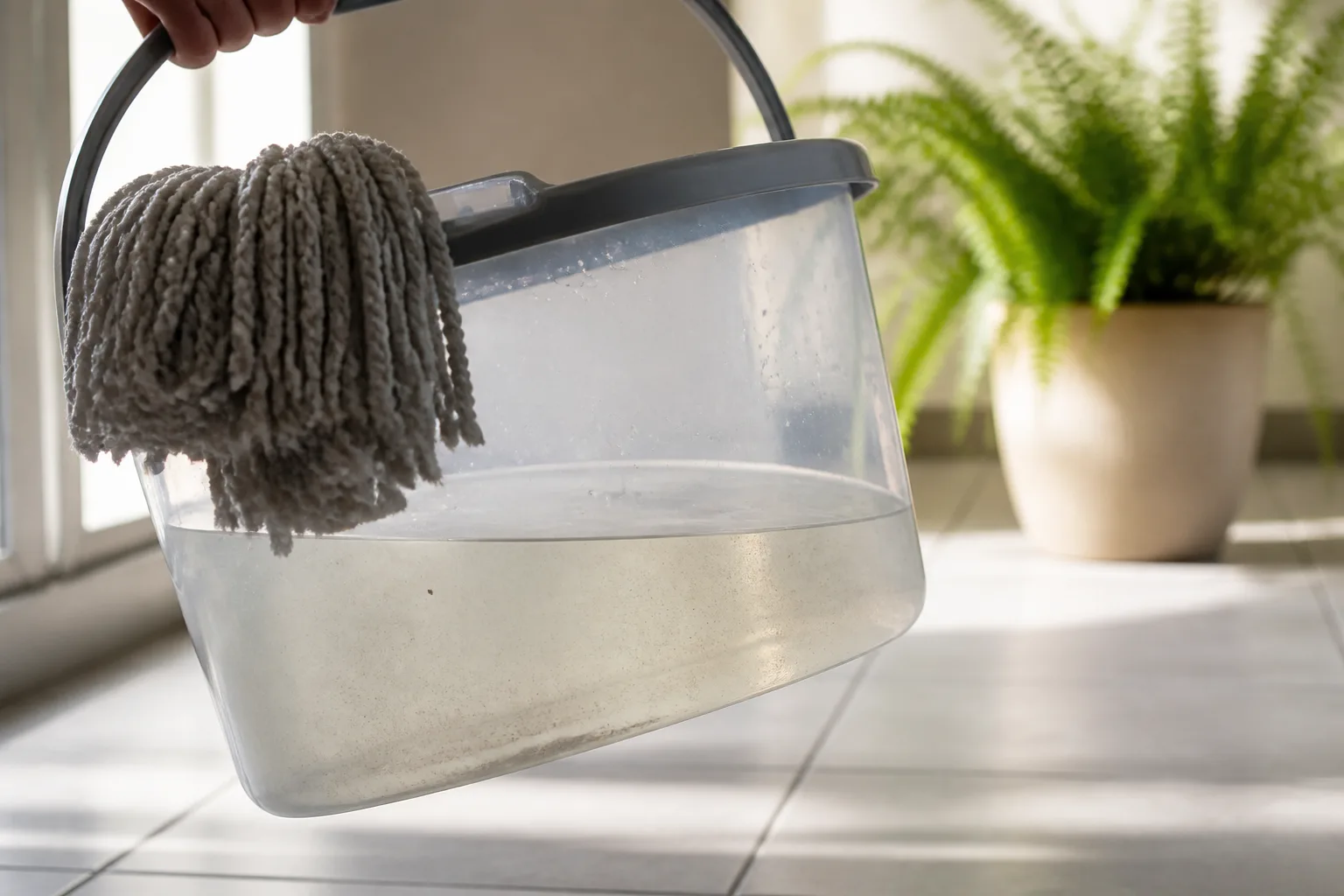
Before you carry a bucket anywhere near a plant, run this screen. It takes less than half a minute and prevents most damage.
Hold the bucket to the light. Pass if the water is clear to lightly cloudy, has no greasy rainbow sheen, smells neutral (not chemical, sour, or strongly perfumed), and was used with only plain water—no spray cleaner on the floor first, no capful of detergent in the bucket, no vinegar or baking soda mix. Fail if you used any cleaning product, if the water looks murky or oily, or if you cannot remember what was in the bucket.
When the water fails, send it down the appropriate household drain. A failed batch is not rescued by diluting it with more tap water in the garden; you are still spreading surfactants, salts, or pathogens over roots.
When Plain Mop Water Is Generally Safe
If your mop water passes the pour test, you can usually use it on established ornamental plants—landscape shrubs, hardy perennials, mature houseplants in well-draining pots, and lawns that are not your only source of barefoot recreation. The RHS found that applying gray water for several weeks over summer did not significantly harm function in tested border perennials, though some plants such as lamb’s ears (Stachys byzantina) eventually showed salt-stress signs and benefited from a flush of clean water.
That research context supports occasional plain mop water on tough ornamentals, not a daily diet. Rotate with fresh water so sodium and other residues do not accumulate, especially in containers where there is no deep soil profile to buffer salts.
Apply the water to soil at the base of the plant, not over leaves. Floor grit can scratch foliage and clog stomata, and any trace chemistry is safer in the root zone than as a foliar film.
When You Should Pour It Down the Drain Instead
Do not use mop water on plants when any cleaning agent touched the floor or the bucket—dish soap, all-purpose spray, floor wax, disinfectant, ammonia, bleach, oxygen bleach, enzyme cleaner, or “plant-based” concentrates. Surfactants strip root cell membranes, and repeated doses cause chronic decline that looks like mysterious wilting weeks later.
Also skip plant reuse when the water is visibly dirty (mud, pet accidents, food spills), warm or hot from a recent mop session, or stored overnight. Bacterial growth accelerates in standing warm water, and the RHS recommends using gray water within about 24 hours unless it is treated through a designed filtration system.
If you pre-treated the floor with a product and then mopped with plain water, the rinse water is still contaminated. The cleaner transferred to the mop head and into the bucket.
Why “Natural” Cleaners Still Ruin Roots
Labels that say natural, non-toxic, or biodegradable describe human safety and environmental breakdown—not plant root compatibility. A product can biodegrade in soil over weeks while still damaging roots on contact.
Horticulturists routinely warn against watering plants with mop water that carried vinegar, baking soda, or Castile soap, even when those ingredients feel pantry-safe. Vinegar lowers pH and, at higher concentrations, acts as an herbicide on tender growth. Baking soda adds sodium salts that burn roots and alter soil chemistry. Soaps emulsify oils on floors and in potting mix, reducing air space around roots.
Vinegar, Baking Soda, and Castile Soap on Soil
Vinegar mop rinses are especially risky for container plants and acid-loving species already managing tight pH. A single pour may not kill a mature shrub, but repeated vinegar mop water on the same bed can push soil pH out of the range where nutrients stay available.
Baking soda raises sodium load without giving plants a useful nutrient boost. In pots, sodium accumulates fast because leaching volume is small. You may see crusty white rings on soil surfaces and leaf tip burn on sensitive houseplants.
Castile and other plant-based soaps are milder than degreasers but still surfactants. They are inappropriate for carnivorous plants, moss trays, and seedlings. For a deeper look at how cleaning products change reuse decisions for sink water—not just floors—see our guide on reusing dishwater around the house.
Floor Residue You Cannot See
Even plain mop water can carry invisible trouble. Road salt and ice-melt crystals tracked indoors accumulate in bucket water and devastate soil structure over time. Pet urine introduces ammonia and salts. Hydrocarbon residues from garages or driveways ride in on shoes. Pesticide or herbicide drift on shoes is rare but real on rural properties.
If your mop path included entry mats, garage thresholds, or a kitchen where raw meat was prepared on the floor (pet areas, toddler zones), treat the water as contaminated regardless of clarity. When in doubt, the drain is cheaper than replacing a hedge.
Match the Water to the Plant
The pour test tells you whether the water is eligible. The plant tells you whether it is a good recipient.
Houseplants and Container Gardens
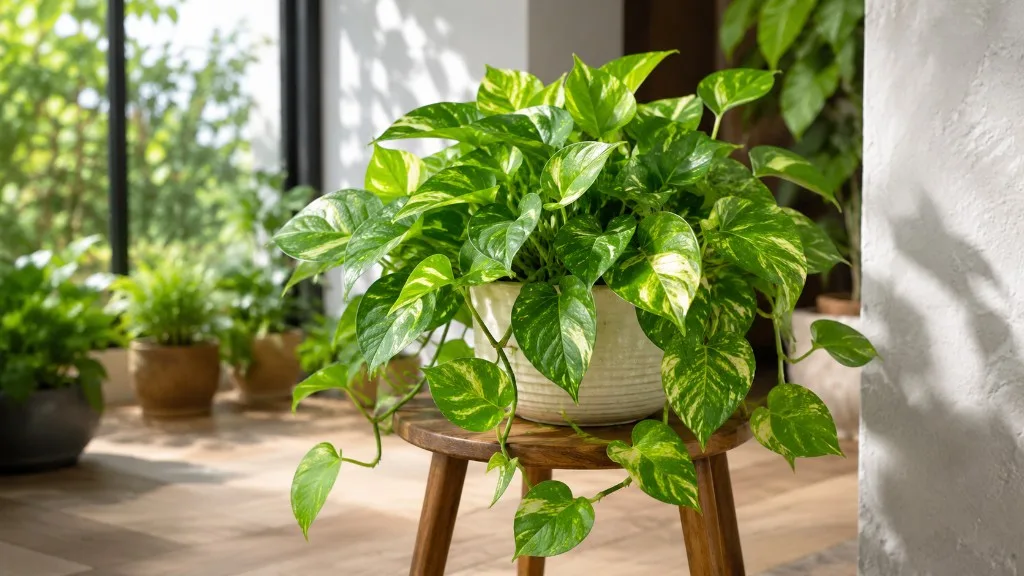
Container soil has limited volume and no groundwater dilution. Plain mop water can work on large, established pothos, philodendrons, peace lilies, and similar resilient foliage plants occasionally, poured slowly onto soil until a little drains from the bottom, then discard the saucer runoff rather than letting roots sit in it.
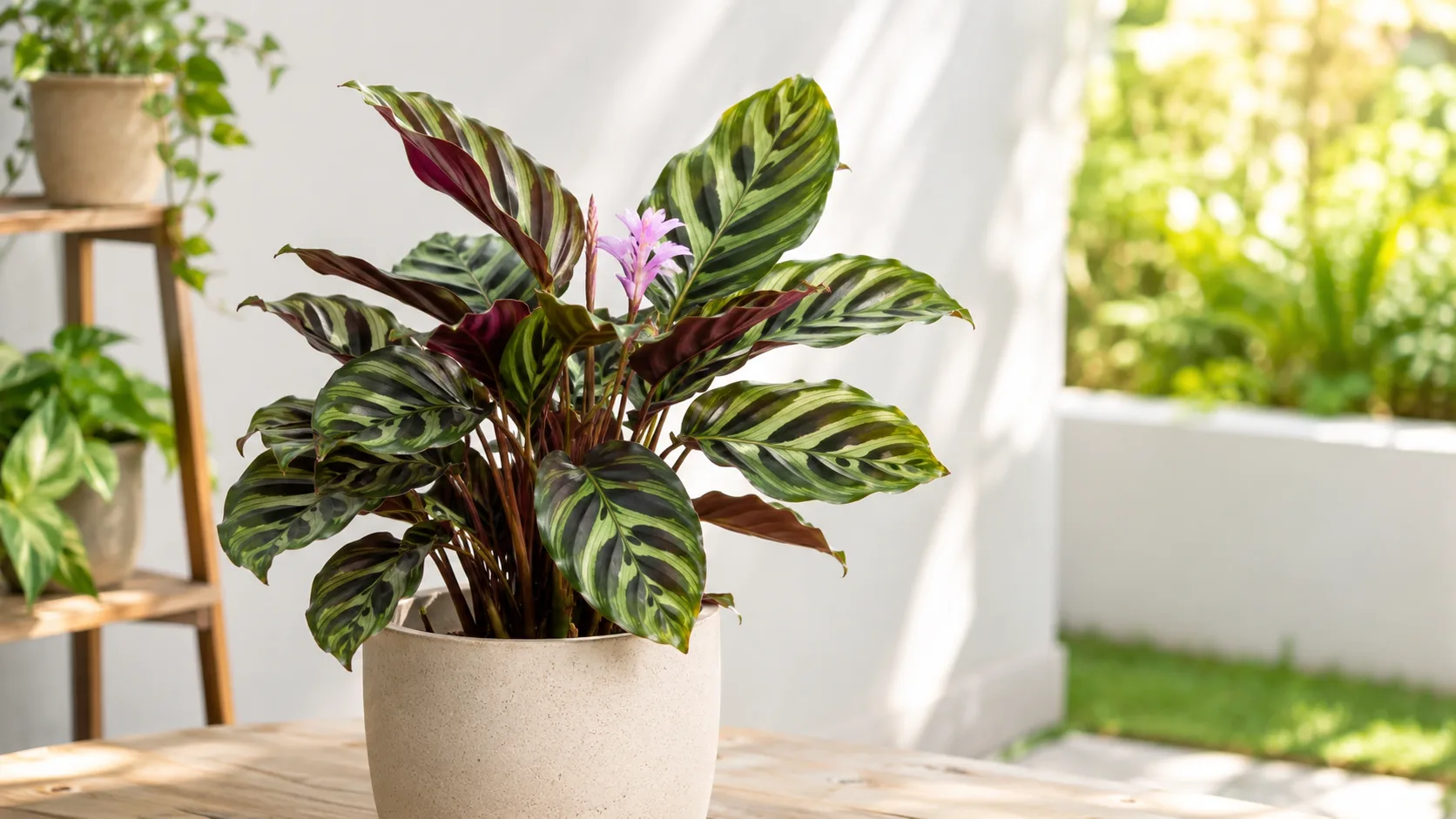
Avoid mop water on small pots, newly repotted plants, finicky calatheas, ferns in closed systems, and anything showing stress. Salt buildup appears faster in pots; watch for yellowing lower leaves, brown leaf margins, and white crust on soil or pot rims.
Never use mop water—or most tap water—on carnivorous plants such as Venus flytraps and pitcher plants. They evolved in mineral-poor bogs and react badly to dissolved solids. Distilled or reverse-osmosis water is the baseline for those species.
Outdoor Beds, Lawns, and Established Shrubs
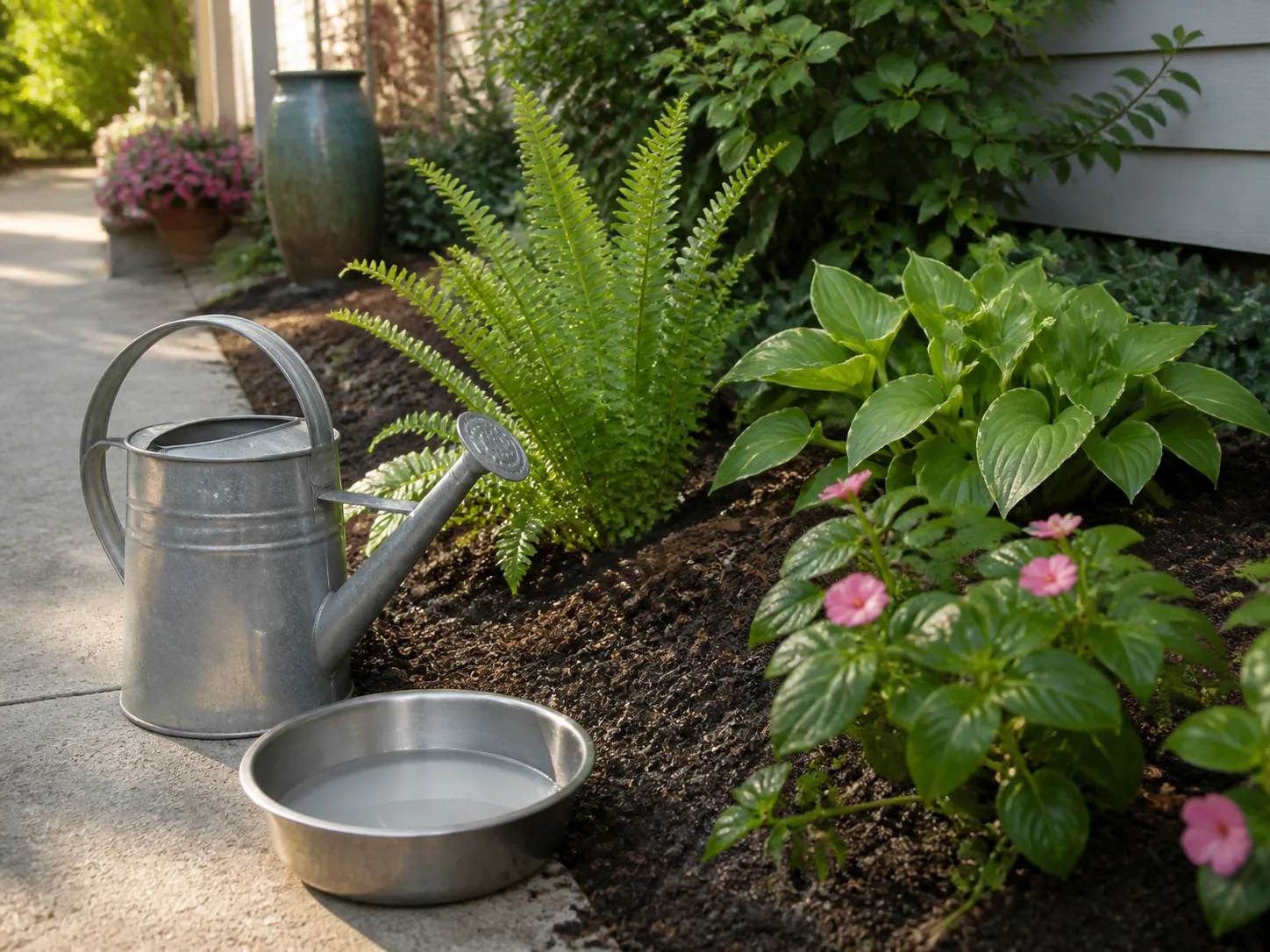
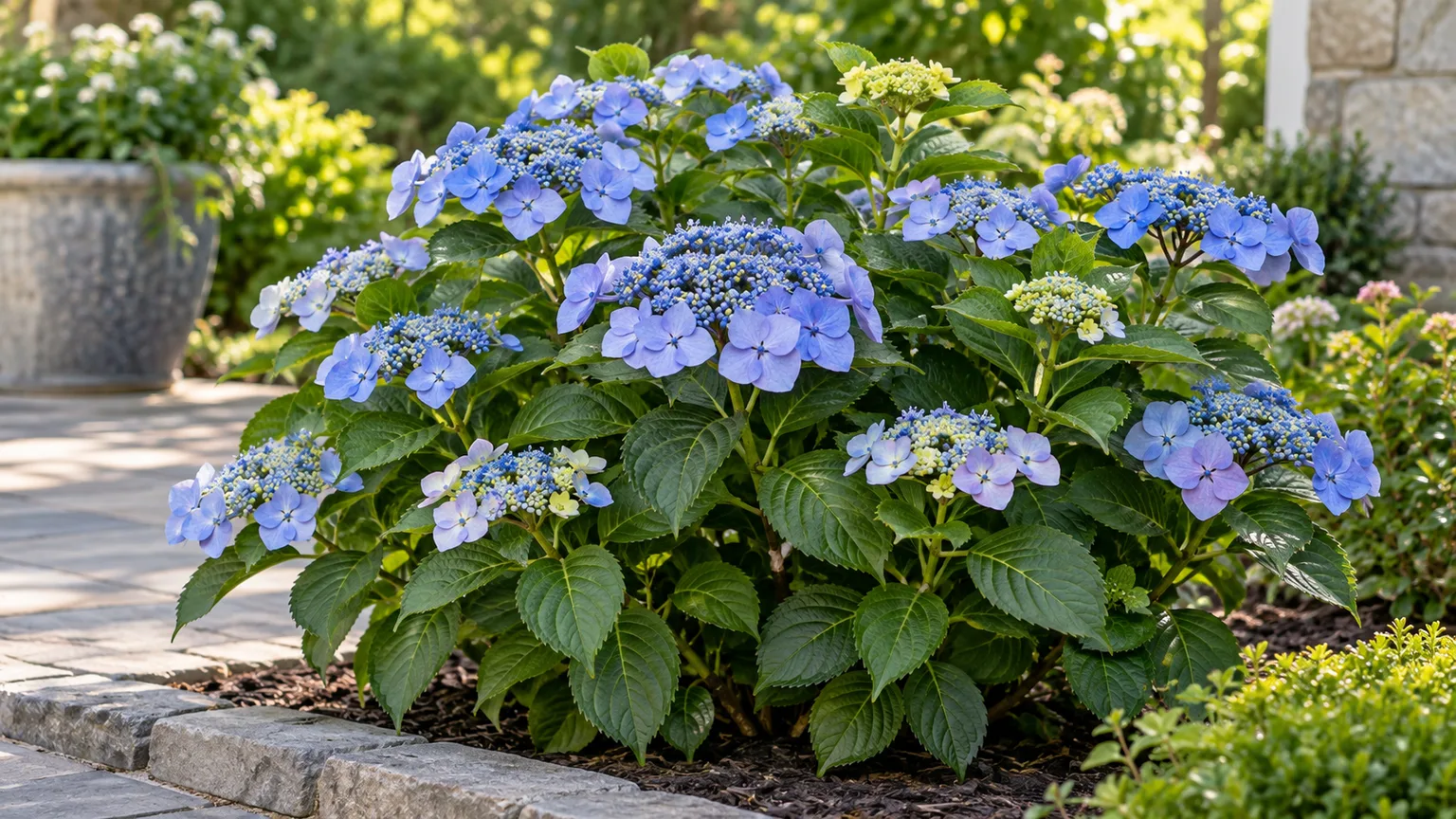
In-ground ornamentals with deep roots tolerate occasional plain mop water better than containers. Established lavender, ornamental grasses, daylilies, and mature shrubs are reasonable candidates during dry weather if you rotate watering zones and follow with clean rain or tap water every few cycles.
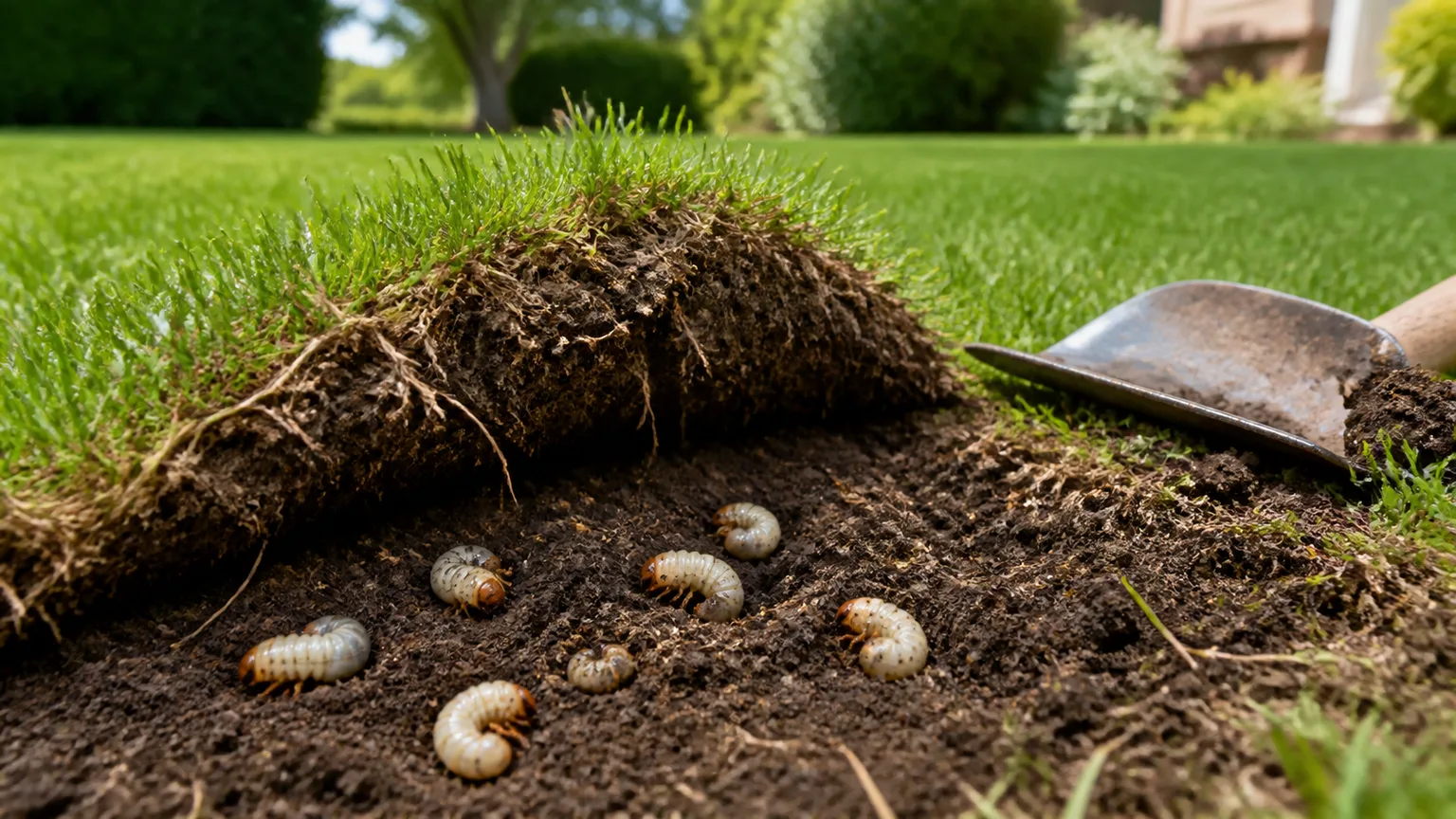
Lawns can accept plain mop water in small volumes if you spread it with a watering can rather than dumping one spot. Large single pours can leave mats of hair and grit that smother grass. Avoid lawn reuse if the water came from areas treated for fleas, ticks, or weeds.
Do not rely on mop water for newly seeded lawns or fresh transplants. Roots are too shallow to handle grit and any chemical trace.
Edibles, Seedlings, and Sensitive Species
The RHS draws a clear line: avoid gray water on edible crops because of pathogen risk from residues in the water. That rule applies to mop water doubly, since floors harbor more biological load than a shower drain.
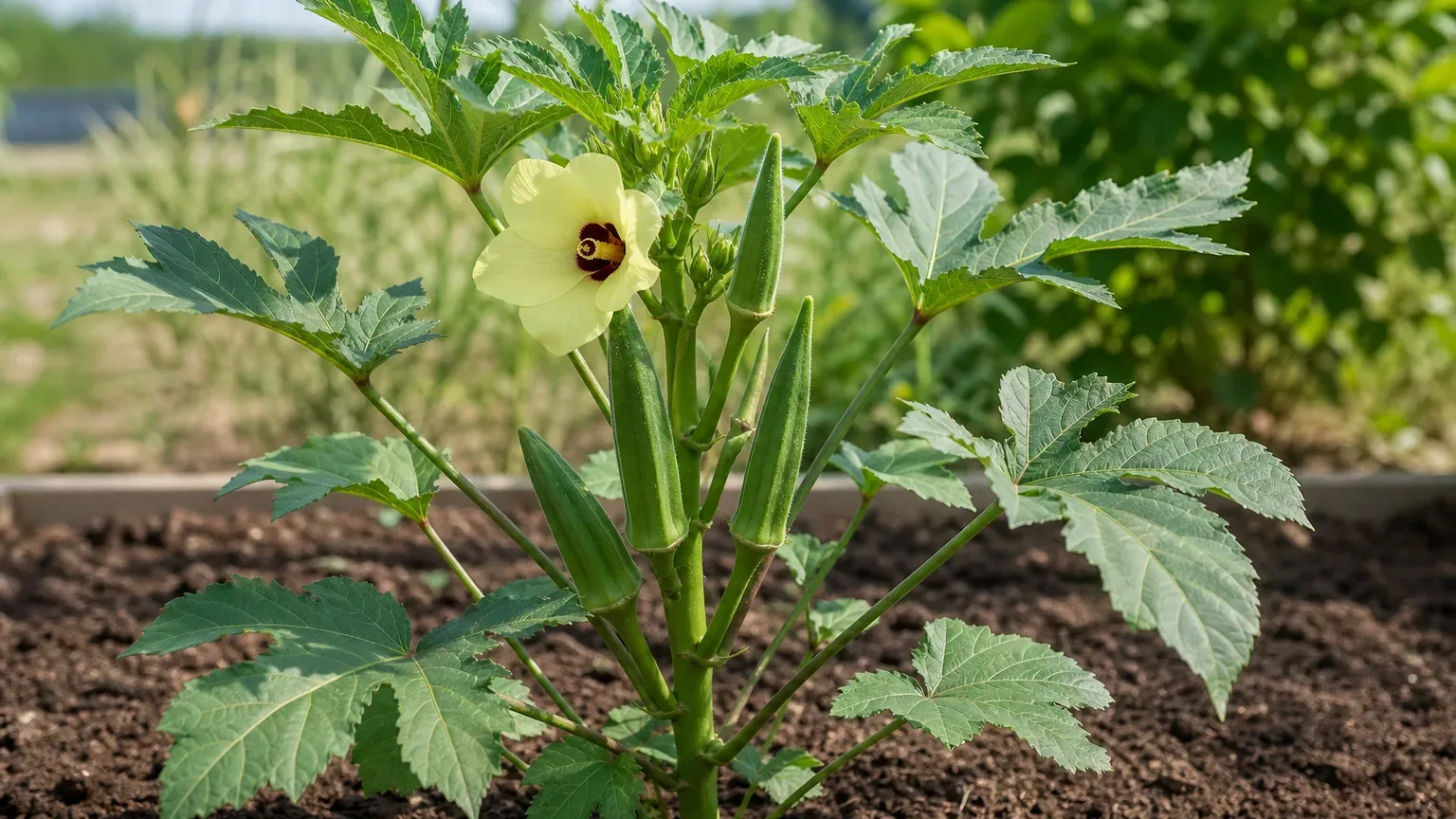
Keep mop water away from vegetables, herbs, strawberries, fruiting plants you eat fresh, and root crops. If you are determined to reuse household water on food plants, cooking water (unsalted, cooled) or collected rainwater is a better category—but still not a daily substitute for clean irrigation.
Also exclude seedlings, cuttings, acid-loving blueberries and azaleas, and any plant already struggling with pests or root rot. Stress stacks; mop water is not a rescue tool.
How to Collect and Apply Mop Water Safely
Good reuse is boring: clean bucket, clean water, clean destination, same day.
Timing, Temperature, and Storage Limits
Use mop water the same day you mop. Warm, stagnant bucket water breeds odor and microbes. If you cannot apply it within 24 hours, discard it.
Let hot mop water cool to air temperature before pouring near roots. Heat shocks fine roots and accelerates microbial growth in the bucket.
Label a dedicated utility watering can for floor-water reuse so it never mixes with fertilizer solutions or pesticide rinses. Rinse the can with plain water between uses if grit accumulates.
Delivery Method That Protects Leaves and Soil
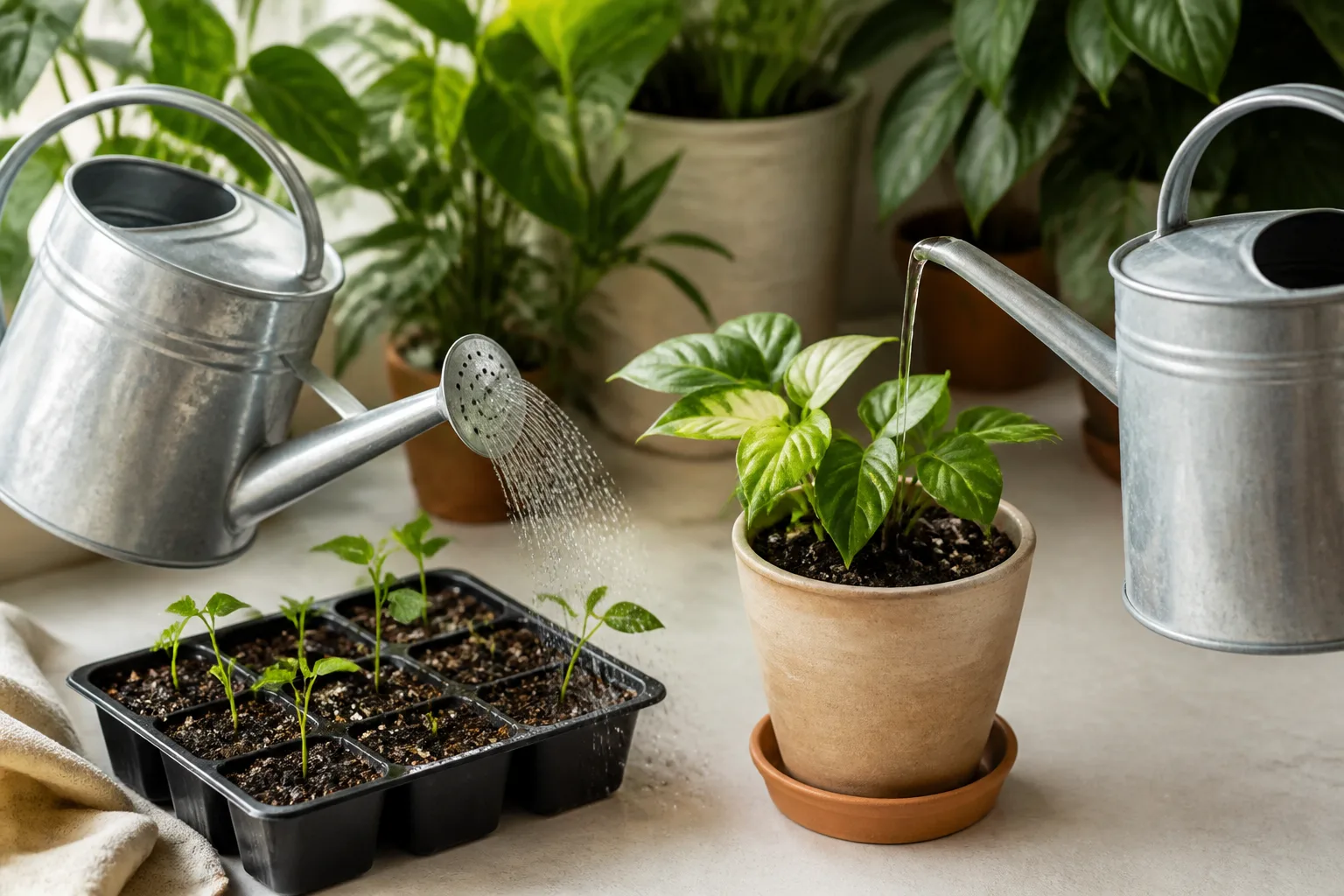
Watering can, soil surface only. Never spray mop water through a mister or hose-end sprayer; you aerosolize whatever bacteria are present and coat leaves with soap films.
Pour slowly at the drip line of shrubs or the soil edge of pots until the top inch moistens. Stop before flooding patios or letting runoff enter storm drains—local graywater rules may restrict where reused water may flow. Oregon’s graywater program, for example, distinguishes permitted reuse systems from casual household habits; check your state or municipality before piping floor water outdoors permanently.
Strain visible solids through a kitchen sieve if hair and grit are present. Compost the caught material or trash it; do not leave it on soil surfaces where it attracts pests.
After several mop-water applications to the same plant, flush with clean water to move salts downward. Watch for slower growth, leaf tip burn, or crusty soil—signs to stop reuse on that plant.
Other Household Water Worth Reusing Instead
Mop water is low on the reuse ladder because floors are dirty. Higher-value options include:
Unsalted cooking water from boiling vegetables, potatoes, or pasta—cooled to room temperature and used occasionally. Starch can feed soil microbes, but daily pasta water in pots can encourage mold; treat it as a sometimes boost, not a schedule.
Freshwater aquarium water during partial tank changes, provided you never added copper medications or salt. It carries dilute nitrogen and phosphorus useful to ornamentals.
Shower warm-up capture (the water that runs while you wait for heat) is usually cleaner than mop water and better suited to houseplants if you use mild, low-sodium bath products.
For kitchen-sink graywater with soap involved, the safety rules differ from floor buckets. Our dishwater reuse guide walks through rinse vs. wash water, toilet-flush reuse, and when soap-diluted water might touch established ornamentals.
When Mop Water Belongs in a Formal Graywater System
Casual bucket carrying is not the same as installing a graywater irrigation system. The U.S. Environmental Protection Agency treats onsite non-potable reuse as a managed resource with filtration, subsurface delivery, and product restrictions on soaps and cleaners.
Permanent plumbing that routes laundry or bath water to landscape zones requires permits in many jurisdictions, appropriate soil depth, and biocompatible cleaners throughout the house. Mop water is a poor feedstock for those systems because solids clog emitters and floor pathogens are unpredictable.
If drought is driving your interest, invest in rain barrels, shower capture, or a designed graywater diverter—not a habit of pouring every mop bucket on the nearest tomato.
Conclusion
Plain, product-free mop water can water some established ornamental plants when you apply it the same day, at soil level, with a watering can—and when you rotate with clean water to prevent salt buildup. The moment cleaners, vinegar, baking soda, visible grime, or floor contaminants enter the bucket, the answer flips to no.
Run the pour test, match the plant to the risk, and keep edibles, seedlings, containers, and sensitive species on clean irrigation. When you want sustainable reuse without floor baggage, reach for shower capture, unsalted cooking water, or aquarium changes instead. Your plants do not need every drop you save—they need the right drops.