How to Time Spring Planting for Non-Stop Blooms
Build a bloom calendar from your last frost date, layer bulbs, stagger seeds, and interplant perennials so something flowers every week of spring—not just one glorious week in May.
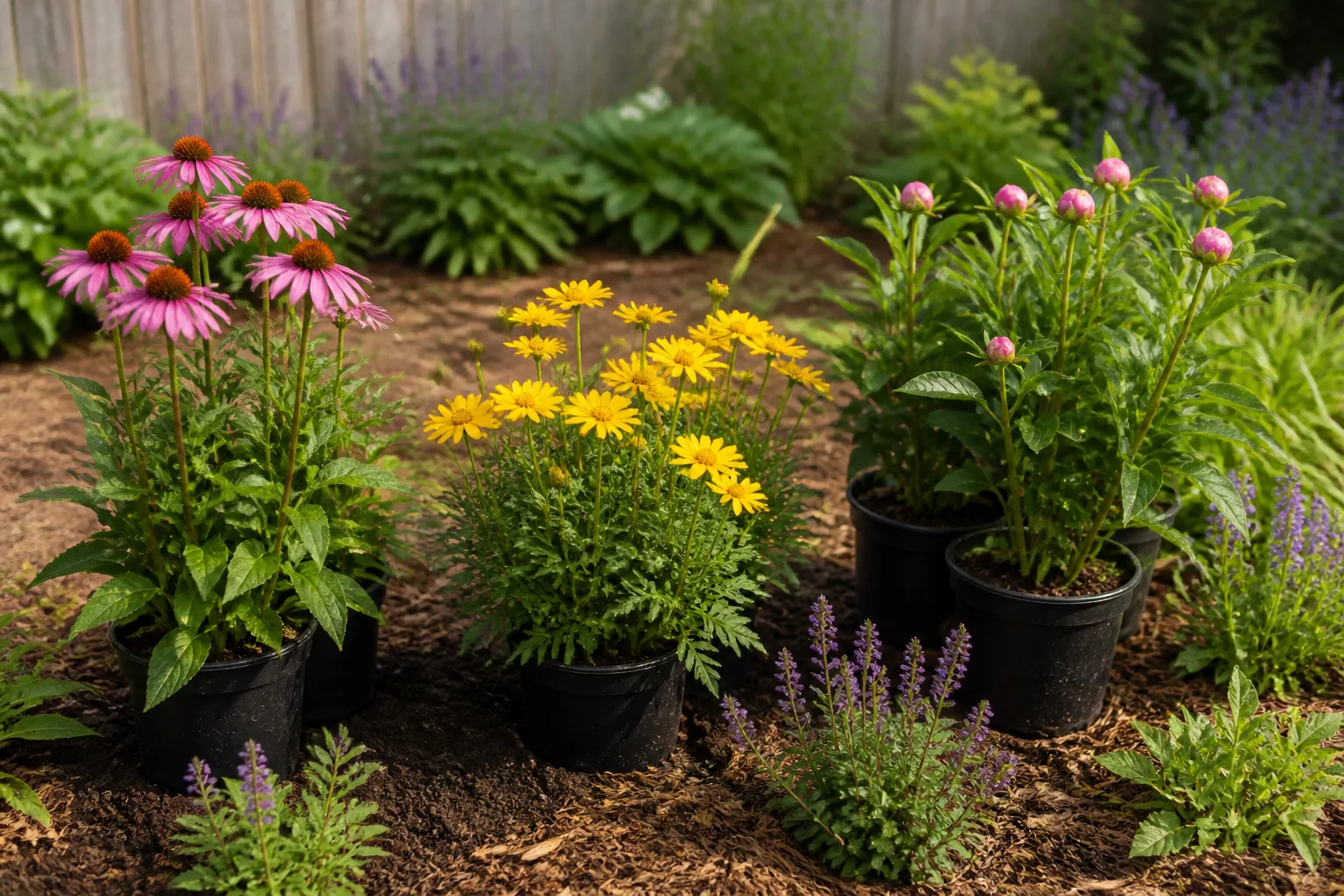
A bed full of tulips in mid-April feels like winning—until May arrives and the same bed looks tired, yellow, and empty while your neighbor’s border is just getting interesting. Continuous spring color is not about buying more plants on impulse. It is about timing: overlapping bloom windows, staggering planting dates, and pairing plants so one flush hands off to the next before you notice the gap.
That system has a name gardeners usually hear in the vegetable patch: succession planting. For flowers, it means you plan four things at once—when each plant blooms, when you put it in the ground, what sits beside it, and what replaces the visual hole when petals drop. Get those four aligned to your last frost date, and spring stops behaving like a single fireworks show.
What Succession Planting Means for Flower Gardens (Not Just Vegetables)
Succession planting originally described staggered sowings so lettuce or beans do not all mature the same week. Flower gardeners use the same logic two ways. Temporal succession selects varieties with different bloom times—early crocus, mid-season daffodils, late tulips—so emergence spreads across weeks. Spatial succession fills the same square foot with layers: bulbs below, waking perennials beside them, annuals seeded into gaps after frost.
Penn State Extension frames succession as maximizing production from limited space by always having a crop—or, for us, a bloom—ready near the previous one. The Old Farmer’s Almanac applies the same staggered timing to keep harvests (and color) flowing rather than peaking once. Neither approach requires a bigger yard. It requires a calendar.
Bloom Windows vs Planting Dates
Novice plans confuse these constantly. A bloom window is when flowers open in your climate—roughly, crocus in late winter through early spring, main tulip season in mid-spring, alliums bridging toward early summer. A planting date is when you install the plant: most spring bulbs go in the previous fall; frost-tender annuals wait until nights stay above frost; many perennials go in early spring as soon as soil is workable.
If you only shop for planting weekend without reading bloom time on the label, you will accidentally buy six packs of mid-spring tulips and nothing for the weeks before or after. Bloom windows are the schedule; planting dates are the prep work that makes the schedule happen.
Anchor Your Plan to Last Frost and a Four-Tier Bloom Calendar
Everything hangs on your average last frost date—not the first warm afternoon in March. Tender annuals like zinnias and basil die if you jump the gun; hardy pansies and many bulbs tolerate cold soil long before that date. Draw a simple line on paper or a spreadsheet:
Tier 1 — Very early spring (roughly 4–8 weeks before last frost through frost): Snowdrops (Galanthus), snow crocus, dwarf iris (Iris reticulata), winter aconite. Often planted the prior fall.
Tier 2 — Early spring (about 2–4 weeks before last frost through mid-spring): Early daffodil cultivars, early tulips, hyacinth, muscari. Fall-planted; choose packages labeled “early.”
Tier 3 — Mid- to late spring (last frost through 6–8 weeks after): Main-season tulips, late daffodils, Dutch iris, alliums, many peonies (zone-dependent). Perennials transplanted at frost often flower here in 4–6 weeks if sited in full sun and watered in well.
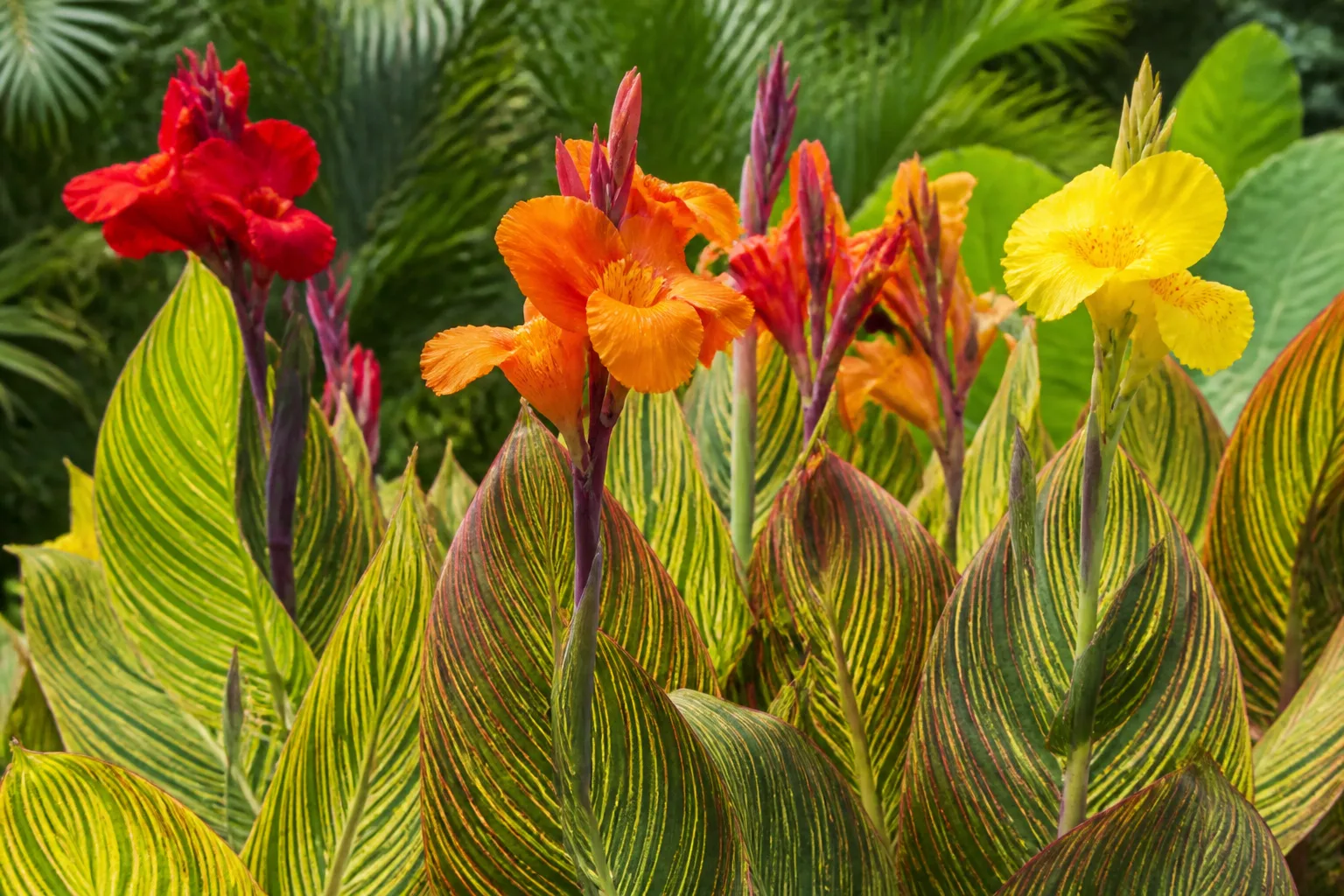
Tier 4 — Handoff to early summer (6–10+ weeks after last frost): Relay-sown zinnias and cosmos, newly planted dahlia tubers, cannas, bee balm, salvia, coneflowers. This tier keeps color moving as spring bulbs exit—critical if your goal is “all spring long” without a dead zone before Memorial Day.
Adjust tiers by USDA zone: Zone 5 may still have snow when Tier 1 blooms; Zone 8 might see Tier 3 overlap with heat by late April. The tiers stay the same; the dates slide.
Mapping Early, Mid, Late, and Handoff Weeks
Copy this blank row under your frost date and fill in approximate weeks:
| Tier | Example plants | Target bloom | Planted |
|---|---|---|---|
| 1 | Snowdrop, crocus | Weeks −6 to −2 vs frost | Prior fall |
| 2 | Early daffodil, muscari | Weeks −2 to +2 | Prior fall |
| 3 | Tulip, hyacinth, allium | Weeks +2 to +6 | Prior fall; some perennials early spring |
| 4 | Zinnia, cosmos, salvia | Weeks +6 to +10 | Seed/transplant after frost |
When a cell is empty on your chart, that is where you shop—not when you panic-buy whatever is blooming at the nursery that day.
Layer Fall-Planted Bulbs for a Staggered Spring Show
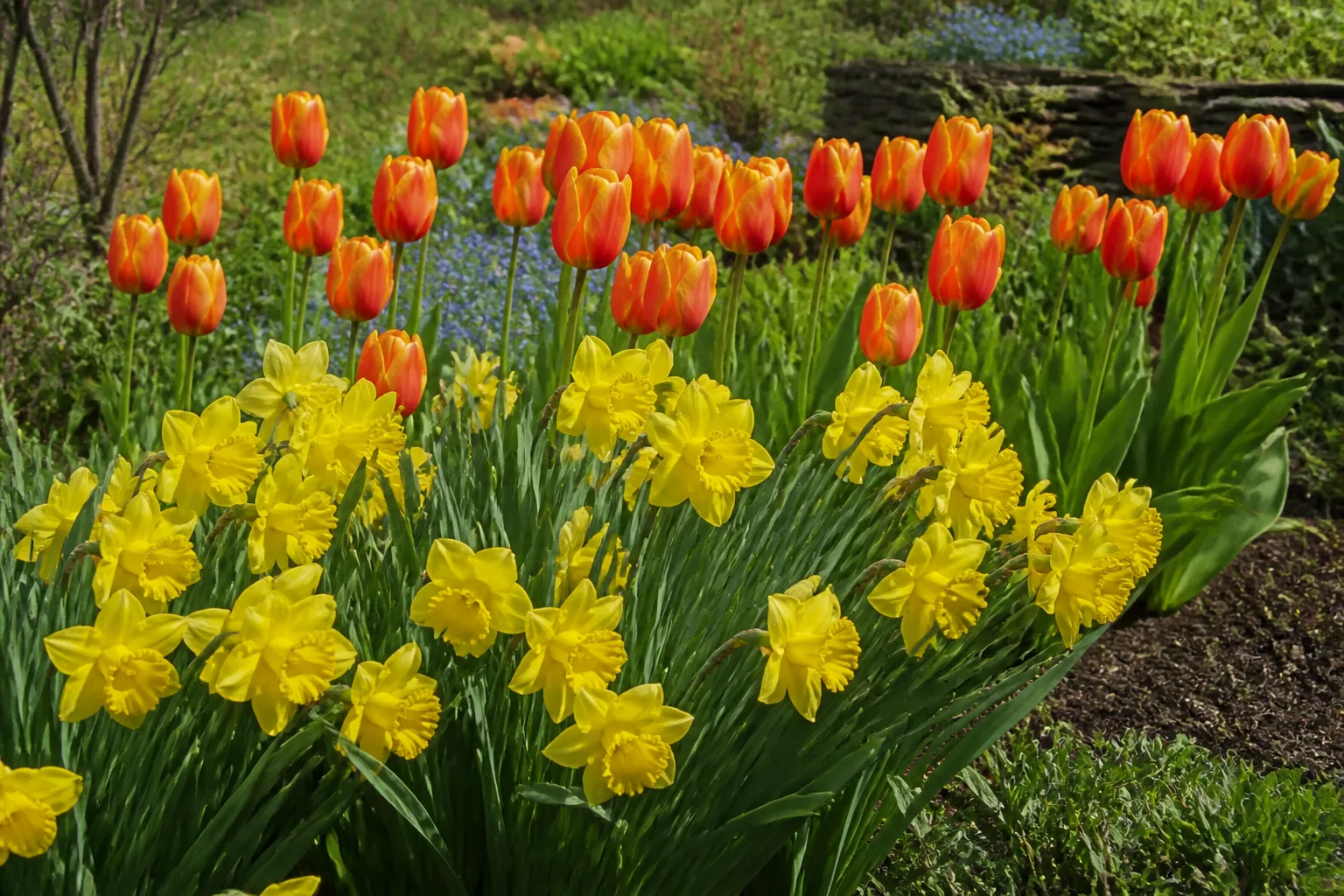
A monoculture of one tulip cultivar gives one glorious week and three weeks of yellowing leaves. Layering spreads emergence across the same hole or drift. Horticulturists call dense vertical stacking lasagna planting: largest bulbs deepest, medium bulbs mid-depth, small bulbs shallow.
Typical depth logic (adjust for your soil and bulb size):
- Bottom layer: Large alliums or late tulips, 8–10 inches deep.
- Middle layer: Daffodils, hyacinth, mid tulips, 5–7 inches.
- Top layer: Crocus, species tulips, snowdrops, 3–4 inches.
Cover each layer with an inch or two of soil before adding the next. Finish with compost and mulch. In spring, the shallow bulbs bloom first; deeper layers rise as the season progresses—one planting session, multiple bloom waves.
Lasagna Layers and Separate Drifts
Lasagna works in containers and small beds with sharp drainage. In heavy clay, separate drifts (grouped holes by bloom time) drain better than one deep pit. Plant early crocus along the front edge, mid daffodils behind, late alliums toward the back where taller stems belong. Read bloom season on every bulb bag—“Triumph” tulips and “Darwin” tulips do not necessarily peak together.
Fall planting window for most spring bulbs: September through November, before ground freezes. University of Minnesota Extension emphasizes preparing beds with organic matter before any bulb goes in—layering fails in compacted, soggy soil.

Stagger Seeds and Transplants for Fast Annual Color
Bulbs carry early spring. Annual flowers carry the handoff—if you sow once. Relay sowing means planting small batches every two to three weeks so new plants reach bloom as earlier batches fade. Gardening Know How popularized relay planting for lettuce and beans; the interval works for fast flowers too.
Strong relay candidates:
- Zinnia and cosmos — bloom roughly 6–8 weeks from direct sowing in warm soil.
- Marigold — slightly faster; good for edging gaps left by bulbs.
- Sunflower dwarf types — single-week statement between perennial flushes.
Start the first batch 1–2 weeks after last frost when soil reaches about 60°F. Sow a 3-foot row or one container every 14–21 days through early summer. When batch one looks tired, batch two opens—without replanting the entire bed.
For flowers that need a head start—petunias, snapdragons in short seasons—see our guides on flower seeds to start right now and spring transplant timing. Some hard-coated seeds benefit from soaking before planting to shorten the gap between sowing and bloom.
Relay Sowing Intervals That Actually Work
Write sowing dates on your calendar the way you write dentist appointments: Frost + 14 days: zinnia row 1. Frost + 28 days: zinnia row 2. If spring turns wet and cold, shift a week—relay planting is forgiving because you are not betting the whole border on one afternoon. Avoid relay sowing slow crops like delphinium from seed unless you have indoor grow space; buy transplants for those slots instead.
Interplant Bulbs, Perennials, and Annuals in One Bed
Interplanting places a second plant among a first before the first finishes—classic in vegetable intercropping, equally useful for hiding bulb foliage. Spring bulbs occupy the top six inches of soil briefly, then want their leaves to photosynthesize and recharge the bulb. Bare soil beside those leaves looks like a problem; companion foliage looks like design.
Combinations That Cover Fading Bulb Foliage
- Daylilies or catmint beside daffodils — strap-like daylily leaves emerge as daffodil flowers fade; catmint’s gray-green mound covers yellowing bulb tips by late spring.
- Geranium (cranesbill) woven through tulip drifts — mounding habit fills mid-height gaps without root competition if you avoid digging through bulbs every year.
- Scatter zinnia or cosmos seed around early crocus — by the time crocus leaves melt away, annual seedlings dominate the visual field.
Match culture, not just color: pair sun lovers with sun lovers, and keep water hogs away from bulbs that rot in wet summer soil. Similar height and spread at maturity prevents one partner from swallowing the other by June.

Use Spring Divisions and Transplants to Fill Late-Spring Gaps
Spring is the right moment to divide many clumping perennials—hosta, daylily, ornamental grass, bee balm—when new growth is visible but not tall. A divided piece transplanted to a bare spot often blooms later than the mother clump the same year, which sounds like a flaw until you realize that delay fills the late-spring hole left when early tulips exit.
Set divisions 4–6 weeks before your average last frost if soil is workable, or follow our spring vs fall perennial planting guide when fall might be safer for your species. Do not divide or move spring-blooming shrubs like lilac and forsythia until after they flower—you will cut off this year’s display. Mark those as look-only until bloom finishes, then prune or transplant if needed.
For May planting of tender summer stars, see seeds to start now for May planting so transplants are sized when Tier 4 opens.
Add Foundation Shrubs and Small Trees for Structure Between Flushes
Flower beds need vertical punctuation so the border reads intentional between annual waves. Foundation plants—flowering shrubs and small trees—bloom on woody schedules that overlap spring tiers:
- Forsythia and redbud — early Tier 2–3 color; plant in early spring in workable soil. See our forsythia herald-of-spring profile for siting and pruning timing.
- Lilac and viburnum — mid- to late-spring fragrance and mass; expect year two or three for full show after planting.
- Dogwood and magnolia — canopy-scale blooms; plan for mature width before you underplant bulbs.
Shrubs will not rescue a bulb-less bed in year one, but they prevent the garden from feeling flat once annual relay batches need time to size up. Include foliage plants—hosta, ferns, ornamental grasses—for texture when no petals are open. UF/IFAS Gardening Solutions notes that mixing annuals, perennials, and bulbs with different life cycles is how temperate gardeners keep something interesting visible most months—annuals for punch, perennials for backbone, geophytes for spring shock value.

Move Containers Where the Bed Goes Quiet
Fixed beds cannot shift; containers can. Treat pots as mobile bloom modules: early spring, cluster pansies and forced bulbs on the porch; as beds peak, move pots to the driveway edge where you actually see them; when a bed enters the awkward bulb-fade phase, slide a pot of wax begonia, impatiens, or calibrachoa into the visual center.
UF/IFAS classifies many bedding plants as annuals that complete their life in one season but reward deadheading and consistent water with longer display—ideal for containers you refresh without disturbing bulb roots. Swap potting mix yearly in high-profile containers; disease buildup shortens bloom more than missing a fertilizer pass.
Match Light, Soil, and pH Before You Schedule Anything
Timing fails when culture fights the plan. A relay-sown zinnia row shaded by a miscast shrub will never catch the bulb exit. Test soil in each bed zone—home kits or your county extension office—and note pH, drainage, and organic matter before you assign plants.
Full-sun relay flowers need six or more hours of direct light. Spring bulbs under deciduous trees often work because canopies are leafless during bloom; by the time shade deepens, bulb leaves have finished their job. Heavy clay needs compost before lasagna layers; sandy soil needs mulch to keep relay seedlings from drying out between sowings.
Mark Plantings and Update Your Garden Map
Succession plans collapse when you forget what is underground. Label bulb drifts with wooden stakes and permanent ink, or draw a simple map: “north edge — early crocus + mid daffodil; center — lasagna tulip/allium; south — zinnia relay rows.” Update the map when you divide perennials or scatter seed—otherwise you slice through dormant bulbs in October or March.
Photograph the bed weekly in spring for two years. Those photos beat memory when you ask why late April looked empty: you will see whether the gap was missing Tier 3 bulbs or a failed relay sowing.
Timing Mistakes That Create the Dreaded Late-Spring Lull
Monoculture bulb shopping — one tulip type, one week.
Planting all tender annuals on frost day — a late cold snap kills batch one; stagger plantings and keep row cover handy.
Digging spring bloomers before they flower — moving peonies or lilacs in April removes this year’s show.
Ignoring bloom-time labels — mixing only mid-season cultivars leaves no early or late tier.
Skipping interplants — yellowing bulb foliage dominates the view for a month with nothing staged beside it.
Relay sowing without recording dates — you repeat the single-batch mistake with extra steps.
Expecting instant shrub bloom — woody plants buy future springs; annuals and bulbs pay this one.
Extend Each Flush With Deadheading and Light Feeding
Longer bloom within each window beats adding more windows. UF/IFAS recommends deadheading—removing spent flowers—so annuals redirect energy into new buds instead of seed. Pinch marigold and zinnia heads weekly during peak spring handoff.
Feed lightly: heavy nitrogen mid-spring pushes leaves over buds on young perennials. A balanced slow-release fertilizer or compost top-dress when Tier 3 starts is enough for most mixed borders. Summer geophytes like dahlia and canna belong in Tier 4 planting—after frost—with details in our dahlia tuber planting guide and canna growing guide.
Conclusion
Non-stop spring bloom is a scheduling problem solved with a frost-anchored calendar, layered bulbs, relay-sown annuals, interplanted perennials, and woody anchors that cover the weeks between flushes. You do not need a larger yard—you need overlapping bloom windows and planting dates that respect your climate.
This week, write your last frost date, sketch four tiers, and mark one lasagna hole plus two relay sowings on the calendar. Fall bulb orders and spring seed sowings then stop feeling random; they become the next chapter of the same plan. When late May arrives and something is still opening while earlier partners gracefully exit, you will know timing—not luck—built that border.