12 Fruits and Vegetables to Plant in April
Plant tomatoes, peas, lettuce, zucchini, and eight more in April with frost-date timing, soil-temp rules, and variety picks for a full summer harvest.
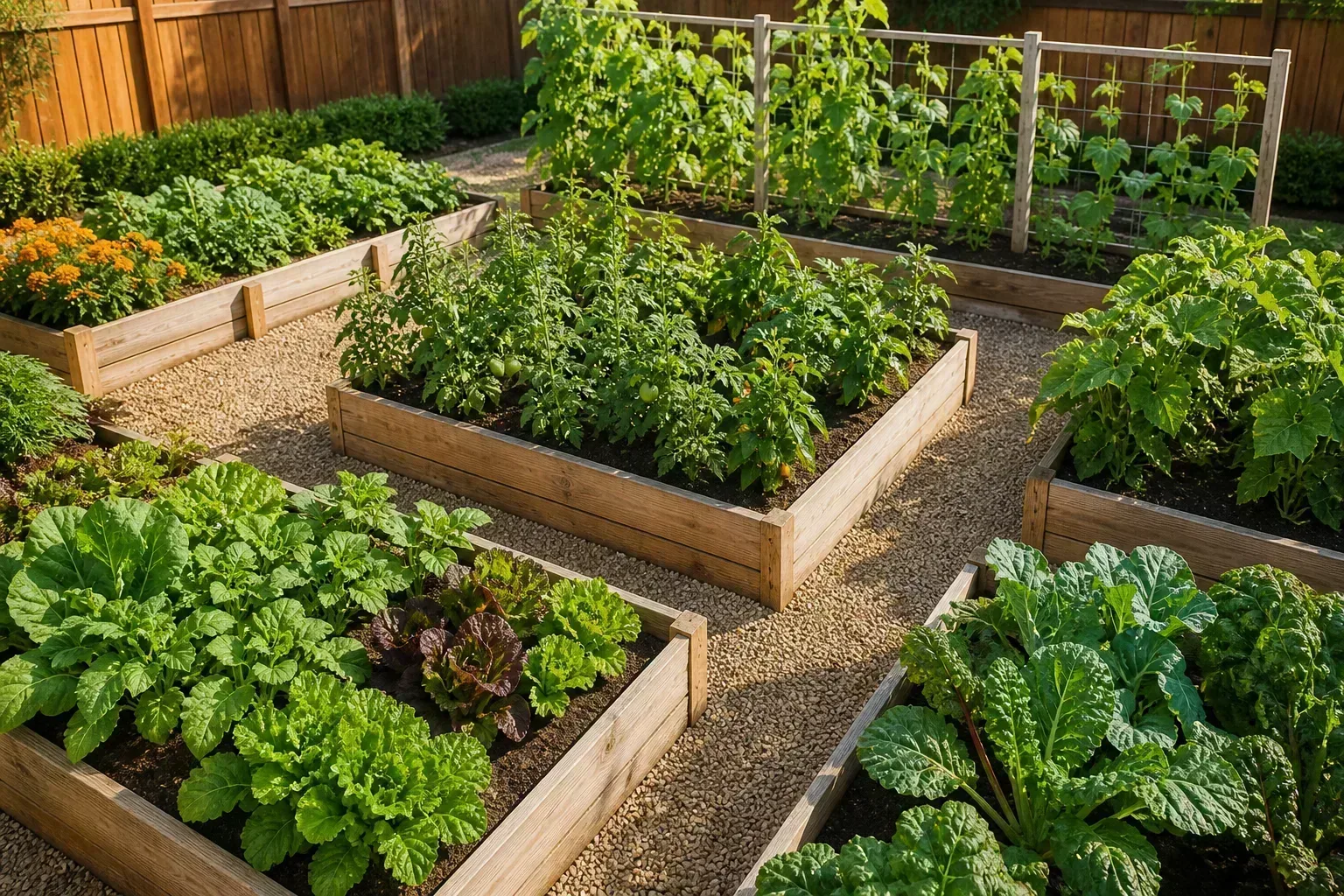
April is the month garden centers fill with tomato seedlings and your neighbor starts bragging about peas. The problem is not enthusiasm—it is that April planting is two different jobs happening at once. Cool-season crops want in the ground while nights still flirt with frost. Heat-lovers need warm soil and zero freeze risk. Plant everything on the same weekend and you either lose tender starts to a late cold snap or miss the narrow window for crisp peas and quick radishes.
These twelve fruits and vegetables are the ones worth prioritizing in April if your goal is summer flavor on the plate—salads in May, grilled zucchini in July, tomato sandwiches in August. Each entry below tells you whether to direct sow or start indoors, what soil temperature actually triggers germination, and the most common way gardeners waste the month.
If you have not pinned down your frost dates yet, read our guide on when to plant vegetables by season first. For fast outdoor seeding basics, pair this list with easiest seeds to direct sow and how long seeds take to sprout.
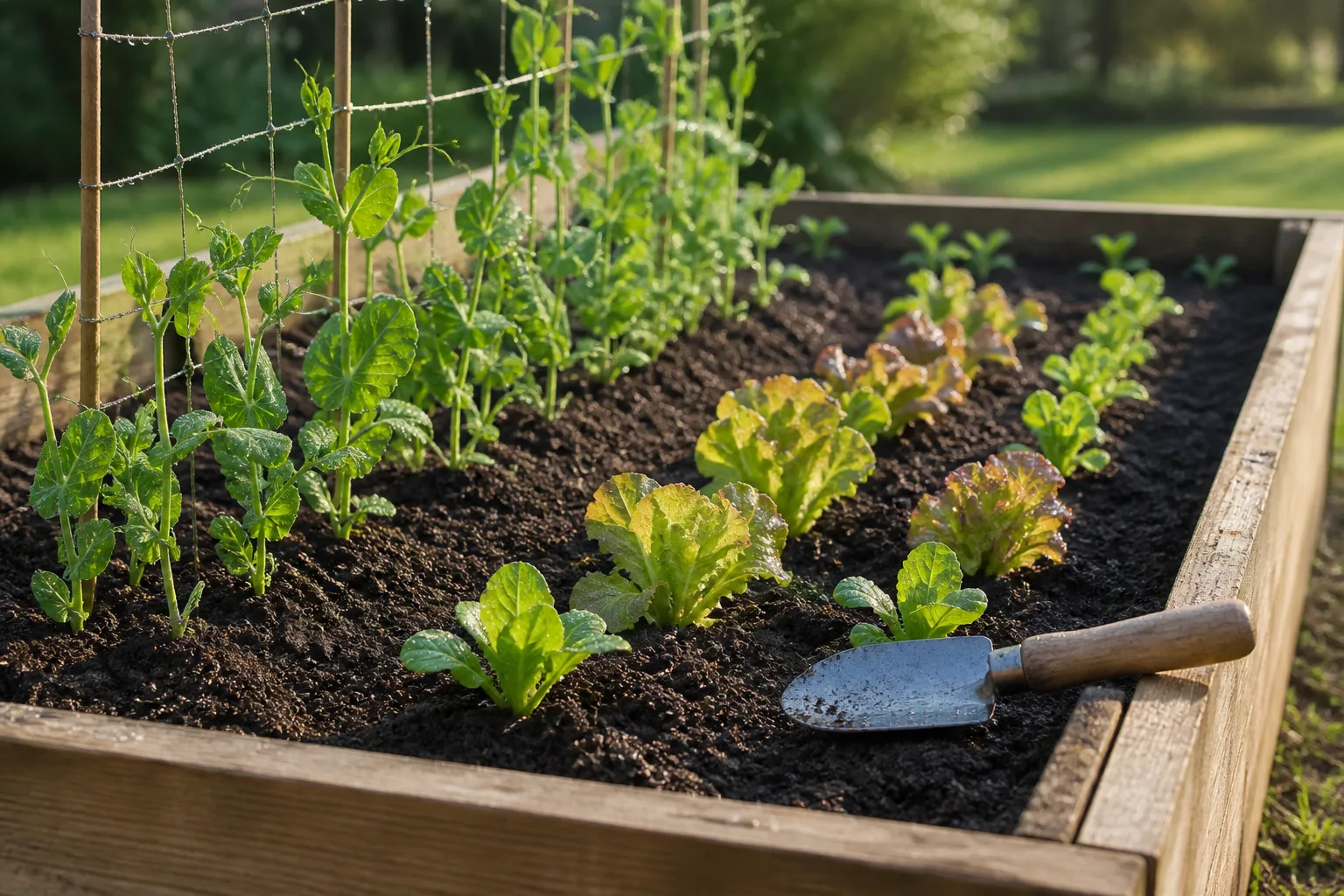
Why April Works Only When You Know Your Frost Date
Every planting decision in this guide hangs on two numbers: your average last spring frost and whether soil at seed depth has warmed enough for the crop you are holding. The National Gardening Association defines the last spring frost as the average date freezing temperatures stop occurring in spring (Garden.org planting calendar). That date is a planning anchor, not a guarantee—half the years frost arrives earlier or later than the average.
Virginia Cooperative Extension illustrates how much geography shifts the window. Zone 6a often sees last frost around May 5–15; zone 7a around April 15–25; zone 8b as early as March 15–April 1 (Virginia Tech Extension 426-331). A south-facing raised bed in zone 7 can be plant-ready a full week before a shaded low spot a mile away. Microclimate beats zip code.
Soil Temperature Beats the Calendar
Air temperature on your porch lies. Germination is driven by soil temperature one inch deep. Slide in a soil thermometer—or dedicate an instant-read kitchen probe to the garden—and compare readings to each crop’s needs. The Iowa State germination requirements chart for annuals and vegetables shows wide differences: lettuce can sprout near 40°F, while squash and cucumbers stall until the ground reaches roughly 60–70°F.
Workable soil is the second test. Squeeze a handful—it should crumble when you open your fist, not squish like clay or blow away like dust. Boot prints that fill with water mean wait. Planting into saturated soil compacts pores, suffocates roots, and crusts seed rows after the next rain.
Cool-Season vs Heat-Loving: Who Goes in the Ground First
Split your April planting into two buckets and you avoid the two classic failures: frozen tomato seedlings and bolted lettuce.
Bucket 1 — Cool-season (plant before or around last frost): sugar snap peas, lettuce and salad greens, radishes, and carrots. These tolerate light frost once established, prefer mild temperatures, and often finish their best harvest before summer heat arrives.
Bucket 2 — Heat-loving (plant after last frost, warm soil): tomatoes, hot peppers, eggplant, zucchini, cucumbers, green beans, fast winter squash, and sunflowers. These need frost-free nights and soil consistently above about 60°F. In northern zones, April often means starting these indoors while Bucket 1 goes in the ground.
The decision rule: If your last frost is still ahead, sow Bucket 1 now and start Bucket 2 inside—or buy transplants for later. If frost is behind you and soil at one inch reads 60°F or higher, add Bucket 2 outdoors. When in doubt, plant radishes today and hold zucchini seed for two weeks.
Quick Reference: 12 April Crops at a Glance
Use this table as a sowing checklist. “April action” assumes a typical temperate garden; adjust forward or back based on your frost calendar.
| Crop | Frost tolerance | April action (typical) | Start method | Days to first harvest |
|---|---|---|---|---|
| Sugar snap peas | High | Sow outdoors early–mid April | Direct sow | 50–70 days |
| Lettuce & salad greens | Moderate–high | Sow outdoors; succession every 10–14 days | Direct sow or transplants | 30–55 days (leaf) |
| Radishes | High | Sow outdoors; repeat monthly | Direct sow | 25–35 days |
| Carrots | High | Sow outdoors before heat | Direct sow only | 60–80 days |
| Tomatoes | None | Start indoors (N); transplant after frost (S) | Indoor start → transplant | 60–85 days from transplant |
| Hot peppers | None | Start indoors (N); transplant after frost (S) | Indoor start → transplant | 70–90 days from transplant |
| Eggplant | None | Start indoors; transplant when nights stay warm | Indoor start → transplant | 80–100 days from transplant |
| Zucchini | None | Direct sow 1–2 weeks after last frost | Direct sow (preferred) | 45–55 days |
| Cucumbers | None | Direct sow or transplant after frost | Direct sow or transplant | 50–60 days |
| Green beans | Low | Direct sow when soil ≥ 60°F | Direct sow only | 50–60 days |
| Fast winter squash | None | Direct sow after frost (delicata, acorn, spaghetti) | Direct sow | 90–110 days |
| Sunflowers | Low | Direct sow after frost; succession for blooms | Direct sow | 50–70 days to bloom |
N = northern zones 3–6 where April frost is still likely; S = southern/warm zones where frost has passed.
Sugar Snap Peas
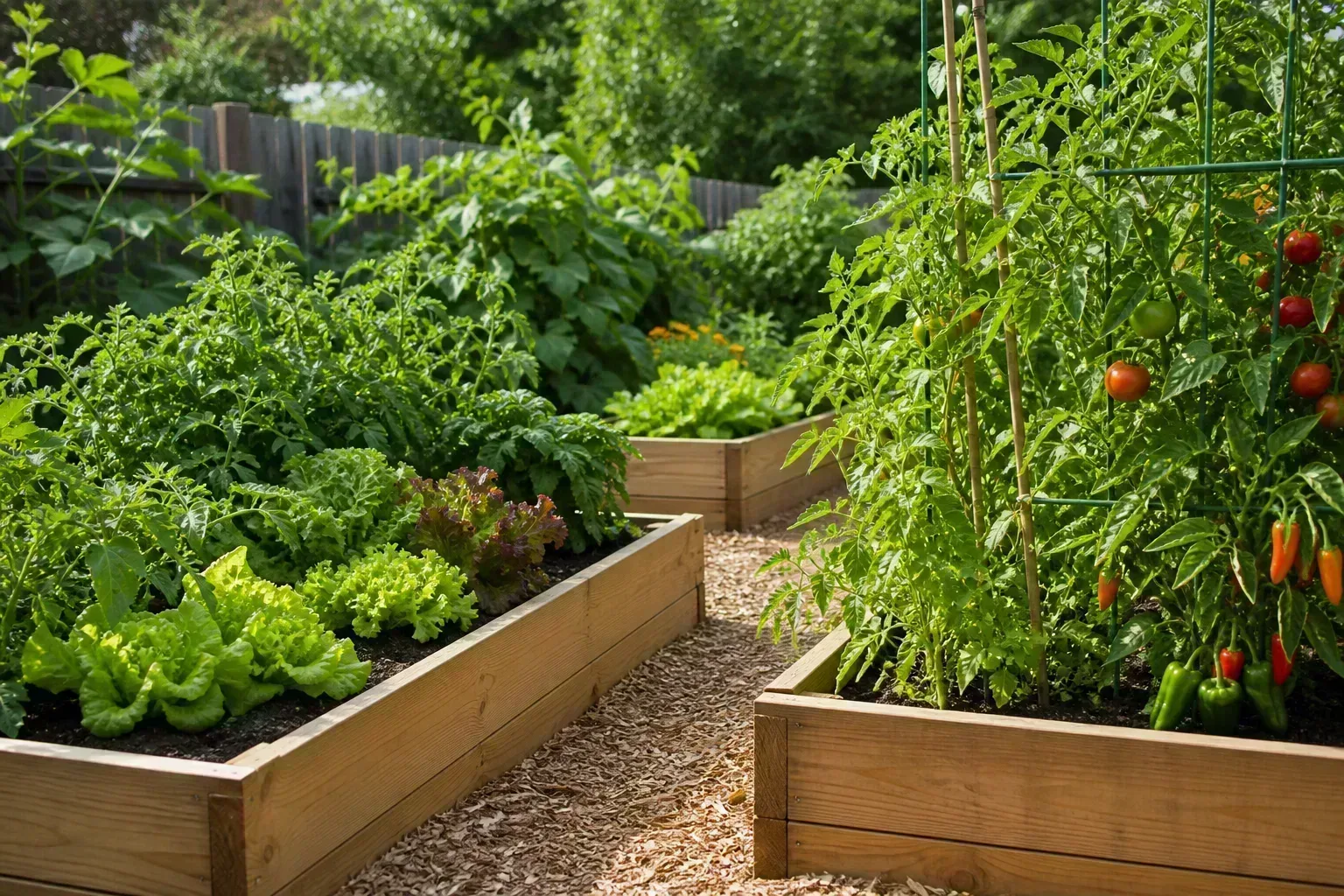
Peas are the crop that rewards early April action almost everywhere north of the subtropics. They are cool-season legumes that germinate once soil reaches about 40°F and produce sweetest pods before daytime highs climb past the mid-70s°F.
Sow seeds 1 inch deep and 2 inches apart in double rows with a sturdy trellis between—cattle panel on T-posts, twine on bamboo, or any structure that keeps pods off wet soil. Peas fix nitrogen, which lightly feeds the bed for the summer crop that follows. Inoculant is optional in home gardens with healthy soil but can help on new beds.
Harvest window: Most sugar snap varieties mature in 50–70 days. Pick pods when they are plump but before seeds swell hard inside. If flowers appear and temperatures spike into the 80s°F, harvest aggressively; heat ends the season fast. In the Deep South, peas are often a January–February crop—April may already be too warm.
Common mistake: Skipping the trellis. Peas without support rot against soil, yield less, and invite mildew in stagnant air.
Lettuce and Salad Greens
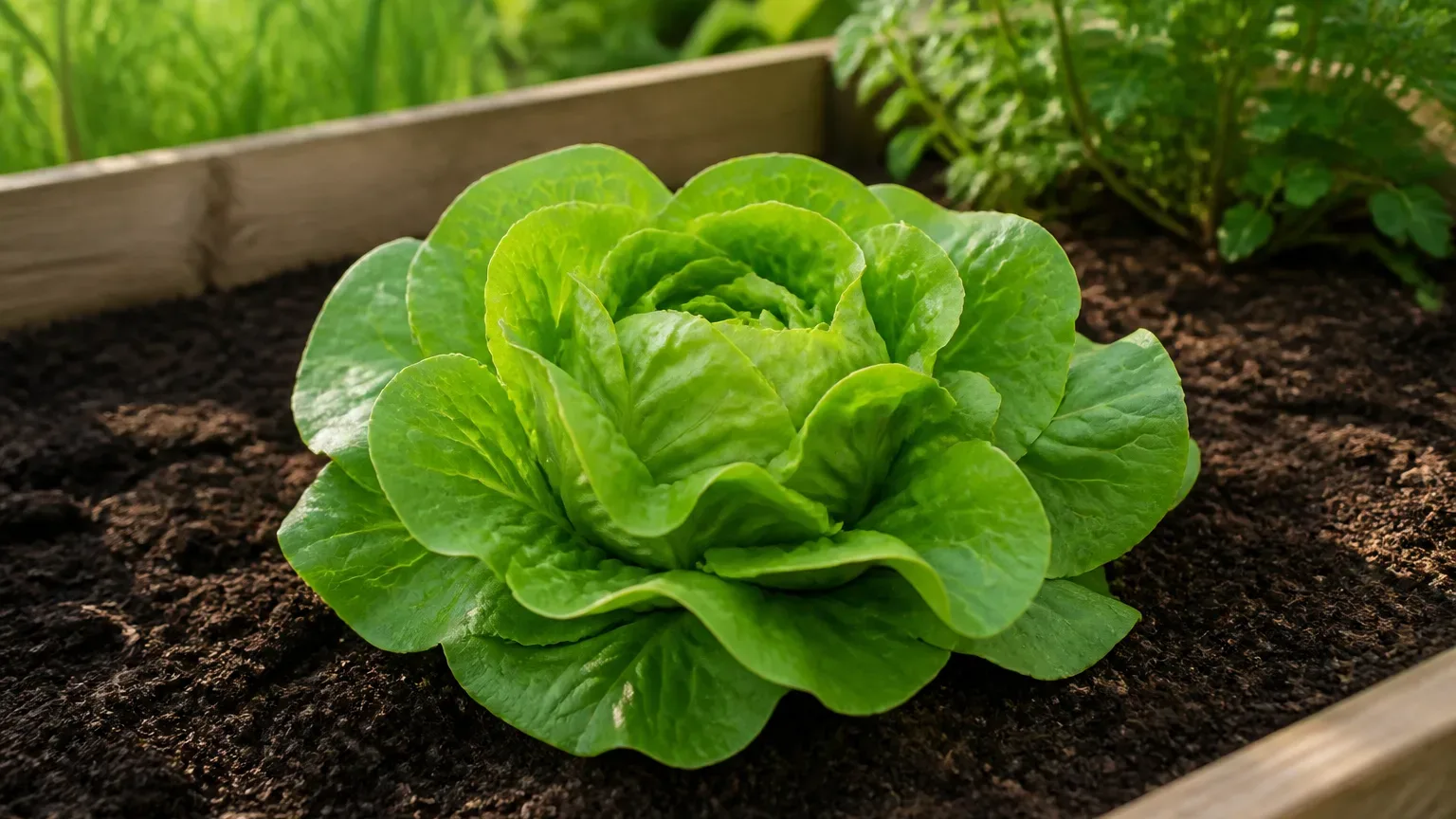
Lettuce, arugula, spinach, and mesclun mixes are April workhorses in cool and moderate climates. Lettuce germinates in soil as cool as 40°F per Iowa State data, making it one of the first crops you can scatter once beds are workable.
Sow tiny seed ⅛–¼ inch deep, or surface-sow and lightly rake. Keep soil moist until emergence—crusting after heavy rain blocks tiny seedlings. Parris Island Cos romaine and butterhead types are reliable spring choices: crisp texture, steady growth, and tolerance for light frost.
Succession is non-negotiable. Sow a short row every 10–14 days through late spring. One April planting gives you salads for three weeks; staggered sowings stretch harvest into early summer. When days lengthen and highs pass 75°F, shift to heat-tolerant varieties or move lettuce to partial shade—or accept that bolted greens become chicken feed.
Cover freshly sown rows with lightweight row cover or tulle if birds scratch seed bare. For more April fillers beyond vegetables, see plants to start in April for a fuller garden.
Radishes
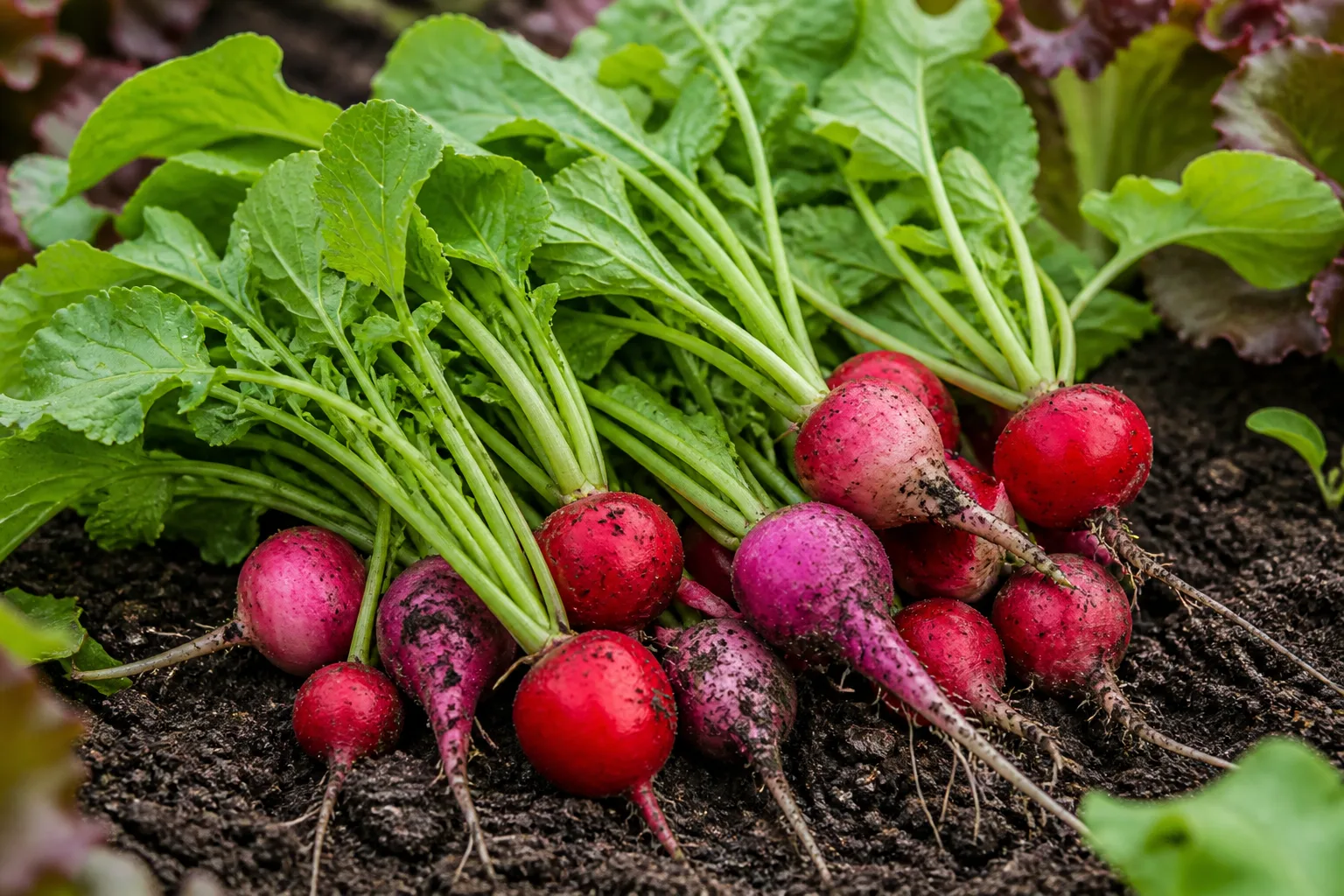
If you want proof the garden is alive, plant radishes. The Old Farmer’s Almanac notes most varieties mature in 25–35 days in cool spring soil (Almanac radish profile). Cherry Belle is the classic round red; watermelon radish adds color for late-spring salads if sown early April.
Sow ½ inch deep, 1 inch apart, and thin to 2–3 inches when seedlings have two true leaves. Radishes need loose soil—not the compacted edge of a walking path—or roots turn woody and hot.
Why April matters: Radishes sown in May often bolt before sizing up once heat arrives. April sowings hit the sweet spot of cool nights and lengthening days. Relay-crop radishes between slow carrots: they mark rows and break soil crust while carrots germinate slowly underneath.
Carrots
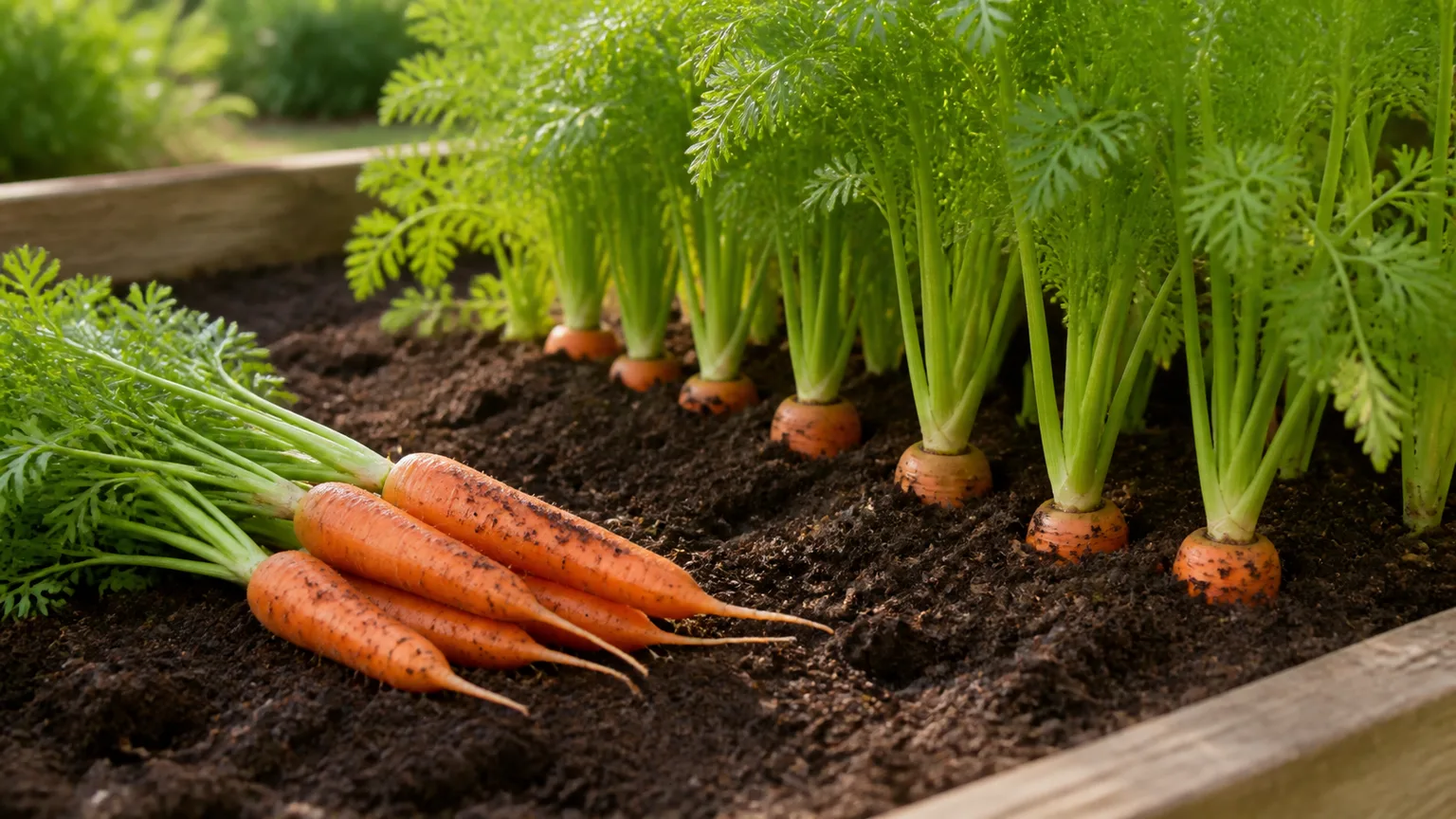
Carrots belong in April ground in most temperate zones because they germinate in cool soil and develop sweetness before summer heat. Direct sow only—transplanting disturbs the taproot and produces forked, stunted roots.
Sow ¼ inch deep in loose, stone-free soil. Mix seed with fine sand for even spacing, or use seed tape if you hate thinning. Keep soil consistently moist for 10–21 days; carrots are infamous for slow, uneven emergence in dry crusted beds.
Thin ruthlessly to 2–3 inches apart when tops are 2 inches tall. Carrots mature in roughly 60–80 days depending on variety and temperature. In hot-summer regions, treat spring carrots as a narrow window crop; fall sowings often taste better once soil cools again.
Pairing tip: Sow carrots and radishes in the same row. Radishes mark the line and come out before carrots need the space.
Tomatoes
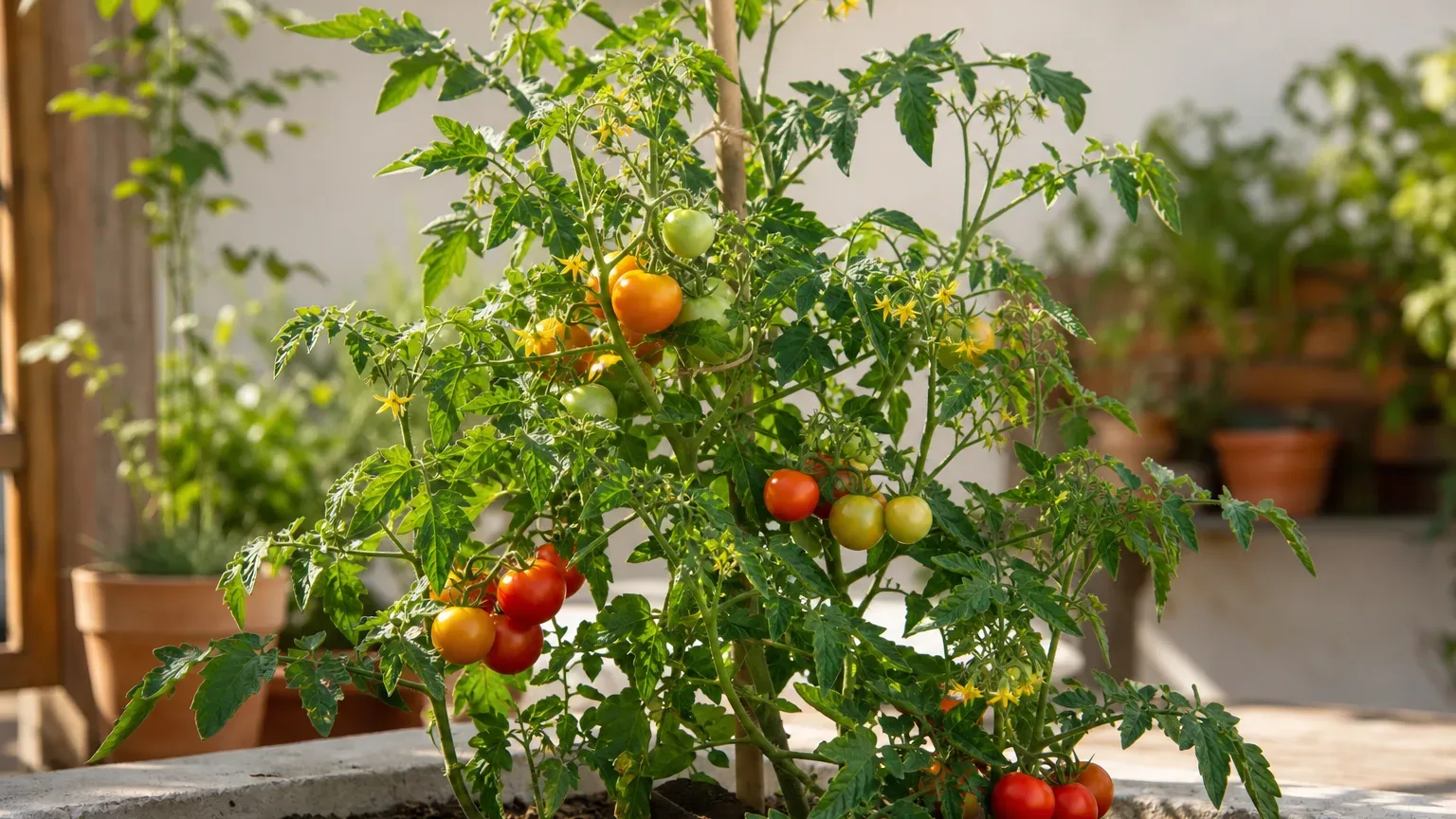
Tomatoes are the crop every gardener rushes—and the one most often set back by planting too early. They are frost-tender and want night temperatures consistently above 50°F before staying outdoors permanently.
Northern zones (roughly 3–6): April is prime time to start seeds indoors 6–8 weeks before your last frost. Sow ¼ inch deep under bright light—a sunny south window is rarely enough; a simple LED grow light prevents leggy, weak stems. Transplant into the garden after last frost when soil has warmed, burying stems deep to encourage extra roots.
Southern zones (7–10): If frost has passed, transplant purchased or home-grown seedlings in April. Cherry types like Sungold ripen fastest for early summer snacking; paste tomatoes need longer seasons but reward sauce makers in August.
Space determinants 18–24 inches apart, indeterminates 24–36 inches, with sturdy cages or stakes at planting time—not after a windstorm. Pollination is usually self-sufficient, but shaking flowering clusters on enclosed porches helps set fruit.
Common mistake: Putting seedlings out during a warm April week, then losing them to a late May frost. Watch the 10-day forecast, not just the historical average.
Hot Peppers
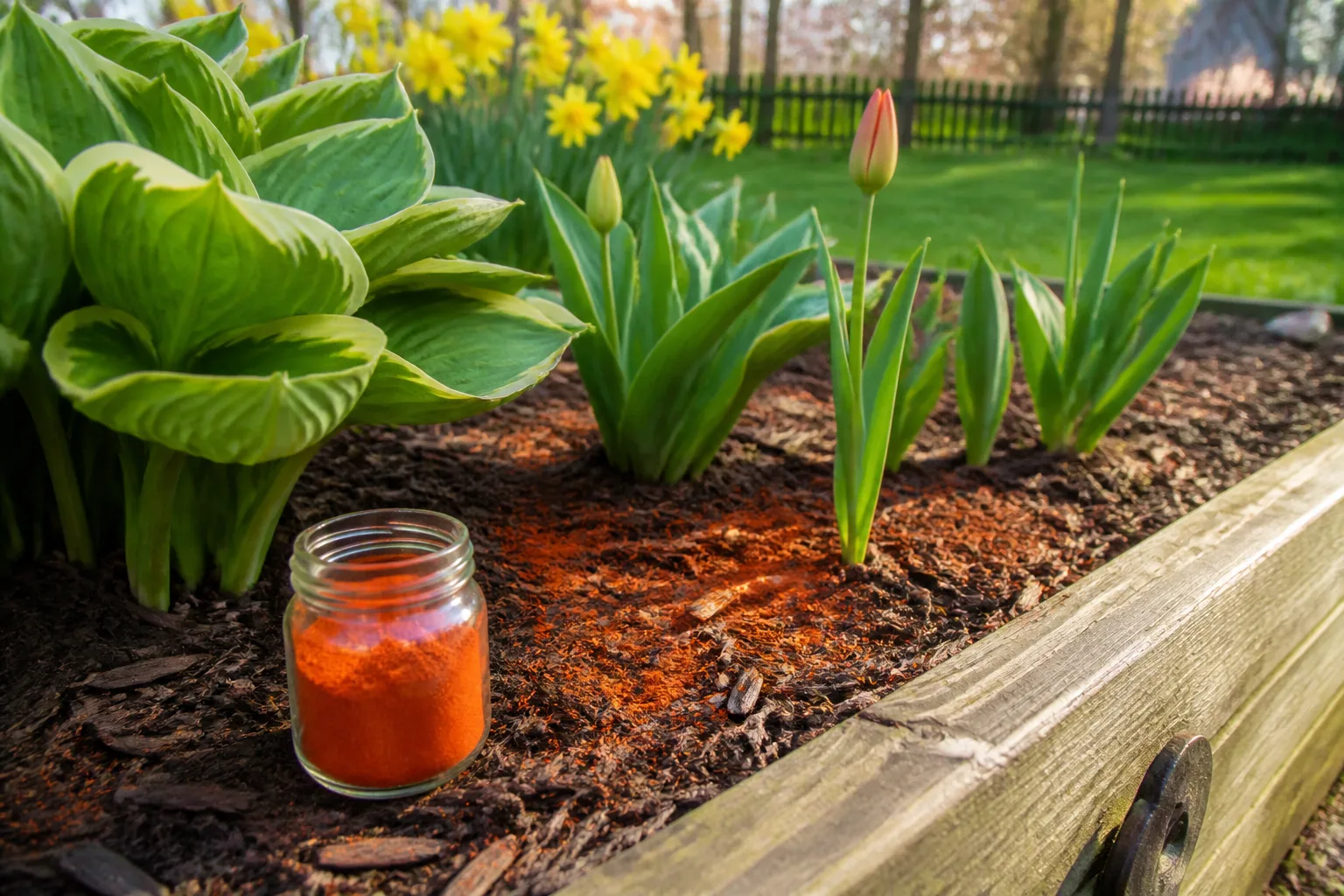
Hot peppers need a longer, hotter season than sweet bells—which is why April indoor starts matter in most of the country. Sow seeds 8–10 weeks before transplanting outdoors. Peppers germinate slowly in cold soil; a heat mat holding seed mix near 80–85°F dramatically improves emergence compared to a cool windowsill.
Plant a mix of heat levels—jalapeño for moderate spice, serrano for brighter heat, Thai chilis for intense small fruit—so you are not drowning in one flavor all summer. Transplant after last frost into full sun, 18 inches apart, with consistent moisture during flowering.
In zone 10 and warmer, April direct sowing or transplanting outdoors is standard. Everywhere else, think of April as the indoor-start month, not the permanent garden month.
Eggplant
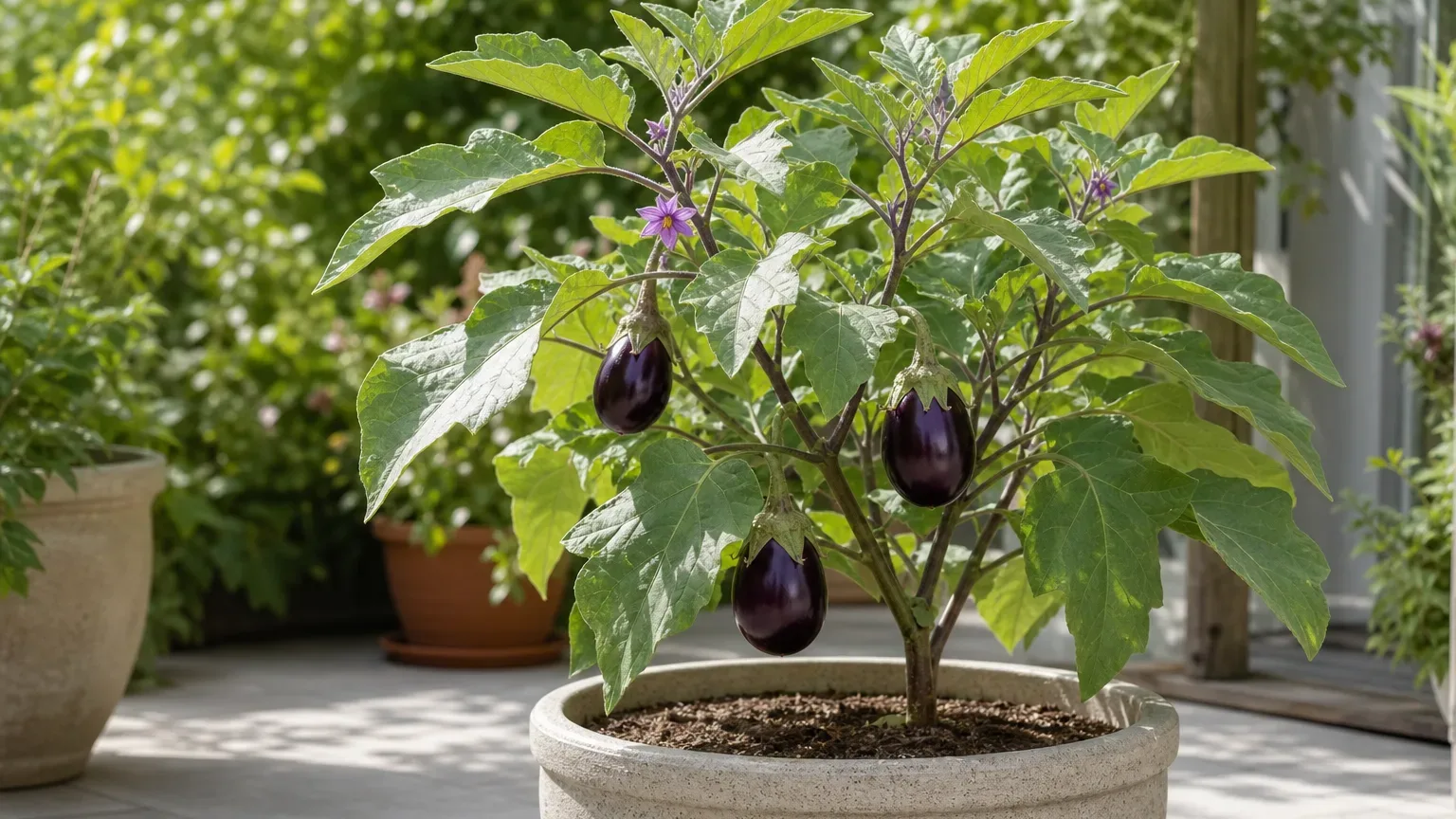
Eggplant is the most heat-hungry crop on this list. It thrives when days hold in the 80s°F and nights stay above 55°F. Gardeners in cool maritime climates often struggle with stunted plants and few fruit even when tomatoes succeed—plan accordingly.
Start seeds indoors 8–10 weeks before last frost. Transplant after soil and air have fully settled—often a week or two after tomatoes in the same yard. Space 24–30 inches apart; mature plants are bushy and heavy.
If your summers are short or cool, choose smaller-fruited varieties and consider black plastic mulch to warm soil. Container growing on a sun-baked patio can outperform in-ground beds in marginal climates.
Zucchini
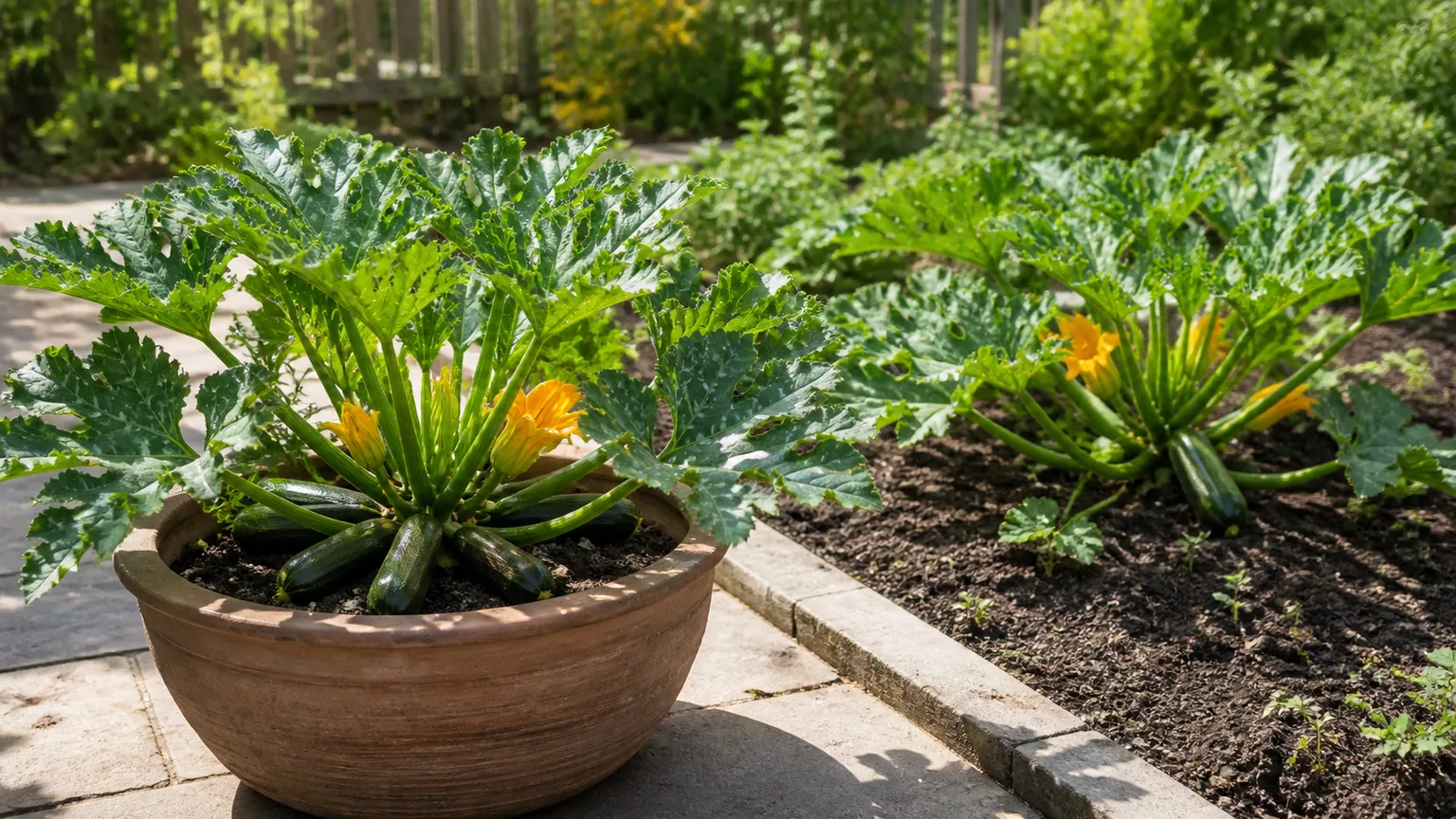
Zucchini is a summer squash that wants warm soil, full sun, and minimal root disturbance—direct sowing beats transplanting for most home gardeners. Wait until 1–2 weeks after last frost and soil near 70°F at planting depth.
Sow 1 inch deep in hills or rows, 2–3 seeds per hill, thin to the strongest plant. One well-fed hill produces more squash than most families can eat by July. Harvest when fruit is 6–8 inches long for best texture; oversized zucchini belong in bread, not sauté pans.
Pollination matters. Zucchini needs insect visitors to move pollen between male and female flowers. Plant marigolds, zinnias, or borage nearby to draw pollinators—bare squash flowers without companions often yield fruit that starts then rots at the tip (poor pollination).
Cucumbers
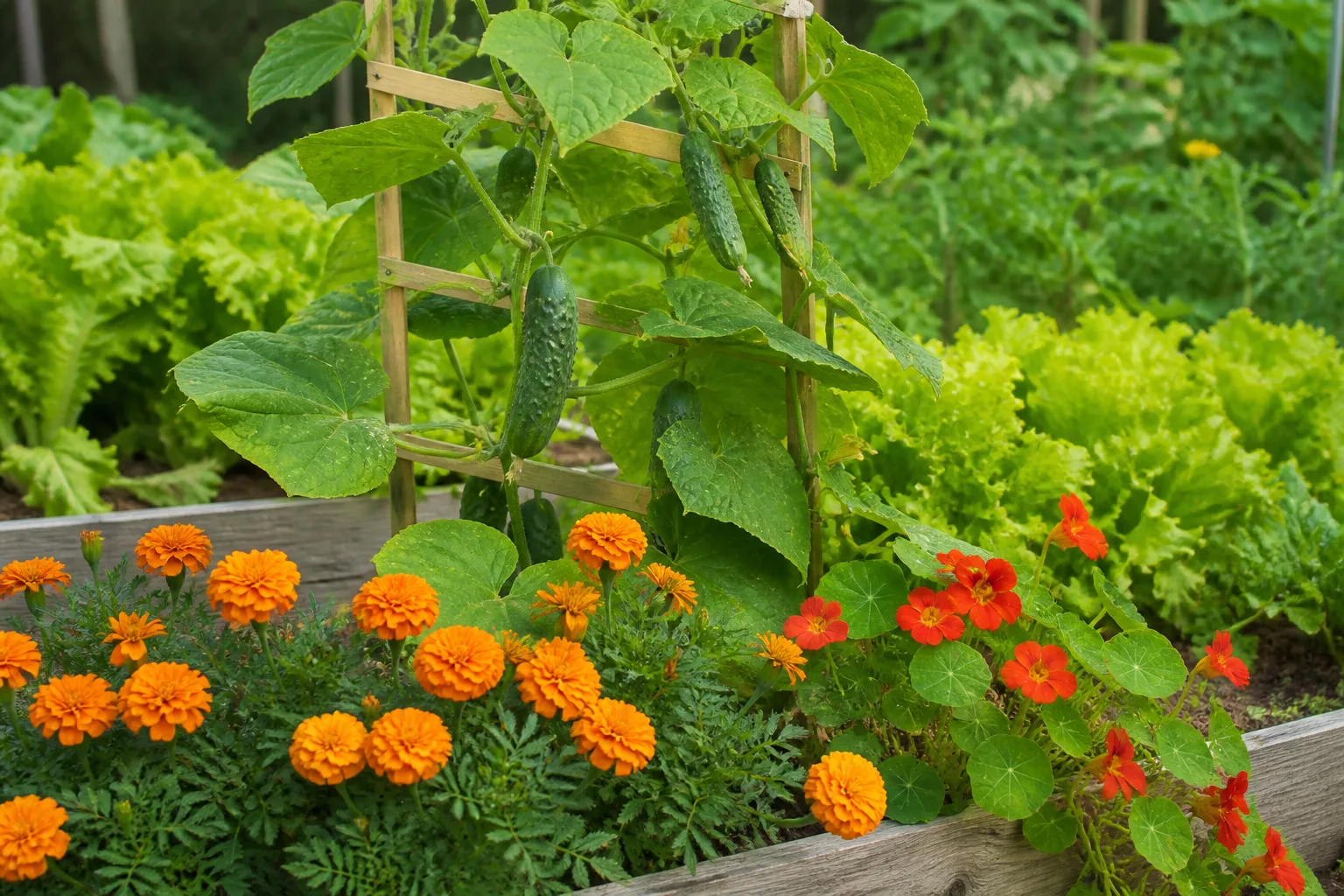
Cucumbers share zucchini’s love of heat and dislike of root disturbance. Direct sow after frost when soil reaches 60°F or warmer, or transplant carefully if you started indoors—cucumber roots are fragile.
Bush types fit small beds; vining types need a trellis to save space and keep fruit straight and clean. Expect harvest roughly 50–60 days after germination. Pick every two days once production starts; overripe cucumbers signal the plant to slow down.
April in cool zones usually means starting seeds indoors in April for May transplant—not sowing outdoors yet. In warm zones, April direct sowing aligns with summer pickle and salad harvests.
Green Beans
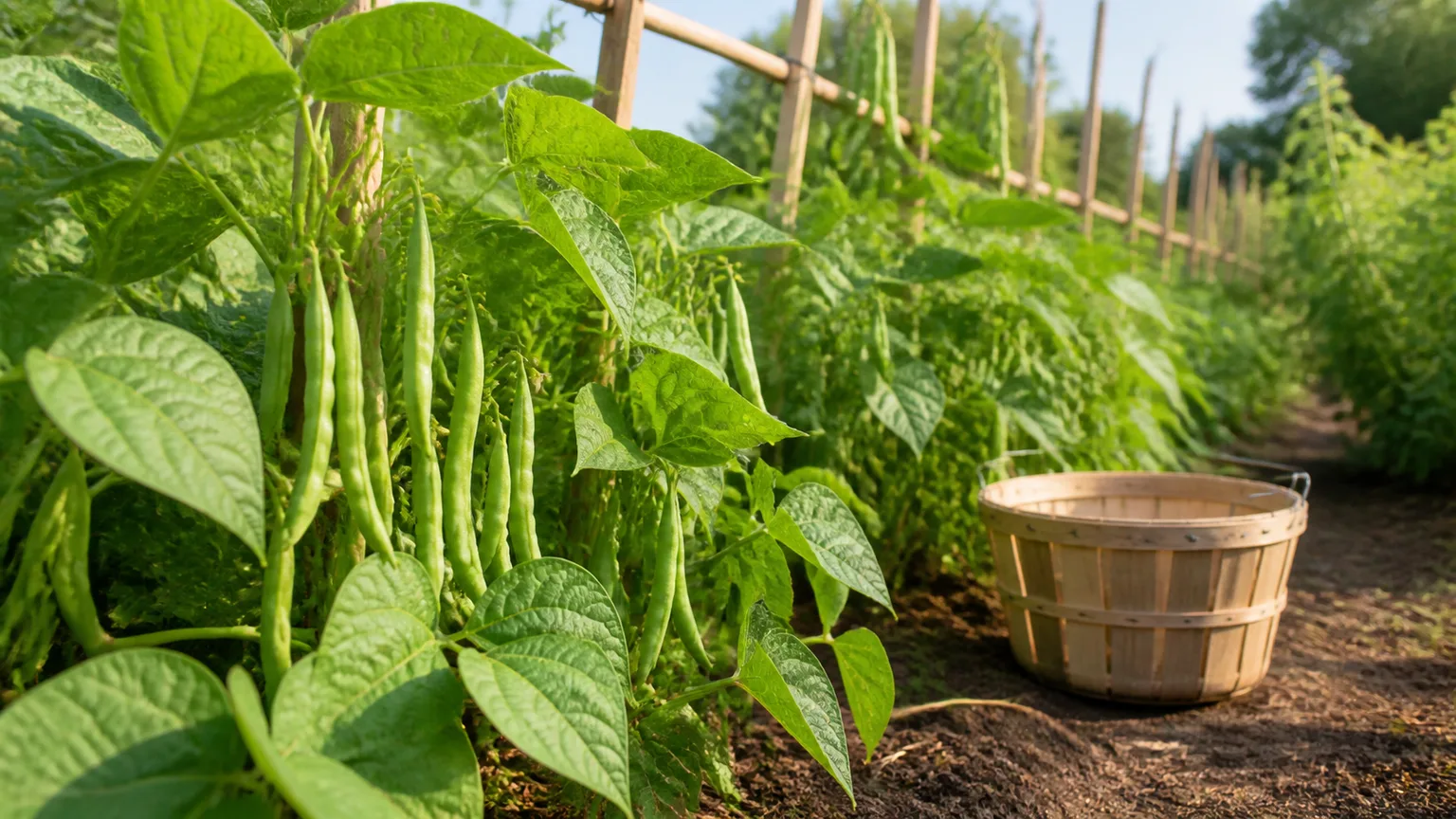
Green beans are fast, productive, and not frost-hardy—but they also resent transplanting. Sow directly when soil holds 60°F or warmer, typically late April through May in northern gardens and earlier in the South.
Bush beans need no trellis and mature in a concentrated flush; pole beans climb and produce longer through summer. Sow every 2–3 weeks for steady harvests instead of one overwhelming basket.
Inoculant can help on new ground, though healthy garden soil often already hosts rhizobia. Keep soil evenly moist at germination; cracked, dry seed coats are the main reason bean rows fail in April wind.
Fast Winter Squash for Late-Summer Harvest
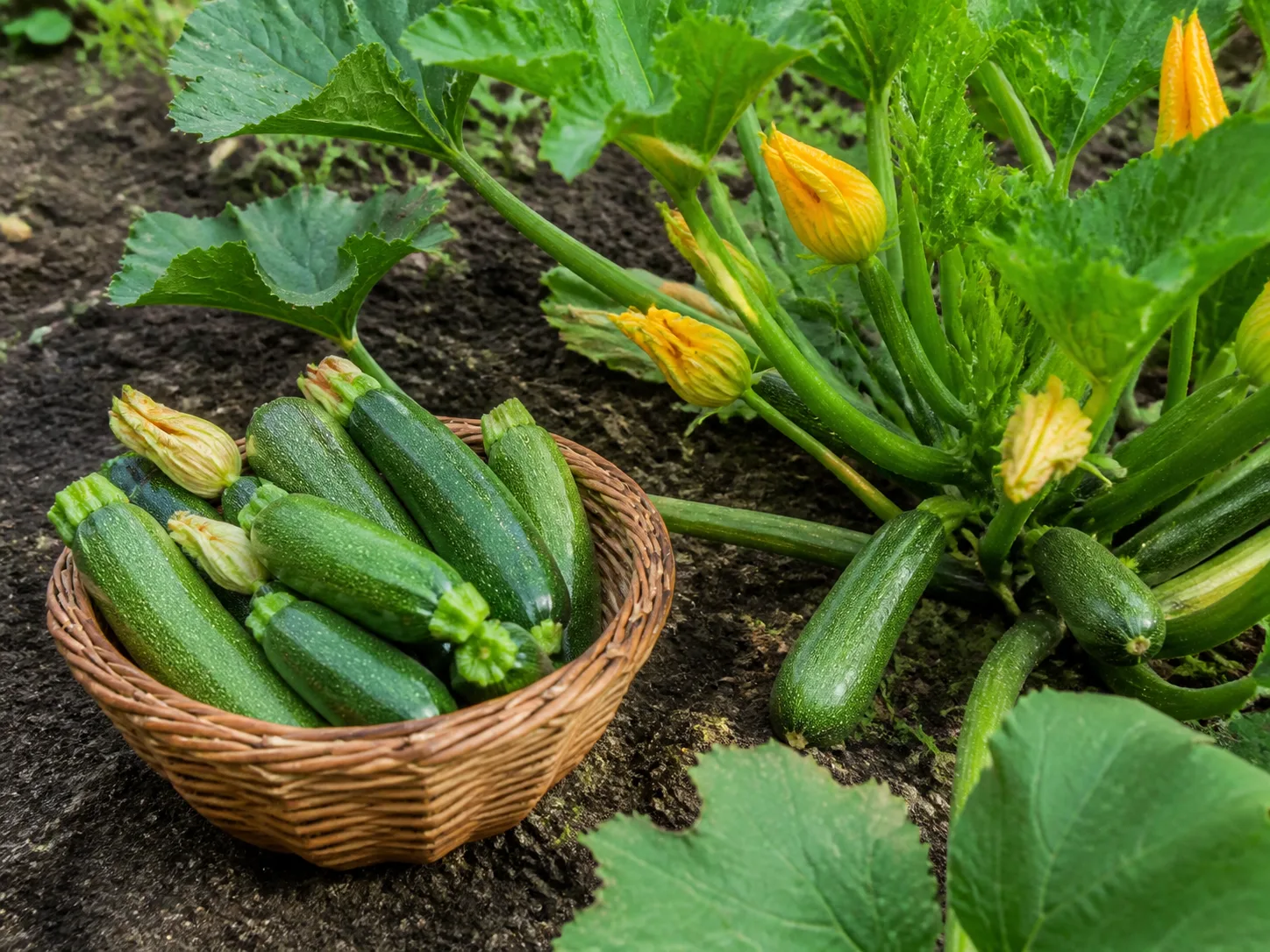
Not every winter squash belongs in an April planting plan. Pumpkins for Halloween need to wait. But fast-maturing types—delicata, acorn, and spaghetti squash—can go in after last frost and deliver ripe fruit by late summer if your season is long enough.
Direct sow like zucchini: warm soil, full sun, 3–4 feet between hills. Winter squash needs the full growing season to harden rinds for storage. Count backward from your first fall frost using days-to-maturity on the packet plus two weeks of buffer for slowing autumn growth.
If your frost-free season is under 100 days, prioritize delicata (often 90–100 days) over hubbard types that need 110+ days.
Sunflowers
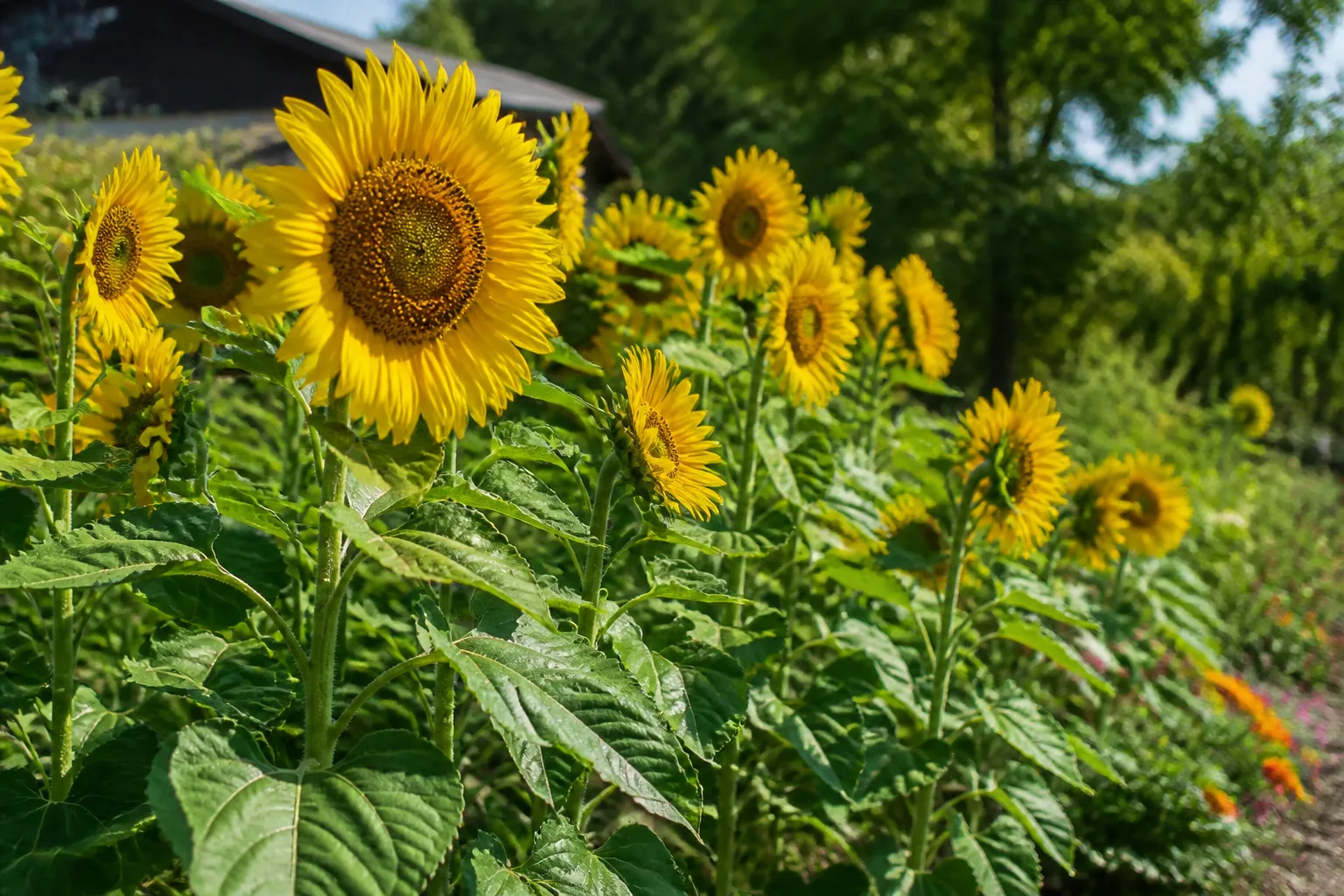
Sunflowers are not vegetables, but they earn a spot here because seeds and young buds are genuinely edible—roasted seeds for snacking, grilled immature heads as a summer side. They also support pollinators that boost your squash and cucumber yields.
Direct sow after frost when soil is warm. Mammoth types need space and staking; branching varieties extend the bloom season. For detailed timing, see our guides on growing sunflowers and when to plant sunflowers.
Succession sow every 2–3 weeks through June for continuous blooms into fall. Birds will compete for seed—harvest heads when backs turn yellow and petals dry, or cover heads with mesh bags.
April Planting Mistakes That Kill Summer Yields
Treating April as one planting day. Cool and warm crops have opposite temperature needs. Split the month into two passes.
Skipping the soil thermometer. Seed that sits in cold, wet soil for three weeks rots instead of sprouts. Warm the bed with black plastic for a week if you are impatient.
Starting heat-lovers too early indoors. Tomato and pepper seedlings that outgrow their pots become rootbound and stall after transplant. Time indoor starts to transplant date, not enthusiasm.
Forgetting succession. One row of lettuce and one of radishes is not a season—it is a three-week fling. Stagger sowings.
Ignoring pollinators on squash family crops. A zucchini plant in a wind-exposed corner with no flowers nearby is a recipe for hollow fruit.
Planting carrots and peas in heavy, fresh manure. Both prefer moderate fertility; excess nitrogen pushes leaves, not roots and pods.
Conclusion
April is not a single planting date—it is a transition month where cool-season crops race the warming soil and heat-lovers wait for their turn. Plant peas, lettuce, radishes, and carrots when beds are workable and frost still possible. Start tomatoes, peppers, and eggplant indoors in northern zones, or move them outside only after nights stay mild and soil hits 60°F. Direct sow zucchini, cucumbers, beans, fast winter squash, and sunflowers once frost is firmly behind you.
Keep a soil thermometer handy, sow in succession, and trellis anything that climbs. Do that and these twelve crops will carry you from the first spring salad through grilled summer squash—not because the calendar said April, but because you matched each plant to the temperature it actually needs.