Leggy Growth on Brahma Kamal: Cool Light & Compact Rosettes
Quick answer
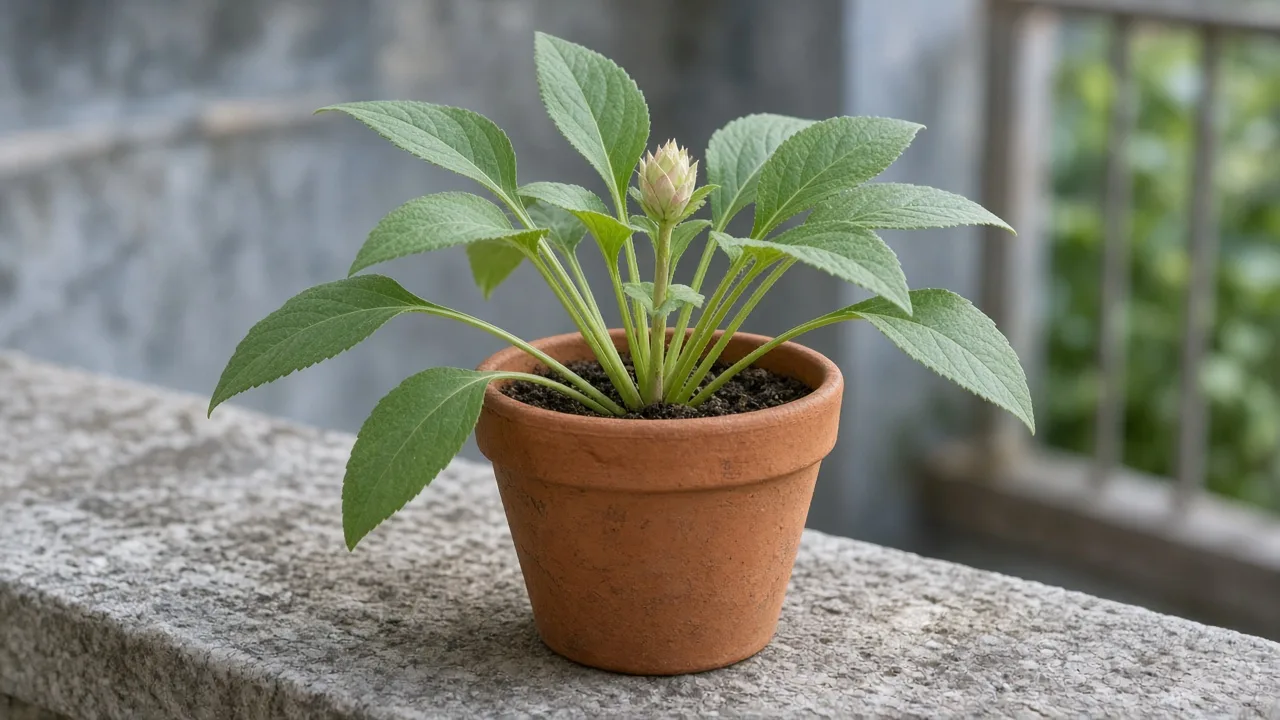
Leggy Brahma Kamal shows an open, loose basal rosette with longer leaf stalks, paler new leaves, and weak lean toward the brightest side—usually etiolation in too-dim or too-warm light. First step: move the pot to a cool, bright outdoor spot with morning sun or very bright open shade, then rotate weekly before pruning or feeding.
Leggy Growth on Brahma Kamal: Causes, Checks & Fixes
This guide covers leggy growth on Brahma Kamal. See also the general Leggy Growth guide, watering, and light pages for this plant.
Leggy Growth on Brahma Kamal: Causes, Checks & Fixes
Quick answer
Leggy growth on true Brahma Kamal (Saussurea obvallata) is etiolation in the basal rosette, not a vine shooting across the room. The crown opens up, leaf stalks lengthen, newest leaves look smaller and paler, and the whole pot leans toward the brightest side while growth stays weakly upright.
For how low light triggers stretch in general, see our leggy growth hub. On Himalayan Brahma Kamal, the pattern is a loose rosette at soil level, thin weak petioles, and stretch that worsens in warm dim rooms—not the long flat cactus stems of the unrelated night-blooming Epiphyllum sold under the same common name.
First step: move the pot to the brightest cool location you can offer—morning sun or very bright open shade outdoors—and rotate it a quarter turn every week before pruning, repotting, or fertilizing.
When to use this page vs other Brahma Kamal guides
This page is the stretch-and-posture entry when the rosette looks open, tall-for-its-size, or one-sided—not when only flower bracts look pale or roots fail.
| Pattern | Read next |
|---|---|
| Dim room but rosette still fairly tight | Not enough light |
| Firm crown, just slow in winter | Slow growth |
| Yellow basal leaves on wet mix | Overwatering or yellow leaves |
| Limp leaves in dry cool mix | Underwatering or wilting |
| Window placement and acclimation | Light guide |
| Trimming after light is fixed | Pruning guide |
| Mix and crown drainage | Soil guide and watering |
What leggy growth looks like on Brahma Kamal
Healthy Saussurea obvallata builds a compact cluster of toothed basal leaves near the crown, with short upright flowering stems wrapped in pale translucent bracts in season. The Flora of China treatment describes basal leaves and a usually unbranched crown—stretch breaks that tight alpine silhouette.
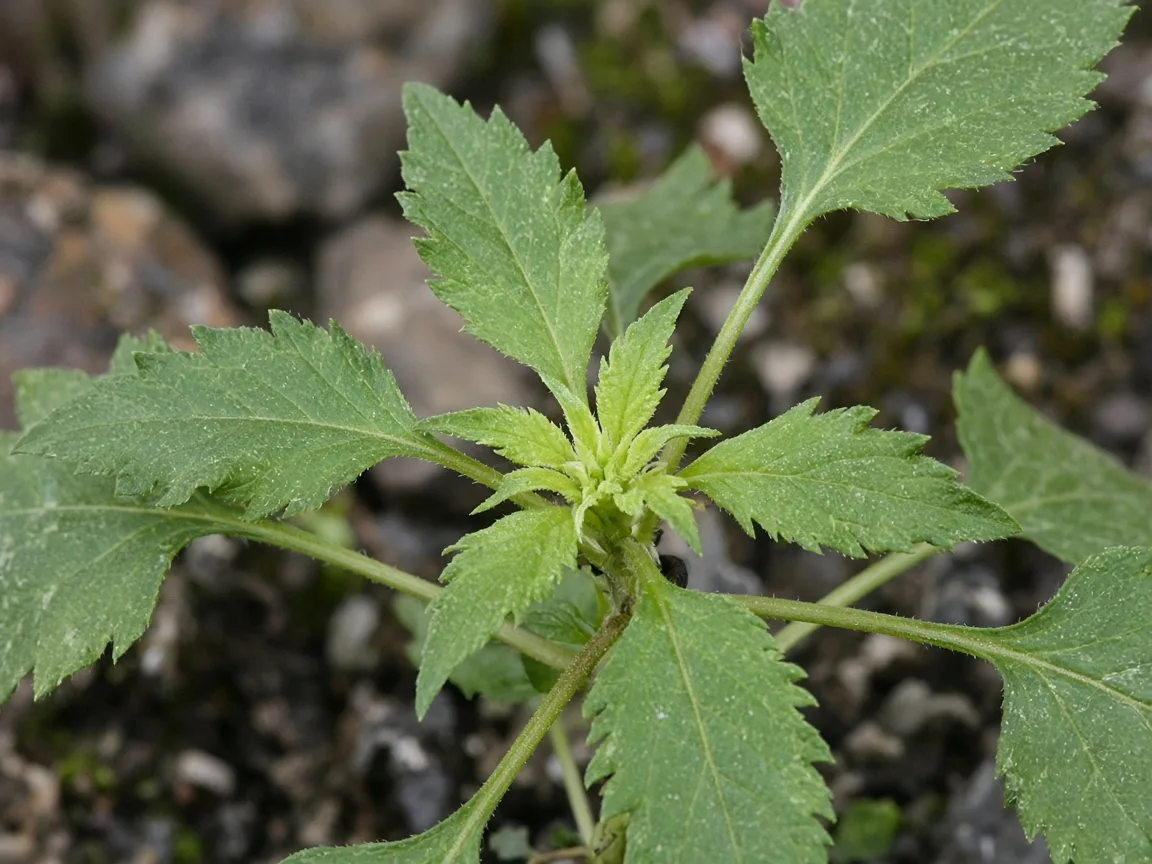
Longer leaf stalks and wider gaps between rosette leaves—compare stretched tissue with the tighter spacing on older firm leaves lower on the crown.
Typical etiolation on the true species:
- Open, flattened rosette — Leaves stand farther apart than earlier growth on the same plant
- Longer petioles on new leaves — Blades look smaller relative to the stalk length
- Pale or yellow-green new growth — Weaker chlorophyll when photons are short
- Lean toward one exposure — Whole pot angles toward the brightest wall or window
- Thin weak flower stems — If buds form at all, stalks look spindly and may fail to hold bracts upright
Not leggy (common mix-ups):
- Pale bracts around a short firm flower head — Normal species display; bracts are meant to be translucent
- One upright stem with no rosette stretch — Flowering structure, not etiolation of the crown
- Flat scalloped cactus stems reaching — That is Epiphyllum oxypetalum, not Saussurea; see the overview identity notes
Saussurea vs orchid cactus: a plant-only ID check
Indian nurseries often label two unrelated plants as Brahma Kamal. Stretch on each looks different:
- Compact toothed leaves in a soil-level rosette; stretch = longer petioles and open crown — True Saussurea obvallata on this page.
- Broad flat stem segments climbing or arching; stretch = long naked stem between small side branches — Epiphyllum culture; do not apply alpine cool-sun fixes meant for Saussurea.
If you cannot confirm the botanical name, fix identity before moving the pot into cold morning sun.
Rosette spacing vs normal flower height
Brahma Kamal will never become bushy from pinching like a bedding plant. Read stretch at the crown, not stem length alone:
| Observation | Likely meaning | First action |
|---|---|---|
| Wider gaps only between newest rosette leaves; firm crown | Etiolation from low light | Cool bright move + weekly rotation |
| Lean on one side; shaded half more open | Directional shade | Rotate pot; brighten weak side |
| Short firm stem with pale bracts; rosette still compact | Normal flowering | No height pruning; protect from heat |
| Open rosette plus yellow leaves on damp mix | Light stress plus overwatering | Dry-down and root check before more sun |
| Stretch in a warm living room after monsoon | Heat plus dim light | Move outdoors to cool bright shade; see light guide |
This rosette-and-crown logic does not transfer to snake plants or pothos with nodes.
Why Brahma Kamal gets leggy growth
Saussurea obvallata evolved in open alpine meadows and rocky slopes with strong sky light but cool air (Flora of China). Plants For A Future records it for sun or semi-shade on moist but not waterlogged soil as a slow perennial (PFAF profile). When light drops, the rosette lengthens petioles toward the source—classic etiolation—while heat raises respiration so weak tissue forms faster.
Plant-specific triggers:
- Warm dim indoor rooms — Brightness that might suffice for tropical foliage fails here; warm nights plus weak windows produce pale open rosettes.
- One-sided balcony or window — East light on one face only; the shaded side stretches longer petioles.
- Winter short days in the same spot — Slow growth is normal, but continued stretch means photons are still too low; see slow growth when the crown is firm and merely resting.
- Overfertilizing in shade — Soft elongated leaves without matching light; hold feed until exposure improves per the fertilizer guide.
- Heat stress masking as “fast growth” — Long weak petioles in a hot terrace corner; Botanicmate notes struggle in hot dry conditions and harsh full sun in lowlands.
Alpine growers on the RHS alpine guidance emphasize bright open positions with air movement—the opposite of a stagnant warm corner.
How to confirm the cause
Work in this order so you do not blame light when the crown is rotting:
- Identity — Rossette of toothed leaves at soil line confirms Saussurea; flat stems confirm Epiphyllum.
- Hand-shadow test at the pot — At midday, a sharp shadow suggests enough intensity for recovery; a faint ghost shadow means etiolation will continue (UMN Extension on indoor light).
- Compare petiole length — Newest leaves noticeably longer-stalked than last season’s firm basal leaves.
- Pot lean and one-sided openness — Directional stretch, not uniform crown expansion.
- Moisture and crown firmness — Squeeze-test the crown base; soft tissue on wet mix points to root rot overlap, not light alone.
- Temperature context — Stretch accelerating after moving to a hotter room suggests heat plus low light.
Confirmed etiolation: firm crown, damp or appropriate moisture per watering, pattern matches dim or one-sided exposure.
The first fix to try
Move the pot to a cool, bright outdoor position with morning sun or very bright open shade, then rotate a quarter turn every week.
Do not repot, prune healthy green rosette leaves, or fertilize on the same day. Acclimate over several days if the plant lived in deep shade—add an hour of morning sun at a time rather than jumping to hot afternoon exposure. Empty saucers after watering so warm stagnant water does not heat the crown.
If outdoor cool placement is impossible, use the brightest ventilated spot available and supplement with a grow light as described in the light guide—knowing that cool air matters as much as photons for this species.
Step-by-step recovery
After the light move:
- Wait one to two weeks — Watch for deeper green new leaves and shorter petioles on the next flush.
- Keep moisture steady — Surface just dry, mix cool below; leggy plants in heat often get overwatered because owners mistake weak growth for thirst.
- Remove only dead or fully yellow leaves — Follow the pruning guide; do not shear the rosette to “make it bushy.”
- Deadhead spent flower stems — After bracts fade, cut the stalk at the base if tidy; it will not branch into a fuller plant.
- Resume light feed only after firm new growth — One mild application in active cool season if the fertilizer guide criteria are met.
Recovery timeline
Brahma Kamal is a slow perennial (PFAF). Expect four to eight weeks in cool bright conditions before new rosette leaves look clearly tighter; a full season may be needed if the plant was long-term dim indoors.
Improving signs: Shorter petioles on new leaves, richer green color, reduced lean after rotation, firm crown.
Worsening signs: Continued stretch on the newest leaves, crown softening, yellowing spread on wet mix—shift to water and root diagnosis on the problems hub.
Lookalike symptoms
| Symptom | Often confused with leggy | How to tell apart |
|---|---|---|
| Pale bracts on short stem | Etiolated rosette | Bracts only; basal leaves still compact and toothed |
| Slow winter pause | Stretch | No new long petioles; crown firm; see slow growth |
| Drooping limp leaves | Lean from low light | Limp blade tissue, not just longer stalks; check drooping leaves |
| Long cactus-like segments | Saussurea stretch | Wrong species; stems are flat and succulent |
Mistakes to avoid
- Moving straight into hot afternoon sun — Sunburn on alpine leaves; use morning sun or open shade in warm lowlands.
- Pruning the rosette for bushiness — Cuts sacrifice scarce leaves; does not create lateral branches on this crown type.
- Feeding to “push compact growth” in shade — Weakens tissue; fix light first.
- Keeping a stretched plant in a warm living room — Heat defeats recovery even with a grow lamp nearby.
- Assuming any tall stem is leggy — Normal flowering height differs from open rosette etiolation.
How to prevent leggy growth next time
Anchor routine care on the overview: cool bright exposure, moist sharp drainage, winter rest. Rotate the pot weekly during active growth. Scout the rosette monthly when days shorten in fall. Accept dormancy without chasing height indoors.
Related Brahma Kamal guides
Conclusion
Leggy Brahma Kamal is low light—and often warm air—expressed as an open alpine rosette, not healthy vigor. Move to cool bright exposure first, rotate weekly, and judge recovery on the next rosette flush. Old elongated petioles will not shrink, but firm compact new leaves tell you Saussurea obvallata is back in conditions it can hold.