Drooping Leaves on Lettuce: Causes, Checks & Fixes
Quick answer
Drooping leaves on lettuce are usually thirst, hot-afternoon wilt, or wet-soil seedling trouble — not a leaf disease. If the top 1–2 cm of soil is dry, water deeply at soil level right away; if it is wet, hold water and check the stem base and crown instead.
Drooping Leaves on Lettuce: Causes, Checks & Fixes
This guide covers drooping leaves on Lettuce. See also the general Drooping Leaves guide, watering, and light pages for this plant.
Drooping Leaves on Lettuce: Causes, Checks & Fixes
Quick answer
Lettuce leaves go limp when water stops reaching them. On this shallow-rooted, cool-season annual, that almost always means one of three things: dry soil the fine roots have already exhausted, a hot afternoon outpacing what the roots can supply, or wet-soil trouble at the stem base in seedlings. Whole rosettes that sag while staying green are thirsty or hot; seedlings that keel over with pinched, dark stems at the soil line are diseased, not dry.
First fix: press a finger into the top 1–2 cm of soil right now. If it feels dry and the pot is light, water deeply at soil level until excess drains, then move the pot out of harsh afternoon sun. If the mix is already wet, do not water again — inspect the stem base and crown instead. One targeted check first tells you which of the two opposite problems you have, and watering the wrong one makes droop worse.
What drooping looks like on lettuce
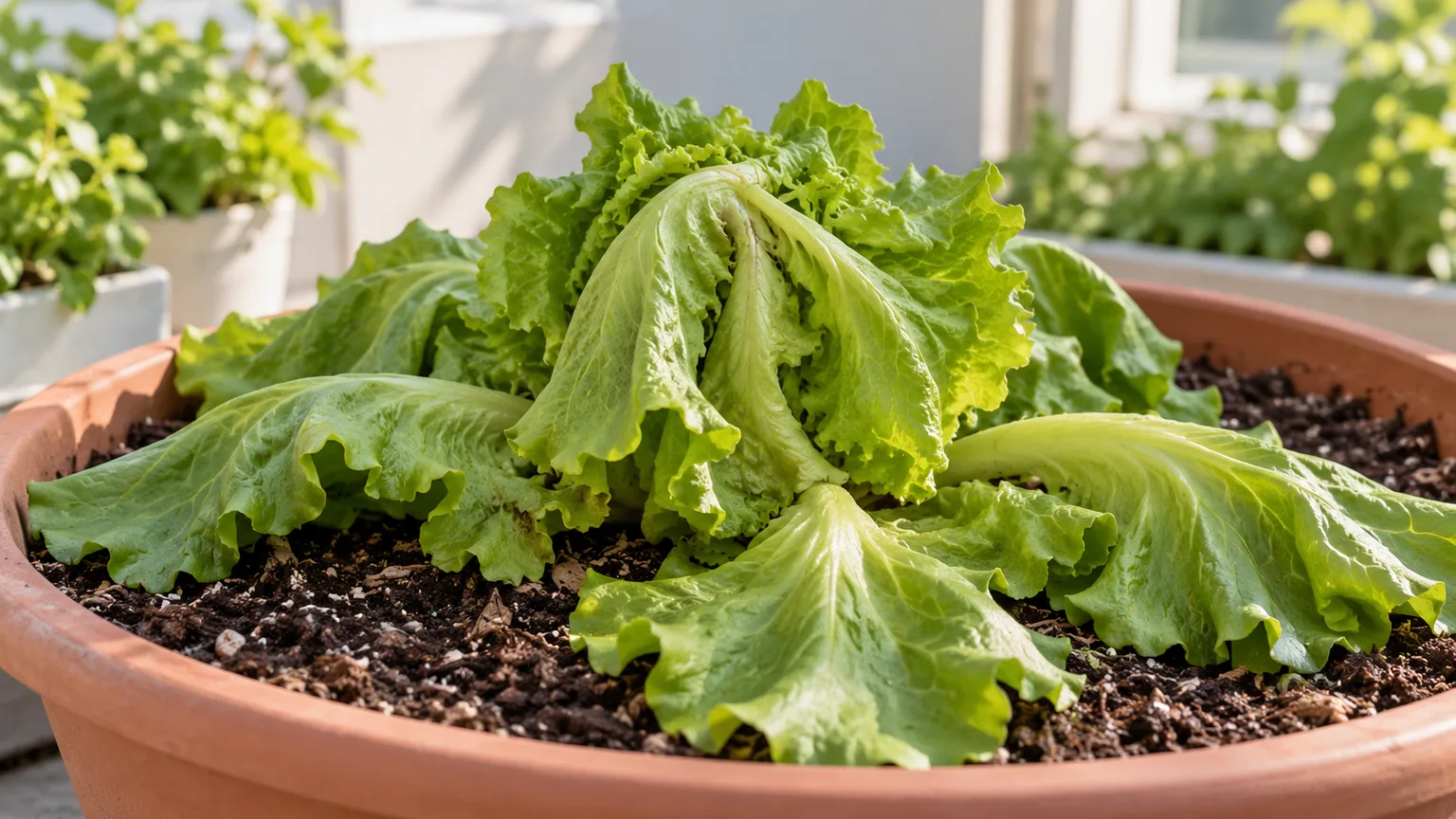
On lettuce, droop is a whole-rosette sag rather than a single spotted leaf. Outer leaves lie flat against the soil, inner leaves lean inward, and the normally crisp blades feel soft and pliable instead of snapping. Color often stays green at first, which is why growers mistake early droop for a growth habit — the plant looks the same, just deflated.
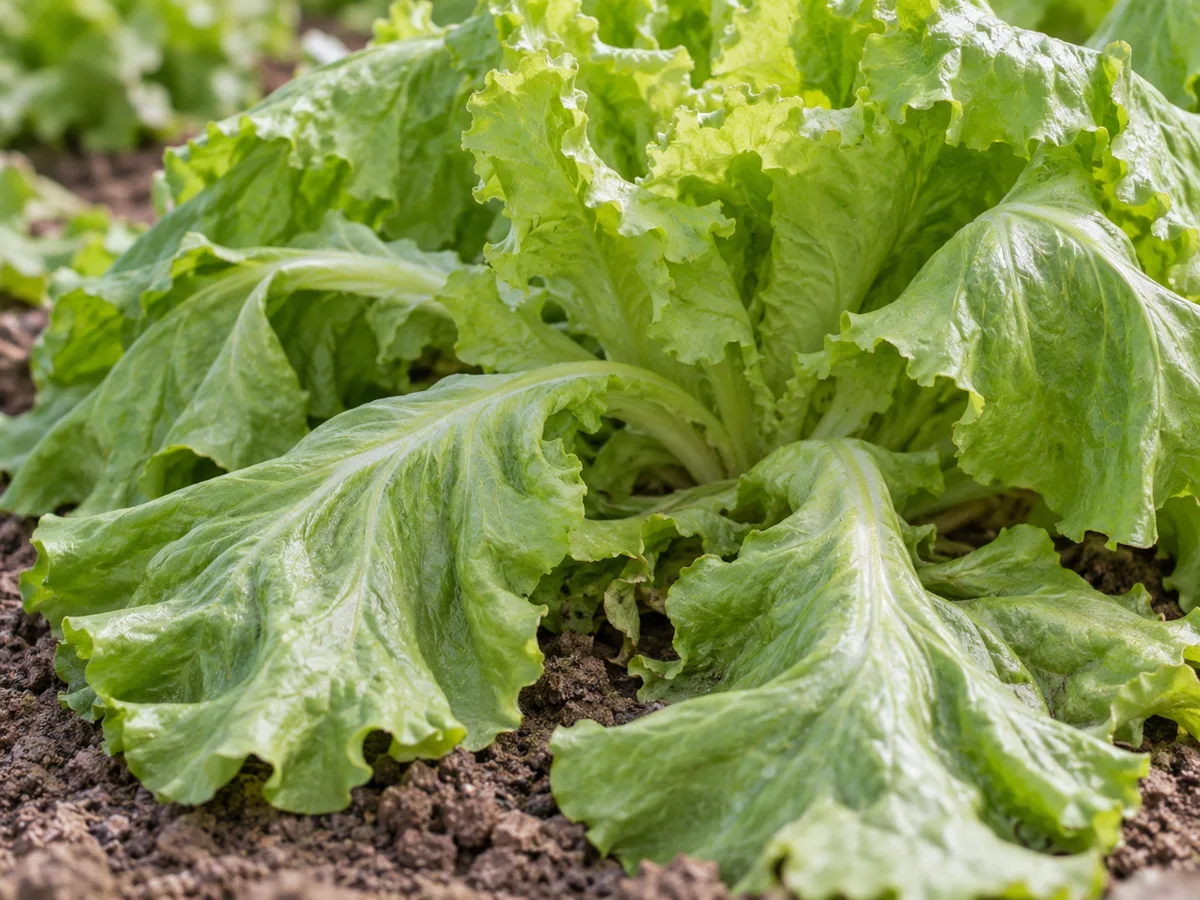
Drooping lettuce leaves lose turgor across the whole rosette — soft, flat outer blades with green color but no crispness.
Container lettuce adds two signature details. Because pots hold a small soil volume, a rosette can look fine in the morning and collapse by mid-afternoon once roots drink the available moisture. And because lower leaves rest on damp soil, prolonged droop quickly picks up secondary signs — gritty, water-soaked patches where blades touch wet mix — that confirm the plant has been lying down, not just growing flat like a looseleaf type naturally does.
When to use this page vs other lettuce guides
This page is the droop-first entry: leaves have lost firmness and you need to separate thirst, heat wilt, and stem-base disease today.
- Wilting — go here when limp leaves come with persistent heat damage, bitterness, or a rising central stem pointing at bolting season stress.
- Underwatering — go here when the dry-down pattern is confirmed and you need the full rehydration rhythm for containers and beds.
- Overwatering — go here when soil stays soggy, outer leaves yellow, or the crown softens while limp.
- Root rot — go here when the stem base is mushy, smells sour, or seedlings rot without recovering after watering.
- Not enough light and leggy growth — go here when pale, stretched stems explain floppy growth rather than sudden turgor loss.
- Watering guide — go here for long-term moisture scheduling after droop resolves.
Why lettuce droops: the shallow-root problem
Lettuce builds a fine, shallow root system that feeds a lot of soft leaf from very little soil depth, and NC State Extension notes it requires consistently moist soil for proper growth and flavor. That combination is the core reason droop hits lettuce faster than deep-rooted vegetables: the top few centimeters dry first, and there is no taproot below to compensate. Utah State Extension warns that moisture fluctuations impair leaf and head quality, so alternating drought and flooding hurts texture even when the plant survives.
In practice this means container lettuce on a warm, windy balcony can exhaust its moisture between morning and afternoon, while bed-grown lettuce in open, mulched soil rides out the same day. Small pots, dark containers against sun-heated walls, and seedlings in cell trays are the highest-risk setups — the root volume is tiny and warms fast. If your lettuce droops on schedule every sunny afternoon in a small pot, the container is part of the diagnosis, not just the watering can. The watering guide covers pot sizing and daily check rhythm in detail.
Heat wilt and the bolting connection
Afternoon droop that recovers by evening is heat wilt: transpiration from broad, thin leaves outruns what shallow roots can deliver while temperatures peak. This is normal lettuce physiology in warm weather, not a disease — but it is also an early warning that the crop is approaching its seasonal limit. NC State Extension reports that high temperatures around 21–27°C combined with dry soil can trigger bolting, which ends useful leaf production and turns leaves bitter.
Read droop plus stem shape together. Limp leaves on a flat rosette with a tight center usually just need water and shade. Limp leaves plus a lengthening central stem, widening leaf spacing, and increasingly bitter taste mean the plant has shifted toward flowering — no watering fix returns it to a compact rosette, and the right move is harvesting what is usable and sowing fresh seed. For placement strategy, the light guide explains morning-sun-plus-afternoon-shade; for season planning, see slow growth when heat stalls the crop without obvious droop.
Wet soil, damping-off, and bottom rot in seedlings
Droop in persistently wet soil is the opposite problem and needs the opposite response. Seedlings are the most vulnerable: damping-off fungi attack germinating seeds and young stems at the soil line, a pattern UConn IPM describes as a common disease of germinating seeds and young seedlings. Gardening Know How notes that affected lettuce seedlings develop brown areas or white, moldy patches on the stem before weakening, falling over, and dying — sometimes with visible mold on the soil surface.
Established plants get a related wet-soil problem: outer leaves resting on saturated mix develop water-soaked, decaying patches known as bottom rot, and the crown can soften. Soggy soil also suffocates the same shallow roots the plant depends on, so leaves droop despite abundant water. Suspect this path when the pot feels heavy days after watering, the mix smells sour, lower leaves yellow while wet, or seedlings collapse rather than perk up after a drink. Epic Gardening’s damping-off prevention advice emphasizes airflow, spacing, and avoiding constantly wet seedling mix — the same levers that protect lettuce. Compare with mold on soil for surface-only fuzz and fungus gnats when small flies confirm chronic wetness.
For how turgor loss works across houseplants and vegetables in general, see our drooping leaves hub. On lettuce, the practical difference is speed: shallow roots plus thin leaves mean hours, not days, between the first sag and real damage.
How to confirm the cause
Work through these checks in order before changing anything:
- Time-of-day test — Note when droop appeared. Morning-fresh, afternoon-limp, evening-recovered points to heat wilt. Limp at dawn in cool air points to dry roots or stem-base disease instead.
- Top 1–2 cm finger test — Press below the leaf canopy into the upper soil. Dry and crumbly means thirst; cool and damp means hold water and keep checking.
- Pot weight — Lift the container. Light plus droop confirms the soil column is exhausted. Heavy plus droop days after watering confirms saturation and possible root damage.
- Stem-base inspection — Part the lower leaves and look at the stem where it meets the soil. Firm and pale is reassuring; pinched, thin, dark, or moldy in seedlings means damping-off, not thirst — see root rot.
- Crown and smell check — A firm crown with earthy-smelling mix suggests simple wilt. A soft crown, sour odor, or slimy outer leaves confirm wet-soil decay.
- Center-stem check — Look down into the rosette heart. A flat, tight center means the plant is still in leaf production; a rising, elongating core means bolting has started and droop is secondary to seasonal decline.
| What you see | Likely cause | First action |
|---|---|---|
| Dry top 1–2 cm, light pot, limp at any hour | Thirsty shallow roots | Deep soil-level watering now |
| Moist soil, limp only on hot afternoons, recovers by evening | Heat wilt | Afternoon shade + steady moisture |
| Limp plus lengthening center stem and bitter leaves | Bolting onset | Harvest usable leaves; sow fresh |
| Wet heavy soil, yellow outer leaves, soft crown | Overwatering / root stress | Stop watering; see overwatering |
| Seedlings keeled over, pinched dark stems at soil line | Damping-off disease | Remove affected seedlings; improve airflow and drainage |
| Pale stretched stems, widely spaced small leaves | Low light / legginess | Move to brighter spot; see not enough light |
First fix for lettuce
If the top 1–2 cm is dry: water deeply at soil level now, then shade the plant for the hottest part of the day. Direct water to the soil under the leaf canopy — not over the heart of the rosette — until excess drains freely, empty any saucer, and check firmness within a few hours. This single step resolves the most common lettuce droop: shallow roots that ran out of available moisture.
Do not fertilize, repot, prune, or spray anything today. Lettuce responds to one variable at a time, and stacking treatments on limp tissue hides which fix worked. If the soil was already wet, skip watering entirely and jump to the wet-soil branch of the recovery steps below.
Step-by-step recovery
If droop came from dry soil:
- Water slowly at soil level until the whole root zone is moist and excess drains. In hot wind, a second pass after ten minutes helps rewet mix that initially repels water.
- Move containers so leaves get morning sun but shade from harsh mid-afternoon heat — NC State suggests just three to four hours of direct sun with shade for the rest of the day for summer-grown lettuce.
- Mulch beds lightly without burying the crown to slow surface drying, keeping material off the stem base.
- Recheck in the evening: leaves regaining crispness confirm thirst was the cause. Resume the watering guide rhythm of checking the top 1–2 cm daily in warm weather.
If droop came from heat alone (moist soil, afternoon-only sag):
- Add temporary shade during the hottest hours — shade cloth, a taller neighboring pot, or a morning-sun-only position.
- Keep the root zone evenly moist but never waterlogged; heat plus saturation invites rot instead of recovery.
- Harvest outer leaves a little earlier than usual to reduce the transpiration load on the plant.
- If the center stem starts rising, accept bolting: harvest promptly and plan the next sowing per the propagation guide rather than forcing the old plant.
If droop came with wet soil or seedling collapse:
- Stop watering and let the surface dry; empty saucers and confirm drainage holes run freely.
- Pull and discard collapsed seedlings with pinched stems — they will not recover, and crowding spreads damping-off through shared mix.
- Thin remaining seedlings for airflow, water future sowings from below or at soil level, and avoid soaking foliage late in the day.
- For established plants with soft crowns or sour mix, follow the root rot inspection steps before watering again.
Recovery timeline
Thirst droop usually firms up within a few hours of deep watering, with full crispness by the next cool morning. Heat-only wilt follows the thermometer: limp at 3 p.m., recovered by dusk, possibly repeating daily until shade or cooler weather arrives. Judge recovery by new firmness in existing leaves plus fresh center growth — not by old outer leaves becoming perfect again.
Seedling damping-off and crown rot do not reverse. Success there means the spread stops: remaining seedlings stay upright, no new stem pinching appears, and fresh true leaves emerge clean. If limp leaves yellow, turn slimy, or the crown softens further over two to three days despite correct moisture, the plant is declining — harvest anything edible and restart rather than prolonging treatment on a finished annual.
Mistakes to avoid
- Watering on a fixed schedule instead of checking soil — lettuce water needs swing with heat, wind, and pot size; the finger test beats the calendar.
- Sprinkling a little water over the rosette heart — shallow sips wet leaves and the crown while roots stay dry; always water the soil until it drains.
- Watering wet soil again “to help it perk up” — droop in soggy mix means roots are already failing; more water accelerates rot.
- Feeding a limp plant to “give it energy” — fertilizer on stressed roots burns fine root hairs; feed only healthy, actively growing plants per the fertilizer guide.
- Repotting a drooping annual on day one — transplant shock stacks new root damage on current stress; lettuce is normally moved once while young, per the repotting guide.
- Misting leaves at midday for quick relief — droplets on hot blades add little, and chronic wet foliage feeds bottom rot.
- Ignoring a rising center stem — pruning or extra water cannot reverse bolting; harvest and resow.
How to prevent it next time
Grow lettuce the way its biology wants: cool season, steady moisture, and spacing matched to type. Sow so most leaf growth lands in the coolest local window, choose looseleaf or bolt-tolerant cultivars when the season is short, and succession-sow small batches every two weeks during suitable weather so no single ageing plant carries the whole harvest.
At the root zone, use fertile mix that holds moisture yet drains freely around pH 6.0–6.7, keep containers at least 15–20 cm deep with open drainage, and water at soil level whenever the top 1–2 cm begins to dry. Match spacing to the packet — crowded heading types compete for both water and air — and review the soil guide before amending. Morning sun with afternoon shade, mulch kept off the crown, and prompt harvest before heat peaks complete the routine that Harvest to Table’s field troubleshooting also points back to: heat and moisture stress drive most lettuce leaf complaints.
When to worry
Treat droop as urgent when seedlings collapse with dark pinched stems, the crown turns soft or slimy, a sour smell rises from the pot, or limp leaves sit in soil that stays soggy for days. Those signs mean disease or root failure, not simple thirst — act the same day by removing dead seedlings, drying the mix, and inspecting roots.
Mild thirst wilt or afternoon heat sag on otherwise green plants is low urgency: water correctly, add shade, and watch the evening rebound. Escalate when droop persists past one full cool night after correct watering, spreads to the center despite moist soil, or pairs with yellowing, odor, or stem collapse.
FAQs
How can I tell if my drooping lettuce just needs water?
Press into the upper 1–2 cm of soil and lift the pot. Dry, light mix plus limp leaves means thirst — water deeply at soil level and expect firmness back within hours. Wet, heavy soil with limp leaves means the opposite problem, so hold water and check the stem base per the overwatering guide.
Why does my lettuce droop every afternoon but recover by evening?
That cycle is heat-load wilt: thin leaves lose water faster than shallow roots can replace it during peak heat. Give morning sun with afternoon shade, keep the root zone evenly moist, and harvest outer leaves a bit earlier. If the center stem also starts rising, the plant is beginning to bolt — harvest and resow rather than chasing recovery.
Can drooping lettuce leaves perk back up?
Leaves limp from a missed watering or a hot afternoon usually crisp up within hours once moisture and temperature settle, judged by firm blades and fresh center growth. Crisped edges, slimy patches, and collapsed seedling stems are permanent — recovery then means clean new growth, not repaired old tissue.
When is drooping lettuce an emergency?
Same-day action is needed when seedlings keel over with pinched, dark stems at the soil line, the crown softens with a sour smell, or limp leaves sit in soggy soil that never dries. Remove dead seedlings, stop watering, improve drainage and airflow, and follow the root rot guide before the problem takes the whole sowing.
How do I stop lettuce from drooping again?
Sow in the cool season with spacing matched to type, water at soil level when the top 1–2 cm begins to dry, and shade hot afternoons instead of adding extra water. Use the light guide for placement and the pruning guide for harvest cuts, and succession-sow rather than nursing heat-stressed plants past their season.
Related lettuce guides
- Lettuce plant hub — species profile, types, and full care cluster
- Watering — shallow-root moisture checks and container rhythm
- Light — productive sun vs heat-management shade
- Soil — moisture-retentive but draining mix near pH 6.0–6.7
- Fertilizer — feeding only after moisture, light, and season check out
- Repotting — transplant-once timing and final container choice
- Propagation — sowing depth, temperature, and damping-off prevention
- Pruning — harvest cuts by type without harming the center
- Underwatering — confirmed dry-down recovery protocol
- Overwatering — soggy-soil diagnosis and dry-out steps
- Root rot — crown and root inspection when droop meets decay
- Wilting — heat-damage and bolting-season limpness
- Yellow leaves — telling nutrient, water, and age yellowing apart
- Slow growth — stalled plants after temperature and moisture are checked
- All lettuce problems
Related tool
Use the Plant Problem Diagnosis Tool to narrow causes for drooping leaves on this plant before changing multiple variables at once.