Houseplant Distorted Leaves: Causes, Diagnosis and Fixes
Distorted houseplant leaves? Separate pests, herbicide drift, edema, and viruses, then fix the cause so new growth unfurls clean.
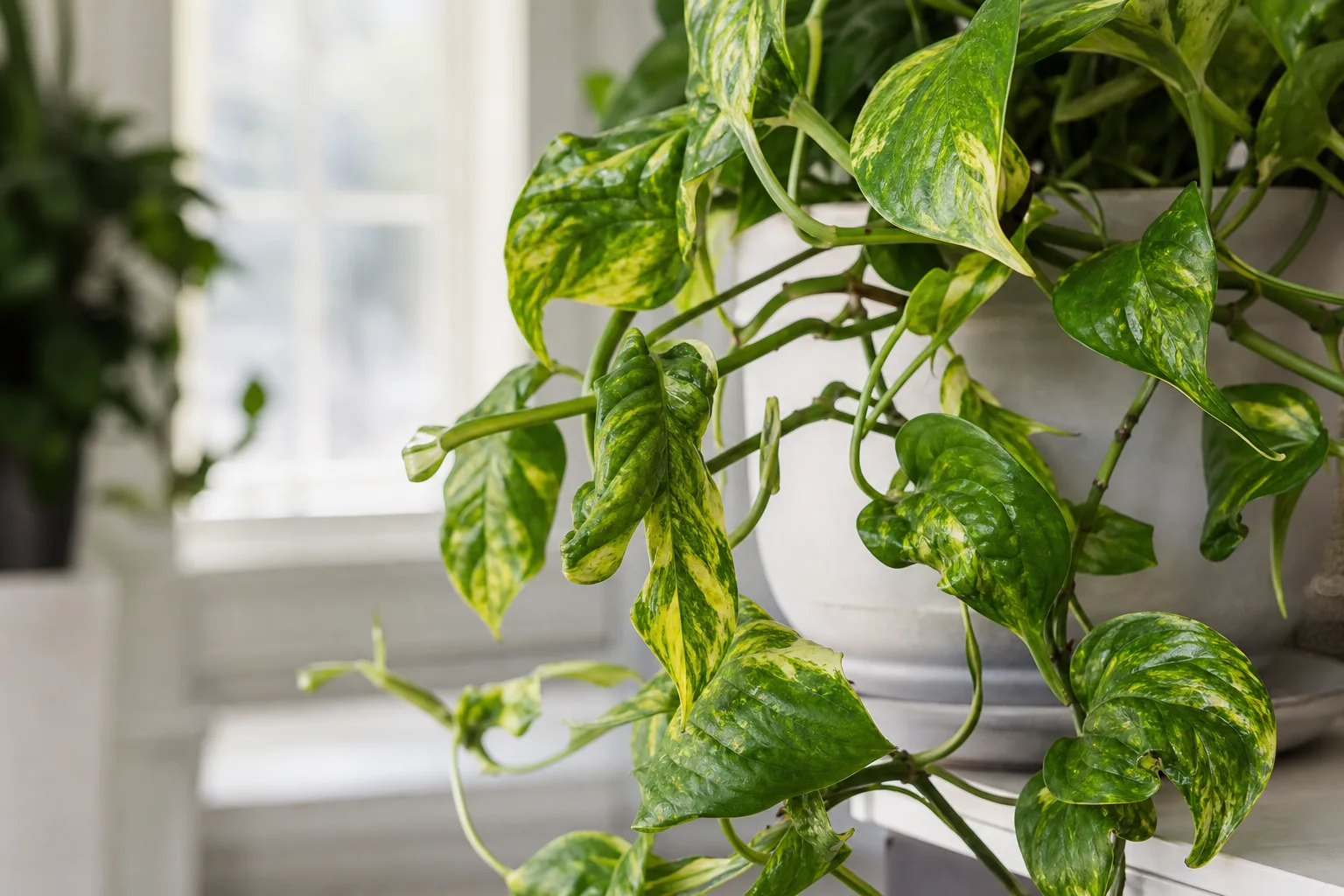
Written by Sai Ananth · Reviewed by Dr. Priya Menon, Botanist and Indoor Plant Specialist
Twisted tips. Cupped blades. Leaves that look puckered, blistered, or permanently wrinkled when they finally unfurl. Distorted leaves on houseplants are a shape problem, not just a color problem — and the shape usually forms while the leaf is still soft and expanding. Once that tissue hardens, the weird geometry stays.
That is why guessing “needs more fertilizer” or blasting everything with fungicide fails so often. Distortion has a short list of high-probability indoor causes: sap-feeding pests on tender growth, herbicide drift or contaminated compost, edema from water-uptake imbalance, viruses, and cultural shocks like cold snaps or stop-start watering. This guide shows how to separate those causes by pattern, then fix the driver so new leaves come out clean.
If leaves are mostly rolling inward without weird puckering, start with the curling leaves guide. For discrete spots and halos rather than warped blades, use the leaf spot disease guide.
What Distorted Leaves Really Mean
Distortion means leaf, petiole, or shoot tissue grew unevenly. Cells expanded at different rates, collapsed after fluid buildup, or were damaged while the blade was still soft. Colorado State University’s PlantTalk notes that curled or cupped leaves are the most common abnormality, and that insects, mites, disease organisms, herbicides, and weather events can all malform leaf, stem, flower, or fruit tissue (CSU PlantTalk).
Indoors, that maps to a practical shortlist. Pests scar expanding tips. Broadleaf herbicides scramble hormone signaling and produce corkscrew growth. Edema bursts cells and leaves corky scars. Viruses rewrite cell machinery and create mosaic, puckering, and stunting. Cold drafts and irregular watering interrupt expansion mid-leaf and leave permanent creases.
Physiology callout: soft, expanding tissue is plastic. Damage at that stage freezes into permanent geometry once the leaf hardens. Recovery is almost never “the ugly leaf becomes flat again.” Success is normal new growth plus no new distorted tips. Old deformed leaves can be left for photosynthesis or pruned for looks after you know the cause is controlled.
Quick Diagnosis: Match the Pattern Before You Treat
Open with observation, not product. Ask where the damage sits, how fast it appeared, how many species are involved, and whether you can find pests, webbing, corky blisters, or recent weed-killer use nearby. CSU guidance is blunt: aphids may be visible without tools, but mites and viruses that distort tissue often need magnification or lab work (CSU PlantTalk).
Work through moisture, light, drafts, and recent moves next. RHS leaf-damage guidance links late-stage oedema to corky underside patches after excess water uptake in stagnant, humid conditions (RHS).
New Growth vs Old Leaves
Focus on the newest 2–4 leaves and the shoot tip. Pest feeding, herbicide hormone disruption, and many viruses hit soft tissue first. Older leaves that suddenly twist without tip damage more often reflect heat, underwatering curl, or mechanical damage — patterns covered in the curling-leaves diagnostic path linked above.
If only mature undersides show raised corky patches while new tips look normal, prioritize edema over mites. If new tips are silvered, stippled, or sticky with insects present, prioritize pests. If new leaves show mosaic mottling plus puckering and no pests after careful inspection, keep virus on the table.
One Plant vs Many Plants at Once
Pests and many diseases usually build on one host or a few related hosts over days to weeks. UF/IFAS Extension notes that simultaneous curling and cupping across multiple unrelated ornamentals after a weed-killer application is a classic herbicide-drift clue, because pests and diseases rarely jump that many plant types at once so quickly (UF/IFAS).
Indoors, apply the same logic to balcony mist, shared compost bags, or a neighbor’s lawn spray on a windy day. One distorted pothos with webbing is mites until proven otherwise. Six different plants cupped at the tips the week Weed-N-Feed hit the courtyard is drift until proven otherwise.
Pest Feeding That Twists Expanding Tissue
Sap feeders do not chew neat holes. They puncture soft cells and leave scar tissue that expands unevenly as the leaf opens. The result looks like puckering, twisting, cupping, or a permanently crumpled tip. You confirm pests before you treat — pale distortion alone can also be thrips scarring, mite stippling that later warps, herbicide, or virus.
Check leaf undersides, folded tips, and the newest unfurling leaves with a magnifier or phone macro (UC IPM). Tap foliage over white paper. Look for moving dots, frass, shed skins, silk, or elongated thrips. Isolate suspects immediately so you are not chasing a moving infestation across a shelf.
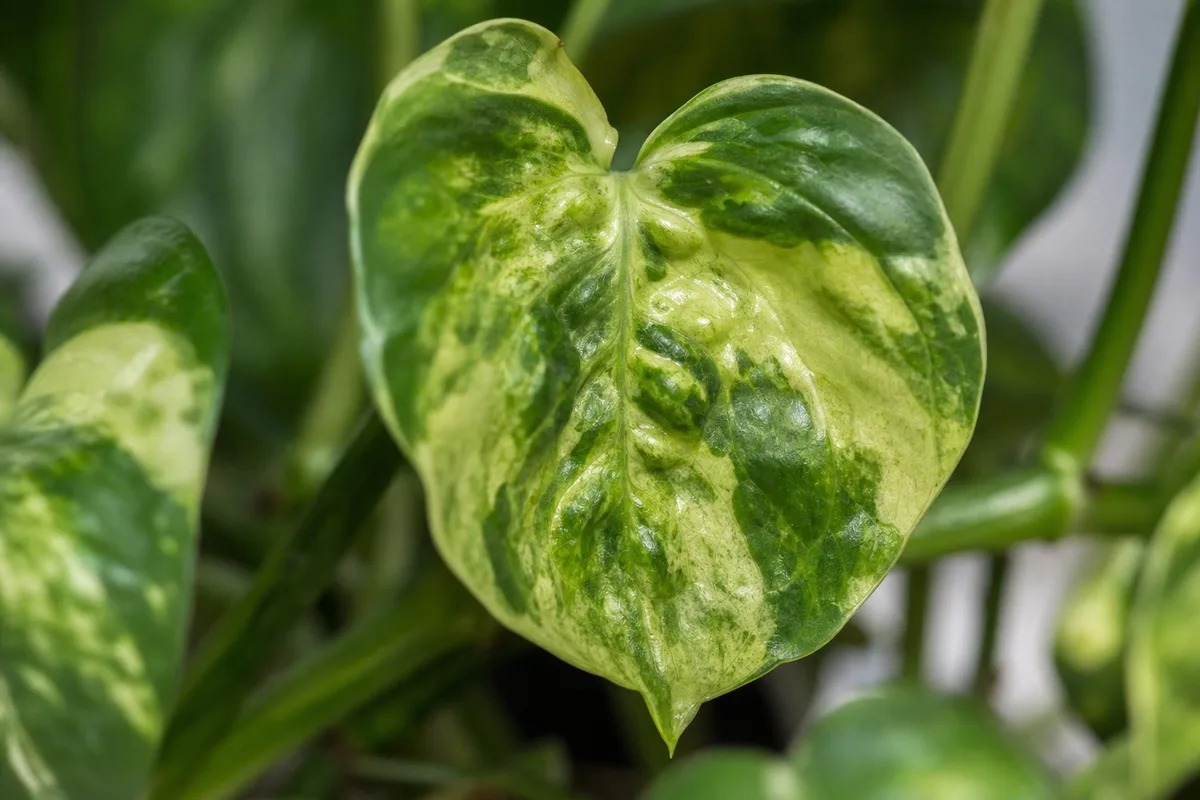
Spider Mites, Thrips, Aphids, and Near-Invisible Tip Mites
Spider mites create fine pale stippling that can progress to bronzing, webbing, and premature leaf drop in dry indoor air. Heavy feeding weakens tissue and can leave a rough, distorted canopy even when silk is the giveaway. Use the full ID and treatment sequence in the spider mites houseplants guide rather than guessing from one dusty leaf.
Thrips rasp expanding tissue and leave silvery streaks, black varnish-like frass, and twisted new leaves. They are also important virus vectors outdoors and in greenhouses. Treat with isolation, contact sprays on a repeat schedule, and sticky monitoring — details in the thrips guide.
Aphids cluster on soft tips, excrete honeydew, and distort young leaves as colonies feed. They are easier to see than mites and often respond to rinsing plus insecticidal soap. See the aphids guide for coverage intervals and soft-tip inspection habits.
Near-invisible tip mites (cyclamen and broad mites) are a special case. Wisconsin Horticulture notes they are about 0.3 mm long; their saliva is toxic and causes twisting, curling, hardening, and distortion of growing points, with damage that can resemble herbicide injury or nutrient disorders (Wisconsin Horticulture). If tips look crippled, crowns look stunted, and you find no spider mites or aphids under magnification, quarantine hard and consider discard for heavily damaged plants rather than endless guess-spraying. For collection-wide pest workflow, see how to tackle indoor plant pests.
Herbicide Drift and Contaminated Inputs
Herbicide damage is any undesired plant response to a weed-killing chemical. Wisconsin Horticulture describes common symptoms as flattened or corkscrew stems, abnormal leaf shapes, sizes, or textures, and yellowing or reddening of leaves or veins, with severe cases browning and dying (Wisconsin Horticulture). Broadleaf lawn products based on 2,4-D and related actives are frequent culprits when spray drifts or vapors move onto nontarget plants.
Outdoor rules that transfer indoors: fine mist drift on windy spray days, and volatilization hours after application, still reach balcony pots, open windows, and courtyard shelves. Houseplant-only follow-through: empty saucers, quarantine shared trays, and do not “detox” soil with bleach or random chemicals after drift — there is no antidote spray (Wisconsin Horticulture).
CSU PlantTalk notes that products such as 2,4-D or Weed-N-Feed can volatilize and drift, curling and cupping foliage on nontarget plants (CSU PlantTalk). Young growth hit by a low dose is often distorted and discolored, while later growth returns to normal if the plant is not killed (Wisconsin Horticulture).
Why Multi-Species Distortion Points Away From Pests
When several unrelated houseplants or patio ornamentals cup and twist within days of a lawn treatment, treat herbicide as the working diagnosis. UF/IFAS highlights that pest and disease problems usually affect fewer plants and progress over weeks, while herbicide distortion can appear quickly across mixed species (UF/IFAS). Ask specifically about weed killers, “weed and feed,” and windy or hot spray days before you invent an exotic pest.
There is no antidote spray. Stop further exposure, rinse foliage if residue is fresh and label-safe to wash, keep plants evenly watered, and wait for clean shoots. Do not fertilize hard or prune the plant to stubs while it is already stressed.
When Potting Mix or Compost Is the Suspect
Contaminated mulch, compost, or a bad bag of potting mix can deliver herbicide residues or other growth-regulator contamination without a spray day you remember. Treat mix as the suspect when:
- Several plants potted from the same new bag or compost batch distort within days to a couple of weeks, while older plants in older mix stay clean.
- You see hormone-herbicide style cupping and twisting without pests, webbing, or a known courtyard spray event.
- Symptoms concentrate on plants you recently repotted, not the whole room.
What to do: stop using that bag on clean plants. Isolate affected pots. For critically valuable specimens, repot into a known clean commercial mix once the plant is stable enough to handle the move — discard the suspect media in trash, not into a compost pile you will reuse indoors. Do not bleach-flush or “chemically detox” the old mix; focus on removing the contaminated media and waiting for a clean flush of growth. If only one plant from the batch is valuable and the rest are disposable, sacrifice the cheap ones as indicator plants while you wait.
Edema: Corky Underside Blisters Mistaken for Disease
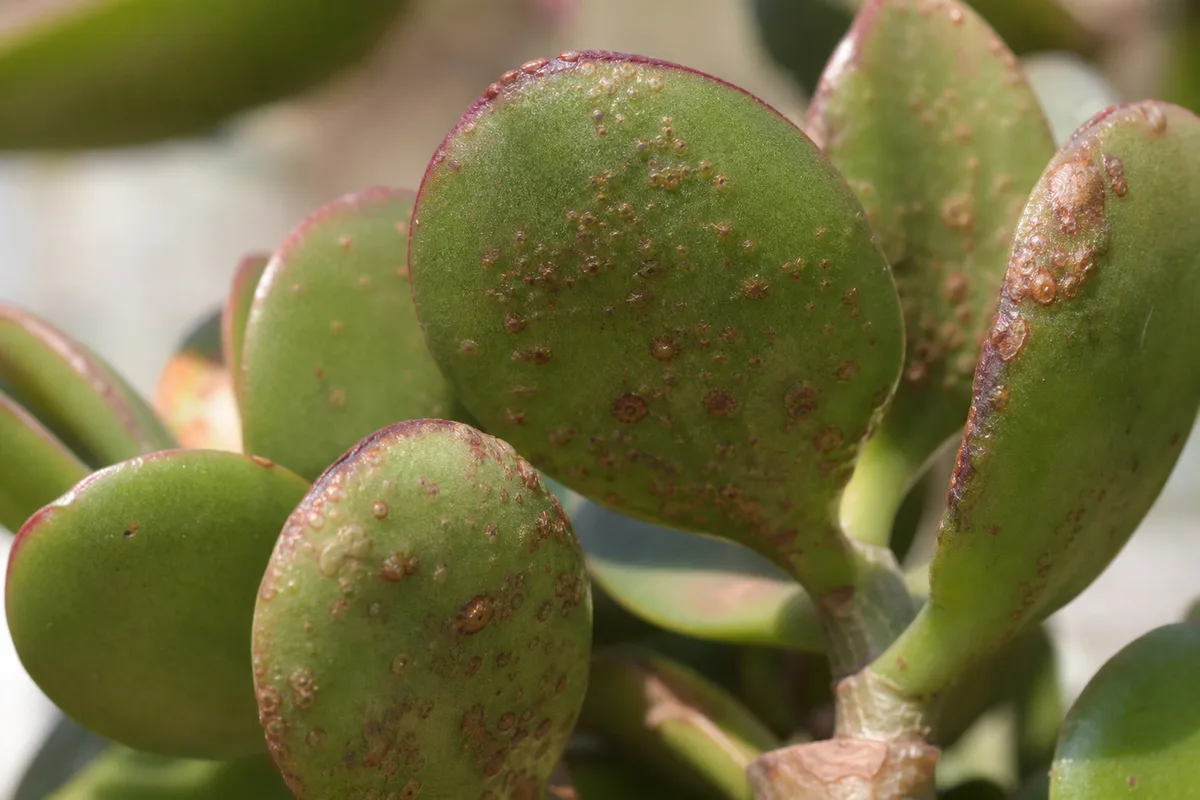
Edema (oedema) is a physiological disorder, not an infection. Wisconsin Horticulture describes small translucent, fluid-filled blisters on the undersides of mostly older leaves that can enlarge, burst, and scar into tan corky tissue; some leaves may later shrivel, roll, or drop (Wisconsin Horticulture). Clemson HGIC similarly describes rough corky swellings on petioles and lower leaf surfaces when excess soil moisture meets poor light and cooler temperatures, especially on succulent plants in winter (Clemson HGIC).
The mechanism is simple: roots take up water faster than leaves can lose it. Warm moist media plus high humidity, low light, cool air, or poor ventilation stacks the deck. Oil sprays that clog leaf surfaces can worsen it. RHS notes raised corky underside patches as late-stage oedema after excess water uptake in stagnant, humid conditions, and advises improving airflow and avoiding excessive watering rather than stripping every scarred leaf (RHS).
People often misread cork scars as infectious leaf spot. Fungicides do nothing for edema. Fix watering frequency in low light, empty saucers about 30 minutes after watering, improve spacing and airflow, and use a freer-draining mix if the pot stays wet for days — the same moisture logic covered in the overwatered plant and root rot guides when soggy media is the driver. Species pages such as jade plant help once you need a watering baseline after the shape diagnosis.
Viruses and Mosaic Patterns That Distort Leaves
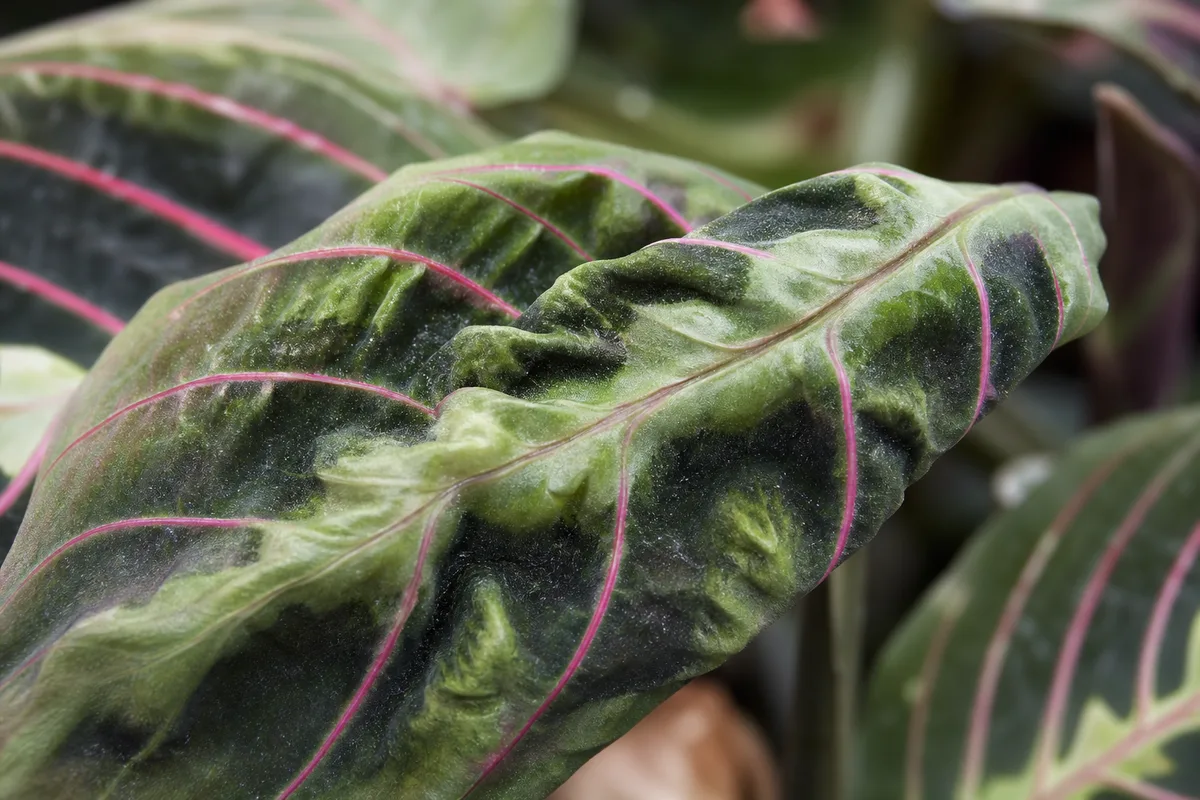
Plant viruses cause discolouration and distortion of leaves, shoots, stems, and flowers, but they rarely kill the plant outright (RHS). Leaf symptoms include pale green or yellow mosaics, mottles, streaks, ring spots, vein clearing, narrowing, stunting, and puckering that can resemble hormone-herbicide damage. Flowers may be small, distorted, or color-broken.
Viruses cannot move themselves. They hitch rides on aphids, thrips, whiteflies, contaminated tools, vegetative propagation, and sometimes seed. There are no garden chemicals that cure an infected houseplant. Management is exclusion: do not propagate suspects, sanitize tools, control vectors, and decide whether to keep a mildly affected specimen or destroy a reservoir host with a wide host-range virus such as cucumber mosaic or tomato spotted wilt (RHS).
Suspect virus when mottling and distortion persist on new growth after you stabilize water, light, and pests, especially if patterns are mosaic-like rather than corky or stippled. Herbicide lookalikes matter: both virus and hormone herbicides can pucker and narrow leaves. Multi-plant simultaneous onset after spraying favors herbicide. Slow spread along a cutting line or within one cultivar batch favors virus or shared pests.
Use the mosaic virus symptom hub when mottling and uneven color dominate, and the mosaic virus houseplants guide for collection decisions. Lab confirmation is the only certainty on a valuable plant; field diagnosis is a working label for quarantine. If a prized specimen shows persistent mosaic without pests after stable care, contact your local extension office or a diagnostic clinic before you compost a rare cultivar — hobbyist visual ID has real limits.
Cold Injury, Irregular Watering, and Stop-Start Growth
Not every warped leaf is a pathogen or a pesticide. Cold nights against a window, AC blasts, and shipping chill can damage emerging tissue so it opens twisted or incomplete. Pair that with the cold damage houseplants guide when pale spots, water-soaked patches, or window-side injury accompany the distortion.
Irregular watering while leaves expand creates crinkled, creased blades as growth starts and stops (RHS). Dry, bright rooms can also make some species cup or roll as a water-saving response. Fix the schedule and placement first; do not stack fertilizer or fungicide on top of a moisture problem. After triage, species-specific pages such as pothos distorted leaves and jade plant distorted leaves help when you need plant-level watering or light baselines.
How to Tell Pests vs Herbicide vs Edema vs Virus
Use this field comparison before you buy a spray:
| Clue | Pests (mites/thrips/aphids) | Herbicide drift | Edema | Virus |
|---|---|---|---|---|
| Where first | Soft tips, undersides | Newest growth; often many species | Older leaf undersides, petioles | New and expanding leaves; may be systemic |
| Look | Stippling, silvering, honeydew, silk, insects | Cupping, twisting, corkscrew stems | Fluid blisters → corky tan scars | Mosaic/mottle, rings, puckering, stunting |
| Speed | Days–weeks on related hosts | Hours–days after spray event | After wet/cool/low-light stretches | Slow; persists on new growth |
| Contagious? | Yes, by crawling/flying | No (shared exposure) | No | Yes via vectors/tools/cuttings |
| First move | Isolate, confirm, treat | Stop exposure; wait for clean growth | Water less; airflow; empty saucers | Quarantine; no propagate; consider discard |
Quick lookalike check: corky, non-spreading underside scars on dry days → re-check edema before treating for leaf spot. Webbed or stippled tips → spider mites workflow. Mottling without pests → isolate and compare mosaic patterns. Photo reference for the shape problem itself lives on the distorted leaves symptom hub.
Step-by-Step Fixes by Cause
Stabilize the plant before dramatic surgery. Move it out of hot glass and cold drafts, check that the pot drains, and write down recent sprays, compost changes, and pest sightings. Then follow the branch that matches your table row.
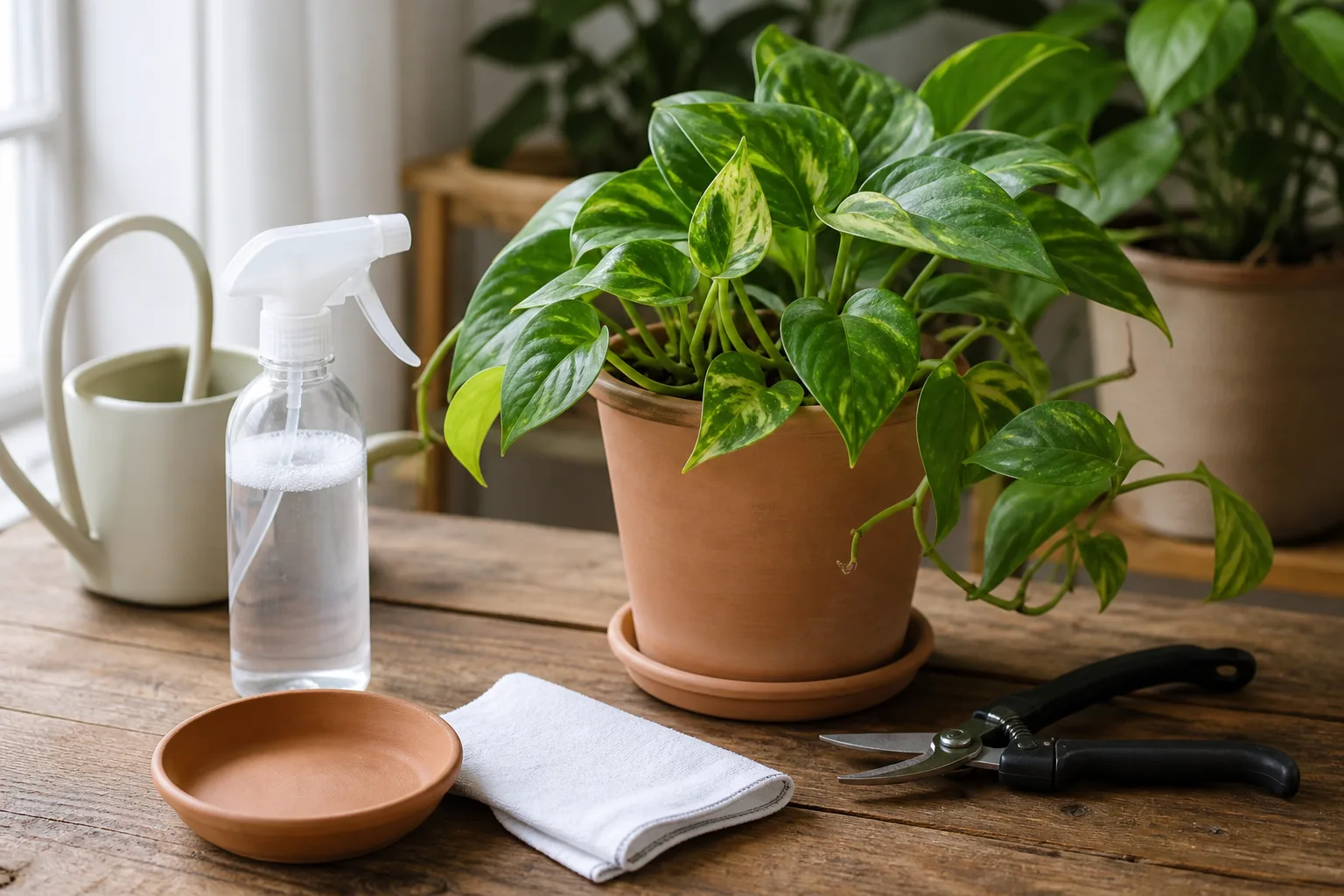
For edema-dominant cases: water less during cloudy or low-light periods, water in the morning so media is not sodden overnight, empty saucers, increase spacing, and improve light if the plant is in deep shade (Wisconsin Horticulture; Clemson HGIC). Leave scarred leaves unless they are fully collapsed.
For virus-suspect cases: quarantine, stop taking cuttings, clean tools between plants, manage aphids and thrips, and decide keep-vs-destroy based on severity and nearby host risk (RHS). Do not expect a bottle to erase mosaic.
Treat Confirmed Pests Without Guess-Spraying
Confirm live pests first. Isolate the plant, rinse undersides if the plant tolerates it, then use a labeled insecticidal soap or horticultural oil on a hatch-aware schedule. Re-check every few days because eggs and sheltered pockets restart colonies. Follow species-specific cadence in the spider mites, thrips, and aphids guides rather than spraying daily with random mixes.
Raise humidity for mite-prone rooms as a support measure, not a solo cure. Discard heavily webbed or skeletonized plants that reinfect the shelf after honest treatment cycles. For crippled crowns with no visible spider mites, treat cyclamen/broad mite as a quarantine-and-consider-discard problem rather than a weekly soap ritual (Wisconsin Horticulture).
Recover From Herbicide Exposure and Contaminated Mix
After exposure, Wisconsin Horticulture’s practical message is that you cannot reverse damage already done, but many accidental low-dose hits produce distorted young growth while later growth is normal (Wisconsin Horticulture). Keep roots evenly moist, give bright indirect light, and wait. Avoid ester-heavy lawn products near ornamentals when you control the spray; apply on calm days, follow labels, and shield nearby pots (Wisconsin Horticulture; UF/IFAS).
If a compost or potting mix batch is suspect, stop using it on clean plants and repot critically valuable specimens into a known clean mix once they stabilize. Do not bleach-drench or add random “detox” chemicals to the soil — remove the contaminated media and judge recovery by the next clean leaves.
What Recovery Looks Like (and What Never Un-distorts)
Hardened distorted leaves do not flatten back to catalog photos. CSU notes plants often outgrow cold injury and low-dose herbicide damage, while virus or aster yellows cases may require removing entire plants (CSU PlantTalk). Edema scars stay corky even after watering is corrected (Wisconsin Horticulture).
Track the next two to three new leaves. Clean, normally shaped blades mean your diagnosis is working. Ongoing tip twist after pest clearance suggests leftover herbicide timing, a missed vector, or virus. Cosmetic pruning of the worst leaves is fine after the cause is controlled; stripping a plant bare during active stress slows recovery.
First-hand notes from LeafyPixels shelves (editorial observations while reviewing this guide — not controlled lab trials; indoor temps roughly 20–24°C unless noted):
- Courtyard Weed-N-Feed week (mixed balcony pots): After a windy lawn treatment below the building, a pothos, a peperomia, and a small philodendron cupped newest tips within three days while indoor-only plants on a hallway shelf stayed clean. No pests under magnification. We moved pots inside, rinsed foliage once, held fertilizer, and waited. Cleaner, flatter leaves appeared on the next flush at about day 18–24; the cupped leaves never un-cupped.
- Winter jade edema sequence: A jade plant in a cool, low-light window kept a wet saucer through cloudy weeks. Mature leaf undersides developed translucent blisters that scarred tan and corky within about ten days. New tips stayed mostly normal. After emptying saucers within 30 minutes, watering less, and improving airflow, no new blisters formed; existing cork scars remained for months.
- Pothos tip twist after spider mites: Fine stippling and light webbing on a hanging pothos coincided with crumpled newest leaves. After isolation, underside rinses, and two full insecticidal-soap cycles a few days apart, live mites dropped; the next two leaves unfurled normally by roughly week three. The already-wrinkled leaves stayed wrinkled — recovery was measured on new growth only.
Prevention Checklist for Clean New Growth
Quarantine new purchases for one to two weeks and inspect tips and undersides before they join the collection. Keep watering matched to light — especially in winter when edema risk rises on succulents and soft foliage. Empty saucers, space plants for airflow, and avoid chronic soggy media (Clemson HGIC; Wisconsin Horticulture).
On balconies and near lawns, treat weed-killer days as hazard days for container plants. Move pots or shield them, and never assume “just the grass” products stay on the grass. Control aphids and thrips so they cannot ferry viruses, and never propagate from mosaic-suspect plants (RHS).
Related guides
- Houseplant curling leaves — blades roll or cup from moisture, heat, or humidity stress without puckered tip scarring.
- Spider mites on houseplants — stippling, webbing, and dry-air outbreaks that roughen a canopy.
- Leaf spot disease — discrete lesions and edema lookalikes when corky scars are mistaken for infection.
- Cold damage on houseplants — window chill and shipping injury that warps emerging leaves.
- Indoor plant pest guide — collection-wide quarantine and treatment for soft-tip pests.
- Mosaic virus on houseplants — persistent mottling and puckering after pests and care are ruled out.
Conclusion
Distorted houseplant leaves are growth-time injuries. Match the pattern — new versus old tissue, one plant versus many, blister scars versus mosaic versus stippling — before you spray. Fix the cause, then judge success by clean new growth, not by wishing old warped blades smooth again. The most expensive misdiagnosis is treating corky edema like leaf spot or chasing pests after a courtyard herbicide week: wrong product, delayed recovery, and the same twisted tips still staring back at you.