When Do Hydrangeas Bloom? Timing by Type
Learn when hydrangeas bloom by species, climate, and pruning wood. Month-by-month calendar plus fixes for late or missing flowers.
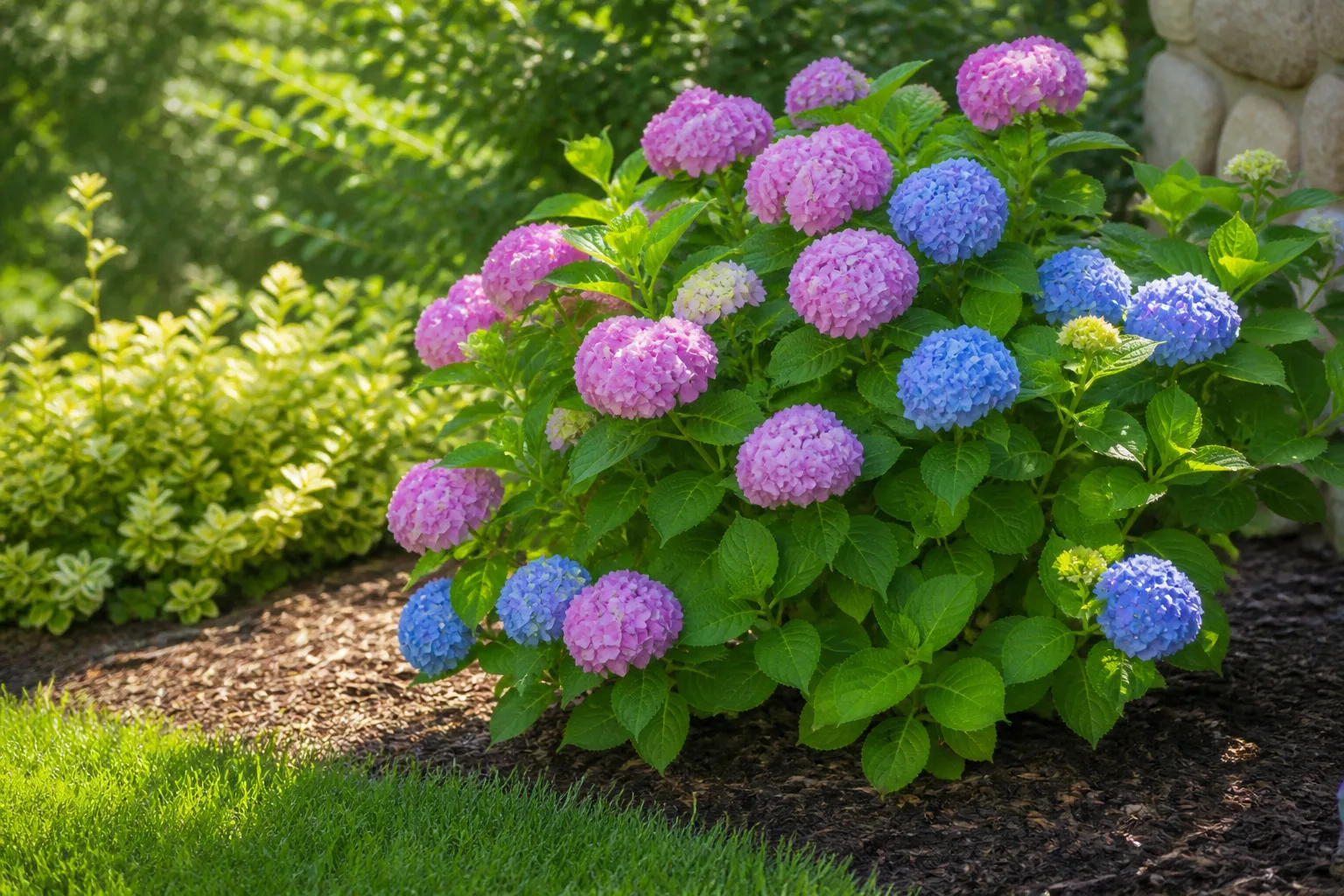
Most hydrangeas flower somewhere between late spring and early fall, but that wide window is not very helpful when you are standing in the garden wondering why your neighbor’s mopheads are open and yours are still green knobs. Bloom time is not random. It is written into the species, the cultivar, and—critically—whether the plant sets flower buds on old wood (last year’s stems) or new wood (this year’s growth).
Once you know which group you are growing and how your USDA hardiness zone shapes the season, you can predict bloom month with reasonable accuracy, understand how long the show lasts, and troubleshoot the cases where buds never open at all.
The Short Answer: Bloom Season by Hydrangea Type
As a group, hydrangeas cover roughly May through September in most U.S. gardens, with panicle types often finishing last. Here is the quick reference before we go deeper:
| Hydrangea type | Typical bloom window | Flowering wood | Notes |
|---|---|---|---|
| Bigleaf (H. macrophylla) | Late May – July (cooler zones: July – August) | Old (rebloomers: old + new) | Mophead/lacecap; 6–8 weeks per flush |
| Mountain (H. serrata) | June – August | Old (rebloomers: both) | Smaller lacecaps; often earlier than bigleaf in cold zones |
| Oakleaf (H. quercifolia) | May – July | Old | Cones age pink; excellent fall foliage after |
| Climbing (H. anomala subsp. petiolaris) | May – July | Old | Flat white clusters on mature vines |
| Smooth (H. arborescens) | June – September | New | ’Annabelle’ and Incrediball; long summer run |
| Panicle (H. paniculata) | July – September | New | Cones age pink/red; often last hydrangea blooming |
If your plant does not fit this table, start with our hydrangea variety guide to confirm the species before you adjust pruning or fertilizer.
Why Bloom Time Depends on Old Wood vs New Wood
Hydrangeas do not all follow the same internal clock. Old-wood bloomers form flower buds on stems that grew the previous year, usually in late summer or early fall after the main flush fades. Those buds sit dormant through winter and open the following spring or early summer. New-wood bloomers wait until spring growth begins, then produce buds on fresh stems that same season—so their flowers arrive later but are far less vulnerable to winter bud kill.
This distinction matters more than any calendar date because it explains two common surprises: a hydrangea that blooms early but skips a year after hard pruning, and one that blooms late but reliably flowers even after a brutal winter. NC State Extension notes that panicle hydrangeas bloom on new wood and remain among the most cold-hardy landscape choices, while bigleaf types set buds on old wood and are more sensitive to late frosts and mistimed cuts.
What Old Wood and New Wood Actually Mean for Flowers
Think of old wood as pre-loaded buds. By the time you see swelling green tips in spring on a bigleaf or oakleaf hydrangea, the flower count for that season is largely decided. New wood is pay-as-you-grow: smooth and panicle hydrangeas can lose last year’s stems entirely in a late-winter prune and still flower on shoots that emerge in May and June.
Reblooming cultivars such as Endless Summer blur the line. Missouri Botanical Garden lists ‘Bailmer’ ENDLESS SUMMER as producing buds on both old and new growth, with repeat bloom from July into fall in favorable conditions. That does not make them immune to winter damage on old-wood buds—it means they have a backup flowering pathway if spring stems are lost.
How to Identify Your Hydrangea Before Bloom Season
If the nursery tag is gone, use flower shape and leaf texture while the plant is in bloom or in leaf:
- Round mophead or flat lacecap clusters → likely bigleaf or mountain hydrangea (old wood, or reblooming exception)
- Large cone-shaped panicles → panicle hydrangea (new wood)
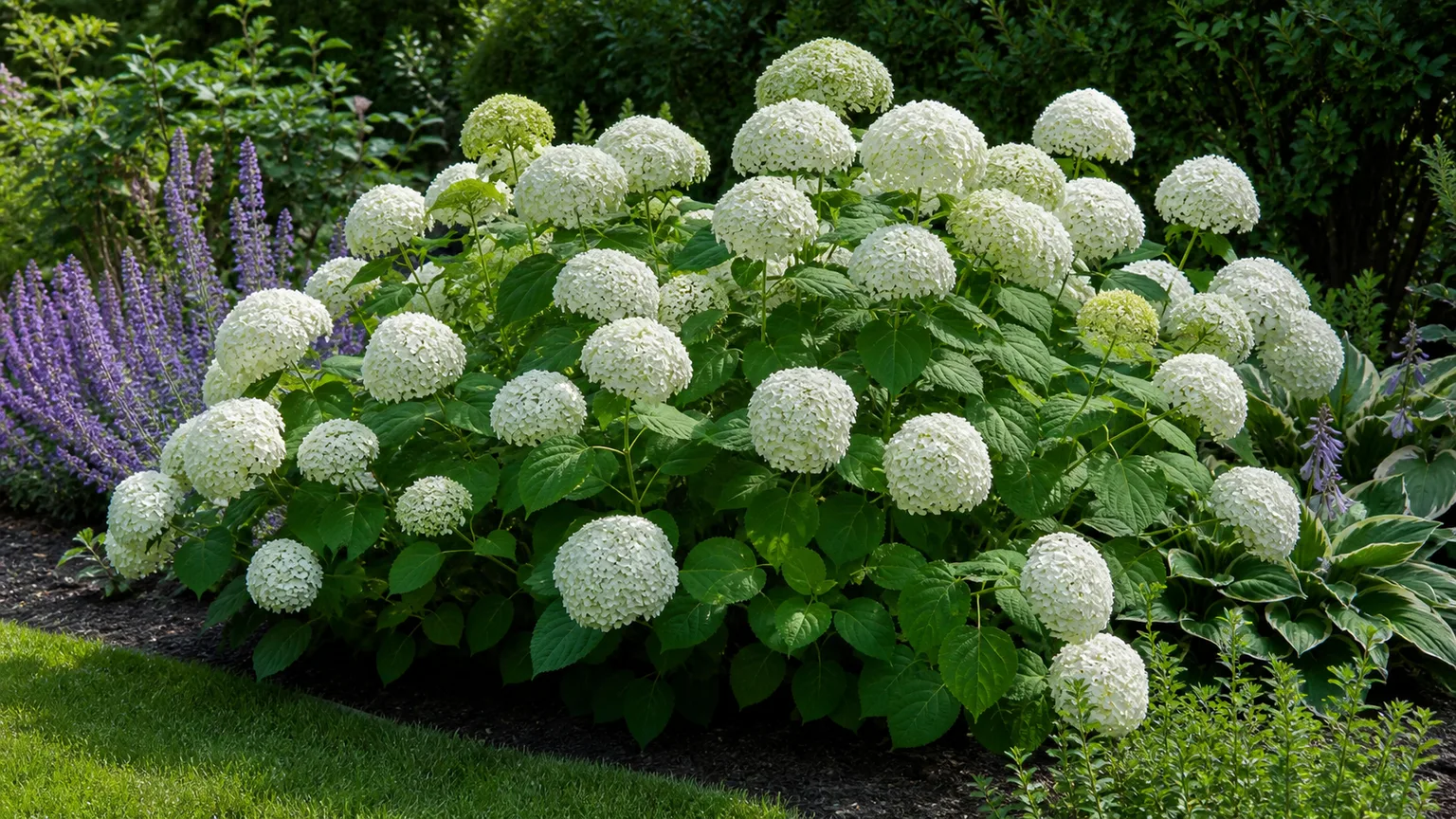
- Round white snowball heads on thin stems → smooth hydrangea (new wood)
- Oak-shaped leaves with upright white cones → oakleaf (old wood)
- Woody vine with flat white lacecap clusters → climbing hydrangea (old wood)
When in doubt, photograph the plant during bloom and compare it to species photos in our bigleaf hydrangea care guide or PeeGee panicle guide. Identification comes before pruning, because the wrong cut removes next year’s flowers on old-wood types.
Month-by-Month Hydrangea Bloom Calendar
Treat this as a regional template, not a guarantee. A cool, wet spring pushes everything later; an early heat wave can compress the sequence. Adjust roughly two to three weeks earlier in the Deep South and two to three weeks later in the northern tier of each species’ range.
Late Spring Blooms (May Through Early June)
Climbing hydrangeas and oakleaf hydrangeas often lead the parade in warm zones, with fragrant flat clusters or creamy pyramidal cones opening in May. Established climbing vines on a north-facing wall may flower slightly later than shrubs in full sun because bud development tracks accumulated warmth on the stems.
In the Midwest and Northeast, oakleaf hydrangeas typically open late May through June, with cones transitioning to pink and rose by August according to Missouri Botanical Garden. Bigleaf hydrangeas in the same regions may still be tight bud in early June if a late frost set them back.
Peak Summer Color (June Through August)
This is the main event for most gardens. Bigleaf and mountain hydrangeas hit peak color from late June through July in northern zones, often stretching into August in cooler summers. Traditional mopheads flower for about six to eight weeks per flush; color may shift toward green or antique pink as individual florets age.
Smooth hydrangeas such as ‘Annabelle’ open large white spheres on new wood from early June through August, sometimes longer if deadheaded and watered consistently. Panicle hydrangeas start white or lime-green in July, building cone size through August as night temperatures begin to drop.
Late-Season and Fall Interest (August Through Frost)
Panicle hydrangeas—including ‘Limelight’, ‘Quick Fire’, and classic PeeGee types—are often the last hydrangeas still showing color, with panicles aging to pink or burgundy into September and October. RHS notes that shrubby hydrangea flowers can fade to shades of pink and persist as dried heads well into winter, especially on panicle and oakleaf types.
Reblooming bigleaf cultivars may push a second, smaller flush on new wood from midsummer until frost if old-wood buds were lost but growing conditions stay favorable. Do not expect a second flush equal to the first in short-season climates.
Bloom Times for Each Major Hydrangea Species
Bigleaf and Mountain Hydrangeas
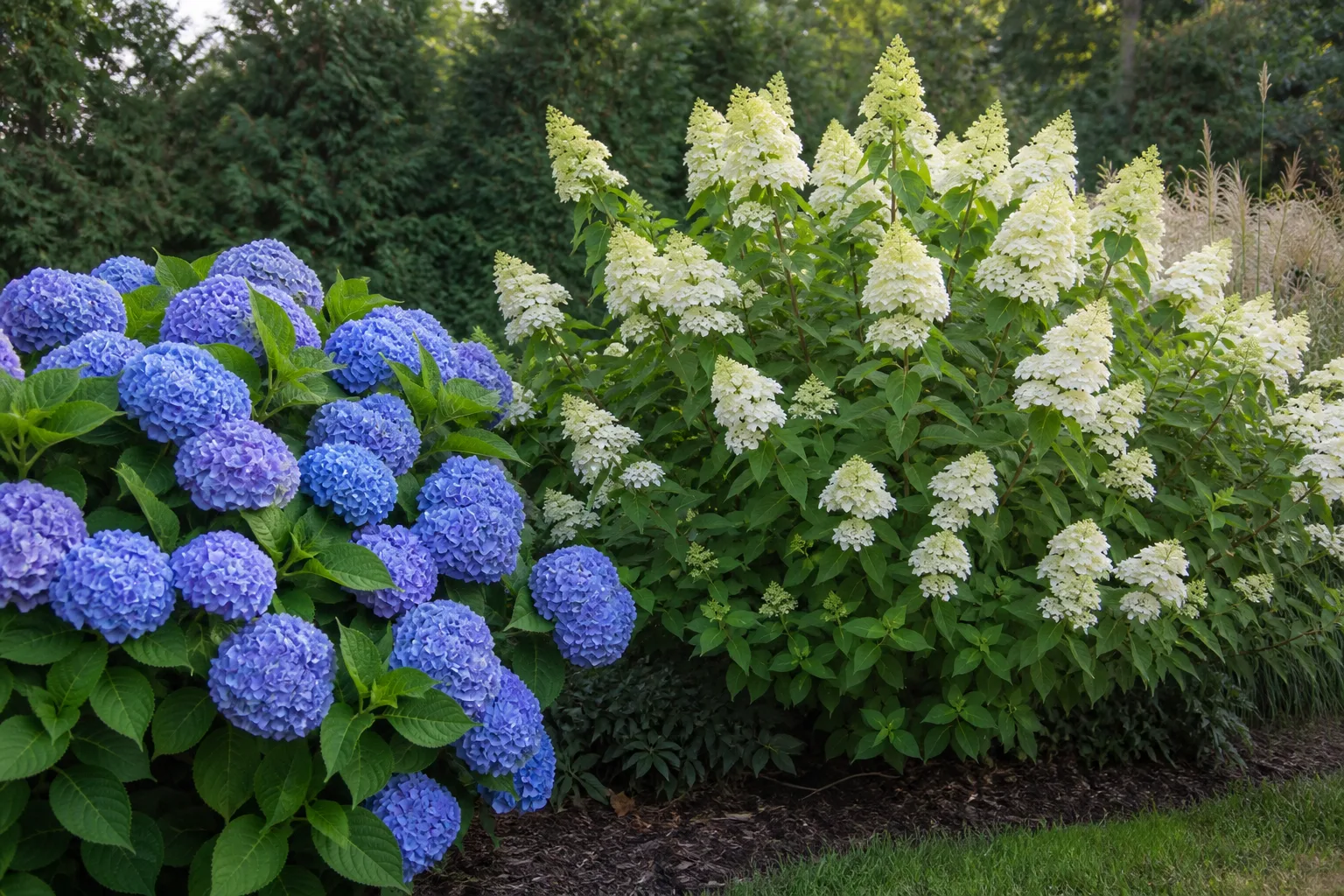
Bigleaf hydrangea (Hydrangea macrophylla) is the classic mophead and lacecap group. NC State Extension describes bloom on old wood from late spring to mid-summer in warm climates, shifting to mid-summer through early fall in cooler areas. Individual flower clusters last weeks; the shrub itself may carry opening, peak, and fading heads simultaneously by late July.
Mountain hydrangea (H. serrata) follows a similar calendar with smaller lacecap flowers and somewhat better bud hardiness in zones 5 and 6. Many modern mountain cultivars rebloom on new wood after the primary old-wood flush, extending color into August.
Soil pH affects color, not timing: acidic soil tends toward blue, alkaline toward pink. White cultivars stay white regardless of pH.
Panicle and Smooth Hydrangeas
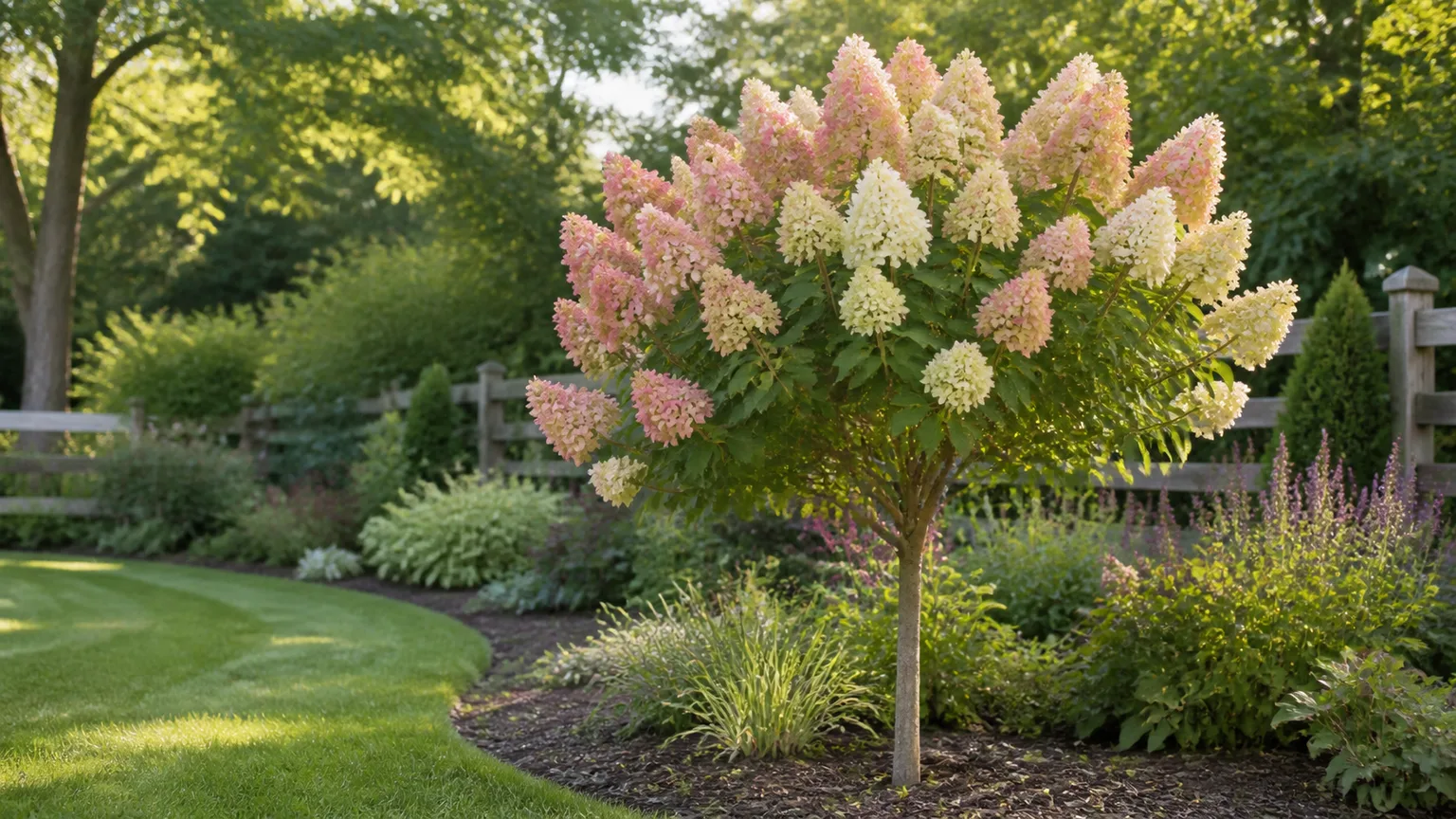
Panicle hydrangea (H. paniculata) blooms on new wood from July through September in most regions, with the show often peaking in August. Cones start white or chartreuse, then blush pink or red as nights cool—a color change that extends visual interest even after peak bloom. Panicles are the most dependable choice where winter kills old-wood buds on other types.
Smooth hydrangea (H. arborescens) also blooms on new wood, opening June through September depending on cultivar and climate. ‘Annabelle’ and stronger-stemmed successors like Incrediball produce massive round heads that age to green-tan by fall. See our Annabelle hydrangea care guide for cultivar-specific culture.
Both types tolerate more sun than bigleaf hydrangeas when soil moisture stays consistent, which can slightly advance bloom in sunny northern sites compared with heavily shaded plantings.
Oakleaf and Climbing Hydrangeas
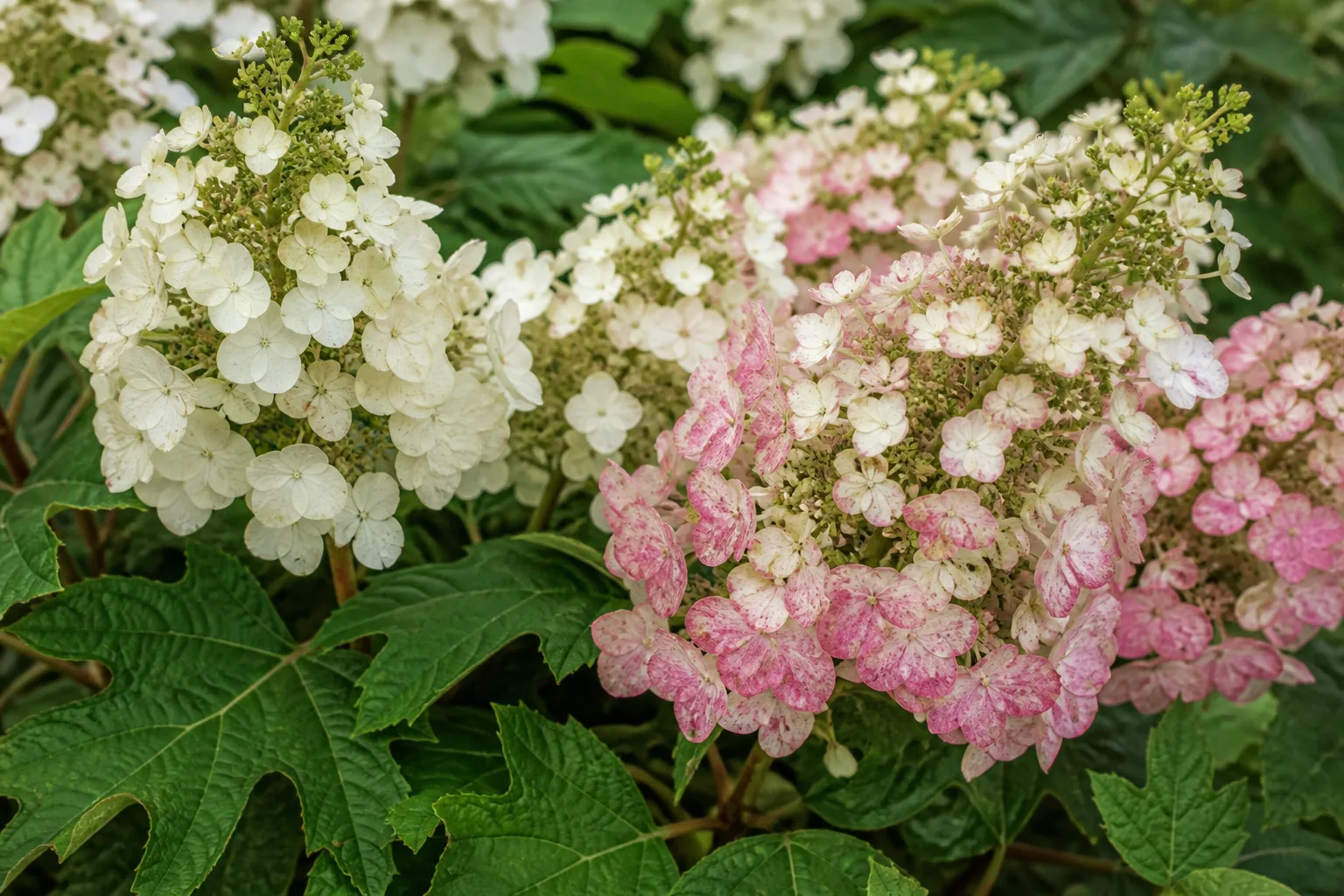
Oakleaf hydrangea (H. quercifolia) flowers on old wood from mid-spring through early summer—typically May into July—with cones that age to pink and russet by late summer. Fall foliage is a second act entirely; bloom timing is early, but seasonal value runs long. Our oakleaf hydrangea guide covers cultivars with extended color.
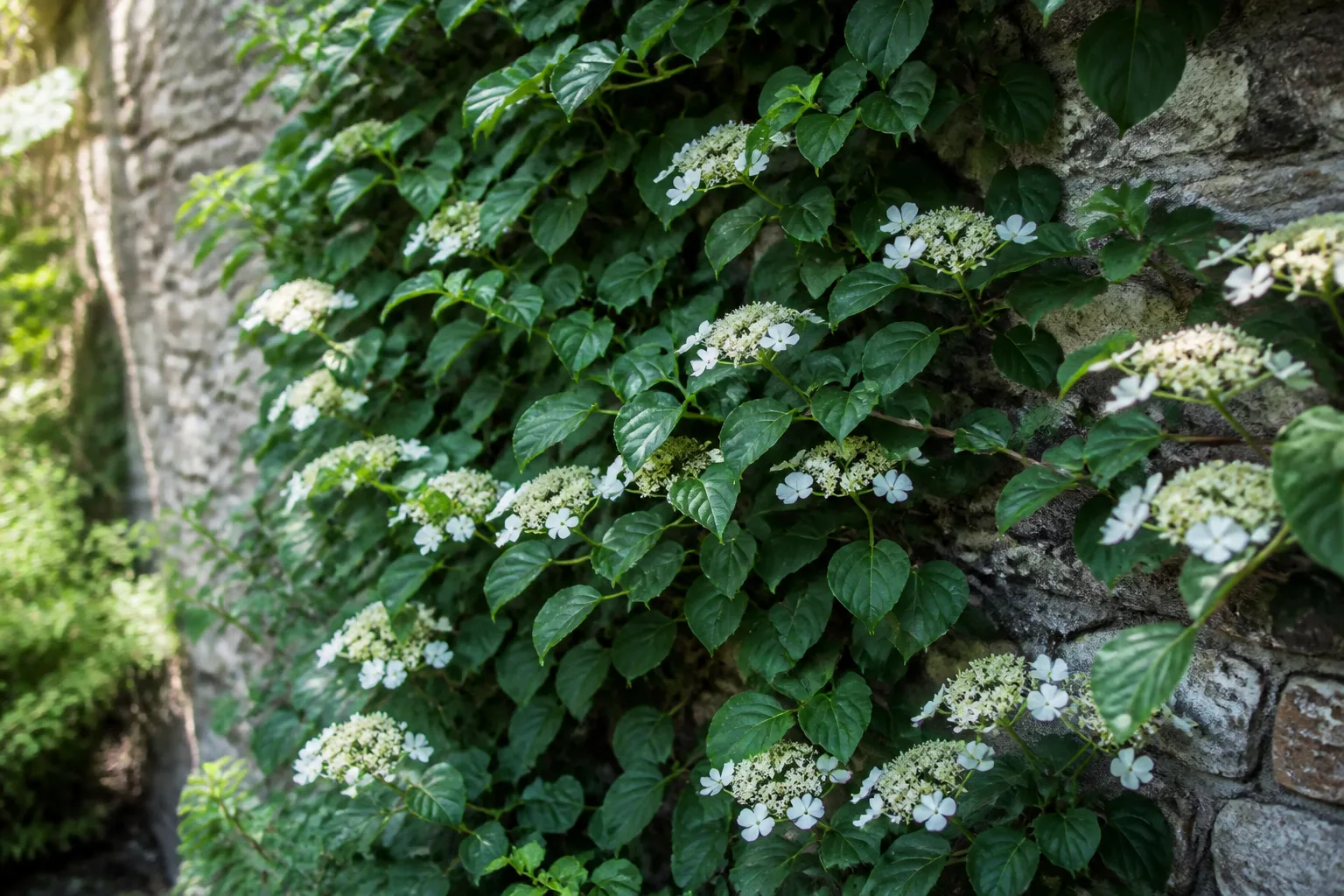
Climbing hydrangea (H. anomala subsp. petiolaris) blooms on old wood from late spring to midsummer once the vine is mature enough—often three to five years after planting. Young plants may leaf out vigorously without flowers; patience is normal, not a care failure.
Reblooming Hydrangeas and Repeat Flowering
Marketing labels like “reblooming” or “repeat flowering” promise color across a longer window, and many modern cultivars deliver—with conditions attached. Reblooming bigleaf and mountain types set buds on old wood for the primary flush, then can produce additional flowers on new shoots later in summer if the plant is healthy, well-watered, and not heavily shaded.
Missouri Botanical Garden describes ENDLESS SUMMER as blooming from July to fall on a repeat cycle after the initial show. In practice, the second flush is often lighter in cold zones or after drought stress. Reblooming is not a license to prune in fall without consequence; treat these plants like old-wood bloomers for timing purposes unless you are deliberately sacrificing the early crop to reduce size.
For the longest single-variety display without relying on rebloom genetics, panicle hydrangeas still win: one panicle ages in place for weeks, changing color rather than collapsing after a short peak.
How Climate and Weather Shift Bloom Dates
The same cultivar in Atlanta and Minneapolis does not bloom on the same week. Temperature drives bud break, floret expansion, and the rate at which panicles blush in autumn.
Northern vs Southern Gardens
In southern zones 7–9, bigleaf hydrangeas may open in late April or May, while panicles start in June and run deep into fall. Afternoon shade becomes critical; heat stress causes bud drop and wilted flowers that never fully expand.
In northern zones 3–5, bigleaf bloom may wait until July, and marginally hardy cultivars can lose overwintering buds entirely. Panicle and smooth types remain the reliable backbone because they regenerate flowering wood each spring. Mountain and reblooming bigleaf cultivars bridge the gap for gardeners who want mophead color without gambling every winter.
Frost, Heat, and Drought Delays
A late spring frost after bud break can destroy old-wood flower buds while leaving foliage intact—one of the most confusing scenarios because the shrub looks healthy but blooms poorly. A hard winter without obvious dieback can still kill buds at the stem tips; scrape a bud in April: brown and dry means no flower this year.
Heat waves during bud formation (late summer for old-wood types, spring for new-wood types) reduce next season’s flower count. Drought at the same stages has a similar effect. During active bloom, inconsistent watering causes wilting and premature browning of florets without stopping the entire season.
How Long Hydrangea Blooms Last
Duration depends on cultivar, weather, and whether you mean individual florets or the plant’s overall display:
- Bigleaf mopheads and lacecaps: about 6–8 weeks per flush for traditional cultivars; florets age to green or antique tones before drying on the stem
- Panicle hydrangeas: 8–12+ weeks of visible interest as panicles expand, peak, and age in color through fall
- Smooth hydrangeas: 6–10 weeks from first open heads through fading; deadheading spent spheres can tidy the plant but is optional on new-wood types
- Oakleaf and climbing: 4–6 weeks of fresh white bloom, followed by weeks of aging color on the same cones or clusters
Deadheading—removing faded flowers—does not usually force a full rebloom on old-wood types, but it can improve appearance and redirect energy on reblooming cultivars. See deadheading guidance for cut placement that protects next year’s buds.
Many gardeners leave dried panicle and oakleaf heads through winter for structure; that choice affects aesthetics, not next year’s bloom timing on new-wood panicles.
Why Your Hydrangea May Bloom Late or Not at All
When bloom week passes without color, work through this sequence before assuming the plant is dead:
- Wrong pruning window. Fall or early-spring hard pruning on old-wood types removes flower buds. This is the leading cause of “healthy but flowerless” bigleaf and oakleaf hydrangeas. Review our hydrangea pruning calendar before cutting again.
- Winter or frost bud loss. Tips die back to healthy leaf nodes below; the shrub leafs out but blooms lightly or not at all on affected stems.
- Too much shade. Fewer than four hours of direct sun often reduces bud set; dappled woodland edge is fine for oakleaf, but deep shade limits all types.
- Excess nitrogen. Lush foliage at the expense of flowers—common after high-nitrogen lawn fertilizer drift.
- First- or second-year plant. Newly planted hydrangeas often flower lightly while roots establish; bloom quantity usually increases by year three.
- Drought during bud formation. Old-wood buds form in late summer; new-wood buds form in spring—both periods need steady moisture.
Our hydrangea rebloom troubleshooting guide walks through recovery steps when one or more of these factors apply.
Care Moves That Protect Next Year’s Flowers
Bloom timing next year is decided by what you do after this year’s flowers fade:
- Old-wood types: finish any shaping cuts by six to eight weeks after bloom so new buds can form on mature stems before fall. Avoid fall pruning unless removing dead wood only.
- New-wood types: optional dormant-season pruning in late winter; bloom timing shifts slightly later after hard cuts but is not eliminated.
- Water: aim for about 1 inch per week including rainfall during bud formation and active bloom; mulch 2–3 inches to buffer soil moisture.
- Fertilizer: one balanced or bloom-oriented application in late winter to early spring; skip heavy nitrogen in summer and fall.
- Winter protection (zones 4–5): burlap windbreaks or siting bigleaf hydrangeas where snow cover insulates buds can preserve old-wood flowers after cold winters.
- Reblooming cultivars: if the spring flush fails after frost, avoid giving up—new-wood buds may still produce a summer crop if you stop pruning and maintain even moisture.
For strategies to encourage more flowers after a weak year, see how to get hydrangeas to rebloom.
Conclusion
Hydrangeas bloom across a generous slice of the growing season—from May through September in most gardens—but the exact month belongs to the species, not the garden center sign. Old-wood bigleaf, oakleaf, and climbing types flower earliest and demand protected buds through winter. New-wood smooth and panicle types bloom later and recover more easily from hard winters and pruning. Reblooming cultivars add a second chance on new growth, though the backup flush is rarely as heavy as the first.
Identify your plant, match it to the bloom window for your zone, and protect bud formation in the off-season. Do that, and you will spend less time guessing and more time watching cones blush, mopheads open, and dried panicles catch the late-autumn light.



