Best Gardening Gifts for Tomato Lovers
The best gardening gifts for tomato lovers go beyond cute planters. Find practical tools, seed kits, trellising gear, and experience gifts by budget and skill level.
The tomato gardener in your life does not need another ceramic gnome. They need something that survives July heat, supports six-foot vines, and shows up when they are elbow-deep in suckers at 7 a.m. on a Saturday. The best gardening gifts for tomato lovers solve a real job in the growing year: starting seed in February, trellising in May, deep-watering in August, and hauling twenty pounds of fruit to the kitchen in September.
This guide organizes 32 gift ideas by what tomato growers actually do—not by what looks cute on a gift table. You will find budget picks under $25, splurge-worthy tools, patio-friendly gear, and free or low-cost experience gifts that often beat anything in a box.
How to Choose a Gift a Tomato Gardener Will Actually Use
Before you click “add to cart,” answer two questions: where do they grow, and when are you giving the gift? A perfect January seed-starting kit is useless wrapped under a tree for someone who only buys transplants in May. A heavy-duty in-ground trellis is wasted on a balcony grower with two pots.
Match the gift to their growing setup
In-ground backyard growers need staking or caging systems, harvest baskets, bypass pruners, and soil-health tools. Clemson Cooperative Extension notes that tomatoes are warm-season vines that benefit from support structures keeping fruit off the ground and improving airflow—gifts that make staking easier are never wasted (Clemson HGIC).
Patio and container growers need compact cages, quality potting mix upgrades, sub-irrigation or self-watering planters, and a good watering wand. Our guide to common mistakes growing tomatoes in containers covers why the wrong pot size ruins more gifts than bad luck.
Indoor seed starters want heat mats, adjustable grow lights, humidity domes, and rigid seedling trays—not decorative indoor planters with no drainage. If they already run a light shelf, upgrade their timer or tray quality instead of duplicating a basic kit.
Preservation-focused cooks care less about trowels and more about harvest baskets, kitchen scales, canning kits, and cookbooks that use the whole plant. A galvanized harvest hod paired with a no-waste vegetable cookbook beats a novelty “tomato lover” mug every time.
Match the gift to the calendar
| Season | Best gift types | Why |
|---|---|---|
| Winter (Dec–Feb) | Seeds, catalogs, seed-starting gear, garden journals, grow lights | Tomato growers order and start seed indoors 6–8 weeks before last frost (Clemson HGIC) |
| Early spring | Soil test kits, raised-bed kits, heavy-duty gloves, hori hori knives | Bed prep and transplant season |
| Summer | Harvest baskets, pruners, hose nozzles, shade cloth, extra cages | Peak harvest and sucker management |
| Fall | Canning tools, seed-saving envelopes, garlic sets for next year, bulb orders | Preservation and next-season planning |
If you are shopping in December, lean seed-forward. If you are shopping in June, lean harvest-forward. Timing is half of whether a gardening gift feels thoughtful or tone-deaf.
Gifts Under $25 That Tomato Growers Reach For Every Season
Small gifts work when they attach to a recurring task. These are the items experienced growers rebuy, lose, or happily own in multiples.
Heirloom seeds, catalogs, and seed-storage sleeves
Tomato seed packets are the rare gift that almost never disappoints—if you embrace variety over certainty. Growers routinely choose cultivars from photos and descriptions they have never tried; an unusual cherry, striped beefsteak, or paste tomato is an adventure, not a risk. Look for varieties with disease-resistance codes on the packet (F, V, N, TSWV) if your recipient fights blight or wilt every year (Clemson HGIC).
A printed seed catalog from a specialty vendor is a gift on its own: thick, photographed, browsed on the couch in January like a travel magazine. Pair two or three packets with archival seed envelopes and a silica gel pack for storage—total cost still under $25.
For timing context, see our best time to order seeds guide; most vegetable gardeners shop heaviest in January and February.
Garden journals, gloves, and sun protection
A structured garden journal beats a generic notebook because tomato growers need to track what they planted, where, and whether it was worth repeating. Forgotten variety names are the most common winter regret.
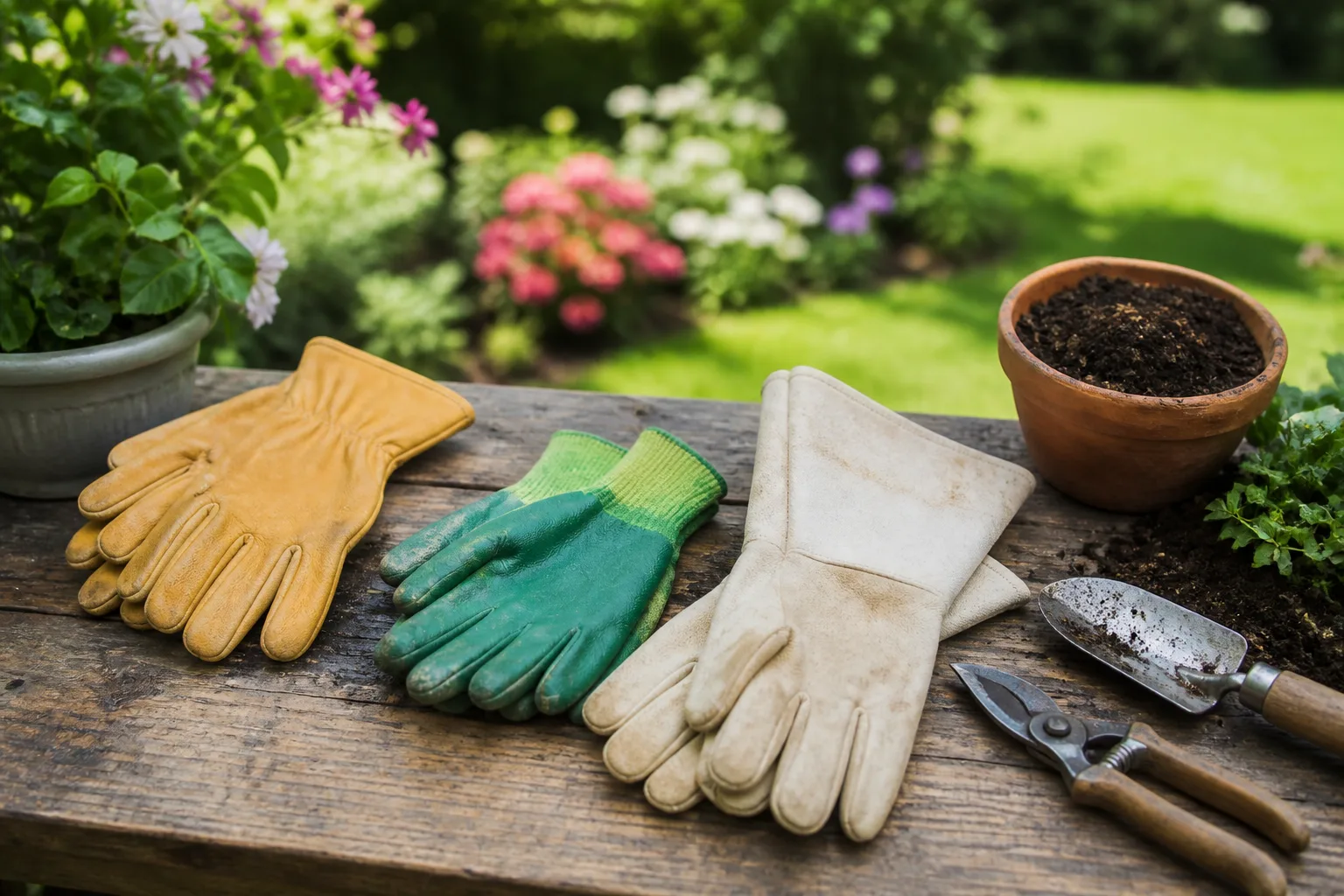
Nitrile-coated gloves handle wet soil, seedling trays, and harvest without the bulk of leather. Buy a fresh pair every spring—experienced gardeners treat gloves as consumables, not heirlooms.
A wide-brim sun hat and lip balm with SPF belong in the same gift bag. Tomato work happens in full sun during the hottest months; skin protection is practical care, not a lifestyle accessory.
Other strong under-$25 picks: plant labels and a waterproof marker, a rain gauge, seed-starting labels, twine for Florida weave trellising, blossom-end-rot prevention calcium spray (for recipients with chronic BER), and a gift card to their favorite seed house.
Seed-Starting Gifts for Winter Tomato Planning
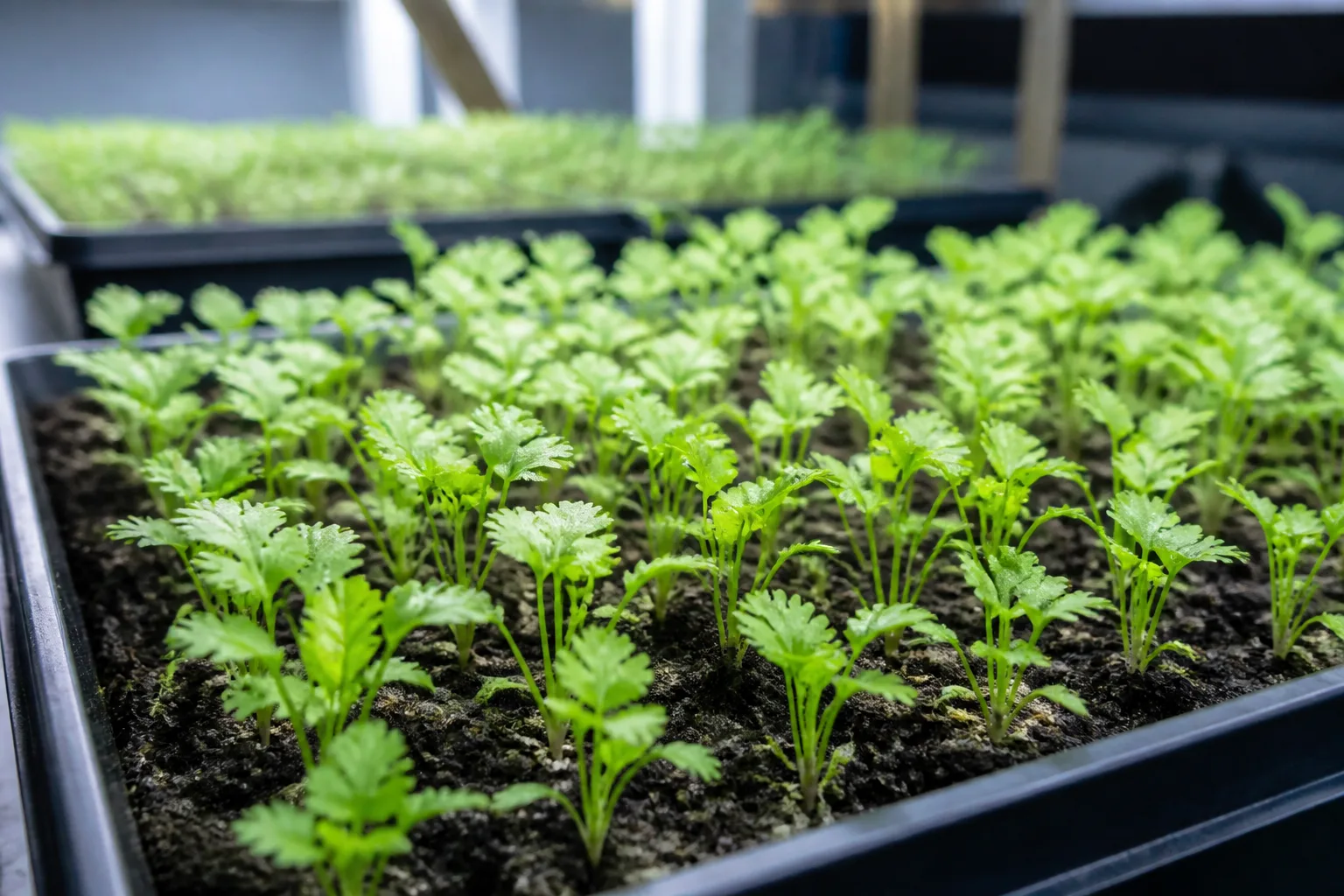
Tomatoes started indoors six to eight weeks before the last frost need warmth, bright light, and sturdy trays (Clemson HGIC). A seed-starting gift cluster is the highest-impact present you can give in winter.
Heat mats, domes, and durable trays
A seedling heat mat with a thermostat improves germination consistency for warm-season crops. Skip the flimsy plastic dome that warps after one season; a vented humidity dome that fits standard 1020 trays is worth the few extra dollars.
Rigid seedling trays and inserts from reputable horticulture suppliers outlast the brittle kits sold at big-box stores. Tomato growers who start dozens of plants every year will notice the difference immediately. Our when to start vegetable seeds indoors guide helps you time the gift conversation: “Start these the week of ___ for your zone.”
Adjustable grow lights sit above the under-$25 tier but anchor a “serious seed-starting” gift basket. If budget is tight, contribute toward a quality light panel rather than buying a decorative desktop planter with a weak bulb.
Gift-basket idea — “February Tomato Lab”: heat mat, vented dome, two 1020 trays, six tomato seed packets (one cherry, one slicer, one paste), waterproof labels, and a printed link to how deep to plant tomato seedlings.
Support and Trellising Gifts Tomatoes Truly Need
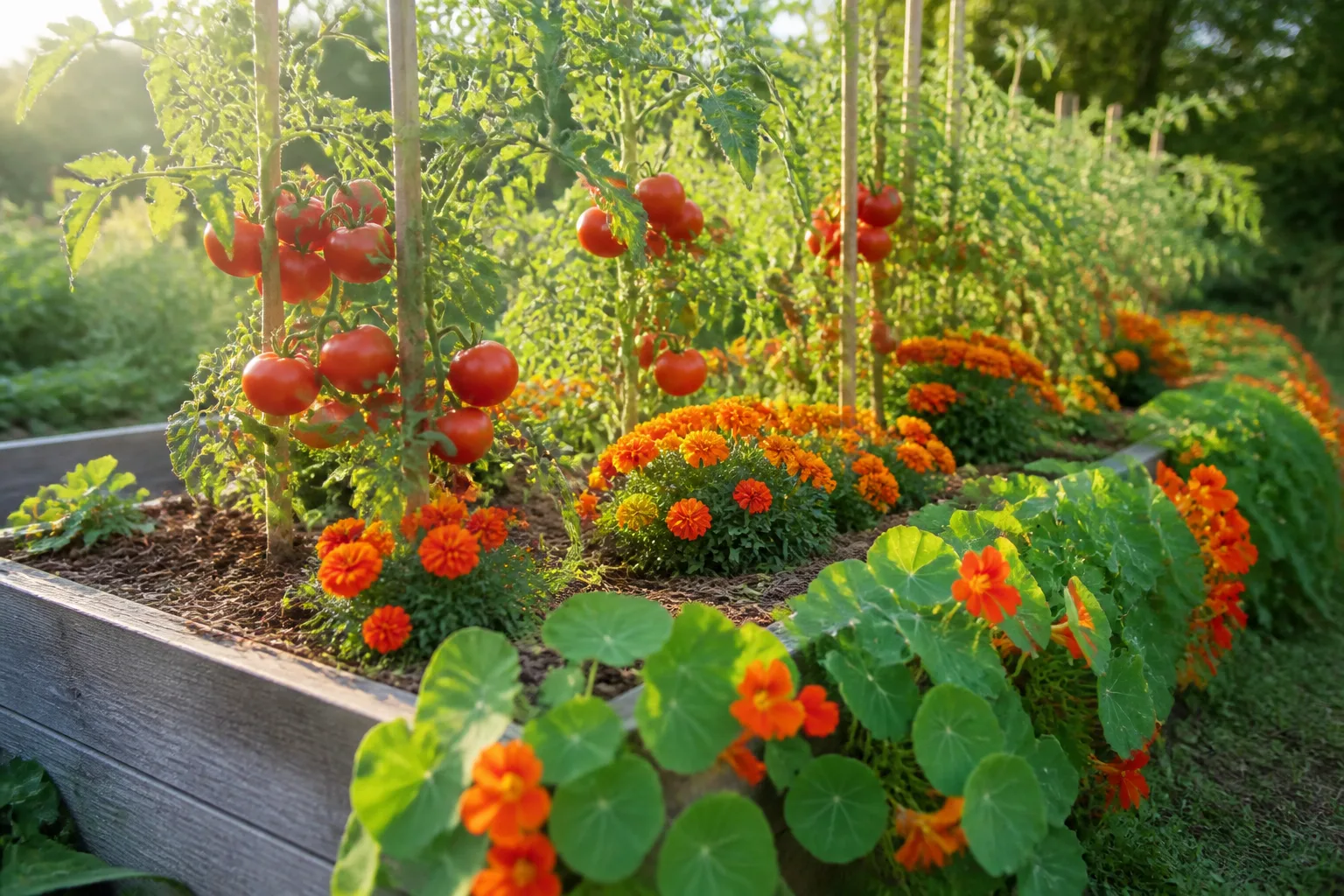
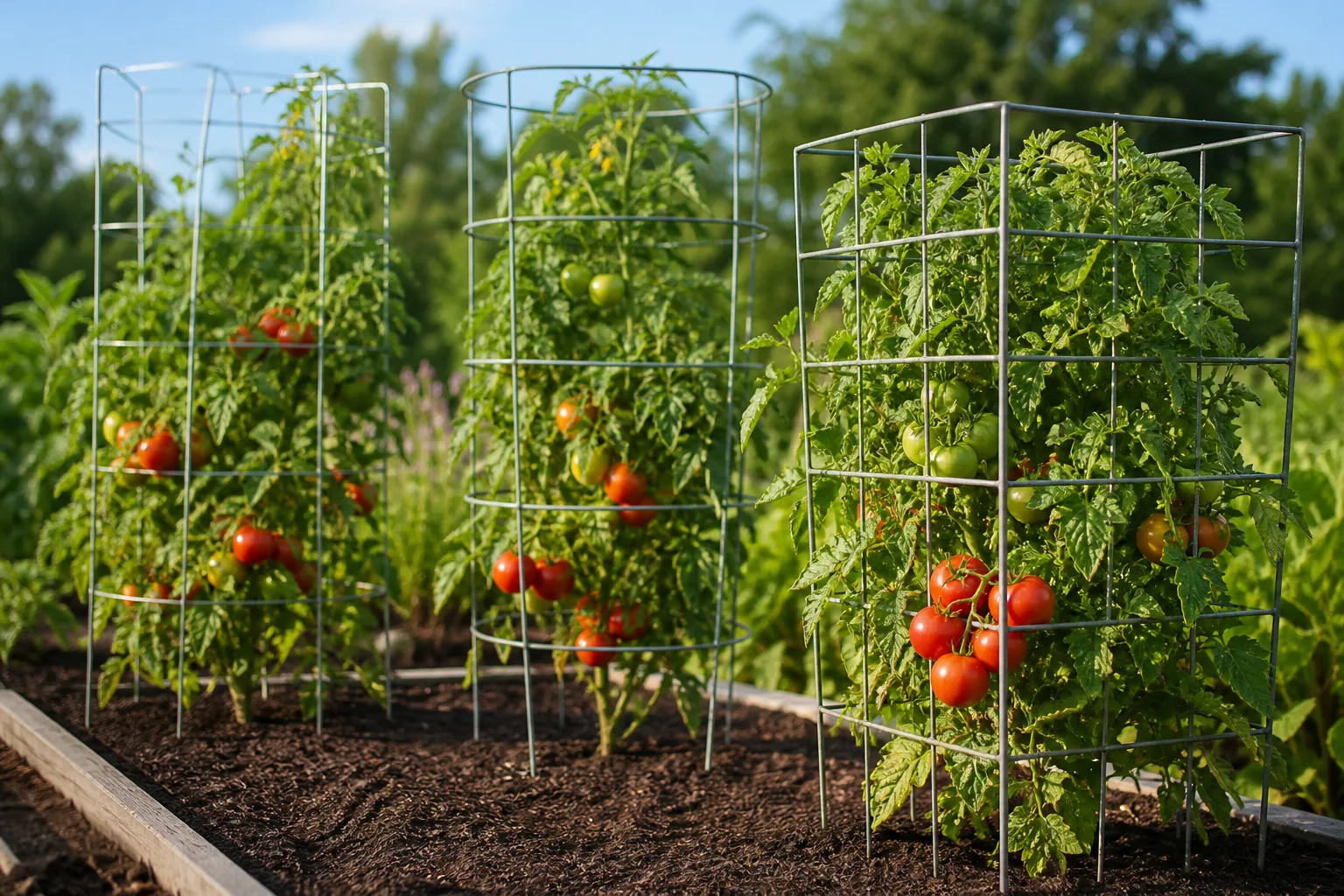
Because the tomato is a vine, staking, caging, and trellising keep fruit off the ground, ease harvest, and improve airflow (Clemson HGIC). Support gear is where generic gardening gift lists fail tomato lovers most often.
Heavy-duty wire cages with at least 6-inch grid spacing let hands reach fruit inside. Cheap cone cages collapse under indeterminate varieties by August. For a full comparison frame, see our stakes vs cages for tomatoes and best tomato cages guides.
Florida weave supplies—tall stakes plus biodegradable twine—suit row growers who plant many plants. Clemson Extension describes running twine along both sides of stakes as plants grow, adding a new row every 10 inches of height. It is inexpensive to gift and transformative for someone still letting vines sprawl.
Tomato clips or soft plant ties prevent stem damage compared to zip ties or string that cuts in. A bag of reusable clips is a perfect stocking stuffer.
Avoid: decorative mini trellises meant for houseplants. Indeterminate tomatoes laugh at those by the Fourth of July.
Pruning and Harvest Tools Worth the Splurge
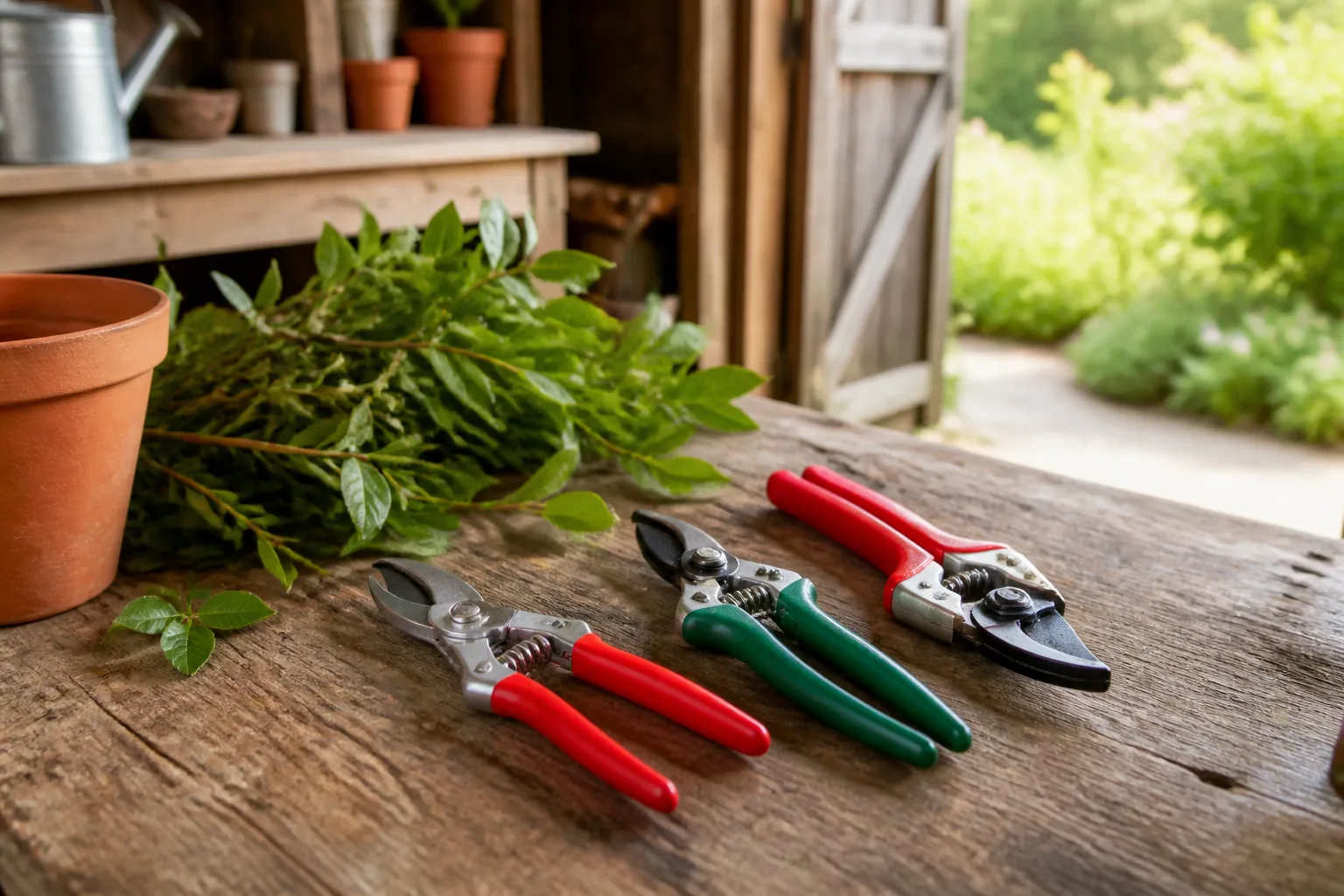
Tomato season generates daily small tasks: pinching suckers, trimming lower leaves, cutting ripe fruit without tearing skin. Quality tools here are gifts that earn gratitude by Labor Day.
Bypass pruners with replaceable blades and a comfortable grip are the single best mid-range tool gift. Look for a model with available replacement springs and blades—tomato growers use pruners hard and frequently. Our best pruners breakdown explains bypass vs anvil for soft stems.
A hori hori knife handles transplanting, weeding, opening soil bags, and cutting twine. It is the tool people do not know they want until they own one.
Harvest scissors or kitchen shears dedicated to the garden prevent cross-contamination with indoor scissors and make cherry-tomato picking faster.
Harvest baskets—wire mesh hods, collapsible colander baskets, or waxed-canvas gathering bags—turn a daily chore into a ritual. Wire mesh versions let you rinse tomatoes right in the basket. Experienced growers rarely complain about owning more than one.
Garden kneeler or low stool saves knees during sucker pruning. Not glamorous. Deeply appreciated by anyone over 35.
Watering and Soil Gifts That Prevent Tomato Problems
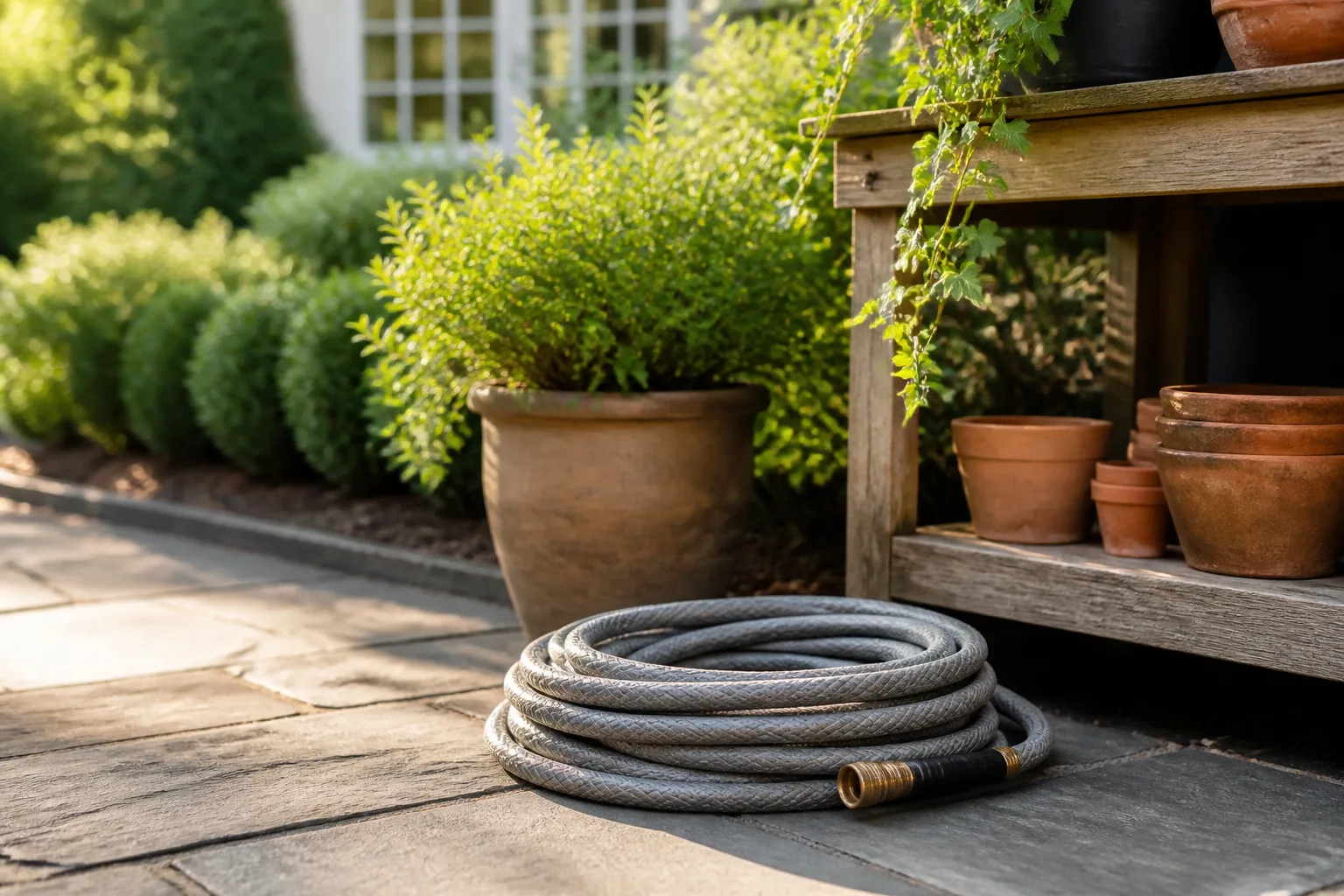
Inconsistent watering drives blossom end rot, splitting, and cracked fruit. Gifts that make deep, even watering easier are problem-prevention tools disguised as presents.
A rain gauge tells growers whether last night’s storm counted as irrigation—saving water and preventing overwatering after rain. Decorative gauges double as garden art; functional beats cute.
Hose timers and watering wands with thumb control reduce the summer chore burden. Container growers especially benefit from wands that reach hanging baskets and deep pots without splashing foliage.
Soil test kits or a paid lab test voucher help recipients dial pH toward the 6.0–6.5 range Clemson recommends before they pour fertilizer at random (Clemson HGIC). Pair with our guide to fertilizing tomatoes printed or bookmarked.
Deep-root watering stakes or olla irrigation for in-ground beds target roots instead of leaves—useful in hot climates where foliar disease pressure is high.
Mulch delivery or a gift card to a local mulch yard is an underrated present. Tomatoes mulched with straw or shredded leaves hold moisture and reduce soil splash onto lower leaves.
Raised Beds and Container Gifts for Patio Tomato Growers
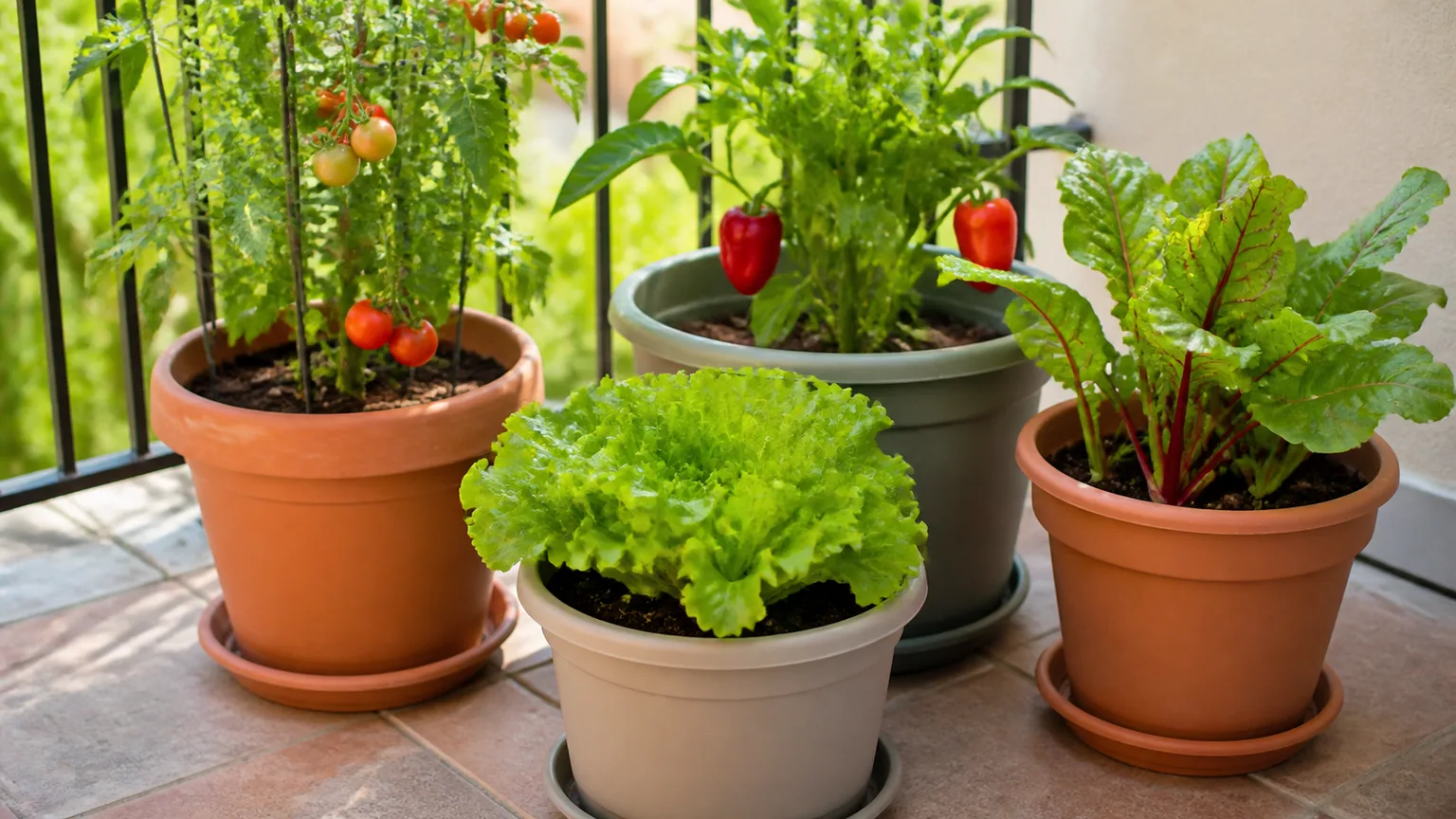
Not every tomato lover has acreage. Elevated and raised planters make gardening accessible on patios, decks, and rented yards.
A wheeled raised bed or elevated planter box lets recipients move plants to chase sun or dodge frost. Look for drainage holes, rot-resistant materials, and a lower shelf for tool storage.
Quality fabric grow bags (5–10 gallon for determinates, 15–20 for indeterminates) are cheaper than cedar beds and store flat in winter. Pair with a bag of premium container mix—not garden soil, which compacts in pots.
Self-watering planters with a reservoir reduce vacation anxiety. They are not cheating; they are insurance for inconsistent waterers.
Tomato-specific container gifts should reference depth and support: a pot without a cage or stake plan is half a gift. Bundle a container with a sturdy cage and a note linking to tips for growing tomatoes in containers.
Kitchen, Preserving, and Cookbook Gifts for the Harvest
Tomato growers do not garden only to look at plants. They garden to eat. Kitchen-facing gifts honor the harvest.
Vegetable-forward cookbooks that cover sauces, drying, fermenting, and using green tomatoes extend the season past the first frost. A book focused on whole-plant cooking—using leaves, stems, and trimmings—doubles perceived harvest without more garden space.
Canning starter kits with jars, lids, a wide-mouth funnel, and jar lifter suit recipients who have talked about sauce but never committed. Include a simple tested salsa or marinara recipe card.
Kitchen scale, bench scraper, and large cutting board support batch cooking on harvest-heavy weekends.
Dehydrator for sun-dried tomato equivalents indoors is a splurge gift for the preserver who already cans.
Countertop storage for onions and garlic grown alongside tomatoes completes the kitchen picture.
Experience Gifts and DIY Gift Baskets
The most memorable gardening gifts cost time, not money.
Offer a garden work day: help stake cages, lay mulch, or run a Florida weave together in May. Physical help during setup week beats a $40 gadget they will use once.
Botanical garden membership or a Master Gardener short course feeds the obsession year-round.
Shared seed-starting afternoon in February—bring trays, they bring seeds, everyone goes home with labeled seedlings.
Cook dinner from their harvest in August. Use the tomatoes. Wash the dishes. That is love.
Three gift-basket formulas that work
The Winter Planner: seed catalog, journal, three tomato packets, labels, heat mat (if budget allows), handwritten note with last-frost date for their ZIP code.
The Harvest Hero: harvest basket, bypass pruners, kitchen shears, cookbook, reusable produce bags.
The Patio Pro: fabric grow bag, cage, watering wand, container fertilizer, link to should you grow tomatoes in pots or in the ground.
For propagation-minded friends, our plant cuttings as gifts guide applies to sharing tomato suckers rooted in water—free, personal, and surprisingly fun.
Gifts to Skip (and What to Buy Instead)
| Skip this | Why | Buy this instead |
|---|---|---|
| Novelty “tomato lover” mugs and signs | Shelf clutter; no garden function | Seed packets or a quality harvest basket |
| Tiny decorative trellises | Collapse under real tomato weight | Heavy-duty cage or Florida weave kit |
| Pre-potted supermarket tomatoes in foil wrap | Wrong season, wrong care | Seed-starting kit or gift card to a nursery |
| Cheap cone cages (single season) | Bend and tip by midsummer | Square heavy-gauge cage or stake system |
| Generic “herb garden” kits without light | Tomatoes need more light than herbs | Adjustable grow light panel |
| Garden soil sold for containers | Compacts and suffocates roots in pots | Bagged container mix plus slow-release fertilizer |
| Mothballs or unverified “pest” powders | Safety risk; not labeled for food gardens | Row cover, neem for labeled uses, or beneficial-insect habitat |
When in doubt, ask one question: Will they use this during tomato week—the six to ten weeks of peak harvest and daily pruning? If no, keep shopping.
Conclusion
The best gift for a tomato lover is not the most expensive item on a generic gardening list. It is the one that meets them where they are in the year: seeds and heat mats in winter, cages and pruners in spring, harvest baskets and kitchen tools in summer, preservation gear in fall. Match the gift to their setup—patio, raised bed, or in-ground row—and you will give something they reach for every season, not something that collects dust in the shed.
Start with one high-impact item (seeds, pruners, or a harvest basket), add a personal note with a relevant LeafyPixels guide for their situation, and you have already out-gifted a random ceramic planter. If you are the tomato grower reading this, send the link to someone who keeps buying you gnomes. They mean well. They just need better data.