How to Use Diatomaceous Earth for Garden Pest Control
Diatomaceous earth kills crawling garden pests when it stays dry. See barrier rings, foliar dusting, wet-spray ratios, mulch tricks, and which bugs DE cannot control.
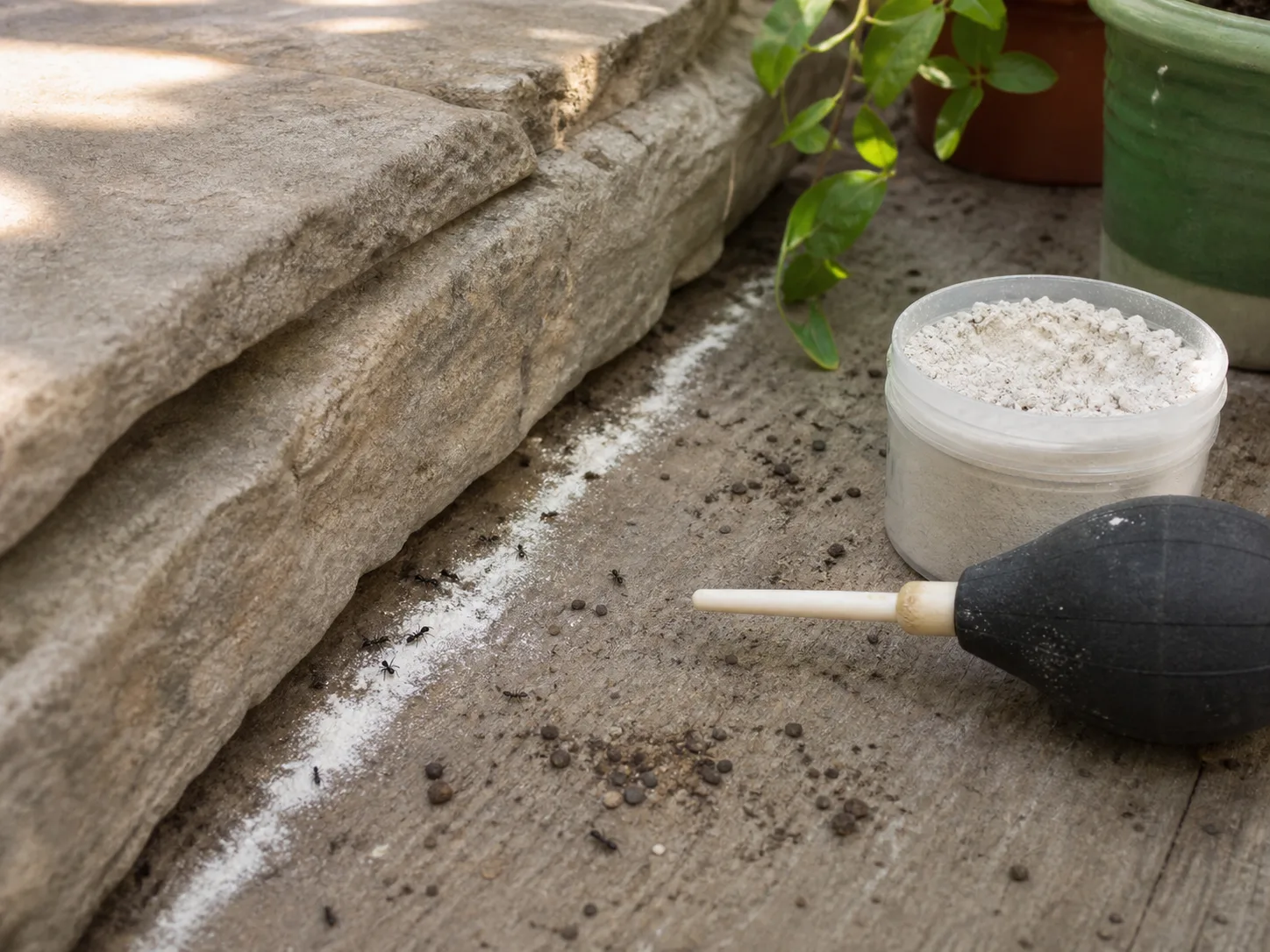
Diatomaceous earth (DE) is a dry, contact desiccant that kills many crawling garden pests by abrading their waxy exoskeleton—not by poisoning them. Used correctly, it can cut ant trails, slug crossings, flea beetle runs, and spider mite highways without synthetic spray residues on food crops. Used incorrectly—too thick, on wet leaves, across open flowers—it becomes an expensive dust storm that harms pollinators and does nothing to the pests you actually care about.
This guide is the how-to layer for outdoor beds, containers, and houseplants you dust outside. If you want the bigger “is DE worth keeping on hand?” decision frame, start with our diatomaceous earth overview. If you are fighting a specific pest indoors, see our targeted guides on diatomaceous earth and ants or diatomaceous earth and roaches.
Quick Answer: When DE Belongs in Your Garden Toolkit
Reach for DE when you need a low-toxicity, contact tool against crawling pests in dry zones: mulch rings around raised beds, dry paths between rows, stem collars on seedlings, pot rims on houseplants, and perimeter lines where slugs or ants must cross bare soil. DE works best as a barrier and spot treatment, not as a broadcast cloud over the whole yard.
Skip DE as your main tool when pests fly, feed on wet foliage without crossing dust, or breed in hidden harborages you cannot keep dry. Heavy rain, daily overhead watering, and dew-soaked mornings all deactivate DE until it dries again. For those situations, insecticidal soap, neem oil, hand removal, or targeted baits usually return faster results.
The three garden application modes that cover most jobs:
- Dry soil barrier — a continuous thin ring on dry mulch or soil where pests walk.
- Dry foliar dust — a barely visible film on dry leaves and stems where mites or beetles crawl (never on open flowers).
- Wet spray — DE mixed with water, sprayed until leaves are coated, then left to dry completely before it becomes active again.
What Garden-Grade Diatomaceous Earth Actually Is
DE is mined from sedimentary deposits of fossilized diatoms—microscopic aquatic organisms whose skeletons are rich in silica. Processed into a fine powder, it has been registered as a pesticide ingredient since the 1960s and appears in more than 150 EPA-registered products for use in gardens, homes, and on some pets (NPIC). The powder feels soft to your fingers but is microscopically sharp, which is why it damages insect cuticles on contact.
Gardeners encounter DE as an off-white dust labeled for insect control. That label matters: legal application sites, re-entry intervals, and PPE requirements live on the product label, not on a blog post.
Food-Grade, Pest-Labeled, and Pool-Grade DE
Food-grade DE is purified amorphous silica listed by the FDA as Generally Recognized as Safe for certain feed and food uses. That status describes ingestion in formulated products, not permission to breathe clouds of dust while gardening.
Pest-labeled / horticultural DE is what you want for garden jobs. Buy bags marked for insect control or pest use, with EPA registration and directions on the label.
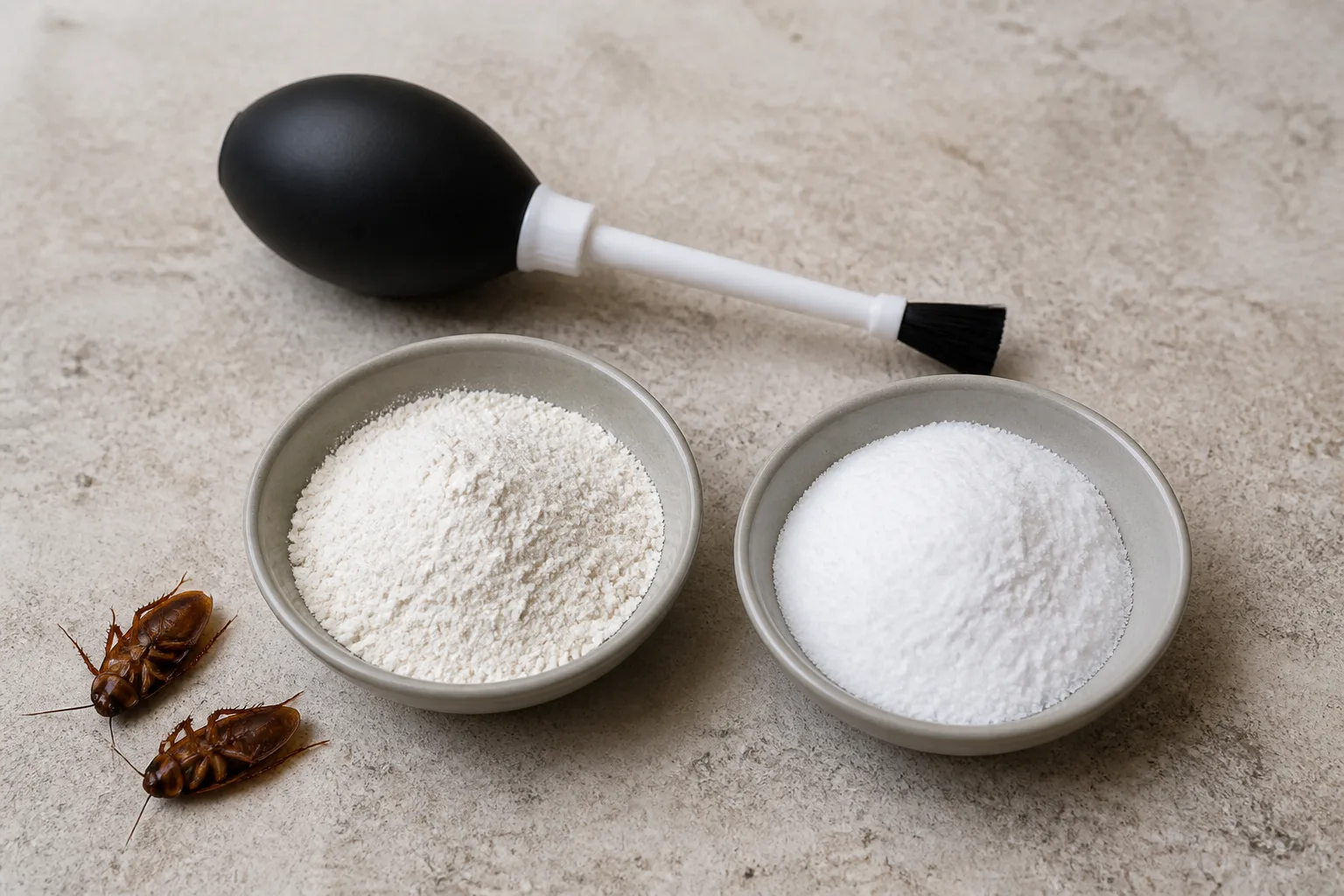
Pool-filter / pool-grade DE is heat-treated and can contain higher crystalline silica, which poses greater long-term inhalation risk. NPIC warns that crystalline forms may accumulate in lung tissue, while amorphous DE is associated with mild, reversible irritation when exposure is brief (NPIC). Never use swimming-pool filter media in vegetable beds, around pets, or indoors.
If the bag says crystalline silica prominently or lacks pest-control directions, exchange it before opening.
How DE Kills Garden Pests (and What It Cannot Touch)
DE is not poisonous and does not need to be eaten. It damages the insect cuticle, absorbs protective lipids, and causes dehydration while remaining effective only as long as it stays dry and undisturbed (NPIC). Picture the waxy layer on an exoskeleton as a rain jacket—microscopic DE particles nick that jacket until the insect loses water faster than it can replace it.
University of California Integrated Pest Management notes that desiccant dusts such as DE can be repellent at heavy doses, pushing pests away from treated zones instead of through them (UC IPM). That is why thin films beat snowdrifts: you want pests to walk through the dust, not detour around a white pile.
Crawling Insects, Slugs, and the Egg Gap
DE excels against crawling insects with exoskeletons: ants, earwigs, flea beetles, cockroaches, crickets, and many soil-surface larvae that must cross treated ground. It also damages slugs and snails that crawl through dry powder, though wet habitat limits how often that works in real gardens (Fine Gardening).
What DE does not do reliably:
- Kill eggs or pupae — reapplication catches the next generation, but DE alone will not break a lifecycle.
- Control flying pests that never contact treated surfaces — many wasps, flies, and adult moths simply bypass dust.
- Work on wet foliage — rain, irrigation, and dew deactivate DE until it dries again.
- Replace sanitation — debris piles, weedy edges, and overripe fruit still feed pests whether or not you dusted once.
Individual insects that contact dry DE usually die within about 24 to 72 hours. Clearing a whole population takes longer because new hatchlings keep arriving.
Which Garden Pests DE Handles Well—and Which It Does Not
| Pest | DE fit in the garden | Better first move when DE struggles |
|---|---|---|
| Slugs and snails | Good on dry mulch rings and bed perimeters; poor in constantly wet shade | Hand pick at dusk, copper tape, beer traps; see slug barrier ideas |
| Ants in beds and pots | Good on dry trails and pot rims | Bait stations for colony control; see garden ants without harming plants |
| Flea beetles | Good on dry lower leaves and soil surface near seedlings | Row cover on young brassicas and nightshades |
| Spider mites | Moderate on dry stems; poor on humid leaf undersides | Strong water blast, soap, or neem on undersides |
| Aphids on wet shoots | Poor — soft bodies on moist foliage rarely cross enough dry dust | Insecticidal soap, lady beetle conservation |
| Cucumber beetles / Japanese beetles | Moderate as perimeter dust; adults fly | Row cover, hand pick, trap crops |
| Thrips | Poor on flowers they inhabit | Blue sticky traps, reflective mulch, soap |
| Pollinators | Non-target risk on blooms | Never dust open flowers |
Use the table as a routing guide, not a guarantee. Local humidity, irrigation style, and how mobile the pest is matter more than the pest’s name on a bag label.
Safety, PPE, and Pollinator Protection
DE is a lung, eye, and skin irritant when airborne. NPIC lists nose irritation, cough, eye abrasion, and skin dryness as common brief-exposure effects (NPIC). It is low toxicity to mammals when used as directed, but “low toxicity” is not “no precautions.”
Before every application:
- Wear a dust mask or respirator, safety goggles, gloves, and long sleeves.
- Apply on a calm day—wind turns a targeted ring into a cloud you breathe.
- Keep children and pets out until dust settles (often 30–60 minutes).
- Read the product label for legal sites, rates, and re-entry intervals.
DE is practically non-toxic to fish and wildlife at garden rates (NPIC), but that does not make it harmless to beneficial insects that walk through treated zones.
Keeping Bees and Beneficial Insects Off the Dust
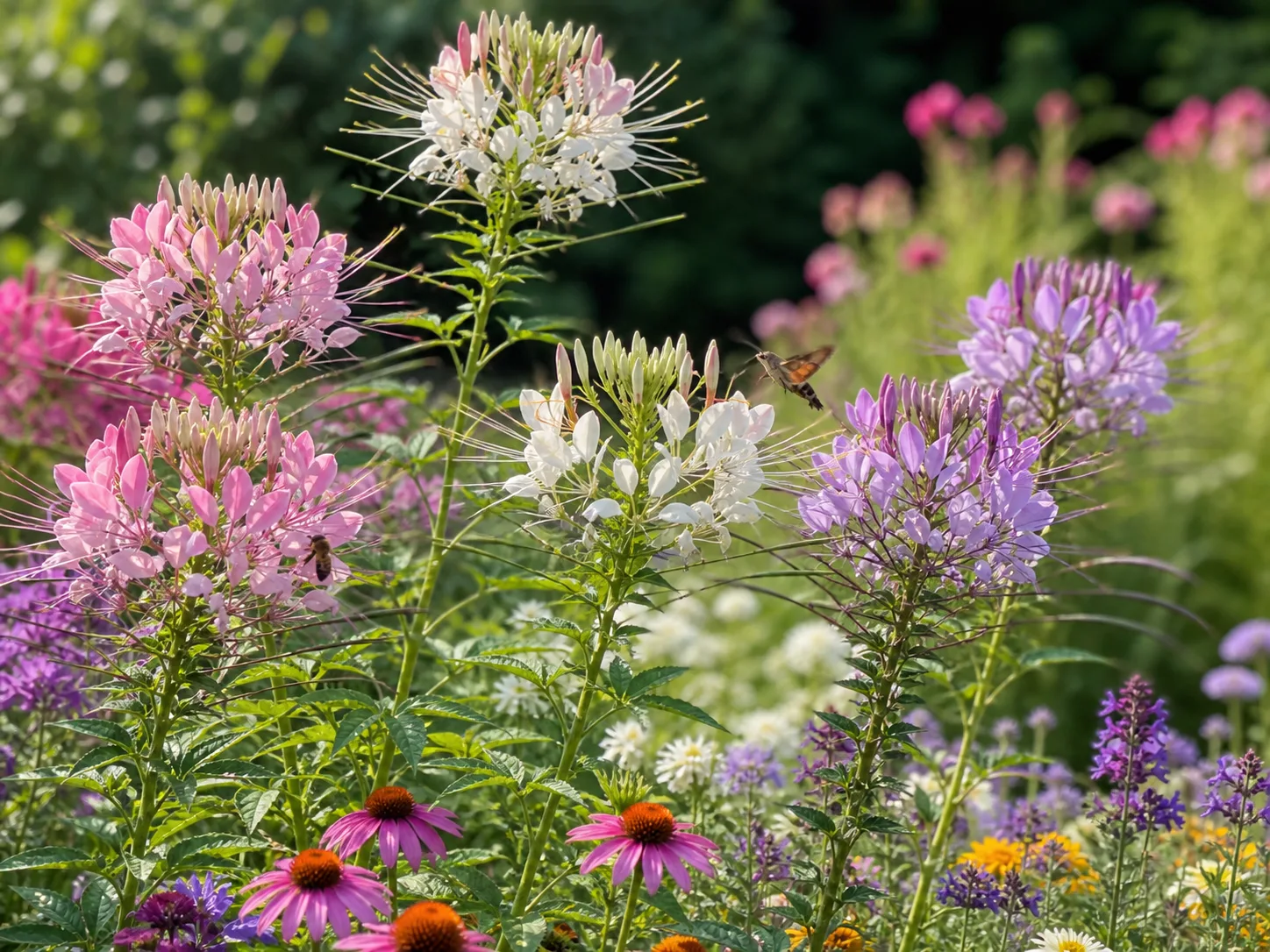
DE is a broad-spectrum physical pesticide. It cannot distinguish aphids from bees. Pollinators land on flowers, so the cardinal rule is simple: never apply DE to open blooms—not on zucchini flowers, not on lavender spikes, not on apple blossoms.
Additional pollinator-safe habits:
- Dust in the evening when many bees have returned to nests, and avoid morning applications on dew-wet plants.
- Observe your garden for two or three days before treating: note which plants bees visit most, then exclude those entirely.
- Target stems, mulch, and soil lanes instead of leaf tops where beneficial predators hunt.
- Use row cover or soap first on food crops during heavy bloom if pest pressure is moderate.
For habitat strategies that support predators while you manage pests, see tips to attract pollinators to your yard—healthy predator populations reduce how often you need desiccant dust at all.
Dry Dust Application Methods
Dry powder is the classic garden method and the easiest to over-apply. Think visibility without opacity: if you cannot see green leaf through the dust, you applied too much.
Tools that improve precision:
- Bulb duster or squeeze bottle for cracks, stem collars, and mulch lines
- Flour sifter for even distribution on larger dry mulch areas
- Paintbrush for houseplant rims and container edges
Always start with dry plants and dry soil. Wet DE clumps, washes off, and does nothing until it dries—which may never happen if you water the same day.
Soil Barriers and Perimeter Rings
Soil barriers are DE’s highest-value garden use. You are building a dry lane pests must cross.
How to lay a barrier ring:
- Wait until soil or mulch is fully dry after rain or irrigation.
- Clear debris from the ring path so DE contacts mineral or mulch surface, not wet leaves.
- Apply a continuous, unbroken line 2–4 inches wide around individual plants, containers, or entire bed edges.
- Reapply after rain, sprinkler overspray, or foot traffic scuffs the line.
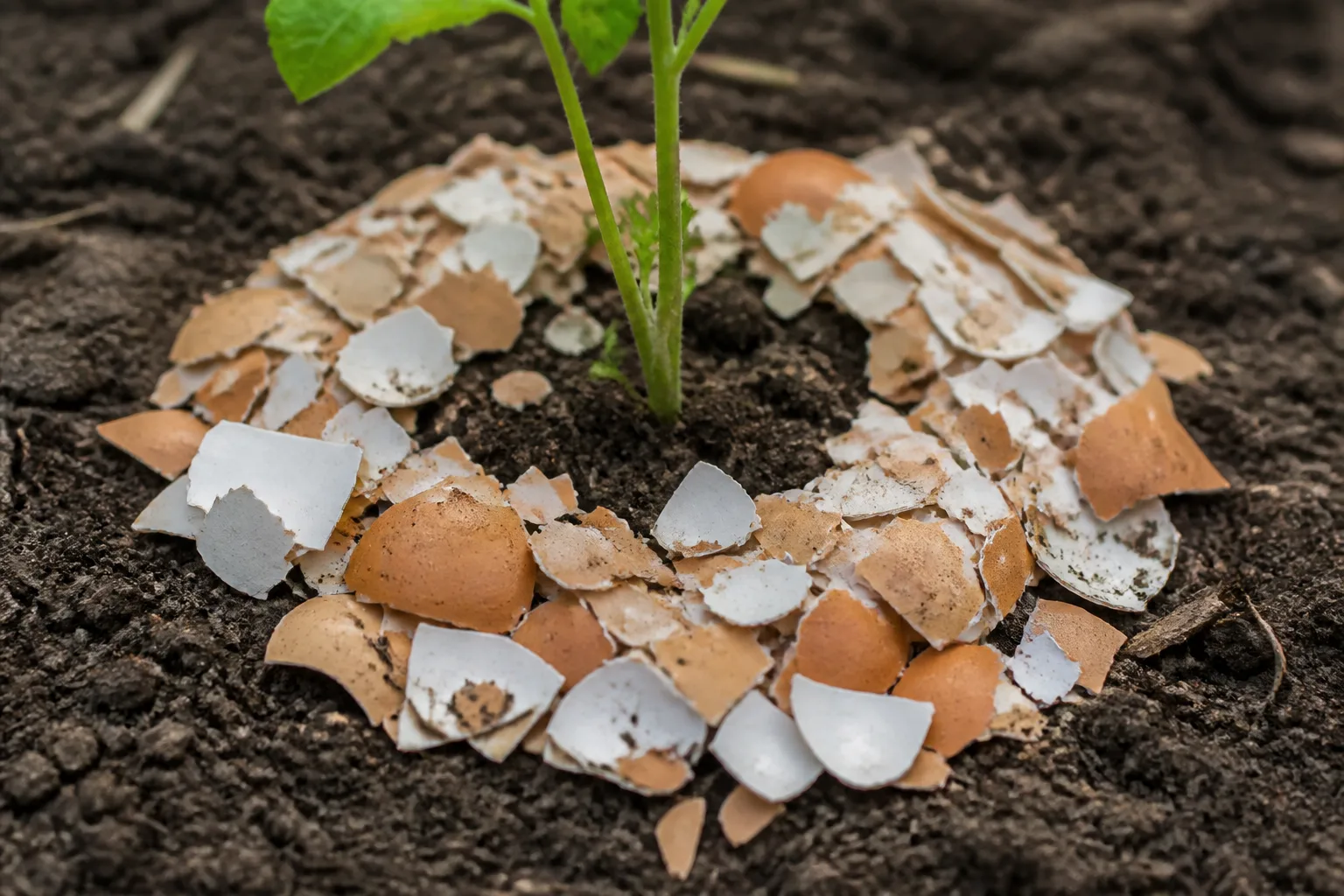
This method works well against slugs entering raised beds, ants farming aphids on stems, and earwigs climbing into lettuce. For a related barrier concept with different mechanics, compare our slug deterrent guide—DE cuts slime mechanically, but both tools fail when the lane stays wet.
Foliar Dusting for Active Infestations
When spider mites, flea beetles, or thrips larvae are actively crawling on dry stems and lower leaves, a light foliar dust can help—provided you accept reapplication and pollinator limits.
Foliar dust rules:
- Dust stems and lower leaf surfaces where pests crawl; skip upper leaf faces that catch sun and block photosynthesis when coated.
- Never dust open flowers or heavily visited pollinator plants.
- Apply in late evening on a dry day; avoid overhead watering for 48 hours if possible.
- If leaves look chalky white, you used too much—brush excess off or wait for wind and reapply thinner next time.
Soft-bodied aphids on juicy shoots are poor DE targets compared with beetles and mites on drier plant parts. When aphids are the main problem, switch to soap or a strong water blast before reaching for the duster again.
Wet DE Spray: Mixing, Coverage, and Drying Time
Wet application is the best way to coat leaf undersides and dense foliage where dry dust bounces off. The trade-off: DE is inactive until the water evaporates (Epic Gardening).
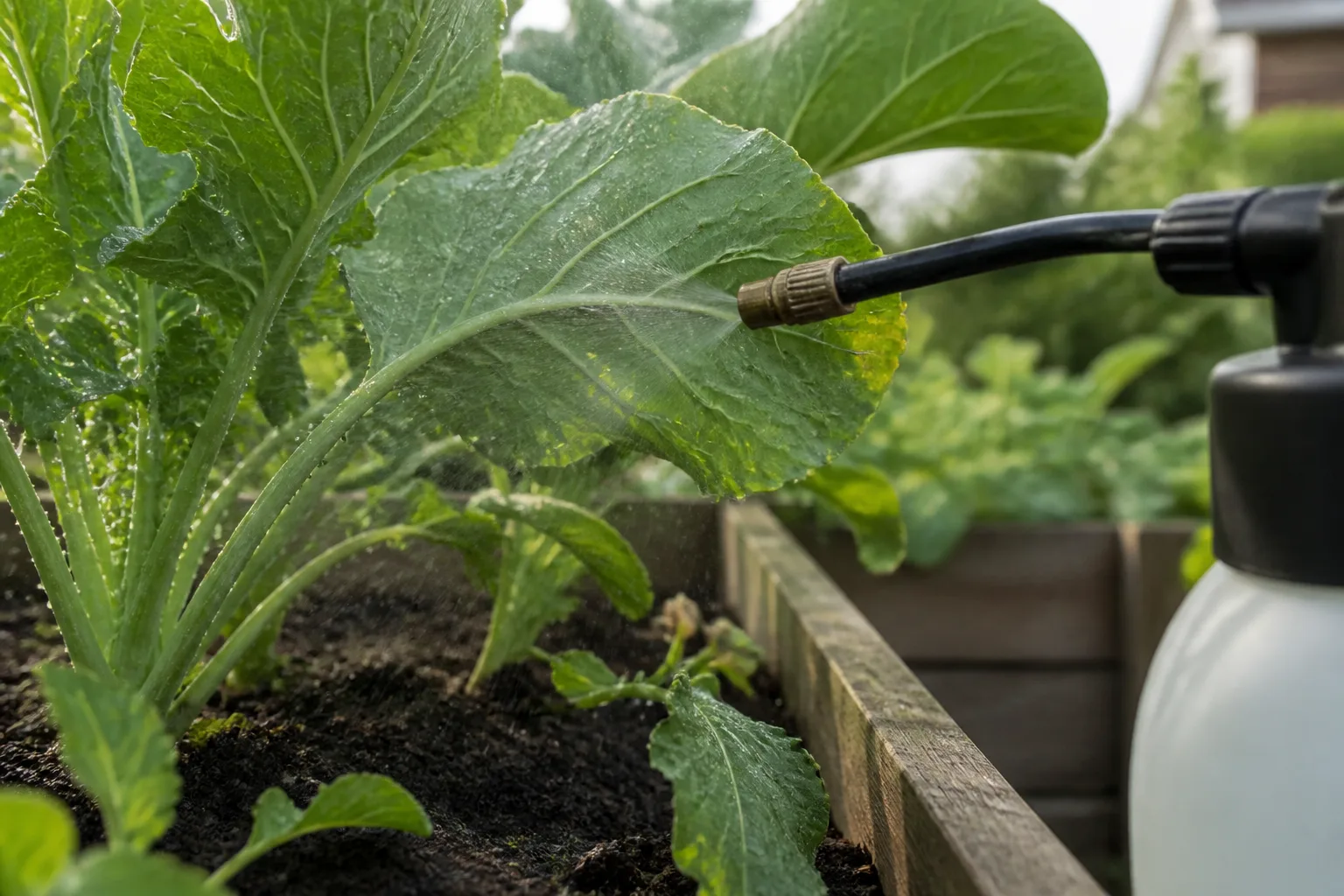
Standard mix when the label is silent: 4 tablespoons food-grade or pest-labeled DE per 1 gallon of water, shaken frequently. Some brands specify different rates—follow the bag if it lists spray directions.
Spray technique:
- Mix in a pump sprayer or trigger bottle; avoid clogging by using finely milled horticultural DE.
- Coat undersides of leaves and stems where pests hide; runoff on soil is fine if the surface will dry.
- Do not water until the film has dried completely—often several hours in sun, longer in shade.
- Reapply after rain or overhead irrigation.
Wet spray is useless in a week of storms. Check the forecast before you mix a gallon. Gardeners’ World notes that DE works as a slug irritant only while dry, which largely eliminates it in wet shade where slugs thrive (Gardeners’ World)—another reason wet spray is for foliar crawlers, not mollusk control in damp beds.
The Mulch-and-Drip Strategy for Staying Dry
Daily watering is the silent killer of garden DE. If you overhead-water every morning, your barrier ring washes away before lunch. The fix is not “more DE”—it is keeping a dry dust zone above wet soil.
Mulch-and-drip setup:
- Install soaker hoses or drip lines under the root zone and keep them there season-long.
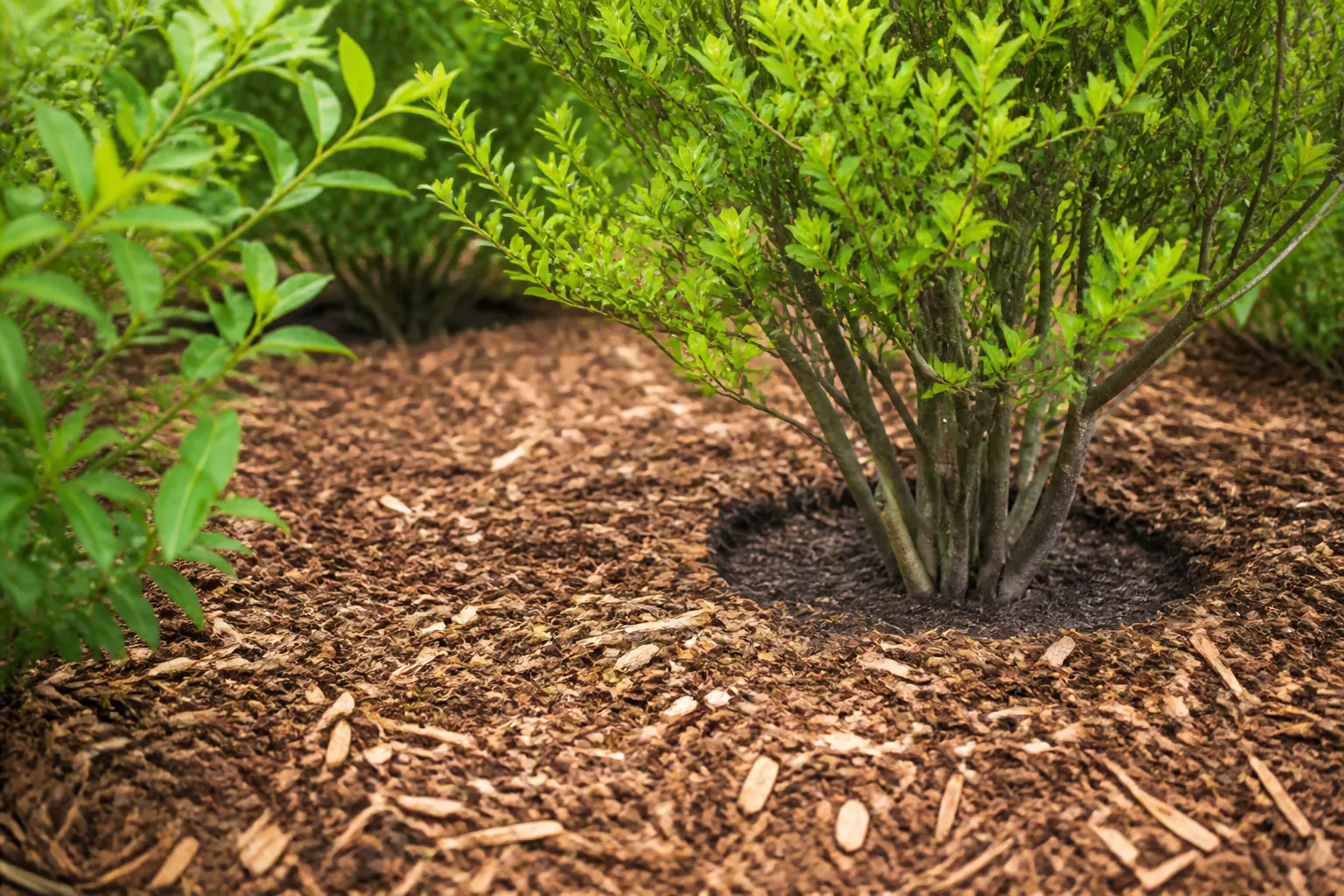
- Top with 2–3 inches of dry mulch (straw, shredded bark, or wood chips).
- Apply DE on the mulch surface, not on bare soil that gets splashed.
- Water at the root zone without soaking the dust lane.
The mulch acts as a moisture buffer: irrigation feeds roots while the top layer stays dry enough for DE to remain abrasive (Epic Gardening). This is especially useful in vegetable beds with steady moisture needs and slug pressure on bed edges.
Limitations remain: DE on mulch will not control grubs or root-feeding larvae deep in soil. For those pests, you need different tools—crop rotation, beneficial nematodes where appropriate, or labeled soil treatments—not surface dust.
Using DE on Houseplants You Move Outdoors
Houseplant pests—fungus gnat larvae, spider mites, thrips—often get a DE trial after soap fails. That can work if you treat dry soil surfaces and stems, not constantly wet mix.
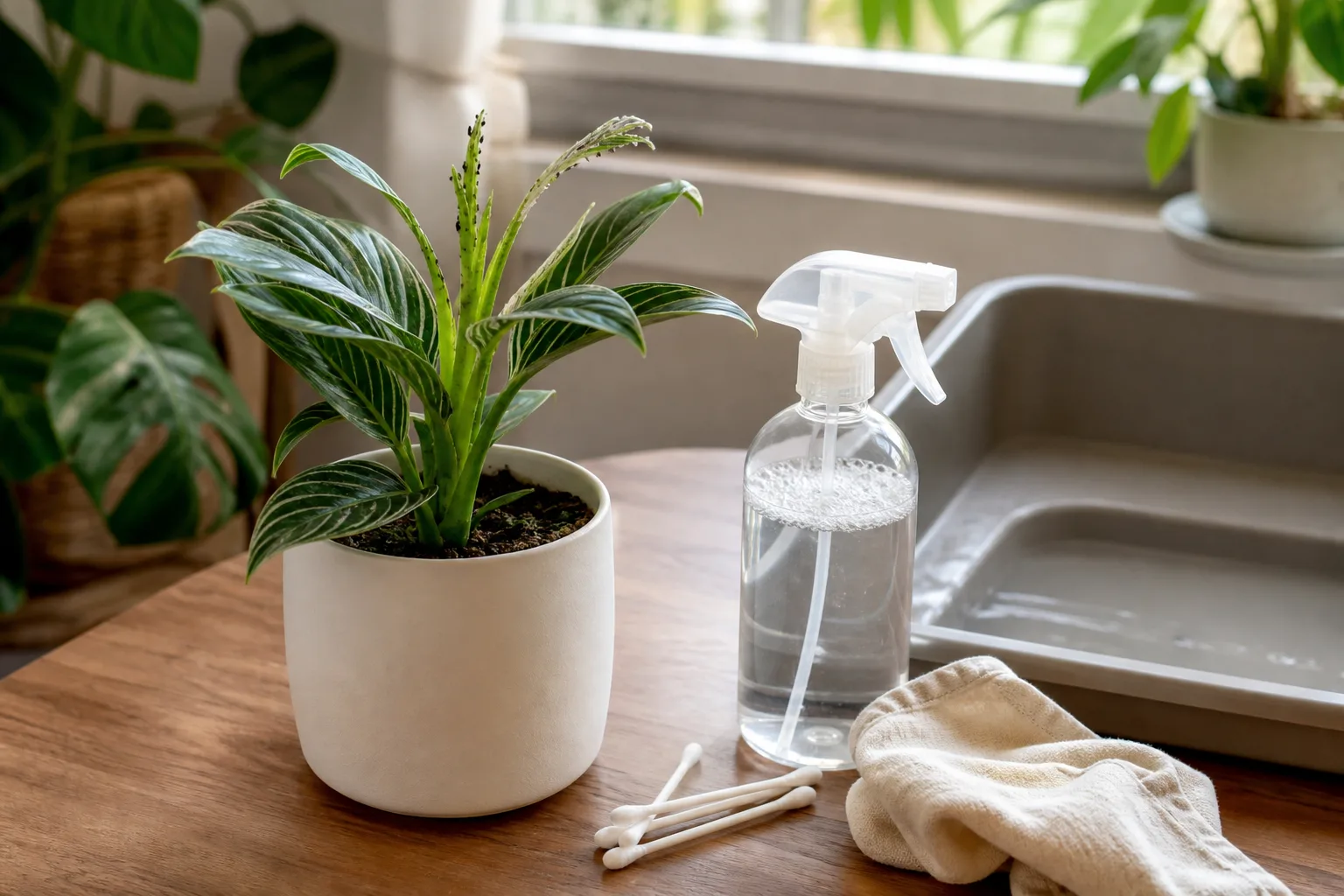
Houseplant protocol:
- Move plants outdoors before dusting so DE does not coat indoor surfaces.
- Mask up; apply a thin layer on dry potting mix to intercept crawling larvae, or dust dry stems lightly.
- Skip fuzzy-leaved plants (African violets, calatheas) and moisture-loving foliage that traps dust.
- Wait until dust settles before bringing plants back inside.
- Avoid watering until you are ready to re-dust after the surface dries again.
DE on wet houseplant soil washes into a paste that blocks gas exchange at the surface—another reason to treat dry, wait, then resume your normal watering rhythm.
Reapplication Calendar: Rain, Irrigation, and Seasonal Timing
DE is a maintenance tool, not a one-and-done spray. Plan reapplication around weather and watering, not the calendar alone.
| Event | Action |
|---|---|
| Heavy rain (>¼ inch) | Reapply barriers after soil/mulch dries |
| Overhead irrigation | Reapply within 24 hours if pests are active |
| Morning dew in humid climates | Wait until surfaces dry before dusting |
| Windy day | Delay—dust drifts off target and into lungs |
| New pest hatch (2–3 weeks) | Refresh lines to catch larvae crossing soil |
| End of season cleanup | Vacuum or rake visible dust; compost lightly treated mulch as usual |
During peak pest weeks—early cucumber beetle flights, late-summer mite flare-ups—twice-weekly barrier touch-ups on dry days are normal. During rainy shoulder seasons, DE may not be worth the effort; switch tools instead of fighting physics.
When to Pair DE With Soap, Neem, or Baits Instead
DE shines in dry perimeter zones. It struggles as the only tool for soft-bodied colonies on wet foliage or hidden ant colonies.
Pairing guide:
- Aphids and whiteflies on shoots → insecticidal soap or neem oil on undersides; DE on soil lanes optional.
- Ant–aphid partnerships → bait stations for colony decline plus DE on stems ants climb; see ant control.
- Squash bugs on cucurbits → hand pick, row cover, and targeted soap; DE on dry mulch at bed edge as supplement; full plan in squash bug control.
- Slugs in wet shade → traps and evening removal first; DE rings only on dry bed rims.
- Garlic or pepper trials → garlic spray or cayenne dust repel by irritation; DE kills by desiccation—different mechanics, similar reapplication after rain.
Integrated pest management means matching the tool to the pest’s movement, life stage, and habitat. DE is one drawer in the cabinet, not the whole kitchen.
Common Application Mistakes That Waste Your DE
Piling powder thick — Repels pests and blocks photosynthesis. Aim for a film you can barely see.
Dusting open flowers — Invites bee contact. If you already did, gently brush blooms or rinse flowers with water (accepting that rinse deactivates nearby DE).
Applying before rain — Washes money into the storm drain. Check three-day forecasts.
Using pool-grade DE — Wrong chemistry, wrong risk profile. Exchange the bag.
Expecting instant wipeout — DE is slow desiccation, not nerve poison. Give 48–72 hours before judging failure.
Ignoring eggs — Reapply on a two-week rhythm during active generations.
Skipping PPE because it is “natural” — Natural does not mean lung-friendly. NPIC treats inhalation seriously even for amorphous silica (NPIC).
Treating the whole yard — Kills ground beetles and predatory mites along with pests. Target lanes instead.
After dusty jobs, brush tools clean or follow our garden tool cleaning routine so DE does not ride indoors on pruners and gloves.
Conclusion
Diatomaceous earth earns its place in an organic garden when you treat it as a dry, targeted contact tool—not a magic cloud that solves every pest problem. Buy pest-labeled or food-grade powder, never pool filter grade. Lay thin, continuous barriers on dry mulch, dust stems and lower leaves while blooms stay clean, and use wet spray only when you can let the film dry undisturbed. Reapply after rain and irrigation, protect pollinators by excluding flowers, and reach for soap, neem, or baits when pests fly, breed in wet foliage, or live where dust cannot stay dry.
Get those conditions right and DE quietly does unglamorous work on crawling pests. Get them wrong and you will blame the powder instead of the application. The difference is almost always dryness, thickness, and choosing the right pest for the tool.



